Home Blog Page 653

20 Hidden Messages of Vinyl Runout Grooves

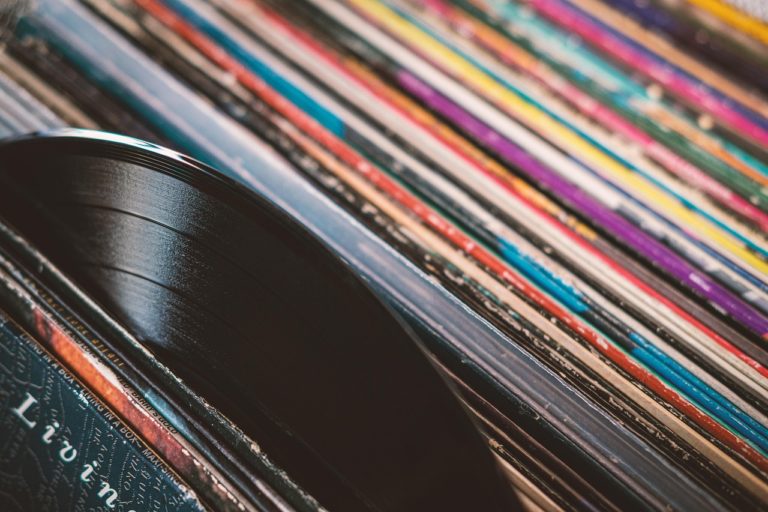
Before digital bonus tracks or deluxe editions, vinyl lovers had a secret language all their own—etched right into the runout grooves of their records. These tiny inscriptions, nestled between the last song and the label, have long been a space for cryptic phrases, inside jokes, and rebellious declarations. From modern-day vinyl pressings by LCD Soundsystem going back to Joe Walshe, the messages range from cheeky to profound, rebellious to ridiculous. Here’ a dive into some of the most iconic, surreal, and poetic etched-out messages that have graced the grooves—none of them explicit, all of them unforgettable.

“SEE U IN 5 YEARS” – LCD Soundsystem (American Dream D-side)
James Murphy gave us this playful farewell—only to return sooner than expected. A nod to the band’s self-aware brand of irony and their ever-elusive retirement.

“NEW YORK I LOVE YOU BUT YOU’RE BRINGING ME DOWN” – LCD Soundsystem (The Long Goodbye)
Etched over 10 sides of their farewell box set, this full lyric unspools like a love letter and a lament to the band’s home city.

“DON’T DISILLUSION ME” / “I’VE ONLY GOT RECORD SHOPS LEFT” – Joy Division (Love Will Tear Us Apart)
Factory Records never missed a chance for enigmatic melancholy. This etched confession perfectly matches the aching romance of the A-side.

“WELCOME LUCY… 12-3-82 10:12 AM” – Joe Walsh (You Bought It – You Name It)
A surprisingly tender moment for a rocker known more for sarcasm and swagger.

“ARENA ROCK IS THE NEW WAVE / PUNK ROCK IS THE NEW NOSTALGIA” – Minutemen (Double Nickels on the Dime)
The hardcore scene loved the groove message, and the Minutemen delivered a deadpan manifesto straight from the SST school of wit.

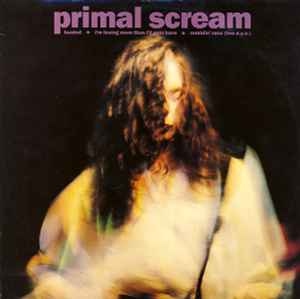
“FREE SLY STONE” / “FREE JAMES BROWN!” – Primal Scream (Loaded EP)
Pressed by Porky himself, these two sides are a rallying cry and a tribute to two soul legends amid the early ’90s acid house explosion.

“HELLO WATERFACE” / “GOODBYE WATERFACE” – Neil Young (Tonight’s the Night)
This cryptic greeting-and-farewell bookends an album steeped in loss, mourning, and ghostly grooves.

“DO WHAT THOU WILT / SO MOTE IT BE” – Led Zeppelin (Immigrant Song 7″)
Zep’s nod to Aleister Crowley’s occult teachings—equal parts cosmic wisdom and classic rock mystique.

“IF LOVE IS THE ANSWER YOU’RE HOME” – Daft Punk (Random Access Memories)
A bit of vinyl zen from the robots, making your turntable feel like a warm philosophical hug.

“NEVER LET YOUR MONSTER LAY DOWN / FROM THE POLACK WHO SAILED NORTH” – Hans Zimmer (Interstellar OST)
Even film scores have their cryptic charm. These etchings on the Interstellar soundtrack sound like space-age bedtime stories.

“GUARANTEED BRAND SPANKIN’ WHO / WHO IS JOE SUIT?” – The Who (Face Dances)
The Who’s grooves aren’t just for music—they’re for riddles too.

“THE CHICKEN WON’T STOP / THE CHICKEN STOPS HERE” – Joy Division (Still)
Nonsensical? Maybe. Memorable? Absolutely. A glimpse into the band’s surreal humor beneath all that gloom.

“TO LIFT A GLASS… LOVE FROM RUDI!” – Paul McCartney (Wonderful Christmastime)
A sweet toast sealed forever in vinyl, McCartney’s message is as warm and melodic as the track itself.

“DANCE ROCK IS THE NEW PASTURE / CHUMP ROCK IS THE NEW COOL” – Minutemen (Double Nickels on the Dime)
Sharp as ever, Minutemen’s groove scribbles are post-punk poetry.

“LUNCHEON COUNTER OF THE DELI KIND / CALL IT IN THE AIR” – Joe Walsh (But Seriously, Folks…)
A mix of deli wisdom and fate-driven instruction, Walsh’s humor lives in every inch of vinyl.

“IT USED TO BE SECRETS! I COULDN’T GIVE THEM AWAY / WHAT MADE YOU LOOK HERE?” – Jane’s Addiction (S/T)
A perfect pair of fourth-wall-breaking etchings from a band built on mystique and mischief.

“WATCHING LOVE GROW – FOREVER / HOW I WISH WE WERE HERE WITH YOU NOW” – Led Zeppelin III
Tender, wistful, and a little bit ghostly. Classic Zeppelin sentimentality.

“I THINK I’VE GOT EUTHANASIA / ANYWAY I’VE GOT TO GO NOW” – Depeche Mode (Love In Itself 2)
Two lines, equal parts techno paranoia and poetic withdrawal.

“FALLING, SHIRLEY EVERY TIME I SQUARE OFF AGAINST SOMEONE’S GOD…” – Hüsker Dü (Zen Arcade)
No one said punk had to be simple. Hüsker Dü gave us cryptic fury worthy of literary analysis.

These etched messages are a reminder that music has always been more than just sound—it’s storytelling, rebellion, humor, and sometimes a quiet whisper only heard by the curious. The next time you’re cueing up a record, take a second to peer into the grooves. You never know what secrets the wax might be holding.

When Vinyl Heals: 20 Charity Albums That Changed Lives Through Music

Sometimes, a song is more than a song. It becomes a rallying cry, a beacon of hope, or a vehicle for real-world change. Across decades, musicians have stepped up to raise money for causes that matter, creating charity albums that not only moved us emotionally—but moved the needle for humanitarian aid, health, education, and justice. From global icons like George Harrison and Elton John to projects uniting genres and generations, these albums prove that when artists band together, the result is magic.

Here are 20 great charity albums of all time, and every one of them made a difference.

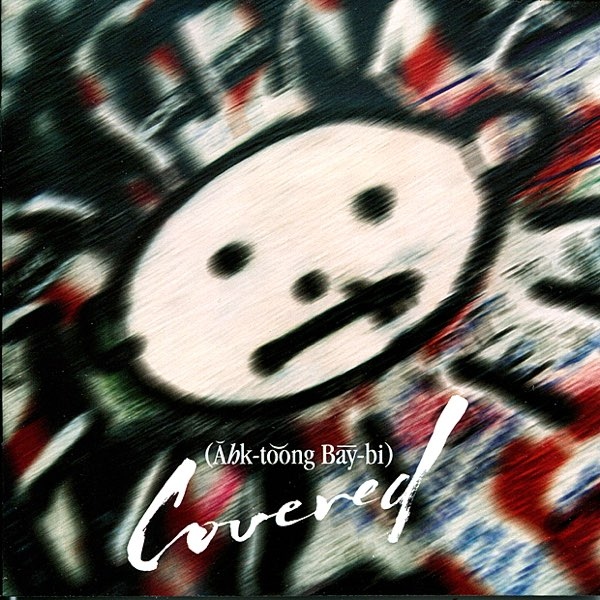
‘AHK-toong BAY-bi Covered’ – Various Artists (2011)
What happens when legends cover legends? You get this bold reinterpretation of U2’s ‘Achtung Baby’ with Nine Inch Nails, Patti Smith, Depeche Mode, and Jack White all offering their spins. Sales supported Concern Worldwide’s humanitarian efforts, proving rock can indeed roll toward justice.

‘Axis of Justice: Concert Series Volume 1’ – Various Artists (2004)
Co-founded by Tom Morello and Serj Tankian, Axis of Justice unites music and activism. This live collection features System of a Down, Audioslave, and Flea, all raising funds for social justice causes—where political fire meets musical power.

‘Bob Dylan: Christmas in the Heart’ – Bob Dylan (2009)
Only Dylan could sing about chestnuts roasting and have it echo like a prayer. This holiday album’s proceeds forever support Feeding America, Crisis UK, and the World Food Programme. A stocking stuffer with a purpose.

‘Chimes of Freedom: The Songs of Bob Dylan’ – Various Artists (2012)
A mammoth tribute to Dylan’s work and a 50th-anniversary celebration of Amnesty International. With over 80 artists including Adele, My Morning Jacket, Elvis Costello, and Patti Smith, this album stands as one of the most ambitious musical fundraisers ever.

‘Classic Elton John’ – Elton John (1994)
A greatest-hits collection that went straight to the heart—literally. Proceeds from this timeless set supported Ronald McDonald House Charities, showing Elton’s music not only sparkles, but heals.

‘Common Thread: The Songs of the Eagles’ – Various Artists (1993)
Country stars like Vince Gill and Travis Tritt covered Eagles classics to raise money for Don Henley’s Walden Woods Project. Nature, harmony, and timeless songwriting, all in one.

‘Diana, Princess of Wales: Tribute’ – Various Artists (1997)
After Diana’s tragic death, the music world responded with this emotional compilation featuring Eric Clapton, Queen, R.E.M., and Celine Dion. Every note helped continue Diana’s humanitarian mission.

‘Future Soundtrack for America’ – Various Artists (2004)
Curated by They Might Be Giants and supported by MoveOn.org, this quirky, impassioned compilation includes R.E.M., Tom Waits, Blink-182, and David Byrne. A sonic call to civic action in uncertain times.

‘Give US Your Poor’ – Various Artists (2008)
Fighting homelessness through harmony, this album paired icons like Bruce Springsteen and Jon Bon Jovi with people experiencing homelessness. A poignant, powerful reminder that everyone deserves a voice.

‘God Bless America’ – Various Artists (2001)
In the wake of 9/11, musicians united for this benefit album supporting the Twin Towers Fund. Featuring Dylan’s “Blowin’ in the Wind” and Withers’ “Lean On Me,” it helped a grieving nation find its footing.

‘Hear ‘n Aid’ – Various Artists (1986)
Move over “We Are the World”—metalheads had their own moment with Dio, Judas Priest, and Scorpions thrashing for a cause. This heavy metal charity album raised $3 million for famine relief in Africa.

‘Hope for Haiti Now’ – Various Artists (2010)
Released in response to the devastating Haiti earthquake, this telethon-turned-album featured Beyoncé, Jay-Z, Rihanna, Springsteen, and Coldplay. Every download was a donation—and a lifeline.

‘In the Name of My Father: The Zepset’ – The Jason Bonham Band (1997)
Led Zeppelin drummer John Bonham’s son Jason paid tribute with this thunderous live album. All proceeds went to the Big Sisters of Los Angeles and a motorcycle camp in John’s memory.

‘Instant Karma: The Amnesty International Campaign to Save Darfur’ – Various Artists (2007)
A Lennon tribute for a cause that needed urgent attention. U2, Green Day, R.E.M., and Snow Patrol covered Lennon’s work with proceeds going to Amnesty International’s efforts in Darfur.

‘No Alternative’ – Various Artists (1993)
A defining moment of ’90s alt-rock—with Nirvana (unlisted, naturally), Smashing Pumpkins, and Patti Smith—raising awareness and funds for AIDS relief. A culture-shaping charity LP if there ever was one.

‘Nobody’s Child: Romanian Angel Appeal’ – Various Artists (1990)
Spearheaded by Olivia Harrison, this LP helped orphaned children in Romania. It features the Traveling Wilburys, Elton John, Stevie Wonder, and Paul Simon. George Harrison once again led with heart.

‘Peace Together’ – Various Artists (1993)
Music met peace activism with this benefit for Northern Ireland’s youth. Irish legends like U2, Sinead O’Connor, and the Cranberries contributed alongside Peter Gabriel and Blur. Healing through harmony.

‘Songs for Japan’ – Various Artists (2011)
After the catastrophic Tohoku earthquake and tsunami, this multi-label, multi-genre effort featured Dylan, U2, Beyoncé, and Lady Gaga. Global stars, global support, global impact.

‘Sweet Relief: A Benefit for Victoria Williams’ – Various Artists (1993)
When singer-songwriter Victoria Williams was diagnosed with MS, friends like Pearl Jam, Lucinda Williams, and Lou Reed recorded her songs. It launched the Sweet Relief Fund, now a vital lifeline for musicians in need.

‘We Are the World’ – USA for Africa (1985)
The blueprint. Written by Michael Jackson and Lionel Richie, produced by Quincy Jones, and featuring everyone from Springsteen to Stevie Wonder, this track—and album—raised over $60 million for famine relief in Africa. Charity music’s Mount Rushmore.

22 of the Best Backing Vocals That Took Songs to the Next Level

“(You Make Me Feel Like) A Natural Woman” – Aretha Franklin
Backing vocals: The Sweet Inspirations (Cissy Houston, Sylvia Shemwell, Dee Dee Warwick), Carolyn Franklin, Erma Franklin
Aretha’s voice could level mountains, but the real magic is in how she used her background singers. Rooted in gospel, her call-and-response interplay with her sisters and The Sweet Inspirations creates a sacred space of emotion and harmony that turns this song into an anthem of womanhood.

“Blue Moon” – The Marcels
Backing vocals: Fred Johnson, Cornelius Harp, Gene Bricker, Ron Munday, Richard Knauss
Taking a Rodgers & Hammerstein standard and spinning it into a doo-wop whirlwind, the Marcels flipped the script with brilliant harmony work. Their “bomp ba ba bomp” intro made the song sound brand new—and completely unforgettable.

“Bring It On Home to Me” – Sam Cooke
Backing vocals: Lou Rawls
That second line of “yeah” that follows every phrase? That’s Lou Rawls. His deeper, more complex harmony adds gospel gravity to the song, turning a simple call-and-response into something soul-shaking.

“Can You Feel the Love Tonight” – Elton John
Backing vocals: Gary Barlow, Rick Astley, Kiki Dee
Elton’s Oscar-winning Disney ballad has a secret choir. The subtle lift you feel during the choruses? That’s a vocal blend from Astley, Barlow, and Dee—pop royalty behind a lion-sized hit.

“Chain Reaction” – Diana Ross
Backing vocals: Barry Gibb
The Bee Gees’ Barry Gibb not only co-wrote and produced this Motown throwback, he delivered his signature falsetto to the backing vocals. He doesn’t steal the spotlight—he amplifies Diana’s glory.

“Don’t Worry Baby” – The Beach Boys
Backing vocals: Carl Wilson, Dennis Wilson, Brian Wilson, Mike Love, Al Jardine
Brian Wilson dreamt it, then he built it. The harmonies on this track are pure emotional architecture—lush, heartbreaking, and utterly transporting. Every Beach Boy is essential here.

“Hearts on Fire” – Gram Parsons & Emmylou Harris
Backing vocals: Emmylou Harris
It’s technically a duet, but Harris was relegated to “backing vocals” after Parsons’ death. Still, her harmonies here are intimate, aching, and so close to Parsons’ lead you feel their relationship in every note.

“I Can’t Let Go” – The Hollies
Backing vocals: Graham Nash
Nash’s soaring high harmony gave this 1966 pop song its unique edge. McCartney once mistook his falsetto for a trumpet. That’s not just backing—that’s brilliance.

“I’m Not in Love” – 10cc
Backing vocals: Lol Crème, Kevin Godley, Graham Gouldman, Eric Stewart
This track is a galaxy of whispers and looped harmonies. Built entirely on stacked vocal takes, it’s a testament to how background vocals can become the whole sonic landscape.

“Just a Gigolo/I Ain’t Got Nobody” – Louis Prima & Keely Smith
Backing vocals: Keely Smith, Sam Butera & the Witnesses
A swing mashup full of call-and-response, big band energy, and cheeky interplay. Keely’s dry delivery anchors Prima’s chaos, with Butera’s horn section chiming in like a musical punchline.

“Money for Nothing” – Dire Straits
Backing vocals: Sting
Sting’s “I want my MTV” hook is a pop culture artifact. It’s haunting, ironic, and the cherry on top of this snarling satire of 1980s rock star excess.

“Nikita” – Elton John
Backing vocals: George Michael
Michael’s background harmonies bring warmth and melancholy to Elton’s Cold War love ballad. Their blend is so good it feels like a whispered secret between friends—who also happened to be legends.

“Night Time Is the Right Time” – Ray Charles
Backing vocals: The Raelettes (Mary Ann Fisher, Margie Hendrix)
Margie Hendrix doesn’t just back Ray—she battles him. The way their voices collide is electric, taking this bluesy burner to fever pitch.

“No, No, No (You Don’t Love Me)” – Dawn Penn
Backing vocals: Uncredited (including “the peoples” and “boo!”)
Sometimes all it takes is two shouted words—“the peoples!” and “boo!”—reverbed into oblivion. It’s mysterious, it’s minimal, and yet it turns the song into something unforgettable.

“Somebody’s Watching Me” – Rockwell
Backing vocals: Michael Jackson
MJ’s chorus vocals turned Rockwell’s track into a perennial Halloween hit. It’s a masterclass in how a well-placed harmony can overshadow the lead—and make people think it’s your song entirely.

“State of Independence” – Donna Summer
Backing vocals: Lionel Richie, Dionne Warwick, Michael Jackson, Brenda Russell, Christopher Cross, Dyan Cannon, James Ingram, Kenny Loggins, Stevie Wonder
A choir of stars—literally. Produced by Quincy Jones, this cosmic track sounds like gospel from another dimension thanks to an all-star chorus that includes Stevie, Dionne, and MJ.

“Teddy Bear” – Elvis Presley
Backing vocals: The Jordanaires
Elvis’ playful delivery was made irresistible with the smooth blend of the Jordanaires behind him. Gospel roots meet rockabilly charm in a way only The King could conjure.

“The Bitch Is Back” – Elton John
Backing vocals: Dusty Springfield
Dusty adds grit and growl to Elton’s glam. Her soulful backing gives the song its bite—and proves once again that she could steal the show without even taking lead.

“You’re So Vain” – Carly Simon
Backing vocals: Mick Jagger
That voice on the chorus? Oh, it’s him. Mick Jagger’s unmistakable snarl gives this track extra sting—and perhaps extra gossip. Uncredited, but unforgettable.

“You’ve Got the Love” – Rufus & Chaka Khan
Backing vocals: Ray Parker Jr.
Before Ghostbusters, Ray was crafting funk with precision. His backup vocals add texture and cool behind Chaka’s powerhouse lead—smooth like a velvet knife.

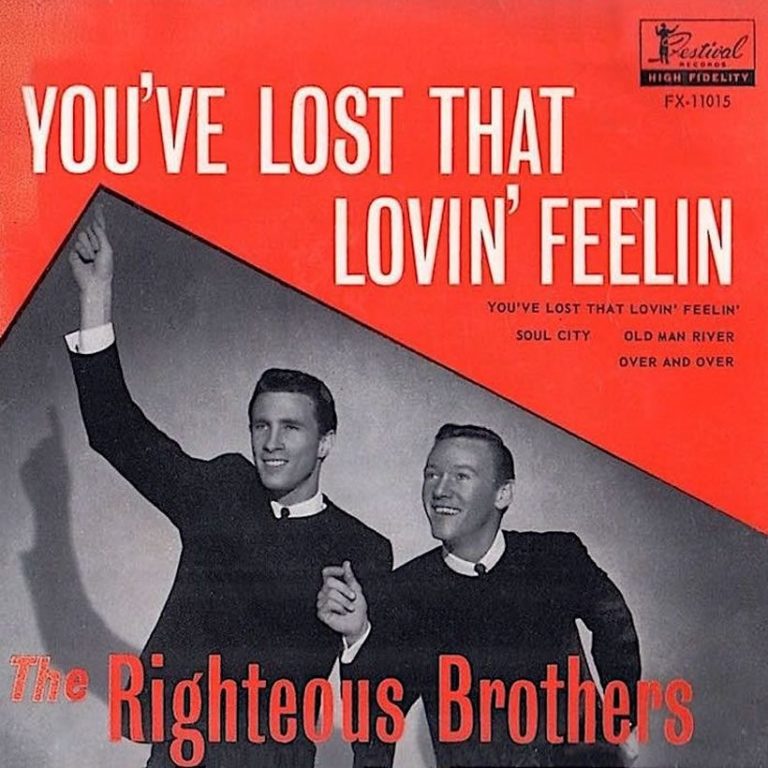
“You’ve Lost That Lovin’ Feeling” – The Righteous Brothers
Backing vocals: Cher
A teenage Cher helped fill Phil Spector’s Wall of Sound with uncredited vocals. Her voice echoes behind the chorus like a ghost you didn’t know was there—but couldn’t live without.

“Young Americans” – David Bowie
Backing vocals: Luther Vandross
A pre-fame Vandross helped arrange and perform the backup vocals on Bowie’s plastic soul anthem. He gives the song its silky texture and quietly steals the spotlight in every “do do do.”

50 Banned Album Covers That Shocked the World and Changed Music History

They say don’t judge an album by its cover—but what if the cover’s the reason you can’t find the album in stores? Across decades and genres, artists have pushed the envelope not just with sound, but with imagery that challenged norms, sparked outrage, and forced censors to scramble. From nudity and violence to political statements and religious iconography, these 50 banned or censored album covers didn’t just raise eyebrows—they rewrote the rules of what music looks like. In true Eric Alper fashion, here’s a celebration of when art, rebellion, and a little bit of chaos met the front of an LP jacket. Too bad I can’t show any of them here.

Alice Cooper – Love It to Death
What looked like a normal band photo was far from innocent—Alice’s thumb, strategically placed, gave the illusion of exposed genitals. That illusion led to a reissue where his entire arm was airbrushed out. Who knew shock rock started with subtle thumbs?

Arca – Xen
Meet Xen, Arca’s digital alter ego with rippling skin and ambiguous anatomy. No genitals? No problem—platforms still blurred her breasts and crotch. Experimental music, meet experimental censorship.

The Beatles – Yesterday and Today
Dubbed the “butcher cover,” this notorious sleeve showed the Fab Four with raw meat and decapitated baby dolls. It was swiftly recalled after backlash and replaced with a tamer image. The original now fetches thousands from collectors.

Biffy Clyro – The Vertigo of Bliss
An orgasmic cartoon woman drawn by erotic artist Milo Manara? Yep, and that was just the start. Each single’s artwork amped up the sex, triggering store bans but earning cult praise for boldness.

The Black Crowes – Amorica
A thong, an American flag, and… pubic hair. Ripped from a vintage Hustler magazine, the cover outraged stores and got swapped for a censored version. Rock ‘n’ roll rebellion, one bikini line at a time.

Blind Faith – Blind Faith
A topless preteen holding a futuristic toy spaceship—sound harmless? Not to American audiences, who demanded a band photo instead. Decades later, it’s still one of rock’s most haunting controversies.

Bon Jovi – Slippery When Wet
Originally featuring a wet T-shirt model, this cover was deemed too risqué. A garbage bag with wet lettering became the iconic version instead. Japan, however, got the original—lucky them.

Bow Wow Wow – See Jungle!
A Manet-inspired picnic with a 14-year-old Annabella Lwin posed nude. The UK was not amused, prompting a Scotland Yard investigation and a permanent ban on the image in America.

Cannibal Corpse – Butchered at Birth
Gore, violence, and corpses galore—so offensive it was outright banned in Germany and several U.S. retailers. Metalheads loved it, parents didn’t. It’s arguably the most banned album in death metal history.

Chumbawamba – Anarchy
A baby emerging from a vagina was too raw even for anarcho-punks. Retailers refused to stock it, and a flower cover was used instead. You can’t say they didn’t warn you with that title.

Cradle of Filth – Thornography
It wasn’t the band’s lyrical blasphemy—it was a woman’s bare legs that got the boot. Roadrunner Records vetoed the original image, though some copies had already leaked out.

David Bowie – Diamond Dogs
A half-man, half-dog hybrid with visible genitals? That was Bowie’s vision until label execs freaked out. The canine crotch was airbrushed, but fans still sniffed out the original.

Dead Kennedys – Frankenchrist
Insert a Giger painting called Penis Landscape in your punk LP and you’re bound for court. The band was sued for obscenity, nearly bankrupted, and immortalized as free speech martyrs.

Death Grips – No Love Deep Web
An erect penis, a Sharpie scrawl, and total anarchy. The band dropped it without label permission, sparking shock and a whole new chapter in digital defiance.

The Game – Jesus Piece
Jesus with a red bandana and teardrop tattoo? The religious imagery—filtered through Compton—offended Catholic groups and got the deluxe edition cover shelved.

Guns N’ Roses – Appetite for Destruction
Robots, monsters, and a violated woman. Too graphic for most stores, the original painting was buried inside, replaced by the now-iconic skull cross.

Jane’s Addiction – Nothing’s Shocking
Conjoined nude twins with flaming hair weren’t shocking to Perry Farrell—but they were to distributors. Cue bans and a legacy of pushing visual boundaries.

Jane’s Addiction – Ritual de lo Habitual
A threesome in sculpture form? You bet. Some stores swapped it with a text-only cover featuring the First Amendment. How’s that for a mic drop?

Jimi Hendrix – Electric Ladyland (UK)
A bevy of nude women lounging in the dark made up the UK cover—not Jimi’s choice, but the label’s. He hated it. America got a simple band portrait instead.

John Lennon & Yoko Ono – Two Virgins
Nude from front and back, Lennon and Ono went full vulnerability. Retailers wrapped it in brown paper. Ironically, that probably made more people curious.

Kanye West – My Beautiful Dark Twisted Fantasy
A naked West being straddled by a phoenix? Too hot for Walmart. Kanye refused to edit it, but labels compromised by pixelating the image. The art matched the album—unfiltered brilliance.

Kanye West – Vultures 1
Kanye and Bianca Censori stand side-by-side, with her barely dressed. Provocative? Definitely. Offensive? Depends who you ask. But it’s on-brand for a man who made controversy an art form.

Lady Gaga – Artpop
Jeff Koons sculpted Gaga with a gazing ball between her legs. No nudity, yet censored in China and the Middle East. In those markets, the ball grew larger—so did the outrage.

Led Zeppelin – Houses of the Holy
Naked children climbing rocks sounds poetic… until you see it. U.S. and U.K. stores demanded a wraparound band to hide the buttocks. Later reissues airbrushed everything.

Lorde – Solar Power
A bold low-angle shot of Lorde jumping at the beach—bare bottom in view. Some countries added lens flares to hide her, but Lorde left no apologies in the sun-drenched frame.

Marilyn Manson – Mechanical Animals
Manson, nude and alien, with airbrushed genitals. Too weird for Walmart and too much for Kmart. But it perfectly captured the glam-industrial freak show within.

Ministry – Dark Side of the Spoon
A naked obese woman in front of a chalkboard scrawled with “I will be god.” Kmart said nope, and later editions removed both her and the blasphemy.

Mom’s Apple Pie – Mom’s Apple Pie
That pie? Yeah, it’s not cherry. The original cover had subtle female anatomy baked in, plus a suspicious creamy filling. Later pressings added a brick wall—how tasteful.

Nirvana – Nevermind
A naked baby chasing a dollar bill. One of the most iconic covers of all time—also one of the most controversial. Some stores wouldn’t sell it; others called it art. The baby sued 30 years later.

NOFX – Heavy Petting Zoo
A man and a sheep, uh… cuddling. The LP version showed them in a 69 position. Germany banned it outright. Punk rock, everybody.

Pulp – This Is Hardcore
Jarvis Cocker wanted seductive and unsettling. He got both. A dead-eyed model poses in an ambiguous, sexual pose. Graffiti on posters read: “This Offends Women.” Mission accomplished?

Red Hot Chili Peppers – Mother’s Milk
The band poses across a giant naked woman. Chains and roses cover just enough. Retailers revolted, so alternate covers were made with blown-up band photos.

Rob Zombie – Mondo Sex Head
Originally Sheri Moon Zombie’s exposed rear. The backlash? Fierce. The solution? A cat. Subtlety be damned.

Roger Waters – Pros and Cons of Hitch Hiking
Linzi Drew, porn actress, posed naked on the side of the road. Some called it art. Others said it promoted violence. Stores covered it with a black box.

Roxy Music – Country Life
Two partially nude women in lingerie. It was cropped, wrapped, and in some cases, swapped for trees and foliage. Sexy… but safe.

Scorpions – Virgin Killer
A naked underage girl behind cracked glass. It’s still one of the most banned images in music history. Even Wikipedia was briefly censored for hosting it.

Sky Ferreira – Night Time, My Time
Topless, damp, and unfiltered. Ferreira’s raw portrait was cropped for iTunes and censored in stores—but it captured the album’s emotional messiness perfectly.

Sonic Youth – Sister
One image featured a pre-teen model. Another showed Disneyland. Both got covered or removed due to lawsuits. Still, the chaos matches the noise within.

Steve Taylor – I Predict 1990
Christian bookstores pulled this satirical album for its cover and song titles. Some thought it was New Age. Others missed the joke entirely. Either way, controversy sold.

The Strokes – Is This It
A leather glove rests on a bare hip. Too sexy for American stores, the band swapped it for a particle trail image. But nothing says indie rebellion like a good banned butt.

Tin Machine – Tin Machine II
Statues of naked men had their junk airbrushed out on U.S. shelves. Bowie’s response? “Only in America!” He wasn’t wrong.

Tool – Undertow
Cows licking genitals, pins in heads, nudity everywhere. The cover was replaced with a bar code for mainstream shelves. Tool fans still found it, of course.

The Velvet Underground – The Velvet Underground & Nico
Eric Emerson’s image on the back cover got the band sued. Labels used a sticker to hide it. Eventually, the image returned, and became part of the album’s mystique.

The Weeknd – House of Balloons
A topless woman surrounded by black balloons? Too risqué for retail in 2015. The censored version arrived quietly—but the buzz was already airborne.

Whitesnake – Lovehunter
A naked woman straddles a massive snake. Interpret that however you like. U.S. versions were stickered, Argentinian ones were airbrushed. Subtlety never was their strong suit.

White Zombie – Supersexy Swingin’ Sounds
The title says it all. A nude woman lounging in a hammock? Too hot for Walmart. A censored version added a blue bikini—because blue makes it wholesome.

Whether wrapped in brown paper, pixelated for digital platforms, or pulled from shelves altogether, these covers tell stories that go beyond the music. They remind us that albums are more than playlists—they’re time capsules of cultural tension, artistic risk, and fearless creativity. In a world of autoplay and thumbnails, they still ask the boldest question of all: Are you ready to look?


10 Artists Influenced By Jerry Garcia And The Grateful Dead

The Grateful Dead were more than a band – they were an idea, a philosophy, a way of living and jamming. Jerry Garcia’s tone, spirit, and improvisational soul didn’t end when the tour bus stopped. His fingerprints are everywhere. Here are 10 artists and bands who carry the everlasting influence of Jerry and the Dead, spinning it forward into new realms of sound and freedom.

Phish
You can’t talk about post-Dead jam bands without bringing up Phish. From marathon sets to musical segues that never repeat the same way twice, Trey Anastasio took Garcia’s torch and danced it through the 1990s and beyond. It’s a communal experience, not just a concert.

John Mayer
When Mayer joined Dead & Company, skeptics raised eyebrows—but the blues-pop virtuoso dove in headfirst. He studied Jerry’s phrasing like sacred scripture and added his own voice without ego. Now, even seasoned Deadheads tip their hat to his role in keeping the music alive.

The String Cheese Incident
Colorado’s own jam giants owe a huge debt to the Dead. Their genre-hopping shows—bluegrass to funk to trance—feel like a page ripped from the Grateful Dead’s playbook. They don’t just cover the Dead; they live their ethos of exploration and community.

Wilco
While not a jam band, Jeff Tweedy has admitted that the Dead influenced Wilco’s sonic freedom. Albums like A Ghost Is Born show off extended instrumental passages and a willingness to let a song breathe, expand, and meander. That’s the Dead’s DNA at work.

The War on Drugs
Adam Granduciel channels that drifting, cosmic Americana that Jerry did so well. With layered guitar textures and hypnotic grooves, The War on Drugs feels like a modern echo of the Dead’s spacey mid-’70s explorations—less country, more interstellar.

My Morning Jacket
Jim James blends rock, soul, and psychedelia with the kind of sincerity that would make Jerry smile. Their live shows are sprawling epics, and you never hear a song played the same way twice. Sound familiar?

Father John Misty
There’s a lyrical looseness and a touch of acid-washed wit in Josh Tillman’s work that echoes Robert Hunter’s wordplay and Garcia’s delivery. Songs like “I’m Writing a Novel” feel like they could’ve been born in a Dead soundcheck.

Fleet Foxes
Their harmony-driven folk might seem more CSNY than Dead, but listen closer. There’s a transcendental stillness, a pastoral mysticism in their music that nods to American Beauty and Workingman’s Dead. It’s contemplative, earthy, and timeless.

Goose
If you’re looking for the next generation of jam scene royalty, look no further. Goose channels the Dead’s sense of musical conversation—fluid, unpredictable, and joyous. Their fans don’t just listen—they follow.

Ty Segall
The garage psych king of the West Coast has absorbed the Dead’s more experimental impulses. When Segall drifts into fuzzed-out, exploratory jams, you can hear echoes of Anthem of the Sun through a fuzz pedal and a time machine.

From campfire folk to synth-soaked psychedelia, Jerry Garcia’s spirit is still trucking. Because in the end, the Grateful Dead were a way of hearing the world.

The Most Delightfully Experimental Songs That Somehow Became Hits

Mainstream music doesn’t always play by the rules—and sometimes, the weird, the wild, and the wonderfully out-there crash the charts in style. These hits defied expectations, confused programmers, and still soared to #1. Here are some of the most experimental songs to ever win the masses, alphabetized for your pleasure:

All Too Well (10 Minute Version) – Taylor Swift
Ten minutes. No chorus. Emotional carnage. In a streaming era favoring short hits, Taylor shattered expectations—and records—with this extended heartbreak ballad.

Another Brick in the Wall (Part II) – Pink Floyd
Who knew that a rock opera about authoritarianism, sung by children demanding no education, would become a global chant? A protest song with a disco beat? Sure.

Bad Guy – Billie Eilish
Built on whispers, sub-bass, and a breakdown that ditches the entire melody, Billie made the oddest earworm imaginable—and ruled the charts doing it.

Batdance – Prince
A chaotic mash-up of funk, industrial, movie dialogue, and zero coherence—and yet, it’s pure Prince. The Batman soundtrack never knew what hit it.

Bohemian Rhapsody – Queen
Operatic rock? A six-minute suite about murder, Beelzebub, and Galileo? Queen gambled on grandeur, and the world sang along.

Chariots of Fire – Vangelis
A synth-heavy instrumental theme from a historical drama running slow-motion across the beach. Inspirational? Yes. Conventional? Not even close.

Disco Duck – Rick Dees & His Cast of Idiots
A disco song sung by a duck. Performed by a radio DJ. No, really. The 1970s were wild.

Don’t Worry, Be Happy – Bobby McFerrin
The first a cappella song to hit #1, built on layered vocals and joyful whistling. It’s basically a feel-good mantra disguised as sonic minimalism.

Eve of Destruction – Barry McGuire
A gravel-voiced prophecy of apocalypse, released in the midst of the ‘60s counterculture. Not exactly summer playlist material—and yet, a smash.

Frankenstein – The Edgar Winter Group
An all-instrumental hard rock synth jam with a drum solo? Edgar Winter tossed everything at the wall, and it all stuck.

Good Vibrations – The Beach Boys
Brian Wilson’s “pocket symphony” was a collage of tape loops, electro-theremin, and pop ambition. The most expensive single of its time—worth every penny.

Hanky Panky – Tommy James & The Shondells
A raw, garage-rock jam recorded on a whim and passed around on bootlegs. Somehow, this primitive track topped the charts in 1966.

Harlem Shake – Baauer
Two minutes of chopped-up samples, distorted bass, and zero song structure. A meme built this hit, but the chaos kept it legendary.

I Feel Love – Donna Summer
Giorgio Moroder’s synth masterpiece changed dance music forever. A pulsing, robotic hymn to the future—and it still sounds like tomorrow.

Jack Your Body – Steve “Silk” Hurley
House music hadn’t yet stormed the world, but this track made it to #1 in the UK—barely resembling anything else on radio in 1986.

Justify My Love – Madonna
Whispers, moans, and a spoken-word poem about lust. Madonna’s most intimate track shocked censors—and topped charts.

Laurie Anderson’s O Superman
A vocoder poem about fear and control, stretching over eight minutes. It climbed to #2 in the UK, which still feels like a glitch in the matrix.

Macarena (Bayside Boys Remix) – Los Del Rio
A flamenco-folk dance song remixed with English verses and turned into a global dance craze. It makes no sense. That’s why it works.

Music – Madonna
A one-chord groove, stuttering effects, and an oddly robotic funk. Madonna made it clear: music does, in fact, make the people come together.

O Superman – Laurie Anderson
Minimalist, avant-garde, and almost entirely made up of “ha-ha-ha-ha.” A performance art piece that became a pop hit in Britain.

Oh Yeah – Yello
A Swiss synthpop group records a song made entirely of deep groans and looped nonsense. Somehow it becomes a pop culture staple.

Pump Up the Volume – M/A/R/R/S
A cut-and-paste masterpiece of samples and scratching, it sounded like nothing else in 1987—and it still doesn’t.

Set Adrift on Memory Bliss – P.M. Dawn
Dreamy, surreal, and floating on a Spandau Ballet sample, this was hip-hop’s turn toward the ethereal.

Sicko Mode – Travis Scott
No chorus. Three beat changes. Psychedelic trap production. Somehow it all gels into a sprawling, genre-bending hit.

Single Ladies (Put a Ring on It) – Beyoncé
An 8-bit bounce, a minimalist beat, and barely any melody—this was risky, weird, and utterly iconic.

Somebody That I Used to Know – Gotye feat. Kimbra
A xylophone breakup anthem? Sung by a Belgian-Australian and a New Zealander? In 5/4 time? Yep. And it dominated the world.

Star Wars Theme/Cantina Band – Meco
The Star Wars theme… but make it disco. Meco brought orchestral John Williams melodies to the dancefloor and hit #1 doing it.

Strawberry Fields Forever – The Beatles
Psychedelia meets childhood nostalgia in a dreamy swirl of Mellotron, reversed tape loops, and existential wonder. A cultural reset.

Telstar – The Tornados
In 1962, this futuristic instrumental—heavy on distortion and effects—became the first UK band single to top the U.S. charts.

The Hills – The Weeknd
A haunting, distorted, horrorcore ballad about sex and secrets. Somehow, it still made Top 40 radio quake.

The Stripper – David Rose
A burlesque instrumental, all trombones and shimmying rhythms. In 1962, it got everyone hot under the collar—and on the charts.

They’re Coming to Take Me Away Ha-Haa! – Napoleon XIV
A novelty track about mental breakdowns, told in rhyme over a snare drum. It was banned on some stations. It was also a hit.

This Is America – Childish Gambino
A chilling juxtaposition of gospel and gunfire, joy and dread. This was less a song, more a seismic cultural moment.

What Does the Fox Say – Ylvis
A parody novelty track by a Norwegian comedy duo that asks—no, howls—an unanswerable question. It broke YouTube. Then it broke radio.

When Doves Cry – Prince
No bassline. Just synths, anguish, and a vocal on the verge of breaking. Prince reinvented heartbreak—and pop structure.

Want proof that the charts aren’t always a popularity contest? Sometimes, the weirdest records make the biggest noise.

Digital Marketing Strategies That Drive Real Business Growth in 2025

0

By Mitch Rice

Understanding the Modern Digital Landscape

The digital marketing ecosystem has evolved dramatically over the past few years. Businesses today face unprecedented challenges in reaching their target audiences effectively while maintaining authentic brand connections. Success requires a strategic approach that combines creativity with data-driven insights.

Core Elements of Effective Digital Marketing

Brand Positioning and Strategy Development

Establishing a strong brand foundation remains crucial for long-term success. Companies must clearly define their unique value proposition and communicate it consistently across all digital touchpoints. This involves understanding customer pain points, competitive advantages, and market positioning.

Effective brand strategy encompasses visual identity, messaging frameworks, and customer experience design. These elements work together to create memorable brand interactions that foster customer loyalty and drive conversions.

Website Optimization and User Experience

A well-designed website serves as the cornerstone of digital marketing efforts. Modern consumers expect fast-loading, mobile-responsive sites with intuitive navigation and compelling content. Technical optimization includes search engine optimization, page speed improvements, and conversion rate optimization.

User experience design focuses on creating seamless customer journeys that guide visitors toward desired actions. This involves strategic placement of call-to-action buttons, clear value propositions, and streamlined checkout processes. Organizations looking to elevate their digital presence, especially nonprofits and social enterprises, can benefit from partnering with a charity web design agency like Arch Co. Web Design, which specializes in creating impactful, mission-driven websites that not only look great but also inspire action and support meaningful causes.

Content Marketing and Audience Engagement

Creating Valuable Content That Resonates

Content marketing continues to be one of the most effective ways to attract and retain customers. Successful content strategies focus on providing genuine value rather than purely promotional messaging. This includes educational blog posts, industry insights, case studies, and interactive resources.

Video content has become increasingly important, with platforms like YouTube, Instagram, and TikTok driving significant engagement. Businesses must adapt their content strategies to include various formats that appeal to different audience preferences.

Social Media Strategy and Community Building

Social media platforms offer unique opportunities for direct customer engagement and brand awareness building. Each platform requires tailored approaches based on audience demographics and content preferences. LinkedIn excels for B2B marketing, while Instagram and TikTok perform better for lifestyle and consumer brands.

Community building through social media involves consistent posting, authentic interactions, and responsive customer service. Brands that successfully build communities often see higher customer lifetime values and increased word-of-mouth referrals.

Data Analytics and Performance Measurement

Tracking Key Performance Indicators

Successful digital marketing campaigns rely on comprehensive data analysis to optimize performance and maximize return on investment. Key metrics include website traffic, conversion rates, customer acquisition costs, and lifetime value calculations.

Advanced analytics tools provide insights into customer behavior patterns, content performance, and campaign effectiveness. This data enables marketers to make informed decisions about budget allocation and strategy adjustments.

Conversion Optimization Strategies

Converting website visitors into customers requires systematic testing and optimization. A/B testing different headlines, images, and call-to-action buttons can significantly improve conversion rates. Landing page optimization focuses on removing friction points and highlighting key benefits.

Email marketing automation remains highly effective for nurturing leads and maintaining customer relationships. Personalized email sequences based on customer behavior and preferences often achieve higher engagement rates than generic broadcasts.

Choosing the Right Digital Marketing Partner

Evaluating Agency Expertise and Capabilities

Many businesses benefit from partnering with experienced digital marketing agencies that bring specialized expertise and resources. When selecting an agency, consider their track record, industry experience, and service offerings. A comprehensive agency should provide strategy development, creative services, technical implementation, and ongoing optimization.

Professional agencies like Make Agency offer integrated digital marketing solutions that combine strategic planning with creative execution. Their approach typically includes brand development, website design, and performance marketing services tailored to specific business objectives.

Building Long-term Marketing Success

Sustainable digital marketing success requires consistent effort, continuous learning, and strategic adaptations based on market changes. Businesses must stay updated on platform algorithm changes, emerging technologies, and evolving consumer behaviors.

The most successful companies view digital marketing as an ongoing investment rather than a one-time project. This mindset enables them to build momentum over time and achieve compound growth through various marketing channels.

Conclusion

Effective digital marketing in 2025 requires a holistic approach that integrates brand strategy, content creation, technical optimization, and data analysis. Companies that invest in comprehensive digital marketing strategies position themselves for sustained growth and competitive advantage.

The key to success lies in understanding your target audience, delivering consistent value, and continuously optimizing based on performance data. Whether working with internal teams or external partners, maintaining focus on long-term objectives while adapting to short-term opportunities creates the foundation for digital marketing excellence.

Data and information are provided for informational purposes only, and are not intended for investment or other purposes.

Why the 7PLX S50 Impression Gun Is a Must-Have Tool for Audiologists

0

By Mitch Rice

In audiology, accuracy and patient comfort are key to achieving the best outcomes. Whether it’s creating a custom-fitted hearing aid or crafting a precise dental prosthetic, the quality of the initial impression plays a critical role. For this reason, professionals are turning to advanced tools like the impression gun, particularly the highly-regarded 7PLX S50 to meet their demanding clinical needs.

What Is an Impression Gun?

An impression gun is a handheld dispensing tool used to mix and apply two-part impression materials with high precision. These materials, usually silicone-based, are loaded into a dual-cartridge system and delivered through a mixing tip. The gun exerts even pressure, ensuring a smooth, consistent flow of material without the formation of bubbles or inconsistencies.

Unlike traditional manual mixing techniques, which can introduce air and lead to imperfect impressions, an impression gun automates and streamlines the process. The result is a cleaner, faster, and far more accurate impression-taking experience.

The 7PLX S50 model is engineered specifically for 50ml cartridges and typically supports a 1:1 mixing ratio. Its ergonomic design, durable construction, and compatibility with a range of clinical materials make it a standout choice for professionals looking for both reliability and ease of use.

Applications in Audiology

Audiology

In audiology, creating precise ear canal impressions is a foundational step in custom hearing care. These impressions are used to manufacture hearing aids, in-ear monitors, custom earmoulds, and hearing protection devices. A poorly formed impression can lead to discomfort, improper device fitting, and even long-term issues such as irritation or acoustic feedback.

Using the 7PLX S50 impression gun, audiologists can dispense impression material into the ear canal with full control over flow rate and pressure. This reduces the risk of air pockets, enhances the accuracy of the impression, and increases patient comfort — especially for first-time users or those with sensitive ears. In a field where every millimetre counts, the precision offered by the 7PLX S50 is invaluable.


Key Benefits of the 7PLX S50

1. Ergonomic and User-Friendly Design

One of the standout features of the 7PLX S50 is its ergonomic handle and balanced weight distribution. Whether you’re taking multiple impressions in a day or working in a high-pressure clinical setting, the design of this impression gun reduces hand fatigue and allows for prolonged use without discomfort.

2. Precision Dispensing

The tool ensures that the material is dispensed evenly and smoothly, which is crucial for maintaining the structural integrity of the impression. Consistent pressure helps avoid voids or distortion in the material, which is a common issue with manual techniques.

3. Broad Compatibility

Designed to fit 50ml dual cartridges, the 7PLX S50 supports a variety of popular impression materials commonly used in both dental and audiological practices. This flexibility makes it a versatile addition to any clinical toolkit.

4. Durable and Long-Lasting

Manufactured from high-quality, medical-grade materials, the impression gun is built to withstand the demands of frequent use in professional environments. It’s easy to clean, maintain, and store, ensuring longevity even in high-turnover clinics.

Enhancing Workflow and Patient Comfort

The move to impression guns represents more than just a technological upgrade — it’s a step forward in both clinician efficiency and patient care. With tools like the 7PLX S50, clinicians can speed up the impression process without compromising on detail or quality.

Patients also benefit from the faster, more comfortable procedure. The even application of impression material means less pressure during insertion and reduced likelihood of retakes, which can be uncomfortable and time-consuming.

In audiology, for instance, this comfort factor is especially important when working with children or elderly patients, who may be sensitive to the pressure or temperature of impression materials.

Final Thoughts

The 7PLX S50 impression gun is more than just a tool-it’s an investment in clinical precision, operational efficiency, and superior patient experience. If you’re an audiologist crafting a custom ear mould, this device streamlines your process and enhances outcomes across the board.

If you’re looking to upgrade your impression-taking toolkit, the 7PLX S50 impression gun is a top-tier option worth considering. Its performance, reliability, and user-centric design make it an essential piece of equipment in any modern practice.

Data and information are provided for informational purposes only, and are not intended for investment or other purposes.

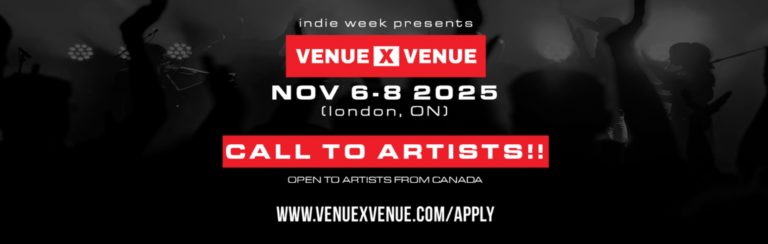
Apply Now to Perform at VENUExVENUE 2025 in London, Ontario

0

Applications are now open for VENUExVENUE 2025, happening November 6–8 in London, Ontario. They’re looking for all genres, and VENUExVENUE wants to hear from you.

VENUExVENUE is part of a fast-growing Ontario music showcase festival known for bringing together artists, fans, and industry professionals from across the province. It’s a place to be heard, to build your audience, and to get noticed by venue and festival bookers scouting for fresh talent.

Selected artists receive:

  • One guaranteed performance slot
  • Full festival access wristbands for all band members (subject to venue capacity)
  • Access to the indie101 music industry conference
  • Tickets to Indie Week Online 2025
  • An invite to the VENUExVENUE mixer for networking with peers and industry insiders
  • A nominal performance fee

This is a great opportunity to showcase your music to a passionate, live audience and connect with professionals who book for festivals and venues across Ontario — and beyond.

What You Need to Know

  • Application fee: $20 + HST
  • Deadline: Friday, July 11, 2025
  • Event dates: November 6–8, 2025
  • Location: London, Ontario
  • Note: Some performances are all-ages, but space for underage artists is limited. Travel is not covered.

If you’re serious about performing, meeting the right people, and growing your presence in Canada’s live music scene, this is your shot.

Apply now and let your music take the stage at VENUExVENUE 2025. Go here to apply.

Americana/Soul/Blues Folk Rockers LOOKOUT TOWER Release Soul-Stirring New Single “Valley Song” – Out Now

0

From the misty hills of Cape Breton Island comes a song as timeless and yearning as the land itself. Lookout Tower — the genre-defying Americana, soul, blues, folk-rock, and alt-country band — have officially released their new single, “Valley Song,” out now.

Written during the heart of a Cape Breton winter, “Valley Song” captures the delicate tension between clinging to lost love and embracing the freedom of letting go. It’s an evocative journey through emotional valleys, where lush string arrangements by Blue Lobelia and heartfelt harmonies reminiscent of The Band blend seamlessly into Lookout Tower’s signature Winter Swamp Sound​.

“Valley Song” was recorded deep in the woods at the band’s own Foxglove Studios and mixed by Grammy-nominated Nashville engineer Jon Estes (Langhorne Slim, John Paul White). The result is a track that feels both intimately handmade and timeless, a song that could have emerged from the Laurel Canyon scene of the 1970s just as easily as it could soundtrack a misty Cape Breton morning.

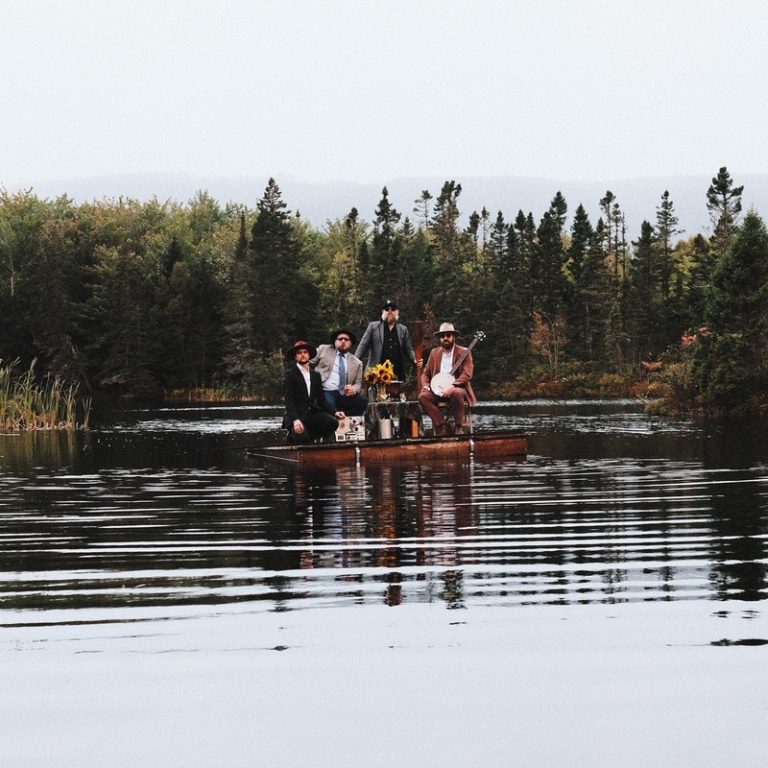
The band’s core lineup features four musicians whose chemistry is as natural as the tides: Rankin MacEachern (vocals), Bryan Picard (guitars, vocals), Franzi Habith (bass, vocals), and Bethany June (guitar, banjo, vocals). Together, they weave elements of folk, soul, blues, and rock into something deeply their own, blending old-time influences with modern storytelling​.

Rooted in the vibrant cultural landscape of Baddeck, Cape Breton Island, Lookout Tower draws from hard times, coastal memories, and Acadian roots to create their distinct sonic identity. They call it Winter Swamp Sound — a no-holds-barred approach where soulful ballads, rousing blues rock, hypnotic funk, and old-time harmonies meet​.

If you’re a fan of artists like The Band, Jason Isbell, Nathaniel Rateliff, Shovels & Rope, or The Felice Brothers, Lookout Tower belongs squarely in your musical collection. Their songs are built on the belief that heartache, hope, and joy all occupy the same room — and “Valley Song” is the perfect key to open that door.

The lyrics to “Valley Song” reveal the full emotional sweep:“Gone are the days, trapped inside the horrors of my mind / Found are the ways to leave the thoughts of you so far behind”​. It’s a raw, relatable depiction of learning to find freedom in moving forward, even when part of you longs to stay behind.

In their own words, Lookout Tower says, “There is beauty in relationships, even once they have run their course. ‘Valley Song’ is our ode to love which once was, and the fear of what is to come.”

Beyond the studio, Lookout Tower has built a strong reputation on stages across Atlantic Canada, playing festivals like Cavendish Beach Festival and Blueberry Jam, and even organizing their own annual event, the Middle River Stomp​. Their live performances are a celebration — soulful, communal, and impossible to forget.

Fans will have a chance to experience “Valley Song” and more as Lookout Tower hits the road this year, with a run of shows across Nova Scotia:

  • June 7 – Maritime Mania – Margaree, NS
  • June 21 – Fish Out of Water – Margaree, NS
  • July 26 – Island Folk – Sydney, NS
  • September 19 – Iona Heights – Iona, NS
  • October 25 – Bearly’s – Halifax, NS
  • November 22 – The Middle River Stomp – NS

Lookout Tower invites listeners everywhere to step into the swirling, soulful world they’ve created — one where sorrow and salvation dance hand in hand, and every note feels like a memory you never want to lose.