Home Blog Page 658

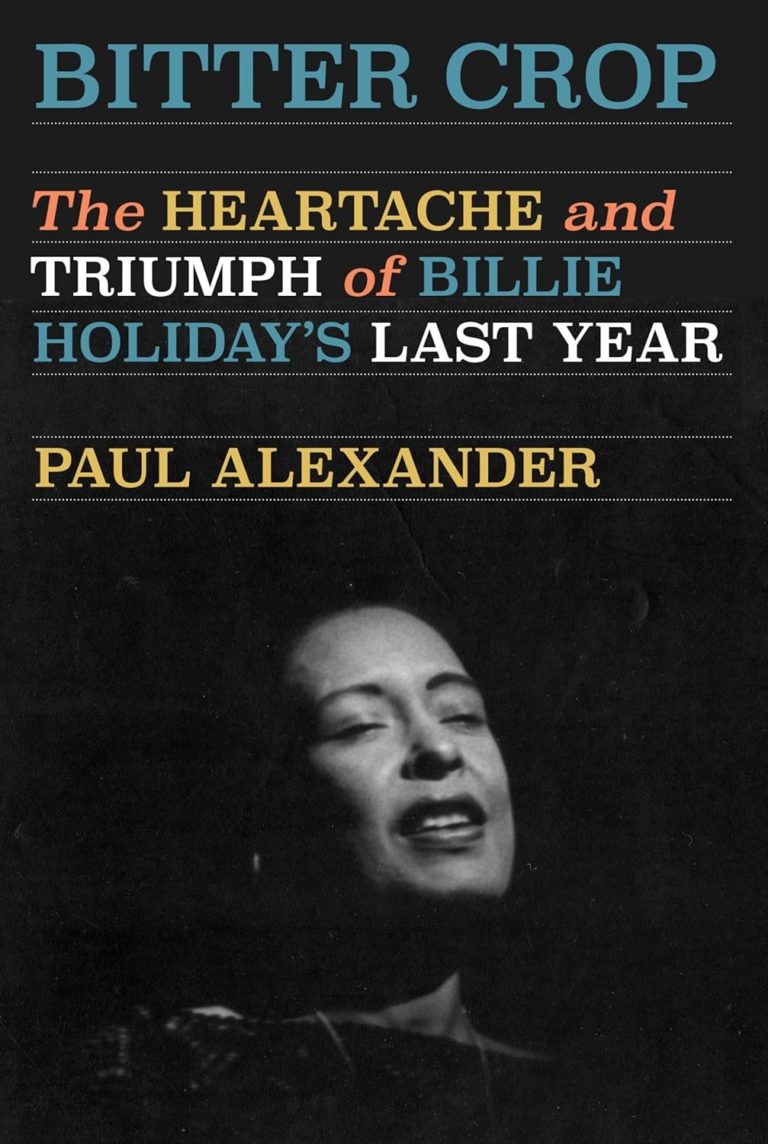
New Book ‘Bitter Crop’ By Paul Alexander Reclaims Billie Holiday’s Legacy

0

In the first biography of Billie Holiday in more than two decades, Paul Alexander—author of heralded lives of Sylvia Plath and J. D. Salinger—gives us an unconventional portrait of arguably America’s most eminent jazz singer. He shrewdly focuses on the last year of her life—with relevant flashbacks to provide context—to evoke and examine the persistent magnificence of Holiday’s artistry when it was supposed to have declined, in the wake of her drug abuse, relationships with violent men, and run-ins with the law.

During her lifetime and after her death, Billie Holiday was often depicted as a down-on-her-luck junkie severely lacking in self-esteem. Relying on interviews with people who knew her, and new material unearthed in private collections and institutional archives, Bitter Crop—a reference to the last two words of Strange Fruit, her moving song about lynching—limns Holiday as a powerful, ambitious woman who overcame her flaws to triumph as a vital figure of American popular music.

Paul Alexander has published eight books, among them Rough Magic, a biography of Sylvia Plath, and Salinger, a biography of J. D. Salinger that was the basis of a documentary that appeared on American Masters on PBS, Netflix, and HBO. His nonfiction has appeared in numerous publications, including The New York Times, Los Angeles Times, The Boston Globe, Newsday, New York, The Guardian, The Nation, The Washington Post, and Rolling Stone. He teaches at Hunter College in New York.

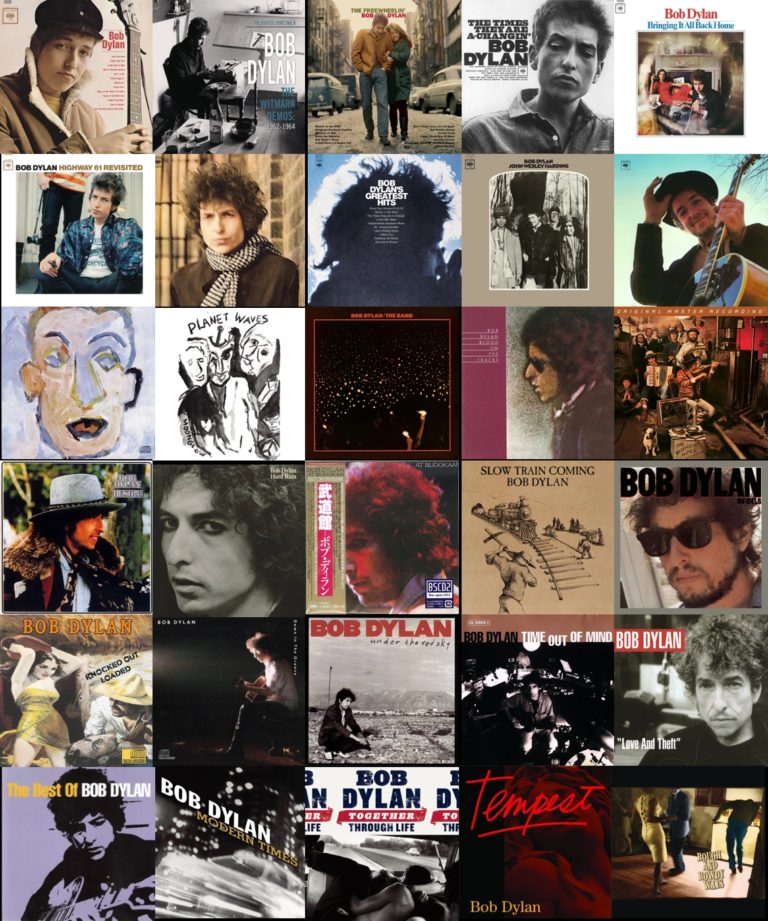
Bob Dylan Songs That Name Real People

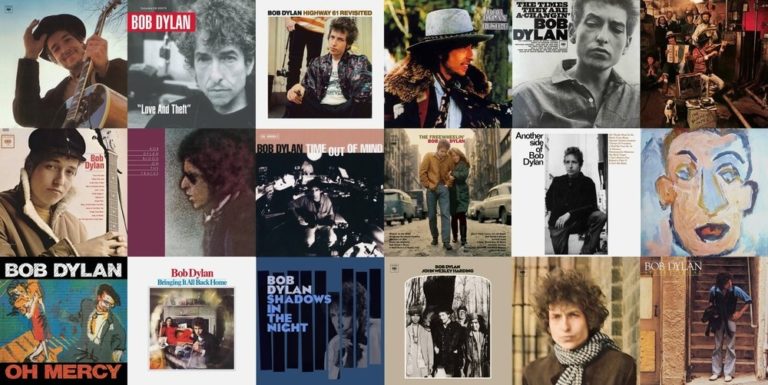
Bob Dylan has always blurred the line between myth and reality, but some of his most memorable songs anchor themselves in history by naming real people. Whether referencing fellow musicians, historical figures, or political players, Dylan uses these names not just as props, but as poetic anchors in a world he’s constantly reimagining. Here are Dylan songs that name real people—each adding a layer of meaning, mischief, or myth to the master songwriter’s catalogue.

“Hurricane”
Perhaps Dylan’s most famous protest song, “Hurricane” recounts the story of boxer Rubin “Hurricane” Carter, who was wrongly convicted of murder. The song reads like a courtroom drama set to music, naming everyone from the judge to the witnesses. Dylan’s fiery lyrics helped reignite public interest in Carter’s case.

“Only a Pawn in Their Game”
This haunting civil rights anthem references civil rights activist Medgar Evers, whose assassination in 1963 stunned the world. Dylan names Evers to illustrate how systemic racism empowers otherwise invisible men to commit violent acts. The song remains one of his starkest commentaries on racial injustice.

“Desolation Row”
A kaleidoscope of characters—some mythical, some real—populate this epic track, including historical names like T.S. Eliot and Albert Einstein. Dylan tosses them into a surreal carnival of images, creating a strange, poetic dreamscape that satirizes modern life. It’s absurdist literature in musical form.

“I Shall Be Free No. 10”
Dylan name-checks the Beatles, Cassius Clay (Muhammad Ali), and Charles de Gaulle in this humorous and chaotic stream-of-consciousness piece. The song plays like a parody of pop culture and political absurdity. It’s classic Dylan: playful, pointed, and unpredictable.

“Talkin’ John Birch Paranoid Blues”
This biting satire skewers the far-right John Birch Society and name-drops figures like Eisenhower, Lincoln, Jefferson, Roosevelt  and George Lincoln Rockwell. Dylan uses exaggerated paranoia to mock Cold War-era conspiracies. It was so controversial it got him booted from “The Ed Sullivan Show.”

“Who Killed Davey Moore?”
This stark and repetitive song explores the death of boxer Davey Moore in the ring, examining who bears responsibility. Dylan sings from multiple perspectives—referee, crowd, manager—without letting anyone off the hook. The real-life tragedy becomes a moral inquiry.

“Roll on John”
A tender and elegiac tribute to John Lennon, “Roll on John” honors the slain Beatle through lyrical nods and historical references. Dylan weaves Lennon’s lyrics and legacy into a song full of sorrow and admiration. It’s Dylan at his most vulnerable and direct.

“Lenny Bruce”
This haunting ballad is a tribute to the groundbreaking comedian who died young. Dylan reflects on Bruce’s life and his tendency to challenge social norms. The tone is mournful, as if Dylan recognizes a fellow provocateur gone too soon.

“With God on Our Side”
Dylan invokes a parade of historical figures and events, including Adolf Hitler, World War II, and the Spanish-American War. The song critiques how nations justify violence by invoking divine approval. The names help ground the critique in specific, chilling realities.

“Blind Willie McTell”
Named for the legendary bluesman, this unreleased masterpiece paints a dark and ghostly portrait of American history. Though McTell is only mentioned in the final line, his name anchors the song’s meditation on slavery, suffering, and song. It’s a whispered tribute to blues lineage.

“Joey”
Co-written with Jacques Levy, “Joey” is a controversial ballad romanticizing mobster Joey Gallo. Dylan paints Gallo as a misunderstood antihero, much to the dismay of critics. It’s a reminder that Dylan’s empathy and mythmaking don’t always conform to public opinion.

“George Jackson”
Dylan released this protest single shortly after the killing of Black Panther George Jackson in prison. The song is raw, emotional, and politically charged. It shows Dylan’s continued engagement with Black activism and systemic injustice in America.

“I Shall Be Free”
This early Dylan number references everyone from Brigitte Bardot to President Kennedy, mixing celebrity gossip with social satire. The song’s absurd name-dropping is both hilarious and revealing. It’s one of Dylan’s earliest takes on pop culture’s absurdities.

“Tempest”
The title track from his 2012 album references the Titanic disaster and names Leonardo DiCaprio, tying in the film’s influence. Dylan uses historical and fictional elements to explore fate, hubris, and loss. It’s long, cinematic, and uniquely Dylan.

“Bob Dylan’s 115th Dream”
A surrealist romp through American history and myth, this song tosses in Captain Ahab, Columbus, and even the Mayflower. The absurd historical mash-up becomes a satire of American exceptionalism. It’s Monty Python meets Beat poetry.

“Murder Most Foul”
Clocking in at over 16 minutes, this epic reflection on the JFK assassination references everyone from Marilyn Monroe to Thelonious Monk. It’s Dylan’s cultural elegy, a collage of American grief and musical touchstones. Name after name, it’s a requiem for a nation.

“Highlands”
This sprawling track from Time Out of Mind includes a random but unforgettable reference to Neil Young. Dylan’s nod to his fellow songwriting legend is fleeting but affectionate. The song is meditative, wandering, and quintessentially Dylan.

“Brownsville Girl”
Co-written with Sam Shepard, this cinematic song name-drops Gregory Peck as it spirals through tales of lost love and old westerns. The reference anchors the song’s dreamlike drift through memory and myth. It’s one of Dylan’s most ambitious and theatrical tracks.

“I Contain Multitudes”
On this introspective track from Rough and Rowdy Ways, Dylan mentions Anne Frank, Indiana Jones, and the Rolling Stones. The references seem disparate, but that’s the point: Dylan is embracing his contradictions. The song is a winking statement of vast, unapologetic identity.

Whether invoking titans of justice or icons of entertainment, Dylan’s namedrops are always part of a larger poetic mission. His songs tell their stories and reshape the cultural memory of those who helped write them.

20 Artists Newly Eligible For The Rock and Roll Hall Of Fame In 2025

2026 marks 25 years since the release of some of the most iconic and game-changing music from the turn of the millennium. With that milestone, a wide range of artists are now newly eligible for induction into the Rock and Roll Hall of Fame. From nu-metal titans to indie legends and genre-bending visionaries, these acts helped define the early 2000s—and their influence still echoes today. Here are 20 of the most impactful new eligibles to keep your eye on.

Linkin Park
One of the most commercially and culturally dominant bands of the 2000s, Linkin Park fused rap, metal, and electronic elements into a sound that defined a generation. Their debut ‘Hybrid Theory’ remains one of the best-selling albums of the 21st century.

Gorillaz
The world’s first virtual band, Gorillaz revolutionized what a band could be. Damon Albarn and Jamie Hewlett’s genre-smashing creation blurred the lines between rock, hip-hop, and animation, crafting unforgettable hits like “Clint Eastwood” and “Feel Good Inc.”

Nelly Furtado
A genre chameleon from the start, Nelly Furtado soared with the folk-pop hit “I’m Like a Bird” before redefining pop with Timbaland on Loose. Her global perspective and constant reinvention make her a key figure in 2000s music.

Pink
From punky pop rebel to powerhouse vocalist and arena-filling performer, Pink has continually evolved while maintaining chart-topping consistency and cultural relevance. She’s a pop-rock trailblazer with serious Hall of Fame credentials.

Interpol
The brooding NYC post-punks helped usher in a new era of indie rock with ‘Turn on the Bright Lights.’ Their stylish melancholy and taut guitar lines made them icons of the early aughts alt scene.

The All-American Rejects
With hook-filled anthems like “Swing, Swing” and “Move Along,” The All-American Rejects brought emo and pop-punk into the mainstream and carved out their place in 2000s radio history.

Sum 41
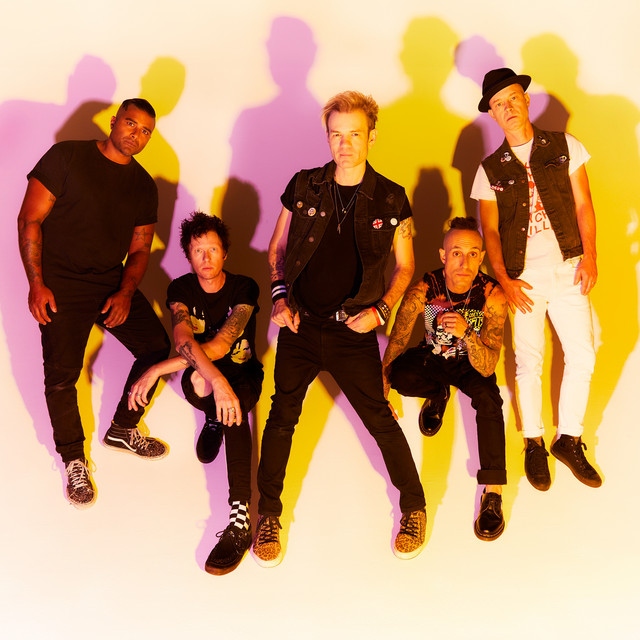
Canada’s skate-punk heroes were as ferocious as they were fun, mixing pop-punk with metal riffs and irreverent humor. Songs like “Fat Lip” and “In Too Deep” still fill mosh pits today.

Michelle Branch
Blending singer-songwriter earnestness with pop-rock production, Michelle Branch’s debut helped lay the groundwork for the 2000s female alt-pop resurgence. Her influence can be heard in countless artists today.

Nelly
One of the biggest crossover rap stars of his time, Nelly brought Southern swagger and infectious hooks to the top of the charts with hits like “Hot in Herre” and “Country Grammar.”

Dashboard Confessional
Chris Carrabba’s heart-on-sleeve lyricism turned acoustic emo into a movement. Dashboard’s confessional songwriting gave voice to a generation of emotionally raw youth.

The Avett Brothers
Before folk-pop exploded, The Avett Brothers were building a grassroots following with earnest songwriting and spirited live shows. Their blend of bluegrass, rock, and Americana proved timeless.

Disturbed
With their growling vocals and punishing riffs, Disturbed became modern metal staples. Their 2000 debut ‘The Sickness’ and iconic cover of “The Sound of Silence” made waves far beyond metal circles.

Goldfrapp
Blending synthpop, glam, and trip-hop, Goldfrapp delivered dreamy yet danceable soundscapes that helped define the electronic edge of indie music in the 2000s.

Sufjan Stevens
The indie-folk polymath captured hearts with ‘Michigan’ and stunned with the sweeping ambition of ‘Illinois.’ His baroque pop explorations turned personal stories into grand American mythologies.

Rise Against
Fierce, melodic, and politically charged, Rise Against channeled punk rock urgency into anthems that resonated deeply in a post-9/11 America.

Regina Spektor
A piano-playing poet with a flair for storytelling and eccentricity, Regina Spektor brought charm, wit, and depth to the indie singer-songwriter scene.

Antony & the Johnsons
With a voice both operatic and otherworldly, Anohni (formerly Antony) created haunting, deeply emotional chamber-pop that explored gender, identity, and vulnerability.

The New Pornographers
This Canadian supergroup delivered power-pop perfection and helped define indie rock’s golden era with intricate harmonies, smart lyrics, and boundless energy.

Taking Back Sunday
Their back-and-forth vocals and confessional angst helped launch the second wave of emo into mainstream consciousness. An essential part of the Warped Tour-era canon.

Juanes
The Colombian superstar brought Latin rock to the world stage with a blend of socially conscious lyrics, pop hooks, and dazzling guitar work. He’s a global icon with deep musical roots.

These artists may be entering their eligibility, but they’ve already left their mark. Whether the Hall embraces nu-metal’s angst, emo’s raw honesty, or indie’s experimental spirit, 2026 will be a thrilling year for rock history.

Ben Wynne’s New Book Explores The Bark And Bite Of “Hound Dog”

0

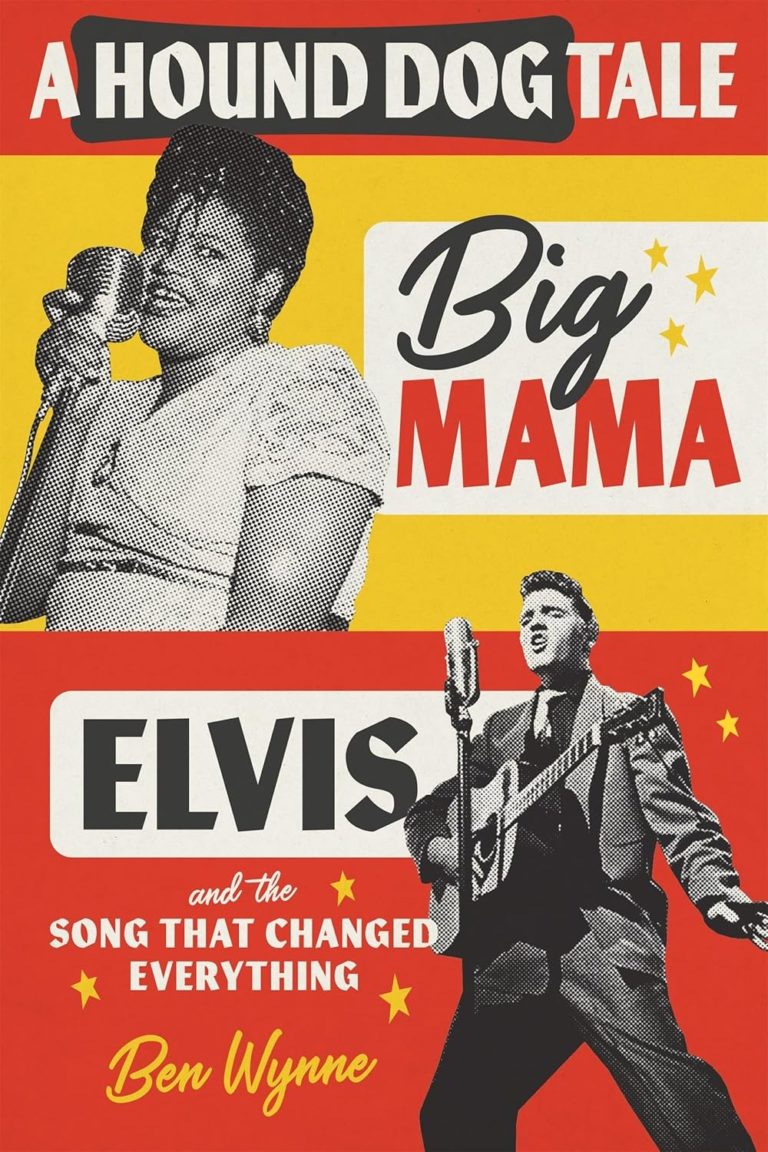
The release of the song Hound Dog in 1953 marked a turning point in American popular culture, and throughout its history, the hit ballad bridged divides of race, gender, and generational conflict. Ben Wynne’s A Hound Dog Tale discusses the stars who made this rock n roll standard famous, from Willie Mae to Big Mama Thornton to Elvis Presley, along with an eclectic cast of characters, including singers, songwriters, musicians, record producers and managers, famous television hosts, several lawyers, and even a gangster or two.

Wynne’s examination of this American classic reveals how Hound Dog reflected the values and issues of 1950s American society, and sheds light on the lesser-known elements of the song’s creation and legacy. A Hound Dog Tale will capture the imagination of anyone who has ever tapped a foot to the growl of a blues riff or the bark of a rock n roll guitar.

Ben Wynne is professor of history at the University of North Georgia and author of In Tune: Charley Patton, Jimmie Rodgers, and the Roots of American Music.

The 1965 Icons Still Rocking in 2025

They said rock ‘n’ roll wouldn’t last. But here we are in 2025, and a handful of artists who once ruled the stage in 1965 are still out there, defying time, rewriting the limits of longevity, and proving the power of a well-worn guitar riff. Here’s a look at the legends who’ve laced up their boots six decades apart.

The Rolling Stones are still grinding out stadium tours with the same bluesy swagger they had when “(I Can’t Get No) Satisfaction” topped the charts in ’65. With Mick Jagger still prancing and Keith Richards somehow immune to time, the Stones’ Hackney Diamonds tour has proven their immortality isn’t just myth—it’s muscle memory.

Bob Dylan, the voice of a generation, remains as mercurial and magnetic as ever. In 1965, he went electric at Newport and changed the face of music forever. Now, at 83, he’s deep into his Rough and Rowdy Ways tour, crooning through gravel and wisdom with a setlist as unpredictable as his legacy.

Ringo Starr still hits the road with his All Starr Band, keeping the spirit of Beatlemania alive for a new generation. In 1965, he was dodging screaming fans; in 2025, he’s grinning through a drum solo and telling jokes between songs. Peace and love never sounded so sharp.

Dion DiMucci, the Bronx street-corner crooner turned folk-blues philosopher, released new music this year and shows no signs of slowing down. He opened for Buddy Holly once—now he’s collaborating with Springsteen. Longevity isn’t just about staying power; it’s about evolving, and Dion’s still got the spark.

Willie Nelson, at 92, is still on the road—because of course he is. Back in 1965, he was penning classics like “Crazy” and cutting his teeth in Nashville. Now, he’s headlining the Outlaw Music Festival tour with his sons by his side and more weed jokes than ever. The braids may be silver, but the voice is pure gold.

Eric Clapton played with John Mayall & the Bluesbreakers in 1965 and was earning his “Clapton is God” graffiti in London. In 2025, he’s still performing selective dates with jaw-dropping precision, his guitar tone as iconic as his legacy. He’s proof that the blues doesn’t age—it just gets deeper.

Judy Collins, the folk matriarch with the crystalline voice, is still mesmerizing audiences at 85. In 1965, she was introducing Leonard Cohen to the world. Now, she’s still filling concert halls with grace, poetry, and timeless renditions of “Both Sides Now.”

The Beach Boys may look different in 2025, but Mike Love continues to lead the group on tour with a surf-rock smile and a suitcase full of sunshine. From their 1965 Summer Days (And Summer Nights!!) peak to the present, they’re still chasing that endless summer across stages worldwide.

Herb Alpert was topping charts with the Tijuana Brass in 1965, selling more records than The Beatles that year. In 2025, he’s still releasing albums and showcasing his artwork, proving that creativity can flow long after the spotlight fades.

Rod Stewart had his first hit in 1964 with Long John Baldry and was playing with the Jeff Beck Group by 1965. Fast-forward to 2025, and he’s still selling out arenas, mixing Vegas swagger with rock nostalgia and somehow never running out of leopard print.

Paul Simon was introducing the world to “The Sound of Silence” with Art Garfunkel in 1965. This year, at 83, he’s releasing new music and appearing at literary festivals discussing the poetry of songwriting, reminding us all that his words are stitched into American memory.

The Zombies, who broke out in ’65 with “She’s Not There” and “Tell Her No,” reunited in the 2000s and haven’t stopped since. With original members Colin Blunstone and Rod Argent still delivering psychedelic pop perfection, they continue to charm crowds with vintage magic and new material alike.

Roger McGuinn, co-founder of The Byrds, remains active on the folk circuit, wielding his signature Rickenbacker with the same twelve-string jangle that defined 1965’s “Mr. Tambourine Man.” While The Byrds have long since flown, McGuinn’s solo shows still shimmer with the electric folk mystique that helped birth psychedelic rock.

Paul McCartney, though not currently touring in 2025, recently played massive shows on his Got Back tour and continues to release music that blurs pop brilliance with classic rock roots. In ’65, he was busy redefining pop music; today, he’s a living monument to melody, still thrilling crowds across the world.

They’re not just survivors—they’re torchbearers. These icons remind us that while decades change, real rock ‘n’ roll doesn’t rust.

Joshua Redman Brings ‘Where Are We’ to NPR’s Tiny Desk

0

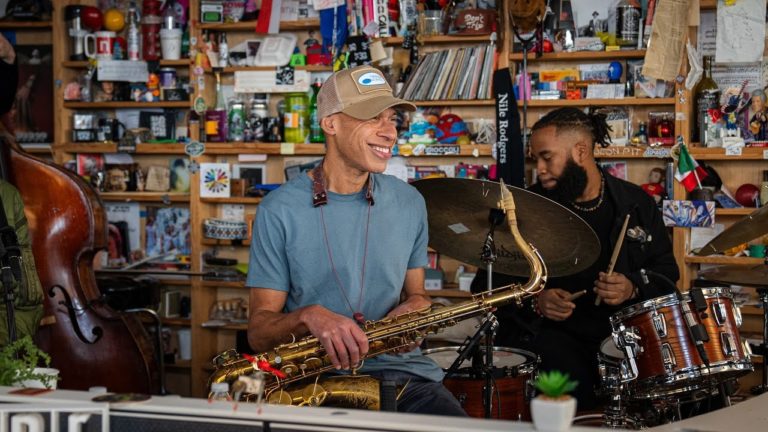
If you want to hear the soul of modern jazz breathe, listen to Joshua Redman’s Where Are We. On “Chicago Blues” and “Streets of Philadelphia,” Redman and vocalist Gabrielle Cavassa weave grit and grace into each note, with Paul Cornish’s piano bridging worlds in a moment of pure improvisational magic. But it’s “After Minneapolis” that cuts deepest—Redman’s aching sax lines and Cavassa’s voice mourn a country’s wounds with quiet fury and elegance. This is jazz with conscience, history, and heart.

10 Times The Grammys Got It Right For Best Album of the Year

The Grammy Awards often spark debate—snubs, surprises, and upsets have become annual rituals for music fans. But every now and then, the Recording Academy hits the nail on the head. Whether they honored innovation, storytelling, or sheer cultural dominance, these 10 Album of the Year wins prove that sometimes, they do get it right. Here are ten shining examples where the Grammys made the right call.

Stevie Wonder – Innervisions (1974)
Stevie Wonder’s Innervisions was musically brilliant and it was socially powerful. With tracks like “Living for the City” and “Higher Ground,” Wonder blended funk, soul, and political commentary in a way that defined an era. This was the sound of a genius at the height of his creative powers, and the Grammys rightly recognized it.

Carole King – Tapestry (1972)
Carole King’s Tapestry was a landmark moment for women in music. With its emotional honesty and timeless songwriting, it elevated the singer-songwriter genre to new heights. Songs like “It’s Too Late” and “You’ve Got a Friend” continue to resonate decades later—and its win was a triumph for storytelling and soul.

Lauryn Hill – The Miseducation of Lauryn Hill (1999)
Blending soul, rap, reggae, and gospel, Lauryn Hill’s solo debut was revolutionary. The Miseducation of Lauryn Hill broke barriers in genre and gender, becoming a cultural touchstone. Its Grammy win was historic, making Hill the first hip-hop artist to take home Album of the Year.

Taylor Swift – Folklore (2021)
In a year of isolation, Taylor Swift’s Folklore offered quiet reflection and mature songwriting. Collaborating with Aaron Dessner and Jack Antonoff, Swift departed from pop bombast for indie-folk intimacy—and it paid off. Her win was a nod to reinvention, risk-taking, and lyrical depth.

The Beatles – Sgt. Pepper’s Lonely Hearts Club Band (1968)
The Grammy voters rewarded a cultural milestone with this one. Sgt. Pepper’s rewrote the rules of what an album could be, both sonically and visually. Psychedelic, experimental, and endlessly influential, it deserved every accolade—including Album of the Year.

Outkast – Speakerboxxx/The Love Below (2004)
A bold double album that somehow fused crunk, funk, jazz, and Prince-style pop into a Grammy-winning masterpiece. Speakerboxxx/The Love Below proved that hip-hop could be eclectic, conceptual, and totally mainstream. Outkast expanded the definition of what could win.

Norah Jones – Come Away With Me (2003)
Soft, jazzy, and understated, Come Away With Me was as loud as the other nominees for record of the year—but it was the most elegant. Norah Jones’ debut came as a breath of fresh air, and her Grammy win honored subtlety over spectacle. Sometimes, quiet talent wins big—and rightly so.

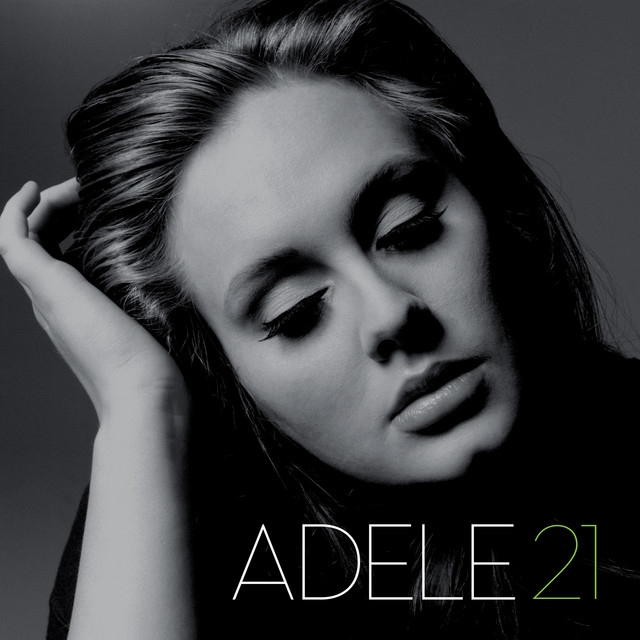
Adele – 21 (2012)
Heartache never sounded so triumphant. Adele’s 21 delivered powerhouse vocals and timeless ballads like “Someone Like You” and “Rolling in the Deep.” Its commercial dominance was matched by critical praise, and the Grammy win felt like the rare moment when everyone agreed.

Daft Punk – Random Access Memories (2014)
With Random Access Memories, Daft Punk turned retro influences into futuristic gold. From the disco revival of “Get Lucky” to the analog warmth of its production, the album was a love letter to music history. The French duo’s surprise win was a celebration of craft, concept, and cool.

Billie Eilish – When We All Fall Asleep, Where Do We Go? (2020)
At just 18, Billie Eilish changed the sound of pop with hushed vocals and haunted beats. Her debut album was unlike anything else that year—dark, daring, and defiantly different. The Grammy win recognized a generational shift and a new voice that couldn’t be ignored.

The Grammys don’t always get it right, but when they do, it’s amazing to watch. These Album of the Year wins remind us that bold choices, emotional resonance, and cultural impact can—and should—be recognized. They also prove one thing: great music endures, and sometimes the Academy does, in fact, hear it loud and clear.

31 Artists Who Turned Their Names Into Songs

0

In the vast landscape of music, some artists have taken the bold step of crafting songs that bear their own names. These self-titled tracks often serve as declarations of identity, mission statements, or thematic anchors within their albums.

Anthrax – “Anthrax”
Featured on their debut album Fistful of Metal (1984), this thrash metal track introduces listeners to the band’s aggressive style and sets the tone for their future works.

Bad Company – “Bad Company”
From their 1974 self-titled debut, this song encapsulates the band’s rugged rock ethos and has become one of their signature tracks.

Bad Religion – “Bad Religion”
Appearing on their 1981 debut EP, this track showcases the band’s foundational punk sound and critical lyrical themes.

Big Country – “In a Big Country”
This 1983 anthem didn’t just introduce the Scottish band to the world — it doubled as a mission statement, fusing bagpipe-style guitars with optimism and scale. The title alone says it all: think big, dream bigger.

Black Sabbath – “Black Sabbath”
The opening track of their 1970 debut album, this song is often credited with laying the groundwork for the heavy metal genre.

Bo Diddley – “Bo Diddley”
Released in 1955, this song introduced Bo Diddley’s signature rhythm and became a cornerstone of rock and roll.

Body Count – “Body Count”
This 1992 track from their self-titled album blends metal and rap, reflecting the band’s confrontational style and social commentary.

Built to Spill – “Built to Spill”
From their 1993 debut album Ultimate Alternative Wavers, this track presents the band’s indie rock sensibilities and intricate guitar work.

Danzig – “Danzig”
Featured on their 1988 self-titled debut, this song blends dark themes with heavy riffs, characteristic of Glenn Danzig’s style.

Fergie – “Fergalicious”
With an iconic beat and brash delivery, “Fergalicious” turned Fergie’s name into a movement. This 2006 hit was part spell, part sass, and 100% self-branding at its finest.

Green Day – “Green Day”
An early track from their 1990 debut album 39/Smooth, this song captures the band’s youthful energy and punk roots.

Iron Maiden – “Iron Maiden”
Closing their 1980 debut album, this track has become a live staple, showcasing the band’s heavy metal prowess.

Jennifer Lopez – “Jenny from the Block”
She’s not just J.Lo — she’s still Jenny from the block. This 2002 track reminded fans that no amount of fame could erase the girl from the Bronx, cementing her legacy as a grounded superstar.

Jim Croce – “You Don’t Mess Around With Jim”
You can tug on Superman’s cape, spit into the wind — but don’t mess around with Jim. This 1972 classic from the folk-rock storyteller turned his own name into legend, mixing swagger with Croce’s signature wit.

King Crimson – “The Court of the Crimson King”
This wasn’t just a song — it was a proclamation. Released in 1969, the title track to In the Court of the Crimson King introduced the world to the majesty, mystery, and mind-melting prog of King Crimson. Long live the king.

Leonard Cohen – “Field Commander Cohen”
Part poet, part prophet, Leonard Cohen styled himself as a weary soldier of love and loss in this 1974 gem. “Field Commander Cohen” is haunting, personal, and every bit the dramatic title its author deserved.

Living Colour – “What’s Your Favorite Color? (Theme Song)”
“Living Colour’s the name,” they shout in this funk-metal mission statement from their 1988 debut Vivid. More than just a theme song, it’s a loud, proud burst of identity and genre-defying energy.

Motörhead – “Motörhead”
Originally written by Lemmy for Hawkwind, this song became the title track for Motörhead’s 1977 debut album, embodying their raw sound.Far Out Magazine

Rammstein – “Rammstein”
From their 1995 debut album Herzeleid, this song addresses the tragic Ramstein air show disaster, setting a dark tone for the band’s themes.

S Club 7 – “S Club Party”
“Don’t stop, never give up…” The 1999 hit was both a roll call and rallying cry, introducing each band member while laying down one of the most infectious pop hooks of the late ’90s.

Soulja Boy Tell’em – “Crank That (Soulja Boy)”
You! Crank it, dance it, meme it. This 2007 track launched Soulja Boy into viral superstardom and became a cultural moment, naming and claiming the genre-bending energy of a new hip-hop era.

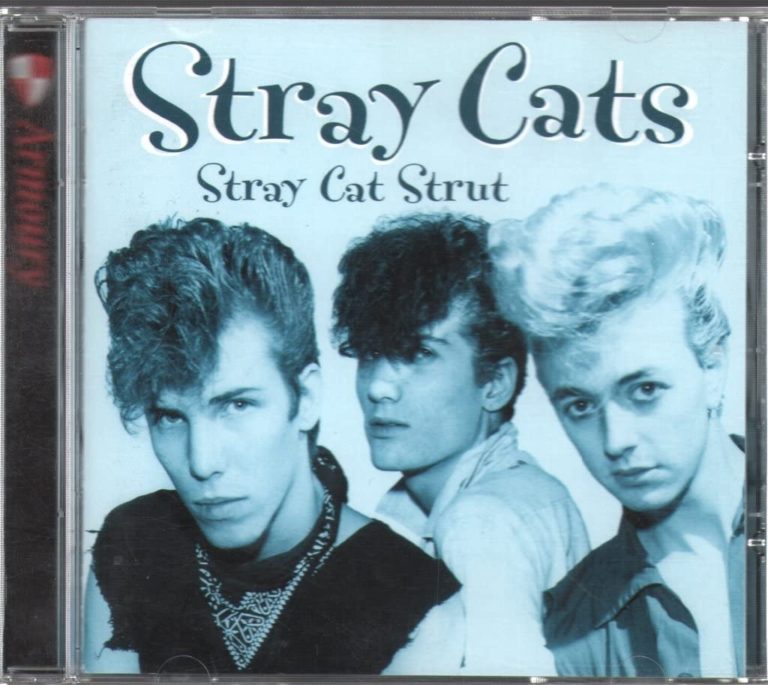
Stray Cats – “Stray Cat Strut”
Slicked hair, upright bass, and a swagger you could hear a block away — “Stray Cat Strut” brought rockabilly into the MTV age. The 1981 anthem purrs with cool confidence, spelling out exactly who they are.

Talk Talk – “Talk Talk”
Initially performed by The Reaction, this song was re-recorded by Talk Talk for their 1982 debut album The Party’s Over, marking their synth-pop beginnings.Far Out Magazine

The 1975 – “The 1975”
Opening each of their albums with a track titled “The 1975”, the band uses this recurring motif to set thematic tones, varying in style and content.Far Out Magazine

The Clash – “Clash City Rockers”
They didn’t just start a band — they launched a sonic rebellion. On their 1977 debut, The Clash kicked down the door with “Clash City Rockers,” a song that shouted their name and their mission. Bonus points for later doubling down in “Radio Clash” and “Rudie Can’t Fail.”

The Monkees – “(Theme from) The Monkees”
Serving as the theme for their TV show, this 1966 track introduced audiences to the band’s playful pop-rock sound.

The Pretenders – “The Pretenders”
While not a song, their 1979 debut album titled Pretenders established the band’s presence in the rock scene with hits like “Brass in Pocket”.

The Velvet Underground – “The Velvet Underground”
Their 1969 self-titled third album marked a shift to a softer sound, showcasing the band’s versatility beyond their avant-garde roots.

Weezer – “Weezer”
Known for multiple self-titled albums distinguished by color, their 1994 “Blue Album” introduced hits like “Buddy Holly”, defining their geek-rock image.

Wilco – “Wilco (The Song)”
Opening their 2009 album Wilco (The Album), this track playfully addresses the band’s identity and connection with fans.

X – “X”
From their 1980 debut album Los Angeles, this track captures the band’s raw punk energy and set the stage for their influential role in the LA punk scene.

Self-titled songs serve as bold statements, allowing artists to define or redefine their identities through music. Whether as introductions, reinforcements, or reinventions, these tracks offer listeners a direct line to the essence of the artists.


Why is the User Interface Important for Any Gaming Platform?

0

By Mitch Rice

The gaming industry has grown significantly in recent years, and forward projections suggest further development moving forward. It’s a resilient sector and one that can continue to thrive, even in harsh economic conditions.That success also means that this is a crowded area of commerce. Along with traditional gaming, the industry widens to include professional video play, online casino operators and more. Platforms have to compete to survive, and one way in which they do this is through their website interface.

Attracting Interest

Gaming industry operators continue to receive significant investment from outside sources. This helps them to grow their brand and to introduce exciting new titles to a waiting public. The sector is continually evolving as it looks for new innovations moving forward.

Attracting that investment is crucial to future success, and each platform must pay close attention to every last detail. No matter what the industry, an effective user interface is crucial, and this is especially true for gaming.

Striking a Balance

The issue for web developers is the fact that an interface needs to tick two essential boxes. The design needs to be attractive in order to catch players’ attention, but it also has to provide optimal functionality.

Some of the most successful games have an essential element of realism attached to them. This means that they require stunning graphics in order to stand out in a crowded market. Those striking images need to be carried over into a website in order to attract the attention of a potential customer.

At the same time, a user interface must be organised. Whether the player is in the throes of a game or seeking a new title to purchase, the categories must be clear and easy to understand. It’s a delicate balance and one that is underlined most clearly by the online casino sector.

Staying Organised

Online casinos make up a significant percentage of the overall gaming industry revenue, and this is another area where the user interface is key. Across each platform, there is a huge choice of games that fall into categories such as slots, roulette, blackjack, bingo, lottery, poker, live casino and more.

There could be thousands of different games on each platform, and the challenge here is to keep things organised. This is where the balance between a striking design and an organised platform becomes even more challenging. The graphics on the website must be appealing, but players don’t want to spend time searching for their favourite games.

Each category that the casino provides must be clearly listed at the top of the homepage. It’s also important for operators to have strong search facilities, along with add-ons such as a list of recently played games.

While this need for organisation is key in the world of digital casinos, it’s a factor for all software developers in any area of the gaming industry.

In-Game Assist

Once the player has found their game, the role of an effective user interface doesn’t stop. Certain in-game aspects have to be implemented in order to make play as smooth and efficient as possible.

Depending on the game in question, players will need to understand information about their performance. They may want to know how much power they have left, or whether they have sufficient ammunition to complete their mission.

Ongoing scores are also essential for a game in motion. Even in a basic card game such as cribbage, players need to clearly understand what the scores are. Here’s where the interface has to be at an optimal level. Graphics relating to gameplay must be easy to understand and some developers make the mistake of concentrating on the main areas of gameplay, at the expense of this associated information.

A Little Help

All elements of gameplay must be backed up with an effective user interface, but players need to understand what they are getting involved with. Another common mistake among developers is to neglect the basic mechanics that explain how the game actually functions.

A developer shouldn’t, for example, assume that everyone knows how their release works simply because everyone is playing it. Standard rules, along with some tips, plus important details over in-game upgrades are among the essential information needed. Not every player wants to find things out as they go along, and one of the overlooked uses of the interface is to outline every aspect of the game’s mechanics.

When designing any website, it’s essential to pay attention to the smallest of details. Some platforms ensure all of their games are included, but they may overlook the importance of the user interface.

Everyone wants a colourful design in order to stand out, but organisation is even more important. Players demand strong functionality in order to find their favourites as quickly as possible and any brand th neglects these key elements will find themselves left behind in a seriously competitive industry.

Data and information are provided for informational purposes only, and are not intended for investment or other purposes.


Wolfgang Van Halen Releases Shreddy New Single “The End” With Horror-Inspired Video

0

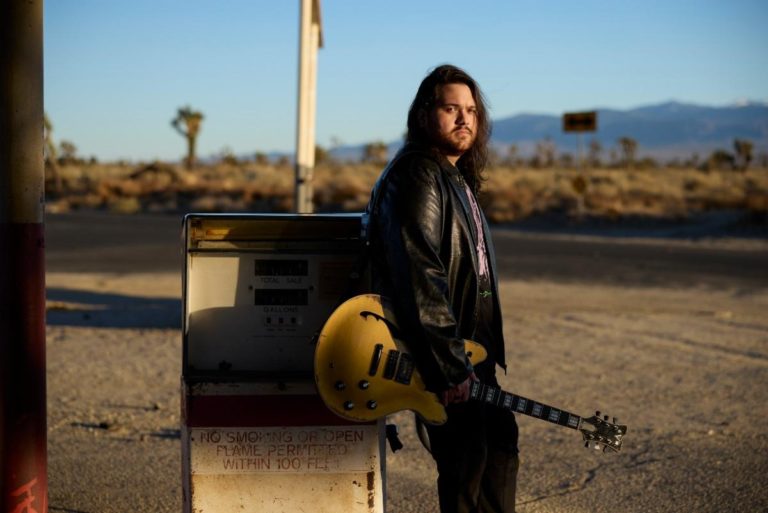
GRAMMY Award-nominated songwriter, vocalist, multi-instrumentalist, and producer Wolfgang Van Halen is back with the latest single from the band he masterminds, Mammoth.

“The End” is an adrenaline-driven rocker that kicks off with a signature lead guitar riff that has become a fan-favourite element in Wolfgang’s music. The anthemic build of the intro gives way to the driving verse melody with each part carefully created and performed by Van Halen and his returning collaborator, Michael “Elvis” Baskette. The chorus is driven by the unforgettable vocal melody and the message of “Take your hand in mine and watch the end with me.”

Wolfgang Van Halen explains, “I’ve had the tapping idea on the intro for “The End” since before Mammoth. I was able to fit it into this world. It’s still over-the-top and shreddy, but it’s also melodic and controlled. Overall, I was doing some different things on the record, and I knew this was going to be a big step. Once we finished “The End” it felt really special to me.”

To coincide with the single release, Wolfgang and Mammoth have released a music video for “The End” that’s one for the history books and rarely seen in music videos anymore. Wolfgang teamed up with legendary director Robert Rodriguez to do a modern-day interpretation of Rodriguez’s 1996 hit film, From Dusk Till Dawn. The video tells the story of a rock band that is booked to play a show at a dive bar and given an ominous warning from the club owner portrayed by Danny Trejo.

Mammoth decides they know better, and things quickly turn dire for the band before a surprising revelation during the final moments ties the complete video lore from the band together. Friends of Mammoth, including Slash, Myles Kennedy, and Wolfgang’s mother, Valerie Bertinelli, all show up throughout the short film. Horror effects icon Greg Nicotero offered his talents to the video to create zombies, werewolves, and vampires that bring a deadly end to the attendees of the show.

With a short run of May dates creating excitement for a Mammoth tour, the band have also announced an autumn headline run across the USA. The End Tour kicks off on October 31st for 5 weeks. Longtime friend Myles Kennedy will be the special guest! Tickets will be on sale starting May 5th via artist presale and go on sale to the public on Friday, May 9th.

UK fans will be able to see Wolfgang Van Halen as part of the line-up at Black Sabbath’s special Back To The Beginning final concert on Saturday, July 5th at Birmingham’s Villa Park.

Tour Dates:
Nov 1 – Las Vegas, NV – House of Blues
Nov 4 – Dallas, TX – House of Blues
Nov 5 – Houston, TX – House of Blues
Nov 7 – Lake Buena Vista, FL – House of Blues
Nov 8 – Atlanta, GA – Tabernacle
Nov 9 – Charlotte, NC – The Fillmore
Nov 11 – Silver Spring, MD – The Fillmore Silver Spring
Nov 12 – Show information to come soon
Nov 14 – Montclair, NJ – The Wellmont Theater
Nov 15 – Pittsburgh, PA – Roxian Theatre
Nov 18 – Cleveland, OH – The Agora
Nov 19 – Detroit, MI – The Fillmore Detroit
Nov 20 – Columbus, OH – Kemba Live!
Nov 22 – Onamia, MN – Grand Casino Mille LACS Event Center
Nov 23 – Green Bay, WI – Epic Event Center
Nov 25 – Chesterfield, MO – The Factory at The District
Nov 26 – Chicago, IL – House of Blues
Nov 28 – Oklahoma City, OK – Diamond Ballroom
Nov 29 – Show information to come soon
Dec 2 – Kansas City, MO – Uptown Theater
Dec 3 – Denver, CO – Ogden Theatre
Dec 6 – Tempe, AZ – Marquee Theatre