Home Blog Page 661

10 Bands That Changed Their Sound SO MUCH

What do Radiohead and The Beatles have in common? They both pulled the ultimate musical magic trick—reinventing their sound again and again while still sounding exactly like themselves. Some artists evolve. These ones shapeshift. Here are 10 bands who changed their sound so much, it felt like a brand-new band every time they hit “record.”

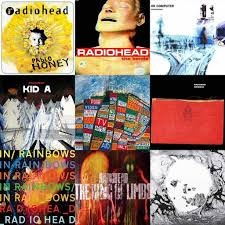
1. Radiohead

Started with: angsty alt-rock guitars
Ended up with: glitchy electronica, jazz drums, and haunting abstractions
Why it’s wild: From “Creep” to Kid A, they didn’t just change genres—they rewrote the rules.

2. The Beatles

Started with: lovable mop-top pop
Ended up with: psychedelic studio wizards and avant-garde pioneers
Why it’s wild: They went from “She Loves You” to “Tomorrow Never Knows” in just three years.

3. Talking Heads

Started with: twitchy punk-funk
Ended up with: worldbeat, disco, gospel, and straight-up Afro-futurism
Why it’s wild: Every album sounded like a different art school exploded in the best way possible.

4. King Gizzard & the Lizard Wizard

Started with: psych garage
Ended up with: thrash metal, jazz fusion, microtonal experiments, and synth-pop
Why it’s wild: They change genres faster than most bands change guitar strings—and sometimes do it twice a year.

5. Fleetwood Mac

Started with: British blues rock
Ended up with: shimmering California pop perfection
Why it’s wild: Losing Peter Green, gaining Lindsey & Stevie, and somehow making it all work beautifully.

6. Paramore

Started with: emo-pop-punk anthems
Ended up with: sleek alt-pop, ‘80s synth, and a whole new emotional register
Why it’s wild: Their 2023 album sounds closer to Talking Heads than Warped Tour.

7. Bring Me the Horizon

Started with: deathcore breakdowns
Ended up with: arena-ready pop, alt-rock, and EDM-infused anthems
Why it’s wild: They didn’t just change their sound—they blew up genre gatekeeping on the way.

8. Beck

Started with: slacker anti-folk
Ended up with: funk, soul, bossa nova, hip-hop, orchestral ballads—you name it
Why it’s wild: Each album is like a musical time capsule from another planet.

9. The 1975

Started with: dreamy indie-pop
Ended up with: sax solos, ambient noise, alt-country, hyperpop, and back again
Why it’s wild: Genre-fluid before the term existed, they thrive in controlled chaos.

10. Genesis

Started with: epic, theatrical progressive rock featuring Peter Gabriel in flower costumes
Ended up with: polished, radio-friendly pop led by Phil Collins’ soulful hooks
Why it’s wild: They transformed from cult art-rock innovators to stadium-filling hitmakers—with both versions of the band equally iconic.

11. AC/DC

Started with: gritty blues-based hard rock
Ended up with: gritty blues-based hard rock
Why it’s wild: It’s not. And that’s the beauty of it. Same amps, same riffs, same swagger. I just wanted to add them here.

Every one of these bands broke their own mold—and kept us listening. Reinvention isn’t easy, but for these artists, it’s the reason they’ve stayed unforgettable.

10 Trending Print on Demand Business Ideas to Start Today

0

By Mitch Rice

Whether you’re a creative entrepreneur or a music lover looking to turn your passion into profit, POD offers a low-risk way to launch unique products without inventory hassles. 

In this article, they’ll explore 10 trending print-on-demand business ideas inspired by the vibrant world of music—perfect for anyone ready to make their mark in this booming market. Let’s dive in and find your next big opportunity.

How to Start a Print-on-Demand Business

1. Pick a Niche That Speaks to You

Starting a print-on-demand (POD) business begins with picking a niche. The music industry offers huge potential. Whether it’s indie bands, hip-hop culture, or classical fans, targeting a specific audience gives your brand focus. 

The rise of on demand printing services makes it easier than ever to serve niche fanbases with custom products.

2. Understand Your Audience

Are you creating for vinyl collectors? Streetwear-loving rap fans? Music teachers? Knowing who you’re talking to helps you design products that click. 

A hoodie that says “I Pause Songs to Appreciate the Bassline” might not appeal to everyone—but for music nerds, it’s gold.

3. Design with Emotion

Your product designs should reflect your audience’s passion. You don’t need to be a pro—use Canva or hire a designer. Try hoodies with waveform art from iconic tracks or posters inspired by vintage gig flyers.

4. Choose the Right Platform

Use a platform like PrintKK, which seamlessly integrates with Shopify or Etsy—allowing you to focus on creativity while it handles the printing, packing, and shipping for you. This makes scaling your business easier without worrying about logistics or inventory.

5. Market to the Right Crowd

Promote your store through music-centered communities where your target audience hangs out. Use TikTok mashups featuring your merch, create Instagram Reels showing your products at concerts or jam sessions, and collaborate with playlist curators to embed your brand into their music. 

10 Trending Print on Demand Business Ideas

Tote Bags for Music Teachers & Gig-Goers

Tote bags aren’t just for groceries—they’re statement pieces. Print them with chord charts, clever lines like “This Bag Carries More Than Just Notes,” or retro concert poster designs. They’re perfect for music teachers hauling sheet music or fans hitting weekend gigs.

T-Shirts That Sing

T-shirts offer endless design potential. Create prints with iconic lyric quotes, visual mashups of genres, or abstract album-inspired art. A shirt reading “Loop It Like It’s Hot” appeals to producers, while “Support Local Bands” resonates with indie lovers.

Bucket Hats for Festival Season

Festival-goers love expressive headwear. Use designs inspired by synthwave, psychedelic art, or glitch textures common in EDM visuals. 

Add text like “Bass in My Bones” or “Setlist Slayer” to create hats that feel like part of the concert uniform. These hats not only protect from the sun but also complete the festival look perfectly.

Socks with Rhythm

Turn ordinary socks into fun, music-loving accessories. Use prints featuring guitar strings, piano keys, or even full drum kits wrapping around the ankle. And if you rely on frequent test prints to finalize your designs, keeping an eye on ink levels is crucial—Sell Toner offers tips on how to tell if an ink cartridge is empty, so you’re never caught off guard mid-creation.” Imagine a mismatched pair where one sock says “Bass” and the other says “Treble”—playful and perfectly on-brand.

Shoes That Play the Part

Custom shoes give music lovers a way to wear their passion literally. Design sneakers with waveforms from famous songs, iconic festival silhouettes, or vintage cassette tape patterns. Great for performers or fans looking to stand out at their next show.

Phone Cases with a Musical Soul

Phone cases are seen every day, making them prime space for music flair. Try minimalist designs of instruments, colorful EQ bars, or song lyric typography. 

A case with a saxophone silhouette and the phrase “Jazzed Up” adds cool to everyday tech. Durable materials combined with unique prints make these cases both functional and stylish.

Stickers for Gear and Guitars

Stickers let fans decorate their world. Design them with stylized artist names, iconic instrument shapes, or micro-genre logos like “Ambient Techno Nerd.” Perfect for laptops, guitar cases, mixers, or water bottles—wherever music makers leave their mark.

Hoodies for Studio Sessions

Hoodies are staples for musicians, especially during late-night studio marathons. Print them with waveform bands, vintage mic graphics, or lyrics in handwritten fonts. A hoodie that says “Made in the Mix” blends comfort with creative identity, keeping artists cozy while inspiring creativity through every session.

Posters for True Fans

Posters are timeless wall art. Offer designs that remix album covers into modern art, showcase minimalist portraits of legends like Bowie or Joni Mitchell, or visualize soundscapes in graphic form. Ideal for home studios, rehearsal rooms, or dorms.

Mugs for Morning Jams

Morning coffee hits differently with music-themed mugs. Print slogans like “I Wake Up in 4/4 Time” or illustrations of classic radios and boomboxes. 

Great for musicians composing at dawn or fans who start every day with their favorite playlist. These mugs also make perfect gifts for music lovers who appreciate a little caffeine and creativity.

Conclusion

The print-on-demand industry is booming, and music-themed products offer a unique way to tap into passionate, engaged audiences. Whether you choose to create custom tees, quirky socks, or stylish phone cases, there’s immense potential to build a brand that resonates. 

Start small, experiment with designs, and connect with music communities to grow your presence. Now’s the time to take the leap—your next bestseller could be just one design away.

‘Fade Away and Radiate’ By Simon Fellowes Chronicles Chrysalis Records’ Daring Legacy

0

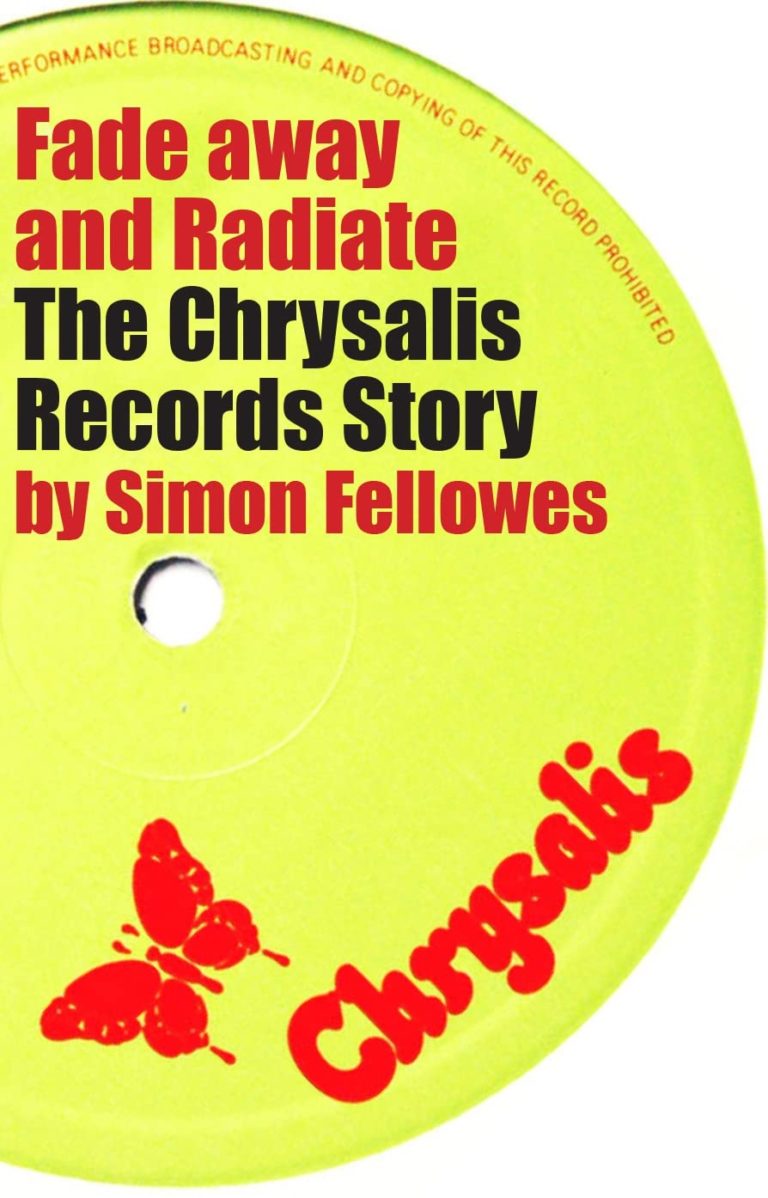
Fade Away and Radiate by Simon Fellowes tells the electrifying rise of Chrysalis Records, a label that helped shape the sound and style of an era. It’s the story of risk-takers, rebels, and a roster that redefined pop, punk, and everything in between.

This is a story of a time in music history when everything changed. When maverick entrepreneurs could take on the major labels and beat them at their own game. When bands became global, communicating on vast stages, in front of enormous crowds, while beamed across the world live on TV. It was a time when fashion changed like the wind. When new scenes arrived as if out of nowhere. When misfits and outsiders could become instant superstars. Working to make this happen were a select group of individuals, passionate, determined, single-minded, and alert.

Two of the most successful were Chris Wright and Terry Ellis. Their label, Chrysalis Records, was a British independent record company that built a global reputation thanks to its ability to discover and develop a ground-breaking roster of musical acts whose albums and singles became number one hits all over the world.

From Jethro Tull to Blondie, Spandau Ballet to The Specials, Billy Idol to Sinead O’Connor, Pat Benatar to Huey Lewis and the News, the artists Chrysalis signed made a lasting impact on our culture.

New Book ‘Bitter Crop’ By Paul Alexander Reclaims Billie Holiday’s Legacy

0

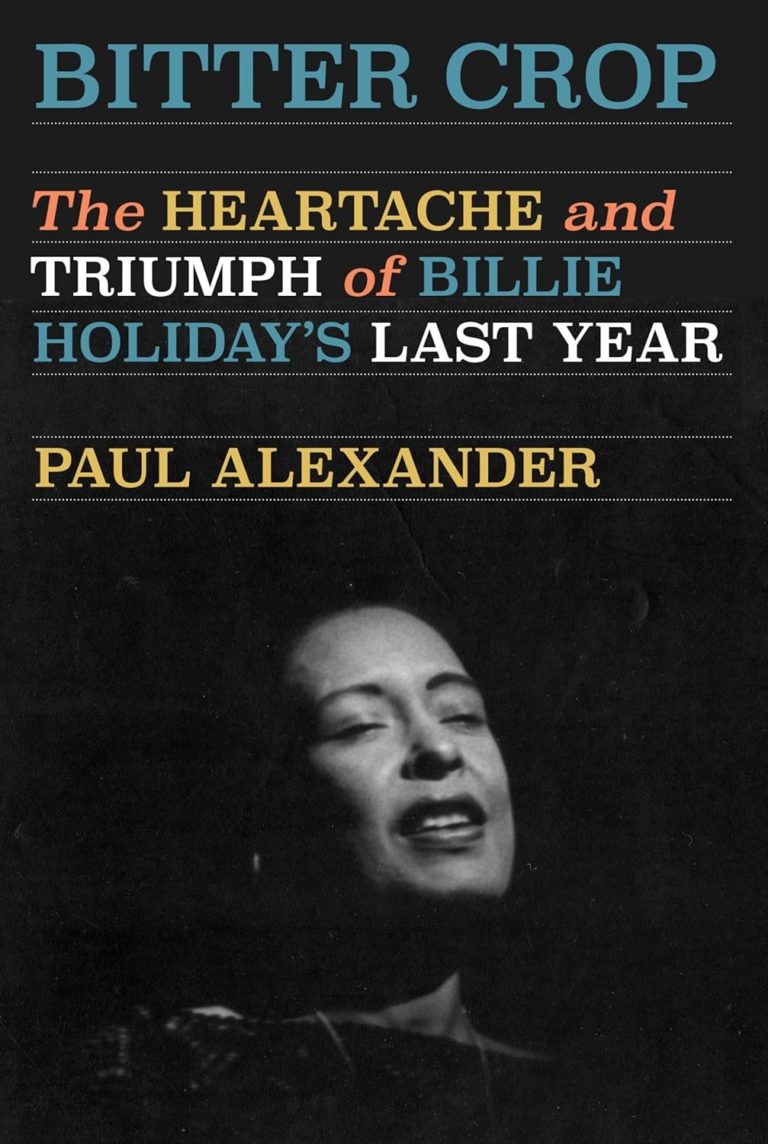
In the first biography of Billie Holiday in more than two decades, Paul Alexander—author of heralded lives of Sylvia Plath and J. D. Salinger—gives us an unconventional portrait of arguably America’s most eminent jazz singer. He shrewdly focuses on the last year of her life—with relevant flashbacks to provide context—to evoke and examine the persistent magnificence of Holiday’s artistry when it was supposed to have declined, in the wake of her drug abuse, relationships with violent men, and run-ins with the law.

During her lifetime and after her death, Billie Holiday was often depicted as a down-on-her-luck junkie severely lacking in self-esteem. Relying on interviews with people who knew her, and new material unearthed in private collections and institutional archives, Bitter Crop—a reference to the last two words of Strange Fruit, her moving song about lynching—limns Holiday as a powerful, ambitious woman who overcame her flaws to triumph as a vital figure of American popular music.

Paul Alexander has published eight books, among them Rough Magic, a biography of Sylvia Plath, and Salinger, a biography of J. D. Salinger that was the basis of a documentary that appeared on American Masters on PBS, Netflix, and HBO. His nonfiction has appeared in numerous publications, including The New York Times, Los Angeles Times, The Boston Globe, Newsday, New York, The Guardian, The Nation, The Washington Post, and Rolling Stone. He teaches at Hunter College in New York.

Bob Dylan Songs That Name Real People

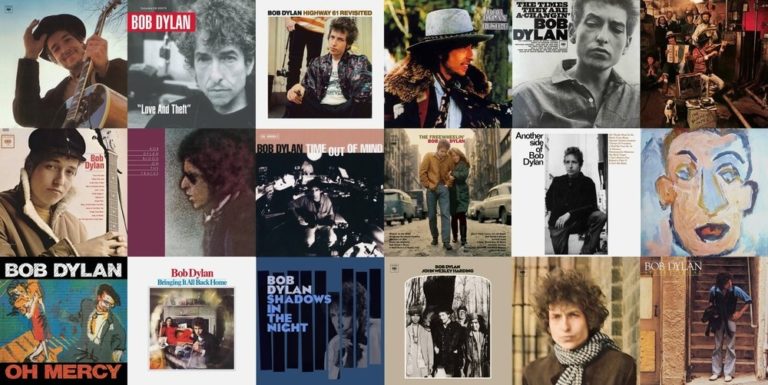
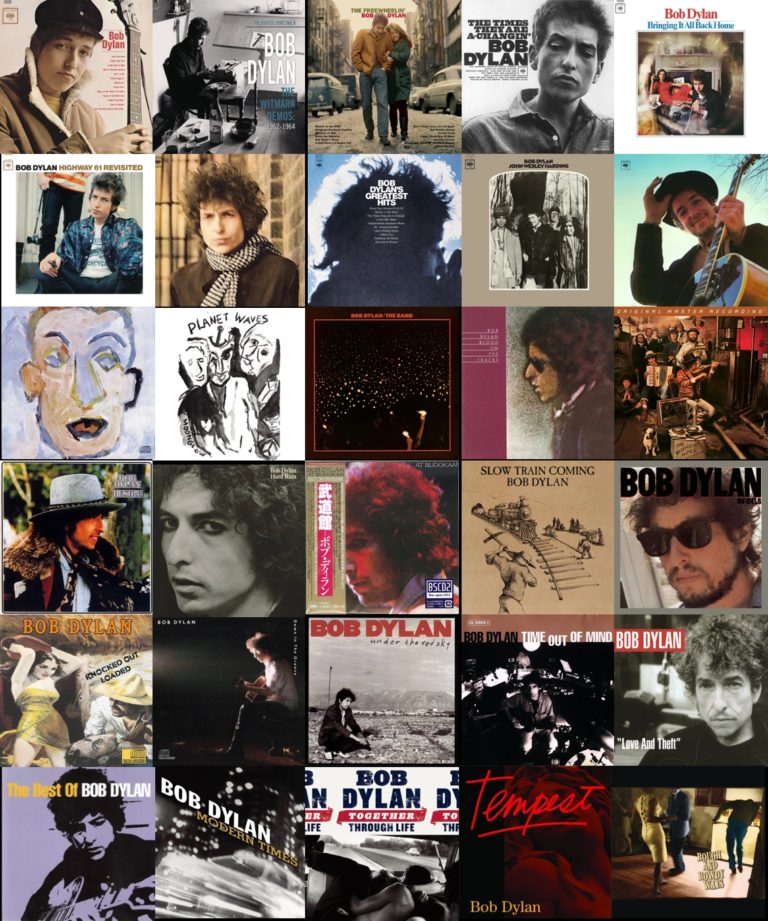
Bob Dylan has always blurred the line between myth and reality, but some of his most memorable songs anchor themselves in history by naming real people. Whether referencing fellow musicians, historical figures, or political players, Dylan uses these names not just as props, but as poetic anchors in a world he’s constantly reimagining. Here are Dylan songs that name real people—each adding a layer of meaning, mischief, or myth to the master songwriter’s catalogue.

“Hurricane”
Perhaps Dylan’s most famous protest song, “Hurricane” recounts the story of boxer Rubin “Hurricane” Carter, who was wrongly convicted of murder. The song reads like a courtroom drama set to music, naming everyone from the judge to the witnesses. Dylan’s fiery lyrics helped reignite public interest in Carter’s case.

“Only a Pawn in Their Game”
This haunting civil rights anthem references civil rights activist Medgar Evers, whose assassination in 1963 stunned the world. Dylan names Evers to illustrate how systemic racism empowers otherwise invisible men to commit violent acts. The song remains one of his starkest commentaries on racial injustice.

“Desolation Row”
A kaleidoscope of characters—some mythical, some real—populate this epic track, including historical names like T.S. Eliot and Albert Einstein. Dylan tosses them into a surreal carnival of images, creating a strange, poetic dreamscape that satirizes modern life. It’s absurdist literature in musical form.

“I Shall Be Free No. 10”
Dylan name-checks the Beatles, Cassius Clay (Muhammad Ali), and Charles de Gaulle in this humorous and chaotic stream-of-consciousness piece. The song plays like a parody of pop culture and political absurdity. It’s classic Dylan: playful, pointed, and unpredictable.

“Talkin’ John Birch Paranoid Blues”
This biting satire skewers the far-right John Birch Society and name-drops figures like Eisenhower, Lincoln, Jefferson, Roosevelt  and George Lincoln Rockwell. Dylan uses exaggerated paranoia to mock Cold War-era conspiracies. It was so controversial it got him booted from “The Ed Sullivan Show.”

“Who Killed Davey Moore?”
This stark and repetitive song explores the death of boxer Davey Moore in the ring, examining who bears responsibility. Dylan sings from multiple perspectives—referee, crowd, manager—without letting anyone off the hook. The real-life tragedy becomes a moral inquiry.

“Roll on John”
A tender and elegiac tribute to John Lennon, “Roll on John” honors the slain Beatle through lyrical nods and historical references. Dylan weaves Lennon’s lyrics and legacy into a song full of sorrow and admiration. It’s Dylan at his most vulnerable and direct.

“Lenny Bruce”
This haunting ballad is a tribute to the groundbreaking comedian who died young. Dylan reflects on Bruce’s life and his tendency to challenge social norms. The tone is mournful, as if Dylan recognizes a fellow provocateur gone too soon.

“With God on Our Side”
Dylan invokes a parade of historical figures and events, including Adolf Hitler, World War II, and the Spanish-American War. The song critiques how nations justify violence by invoking divine approval. The names help ground the critique in specific, chilling realities.

“Blind Willie McTell”
Named for the legendary bluesman, this unreleased masterpiece paints a dark and ghostly portrait of American history. Though McTell is only mentioned in the final line, his name anchors the song’s meditation on slavery, suffering, and song. It’s a whispered tribute to blues lineage.

“Joey”
Co-written with Jacques Levy, “Joey” is a controversial ballad romanticizing mobster Joey Gallo. Dylan paints Gallo as a misunderstood antihero, much to the dismay of critics. It’s a reminder that Dylan’s empathy and mythmaking don’t always conform to public opinion.

“George Jackson”
Dylan released this protest single shortly after the killing of Black Panther George Jackson in prison. The song is raw, emotional, and politically charged. It shows Dylan’s continued engagement with Black activism and systemic injustice in America.

“I Shall Be Free”
This early Dylan number references everyone from Brigitte Bardot to President Kennedy, mixing celebrity gossip with social satire. The song’s absurd name-dropping is both hilarious and revealing. It’s one of Dylan’s earliest takes on pop culture’s absurdities.

“Tempest”
The title track from his 2012 album references the Titanic disaster and names Leonardo DiCaprio, tying in the film’s influence. Dylan uses historical and fictional elements to explore fate, hubris, and loss. It’s long, cinematic, and uniquely Dylan.

“Bob Dylan’s 115th Dream”
A surrealist romp through American history and myth, this song tosses in Captain Ahab, Columbus, and even the Mayflower. The absurd historical mash-up becomes a satire of American exceptionalism. It’s Monty Python meets Beat poetry.

“Murder Most Foul”
Clocking in at over 16 minutes, this epic reflection on the JFK assassination references everyone from Marilyn Monroe to Thelonious Monk. It’s Dylan’s cultural elegy, a collage of American grief and musical touchstones. Name after name, it’s a requiem for a nation.

“Highlands”
This sprawling track from Time Out of Mind includes a random but unforgettable reference to Neil Young. Dylan’s nod to his fellow songwriting legend is fleeting but affectionate. The song is meditative, wandering, and quintessentially Dylan.

“Brownsville Girl”
Co-written with Sam Shepard, this cinematic song name-drops Gregory Peck as it spirals through tales of lost love and old westerns. The reference anchors the song’s dreamlike drift through memory and myth. It’s one of Dylan’s most ambitious and theatrical tracks.

“I Contain Multitudes”
On this introspective track from Rough and Rowdy Ways, Dylan mentions Anne Frank, Indiana Jones, and the Rolling Stones. The references seem disparate, but that’s the point: Dylan is embracing his contradictions. The song is a winking statement of vast, unapologetic identity.

Whether invoking titans of justice or icons of entertainment, Dylan’s namedrops are always part of a larger poetic mission. His songs tell their stories and reshape the cultural memory of those who helped write them.


20 Artists Newly Eligible For The Rock and Roll Hall Of Fame In 2025

2026 marks 25 years since the release of some of the most iconic and game-changing music from the turn of the millennium. With that milestone, a wide range of artists are now newly eligible for induction into the Rock and Roll Hall of Fame. From nu-metal titans to indie legends and genre-bending visionaries, these acts helped define the early 2000s—and their influence still echoes today. Here are 20 of the most impactful new eligibles to keep your eye on.

Linkin Park
One of the most commercially and culturally dominant bands of the 2000s, Linkin Park fused rap, metal, and electronic elements into a sound that defined a generation. Their debut ‘Hybrid Theory’ remains one of the best-selling albums of the 21st century.

Gorillaz
The world’s first virtual band, Gorillaz revolutionized what a band could be. Damon Albarn and Jamie Hewlett’s genre-smashing creation blurred the lines between rock, hip-hop, and animation, crafting unforgettable hits like “Clint Eastwood” and “Feel Good Inc.”

Nelly Furtado
A genre chameleon from the start, Nelly Furtado soared with the folk-pop hit “I’m Like a Bird” before redefining pop with Timbaland on Loose. Her global perspective and constant reinvention make her a key figure in 2000s music.

Pink
From punky pop rebel to powerhouse vocalist and arena-filling performer, Pink has continually evolved while maintaining chart-topping consistency and cultural relevance. She’s a pop-rock trailblazer with serious Hall of Fame credentials.

Interpol
The brooding NYC post-punks helped usher in a new era of indie rock with ‘Turn on the Bright Lights.’ Their stylish melancholy and taut guitar lines made them icons of the early aughts alt scene.

The All-American Rejects
With hook-filled anthems like “Swing, Swing” and “Move Along,” The All-American Rejects brought emo and pop-punk into the mainstream and carved out their place in 2000s radio history.

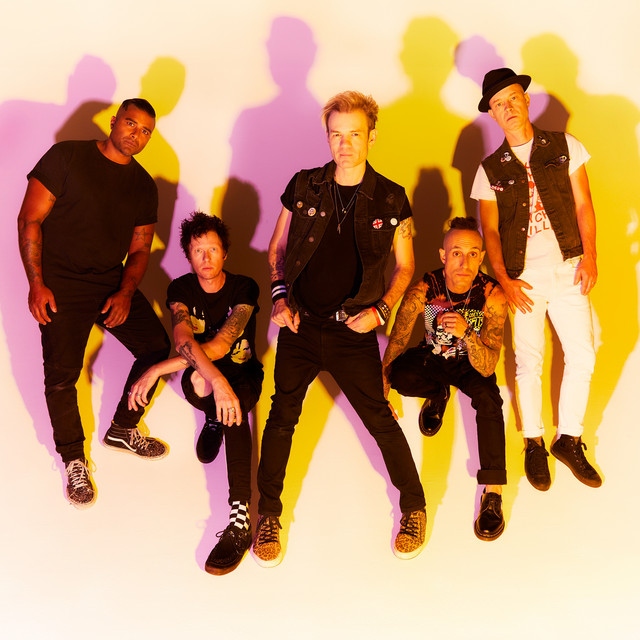
Sum 41
Canada’s skate-punk heroes were as ferocious as they were fun, mixing pop-punk with metal riffs and irreverent humor. Songs like “Fat Lip” and “In Too Deep” still fill mosh pits today.

Michelle Branch
Blending singer-songwriter earnestness with pop-rock production, Michelle Branch’s debut helped lay the groundwork for the 2000s female alt-pop resurgence. Her influence can be heard in countless artists today.

Nelly
One of the biggest crossover rap stars of his time, Nelly brought Southern swagger and infectious hooks to the top of the charts with hits like “Hot in Herre” and “Country Grammar.”

Dashboard Confessional
Chris Carrabba’s heart-on-sleeve lyricism turned acoustic emo into a movement. Dashboard’s confessional songwriting gave voice to a generation of emotionally raw youth.

The Avett Brothers
Before folk-pop exploded, The Avett Brothers were building a grassroots following with earnest songwriting and spirited live shows. Their blend of bluegrass, rock, and Americana proved timeless.

Disturbed
With their growling vocals and punishing riffs, Disturbed became modern metal staples. Their 2000 debut ‘The Sickness’ and iconic cover of “The Sound of Silence” made waves far beyond metal circles.

Goldfrapp
Blending synthpop, glam, and trip-hop, Goldfrapp delivered dreamy yet danceable soundscapes that helped define the electronic edge of indie music in the 2000s.

Sufjan Stevens
The indie-folk polymath captured hearts with ‘Michigan’ and stunned with the sweeping ambition of ‘Illinois.’ His baroque pop explorations turned personal stories into grand American mythologies.

Rise Against
Fierce, melodic, and politically charged, Rise Against channeled punk rock urgency into anthems that resonated deeply in a post-9/11 America.

Regina Spektor
A piano-playing poet with a flair for storytelling and eccentricity, Regina Spektor brought charm, wit, and depth to the indie singer-songwriter scene.

Antony & the Johnsons
With a voice both operatic and otherworldly, Anohni (formerly Antony) created haunting, deeply emotional chamber-pop that explored gender, identity, and vulnerability.

The New Pornographers
This Canadian supergroup delivered power-pop perfection and helped define indie rock’s golden era with intricate harmonies, smart lyrics, and boundless energy.

Taking Back Sunday
Their back-and-forth vocals and confessional angst helped launch the second wave of emo into mainstream consciousness. An essential part of the Warped Tour-era canon.

Juanes
The Colombian superstar brought Latin rock to the world stage with a blend of socially conscious lyrics, pop hooks, and dazzling guitar work. He’s a global icon with deep musical roots.

These artists may be entering their eligibility, but they’ve already left their mark. Whether the Hall embraces nu-metal’s angst, emo’s raw honesty, or indie’s experimental spirit, 2026 will be a thrilling year for rock history.

Ben Wynne’s New Book Explores The Bark And Bite Of “Hound Dog”

0

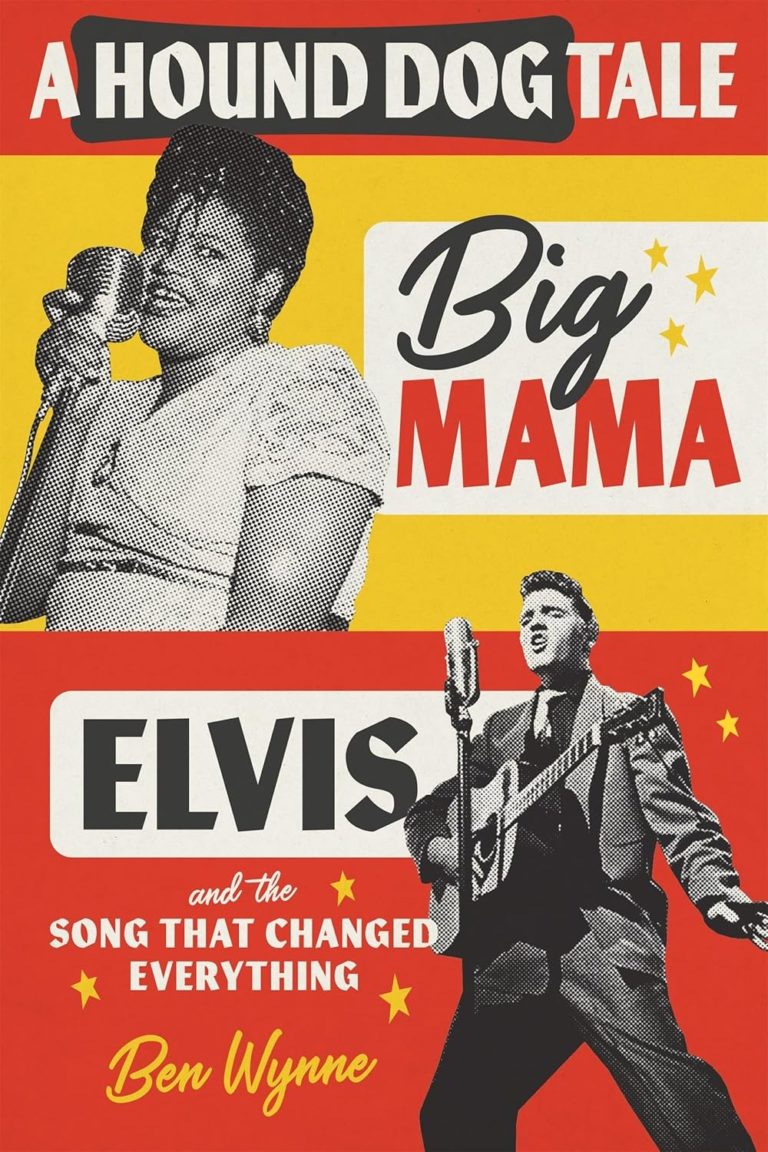
The release of the song Hound Dog in 1953 marked a turning point in American popular culture, and throughout its history, the hit ballad bridged divides of race, gender, and generational conflict. Ben Wynne’s A Hound Dog Tale discusses the stars who made this rock n roll standard famous, from Willie Mae to Big Mama Thornton to Elvis Presley, along with an eclectic cast of characters, including singers, songwriters, musicians, record producers and managers, famous television hosts, several lawyers, and even a gangster or two.

Wynne’s examination of this American classic reveals how Hound Dog reflected the values and issues of 1950s American society, and sheds light on the lesser-known elements of the song’s creation and legacy. A Hound Dog Tale will capture the imagination of anyone who has ever tapped a foot to the growl of a blues riff or the bark of a rock n roll guitar.

Ben Wynne is professor of history at the University of North Georgia and author of In Tune: Charley Patton, Jimmie Rodgers, and the Roots of American Music.

The 1965 Icons Still Rocking in 2025

They said rock ‘n’ roll wouldn’t last. But here we are in 2025, and a handful of artists who once ruled the stage in 1965 are still out there, defying time, rewriting the limits of longevity, and proving the power of a well-worn guitar riff. Here’s a look at the legends who’ve laced up their boots six decades apart.

The Rolling Stones are still grinding out stadium tours with the same bluesy swagger they had when “(I Can’t Get No) Satisfaction” topped the charts in ’65. With Mick Jagger still prancing and Keith Richards somehow immune to time, the Stones’ Hackney Diamonds tour has proven their immortality isn’t just myth—it’s muscle memory.

Bob Dylan, the voice of a generation, remains as mercurial and magnetic as ever. In 1965, he went electric at Newport and changed the face of music forever. Now, at 83, he’s deep into his Rough and Rowdy Ways tour, crooning through gravel and wisdom with a setlist as unpredictable as his legacy.

Ringo Starr still hits the road with his All Starr Band, keeping the spirit of Beatlemania alive for a new generation. In 1965, he was dodging screaming fans; in 2025, he’s grinning through a drum solo and telling jokes between songs. Peace and love never sounded so sharp.

Dion DiMucci, the Bronx street-corner crooner turned folk-blues philosopher, released new music this year and shows no signs of slowing down. He opened for Buddy Holly once—now he’s collaborating with Springsteen. Longevity isn’t just about staying power; it’s about evolving, and Dion’s still got the spark.

Willie Nelson, at 92, is still on the road—because of course he is. Back in 1965, he was penning classics like “Crazy” and cutting his teeth in Nashville. Now, he’s headlining the Outlaw Music Festival tour with his sons by his side and more weed jokes than ever. The braids may be silver, but the voice is pure gold.

Eric Clapton played with John Mayall & the Bluesbreakers in 1965 and was earning his “Clapton is God” graffiti in London. In 2025, he’s still performing selective dates with jaw-dropping precision, his guitar tone as iconic as his legacy. He’s proof that the blues doesn’t age—it just gets deeper.

Judy Collins, the folk matriarch with the crystalline voice, is still mesmerizing audiences at 85. In 1965, she was introducing Leonard Cohen to the world. Now, she’s still filling concert halls with grace, poetry, and timeless renditions of “Both Sides Now.”

The Beach Boys may look different in 2025, but Mike Love continues to lead the group on tour with a surf-rock smile and a suitcase full of sunshine. From their 1965 Summer Days (And Summer Nights!!) peak to the present, they’re still chasing that endless summer across stages worldwide.

Herb Alpert was topping charts with the Tijuana Brass in 1965, selling more records than The Beatles that year. In 2025, he’s still releasing albums and showcasing his artwork, proving that creativity can flow long after the spotlight fades.

Rod Stewart had his first hit in 1964 with Long John Baldry and was playing with the Jeff Beck Group by 1965. Fast-forward to 2025, and he’s still selling out arenas, mixing Vegas swagger with rock nostalgia and somehow never running out of leopard print.

Paul Simon was introducing the world to “The Sound of Silence” with Art Garfunkel in 1965. This year, at 83, he’s releasing new music and appearing at literary festivals discussing the poetry of songwriting, reminding us all that his words are stitched into American memory.

The Zombies, who broke out in ’65 with “She’s Not There” and “Tell Her No,” reunited in the 2000s and haven’t stopped since. With original members Colin Blunstone and Rod Argent still delivering psychedelic pop perfection, they continue to charm crowds with vintage magic and new material alike.

Roger McGuinn, co-founder of The Byrds, remains active on the folk circuit, wielding his signature Rickenbacker with the same twelve-string jangle that defined 1965’s “Mr. Tambourine Man.” While The Byrds have long since flown, McGuinn’s solo shows still shimmer with the electric folk mystique that helped birth psychedelic rock.

Paul McCartney, though not currently touring in 2025, recently played massive shows on his Got Back tour and continues to release music that blurs pop brilliance with classic rock roots. In ’65, he was busy redefining pop music; today, he’s a living monument to melody, still thrilling crowds across the world.

They’re not just survivors—they’re torchbearers. These icons remind us that while decades change, real rock ‘n’ roll doesn’t rust.

Joshua Redman Brings ‘Where Are We’ to NPR’s Tiny Desk

0

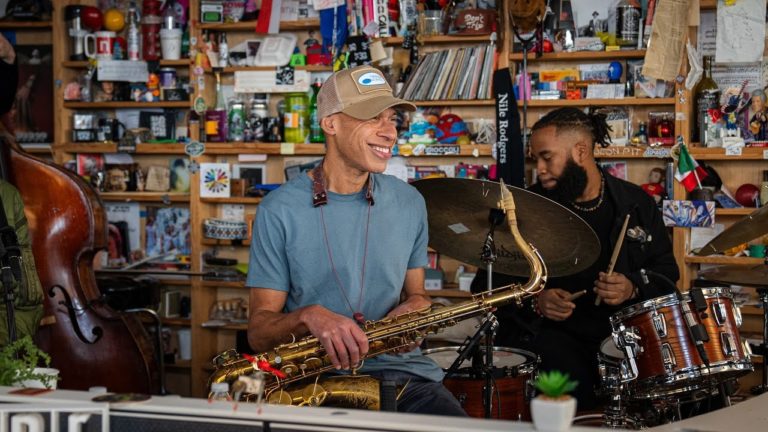
If you want to hear the soul of modern jazz breathe, listen to Joshua Redman’s Where Are We. On “Chicago Blues” and “Streets of Philadelphia,” Redman and vocalist Gabrielle Cavassa weave grit and grace into each note, with Paul Cornish’s piano bridging worlds in a moment of pure improvisational magic. But it’s “After Minneapolis” that cuts deepest—Redman’s aching sax lines and Cavassa’s voice mourn a country’s wounds with quiet fury and elegance. This is jazz with conscience, history, and heart.

10 Times The Grammys Got It Right For Best Album of the Year

The Grammy Awards often spark debate—snubs, surprises, and upsets have become annual rituals for music fans. But every now and then, the Recording Academy hits the nail on the head. Whether they honored innovation, storytelling, or sheer cultural dominance, these 10 Album of the Year wins prove that sometimes, they do get it right. Here are ten shining examples where the Grammys made the right call.

Stevie Wonder – Innervisions (1974)
Stevie Wonder’s Innervisions was musically brilliant and it was socially powerful. With tracks like “Living for the City” and “Higher Ground,” Wonder blended funk, soul, and political commentary in a way that defined an era. This was the sound of a genius at the height of his creative powers, and the Grammys rightly recognized it.

Carole King – Tapestry (1972)
Carole King’s Tapestry was a landmark moment for women in music. With its emotional honesty and timeless songwriting, it elevated the singer-songwriter genre to new heights. Songs like “It’s Too Late” and “You’ve Got a Friend” continue to resonate decades later—and its win was a triumph for storytelling and soul.

Lauryn Hill – The Miseducation of Lauryn Hill (1999)
Blending soul, rap, reggae, and gospel, Lauryn Hill’s solo debut was revolutionary. The Miseducation of Lauryn Hill broke barriers in genre and gender, becoming a cultural touchstone. Its Grammy win was historic, making Hill the first hip-hop artist to take home Album of the Year.

Taylor Swift – Folklore (2021)
In a year of isolation, Taylor Swift’s Folklore offered quiet reflection and mature songwriting. Collaborating with Aaron Dessner and Jack Antonoff, Swift departed from pop bombast for indie-folk intimacy—and it paid off. Her win was a nod to reinvention, risk-taking, and lyrical depth.

The Beatles – Sgt. Pepper’s Lonely Hearts Club Band (1968)
The Grammy voters rewarded a cultural milestone with this one. Sgt. Pepper’s rewrote the rules of what an album could be, both sonically and visually. Psychedelic, experimental, and endlessly influential, it deserved every accolade—including Album of the Year.

Outkast – Speakerboxxx/The Love Below (2004)
A bold double album that somehow fused crunk, funk, jazz, and Prince-style pop into a Grammy-winning masterpiece. Speakerboxxx/The Love Below proved that hip-hop could be eclectic, conceptual, and totally mainstream. Outkast expanded the definition of what could win.

Norah Jones – Come Away With Me (2003)
Soft, jazzy, and understated, Come Away With Me was as loud as the other nominees for record of the year—but it was the most elegant. Norah Jones’ debut came as a breath of fresh air, and her Grammy win honored subtlety over spectacle. Sometimes, quiet talent wins big—and rightly so.

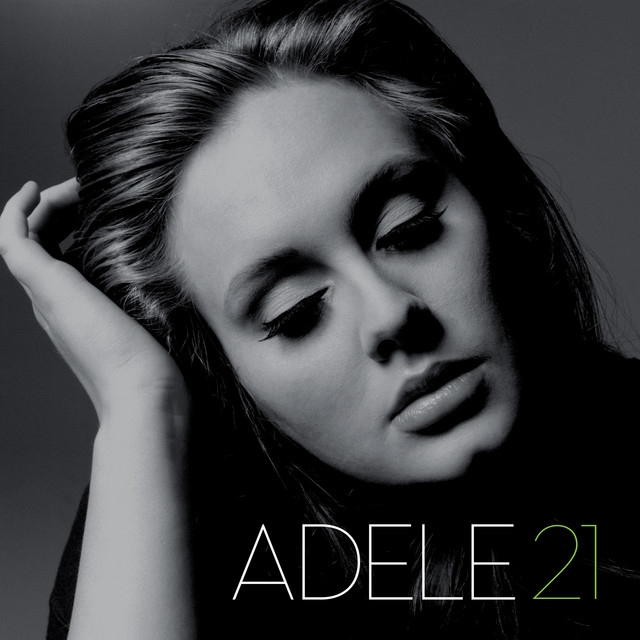
Adele – 21 (2012)
Heartache never sounded so triumphant. Adele’s 21 delivered powerhouse vocals and timeless ballads like “Someone Like You” and “Rolling in the Deep.” Its commercial dominance was matched by critical praise, and the Grammy win felt like the rare moment when everyone agreed.

Daft Punk – Random Access Memories (2014)
With Random Access Memories, Daft Punk turned retro influences into futuristic gold. From the disco revival of “Get Lucky” to the analog warmth of its production, the album was a love letter to music history. The French duo’s surprise win was a celebration of craft, concept, and cool.

Billie Eilish – When We All Fall Asleep, Where Do We Go? (2020)
At just 18, Billie Eilish changed the sound of pop with hushed vocals and haunted beats. Her debut album was unlike anything else that year—dark, daring, and defiantly different. The Grammy win recognized a generational shift and a new voice that couldn’t be ignored.

The Grammys don’t always get it right, but when they do, it’s amazing to watch. These Album of the Year wins remind us that bold choices, emotional resonance, and cultural impact can—and should—be recognized. They also prove one thing: great music endures, and sometimes the Academy does, in fact, hear it loud and clear.