

The live streaming pay-per-view market is on a serious growth trajectory. A new report from ResearchAndMarkets.com projects the global market will expand from $1.88 billion in 2025 to $4.2 billion by 2030, driven by rising demand for exclusive content, AR/VR integration, social media connectivity and mobile-first streaming. For the music industry, where live concert streaming has become a meaningful revenue stream, those numbers carry real weight.
Live Streaming Pay-Per-View Market Headed for $4.2 Billion by 2030 as Demand for Exclusive Content Surges

Alana Springsteen Bares Everything on New Single “i loved you then” Ahead of Album ‘I Hope This Helps’
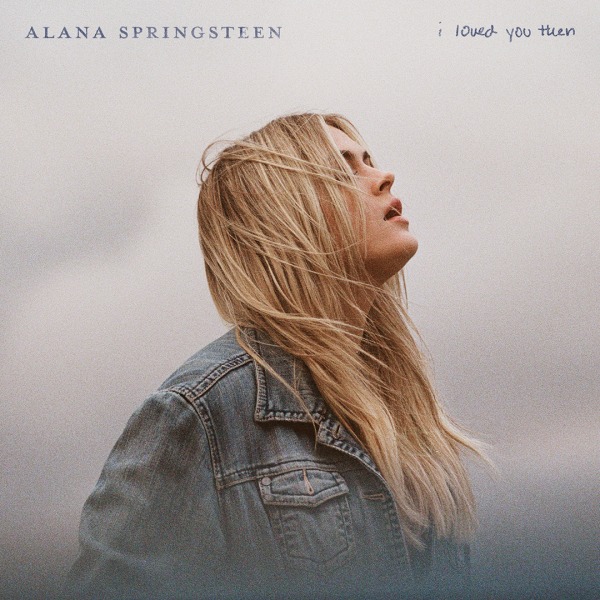
Alana Springsteen is out with “i loved you then,” a sweeping, confessional track that ranks among the most unguarded music she’s ever recorded. Written with Lauren LaRue, Sara Bares and Jared Keim, and co-produced by Springsteen and Keim, the song revisits a period when she’d fallen in love but couldn’t bring herself to say it, held back by a deep fear of being fully seen. It builds from hushed intimacy into sprawling guitar work and hard-driving drums, landing at a bridge that hits like a question she can finally ask out loud. It’s out now via Santa Anna Nashville.
The track is one of the few true love songs on ‘I Hope This Helps,’ Springsteen’s 16-track sophomore album due May 29. All 16 songs are co-produced by Springsteen, who also plays guitar and piano throughout. The record documents her dismantling of long-held patterns of self-abandonment and confronts a fear-driven upbringing with the kind of directness that has defined her writing since her debut. Previously released tracks “love me anyway,” “black sheep” and “note to self” have already set the tone for what the full album delivers.
At 25, Springsteen has built a career on telling the truth without softening it. Her three-part debut ‘TWENTY SOMETHING’ earned her praise from NPR and PEOPLE, a Gold-certified single with Mitchell Tenpenny, a No. 1 collaboration with Tiësto on “Hot Honey,” a Tiny Desk debut in 2024 and tours alongside Luke Bryan, Keith Urban, LANY and NEEDTOBREATHE. ‘I Hope This Helps’ reads like the next step from an artist who has been working toward exactly this kind of record.
Following the album’s release, Springsteen heads to Europe for a headline summer tour, kicking off July 3 at Huercasa Country Festival in Riaza, Spain, and wrapping with a 2-night stand at Norsk Countrytreff in Breim, Norway on July 10 and 11, with stops in London, Manchester, Glasgow and Belfast along the way.
ALANA SPRINGSTEEN: LIVE IN EUROPE Tour Dates:
July 3 – Riaza, Spain – Huercasa Country Festival
July 10 – Breim, Norway – Norsk Countrytreff
July 11 – Breim, Norway – Norsk Countrytreff
Video: Red Hot Chili Peppers Delivered a Blistering Two-Hour Headlining Set at Bonnaroo 2012
Fresh off their Rock and Roll Hall of Fame induction, the Red Hot Chili Peppers made their Bonnaroo debut in June 2012 with a 2-hour headlining set that ran from “Monarchy of Roses” through career-defining staples like “Can’t Stop,” “Dani California,” “Under the Bridge” and their iconic cover of Stevie Wonder’s “Higher Ground,” all while Flea walked across the stage on his hands and shouted out fellow performers Radiohead and St. Vincent.
American Blonde Roar Back with Swampy Southern Rock Banger “Mississippi Moonshine”
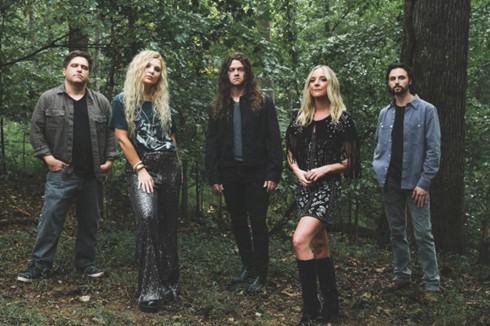
American Blonde are back with “Mississippi Moonshine,” their first new music in nearly 18 months, and the shift in sound is immediate and deliberate. The Mississippi-born outfit, now operating as a full band rather than a sister duo, enlisted Grammy-nominated Cage the Elephant founding member Lincoln Parish to produce, and the result is a swampy, raw-edged Southern rock track with moody organ, slide guitar and a vocal performance that hits like a live wire. Think Allman Brothers or Marshall Tucker Band with a chip on their shoulder. It’s out now.
The song was co-written by Nata Morris and the late Emmy-winner Cliff Downs, sparked by one of his musical riffs and a late-night true crime binge. The lyrics are sharp and watchful, and the production, tracked at Sienna Studios Nashville, doesn’t soften a single edge. Parish guests on organ, and the full band, Nata Morris on lead vocals and acoustic guitar, Tinka Morris on drums and percussion, Pete Horne and Zach Dickerson on guitars, and Will Garrett on bass, delivers the kind of locked-in live energy that signals a group that’s been building toward exactly this moment.
Radio is already responding. “Sounds INCREDIBLE and unlike anything else out there,” says Jim Quinton of WPPL-FM. “THIS is a HIT.” Fletcher Brown of WXFL/WLVS called it a bluesy Southern rock track with hot slide guitar that “lives up to its name, just in time for summer.” For a band reclaiming their identity with this kind of force, that kind of early momentum matters.
“Mississippi Moonshine leans more heavily into our musical roots while pushing towards a more rock-driven, live-energy sound,” say Nata and Tinka Morris. “It’s bold, it’s honest, and it feels like the truest version of who we are right now.”
Eagles Add 6 More Dates at Sphere Las Vegas Making It the Venue’s Longest-Running Residency
The Eagles are extending their run at Sphere Las Vegas with 6 new fall dates, bringing the total to 64 shows and cementing the residency as the longest in the groundbreaking venue’s history. The new dates are September 18, September 19, November 13, November 14, November 27 and November 28. Artist presale registration is open now via Seated, with presale beginning May 13 and general on-sale May 15. Tickets start at $175, fees included, and Vibee travel packages are available starting May 6.
The “Live In Concert At Sphere” show has been selling out since its September 2024 debut, and the expanded run comes alongside a full Vibee Concierge and Eagles Third Encore Experience at The Summit Showroom at the Venetian Resort, featuring a Troubadour replica, a Hotel California immersive experience, memorabilia, a merch store and new activations, free and open to the public. The Eagles also have upcoming dates at Truist Park in Atlanta, FirstBank Stadium in Nashville, Hard Rock Live in Hollywood, Florida and Globe Life Field in Arlington, Texas.
New Sphere Las Vegas Dates:
September 18
September 19
November 13
November 14
November 27
November 28
All Things Go D.C. Announces Hayley Williams, Mitski, Brandi Carlile, Lola Young and More for September Festival
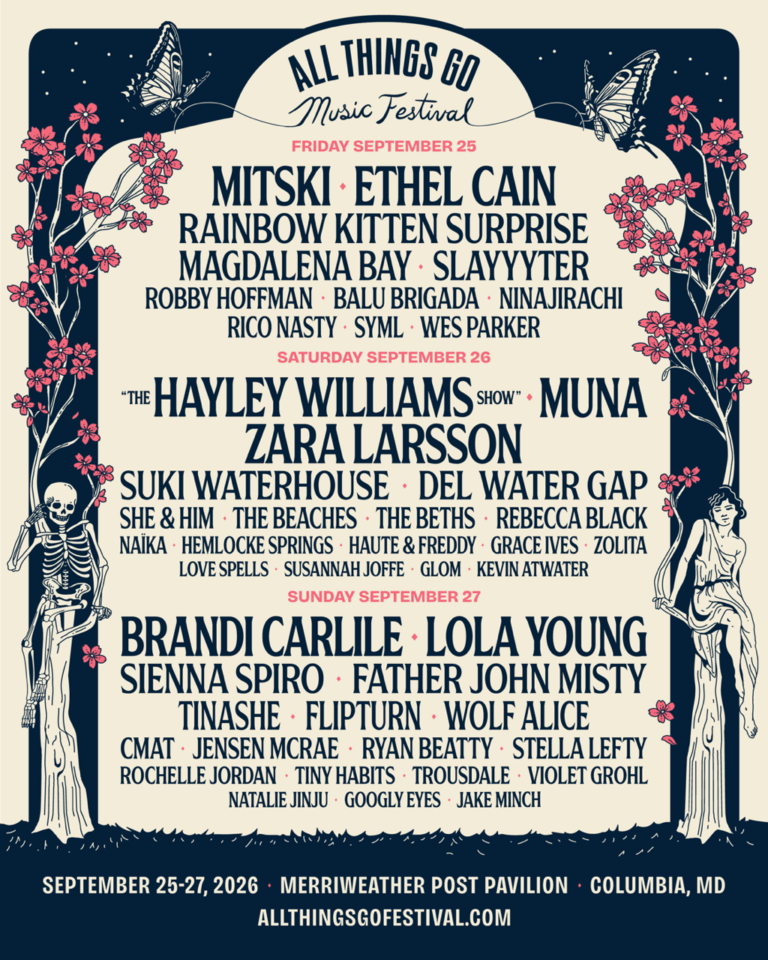
All Things Go has unveiled its D.C. lineup, and it’s one of the strongest the festival has assembled. The 3-day event runs September 25 to 27 at Merriweather Post Pavilion in Columbia, Maryland, with Hayley Williams and Brandi Carlile making their All Things Go debuts alongside returning favorites and a deep supporting cast that reflects exactly why this femme-and queer-forward festival has become a cultural institution in just five years. Fan presale opens May 6 at 10 a.m. Eastern, with public on-sale May 7 at allthingsgofestival.com.
Friday’s bill is anchored by Mitski and Ethel Cain, with Rainbow Kitten Surprise, Magdalena Bay, Slayyyter and comedian Robby Hoffman among those filling out the day. Saturday brings Hayley Williams to the top of the bill alongside Muna and Zara Larsson, with Suki Waterhouse, Del Water Gap, She & Him, The Beaches, The Beths and Rebecca Black rounding out a stacked afternoon and evening. Sunday closes the weekend with Brandi Carlile and Lola Young headlining, supported by Father John Misty, Tinashe, Wolf Alice, CMAT, Flipturn and Violet Grohl among others.
Lineups for the New York edition at Forest Hills Stadium are coming soon, and the Toronto version on June 6 and 7 features Lorde, Kesha, The Beaches, Wet Leg and more.
Friday, September 25:
Mitski, Ethel Cain, Rainbow Kitten Surprise, Magdalena Bay, Slayyyter, Robby Hoffman, Balu Brigada, Ninajirachi, Rico Nasty, SYML, Wes Parker
Gates open: 3pm
Saturday, September 26:
Hayley Williams, Muna, Zara Larsson, Suki Waterhouse, Del Water Gap, She & Him, The Beaches, The Beths, Rebecca Black, Naika, Hemlocke Springs, Haute & Freddy, Grace Ives, Zolita, Love Spells, Susannah Joffe, Glom, Kevin Atwater
Gates open: 11am
Sunday, September 27:
Brandi Carlile, Lola Young, Sienna Spiro, Father John Misty, Tinashe, Flipturn, Wolf Alice, CMAT, Jensen McRae, Ryan Beatty, Stella Lefty, Rochelle Jordan, Tiny Habits, Trousdale, Violet Grohl, Natalie Jinju, googly eyes, Jake Minch
Gates open: 11am
Is It Possible to Work 3 Days a Week?
By Mitch Rice
Work has become one of the main things that shape daily life. The alarm rings, the day starts, and a large part of our time goes to earning money, finishing tasks, joining meetings, answering messages, and trying to keep up. We accept the 5-day week and 8-hour workday as normal, but they were created for a different world.
Now AI and robots are changing what “work” means. Many tasks can already be done faster with technology, and this will only grow in the coming years. So, the question is worth asking: could people work only 3 days a week and still live better, not worse?
Where Did the 5-Day Workweek Come From?
The 5-day workweek did not appear because it was the perfect model for human life. It came from the needs of the industrial age.
Factories needed workers to be present at fixed times. Machines, production lines, and managers all worked better with a clear schedule.
Over time, this system became the standard. Offices later copied the same structure, even though the type of work was very different.
So, in many ways, today’s workweek is still carrying out the habits of an older economy.
The 8-Hour Day Was Once a Big Improvement
Before the modern workweek, many people worked much longer hours. In factories and industrial jobs, 10, 12, or even more hours a day were common. The idea of “8 hours for work, 8 hours for rest, 8 hours for life” was a major step forward.
At that time, the 8-hour day was not a limitation. It was progress.
But what was progressive in the past does not have to remain the best option forever.
But the World Has Changed
Today, a lot of work no longer depends on physical presence or long hours. Many tasks are digital, flexible, and supported by software. AI can now help with writing, coding, research, planning, customer support, data analysis, and many other daily tasks.
This does not mean every job can suddenly move to a 3-day week. But it does mean the old model deserves to be questioned.
If the tools have changed, maybe the rules of work can change too.
Can Technology Reduce Human Work?
AI is already reducing the amount of human effort needed in many jobs. AI can write drafts, summarize reports, answer customer questions, analyze data, create images, support coding, and organize daily workflows.
This does not mean humans are useless. It means many boring, repetitive, and time-consuming tasks can be handled faster. A person may still make the final decision, but the heavy part of the work can be supported by machines.
Robots Could Change Physical Work Too
AI mostly changes digital work. Robots could do the same for physical work.
In the future, humanoid robots may help in warehouses, factories, restaurants, hospitals, cleaning, delivery, agriculture, and even construction. They can carry, sort, serve, move, assist, and repeat the same task without getting tired.
This could be a major shift because physical labor still takes a huge amount of human time and energy.
Productivity Could Rise
If AI and robots can do more work in less time, productivity may rise. Companies could produce more without asking people to work longer hours.
This is where the 3-day workweek becomes interesting. The goal would not be to work less and produce less. The goal would be to let technology carry more of the workload, while humans focus on tasks that need judgment, creativity, communication, and responsibility.
Human Roles May Start to Change
If machines handle more routine work, human jobs may move in a different direction. People may spend more time on planning, managing, designing, caring, teaching, selling, building relationships, and solving problems.
Some jobs may disappear, but new roles may also appear. The challenge is helping people move from old tasks to new ones without leaving them behind.
The Big Question Is Who Benefits
Technology alone does not guarantee a better life. It depends on how the benefits are shared.
If AI and robots only increase company profits, people may not work less. They may just compete with machines. But if societies and businesses use technology to reduce working hours, improve income models, and protect workers, then a shorter workweek becomes much more realistic.
Could a 3-Day Week Actually Work?
A 3-day work week can only work if the lost time is replaced by better productivity. In simple terms, people and companies would need to produce similar value in fewer days.
This is where AI, automation, and better systems become important. If a task that once took five hours can be done in one hour with technology, the old working schedule starts to lose its logic.
Companies Must Measure Results
Many workplaces still measure work by hours. Someone stays at the office for eight or nine hours, so it looks like they are working hard. But time spent is not always the same as value created.
A 3-day model would force companies to focus more on output. What was completed? Was the result useful? Did the business move forward? These questions matter more than how long someone sat in front of a screen.
Some Sectors Will Adapt Faster
Some jobs can move faster toward shorter workweeks. Digital businesses, marketing, software, online trading, consulting, and creative roles may adapt more easily.
Other sectors are harder. Healthcare, logistics, hospitality, construction, and manufacturing still need physical presence, shift planning, and continuous service. For these industries, robots and automation would need to improve much more before a 3-day system becomes realistic.
Income Is the Hardest Part
The biggest question is not only “Can people work less?” It is “Can people work less without earning less?”
If salaries fall with working hours, many people will not benefit. A real 3-day workweek would need a stronger productivity model, lower living costs, or new income systems. Otherwise, it becomes a luxury for a small group, not a better future for everyone.
What Would People Do with More Free Time?
More Time for Health and Rest
A shorter week would give people something many are missing today: time to breathe. Sleep, exercise, cooking at home, walking, reading, or doing nothing for a while could become part of normal life again.
This may sound simple, but it could change a lot. A person who is less tired can think better, work better, and live with more balance.
More Time for Family and Social Life
Work often takes the best hours of the day. By the time people return home, they are already tired. A 3-day workweek could give families more real time together.
Parents could spend more time with children. Friends could meet without waiting for one free evening. Relationships could become less rushed and more natural.
More Learning and Personal Growth
Free time does not have to mean only entertainment. People could learn new skills, study different subjects, start a small project, or improve themselves in areas they never had time for.
This could also help the economy. A society with more time to learn may become more creative, flexible, and productive in the long run.
More Creativity and Small Businesses
Many people have ideas, but no time or energy to try them. With more free days, some may start a side business, create content, build a product, make art, or work on community projects.
In that sense, less work time could create more human activity. The difference is that people would have more choice over what they do with their energy.
The Risk of Empty Time
Of course, more free time would also bring a new challenge. Some people may feel lost without the structure of work. Others may spend most of that time on screens, shopping, or passive entertainment.
That is why a better future would need more than shorter work hours. People would also need better education, stronger communities, and a healthier culture around time, purpose, and life.
The Dark Side: What Could Go Wrong?
Job Loss Could Hit Many People
If AI and robots take over more tasks, some jobs may disappear faster than new ones are created. This is the biggest fear.
For companies, automation can mean lower costs. For workers, it can mean uncertainty. A 3-day workweek sounds positive, but only if people still have income and security.
Wealth Could Become More Unequal
Technology can create huge value. The problem is who receives that value. People or Nasdaq?
If most of the benefits go to big companies and tech owners, inequality could grow while workers lose income security and bargaining power.
Work Gives People Structure
Work is not only about money. It also gives people routine, identity, social contact, and a feeling of being useful.
If people suddenly work much less, some may feel free. Others may feel empty or disconnected. A better work model would also need better ways for people to find meaning outside their jobs.
Governments May Not Be Ready
Most systems are still built around traditional work. Taxes, pensions, insurance, education, and social support all depend on people working regular jobs.
If technology changes work too quickly, governments may struggle to update the system. Without new rules, automation could create more pressure instead of more freedom.
The Future Could Become Less Human
There is also a deeper problem. If machines do too much, people may lose certain skills, habits, and human connections.
A world with more technology is not automatically a better world. It depends on how we use it. The goal should be to make life easier, not to replace human value with endless automation.
Data and information are provided for informational purposes only, and are not intended for investment or other purposes.
Free Jazz Pioneer Sonny Simmons Finally Gets His Due with New Memoir ‘Better Do It Now before You Die Later’
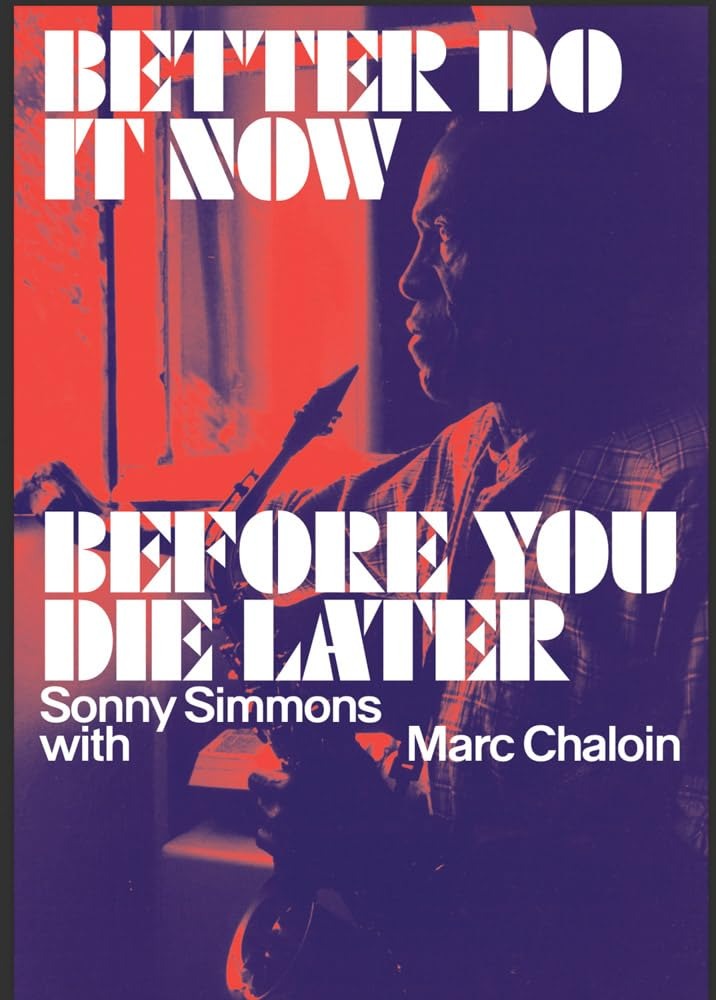
Saxophonist Sonny Simmons (1933–2021) was one of the most forceful voices in New York’s free jazz scene of the 1960s, and one of its most overlooked. His 588-page memoir ‘Better Do It Now before You Die Later,’ written with jazz historian and biographer Marc Chaloin and published by Blank Forms Editions, is out now and delivers the full story: his Louisiana childhood, his years in the Bay Area jazz scene, his star-studded New York run alongside the greats, the years of homelessness and addiction that followed, and the remarkable career resurrection sparked by 1994’s critically acclaimed ‘Ancient Ritual’ on Qwest Records. Fiery, funny and long overdue, it’s the definitive document of a singular life in music.
Frank Ray Tips His Hat to a Country Icon with New Single “Third Row George Strait”
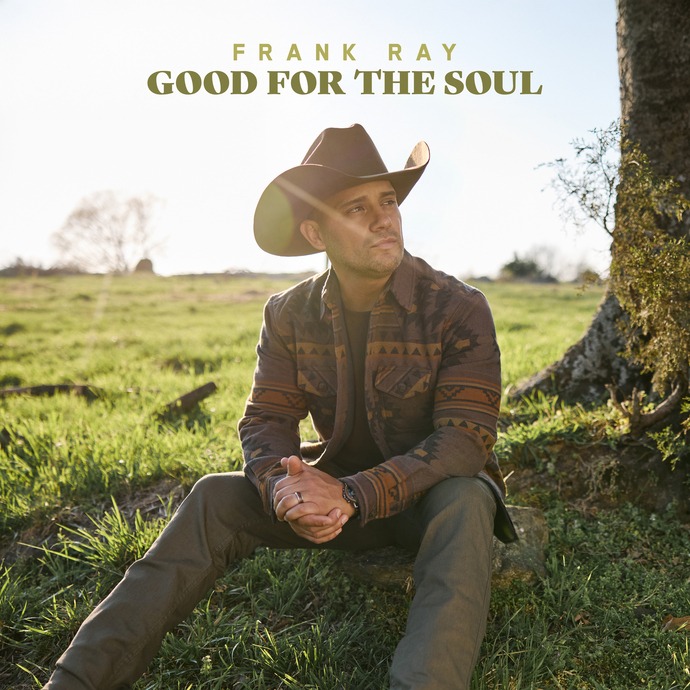
Frank Ray is out with “Third Row George Strait,” the first single from his forthcoming EP ‘Good For The Soul,’ dropping June 26. Written by Ben Hayslip, Dan Isbell and Ben Stennis, and produced by Seth Mosley and Michael “X” O’Connor, the track is a catchy, up-tempo nod to country icon George Strait that hits with the warmth of a nostalgic summer romance and the energy of something brand new. It’s the kind of song that wins over country fans and George Strait devotees in the same breath. Listen here.
“After sitting with the demo for a while and stacking new songs, I started drifting away from this song,” says Ray. “Not because it wasn’t great, I just hadn’t made it mine yet. But after working on it with my producer a bit more, everything clicked. Now I can’t stop playing the song and I hope it hits fans the same way it hit me the first and second time around, it’s kind of like falling in love with your someone all over again.”
The EP behind the single is a five-track collection that pulls from sunny ’90s and 2000s honky-tonk tones, epic balladry and Ray’s smooth, Latin-inflected country vocal. The title track features Tracy Lawrence, and the full project reflects a songwriter who has spent years building toward exactly this kind of focused, confident statement. Ray’s path from Las Cruces law enforcement officer to touring with Luke Combs, Kane Brown and Luke Bryan is well documented at this point, and ‘Good For The Soul’ reads like the next logical step.
‘Good For The Soul’ Track List:
- “One Way To Do It” (Matt Dragstrem, Jordan Minton, Seth Ennis)
- “Lookin’ Out For Me” (Frank Ray, Seth Mosley, Joybeth Taylor)
- “Third Row George Strait” (Ben Hayslip, Dan Isbell, Ben Stennis)
- “Hard To Be A Hero” (Frank Ray, Trannie Anderson, Jordan Walker, Seth Mosley)
- “Good For The Soul” – Frank Ray and Tracy Lawrence (Tim Nichols, Michael Carter, Brett Kissel)
Video: IDLES Delivered a Raw and Relentless Set at Primavera Sound Barcelona 2025
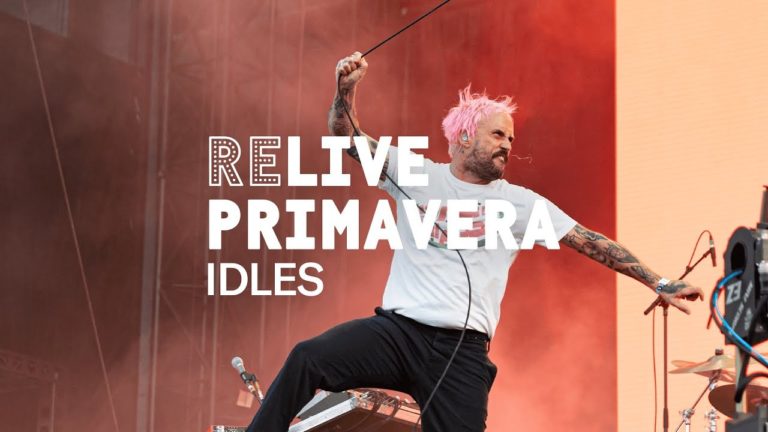
IDLES took the Primavera Sound stage in Barcelona on May 30, 2025, and delivered exactly the kind of performance that has made them one of the most vital live acts in post-punk. Joe Talbot’s vocals swung between grit and near-silence while Lee Bowen and Mark Bowen built walls of guitar around a rhythm section that held the whole thing together with force.