

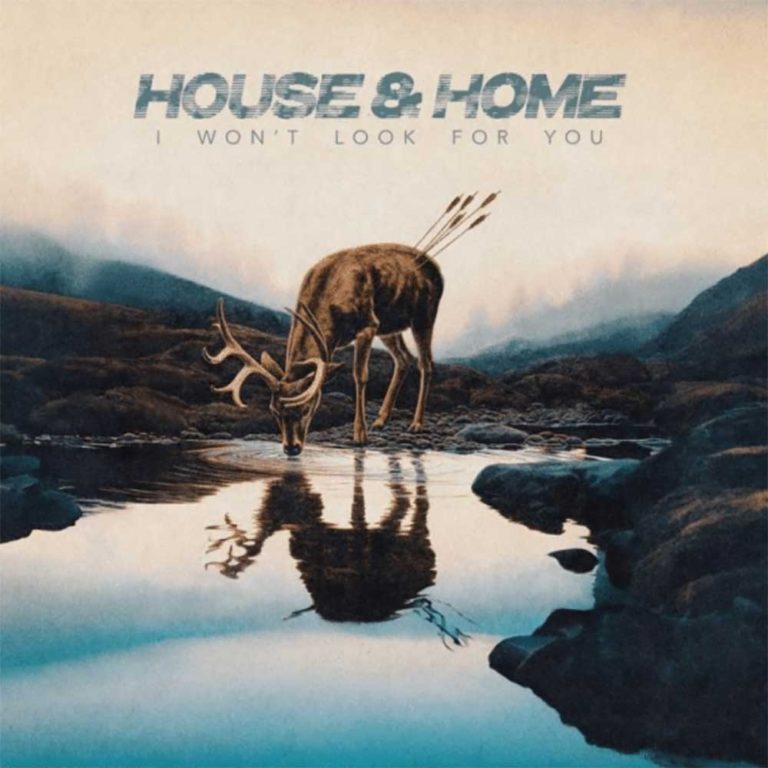
Alternative rock outfit House & Home has officially released their sophomore album ‘I Won’t Look For You’ via Open Your Ears Records, marking a visceral evolution in their sound. The project was introduced by the lead single “Swarm,” a track the band describes as a cathartic vent of internalized disdain that set the aggressive tone for the entire recording process. By blending dissonant leads with an uncomfortable, raw energy, the band aimed to push their established boundaries further than ever before. Recorded through a period they describe as “loud and scary,” the album arrived this past November, solidifying House & Home’s place as a band capable of turning personal frustration into a powerful, wide-open sonic experience.
Don’t Believe In Ghosts Celebrate Most Ambitious Chapter With ‘But On The Bright Side’
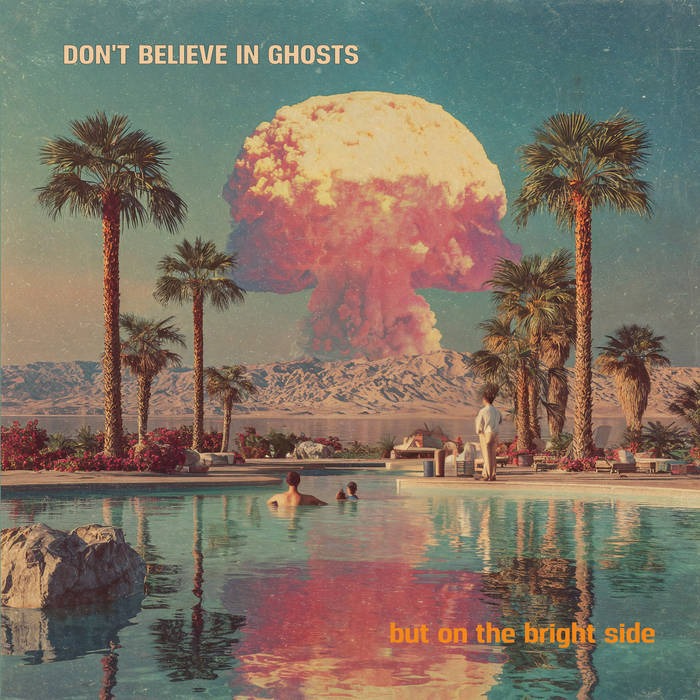
Don’t Believe In Ghosts have officially entered their most sonically rich era with the release of their new album, ‘But On The Bright Side’, which arrived this past November via Mindful Recordings. Preceded by the high-energy anthem “Driver”—a track frontman Steven Nathan describes as a “colorful journey about living in the moment”—the album serves as a definitive statement of the band’s resilience. Recorded over two years across New York, Nashville, and Cleveland, the project saw the trio of Nathan, guitarist Dan DelVecchio, and drummer Ken Yang diving deep into analog techniques and classic console recording. To celebrate the release, the band hosted a sold-out album release party on November 15th at Soho Live in NYC, marking a triumphant return to their home turf following a year that saw Nathan navigate a significant health challenge while completing the record.
The production credits on ‘But On The Bright Side’ read like a masterclass in modern alternative rock, featuring mixes from legendary engineers Mark Needham (The Killers) and Ken Lewis (Taylor Swift). The band’s signature anthemic sound, which has previously landed them on the soundtrack for Apple TV+’s ‘WeCrashed’, is pushed even further here with layered, textured arrangements where all three members took on multiple instruments. From the synth-driven pulse of “Outta Your Head” to the retail radio success of past hits like “Slow Down,” this new collection solidifies their reputation for creating music that is both sonically expansive and emotionally grounding. By choosing to find the “Bright Side” amidst the wreckage of a challenging production cycle, Don’t Believe In Ghosts have delivered a record that feels destined for the big stages they continue to conquer.
The Story So Far Captures Live Magic On ‘I Want To Disappear In The USA’
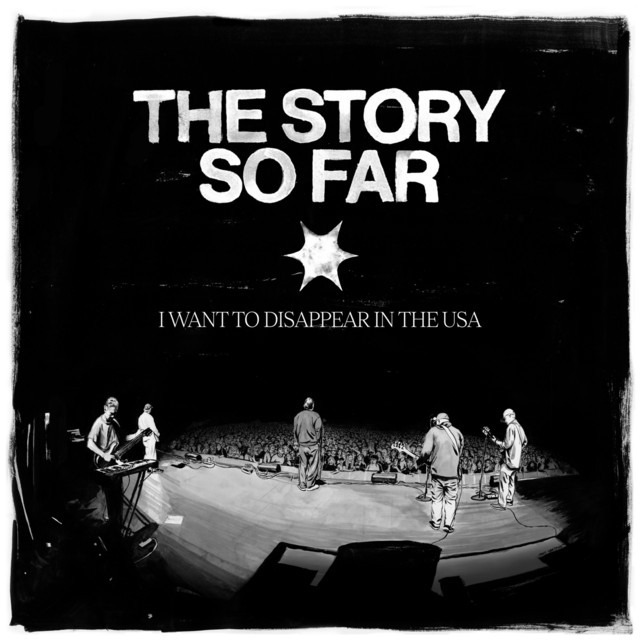
The Story So Far has officially transitioned into a new era with the surprise release of their live album, ‘I Want To Disappear In The USA’. This 21-track collection marks the debut release for their own California-based indie label, Oak Grove Records, moving away from their long-standing home at Pure Noise. Recorded during their 2024 headlining run, the record captures the raw, visceral energy that has made them a pillar of modern pop-punk, featuring high-octane versions of “Big Blind,” “Letterman,” and earlier fan favorites like “Quicksand” and “Nerve.” It is a calculated move that allows the band to own their masters and provide fans with a definitive document of their live show’s current evolution.
The release arrived just as the band wrapped up their massive 2025 autumn tour alongside Neck Deep, Origami Angel, and Pain Of Truth. This run across the United States served as a victory lap for their fifth studio album, ‘I Want To Disappear’, which was hailed for its sharp guitar riffs and the urgent, “Proper Dose”-era maturity that frontman Parker Cannon has mastered. By launching Oak Grove Records with a live record, the band is signaling a more DIY, fan-focused approach to their future. For those who missed the sold-out dates in cities like Brooklyn and Santa Ana, this live set offers an intimate, unfiltered look at a band that remains at the top of their game twenty years in.
‘I Want To Disappear In The USA’ Track Listing:
- “Big Blind”
- “The Glass”
- “Out Of It”
- “Nothing To Say”
- “High Regard”
- “All This Time”
- “Watch You Go”
- “Letterman”
- “Things I Can’t Change”
- “Proper Dose”
- “Jump The Gun”
- “Empty Space”
- “Solo”
- “Keep You Around”
- “Upside Down”
- “Keep This Up”
- “You’re Still In My Way”
- “Roam”
- “White Shores”
- “Nerve”
- “Quicksand”
This LEGO “Marble Machine” Is The Ultimate Desk Accessory For The Musically Inclined
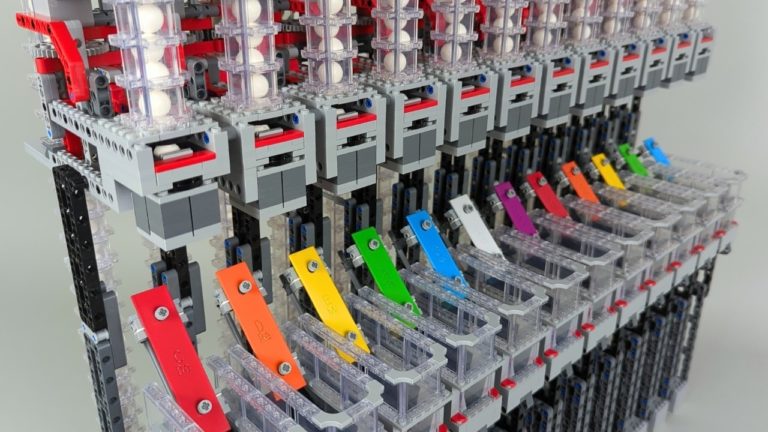
If you’ve ever lost an afternoon watching the Wintergatan Marble Machine, you’re going to appreciate the sheer mechanical stubbornness of this latest build from Brick Machines. We’re talking about an autonomous LEGO instrument that ditches marbles for tiny plastic soccer balls, dropping them onto xylophone bars with the kind of rhythmic precision that would make a metronome sweat. The best part? It’s a closed-loop system that hauls the balls back to the top to start the sequence all over again, effectively creating a “perpetual” music box that only stops when you pull the plug.
Bon Jovi Celebrates New Jersey Roots With “Red, White & Jersey”
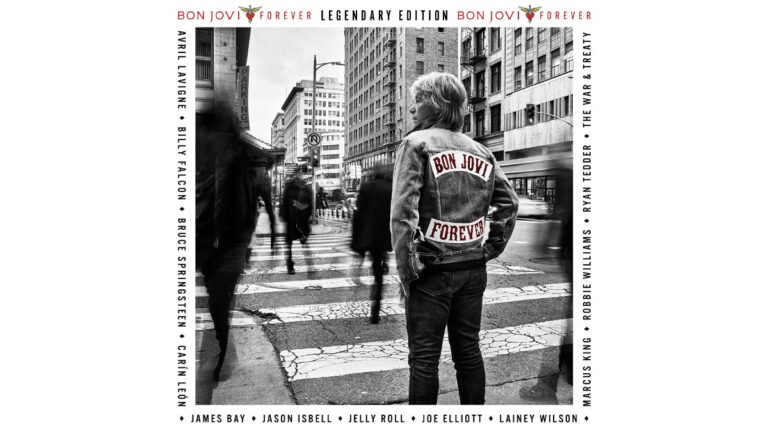
Bon Jovi has officially released ‘Forever (Legendary Edition)’, a massive 14-track reimagining of their 2024 album ‘Forever’ that doubles down on their Garden State heritage. The collection is anchored by the new high-energy anthem “Red, White & Jersey” and a long-awaited studio collaboration with Bruce Springsteen on the atmospheric track “Hollow Man.” Born out of Jon Bon Jovi’s necessity to keep the music moving during his vocal cord recovery, the project features a “who’s who” of guest artists, including Jason Isbell, Lainey Wilson, Jelly Roll, and Joe Elliott. By trading verses with his friends, Jon has given ‘Forever’ a second life, transforming it from a solo reflection into a communal celebration of rock resilience.
The album arrives following a busy year for the band, which saw the release of their career-spanning Hulu docuseries ‘Thank You, Goodnight: The Bon Jovi Story’ and a headline-making video shoot for “The People’s House” in Nashville. The ‘Legendary Edition’ also includes exclusive physical bonus tracks like “Fight Somebody,” available on the direct-to-consumer vinyl and Japanese CD editions. With the new year approaching, the band has already begun teasing a return to the road in 2026, marking a triumphant new chapter for one of the most enduring acts in rock history. Whether it’s the Nashville soul of The War and Treaty or the gritty Jersey storytelling of The Boss, ‘Forever (Legendary Edition)’ proves that even after forty years, Bon Jovi still knows how to make it look easy.
‘Forever (Legendary Edition)’ Track Listing:
- “Red, White and Jersey”
- “Legendary” (with James Bay)
- “We Made It Look Easy” (with Robbie Williams)
- “Living Proof” (with Jelly Roll)
- “Waves” (with Jason Isbell)
- “Seeds” (with Ryan Tedder)
- “Kiss The Bride” (with Billy Falcon)
- “The People’s House” (with The War & Treaty)
- “Walls Of Jericho” (with Joe Elliott)
- “I Wrote You A Song” (with Lainey Wilson)
- “Living In Paradise” (with Avril Lavigne)
- “My First Guitar” (with Marcus King)
- “Hollow Man” (with Bruce Springsteen)
- “We Made It Look Easy / Hicimos Que Pareciera Fácil” (with Carín León)
Laci Kaye Booth Finds Beauty In The Wreckage With “Luck Of The Draw”
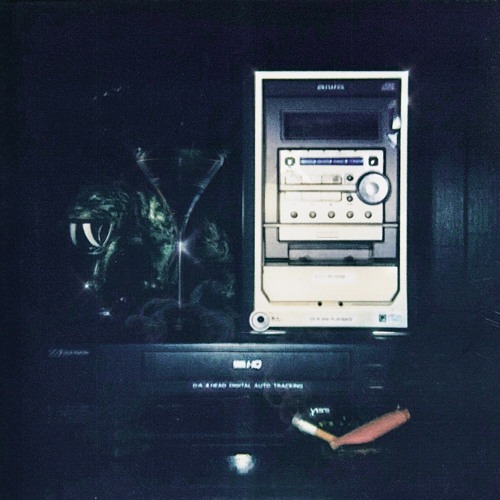
Geffen Records artist Laci Kaye Booth is continuing her streak of raw, vulnerable songwriting with her single “Luck Of The Draw,” which arrived this past August. Co-written with Ryman Wooten and longtime collaborator Ben West—who also produced her debut album ‘The Loneliest Girl In The World’—the track serves as a poignant meditation on navigating life’s chaos and owning the hand you’ve been dealt. To accompany the release, Booth shared an atmospheric visualizer directed by Natalie Sakstrup, featuring the singer as a resilient figure in a neon-lit Nashville club. This single follows the success of “George F****** Strait,” which has already surpassed half a million streams and became a fan favorite during her 2025 festival appearances.
The release capped off a milestone year for Booth, who made her Grand Ole Opry debut in March 2025 and spent the autumn months on a high-profile tour circuit. Throughout September and October, she appeared as a special guest for Lukas Nelson’s three-night residency in Austin and joined arena dates supporting Parker McCollum. She also served as direct support for The Marcus King Band and Ella Langley, solidifying her reputation as a formidable live performer across the country music landscape. As she heads toward 2026, Booth is already booked for major events including the Extra Innings Festival in February, Two Step Inn in April, and Railbird Festival in June, continuing to prove that finding beauty in the wreckage is a perspective that resonates deeply with her audience.
Thrillrot Debuts Vicious New Single “Anthem”
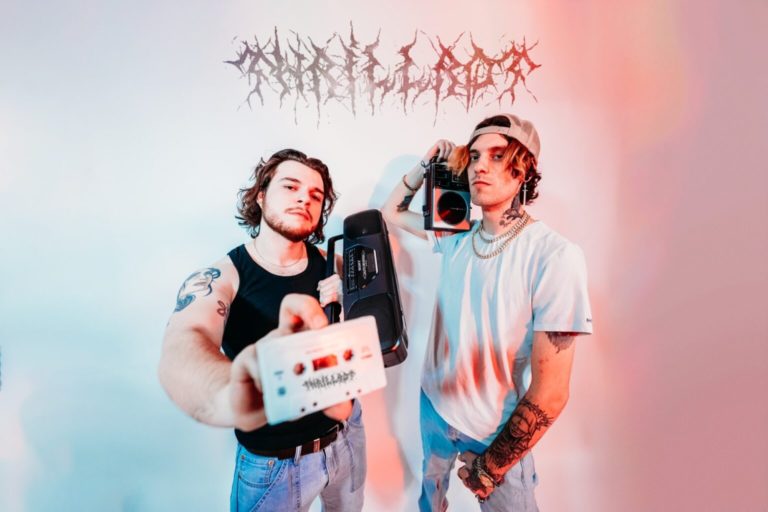
Denver-based metal duo Thrillrot has officially unleashed “Anthem,” the lead single from their highly anticipated self-titled debut album. The track serves as a blistering introduction to the band’s unrelenting and aggressive sound. Known for blending thunderous percussion with searing guitar work and visceral vocals, Noah Khorey and Mason Kolodziej have crafted a record that functions as a raw meditation on existential collapse and generational trauma. The forthcoming twelve-track LP, produced by the band alongside Andy Nelson and Ben Kaplan, draws deep lyrical inspiration from Peter Wessel Zapffe’s dark essay ‘The Last Messiah’, channeling themes of memory and torment into a cohesive sonic assault.
Since their signing to the California-based Lost Future Records earlier this year, Thrillrot has built a reputation for delivering hard-hitting aggression that is felt as much as it is heard. The self-titled full-length is now available on Limited Edition LP and digital platforms, showcasing the duo’s ability to blend thunderous percussion with searing guitar work and seething vocals. From the opening intensity of “The Dissolution of Life” to the finality of “Doom,” the record offers a visceral experience for those who appreciate metal that provides no easy answers and zero resolution. Following their high-energy performances at venues like D3 Arts, the band continues to prove that they are one of the most vital new voices in the underground, bringing a sharp, reflective edge to modern heavy music.
Annisokay Reflects on Monumental Year With ‘My Effigy’ Music Video
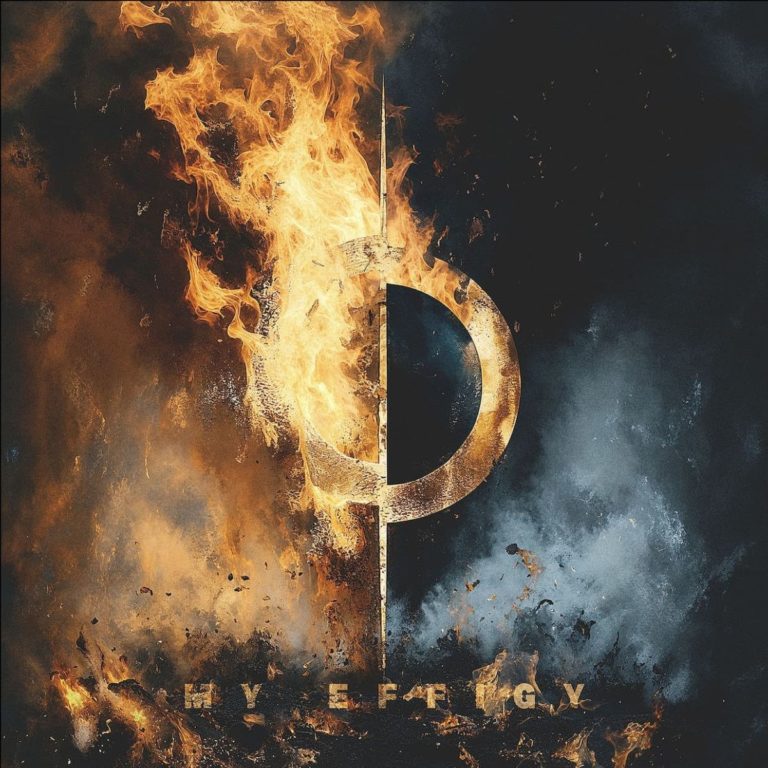
German metalcore heavyweights Annisokay are continuing their unstoppable rise with the release of their new music video for “My Effigy,” a standout track that showcases their signature blend of crushing heaviness and soaring melodic hooks. Reflecting on a massive year that saw them perform in front of their largest crowds to date at Wacken and Summer Breeze Open Air, the video serves as a celebratory look at the band’s explosive live energy. With their ‘Abyss I’ and ‘Abyss II’ EPs already surpassing 36 million streams on Spotify, the quartet has firmly established themselves as one of the most exciting acts in the modern heavy scene. Led by clean vocalist and producer Christoph Wieczorek alongside screamer Rudi Schwarzer, the band is now preparing to carry this momentum into 2026 with a highly anticipated UK tour kicking off this January.
Public Image vs. Personal Choice: How Artists Talk About Aesthetic Treatments
By Mitch Rice
When artists talk about their bodies, their faces, their choices, people listen.
They have a spotlight trained on them all the time. And that creates this tension: the public sees something, the artist feels something else underneath.
Aesthetic treatments have become a part of the conversation more than ever before. Some artists admit to tweaks, others stay quiet. Some celebrate them as forms of self-expression, others call them purely technical fixes. The language around these decisions is so layered.
It’s not just “did they or didn’t they?” It’s about why they chose what they chose, and how that ripples out into their art, how it ripples out into their image.
Here’s one of the resources that many people use to learn about different treatments and branding around them: Medica Depot. This site lists a range of products and approaches that are part of this cosmetic landscape. Reading through it, you see how varied options are. And that variety mirrors how artists talk about it: some see it as fine-tuning, others see it as identity work.
The Spotlight on Appearance
Artists are visible. That’s not just a fact — it’s a condition of their work.
Fans project, critics project, social media projects. Every photo is taken apart frame by frame.
So when an artist mentions a treatment — anything from fillers to more subtle reshaping — it hits harder than the same comment from someone out of the public eye.
But here’s the interesting split:
There are artists who talk about aesthetic treatments like they are tools. Tools that help them feel comfortable in how they present themselves. Tools that support their confidence on stage, on camera, in performances.
And then there are artists who talk about them like they are negotiations — between how they feel inside and how they are perceived outside.
One artist might say it’s just “part of the job.”
Another might say it’s about being true to how they see themselves in the mirror.
Another refuses to talk about it at all.
And there lies the tension.
Why This Matters in Public Conversations
It matters because art and embodiment are entangled.
Art often comes from the place where identity, perception, and emotion intersect. When an artist reshapes part of their face or body, some fans interpret that as art interfering with nature. Others see it as the artist exercising agency.
Then critics add their layer: “selling out,” “caving to pressure,” “trying to look younger,” “trying to stay relevant.” Some of this is projection more than insight. Still, it informs how audiences think about artistic authenticity.
Artists themselves are wary of this. Some respond with humor. Some get defensive. Some challenge the assumptions entirely.
What’s fascinating is how candid some artists have become. In interviews they talk about why they made certain choices:
Not because someone told them to.
Not because they felt forced.
But because it helped them feel physically at ease.
Others talk about it like an emotional process. Not as an end, but as a step in a longer journey of self-relation.
Deconstructing the Language Artists Use
When an artist says they “got work done,” that phrase carries so many layers.
Work on what? Work towards what?
Is it discomfort, expectation, image control, self-care, or rebellion against aging norms?
Let’s break down some common threads you hear when artists discuss aesthetic decisions:
1. Safety and Comfort
Some artists frame their choices in terms of physical comfort.
They might talk about headaches, asymmetry, or features that bother them. The language here is practical, almost clinical. And interestingly, it makes the choice feel less emotional and more functional.
2. Confidence on Stage
There’s a narrative where confidence is tied to performance. If a treatment helps an artist stop obsessing over a small flaw, then they claim it lets them perform more freely.
This isn’t about pleasing others, they say.
This is about being fully present in their own creative space.
3. Resistance to Scrutiny
Some artists push back against public assumptions. They resist the idea that aesthetic choices are shallow. They talk about agency, self-understanding, and intention. Their language often challenges the audience to rethink why they feel entitled to comment on someone’s body.
4. Humor and Deflection
A lot of celebrities use humor to navigate these conversations. Laugh it off, make a joke, steer the conversation elsewhere. Humor becomes a tool to wrestle control back from the gossip machine.
5. Silence Itself as a Statement
Not talking about it has become a way to control narrative. Silence can be strategic. An absence of comment sometimes speaks louder than a statement.
The choice of words, or lack of them, shows there’s more going on than the surface tells.
Personal Choice vs Public Expectation
We have to separate two things: what a person chooses for themselves, and what the public expects of them.
Public expectation is a collective voice. It is loud. Often contradictory.
It says: “Look perfect.”
Then: “Don’t change.”
Then: “Stay youthful.”
Then: “Be natural.”
Then: “Don’t age.”
Then: “Be authentic.”
The artist hears all these things at once. And tries to make sense of them, even while creating.
Personal choice is an internal compass. And it doesn’t always align with public chatter.
When artists talk about aesthetic treatments, sometimes they are speaking to the public.
But often, they are talking to themselves — making peace with how they navigate body and image.
Here’s where the conversation gets rich. When artists acknowledge that their decisions are multi-layered, you see the complexity of public image. You see that choices are not made in a vacuum. They are made in contexts: cultural expectations, career pressures, personal discomfort, artistic identity.
How Conversations Are Changing
Years ago, there was shame attached to admitting any involvement with aesthetic procedures. Now, some artists speak openly. They talk about it the same way they talk about vocal training, fitness, skincare, mental health support.
Some see it as an extension of self-care.
Some talk about it as part of their artistic toolkit.
Some refuse to discuss it publicly at all.
And audiences are listening differently now too. There’s more curiosity, less automatic judgment. Many fans appreciate the transparency. Others still want gossip.
But the tone has shifted. The conversation has matured somewhat.
We talk less about whether someone did something, and more about why they made that choice.
That shift matters. It means the focus isn’t just on surface changes, it’s on meaning. On intention. On experience. On agency.
Cultural Layers in Artistic Choices
Different art communities treat this topic differently.
In film, performers talk about the pressure of close-ups and high definition.
In music, performers talk about touring, stamina, image continuity.
In visual performance art, sometimes the body itself is part of the medium — and changes are part of the work.
And then social media influences everything. Filters, edits, framing. Artists can sculpt an online image easily. That influences how they think about their physical choices offline.
When artists with massive followings talk about aesthetic decisions, other people listen. They absorb the language, the reasoning. That can soften stigmas. Or it can reinforce unrealistic standards, depending on how the narrative is framed.
That’s why how they talk matters just as much as what they choose.
The Personal in the Public Eye
At the core, this conversation isn’t really about aesthetic treatments.
It’s about autonomy.
It’s about self-relation.
It’s about how someone feels housed in their own skin while navigating a public role.
Artists often describe how the mirror doesn’t match the camera. How lighting changes perception. How years of photos can feel like a collection of misunderstandings about one’s own face or body.
The choices they make — whether they talk about them or not — are deeply tied to their sense of self. And the way they describe those choices tells us something about how they feel seen.
When they speak plainly, unscripted, we hear nuance, vulnerability, complexity.
Public image often wants simplicity: perfect or flawed, natural or altered.
Life rarely fits such binary boxes.
Artists who talk about their aesthetic decisions often say similar things in different words:
They want to feel aligned with how they experience themselves internally.
They want to create boldly, express genuinely, move without distraction.
They want their outer presence to feel like a reflection — not a spectacle.
That is at the heart of the public image vs. personal choice conversation.
Data and information are provided for informational purposes only, and are not intended for investment or other purposes.