Home Blog Page 704

‘Eddie Cochran: In Person!’ Reveals Rare Photos and Lost Treasures of a Rock ’n’ Roll Pioneer

0

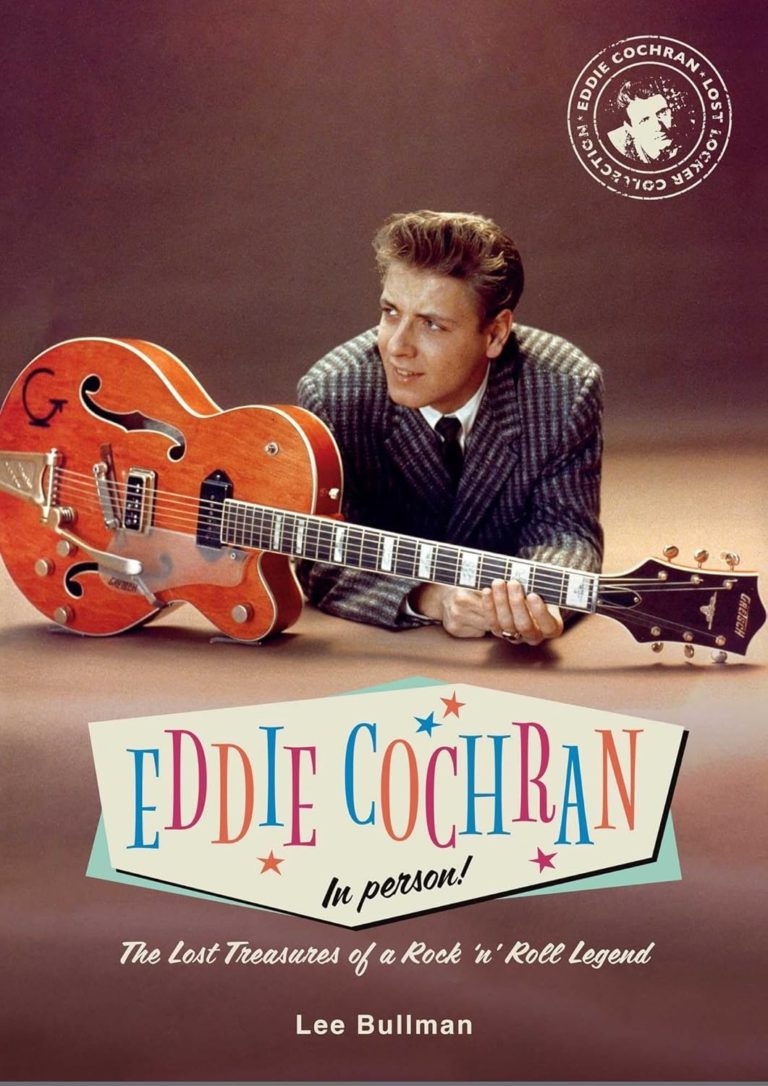
Before the world knew his name, Eddie Cochran was just a kid with a guitar and a dream in small-town Minnesota. Eddie Cochran: In Person! opens the door to his world—dusting off forgotten mementos, songs that shaped a generation, and a spirit that never stopped rocking. It’s not just a tribute—it’s a time capsule from the bedroom of a legend who burned bright, played louder, and left us too soon.

A lavishly illustrated intimate glimpse into the life of legendary guitarist and rock ‘n’ roll icon Eddie Cochran, through unique access to never-before-seen personal treasures that were thought to be lost for more than sixty years.

In the golden era of rock ‘n’ roll, there was one name who rivaled Elvis Presley, both in style and talent: Eddie Cochran.

In his short 21 years, Eddie Cochran changed the face of music forever—despite his life being cut tragically cut short when he died in a car crash on his 1960 tour of England. Born in a small town in Minnesota to humble beginnings, Eddie unleashed a wave of raw talent and energy that defied the norms of the era, becoming a trailblazer of the rockabilly sound and look. His smash hits “Summertime Blues,” “C’mon Everybody,” and “Three Steps to Heaven” are still entertaining audiences and being covered by musicians today, some sixty years after they were first recorded. Cochran’s guitar style and songwriting not only landed him in the Rock and Roll Hall of Fame, it has influenced nearly every major rock ‘n’ roll musician, from Paul McCartney and Marc Bolan, to Bruce Springsteen and Joan Jett.

Eddie Cochran: In Person! not only details the life and career of a rock ‘n’ roll icon, it tells the extraordinary story of how a collector came into possession of the contents of Eddie’s childhood bedroom, which had remained undisturbed and unseen by anyone outside of the Cochran family since his death.

Cochran’s fascinating story, lavishly illustrated with personal mementos, scrapbooks, and even a mockup of his never-released second album, all thought lost for more than sixty years, as well as exquisite performance and portrait photography, paints a picture of what it was like to be a rock ‘n’ roll superstar on a meteoric rise.

All the images and ephemera collected in this book are being published for the first time. Eddie Cochran: In Person! is the first photographic biography to chronicle the life and times of Eddie Cochran, immortalizing the artist in stunning high-resolution photos and ephemera. Lee Bullman (Blowback, Twenty Sixteen) provides expert insight into the life and times of Eddie Cochran, giving an intimate glimpse into the man behind the music.
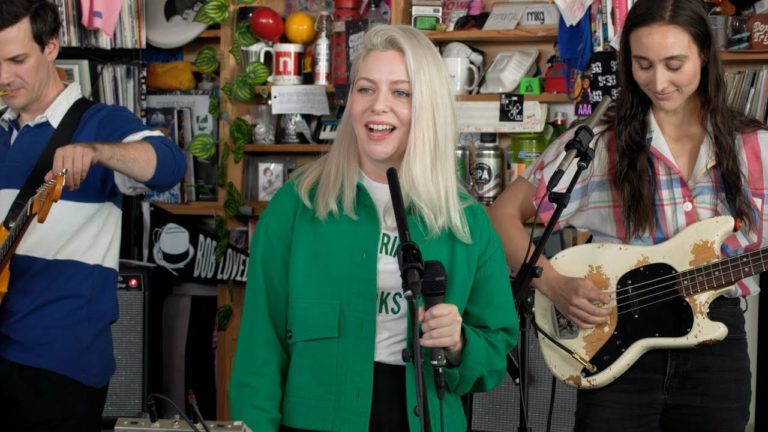
Alvvays Ditches Reverb, Shines Bright at Tiny Desk with Stripped-Down Blue Rev Set

0

Sometimes the scariest thing for a band known for dreamy soundscapes is playing it straight. But at Tiny Desk, Alvvays traded haze for heart — and in doing so, proved that behind every shoegaze shimmer is pure songwriting gold. Molly Rankin’s voice, unfiltered and unforgettable, reminded us why music matters most when it’s this real.

Ed Sheeran Announces New Album PLAY, Shares Nostalgic New Single “Old Phone”

0

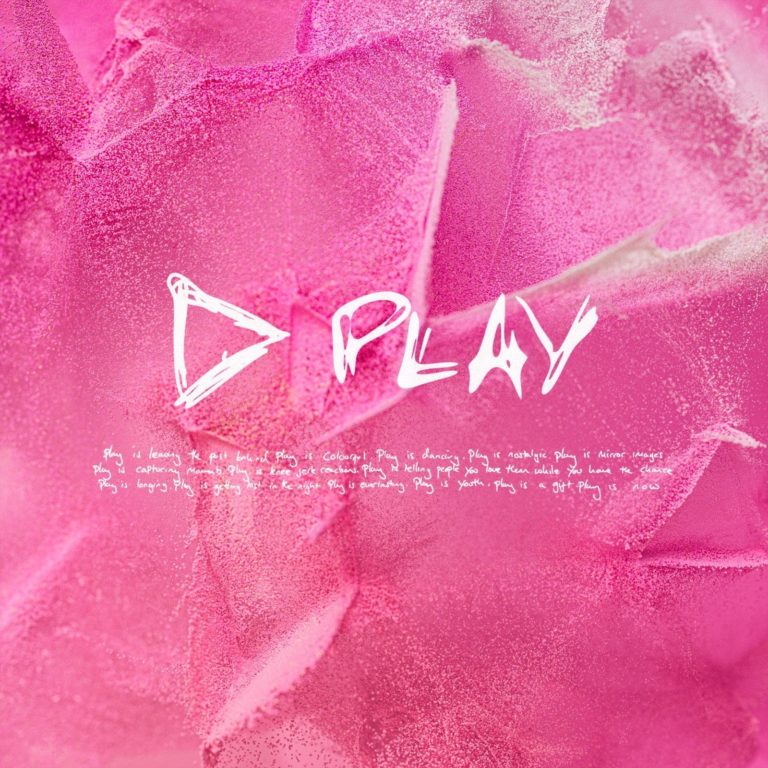
Ed Sheeran has announced that his new album ‘PLAY’ will be released on 12th September 2025. (Pre-order here).  To mark the occasion he has released a new single ‘Old Phone.’

After closing the chapter on his Mathematics series, Ed Sheeran is finally back and stepping boldly into a fresh new phase for 2025.   An artist known for constantly evolving, Sheeran’s latest album, ‘PLAY’ finds him exploring new musical ground through collaboration with producers and musicians from around the world, as well as diving deeper into the timeless sounds and themes that have made him one of the world’s best-loved pop artists. Inspired in part by his exposure to Indian and Persian musical cultures—and their surprising connections to the Irish folk tradition he grew up with, through shared scales, rhythms, and melodies—he explored this borderless musical language, giving the album its distinctive, fresh edge.  On more familiar ground, Sheeran also reminds us why he remains the most influential singer-songwriter of his generation, delivering a series of stunning ballads and acoustic-driven songs. The result is a collection that plays with both the familiar and the new, creating a bold, pop-driven sound that only Ed Sheeran could deliver — a vibrant showcase of his artistry that feels both exciting and transformative, and promises to be one of the defining albums of the year.

Ed said…”Play was an album that was made as a direct response to the darkest period of my life. Coming out of all of that I just wanted to create joy and technicolour, and explore cultures in the countries I was touring. I made this record all over the world, finished it in Goa, India, and had some of the most fun, explorative creative days of my life. It’s a real rollercoaster of emotions from start to finish, it encapsulates everything that I love about music, and the fun in it, but also where I am in life as a human, a partner, a father. Going into this album campaign I said to myself ‘I just want everything I do to be fun and playful’ – so that’s why we are building pubs for folk jams, doing gigs on open top buses and singing in pink cowboy hats on bars. The older I get the more I just want to enjoy things, and savour the moments that are mad and chaotic. You can preorder play now, many many more playful things to come before it’s out x”

After the release of his global, hedonistic, technicolor pop hit ’Azizam’, Sheeran gets nostalgic on his brand new single ‘Old Phone’, narrating the disorienting act of reconnecting with his past. Powering up an old phone unused since 2015, he unearths messages from a lost friend, an argument with an ex, and distant family, highlighting how time and separation reshape identity. Blending nostalgic acoustic melodies with raw emotion, the song recalls Ed’s early songwriting roots while exploring growth and memory, capturing an artist that is shaped and transformed by his past   ‘Old Phone’ has been produced by Blake Slatkin & Ilya Salmanzadeh


Björk Narrates Fungi: Web of Life, a Psychedelic Dive into the Mushroom Kingdom

0

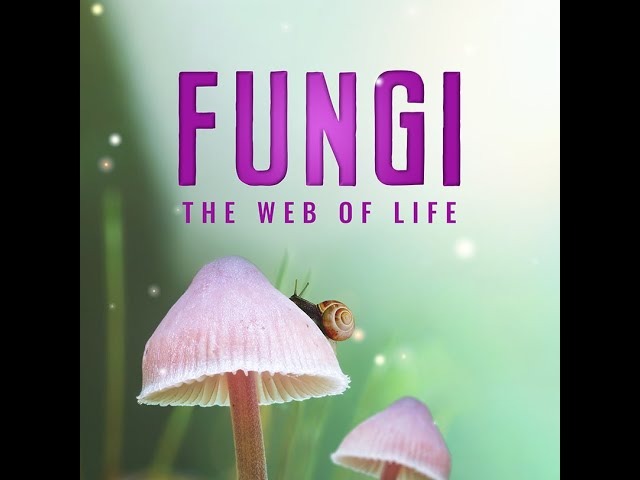
Who better to narrate a documentary about the mysterious, interconnected world of fungi than Björk, whose music already feels like it’s grown from the forest floor? In Fungi: Web of Life, she guides us into the hidden universe beneath our feet—where mushrooms speak in networks and nature reminds us that the strangest things are often the most beautiful. It’s weird. It’s wondrous. It’s wildly Björk.

‘Throbbing Gristle: An Endless Discontent’ Explores the Band’s Radical Role in Post-Punk Britain

0

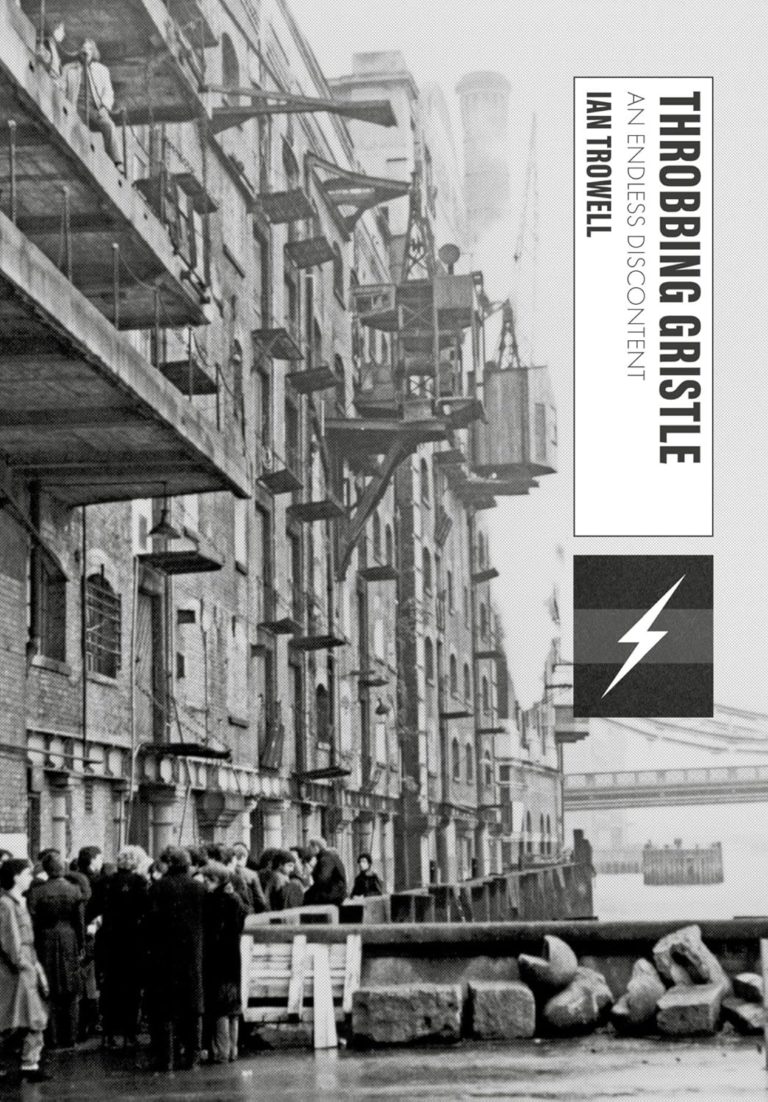
Some bands break the mold—Throbbing Gristle never even acknowledged it. In An Endless Discontent, Ian Trowell dissects the noise, rebellion, and chaos that turned art into activism. It’s a story of a band that challenged not just music, but the very systems around it, echoing louder in every generation still asking the same question: what happens when we refuse to conform?

Drawing on archives and live performances, this book traces the impressions and reverberations of UK punk band Throbbing Gristle.

This book looks at late 1970s Britain, before, during, and immediately after the Winter of Discontent, to situate the activism of Throbbing Gristle in this time. It explores how the band worked in and against the time, and how they worked in and against punk, as punk worked in and against the time and place. Punk acts as a mediating factor and nuisance value in the band’s story, as Throbbing Gristle emerged with punk in late 1976, grappled with it through 1977, and then went on to create and eventually criticize a number of post-punk scenes that had flourished around 1979.

Chuck Israels Explores Jazz, Democracy, and Legacy in ‘Bass Notes: Jazz in American Culture’

0

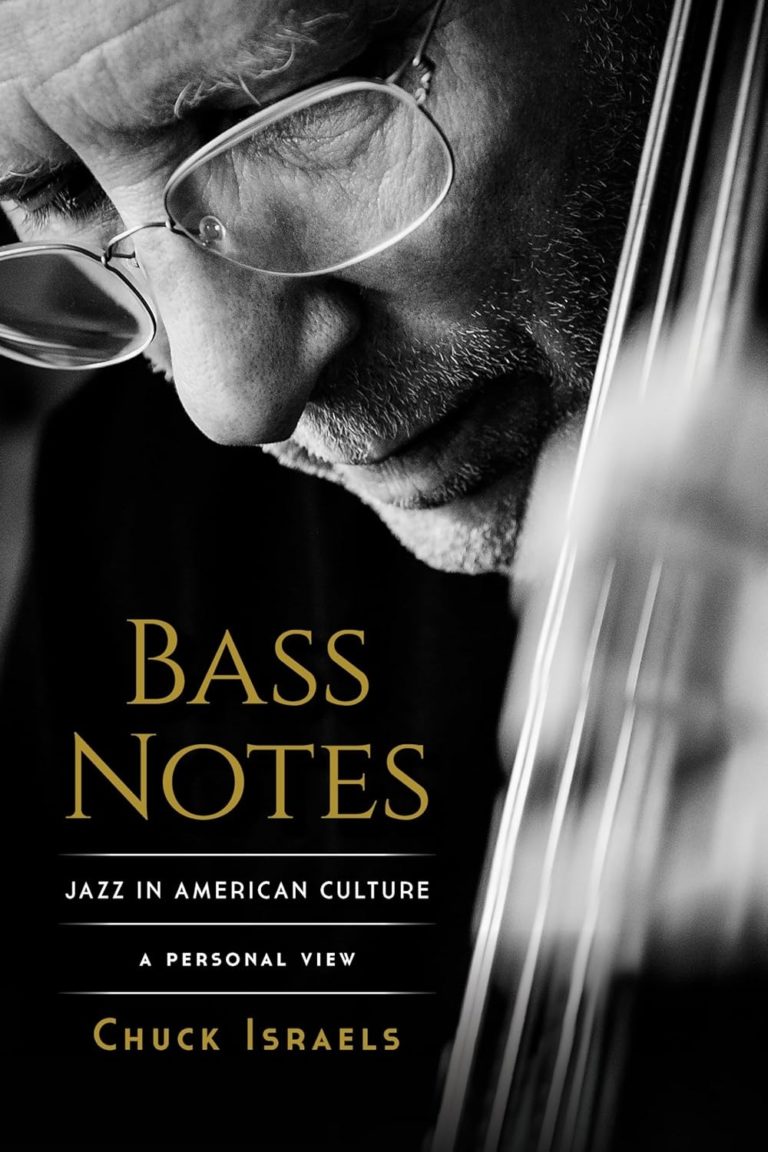
When Chuck Israels writes about jazz, he’s not just recounting history—he’s playing it. Bass Notes is a masterclass in memory, rhythm, and reflection, told by a man who lived the music from the inside out. From Bill Evans to Billie Holiday, Coltrane to Baez, his story isn’t just about notes on a page—it’s about the soul of a nation set to swing.

From his upbringing as a “red-diaper baby” among some of the leading lights of American music and Left politics, to his legendary work as bassist for the Bill Evans trio, to his collaborations with such figures as Charles Mingus and Billie Holiday, Chuck Israels has witnessed over a half-century of change and innovation in American jazz music. In Bass Notes, he offers up both an engaging memoir and a meditation on the history of jazz music and its prospects for the future. In addition to fascinating stories from his work with musicians like John Coltrane, Joan Baez, and Herbie Hancock, he gives an inside view into the mysterious alchemy that happens when skilled jazz improvisers get together. As he explains, the combination of disciplined collaboration and individual freedom is not just exhilarating for musicians, but an inspiring reflection of, and model for, democracy and the potential for true racial equality.

Israels recounts his decision to leave Bill Evans’s trio to deepen his musical education and develop as a composer—and his choice to not rejoin the trio in Evans’s last years. Citing such developments as the dominance of conservatory training and ill-advised crossover attempts with classical and pop, he also gives an impassioned but unsentimental account of how jazz lost its primacy in the pantheon of American music, even though it is America’s most distinctive contribution to world music. He explores the obstacles that today’s best young jazz musicians face following the giants of earlier generations and the dwindling opportunities to make a living as a musician. But despite it all, Israels argues that jazz’s enduring and rich legacy will not be lost and shows how it can be not just sustained but broadened in the years to come.

Glen Hansard & Lisa O’Neill Perform “Fairytale of New York” at Shane MacGowan’s Funeral

0

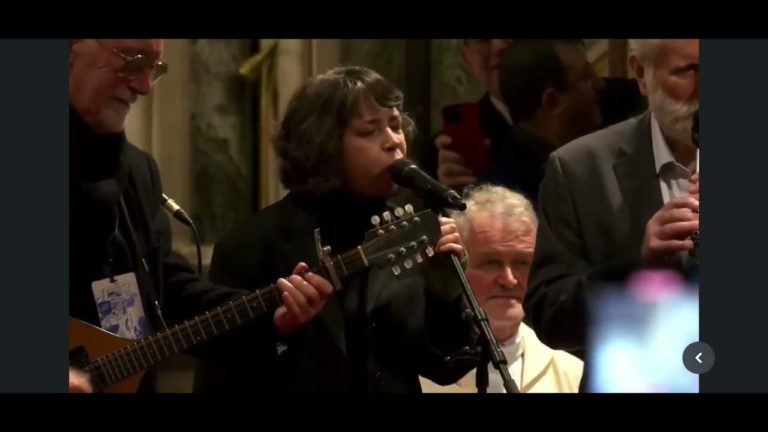
Some songs were never meant to be quiet, even in goodbye. Glen Hansard and Lisa O’Neill gave Shane MacGowan the send-off he deserved with a stirring “Fairytale of New York”—not just sung, but lived, as friends and strangers danced down the aisles in joy and remembrance. It was Irish, it was poetic, and it was perfect.

20 of the Greatest Long Songs (That Aren’t Classical)

0

There’s a special kind of magic in a song that dares to take its time. Across rock, pop, hip-hop, funk, and beyond, artists have used long songs not just to jam, but to tell stories, build worlds, and test the limits of sound. Over the last 50 years, these epic tracks have made us dance, cry, zone out, or rock out—and reminded us that patience often pays off in music.

1. “Achilles Last Stand” – Led Zeppelin (10:26)
Driven by relentless drums and soaring guitar lines, this epic opener from Presence showcases Zeppelin at full gallop. It’s thunderous, mystical, and proof that the band could still conquer mountains—even without the hobbits.

2. “Supper’s Ready” – Genesis (22:52)
Peter Gabriel leads us on a surreal, theatrical prog-rock pilgrimage through love, apocalypse, and cosmic rebirth. One of the genre’s finest hours.

3. “Telegraph Road” – Dire Straits (14:18)
Mark Knopfler’s storytelling hits its peak in this sprawling journey of economic decay and personal despair. It’s part song, part short story — and all vibe.

4. “Jesus of Suburbia” – Green Day (9:08)
Punk meets prog in this 5-part suite off American Idiot. It’s teenage angst, small-town frustration, and epic ambition all rolled into one eyeliner-smudged anthem.

5. “Bustin’ Out (On Funk)” – Rick James (9:19)
Nine minutes of slapping bass, cosmic synths, and pure Rick James energy. If funk had a thesis statement, this track might be it.

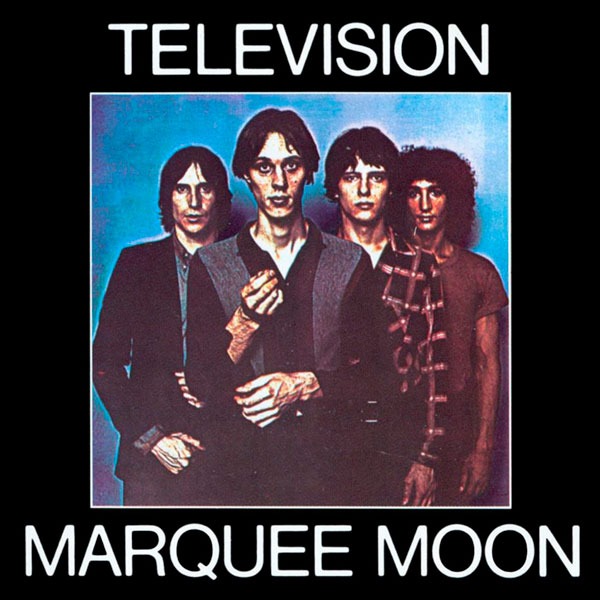
6. “Marquee Moon” – Television (10:40)
Post-punk precision meets jazz-like improvisation in this angular, hypnotic jam. It’s not just long — it’s a clinic in guitar interplay.

7. “All Too Well (10 Minute Version)” – Taylor Swift (10:13)
The scarf, the maple lattes, the lyrical devastation — all wrapped in a slow burn that had fans screaming, crying, throwing up (emotionally, of course). A rare pop ballad that earns every second.

8. “Maggot Brain” – Funkadelic (10:20)
Eddie Hazel’s guitar solo is so raw and mournful, George Clinton allegedly told him to play “like your mom just died.” What followed was a psychedelic eulogy for the ages.

9. “Echoes” – Pink Floyd (23:31)
A sonic journey to the bottom of the sea and the edge of the mind. Floyd at their most expansive and exploratory.

10. “Impossible Soul” – Sufjan Stevens (25:35)
Nearly half an hour long, this five-part suite from The Age of Adz goes from existential crisis to auto-tuned dance party and back again. Wild, weird, and wonderful.

11. “Blackstar” – David Bowie (9:57)
Released just before his death, Bowie’s final act is a shape-shifting jazz-rock funeral dirge. Mysterious, beautiful, and chilling.

12. “Do You Feel Like We Do” (Live) – Peter Frampton (13:46)
The ultimate talk box flex. This live cut turned Frampton into a guitar god and proved solos didn’t need to end. Ever.

13. “Mortal Man” – Kendrick Lamar (12:07)
A closing statement that morphs into an interview with Tupac. Bold, beautiful, and brutally honest.

14. “Free Bird” – Lynyrd Skynyrd (9:08)
Yes, people yell it at every concert, but the guitar solo still shreds. Whether you’re on the open highway or just vibing in your living room, it still flies.

15. “Pyramids” – Frank Ocean (9:53)
A two-part fever dream of Cleopatra and strip clubs, love and loss, synths and soul. It’s Frank Ocean at his most ambitious and cinematic.

16.“Rosetta Stoned” – Tool (11:11)
Part alien abduction, part existential crisis, part percussive mind warp. Trust Tool to go full cosmic chaos.

17. “Cowgirl in the Sand” – Neil Young (10:06)
Guitars bleed and howl while Young unspools abstract heartbreak. A barn-burning classic.

18.“The End” – The Doors (11:41)
Dark, hypnotic, and unsettling, this psychedelic journey begins as a breakup song and spirals into something mythic and existential. Jim Morrison’s spoken-word descent into Oedipal territory is still one of the boldest moves in rock history.

19. “Movement 6 (Six Degrees)” – The Roots (10:16)
Jazz, soul, hip-hop, and spoken word collide in this late-night existential suite. Questlove and company at their most ambitious.

20. “One” – Metallica (7:27)
An anti-war metal masterpiece with one of the greatest buildups in rock history. It starts as a slow dirge and ends as a machine-gun assault of riffs and double-kicks.

Long songs are the musical equivalent of a road trip: a little more time-consuming, sure — but the views along the way? Unforgettable.

5 Things You Might Not Know About Gordon Lightfoot

0

You already know Gordon Lightfoot as the bard of “If You Could Read My Mind,” the weather prophet of “The Wreck of the Edmund Fitzgerald,” and the warm, steady voice behind the soundtracks to road trips, rainy days, and moments of quiet clarity. But even if you’ve worn out Gord’s Gold more times than you can count, here are 5 lesser-known facts about the man who helped define the singer-songwriter era—and in many ways, Canada itself.

1. He Made His Massey Hall Debut at Age 12
Before he ever sang about the Canadian Railroad or the waves on Lake Superior, Gordon Lightfoot stood on the storied stage of Massey Hall as a boy soprano. At just 12 years old, he won a Kiwanis Festival competition and earned a spot performing at the legendary Toronto venue—one he would return to more than 170 times over the next seven decades. Talk about foreshadowing greatness.

2. He Was Almost a Jazz Composer in L.A.
In the late 1950s, Lightfoot left his small-town roots in Orillia, Ontario, and headed to Los Angeles—not to sing folk songs, but to study jazz composition at the Westlake College of Music. He supported himself by writing jingles and demo tracks before homesickness pulled him back to Toronto. Had things gone differently, we might have known him for saxophones instead of shipwrecks. (Luckily, Canada called him home.)

3. He Wrote “Canadian Railroad Trilogy” in Just 3 Days—for a National Broadcast
Commissioned by the CBC for Canada’s Centennial celebrations in 1967, Lightfoot was asked to write a song about the building of the Canadian railway. Most artists might have taken weeks—but Gordon delivered the “Canadian Railroad Trilogy” in just three days. The result? A 6-minute epic that became a defining piece of Canadiana, taught in schools and revered across generations. Only Lightfoot could turn steel rails and national identity into poetry so quickly—and so beautifully.

4. He Was This Close to Losing “Early Morning Rain” to Elvis
One of Gordon’s most covered songs, “Early Morning Rain,” made the rounds with everyone from Peter, Paul and Mary to Ian & Sylvia, but Elvis Presley himself once considered recording it. Presley first passed, and while Elvis did later cover it, and other Lightfoot songs, “Early Morning Rain” remains most beloved in Gordon’s gentle, aching original. Sometimes, the original is the gold.

5. He Had a Bronze Statue Built While He Was Still Alive—And Helped Shape It
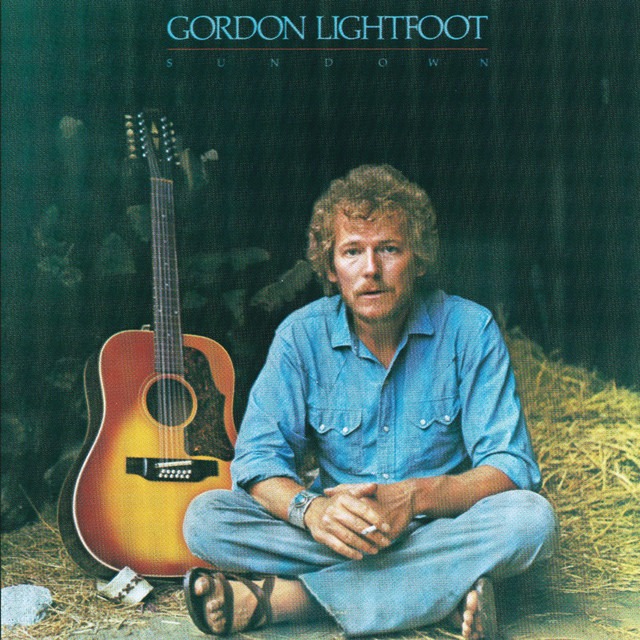
In 2015, the town of Orillia unveiled Golden Leaves: A Tribute to Gordon Lightfoot, a 4-metre bronze statue of Lightfoot, cross-legged, guitar in hand, surrounded by maple leaves etched with scenes from his songs. Lightfoot wasn’t just around to see it—he helped design it. He made sure the statue’s fingers matched how he played the guitar, because accuracy mattered. Of course it did. He was Gordon Lightfoot.

Gordon Lightfoot passed away on May 1, 2023. But like a great Canadian river, his music keeps flowing—steady, deep, and full of life. Whether you’re driving a lonely highway, watching the weather roll in, or just needing something true to hold onto, there’s a Lightfoot lyric for that.

5 Surprising Facts About Van Halen’s ‘Van Halen’

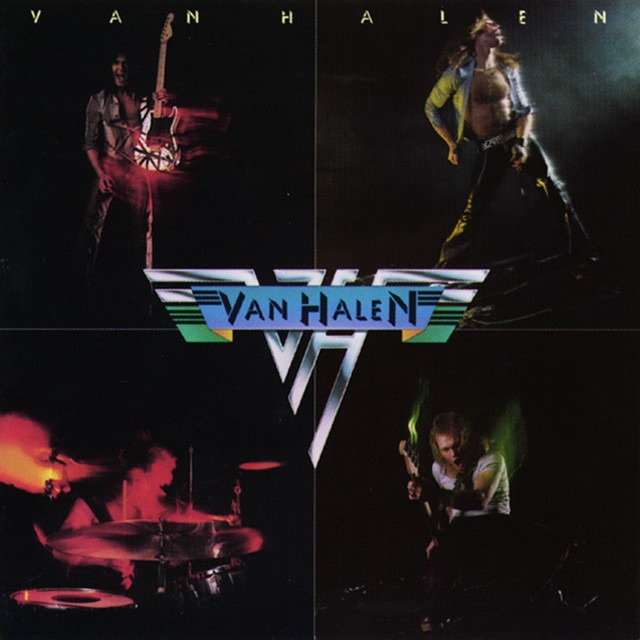
When Van Halen landed in 1978 it changed rock forever. It was raw. It was flashy. It was fun. It sounded like a bar fight between punk energy and arena ambition… and somehow Eddie Van Halen’s guitar won every round. From “Runnin’ with the Devil” to “Jamie’s Cryin’” to that solo, here are five lesser-known facts that prove this debut is still blowing amps – and minds – to this day.

1. “Eruption” Was Never Supposed to Be on the Album — and It’s Got a Mistake
The solo that redefined guitar playing wasn’t even meant to be a track. Eddie was rehearsing “Eruption” for a club gig when producer Ted Templeman overheard it and demanded it be recorded. And Eddie? He still thinks he messed it up. “There’s a mistake at the top end,” he once said. Meanwhile, the rest of us are still picking our jaws off the floor, 45 years later.

2. They Built a Horn Box Using Their Own Cars for “Runnin’ with the Devil”
The weird, warped horn blast that opens the record? That’s the band wiring together horns from their actual cars and powering them with car batteries. It’s not just audio — it’s garage rock in the most literal sense. Producer Templeman slowed the horns down to make them sound more menacing, and boom: an intro that sounds like the gates of hell opening with a V8 engine.

3. “Jamie’s Cryin’” Was Inspired by a Guitar Lick That Sounded Like Someone Crying
David Lee Roth turned heartbreak into a teen rock anthem, but the spark came from Eddie noodling between takes. Producer Ted Templeman and Roth heard it and said, “That’s it.” The song’s melodic riff had a weepy quality, and Roth built a story around it — classic ‘50s pop heartbreak by way of California leather and denim. Also: Roth claimed he “sang out” the solo before Eddie played it.

4. The Album Was Basically Just Their Live Set — Tracked in a Week
“We didn’t have a ton of material,” bassist Michael Anthony said. “We just took our live show and went for it.” Most of Van Halen was recorded live in the studio, with only a few overdubs — and it was all done in a couple of weeks. It cost just $54,000. The result? A high-voltage, no-frills debut that punches harder than albums five times the budget.

5. Gene Simmons Paid for the First Demos — But Never Got the Last Word
Before Van Halen blew up the Sunset Strip and the Billboard charts, Gene Simmons of Kiss saw something special. He flew the band to New York, paid for their demo sessions, and even shopped them around to labels. When nothing immediately landed, he graciously stepped back — but never spoke bitterly. Years later, he still called their debut “one of the best rock records ever made.” Sometimes, being early is just as cool as being right.

Van Halen set a new bar for guitar heroes, party anthems, and just how loud a record could be. Four decades on, it still sounds like a band on the verge of exploding — and loving every second. Turn it up. And Then turn it up again.