Home Blog Page 711

Spotify Introduces RADAR Asia Class of 2025: 82 Emerging Artists Across 10 Regions

0

The sounds of Asia are as diverse and vibrant as the continent itself. From the lively beats of Indonesian pop to the gritty rhymes of Pinoy hip-hop, the region is brimming with musical innovation.

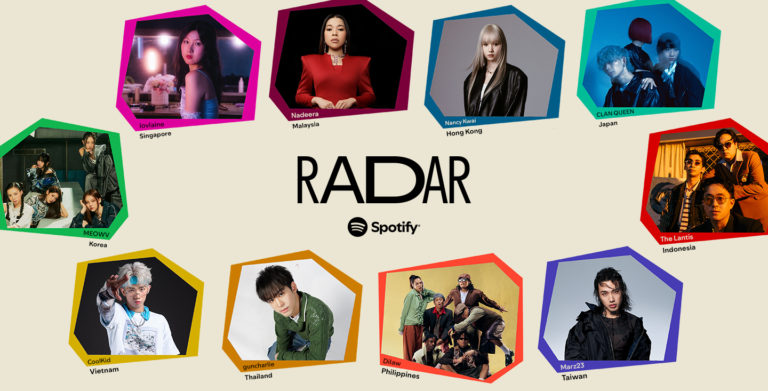
Since 2020, Spotify has helped artists across Asia chart their paths to stardom through RADAR, our global program to support emerging talent. Now they’re thrilled to introduce the RADAR Asia class of 2025. Featuring 82 artists, the class represents Indonesia, Thailand, the Philippines, Korea, Japan, Vietnam, Singapore, Malaysia, Hong Kong, and Taiwan.

These artists span a range of styles and genres, reflecting the continent’s rich musical landscape. Representing RADAR Indonesia, acts like The Lantis evoke the nostalgia of ’80s Indonesian pop, while Aftershine brings the beautiful sound of Javanese pop to the forefront.

“RADAR is motivation. It fuels our passion, pushes us to dream bigger, and reminds us that every song we create has the potential to reach someone, somewhere,” said indie pop band The Lantis. “It’s a reminder that our music matters, that our stories resonate, and that there are listeners out there waiting to connect with what we create.”

With T-pop on the rise, RADAR Thailand welcomes groups like LYKN and FLIRT, as well as alt-rock duo SHERRY.

“We’re truly honored to be part of this year’s RADAR Thailand lineup,” said SHERRY. “Spotify is all about its users and creatives. It allows us to highlight our hard work and craft to a bigger audience in Thailand and beyond. We can’t wait to show our fans what we have in store for them in 2025.”

To the east, RADAR Philippines welcomes Pinoy female rapper Zae and Baguio-raised indie band Dilaw, among others, while pop and hip-hop acts such as Ánh Sáng AZA and CoolKid join RADAR Vietnam.

RADAR 新勢力, which is dedicated to the wider Mandopop space, welcomes newcomers like 艾蜜莉AMILI and Eileen Yo游宇潼. And in Japan, where RADAR is locally known as Early Noise, the 2025 class includes AKASAKI and Billyrrom. Finally, from the home of K-Pop, rookie group MEOVV is RADAR Korea’s first featured artist of the year.

“Music and culture are always evolving, and at Spotify, we’re here to celebrate that,” said Kossy Ng, Spotify Head of Music, Southeast Asia, Hong Kong & Taiwan. “With RADAR, we’re excited to shine a light on the breadth of incredible rising talents in Asia that span different genres and sounds. There’s so much to discover and something for everyone. We’re committed to supporting artists for the long haul, helping music from Asia reach fans all over the world.”

As part of the program, RADAR artists receive Spotify support through a dedicated playlist and special editorial placement. This support is clearly making waves in Asia and beyond. Globally, five of Spotify’s top 10 RADAR artists last year came from the Philippines. In Korea, meanwhile, last year’s RADAR artists saw a 34% boost in their average daily streams in the six months following their entry into the program. Bernadya is another success story: The 2023 RADAR Indonesia artist experienced a stunning 91% surge in monthly listeners a year after joining the program and became Spotify Indonesia’s top artist of 2024. This momentum continues across the region, with their RADAR Vietnam playlist boasting more than 70% international streams.

Ready to meet the full lineup? Discover the RADAR Asia class of 2025 below.

RADAR Indonesia

Adikara
Aftershine
Deborah Hanna
Difki Khalif
Elsa Japasal
Rafi Sudirman
Rony Parulian
The Lantis
Tissa Biani
White Chorus

Stream our RADAR Indonesia playlist.

RADAR Thailand

ALIE BLACKCOBRA
Daou Pittaya
FLIRT
GALCHANIE
guncharlie
Hunsick
Kakagoesbackhome
LITTLE JOHN
LYKN
Pearprapa
PONCHET
SHERRY

Stream our RADAR Thailand playlist.

RADAR Philippines

ALLMO$T
BGYO
Costa Cashman
Dilaw
ena mori
JERGE
Justin Vasquez
ONE CLICK STRAIGHT
Young Blood Neet
Zae

Stream our RADAR Philippines playlist.

RADAR Singapore and Malaysia

Danial Kifli
Dominic Chin
empty page.
Fahimi
Firdaus Rahmat
ICEBOX
karan
Kidd Santhe
lovlaine
Nadeera
NAKI
RENE
Yokez

Stream our RADAR Singapore and Malaysia playlist.

RADAR Korea

MEOVV

Stream our RADAR Korea playlist and stay tuned as more participating artists are unveiled throughout the year.

RADAR Japan

7co
AKASAKI
Billyrrom
Brandy Senki
Lavt
noa
PAS TASTA
reina
Retro Riron (レトロリロン)
ziproom

Stream our RADAR Japan (aka RADAR: Early Noise) playlist.

RADAR Vietnam

Ánh Sáng AZA
CoolKid
GUrbane
VƯƠNG BÌNH

Stream our RADAR Vietnam playlist.

RADAR Hong Kong

Arvin曾傲棐
Billy Choi
Gordon Flanders
Michael C
Nancy Kwai
risy
Rover
SOPHY
Tr33 
Uchu Yurei

Stream our RADAR Hong Kong playlist.

Radar 新勢力

阿蘭 AC
艾蜜莉AMILI
Andr
齊翔XIANG
Eileen Yo游宇潼
JUD 陳泳希
公館青少年GGteens
Haezee
Mandark
Marz23
PPlin 林芃逸
王ADEN

Stream our Radar 新勢力 playlist.
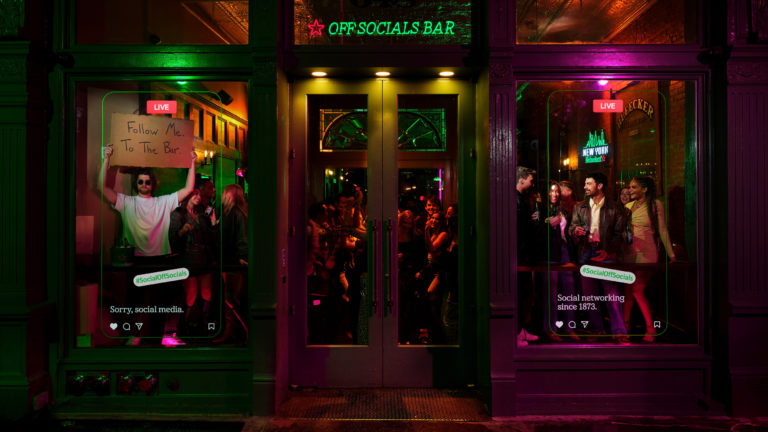
Joe Jonas and Dude With Sign Team Up to Celebrate Life Off Social Media

0

GRAMMY Award-nominated singer, songwriter, actor and producer, Joe Jonas teamed up with Dude With Sign (Seth Phillips) in New York City last night to create their latest social post – only this time they did so completely off their socials.

Stepping away from their online feeds and into the real world, Jonas and Phillips – who have over 35 million followers between them – were joined by Victoria’s Secret models Martha Hunt and Graice Carvalho, Yankees pitcher Luke Weaver, socialite Ivy Getty and high-profile influencers including Lil Cherry and Paul Olima at the ‘Off Socials’ event at Bleecker Street Bar.

In an ironic slant on the digital sphere they dominate, Jonas and Phillips posed in windows decked out to look like Instagram reels to highlight a simple message: the best way to disconnect from the sometimes overwhelming world of social media is to connect in real life.

The event celebrated the launch of a new Heineken campaign – #SocialOffSocials – following the revelation that half of adults globally (52%) are overwhelmed by the pressure to keep up with social media. In fact, 62% (and 75% of Gen Z) say despite being able to connect with anyone instantly via their phone, they can feel lonely.

In the spirit of going offline, Joe Jonas debuted his new track ‘Heart by Heart’ at the event – using the world’s oldest social network, the bar – ahead of releasing it on digital channels. He also filmed part of the new music video at the event in front of the offline crowd to showcase the power of real-life moments over digital ones.

Heineken has joined forces with Jonas and the creators in its latest advertising campaign – launching next week – dramatizing how they would react to empty social media feeds if more people were out having a good time IRL.

Speaking at the event, Joe Jonas said: “It’s so easy to fall into the habit of doomscrolling on your phone – I’ve definitely been there. We live in a world where everyone’s glued to their social media feeds, so I’m excited to be part of this Heineken campaign encouraging people to put their phones down and connect in real life. I chose to debut my new song offline and in-person because it felt like the perfect time to return to what music is really about: connecting with people. The crowd was so real, so present, and completely locked into the music – that is something you can’t experience by watching on social media.”

By teaming up with figures like Jonas and Dude with Sign whose lives are deeply embedded in online culture, Heineken – which has always championed quality socializing – playfully conveys that stepping away from social media makes for a more rewarding social life.

Studying the screen time of 17,000 adults worldwide*, Heineken uncovered that the average person now spends approximately 5 hours and 48 minutes per day looking at their device. That equates to a massive 127,020 minutes a year – a full 88 days.

The global report into scrolling and socializing habits found that three in five people (59%) across all age-groups say that the amount of time they spend on their phone has increased in the past year. Additional analysis by global research company Statista found that time spent socializing IRL has decreased by 35% over the past 24 years, whereas since the introduction of mobile based social media platforms such as Instagram (2010) and Snapchat (2011), the time we’ve spent scrolling has more than doubled (+54%)**.

Now, nearly half of all adults (47%) would describe themselves as ‘always online’ according to the Heineken report and that the stream of notifications they receive is “constant” (60%). As a result, half (51%) agree that their social battery can feel drained by the amount of time they spend speaking to people online – rising to almost two-thirds (62%) among Gen Z.

However, an overwhelming 79% agreed that when they are out socializing they look at their phone less, proving that disconnecting from social media is easier when you are engaging in a more refreshing social life. Two thirds (64%) of people said they wish they could go back to a time when people socialized without smartphones.

U.S. Postal Service Dedicates Powwow Forever Stamps at Gathering of Nations

0

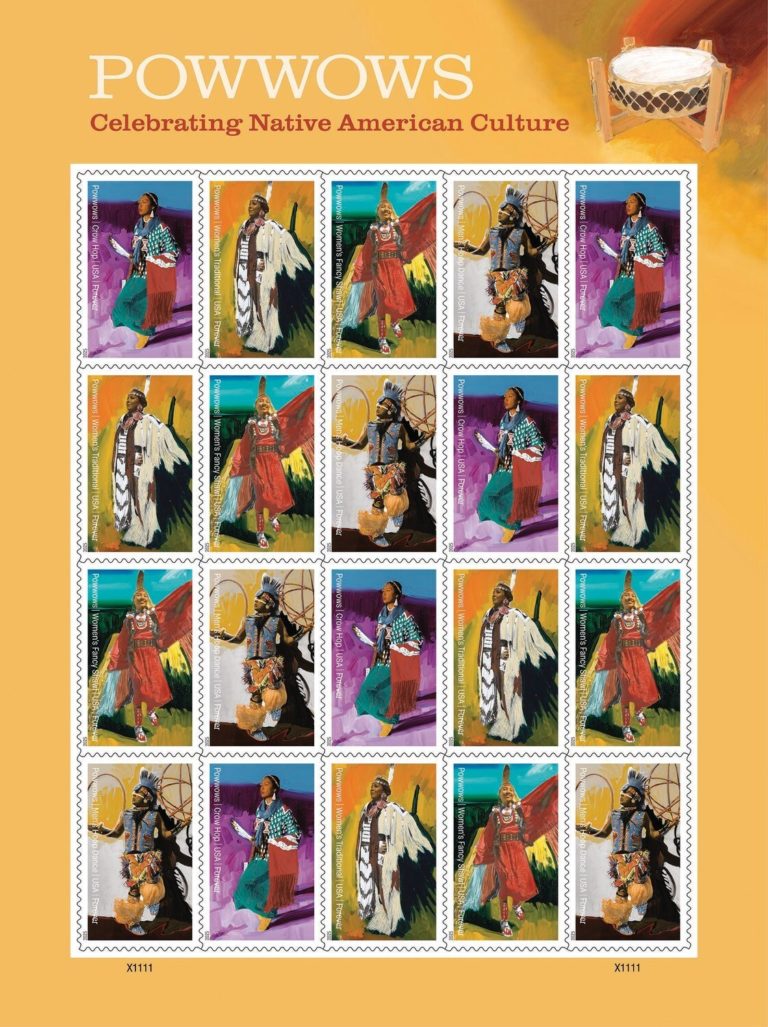
The U.S. Postal Service today dedicated its Powwows: Celebrating Native American Culture stamps during a ceremony at the largest powwow in the country, the Gathering of Nations, with more than 100,000 attendees.

“The Postal Service takes great pride in our stamps and the unique opportunity they offer to tell the story of America. That’s why we’re thrilled to be a part of this celebration of Native American music, dance and culture,” said Steven W. Monteith, the organization’s chief customer and marketing officer and executive vice president. “We hope they inspire a deeper appreciation of Native American culture and influence all who see them.”

“It’s a huge honor to be able to show the face of powwow culture to the world and take an art form like painting, with such historic ideas embedded in it, and transform it into a stamp,” said Mateo Romero, Southern Keres Cochiti Pueblo tribal member and Powwows stamp artist. “The colors, movement and celebratory nature of this work point to a human condition of joy, ceremony, spirituality, culture and rebirth.”

Additional participants at the ceremony were Royale Dá, master of ceremonies and KOAT-TV news anchor; the Native American Women Warriors Honor Guard; Kansas Begaye, a Native American recording artist; and Antonio Alcalá, a USPS art director and the stamp designer.

News about the stamp is being shared on social media using the hashtag #PowwowsStamps.

Background

The Postal Service strives to tell the stories of all Americans on stamps, and issuing stamps that honor the living culture and heritage of Indigenous people is an important part of that goal. The new Powwows: Celebrating Native American Culture stamps honor these vibrant North American Native gatherings as a unique contribution to American culture.

Powwows are festive gatherings where Indigenous people can celebrate their identities through dance, prayer, music and art. Participants also socialize, enjoy traditional foods and introduce and educate younger generations to the tribe-specific and pan-Native customs of Native American people.

Tribal gatherings have been an important aspect of Indigenous culture for hundreds of years. Historians believe the word “powwow” originated in the mid-17th century from the Algonquian linguistic family, whose speakers lived in the woodlands of the northeastern and midwestern United States and across Canada. The Narragansett, who speak a related dialect, used the words “pau wau” to describe certain types of community gatherings.

An important feature of any powwow dance is the dancer’s regalia, a mix of contemporary and traditional clothing carefully chosen by the dancer that reflects the wearer’s interests, family and tribal origins. Often, items such as moccasins or fancy shawls have been passed down from generation to generation and have great meaning to the dancer. Some dancers also add newer elements such as glass beads, ribbons or scarves.

Stamp design

The four stamps in a pane of 20 showcase original paintings of Native American dancers by Cochiti Pueblo artist Mateo Romero. The artist took photographs of the dancers in their traditional clothing while performing and then painted on top of the images. He used thick, brightly colored brushstrokes to create the abstract expressionistic images gracing the stamps.

The pane features:

• A young Indigenous woman in a teal dress performing the Crow Hop. She has a red cloth draped over her arm and is pictured in front of a vibrant blue and purple background.

• A Native woman dressed in brown, ecru and white regalia performing the Women’s Traditional dance with a vivid orange, yellow and green background.

• A Women’s Fancy Shawl dancer wearing a fringed cape that resembles the wing of a bird, against a background of turquoise, azure and gold. The main portion of the cape or “wing” is a brilliant scarlet while the yellow, blue and orange fringe suggests the bird’s feathers.

• A Men’s Hoop dancer holding multiple hoops in both hands with one foot poised in mid-air. He is dressed in a decorated blue vest with a matching headdress; a fringed, multicolored breechcloth; and blue moccasins embellished with tan fur and beads.

The words “POWWOWS,” the name of each dance shown on a stamp, “USA,” and “FOREVER” run vertically down the left side of each stamp. The header for the stamp pane reads “POWWOWS Celebrating Native American Culture.” A large powwow drum with tan leather stitching is on the top right side of the selvage. The drum sits on a large wooden frame.

The Powwows: Celebrating Native American Culture stamps are being issued as Forever stamps and will always be equal in value to the current First-Class Mail 1-ounce rate.

A video about the stamps will be posted after today’s event on the Postal Service’s Facebook page at facebook.com/USPS and on X, formerly known as Twitter, at x.com/usps.

Postal products

Customers may purchase stamps and other philatelic products through the Postal Store at usps.com/shopstamps, by calling 844-737-7826, by mail through USA Philatelic or at Post Office locations nationwide. For officially licensed stamp products, shop the USPS Officially Licensed Collection on Amazon. Additional information on stamps, first-day-of-issue ceremonies and stamp-inspired products can be found at StampsForever.com.

Staying Safe Without Sacrificing Freedom: The Rise of Wearable Alert Devices

0

By Mitch Rice

Aging is a beautiful part of life — but let’s be honest, it also comes with a few extra challenges. Staying active, independent, and safe becomes a little more complicated, and sometimes, just a little extra help can make all the difference. That’s where medical alert systems come in: small devices with a huge impact.

Sure, it’s easy to think, “I’m fine. I don’t need that yet.” But here’s the thing — it’s not about fear. It’s about freedom. It’s about making smart choices today so that tomorrow’s adventures are still wide open.

While there are a lot of medical alert options overview available, the heart of it is simple: peace of mind, for seniors and their families alike. And surprisingly, that peace of mind often translates into more activity, more independence, and a better quality of life.

Let’s dig a little deeper into why every senior household should seriously think about having a medical alert device — and why waiting “until something happens” isn’t the smartest plan.

Life Happens Fast: Real Stories That Hit Home

No one wakes up thinking, Today’s the day I’ll have an emergency. And yet, real-life examples show how quickly things can change.

Take Marie, for instance. At 76, she lived alone, loved her garden, and was in great health. One rainy morning, while tending to her front porch plants, she slipped and fell hard. She couldn’t reach her phone — but she was wearing her medical alert pendant. Within minutes, help was on the way. No long waits, no panic, no worsening of injuries from lying there too long.

Or think about John, a spry 82-year-old who still plays weekly rounds of golf. A minor heart episode during a quiet afternoon at home could have gone unnoticed if not for his alert device’s quick emergency contact feature.

These aren’t just rare “worst-case scenarios.” They’re everyday moments where a small button changed everything.

The “I’m Still Healthy” Myth

One of the biggest objections seniors (and their families) voice is: “I don’t need it yet. I’m fine.”

And you know what? They are fine — until they’re not.

Here’s the truth: accidents don’t wait for a warning sign. Falls, minor strokes, sudden dizziness — they can happen without a second’s notice. By the time you “need” a medical alert system, it’s often too late to wish you had one.

Owning a medical alert device isn’t admitting defeat. It’s taking charge. It’s smart, proactive planning, like wearing a seatbelt. You hope you never need it, but you’ll be awfully glad it’s there if you do.

Independence Starts With Feeling Safe

When people think of medical alert devices, they sometimes imagine something restrictive — like it signals fragility.

In reality, it’s exactly the opposite.

Knowing that help is just a button-press away gives seniors the confidence to live more freely. It means:

  • Going for that solo walk around the block without worrying.

  • Cooking dinner without fear of slipping on the kitchen floor.

  • Traveling to visit family without stressing about what-ifs.

The reassurance a medical alert system provides isn’t just for emergencies — it’s a quiet, steady boost to everyday independence.

What Makes Today’s Medical Alert Systems So User-Friendly?

Let’s bust another myth: modern medical alert devices are not clunky, awkward contraptions from the past.

Today’s systems are sleek, discreet, and packed with smart features like:

  • GPS tracking for active seniors on the move.

  • Automatic fall detection that triggers an alert even if you can’t press the button.

  • Two-way voice communication so help can talk to you immediately.

  • Mobile and home-based options depending on lifestyle needs.

Most are lightweight, water-resistant (hello, shower safety!), and designed with simplicity in mind. No tech-savviness required. Push a button — that’s it.

Some even offer stylish pendant designs or wristband formats that blend seamlessly into everyday life. Safety without the stigma.

Who Benefits the Most?

If you’re wondering if a medical alert system fits your situation, here’s a quick list:

  • Seniors living alone

  • Couples where both partners are aging together

  • Seniors with chronic conditions like diabetes or heart issues

  • Seniors who are active and travel alone

  • Families who want peace of mind without hovering

If you or your loved one checks even one of these boxes, it’s worth a conversation.

Common Excuses — And Why They Don’t Hold Up

Let’s tackle a few more excuses that sometimes pop up:

“I can just use my phone if I need help.”

Phones are great — if you’re conscious, can reach them, and they’re charged. In emergencies like falls, they’re often out of reach or inaccessible. A wearable device stays with you.

“It’s too expensive.”

Basic plans are surprisingly affordable, often less than a daily cup of coffee. Plus, can you really put a price on immediate help when you need it most?

“It’s embarrassing.”

Modern designs are subtle. Many people won’t even notice you’re wearing one — but you’ll know the safety net is there.

Proactive Safety = A More Active Life

When seniors feel safe, they move more. They get out into their communities, they keep up hobbies, they exercise, they visit friends.

A medical alert system isn’t about being housebound; it’s about staying engaged.

Studies show that seniors who feel confident about their ability to get help quickly are more likely to remain active, which in turn leads to better health outcomes overall. In a way, that small device can be the key to living bigger, not smaller.

How to Choose the Right Medical Alert System

Choosing the right system doesn’t have to be overwhelming. Focus on a few core questions:

  • Where will it be used? (Only at home or also on the go?)

  • Is fall detection important? (Highly recommended for those with balance issues.)

  • Is GPS tracking needed? (Great for active lifestyles.)

  • Is 24/7 monitoring available? (It should be — emergencies don’t keep business hours.)

  • Is it easy to set up and use? (Absolutely essential.)

A Small Step That Changes Everything

When you look at the big picture, installing a medical alert device isn’t about preparing for the worst — it’s about opening the door to the best.

It’s about seniors saying yes to solo walks, yes to cooking favorite recipes, yes to afternoons spent in the garden without worry. It’s about family members feeling reassured rather than anxious every time they’re not immediately available by phone.

One small device. One giant leap for independence.

Final Thoughts: Smart Moves Today Shape Better Tomorrows

If there’s one thing life keeps teaching us, it’s that moments matter. Being prepared isn’t pessimistic — it’s empowering.

Having a medical alert system in place offers seniors the chance to live fuller, braver lives — without the nagging fear of “what if.” It allows families to support their loved ones without hovering or controlling. It’s a quiet guardian in the background, letting life take center stage where it belongs.

If you or a loved one are wondering whether it’s “too early” to think about a medical alert device — flip the script. It’s actually the perfect time. Because smart choices today are the foundation of a safer, freer, more joyful tomorrow.

Data and information are provided for informational purposes only, and are not intended for investment or other purposes.

How AI Art Generators are Revolutionizing the Music Industry’s Visuals

0

By Mitch Rice

Images have always drove the music business. Artists have long enhanced their message with images, from album covers to music videos. AI art generators have become rather effective tools in recent years, changing the way artists produce images. These technologies are completely changing the sector as follows.

Streamlining Visual Creation

Traditionally, artists, photographers, and graphic designers would help musicians create visuals. Weeks, even months, could pass during this process. AI art generator tools let creators produce excellent images in a few minutes. Deep Dream Generator and RunwayML are artificial intelligence tools that let musicians enter text or images and create original artwork in a few of seconds. This lowers costs and accelerates output.

Customizing Visuals in Real-Time

AI art generators provide a hitherto unheard-of degree of customization. Musicians can play about with several genres, colors, and compositions, adjusting their visuals until they reflect their artistic vision. Artists can create several options and select the one most suited for their brand rather than waiting for a designer to make changes.

Empowering Independent Artists

Access to top-notch visuals has often been difficult for independent musicians. Conventional techniques of visual production can be costly and unreachable. AI artists level the field. They provide a reasonably priced fix that lets indie musicians create professional-looking images without having a big budget.

A Statista analysis estimates that, with AI art rising in prominence, the worldwide digital art market will be valued at $4.6 billion in 2022. For musicians all around, this democratization of artistic production provides fresh creative opportunities.

Enhancing Music Videos

The music business has always consisted mostly on music videos. Nowadays, artificial intelligence art generators are rather important in this field. Musicians can improve their current footage or create fantastical, animated visuals. With AI tools like Artbreeder and Daz 3D, artists can create intricate, striking videos using few resources.

Software driven by artificial intelligence can even change the images to fit the song’s atmosphere. A sad song, for instance, might inspire artificial intelligence to create darker, more subdued images; a fast-paced track might inspire vivid, energetic animations.

AI-Generated Album Covers: The New Norm

For decades, music culture has revolved mostly on the cover of the albums. It tells a story, not only is it artwork. AI art generators enable musicians to design album covers as original as the songs they cover.

AI can create an album cover in seconds rather than calling on a designer. An artist might enter keywords like “dreamlike,” “surreal,” or “futuristic” and get a large range of possible designs. These tools’ adaptability guarantees that the cover fairly represents the music.

Bridging the Gap Between Art and Technology

AI art generators are collaborators rather than only tools. These technologies provide fresh means of artistic expression. Musicians no longer have to decide which is more important—making visuals or music. AI enables their flawless performance in both directions.

The line separating human from machine-generated art keeps blurring as artificial intelligence develops. The output is artistic creations reflecting a harmonic mix of both. Experimental, futuristic images created from this cooperation would not have been feasible with conventional techniques.

The Future of AI Art in Music

AI art for the music business has bright future prospects. AI will present even stronger and flexible tools for visual creation as it develops. More artists are using artificial intelligence to produce not only album covers and music videos but also immersive, interactive events combining music, art, and technology.

The music business might see visuals created by artificial intelligence become the standard in the next years. AI will be increasingly important in the development of musical visuals as artists keep stretching limits since it will enable more creativity, diversity, and efficiency than ever before.

Conclusion

AI art generators are influencing musicians’ approach to visual materials. These instruments provide affordability, speed, and adaptability, so enabling independent artists and revolutionizing the whole business. Using artificial intelligence, the opportunities for music visuals are limitless. As technology develops, we will continue to see these instruments transform the fascinating, creative interactions between music and art.

Data and information are provided for informational purposes only, and are not intended for investment or other purposes.

Employer Liability for Failure to Provide Meal and Rest Breaks at Work in California

0

By Mitch Rice

Why Meal and Rest Breaks Matter in California Workplaces

When you’re working long shifts, getting a real break isn’t just a perk—it’s a right protected by California law. Employers across the state are expected to ensure workers are given proper time to rest and eat during their shifts. Unfortunately, this doesn’t always happen, and when it doesn’t, businesses can end up facing major legal consequences. California Business Lawyer & Corporate Lawyer provides experienced large business employer defense in Southern California for companies handling meal and rest break compliance issues. For employees, knowing these rights can make a big difference in protecting their time, health, and paycheck.

California’s Meal and Rest Break Rules: What the Law Says

California’s labor laws spell out clear rules about breaks at work. When employees put in more than five hours in a day, their employers are required to give them a meal break that lasts at least 30 minutes. If the shift is six hours or shorter, there’s flexibility—both the employer and employee can agree to skip it. But once the shift stretches past 10 hours, workers must be given a second meal break, unless certain conditions allow it to be waived. The Nakase Law Firm offers skilled representation as an employer defense attorney in Orange County, guiding businesses through California’s complex labor regulations regarding breaks. These regulations require that meal breaks be unpaid, uninterrupted, and free from work duties. Workers have to be fully relieved of their tasks—no eating at the desk or answering emails during lunch.

As for rest breaks, the rules are just as specific. Workers get a 10-minute paid break for every four hours they work. If someone’s shift is under 3.5 hours, a rest break isn’t legally required. Ideally, employers should give these breaks toward the middle of each work period.

Common Mistakes Employers Make

Even businesses that mean well sometimes slip up. Some of the most frequent violations happen when:

  • Employers don’t schedule breaks at all.
  • Breaks are too short or pushed too late into the shift.
  • Work culture subtly pressures employees to skip breaks to keep up with heavy workloads.
  • Employees are forced to stay “on duty” during what should be their free time without the right agreements in place.

While some employers might think they are helping productivity, these actions can lead to serious legal trouble—and disgruntled employees.

What Happens When Employees Are Denied Their Breaks

If a worker doesn’t get their proper meal or rest break, California law says they’re owed extra pay. Specifically, they’re entitled to one additional hour of pay at their regular hourly rate for every day a required break is missed. If both a meal and a rest break are missed on the same day, they could be owed two extra hours of pay.

Workers who believe their rights have been violated have options. They can file a complaint with the California Labor Commissioner’s Office, or they can choose to file a lawsuit to recover lost wages, penalties, and even attorneys’ fees. When businesses don’t take these laws seriously, the financial consequences can add up quickly.

Group Lawsuits and PAGA Claims: Raising the Stakes

Meal and rest break violations often impact more than just one employee. Because of this, it’s common for workers to band together in class action lawsuits or to bring claims under the Private Attorneys General Act (PAGA).

With PAGA, employees can sue on behalf of themselves and others, seeking civil penalties that normally the state would pursue. Even a few missed breaks can snowball into thousands—or even millions—of dollars in penalties, depending on how widespread the problem is.

Class actions also give strength in numbers. Instead of one person fighting alone, dozens or even hundreds of employees can unite and demand justice. For employers, these types of lawsuits can be especially costly and damaging.

How Employers Try to Defend Themselves

When accused of failing to provide proper breaks, businesses often raise defenses like:

  • Saying breaks were available, but workers voluntarily chose not to take them.
  • Arguing that breaks were taken but weren’t properly recorded.
  • Claiming the nature of the job allowed for “on-duty” meal periods, with the right paperwork.

Savvy employers don’t just hope for the best—they build strong compliance systems. This includes setting clear break policies in writing, training supervisors to encourage taking breaks, keeping accurate records, and regularly checking in to make sure the work environment doesn’t pressure employees to skip them.

Industries Where Break Violations Are Common

While any business can face meal and rest break issues, some industries see more complaints than others. These include:

  • Healthcare: Nurses and healthcare workers often juggle heavy patient loads, making it hard to stop for a break.
  • Retail and Food Service: Busy stores and restaurants might push employees to stay on the floor without proper pauses.
  • Transportation and Delivery: Tight schedules for drivers and delivery workers can interfere with break times.
  • Manufacturing and Warehousing: Meeting production quotas sometimes leads to workers skipping or shortening their breaks.

Regardless of the industry, the law doesn’t bend. Employers must find ways to comply, no matter how challenging the environment may be.

Important Court Decisions That Shaped Break Rights

California courts have issued several big rulings that reinforce workers’ break rights:

  • Brinker Restaurant Corp. v. Superior Court (2012): Employers must offer meal breaks but aren’t required to force workers to take them.
  • Augustus v. ABM Security Services, Inc. (2016): Rest breaks must be completely duty-free—no being on call during rest time.
  • Donohue v. AMN Services, LLC (2021): If an employer’s time records show breaks were missed, late, or too short, it’s presumed a violation happened unless the employer can prove otherwise.

These rulings make it clear that California courts are serious about protecting workers’ right to meaningful time off during their shifts.

What Employers Stand to Lose

Failing to follow break laws isn’t just risky—it’s expensive. Businesses found liable for meal and rest break violations can face:

  • Extra wages owed to employees.
  • Penalties under PAGA.
  • Legal costs and attorneys’ fees.
  • Damages awarded through class action lawsuits.
  • Damage to their brand and relationships with workers.

Even for companies that think they’re too small to attract attention, the risks are real. And for large employers, the financial impact of widespread violations can be devastating.

Final Thoughts: Protecting Rights and Avoiding Problems

Meal and rest break laws exist for a good reason: they help protect workers’ health, productivity, and dignity. When businesses ignore these protections, they open themselves up to serious consequences. California Business Lawyer & Corporate Lawyer Inc. and The Nakase Law Firm are examples of firms that support businesses in understanding and complying with labor laws while defending them when disputes arise.

For employees, staying informed about their rights can make all the difference in standing up for fair treatment. And for employers, making breaks a regular and respected part of the workplace culture isn’t just good business—it’s the law.

Data and information are provided for informational purposes only, and are not intended for investment or other purposes.

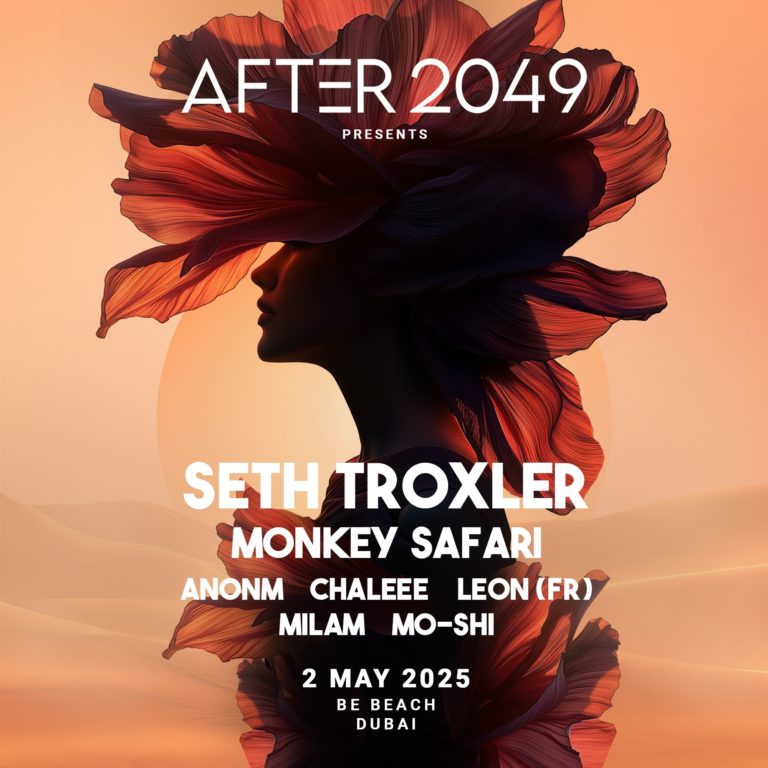
Seth Troxler and Monkey Safari to Headline AFTER 2049 Closing Event in Dubai

0

TOKEN2049, the world’s premier crypto conference, has announced a star-studded DJ line-up for AFTER 2049, the official closing event of this year’s highly anticipated Dubai edition. Making his eagerly awaited return to Dubai, legendary Seth Troxler will be headlining the event, alongside iconic German duo Monkey Safari supported by ANONM, Chaleee, Leon (FR)Milam and Mo-Shi. AFTER 2049 will be held on Friday, 2nd May at Be Beach amidst the stunning Dubai marina skyline.

This year’s AFTER 2049 will host 3,000 guests boasting a multi-sensory music experience powered by state-of-the-art, fully spatial 360° production from sound pioneers Polygon Productions. Set to redefine live music experiences through spatial audio technology, the build will combine binaural sound and synchronised lighting to curate an immersive sensory journey unlike anything Dubai has seen before. Polygon Production’s audio technology features L-Acoustics speaker stacks in a circular formation, allowing music to move above, around and through the audience. This technology has already been adopted by the likes of deadmau5 and Katy Perry, and is set to change the face of live music — with AFTER 2049 as its stage.

Headlining AFTER 2049 is none other than Grammy-nominated artist Seth Troxler, a music icon whose influence resonates far beyond the dancefloor. Voted the world’s number one DJ by Resident Advisor and a three-time Mixmag cover star, Troxler has become a defining figure in global electronic music. From his legendary sets at CircoLoco to unforgettable performances at Glastonbury, his career is a masterclass in boundary-pushing creativity.

Alongside Troxler, German duo Monkey Safari known for their deep, melodic sun-soaked beats are definitely crowd favourites. These real-life brothers are no strangers to the global stage,  with iconic sets at Fusion Festival and Awakenings, acclaimed remixes for RÜFÜS DU SOL, and collaborations with electronic legends like Carl Cox. Expect nothing less than pure euphoria as Monkey Safari brings the heat to AFTER 2049.

We are proud to announce our partners for AFTER 2049 Dubai; MEXC: A global exchange known as “Your Easiest Way to Crypto”; Mesh – crypto payments network; 1inch: The seamless cross-chain marketplace; DWF: New Generation Web3 Investor and Market Maker; Meta Earth: Native DID. Modular Power. Limitless Web3; JuCoin: Seamless crypto trading and dApp within an innovative unified ecosystem; WhiteBIT is the largest European cryptocurrency exchange; Fastex – all-in-one Web3 ecosystem: crypto, NFTs, metaverse, payments, blockchain; ADI Foundation’s blockchain empowers governments of emerging markets to transform lives; Fibonacci – your go-to partner for MM and token launches; Tokenize Xchange: Asia’s Leading Digital Exchange; GOC: Tokenizing 100M Olive Trees with Purpose, for Prosperity; WOW.AI – Agentic AI Launchpad; C1 – shaking up Web3—real utility, zero hype, all impact; FLOKI – the meme utility token of the community-powered FLOKI ecosystem; Bitcoin Suisse: the leading Swiss crypto native financial service provider; Morphware AI: Where NVIDIA B200 meets scalable, affordable renewable intelligence; The Bitcoin Everything Chain – Core; AMINA – a Swiss-headquartered global crypto bank with ADGM offices; Bitvavo: The Largest EUR Spot Exchange Globally; Saros DLMM – The Liquidity Layer of Solana; Protect your crypto wealth with Changer – visit changer.ae; Kava: Scaling DeFi and DeAI on a multichain platform; DinarMaker is an innovative stablecoin lending protocol.

Limited tickets to AFTER 2049 are available exclusively on Platinumlist.

David Bisbal Joins Alzheimer’s Association’s Music Moments Campaign with Spanish Rendition of “Mi Princesa”

0

The Alzheimer’s Association announced today its collaboration with three-time Latin GRAMMY-winner, singer and songwriter David Bisbal for its Music Moments campaign. Launched five years ago, Music Moments is a digital storytelling series that explores the emotional connection between music and the moments in life that we never want to lose to Alzheimer’s and all other dementia. Bisbal is the second Spanish-speaking artist featured in the series, as the Association continues to expand its reach among the Hispanic and Latino community.

Bisbal’s Spanish-language recording is a powerful new rendition of “Mi Princesa,” a song originally featured on his 2006 album “Bulería,” and one that holds a special place in his heart because both his father and his aunt, who are living with Alzheimer’s disease, have always loved it.

“I’m honored to join the Alzheimer’s Association Music Moments campaign to help shine a light on the impact of Alzheimer’s disease on the Hispanic and Latino community,” said Bisbal. “I am eternally grateful to music for being a catalyst to help bring awareness to this disease — a disease both my father and aunt are experiencing. I chose to record ‘Mi Princesa’ because it’s a song that I know brings a smile to their faces. Even if they don’t remember me, they understand love, and they understand music.”

The number of Americans living with Alzheimer’s is growing — and growing fast. Nearly 7 million Americans over age 65 are living with Alzheimer’s dementia. Hispanic people are about one and one-half times more likely to have Alzheimer’s or other dementias as older White populations, and missed or delayed diagnoses are higher among Hispanic older adults compared to White older adults, according to the Alzheimer’s Association 2024 Alzheimer’s Disease Facts and Figures report.

“Music has the power to mark special moments and people in our lives — two things no one should lose to a devastating disease like Alzheimer’s,” said Joanne Pike, DrPH, president and CEO, Alzheimer’s Association. “The Music Moments campaign raises awareness for the disease and elevates resources offered by the Alzheimer’s Association, while spurring conversation to advance the fight against Alzheimer’s and all other dementia. Together with strong voices like David Bisbal, we are able to use the universal power of music to reach communities that are disproportionately impacted by the disease and ensure people in all communities are benefitting from advances in Alzheimer’s care, support and research.”

Watch Bisbal’s rendition of “Mi Princesa” at alz.org/musicmoments. The Alzheimer’s Association will continue to release new Music Moments content throughout the year and most recently shared Music Moments with Luis Fonsi, the first Latin artist to join the campaign, in addition to Amy Grant and Mickey Guyton.

Known for his powerful voice, charismatic stage presence, and heartfelt lyrics, David Bisbal has become one of Spain’s most successful and beloved artists. He first rose to fame as a finalist on the Spanish version of “American Idol,” “Operación Triunfo,” in 2001. With a career spanning over 20 years, Bisbal is cemented as one of the most influential and beloved Spanish-speaking artists in the world, having laid the foundation for Spanish-language artists who made the jump from TV competition shows. His achievements include over 80 national and international awards, including three Latin GRAMMYS, three Latin Billboard Awards, three World Music Awards, and two Premios Ondas. Additionally, he has earned a staggering 11 Diamond Records and sold over 5.5 million tickets across more than 1,200 concerts worldwide.

Bisbal recently announced his return to the U.S. with his first tour since 2021. The highly anticipated tour is aptly titled “Back In The USA 2025.” Produced by Live Nation, the 19-city tour kicks off on May 13, making stops in major cities including Los AngelesChicagoBrooklyn, and Miami, before wrapping up in Orlando on June 15.

EVEN and UnitedMasters Announce Partnership to Boost Direct-to-Fan Opportunities for Independent Artists

0

EVEN (even.biz) and UnitedMasters announced today a formal partnership that will create greater opportunities for independent artists to monetize their music and connect directly with fans. Building off the strengths of both platforms, this collaboration will capitalize on UnitedMasters’ music distribution services and unique artist marketing solutions alongside EVEN’s direct-to-fan sales and understanding of fanbase connectivity. The agreement between EVEN and UnitedMasters will create a powerful ecosystem for artists to maximize their creative and economic potential.

“Direct-to-fan platforms allow artists to build real, authentic relationships with their audiences. At UnitedMasters, we are always looking for opportunities to help our artists earn beyond streaming,” said Linnea Sundberg, VP Corporate Development at UnitedMasters. “Superfans aren’t just looking for more content — they’re looking for connection. EVEN creates intimate, personal spaces where artists can share exclusive moments, stories, and experiences that truly resonate. By fostering these deeper relationships, artists unlock new revenue streams and build stronger, more sustainable communities around their music.”

Available now to UnitedMasters’ Partner artists—and coming soon to SELECT—this opportunity fast-tracks them to an EVEN membership, skipping the waitlist and providing immediate access to the platform’s resources, including:

  • Direct Music Sales: Sell music directly to fans before wide release on streaming platforms
  • Daily Payments: Receive earnings daily in your preferred currency
  • Fan Data Ownership: Gain comprehensive first-party data about your audience
  • Community Building: Access advanced tools for direct fan engagement and community management
  • Marketing Support: Chosen artists will receive dedicated creative and marketing support to amplify releases
  • Custom Experiences: Ability to create completely custom experiences to transact and connect with fans through EVEN Studio

“Our partnership with UnitedMasters represents the next evolution in artist empowerment,” says Mag Rodriguez, CEO & Founder of EVEN. “By combining UnitedMasters’ distribution strength with our direct-to-fan platform, we’re creating a comprehensive ecosystem where independent artists can build sustainable careers through authentic fan connections while maximizing their revenue potential.”

UnitedMasters Artists have already seen the success of utilizing EVEN’s platform. In his first year on EVEN, Grammy Award Winner and 5-time nominee, Raheem DeVaughn, more than doubled his annual streaming earnings by selling directly to over 1,000 fans. Additionally, UnitedMasters’ artist partners have seen initial success on EVEN, including Casey Veggies, Stockz, Serayah, Iman Europe, Jagged Edge, AJ McQueen, Kiimmy Crawford, and Trevor Jackson, who leveraged both platforms to create meaningful fan experiences while significantly increasing their revenue.

“EVEN has been such a helpful platform to assist me in achieving my career goals and milestones. It is one of the fastest ways for me to see results after putting out music,” said singer and songwriter Kiimmy Crawford. “I can show my fans that this is more than just releasing songs; it allows me to develop relationships and reach people across the globe. I’m able to double what I put out in the world because I am seeing more immediate success and revenue.”

10 Essential Tips for Artists Filling Out Grant Applications

0

Grants can be a game-changer for independent artists — opening doors to new projects, bigger audiences, and career-defining opportunities. But writing a strong application for organizations like FACTOR or the Canada Council for the Arts can feel overwhelming.
The good news? There’s a formula for standing out — and it starts with clarity, passion, and planning. Here are 10 essential tips to help you tell your story, showcase your vision, and land the support you deserve.

1. Be Clear and Concise

Forget the fluff. Grant officers don’t have time to decode jargon. Focus your language so your goals, timeline, and vision come across clearly and directly. Simplicity reads as confidence.

2. Define Your Project Clearly

Don’t just say you’re making an album — explain the concept, the vibe, the audience you’re reaching. Make the project feel real and fully imagined so the funder can visualize it too.

3. Show Artistic Merit

Funders want to invest in work that pushes boundaries or connects deeply. Highlight your artistry, originality, and what makes your voice unique in today’s musical landscape.

4. Demonstrate a Plan

A great idea is only half the story. Break down your timeline, deliverables, and promotional plans to show that you’re organized, prepared, and ready to bring your project to life.

5. Link Budget to Story

Your budget needs to make sense with your project description. Be detailed and realistic. Funders want to know you understand the real costs involved — and that you’re not guessing.

6. Explain the Impact

Why does this project matter? Explain how it will build your career, strengthen your community, or create cultural value. Funders want to support projects that leave a mark.

7. Back It Up With a Track Record

Share your wins — tours, releases, reviews, awards. Even small milestones matter. They show you’ve built momentum and have the work ethic to complete what you start.

8. Be Authentic, Not Generic

Skip the corporate-speak. Write like a human with passion and purpose. Authenticity is magnetic — it shows funders you truly believe in your work and have a clear vision.

9. Address the Criteria Directly

Funders tell you exactly what they’re looking for. Don’t wing it. Answer every question they ask, using their language when possible, and tailor each application carefully.

10. Have a Fresh Set of Eyes Review It

Before you hit submit, have someone else read your draft. A second opinion can catch confusing sections, typos, and missed opportunities to make your application even stronger.

Grant writing isn’t just paperwork — it’s a chance to reframe your career story, celebrate your vision, and ask for the support you need to grow.
When you approach each application thoughtfully, you’re not just chasing funding — you’re building your next chapter. Trust your voice, back it up with a solid plan, and make them believe in you as much as you believe in your music.