Home Blog Page 726

More Than Just a Pour: The Crucial Role of Alcohol Server Training in Hospitality Safety

0

By Mitch Rice

In the bustling world of hospitality, alcohol often takes center stage—whether it’s a craft cocktail at a rooftop bar, a curated wine list at a fine-dining restaurant, or a locally brewed lager in a neighborhood pub. Yet, behind every pour lies a serious responsibility. When mismanaged, alcohol service can lead to health hazards, legal trouble, and even life-threatening incidents. That’s why alcohol server training is not just helpful—it’s essential.

From legal compliance to enhancing guest experiences, alcohol server training helps staff act with confidence and accountability. This article explores why server training is vital, how it impacts safety and business outcomes, and what hospitality professionals need to know to implement it effectively.

The Legal and Regulatory Backbone

Serving alcohol isn’t as simple as popping a cork or pulling a pint. Every jurisdiction has specific laws that govern alcohol sales, such as verifying legal drinking age, refusing service to intoxicated guests, and observing operating hours. Failing to follow these rules doesn’t just risk penalties—it can cost lives.

In many regions, dram shop laws hold businesses—and sometimes even individual servers—liable for harm caused by intoxicated patrons. That could mean being sued if a guest leaves your establishment and causes a car accident. With stakes this high, knowledge is power. Alcohol server training equips staff with the know-how to recognize risky situations and take proactive steps to avoid them.

Some cities, states, and countries require certified alcohol server training as part of licensure. Others leave it up to the establishment. Regardless of whether it’s legally mandated, choosing to train staff voluntarily sends a strong message: you care about safety, responsibility, and professionalism.

Enhancing Guest and Community Safety

Trained servers learn how to read subtle cues—slurred speech, loss of coordination, mood swings—that indicate a guest has had enough. While some signs may be obvious, others require experience and situational awareness. A quick judgment call could mean preventing an incident before it escalates.

Alcohol server training stresses one of the most critical aspects of guest safety: discouraging intoxicated guests from driving. Staff may offer to call a taxi, contact a ride-share service, or even coordinate with management to ensure guests get home safely. That extra step can make all the difference.

Beyond pouring drinks, hospitality workers often act as mediators in tense situations. Alcohol can amplify emotions and cause minor disagreements to spiral out of control. Training empowers staff with de-escalation tactics to defuse confrontations calmly and avoid violence or disturbances.

Empowering Staff and Protecting the Business

No one enjoys being thrown into a stressful situation without a plan. Server training gives employees a clear framework for making judgment calls, refusing service politely, and enforcing house policies—all while maintaining a professional demeanor. This boosts staff confidence, morale, and performance.

One poorly handled situation can lead to massive fines, lawsuits, or even license revocation. Trained employees reduce these risks by acting within legal and ethical boundaries. There are countless examples where responsible staff decisions prevented what could have become a business-altering crisis.

Some insurance providers offer discounts to establishments with a certified, trained team. Beyond savings, there’s the peace of mind in knowing that your staff is prepared, which can also lead to fewer incidents and interruptions during business hours.

Elevating the Guest Experience and Brand Integrity

Guests appreciate responsible service. No one wants their meal or celebration ruined by an intoxicated table nearby. By ensuring safe alcohol consumption, trained staff maintain an atmosphere where all guests can relax and enjoy themselves.

Brands that make safety a visible priority earn respect and loyalty. Whether it’s a casual brewery or a five-star resort, demonstrating that your team is trained and attentive sets you apart in a competitive market. Responsible service becomes part of your brand identity.

In markets flooded with hospitality options, alcohol server training can act as a point of differentiation. Promoting that your team is certified and knowledgeable adds value, not just to the guest experience but to recruitment and business partnerships as well.

Implementation Best Practices

Training should never be a one-and-done exercise. Staff turnover, evolving laws, and new challenges all demand regular refreshers. Consider scheduling annual re-certifications or integrating training into your onboarding process.

Look for a program that is:

  • Locally relevant, incorporating your area’s alcohol laws.
  • Recognized or certified, with a track record of success.
  • Flexible, offering both in-person and online options.
  • Comprehensive, covering ID checks, intoxication signs, legal responsibilities, and guest interaction strategies.

For training to stick, it needs support from the top. Managers should model responsible behavior, enforce policies consistently, and reward staff for upholding safety standards. Creating a culture of accountability ensures that safety is a shared value, not just a checkbox.

Conclusion

When it comes to alcohol in hospitality, it’s easy to focus on the pour. But what happens before, during, and after that pour is just as important, if not more. Alcohol server training is a foundational tool that empowers staff, safeguards guests, and strengthens the hospitality industry as a whole.

By investing in training, you’re not just avoiding problems—you’re building a safer, smarter, and more successful operation. Because great hospitality doesn’t end at the bar—it begins with responsibility.

Data and information are provided for informational purposes only, and are not intended for investment or other purposes.

5 Wonderful, Little-Known Facts About Ruth Buzzi

0

She was the queen of the deadpan stare, the matriarch of handbag-fueled justice, and one of the warmest comedic hearts ever to grace stage or screen. Ruth Buzzi may be remembered best for her time on Rowan & Martin’s Laugh-In, but her legacy stretches far beyond one character. Here are 5 things you might not know about her—and you’ll be glad you do.

1. Her First Stage Was Surrounded by Stone—Literally
Ruth Buzzi grew up in a house built by her sculptor father, overlooking Wequetequock Cove in Connecticut. Surrounded by the artistic energy of Buzzi Memorials, her childhood was rooted in creativity. Her father was a Swiss immigrant and renowned artisan, and it’s clear Ruth inherited not just his dedication to craft—but a natural flair for leaving lasting impressions.

2. She Got Her Start with Rudy Vallee—Before She Was Even 20
At just 19, Ruth was already a touring performer, sharing the stage with crooner Rudy Vallee in a comedy-musical act. It wasn’t just a summer gig—it was her gateway to the Actors’ Equity Association and a foreshadowing of the decades-long career to come. How many people can say they got their big break before graduation and never looked back?

3. She Helped Fund Children’s Art Camps Through Her Paintings
While we knew her for comedy, Ruth Buzzi was also a talented oil painter. Though she never sold her work commercially, she donated her vibrant art to charity fundraisers, raising thousands for children’s causes. One of her passions was sponsoring children’s art summer camps through the Dallas Museum of Biblical Art. A laugh and a legacy.

4. She Was Honored in a Music Video by “Weird Al” Yankovic
Yes, Ruth Buzzi—our beloved Gladys—made a cameo in Weird Al’s video “Gump.” It’s a fitting tribute for a woman who never stopped being culturally relevant across decades. She also popped up in videos for the B-52s and Presidents of the United States of America, proving she was just as punk as she was punchline.

5. She Was a Car Collector with a Heart as Big as Her Garage
Ruth and her husband Kent Perkins weren’t just Hollywood royalty—they were serious car enthusiasts. Living on a 600-acre Texas ranch, they collected classic British and American cars, some of which ended up in commercials, parades, and even the Petersen Automotive Museum. One of her cars—yes, the one Jessica Simpson posed with in Vogue—was a blue Bentley convertible.

Ruth Buzzi gave us laughs that lasted generations—but it was the grace behind the giggles, the heart behind the humor, that made her unforgettable. Thank you, Ruth, for every purse swing, every punchline, and every reminder that the funniest people are often the kindest.

20 of the Greatest Songs with a Sitar

You know that sound. That shimmering, buzzing, mind-bending sound that made your favorite rock songs feel just a little more cosmic. It’s the sitar—an instrument rooted in centuries of Indian classical tradition, and by the mid-1960s, plugged straight into the heart of Western pop and rock. Whether used as spiritual seasoning or a psychedelic centerpiece, these 20 songs prove the sitar set some songs free.

1. “Love You To” – The Beatles (1966)
George Harrison’s first full sitar showcase, “Love You To” wasn’t just an experiment—it was a full-on raga-rock awakening. It introduced millions to Indian classical music and changed the way pop could sound forever.

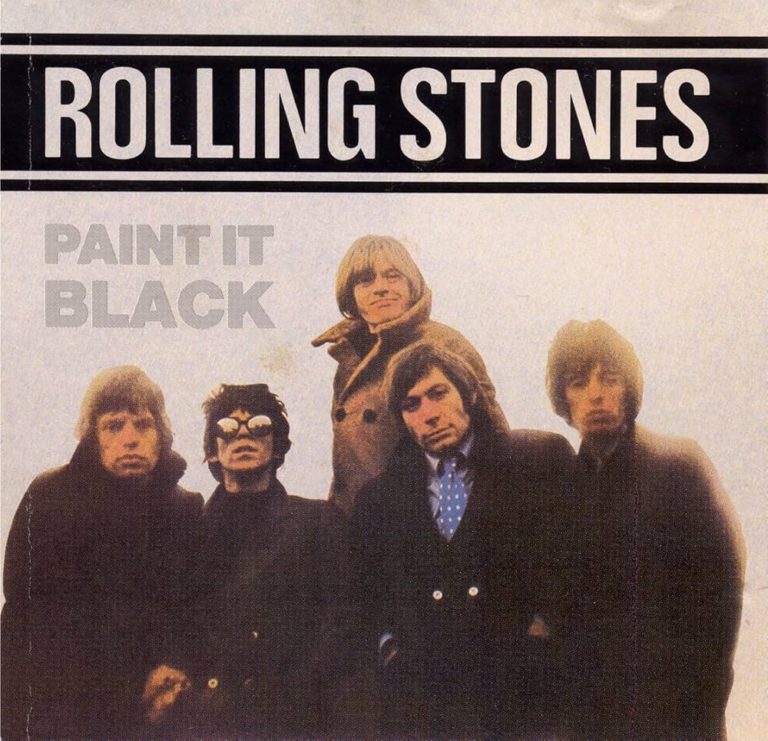
2. “Paint It, Black” – The Rolling Stones (1966)
Brian Jones’ sitar work gave the Stones’ already-haunting track an otherworldly energy. A chart-topping lament wrapped in hypnotic drone, it remains one of rock’s most iconic uses of the instrument.

3. “Hurdy Gurdy Man” – Donovan (1968)
Mystical, murky, and utterly mesmerizing, this track pairs Donovan’s spiritual lyrics with a sitar that spirals like incense smoke in a candlelit room. It’s folk, but from another dimension.

4. “When We Was Fab” – George Harrison (1987)
A loving, psychedelic wink to Beatlemania, this track is all sitar shimmer and backward loops. Harrison’s solo work often returned to the instrument he helped bring to rock’s main stage—and this is one of the finest.

5. “Holiday Inn” – Elton John (1971)
Hidden within Madman Across the Water, the sitar on “Holiday Inn” adds a gentle twang that transforms this road-weary ballad into something oddly serene. A subtle, shimmering texture beneath Elton’s piano magic.

6. “San Francisco (Be Sure to Wear Flowers in Your Hair)” – Scott McKenzie (1967)
The Summer of Love in one song—and yes, that delicate sitar glistening behind the flower-power melody is what ties the whole bouquet together. Pure peace and paisley.

7. “Paper Sun” – Traffic (1967)
Sitar blends effortlessly with Steve Winwood’s acid-drenched vocals in this psychedelia-drenched debut single. A British invasion classic that owes as much to Ravi Shankar as it does to blues and jazz.

8. “Norwegian Wood (This Bird Has Flown)” – The Beatles (1965)
The one that started it all. George Harrison’s introduction of sitar to Western pop wasn’t flashy—it was poetic. One brushstroke of Eastern sound opened the door to a musical revolution.

9. “Tales of Brave Ulysses” – Cream (1967)
Though often mistaken for sitar, the guitar tone mimics its swirling drone so perfectly it deserves mention. Eric Clapton channeled raga spirit into psychedelic blues—and the voyage still stuns.

10. “Cry Like a Baby” – The Box Tops (1968)
Sitar and soul? Yes, please. This Memphis track mixes pop hooks and psychedelic flair with a sitar line that takes it to unexpected places—cool, catchy, and completely unique.

11. “Itchycoo Park” – Small Faces (1967)
“It’s all too beautiful” indeed—especially with that dreamy sitar lacing its way through mod psychedelia. The perfect picnic soundtrack for a kaleidoscope-colored summer day.

12. “This Time Tomorrow” – The Kinks (1970)
Ray Davies’ ode to existential travel features subtle sitar work that gives the song a floating, introspective vibe. It’s more about mood than melody—and that’s where the magic lies.

13. “Monterey” – Eric Burdon & The Animals (1967)
A love letter to the Monterey Pop Festival, complete with sitar flourishes that celebrate the East-meets-West fusion of the time. It’s history, harmony, and hallucinogens rolled into one.

14. “Within You Without You” – The Beatles (1967)
Harrison’s deepest dive into Indian classical music, with no guitars or drums in sight. Just tabla, sitar, dilruba, and philosophical wonder. It’s not a song—it’s a meditation.

15. “Sunshine Superman” – Donovan (1966)
Proto-psych-pop laced with sitar vibes and groovy swagger. Donovan knew how to flirt with mysticism without losing the beat—and the sitar here is both accessory and anchor.

16. “Tomorrow Never Knows” – The Beatles (1966)
Okay, technically no sitar, but its swirling loops, backward guitars, and drone owe everything to Indian influence. A trippy benchmark that showed how deep the sitar’s shadow could stretch.

17. “See My Friends” – The Kinks (1965)
Ray Davies beat almost everyone to the punch with this sitar-inspired drone-rock gem. The instrument’s not explicitly used—but the atmosphere and intent are pure raga-rock.

18. “Signed D.C.” – Love (1966)
Arthur Lee’s mournful track about addiction is sparse and aching, with a sitar threading through like a heartbeat. It’s haunting and heartfelt, a far cry from psychedelic indulgence.

19. “Main Title” – The Beatles’ Help! (1965)
The soundtrack album featured incidental music by Ken Thorne with sitar-heavy arrangements that hinted at what was coming next. Call it the opening notes of a cultural shift.

20. “The Inner Light” – The Beatles (1968)
One more for George. Recorded with Indian classical musicians, it’s the first Beatles song to feature none of the band members but him. The sitar sings here—gentle, reverent, and wise.

From British invasion bands to psychedelic trailblazers, the sitar didn’t just cross over—it elevated everything it touched. Whether it shimmered in the background or blazed up front, these songs proved that one instrument could stretch a song’s soul all the way to another continent.

Optimising Access to Facilities – Elevators and Sectional Doors

0

By Mitch Rice

Access is the intangible connection that binds efficiency, safety, and satisfaction for spaces anywhere today, whether they be an apartment high-rise, a high-traffic store, or a bustling warehouse. Consumers and businesses alike want seamless transitions between spaces, which all starts with investing in the right infrastructure. Once a luxury carrier restricted to the fanciest of buildings, the elevator has become the main machine enabling access and space maximization. But it does not end there—sectional doors, dock hardware, and access devices must integrate flawlessly to create truly user-centered spaces, while prioritising the safety of the people they are carrying. 

In this article, we will look at how elevator systems, overhead doors, and dock shelters can be strategically implemented in your building and improved to facilitate better access, efficiency, and comfort for all users. Whether you are a facility manager, developer, or business owner, these findings are meant to aid you in making better choices for access.

Lifts – The Vertical Machine 

Imagine entering a building where stairs are the only option. That is not only inconvenient—it is discriminatory to those who are wheelchair-bound or have other mobility issues. Elevators are not metal boxes that move us up and down; they are gateways to inclusivity. In domestic settings, they make it easier for older adults, people with disabilities, and stroller-riding parents. In commercial settings, they allow for the unencumbered movement of goods and people, maximizing efficiency and ensuring compliance with access laws. They also ensure that huge buildings the likes of which make up most corporate spaces can be travelled in a span of seconds. 

In choosing an elevator to buy for your premises, it is important to consider:

  1. Type and Capacity- consider whether you need a passenger or freight elevator and determine cabin capacity per your traffic and cargo assessment.
  2. Pace and productivity- depends on your building size, where tall buildings need faster models, but cargo-carriers must be more optimized for power-saving systems.  
  3. Smart Controls- predictive alerts for repairs needed, touchless entry options, and other building management systems (BMS) ensure optimum safety and comfort for passengers. This also ensures that the resale price of your premises remains high. 

Overhead Doors – The Horizontal Carriers 

While movement between floors is managed by elevators, overhead doors are important for horizontal access, especially in industrial, retail, and logistics environments. Doors here serve as the interface between the indoors and outdoors and must balance durability, security, insulation, and speed.

When investing in an overhead door system, keep these key elements in mind: 

  1. Functionality and Traffic Movement- In a very fast-paced retail space, the speed of overhead doors is crucial. This ensures prompt deliveries and better temperature control. 
  2. Safety and Longevity- Investing in steel or aluminum overhead doors might be a better call for storage units that must withstand wear and tear and guard precious cargo. You can also request access control and fortified lock systems for increased security. 
  3. Proper Insulation- Where overhead doors are not properly insulated, they lead to tremendous energy wastage- investing in insulated sectional doors is the best call to make, they also meet the regulations of green-friendly buildings. 
  4. Aesthetics- Overhead doors most certainly do not have to be ugly, steel fixtures- you can customise them with glass panels and colours. 
  5. Smart Controls- automated scheduling, status alerts, and remote access are all features which greatly assist with operational optimization.

Dock Shelters – Access Plus Safety 

Once inside the facility, how do we ensure that merchandise is transferred effectively and safely? Enter the dock shelter- a crucial, yet often overlooked, machine instrumental in facility operations and logistics management. Dock shelters bridge delivery trucks to the receiving bays at a facility, ensuring smooth cargo handling while protecting cargo against the elements. There are various types of docks: inflatable, rigid-frame, curtain-style, and retractable, all fitted for certain operating duties and vehicle sets. While selecting the type of dock shelter you need for your premises, consider the usage, likelihood of wear and tear and costs of maintenance before making a final call

Other features to keep in mind when investing in dock shelters include-

  1. Weather Shielding- this is absolutely essential in protecting workers and cargo from the elements of nature. 
  2. Interior Temperatures- this is very important in making sure energy is conserved in your operations. 
  3. Smart Controls- sensors which monitor pressure, impact and leakages are instrumental in maintaining your shelter and your overall premises. 

Conclusion 

Whatever kind of mobility machine your facility needs, it is important to do your due diligence and view various options before you break the bank. Most large facilities opt for a combination of all three- but definitely consult with industry experts about what your premises need. 

Data and information are provided for informational purposes only, and are not intended for investment or other purposes.



5 Lesser-Known Facts About Jill Sobule, the Quiet Trailblazer Who Sang Loud

Jill Sobule wrote truths, tucked inside melodies that made you laugh, think, and maybe even cry. From the first openly gay Top 20 hit to her brilliant satire and soul-baring ballads, Jill carved out a lane that no one else could walk but everyone was invited into. While most know her for “I Kissed a Girl” and Clueless’s “Supermodel,” here are 5 things you might not know about the late, great Jill Sobule:

1. She Was One of the First Musicians to Successfully Crowdfund an Album

Before Kickstarter, before Patreon, before fan-funding became the norm—there was Jill Sobule. In 2008, she raised $75,000 from fans through her own website to record her album California Years. She offered everything from signed albums to the chance to sing backup vocals for a donation. It worked. Jill not only got her record made—she helped invent a new model for independent artists.

2. She Turned a Charm Bracelet Into an Album

Jill’s 2014 record Dottie’s Charms was inspired by a real charm bracelet someone gave her. Each song on the album was written in collaboration with one of her favorite authors—like Jonathan Lethem, David Hajdu, and Vendela Vida—with every track representing a charm. It was literary, musical, deeply personal, and wholly Jill: whimsical, but never without meaning.

3. She Wrote Unforgettable Music for a Teen Show… and a Platypus

Jill composed several songs for the Nickelodeon series Unfabulous, including the theme song and multiple tunes “written” by the show’s young protagonist. But her most unexpected project? Prozak and the Platypus—a multimedia play about depression, REM sleep research, and a talking platypus named Frankie. Only Jill could turn something that outlandish into something so human.

4. She Had a Voice in More Than One Sense

Jill’s voice could swing from biting satire to emotional openness in seconds. But her actual voice? Unmistakable. Critics called it “wry and wistful,” “as clear as spring water,” and “like someone cracking jokes while quietly breaking your heart.” That duality was her secret weapon—no one sounded like Jill because no one felt quite like her.

5. She Made Space Before There Was Space

When “I Kissed a Girl” hit the Top 20 in 1995, it was  about truth. Jill opened doors for queer artists in a time when that kind of visibility was rare, even dangerous. Her songs tackled anorexia, aging, religion, and politics—with humor, empathy, and guts. Long before conversations about representation became mainstream, Jill was already doing the work, guitar in hand.

Jill Sobule may have left us, but her spirit sings on—in every artist she inspired, every girl she gave a voice to, and every listener who finally felt seen.

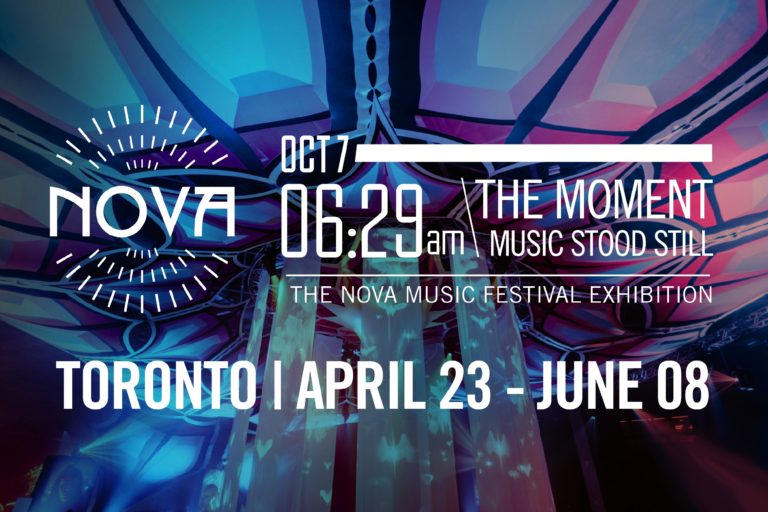
Toronto’s Nova Music Festival Exhibition to Host 411-Drone Tribute On May 10

0

On Saturday, May 10, from 9:00PM – 9:30PM EST, The Nova Music Festival Exhibition in Toronto will be showcasing an exclusive luminous spectacle for exhibition visitors.

The powerful drone show will include 411 drones, one for each life lost in relation to the Hamas terror attack at the Nova Music Festival on October 7, 2023. The drones will soar up to 350 feet in the air.

Guests can purchase their ticket from Nova Exhibition website for any time slot throughout the day, with the last exhibition entry at 7:40PM. The exhibition closes at 9:00PM and this special presentation will run at 9:00PM – 9:30PM, outside.

Tash Sultana Teams Up With City and Colour on New Single “Ain’t It Kinda Funny”

0

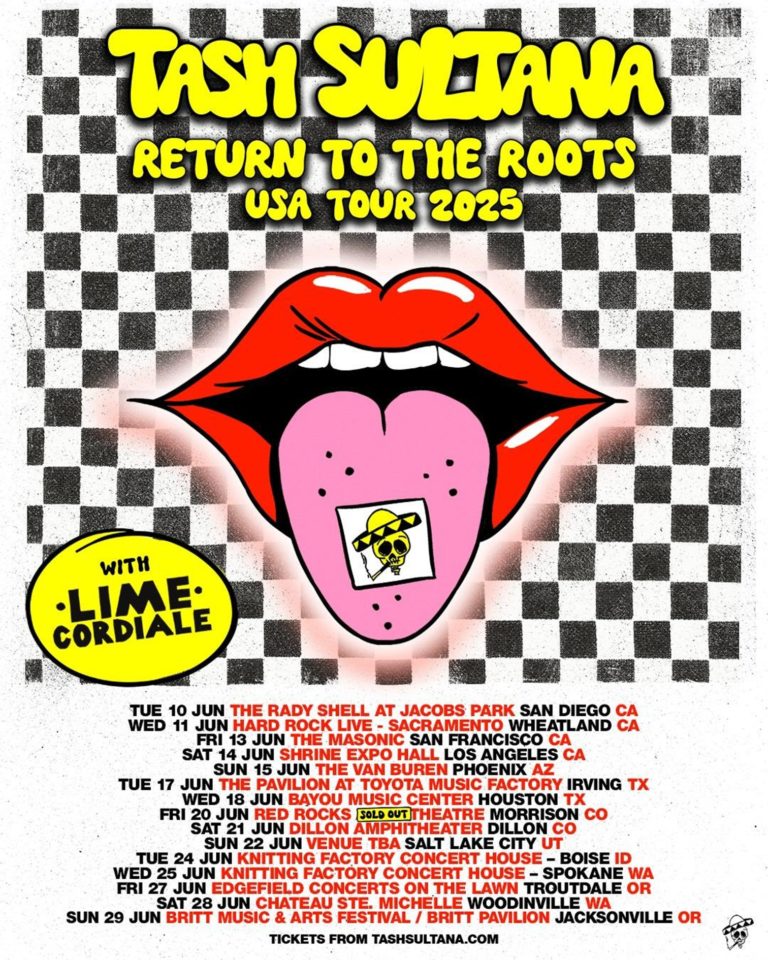
TASH SULTANA has joined forces with City and Colour for a special collaboration: ‘Ain’t it Kinda Funny ft. City and Colour,’ the much-anticipated third single from TASH’s upcoming six-track EP RETURN TO THE ROOTS.

The track has a rich history and it’s been years in the making. Originally written by TASH as a teenager, it’s one of the earliest songs in their catalogue—a raw acoustic piece born from a deep love for artists like Jeff Buckley, Bon Iver, and, fittingly, City and Colour.

Fast forward to now, and the track has been reimagined, reshaped, and revived—not just to suit where TASH is today as an artist, but as a person on the edge of turning 30.

“That looming milestone makes you reflect,” TASH says. “There’s this pressure that you’ve somehow ‘aged out’, but it’s all bullshit. Thirty’s young. Life’s only getting better. I wouldn’t relive my early 20s for anything—and that realization bled straight into this song.”

“Ain’t It Kinda Funny” sees both artists contribute contrasting yet complementary verses—SULTANA’s leaning into sentimentality, and City and Colour’s offering a reflective, seasoned perspective. Together their vocals balance like yin and yang, bridging generations of experience and emotional insight.

“Working with Tash was an absolute joy,” Dallas Michael John Albert Green, who is City and Colour, comments. “We first connected last year and hit it off right away. That first impression led to me visiting their studio in Australia and eventually creating this song together. Tash is one of the most impressive people I’ve had the pleasure of meeting. Their passion and work ethic was inspiring. I’m truly grateful to have been invited to be a part of this.”

The result is a track that honors its roots while embracing the present—a poignant and powerful evolution of a song that has travelled with SULTANA for over a decade.

True to form, the recording process also had its moments of levity. As the final touches were being added, including bass guitar, there was an unexpected interruption from TASH’s dog.

“Right as the bass kicked in my dog went into the next room and took a massive stinking hot shit on the floor the size of an AFL football. Talk about a brown note, we were bonded” SULTANA recalls.

RETURN TO THE ROOTS is a raw, unfiltered dive back into the heart of their artistry. Stripping away the pressure of commercial success, this six-track collection rekindles the spirit of spontaneous creation—the very essence that first ignited their career.

The EP was rolled out with first single “Milk & Honey”—which earned rotation on triple j, topped the AMRAP Metro Charts, received praise from Rolling Stone (Australia), and landed on key DSP playlists like Spotify’s The Local List and Apple’s Heaps Indie. This momentum is continued with the latest release “Hold On,” with support from triple j, DSP playlisting across Spotify’s Pop’N’Fresh and Apple’s New in Indie, and online love from The Music, Rolling Stone, and AU Review.

Fresh from selling out Red Rocks in Colorado in minutes, TASH SULTANA has recently announced a massive 2025 U.S. tour. Bringing their signature electrifying energy and genre-blurring sound to fans nationwide, this tour is set to be nothing short of unforgettable. Tickets are available now via tashsultana.com

With a career spanning over a decade, TASH SULTANA’s accomplishments speak volumes: selling out shows at global arenas and iconic venues, headlining major festivals, 15 ARIA nominations, and the 2023 Rolling Stone (Australia) Global Artist Award. Yet, for TASH, the journey is far from over. With their unwavering drive to push creative boundaries and a focus on building a broader legacy as an entrepreneur and mentor, TASH continues to shape the industry on their own terms.

RETURN TO THE ROOTS is a fearless declaration of resilience, reinvention, and the boundless power of self-expression.

TASH SULTANA ‘RETURN TO THE ROOTS’ US TOUR:
TUEDAY JUNE 10 | THE RANDY SHELL AT JACOBS PARK, SAN DIEGO
WEDNESDAY JUNE 11 | HARD ROCK LIVE – SACRAMENTO, WHEATLAND
FRIDAY JUNE 13 | THE MASONIC, SAN FRANCISCO
SATURDAY JUNE 14 | SHRINE EXPO HALL, LOS ANGELES
SUNDAY JUNE 15 | THE VAN BUREN, PHOENIX
TUESDAY JUNE 17 | THE PAVILION AT TOYOTA MUSIC FACTOR, IRVING
WEDNESDAY JUNE 18 | BAYOU MUSIC CENTRE, HOUSTON
FRIDAY JUNE 20 | RED ROCKS AMPHITHEATRE, MORRISON SOLD OUT
SATURDAY JUNE 21 | DILLON AMPHITHEATER, DILLON
SUNDAY JUNE 22 | RED BUTTE GARDEN OUTDOOR CONCERT SERIES, SALT LAKE CITY
TUESDAY JUNE 24 | KNITTING FACTORY CONCERT HOUSE, BOISE
WEDNESDAY JUNE 25 | KNITTING FACTORY CONCERT HOUSE, SPOKANE
FRIDAY JUNE 27 | EDGEFIELD CONCERTS ON THE LAWN, TROUTDALE
SATURDAY JUNE 28 | CHATEAU STE. MICHELLE, WOODINVILLE
SUNDAY JUNE 29 | BRITT MUSIC & ARTS FESTIVAL – BRITT PAVILION, JACKSONVILLE

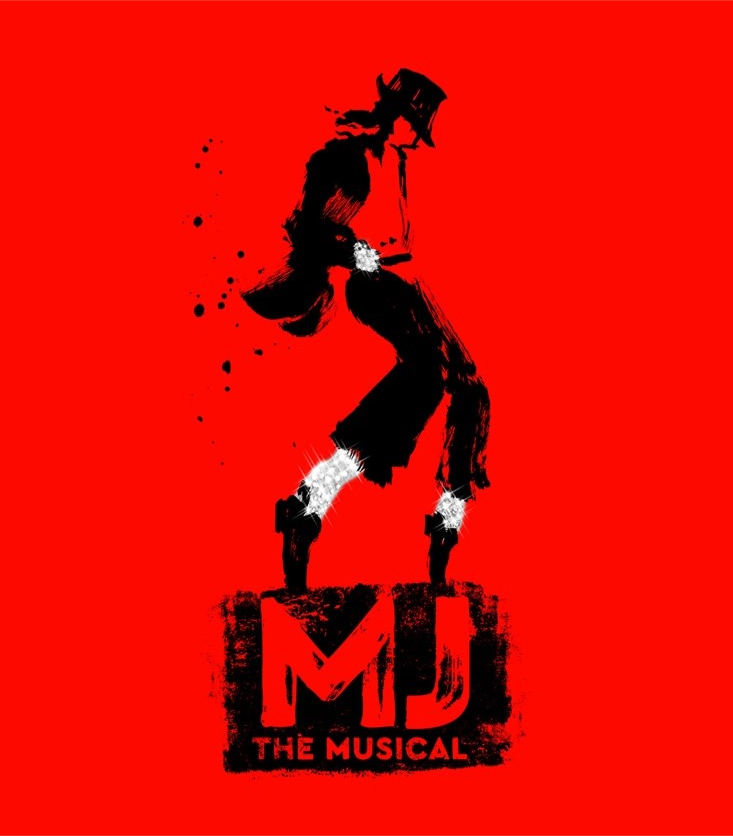
Tickets for ‘MJ: The Musical’ in Toronto Go on Sale May 5 Ahead of September Premiere

0

Producers Lia Vollack, John Branca, John McClain and David and Hannah Mirvish are thrilled to announce that individual tickets for the smash-hit musical, MJ, will go on sale in Toronto, starting Monday May 5, 2025.

Tickets are available at 10AM on Monday May 5 at Mirvish.com or by calling 1.800.461.3333.

MJ makes its Toronto premiere at the CAA Ed Mirvish Theatre beginning September 16 through November 2, 2025.

He is one of the greatest entertainers of all time. Now, Michael Jackson’s unique and unparalleled artistry comes to Toronto in MJ, the multiple Tony Award®-winning musical centered around the making of the 1992 Dangerous World Tour. Created by Tony Award®-winning Director/Choreographer Christopher Wheeldon and two-time Pulitzer Prize winner Lynn Nottage, MJ goes beyond the singular moves and signature sound of the star, offering a rare look at the creative mind and collaborative spirit that catapulted Michael Jackson into legendary status. It’s thrilling sold out crowds on Broadway; in cities across North America; London’s West End; Hamburg, Germany…and now MJ is startin’ somethin’ in Toronto as it makes its premiere at the CAA Ed Mirvish Theatre this September!

The MJ creative team features Scenic Design by two-time Tony and Emmy Award winner Derek McLane, Lighting Design by seven-time Tony Award winner Natasha Katz, Costume Design by Tony and Emmy Award winner Paul Tazewell, Sound Design by Tony Award winner Gareth Owen, Projection Design by two-time Tony Award nominee Peter Nigrini, Hair & Wig Design by two-time Emmy Award nominee Charles G. LaPointe and Makeup Design by Emmy nominee Joe Dulude II. The creative team also features Musical Supervision by Tony Award nominee David Holcenberg, Orchestrations and Arrangements by David Holcenberg and Tony Award winner Jason Michael Webb, and Music Direction by Nathanael Wilkerson and Jason Yarcho.  Casting by The Telsey Office / Rachel Hoffman, CSA, Lindsay Levine, CSA.

The MJ First National Tour is general managed by Bespoke Theatricals. The stage management team is led by Production Stage Manager Nicole Olson, Stage Manager Xavier Khan and Assistant Stage Managers Alexander Pierce, Christopher K Anaya-Gorman and Lauren Taylor Winston. The company management team is led by Company Manager Eric Armstrong and Assistant Company Manager Bianca Jean-Charles.

Musician Ken Robinson Hand-Restores “Unrepairable” Mangled Trombone to Former Glory

0

Some people see a mangled trombone — Ken Robinson saw a second chance. With patience, precision, and a deep love for his craft, he brought life back to an instrument others gave up on. Because music isn’t just about sound—it’s about soul, and the hands that believe in second chances.

‘Any Other Way: The Jackie Shane Story’ Wins Peabody Award for Best Documentary

0

The Banger Films/National Film Board of Canada (NFB) feature-length documentary Any Other Way: The Jackie Shane Story, directed by Toronto filmmakers Michael Mabbott and Lucah Rosenberg-Lee, has won the prestigious Peabody Award in the Documentary category.

Winners will be celebrated at a ceremony in Los Angeles on June 1.

Any Other Way has now received 22 awards and honours, with 47 festival selections as it continues its international festival run. The NFB is distributor and sales agent for Any Other Way, which is currently streaming on Crave in Canada.

With an outsize stage presence that eclipsed R&B greats like Etta James and Little Richard, soul singer Jackie Shane shattered barriers with raw talent, courage and an unbreakable commitment to truth. Jackie boldly carved a new path as one of music’s trailblazing Black trans performers—but on the edge of stardom, why did she suddenly leave the spotlight?

After mysteriously vanishing from public view for almost 40 years, this little-known icon finally gets her second act. Through never-before-heard phone conversations, dazzling animation and an incredible soundtrack, the full scope of her extraordinary life and career is revealed in this remarkable portrait.
NFB and Banger Films at the Peabodys

This is the seventh Peabody Award for the NFB, which previously won in 2016 for Brett Gaylor’s Do Not Track (NFB/Upian/Arte/Bayerischer Rundfunk); in 2014 for Katerina Cizek’s A Short History of the Highrise (NFB/The New York Times); in 2011 for Neil Diamond, Catherine Bainbridge and Jeremiah Hayes’s Reel Injun (Rezolution Pictures/NFB); in 2002 for Karen Shopsowitz’s My Father’s Camera; in 1996 for John N. Smith’s The Boys of St. Vincent (NFB/Télé-Action); and in 1995 for Jeff McKay’s documentary Fat Chance.

It’s also the second Peabody for Banger Films, which won in 2017 for the multi-season docuseries Hip-Hop Evolution.