Home Blog Page 729

Ed Sheeran Announces New Album PLAY, Shares Nostalgic New Single “Old Phone”

0

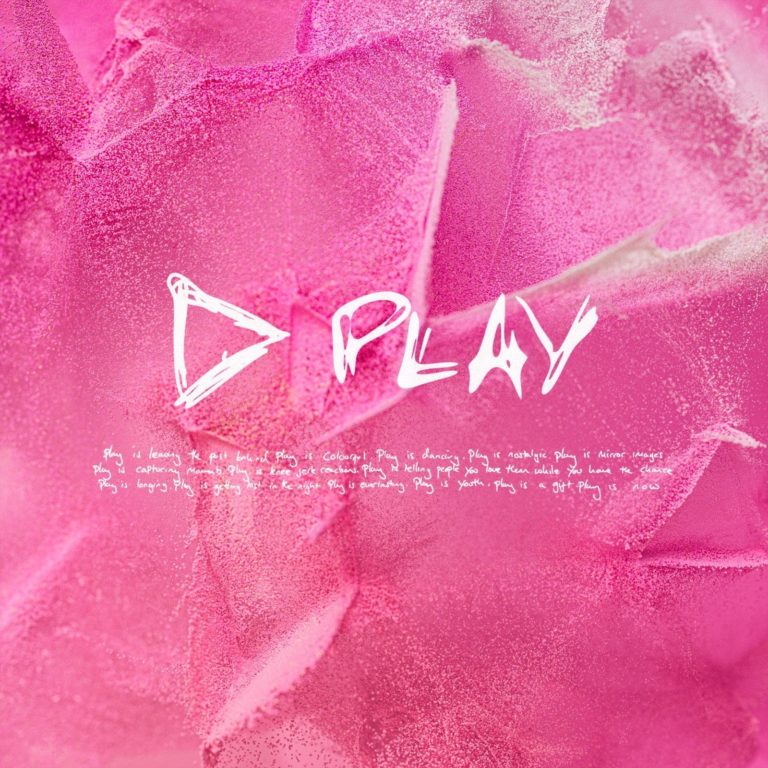
Ed Sheeran has announced that his new album ‘PLAY’ will be released on 12th September 2025. (Pre-order here).  To mark the occasion he has released a new single ‘Old Phone.’

After closing the chapter on his Mathematics series, Ed Sheeran is finally back and stepping boldly into a fresh new phase for 2025.   An artist known for constantly evolving, Sheeran’s latest album, ‘PLAY’ finds him exploring new musical ground through collaboration with producers and musicians from around the world, as well as diving deeper into the timeless sounds and themes that have made him one of the world’s best-loved pop artists. Inspired in part by his exposure to Indian and Persian musical cultures—and their surprising connections to the Irish folk tradition he grew up with, through shared scales, rhythms, and melodies—he explored this borderless musical language, giving the album its distinctive, fresh edge.  On more familiar ground, Sheeran also reminds us why he remains the most influential singer-songwriter of his generation, delivering a series of stunning ballads and acoustic-driven songs. The result is a collection that plays with both the familiar and the new, creating a bold, pop-driven sound that only Ed Sheeran could deliver — a vibrant showcase of his artistry that feels both exciting and transformative, and promises to be one of the defining albums of the year.

Ed said…”Play was an album that was made as a direct response to the darkest period of my life. Coming out of all of that I just wanted to create joy and technicolour, and explore cultures in the countries I was touring. I made this record all over the world, finished it in Goa, India, and had some of the most fun, explorative creative days of my life. It’s a real rollercoaster of emotions from start to finish, it encapsulates everything that I love about music, and the fun in it, but also where I am in life as a human, a partner, a father. Going into this album campaign I said to myself ‘I just want everything I do to be fun and playful’ – so that’s why we are building pubs for folk jams, doing gigs on open top buses and singing in pink cowboy hats on bars. The older I get the more I just want to enjoy things, and savour the moments that are mad and chaotic. You can preorder play now, many many more playful things to come before it’s out x”

After the release of his global, hedonistic, technicolor pop hit ’Azizam’, Sheeran gets nostalgic on his brand new single ‘Old Phone’, narrating the disorienting act of reconnecting with his past. Powering up an old phone unused since 2015, he unearths messages from a lost friend, an argument with an ex, and distant family, highlighting how time and separation reshape identity. Blending nostalgic acoustic melodies with raw emotion, the song recalls Ed’s early songwriting roots while exploring growth and memory, capturing an artist that is shaped and transformed by his past   ‘Old Phone’ has been produced by Blake Slatkin & Ilya Salmanzadeh
 

Björk Narrates Fungi: Web of Life, a Psychedelic Dive into the Mushroom Kingdom

0

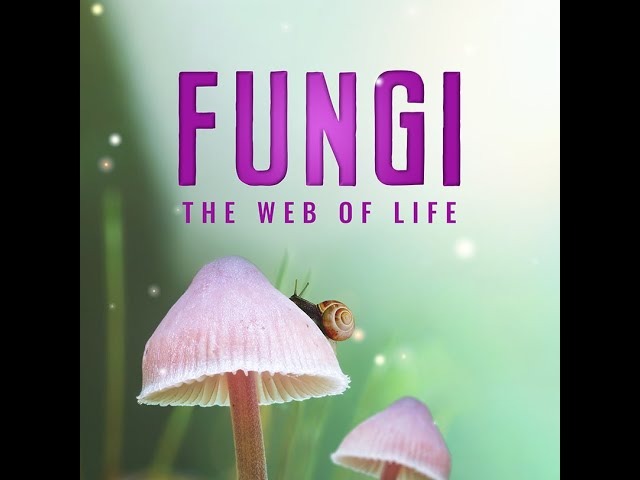
Who better to narrate a documentary about the mysterious, interconnected world of fungi than Björk, whose music already feels like it’s grown from the forest floor? In Fungi: Web of Life, she guides us into the hidden universe beneath our feet—where mushrooms speak in networks and nature reminds us that the strangest things are often the most beautiful. It’s weird. It’s wondrous. It’s wildly Björk.

‘Throbbing Gristle: An Endless Discontent’ Explores the Band’s Radical Role in Post-Punk Britain

0

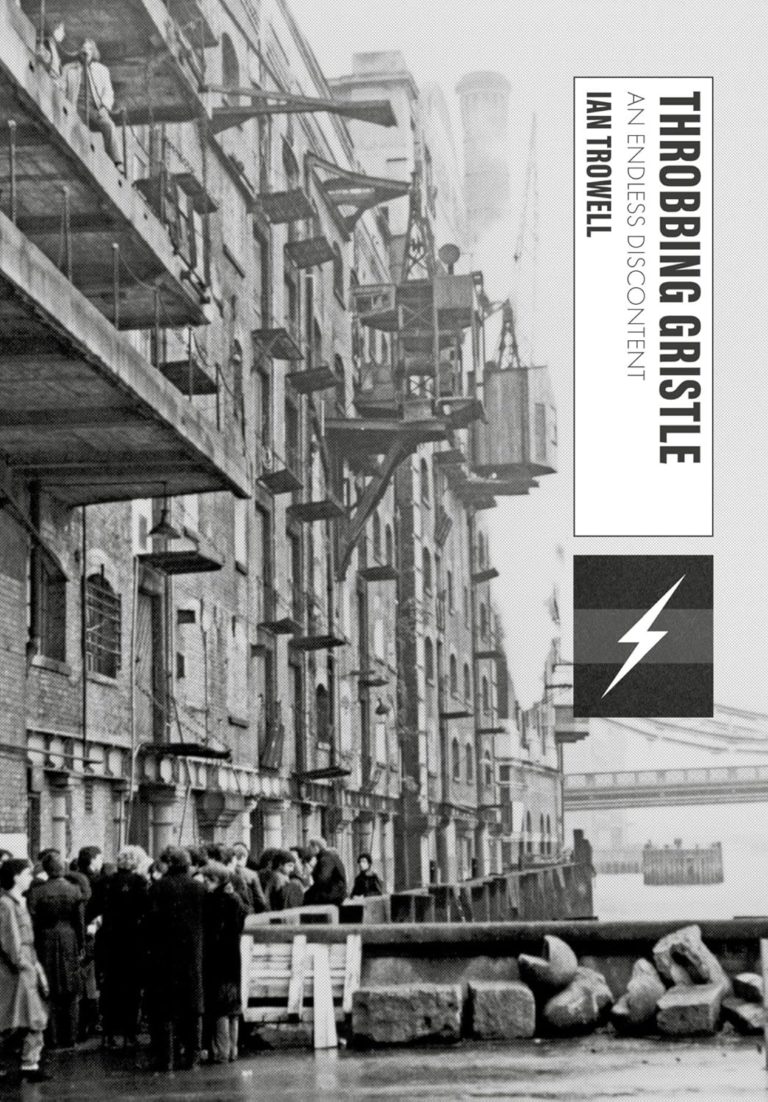
Some bands break the mold—Throbbing Gristle never even acknowledged it. In An Endless Discontent, Ian Trowell dissects the noise, rebellion, and chaos that turned art into activism. It’s a story of a band that challenged not just music, but the very systems around it, echoing louder in every generation still asking the same question: what happens when we refuse to conform?

Drawing on archives and live performances, this book traces the impressions and reverberations of UK punk band Throbbing Gristle.

This book looks at late 1970s Britain, before, during, and immediately after the Winter of Discontent, to situate the activism of Throbbing Gristle in this time. It explores how the band worked in and against the time, and how they worked in and against punk, as punk worked in and against the time and place. Punk acts as a mediating factor and nuisance value in the band’s story, as Throbbing Gristle emerged with punk in late 1976, grappled with it through 1977, and then went on to create and eventually criticize a number of post-punk scenes that had flourished around 1979.

Chuck Israels Explores Jazz, Democracy, and Legacy in ‘Bass Notes: Jazz in American Culture’

0

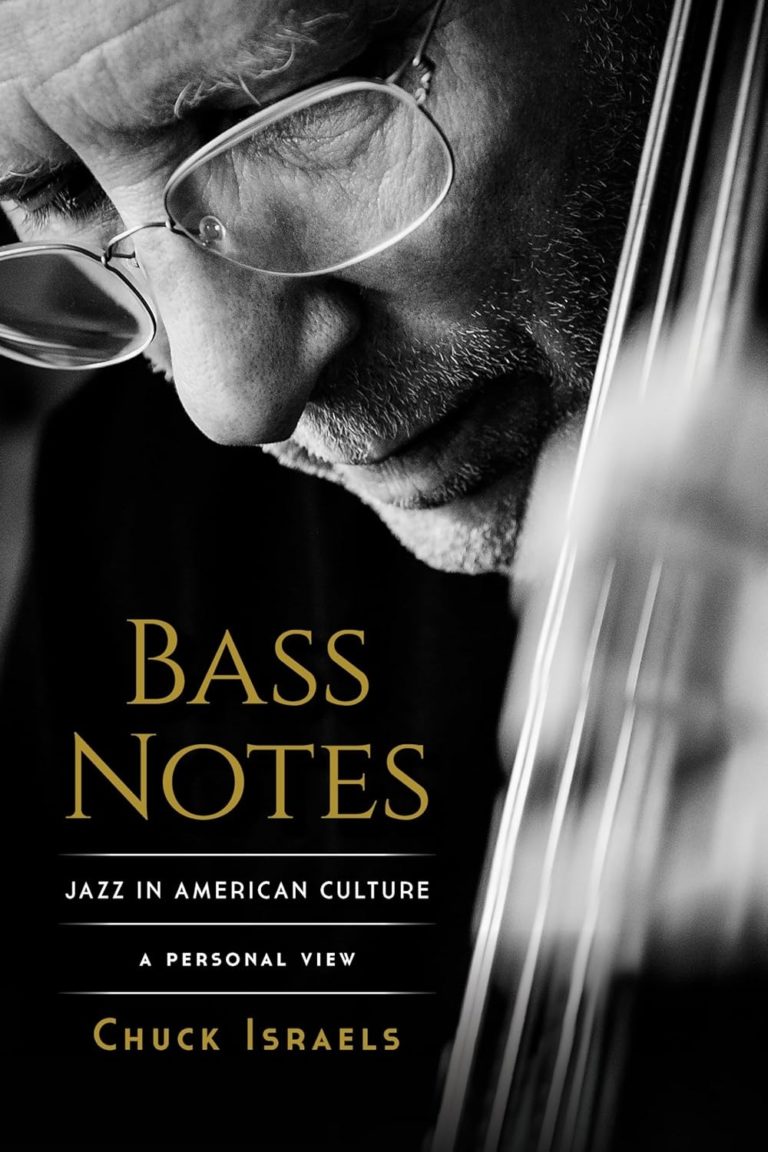
When Chuck Israels writes about jazz, he’s not just recounting history—he’s playing it. Bass Notes is a masterclass in memory, rhythm, and reflection, told by a man who lived the music from the inside out. From Bill Evans to Billie Holiday, Coltrane to Baez, his story isn’t just about notes on a page—it’s about the soul of a nation set to swing.

From his upbringing as a “red-diaper baby” among some of the leading lights of American music and Left politics, to his legendary work as bassist for the Bill Evans trio, to his collaborations with such figures as Charles Mingus and Billie Holiday, Chuck Israels has witnessed over a half-century of change and innovation in American jazz music. In Bass Notes, he offers up both an engaging memoir and a meditation on the history of jazz music and its prospects for the future. In addition to fascinating stories from his work with musicians like John Coltrane, Joan Baez, and Herbie Hancock, he gives an inside view into the mysterious alchemy that happens when skilled jazz improvisers get together. As he explains, the combination of disciplined collaboration and individual freedom is not just exhilarating for musicians, but an inspiring reflection of, and model for, democracy and the potential for true racial equality.

Israels recounts his decision to leave Bill Evans’s trio to deepen his musical education and develop as a composer—and his choice to not rejoin the trio in Evans’s last years. Citing such developments as the dominance of conservatory training and ill-advised crossover attempts with classical and pop, he also gives an impassioned but unsentimental account of how jazz lost its primacy in the pantheon of American music, even though it is America’s most distinctive contribution to world music. He explores the obstacles that today’s best young jazz musicians face following the giants of earlier generations and the dwindling opportunities to make a living as a musician. But despite it all, Israels argues that jazz’s enduring and rich legacy will not be lost and shows how it can be not just sustained but broadened in the years to come.

Glen Hansard & Lisa O’Neill Perform “Fairytale of New York” at Shane MacGowan’s Funeral

0

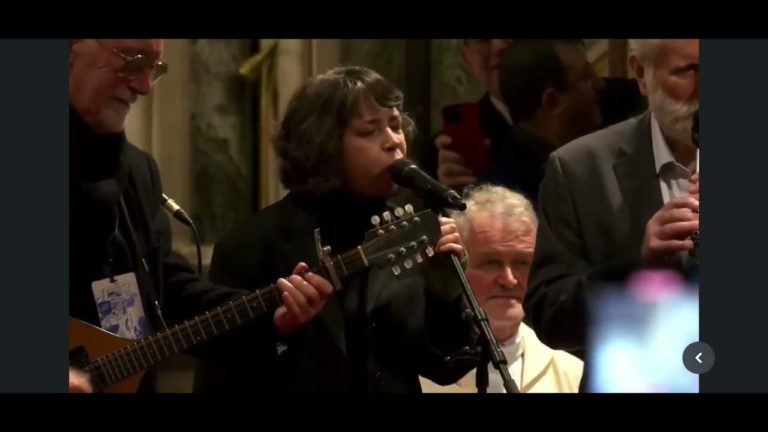
Some songs were never meant to be quiet, even in goodbye. Glen Hansard and Lisa O’Neill gave Shane MacGowan the send-off he deserved with a stirring “Fairytale of New York”—not just sung, but lived, as friends and strangers danced down the aisles in joy and remembrance. It was Irish, it was poetic, and it was perfect.

20 of the Greatest Long Songs (That Aren’t Classical)

0

There’s a special kind of magic in a song that dares to take its time. Across rock, pop, hip-hop, funk, and beyond, artists have used long songs not just to jam, but to tell stories, build worlds, and test the limits of sound. Over the last 50 years, these epic tracks have made us dance, cry, zone out, or rock out—and reminded us that patience often pays off in music.

1. “Achilles Last Stand” – Led Zeppelin (10:26)
Driven by relentless drums and soaring guitar lines, this epic opener from Presence showcases Zeppelin at full gallop. It’s thunderous, mystical, and proof that the band could still conquer mountains—even without the hobbits.

2. “Supper’s Ready” – Genesis (22:52)
Peter Gabriel leads us on a surreal, theatrical prog-rock pilgrimage through love, apocalypse, and cosmic rebirth. One of the genre’s finest hours.

3. “Telegraph Road” – Dire Straits (14:18)
Mark Knopfler’s storytelling hits its peak in this sprawling journey of economic decay and personal despair. It’s part song, part short story — and all vibe.

4. “Jesus of Suburbia” – Green Day (9:08)
Punk meets prog in this 5-part suite off American Idiot. It’s teenage angst, small-town frustration, and epic ambition all rolled into one eyeliner-smudged anthem.

5. “Bustin’ Out (On Funk)” – Rick James (9:19)
Nine minutes of slapping bass, cosmic synths, and pure Rick James energy. If funk had a thesis statement, this track might be it.

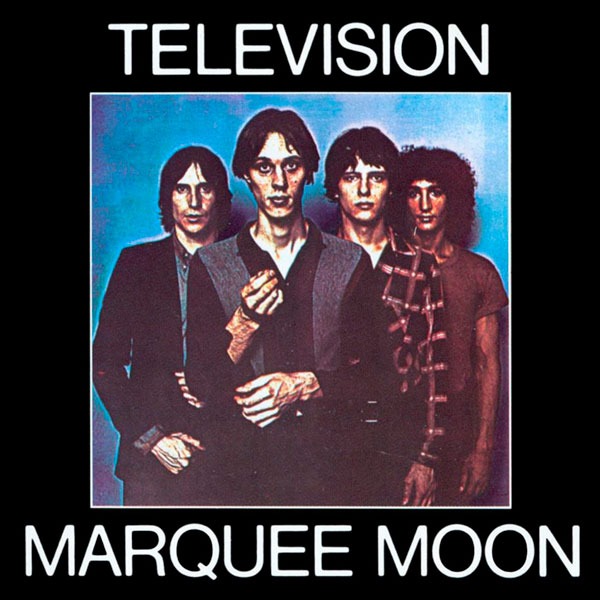
6. “Marquee Moon” – Television (10:40)
Post-punk precision meets jazz-like improvisation in this angular, hypnotic jam. It’s not just long — it’s a clinic in guitar interplay.

7. “All Too Well (10 Minute Version)” – Taylor Swift (10:13)
The scarf, the maple lattes, the lyrical devastation — all wrapped in a slow burn that had fans screaming, crying, throwing up (emotionally, of course). A rare pop ballad that earns every second.

8. “Maggot Brain” – Funkadelic (10:20)
Eddie Hazel’s guitar solo is so raw and mournful, George Clinton allegedly told him to play “like your mom just died.” What followed was a psychedelic eulogy for the ages.

9. “Echoes” – Pink Floyd (23:31)
A sonic journey to the bottom of the sea and the edge of the mind. Floyd at their most expansive and exploratory.

10. “Impossible Soul” – Sufjan Stevens (25:35)
Nearly half an hour long, this five-part suite from The Age of Adz goes from existential crisis to auto-tuned dance party and back again. Wild, weird, and wonderful.

11. “Blackstar” – David Bowie (9:57)
Released just before his death, Bowie’s final act is a shape-shifting jazz-rock funeral dirge. Mysterious, beautiful, and chilling.

12. “Do You Feel Like We Do” (Live) – Peter Frampton (13:46)
The ultimate talk box flex. This live cut turned Frampton into a guitar god and proved solos didn’t need to end. Ever.

13. “Mortal Man” – Kendrick Lamar (12:07)
A closing statement that morphs into an interview with Tupac. Bold, beautiful, and brutally honest.

14. “Free Bird” – Lynyrd Skynyrd (9:08)
Yes, people yell it at every concert, but the guitar solo still shreds. Whether you’re on the open highway or just vibing in your living room, it still flies.

15. “Pyramids” – Frank Ocean (9:53)
A two-part fever dream of Cleopatra and strip clubs, love and loss, synths and soul. It’s Frank Ocean at his most ambitious and cinematic.

16.“Rosetta Stoned” – Tool (11:11)
Part alien abduction, part existential crisis, part percussive mind warp. Trust Tool to go full cosmic chaos.

17. “Cowgirl in the Sand” – Neil Young (10:06)
Guitars bleed and howl while Young unspools abstract heartbreak. A barn-burning classic.

18.“The End” – The Doors (11:41)
Dark, hypnotic, and unsettling, this psychedelic journey begins as a breakup song and spirals into something mythic and existential. Jim Morrison’s spoken-word descent into Oedipal territory is still one of the boldest moves in rock history.

19. “Movement 6 (Six Degrees)” – The Roots (10:16)
Jazz, soul, hip-hop, and spoken word collide in this late-night existential suite. Questlove and company at their most ambitious.

20. “One” – Metallica (7:27)
An anti-war metal masterpiece with one of the greatest buildups in rock history. It starts as a slow dirge and ends as a machine-gun assault of riffs and double-kicks.

Long songs are the musical equivalent of a road trip: a little more time-consuming, sure — but the views along the way? Unforgettable.

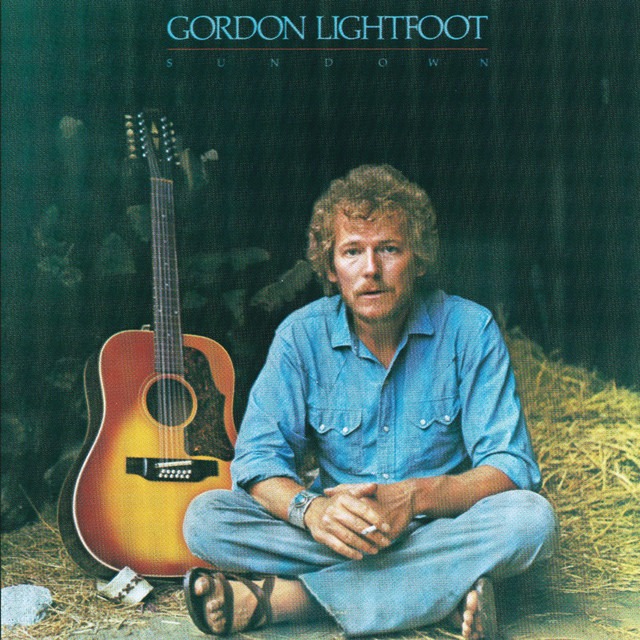
5 Things You Might Not Know About Gordon Lightfoot

0

You already know Gordon Lightfoot as the bard of “If You Could Read My Mind,” the weather prophet of “The Wreck of the Edmund Fitzgerald,” and the warm, steady voice behind the soundtracks to road trips, rainy days, and moments of quiet clarity. But even if you’ve worn out Gord’s Gold more times than you can count, here are 5 lesser-known facts about the man who helped define the singer-songwriter era—and in many ways, Canada itself.

1. He Made His Massey Hall Debut at Age 12
Before he ever sang about the Canadian Railroad or the waves on Lake Superior, Gordon Lightfoot stood on the storied stage of Massey Hall as a boy soprano. At just 12 years old, he won a Kiwanis Festival competition and earned a spot performing at the legendary Toronto venue—one he would return to more than 170 times over the next seven decades. Talk about foreshadowing greatness.

2. He Was Almost a Jazz Composer in L.A.
In the late 1950s, Lightfoot left his small-town roots in Orillia, Ontario, and headed to Los Angeles—not to sing folk songs, but to study jazz composition at the Westlake College of Music. He supported himself by writing jingles and demo tracks before homesickness pulled him back to Toronto. Had things gone differently, we might have known him for saxophones instead of shipwrecks. (Luckily, Canada called him home.)

3. He Wrote “Canadian Railroad Trilogy” in Just 3 Days—for a National Broadcast
Commissioned by the CBC for Canada’s Centennial celebrations in 1967, Lightfoot was asked to write a song about the building of the Canadian railway. Most artists might have taken weeks—but Gordon delivered the “Canadian Railroad Trilogy” in just three days. The result? A 6-minute epic that became a defining piece of Canadiana, taught in schools and revered across generations. Only Lightfoot could turn steel rails and national identity into poetry so quickly—and so beautifully.

4. He Was This Close to Losing “Early Morning Rain” to Elvis
One of Gordon’s most covered songs, “Early Morning Rain,” made the rounds with everyone from Peter, Paul and Mary to Ian & Sylvia, but Elvis Presley himself once considered recording it. Presley first passed, and while Elvis did later cover it, and other Lightfoot songs, “Early Morning Rain” remains most beloved in Gordon’s gentle, aching original. Sometimes, the original is the gold.

5. He Had a Bronze Statue Built While He Was Still Alive—And Helped Shape It
In 2015, the town of Orillia unveiled Golden Leaves: A Tribute to Gordon Lightfoot, a 4-metre bronze statue of Lightfoot, cross-legged, guitar in hand, surrounded by maple leaves etched with scenes from his songs. Lightfoot wasn’t just around to see it—he helped design it. He made sure the statue’s fingers matched how he played the guitar, because accuracy mattered. Of course it did. He was Gordon Lightfoot.

Gordon Lightfoot passed away on May 1, 2023. But like a great Canadian river, his music keeps flowing—steady, deep, and full of life. Whether you’re driving a lonely highway, watching the weather roll in, or just needing something true to hold onto, there’s a Lightfoot lyric for that.

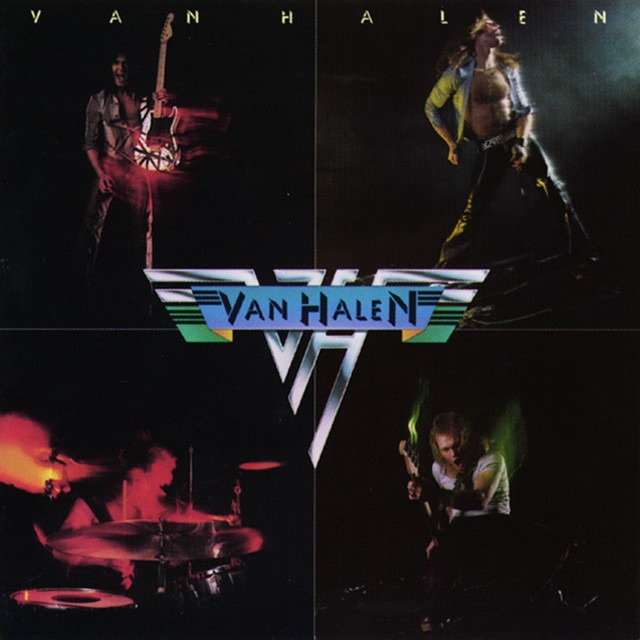
5 Surprising Facts About Van Halen’s ‘Van Halen’

When Van Halen landed in 1978 it changed rock forever. It was raw. It was flashy. It was fun. It sounded like a bar fight between punk energy and arena ambition… and somehow Eddie Van Halen’s guitar won every round. From “Runnin’ with the Devil” to “Jamie’s Cryin’” to that solo, here are five lesser-known facts that prove this debut is still blowing amps – and minds – to this day.

1. “Eruption” Was Never Supposed to Be on the Album — and It’s Got a Mistake
The solo that redefined guitar playing wasn’t even meant to be a track. Eddie was rehearsing “Eruption” for a club gig when producer Ted Templeman overheard it and demanded it be recorded. And Eddie? He still thinks he messed it up. “There’s a mistake at the top end,” he once said. Meanwhile, the rest of us are still picking our jaws off the floor, 45 years later.

2. They Built a Horn Box Using Their Own Cars for “Runnin’ with the Devil”
The weird, warped horn blast that opens the record? That’s the band wiring together horns from their actual cars and powering them with car batteries. It’s not just audio — it’s garage rock in the most literal sense. Producer Templeman slowed the horns down to make them sound more menacing, and boom: an intro that sounds like the gates of hell opening with a V8 engine.

3. “Jamie’s Cryin’” Was Inspired by a Guitar Lick That Sounded Like Someone Crying
David Lee Roth turned heartbreak into a teen rock anthem, but the spark came from Eddie noodling between takes. Producer Ted Templeman and Roth heard it and said, “That’s it.” The song’s melodic riff had a weepy quality, and Roth built a story around it — classic ‘50s pop heartbreak by way of California leather and denim. Also: Roth claimed he “sang out” the solo before Eddie played it.

4. The Album Was Basically Just Their Live Set — Tracked in a Week
“We didn’t have a ton of material,” bassist Michael Anthony said. “We just took our live show and went for it.” Most of Van Halen was recorded live in the studio, with only a few overdubs — and it was all done in a couple of weeks. It cost just $54,000. The result? A high-voltage, no-frills debut that punches harder than albums five times the budget.

5. Gene Simmons Paid for the First Demos — But Never Got the Last Word
Before Van Halen blew up the Sunset Strip and the Billboard charts, Gene Simmons of Kiss saw something special. He flew the band to New York, paid for their demo sessions, and even shopped them around to labels. When nothing immediately landed, he graciously stepped back — but never spoke bitterly. Years later, he still called their debut “one of the best rock records ever made.” Sometimes, being early is just as cool as being right.

Van Halen set a new bar for guitar heroes, party anthems, and just how loud a record could be. Four decades on, it still sounds like a band on the verge of exploding — and loving every second. Turn it up. And Then turn it up again.

5 Surprising Facts About OutKast’s ‘Speakerboxxx/The Love Below’

In 2003, Speakerboxxx/The Love Below detonated the charts and blew minds. Outkast’s double album was two discs of genre-defying brilliance, and – really – two entire solo universes crashing together under one name. It changed the sound of hip-hop forever, won Album of the Year at the Grammys, and made every radio, dance floor, and high school hallway scream “Hey Ya!” in unison. Think you know this double LP inside out? Here are five lesser-known facts that will make you want to revisit both sides — fast.

1. “Hey Ya!” Was Inspired by the Ramones and Recorded in Dozens of Takes
André 3000 wasn’t trying to make a hip-hop song. He was channeling his love for punk bands like the Ramones, the Hives, and the Buzzcocks — and somehow ended up with a track that sounded like Prince at a garage party in space. He recorded 30–40 takes of nearly every line, experimenting with vocoders, overdubs, and drum machines. The result? A song that felt spontaneous — but was meticulously built, beat by beat.

2. Big Boi Played “Unhappy” for His Mom in Her Driveway
Big Boi’s Speakerboxxx wasn’t all bounce — it had heart. After crafting the hook for “Unhappy,” one of the album’s most emotionally resonant tracks, he drove to his mother’s house, parked outside, and played it for her. She loved it. It’s a beautiful image: a rap titan getting the ultimate co-sign from the original queen of his life. Family first. Beats second.

3. André 3000 Recorded in Four Studios at Once and Nearly Burned Out
While Big Boi wrapped up his half of the album early at Stankonia Studios, André 3000 was running between four different studios, layering jazz, funk, electro, falsetto, and pure chaos into The Love Below. Studio manager John Frye later admitted André was completely drained by the end. But that exhaustion birthed everything from “Roses” to “Prototype” — glittering weird-pop gems that still feel futuristic 20 years later.

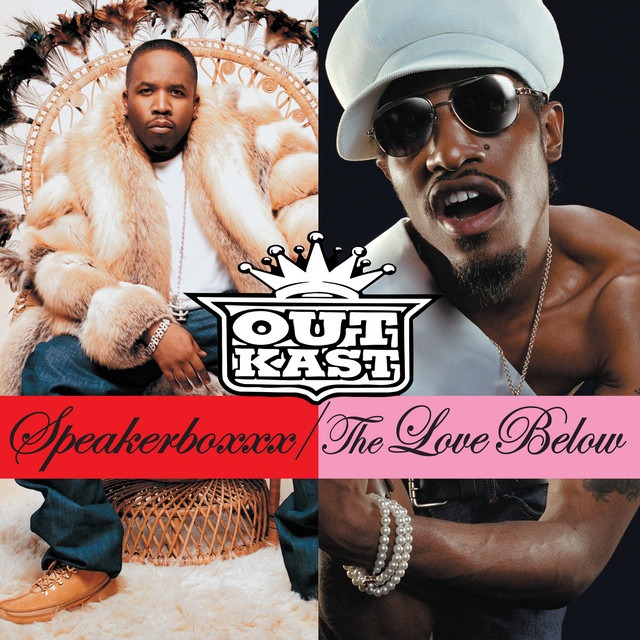
4. The Album Artwork Was a Double Act — With a Hidden Political Homage
Big Boi’s Speakerboxxx cover was a tribute. The imagery mimics a famous 1967 photo of Black Panther Huey P. Newton, seated in a rattan chair. Meanwhile, André posed shirtless with a pistol for The Love Below, channeling his Cupid Valentino alter ego. CD editions featured only Big Boi on the front — vinyl editions placed both side by side, just like the music. Together but separate. A perfect metaphor.

5. They Recorded 120 Songs — and One Landed on a Kelis Album Instead
In total, Outkast recorded around 120 songs during these sessions. That’s more than some bands make in a decade. One track, “Millionaire,” didn’t make the final cut… but it did wind up on Kelis’s album Tasty. That’s the power of Outkast: even their leftovers were hits. Somewhere out there, there’s still a vault full of unreleased gems from the wildest album-making process in hip-hop history. One day, we’ll hear it all.

Speakerboxxx/The Love Below was a seismic shift. It shattered genre lines, shook up the Grammys, and made hip-hop safe for weirdos, crooners, poets, and party-starters alike. Whether you’re on Big Boi’s basslines or André’s extraterrestrial love songs, one thing’s for sure: nobody else could have pulled this off. And no one’s matched it since.

5 Surprising Facts About Björk’s ‘Post’

Björk’s Post was a sensory experience, a genre collision, and a love letter from a woman spinning through big-city chaos with wide-eyed wonder and deep emotional intelligence. Released in June 1995, it was adventurous, awkward, beautiful, brutal — just like life. Think you know Post? Here are five wild facts even the deepest Björk nerds might have missed.

1. She Recorded Vocals in the Ocean. Yes, Literally.
While working at Compass Point Studios in the Bahamas, Björk walked into the water at sunset with a digital recorder powered by a generator. She recorded vocals while the waves crashed around her. This wasn’t just vibes — this was commitment to environment-as-instrument. It doesn’t get more post-genre than singing with your feet in the sand and your head in a dream.

2. “Cover Me” Was First Recorded in a Cave.
Before it became one of the album’s most haunting moments, “Cover Me” was recorded deep inside a cave. That echo you hear? That’s not a studio trick — it’s Mother Nature’s reverb. For Björk, the song was partly a love letter and partly a joke about how dangerous she makes the recording process. You know, just another day spelunking in the name of art.

3. She Rejected a Polished Album to Add More “Real” Instruments.
After returning from the Bahamas, Björk delayed Post’s release — even though the label expected it the next day — because something didn’t feel right. She went back into studios in London, brought in live strings, brass, and percussion, and reshaped the album from the ground up. She even recruited Brazilian legend Eumir Deodato to arrange “Hyperballad” and “Isobel.” Good things take time. Iconic things take instinct.

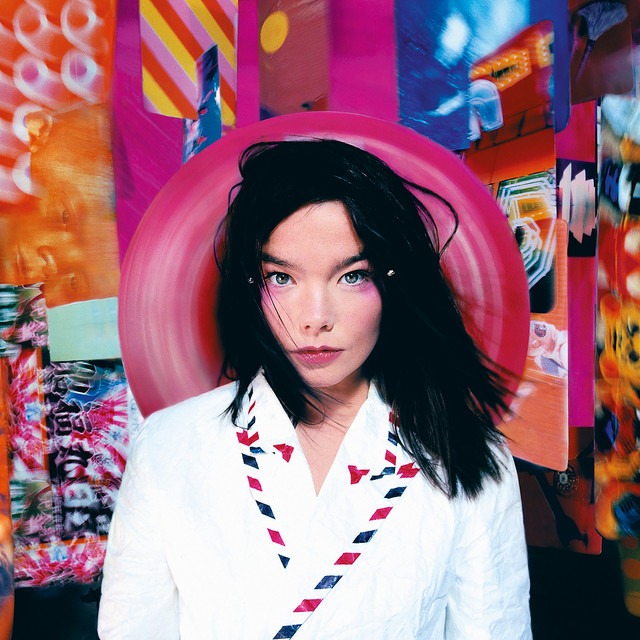
4. The Iconic Album Cover Jacket Was Made of Envelope Paper.
The red-white-and-blue jacket Björk wears on the Post cover isn’t just stylish — it’s made of Tyvek, the same material as Royal Mail envelopes. Designed by Hussein Chalayan, it was a literal embodiment of the album’s title: Post, as in mail. The jacket now lives under glass at Hard Rock Reykjavík. Yes, her album art has been in a museum. Of course it has.

5. She Performed “Possibly Maybe” in a Video Directed by Her Ex… About Their Breakup.
Björk wrote “Possibly Maybe” about her breakup with director Stéphane Sednaoui — then asked him to direct the video. Awkward? Sure. But artistically brilliant. The video features East Asian aesthetics, blacklight sensuality, and Björk reflecting on herself and her identity through a silent Japanese doll. It’s icy, intimate, and deeply cinematic. Breakup goals, Björk style.

Post was ahead of its time, and truly from another dimension entirely. It’s the sound of someone discovering who they are by building worlds no one else could imagine. Whether she’s recording in caves, designing postal fashion, or rewriting genre boundaries in real time, Björk makes sure every detail means something. Now, go throw “Hyperballad” on your headphones and remember: it’s not weird. It’s wonder.