Home Blog Page 733

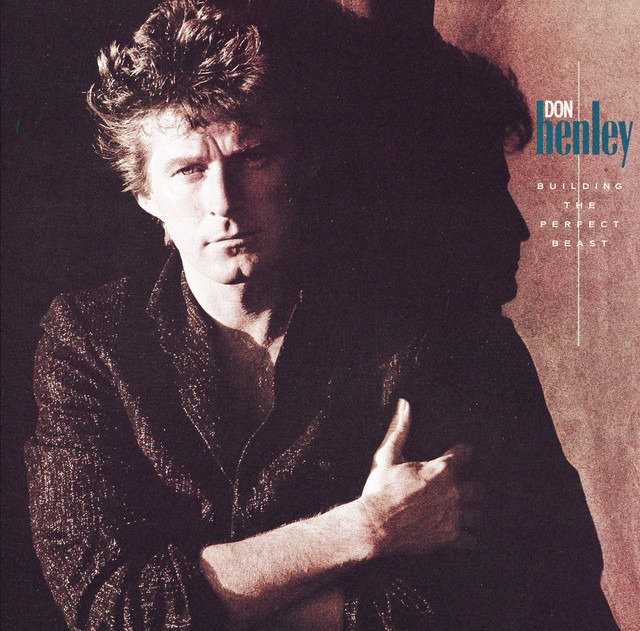
5 Surprising Facts About Don Henley’s ‘Building the Perfect Beast’

You know the hits—“The Boys of Summer,” “All She Wants to Do Is Dance,” “Sunset Grill.” But Don Henley’s Building the Perfect Beast wasn’t just a collection of glossy ’80s radio staples. Beneath the slick production and star-studded collaborations, the album was a complex project packed with unexpected twists, layered politics, and cross-genre experiments. Here are five lesser-known details that add new dimension to a record that helped redefine Henley’s solo legacy.

A political dancefloor?
“All She Wants to Do Is Dance” may sound like a carefree club anthem, but it’s laced with political bite. The lyrics take direct aim at U.S. foreign policy in Central America during the 1980s, specifically the Reagan administration’s involvement in Nicaragua. What’s wild? People still grooved to it at weddings without realizing they were dancing to a protest track.

Stevie Nicks might’ve inspired a ballad
“Not Enough Love in the World” is Henley at his most reflective, singing about love in the middle of conflict. Rumors have long swirled that the track was inspired by his brief relationship with Stevie Nicks. Though he’s never confirmed it, the song’s bittersweet lyrics and timing line up a little too well to dismiss the theory entirely.

The Sunset Grill is real—and still flipping burgers
Yes, the “Sunset Grill” isn’t just metaphor—it’s an actual hamburger joint on Sunset Boulevard in Los Angeles. Henley used it as a symbol of working-class stasis and quiet contemplation amidst a chaotic city. As of now, you can still go grab a burger there and imagine Henley scrawling lyrics in a corner booth.

A synth legend helped shape its mood
Randy Newman, best known for his satirical songwriting and Pixar soundtracks, contributed to the synth arrangements on “Sunset Grill.” His touch added emotional depth and quirky nuance to a song that easily could’ve gone full ambient. It’s a rare collaboration between two towering but stylistically different songwriters.

One single had multiple versions
The U.S. 7” commercial single of “All She Wants to Do Is Dance” had a different intro than the version on Building the Perfect Beast. While most listeners know the LP version, collectors and radio stations at the time got an alternate take that kicked things off in a slightly more dramatic fashion. It’s a small difference—but one that hardcore fans love to debate.

Building the Perfect Beast was a mid-‘80s hit machine and an album of contradictions, surprises, and quiet innovations. Whether Henley was crafting political commentary you could dance to or burying personal stories in lush synthesizers, he built something more than a perfect beast—he built a record with staying power. And nearly four decades later, we’re still finding new things hiding in the grooves.

They Didn’t Just Write the Hits — These Artists Wrote the Movie Scores, Too

0

You know their songs. You’ve probably screamed them in your car, cried to them in your bedroom, and danced to them at 2 a.m. But some of the world’s biggest music stars didn’t stop at topping the charts — they brought their talents to the big screen, too. Here are ten artists from the last 30 years who turned their sound into cinematic gold, scoring films and proving that great storytelling doesn’t always need words.

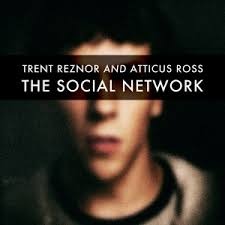
Trent Reznor & Atticus Ross (Nine Inch Nails)
The masterminds behind Nine Inch Nails traded distortion pedals for film reels—and ended up reinventing the modern film score. With The Social Network, Gone Girl, Watchmen, and Soul (yes, that Soul), Trent and Atticus crafted soundscapes that feel like anxiety with a pulse and beauty on the brink. Their music doesn’t just underscore a film—it rewires it. Cold, immersive, and emotionally surgical, their scores make you feel like you’re inside someone else’s thoughts.

Jonny Greenwood (Radiohead)
When he’s not reshaping rock with Radiohead, Jonny Greenwood is composing unnerving, orchestral scores that feel like emotional hurricanes. His work on There Will Be Blood, Phantom Thread, and The Power of the Dog is raw, cerebral, and uniquely Greenwood — strings that creep, swell, and haunt. He doesn’t just set a mood; he unearths one.

Hildur Guðnadóttir
Before she became the Oscar-winning composer of Joker, Hildur was touring and recording with experimental and post-rock outfits like Múm and Pan Sonic. Her background in avant-garde cello gives her film work an emotional gravity — just listen to Chernobyl or Tár. Her music isn’t background — it’s part of the character’s soul.

Mica Levi (Micachu and the Shapes)
Mica Levi came out of London’s underground pop scene with distorted guitars and deconstructed hooks — and then absolutely floored Hollywood. Their scores for Under the Skin, Jackie, and Zola are eerie, dissonant, and unlike anything you’ve heard in a multiplex. It’s art-house meets alien transmission, and somehow it works beautifully.

Jon Batiste
Best known as Stephen Colbert’s bandleader and a jazz/pop/soul powerhouse in his own right, Jon Batiste stepped into film scoring with Soul, winning an Oscar alongside Reznor and Ross. His vibrant, humanistic jazz contributions brought warmth, wonder, and a heartbeat to Pixar’s existential dreamscape. The piano’s never felt so alive.

Nick Cave & Warren Ellis
The brooding bard and his violinist partner-in-gloom took their signature intensity from The Bad Seeds and poured it into film. Their scores for The Assassination of Jesse James, The Road, and Hell or High Water are all atmosphere — windswept, ghostly, and full of aching beauty. It’s the kind of music that makes your bones feel things.

Mark Mothersbaugh (Devo)
Yes, the guy behind “Whip It” became one of the busiest film and TV composers of the 2000s. From The Royal Tenenbaums to Thor: Ragnarok and The Lego Movie, Mothersbaugh’s quirky, synthy, offbeat sensibilities bring heart and humor to anything he touches. The secret? He still thinks like a punk, even when he’s scoring superheroes.

Danny Elfman (Oingo Boingo)
Okay, he started before the last 30 years — but let’s be honest, most of your favorite movie scores have Danny Elfman’s DNA in them. The former Oingo Boingo frontman has soundtracked everything from Edward Scissorhands to Spider-Man to Doctor Strange. His style is whimsical, gothic, and unmistakably Elfman — part circus, part nightmare, all magic.

Thom Yorke (Radiohead)
While Greenwood grabs the headlines for his scoring prowess, Thom Yorke quietly dropped an absolute masterpiece with the 2018 remake of Suspiria. His haunting, piano-led compositions and chilling vocals bring an emotional weight that drips with dread. It’s Radiohead with a witches’ brew twist — moody, spectral, and spellbinding.

RZA (Wu-Tang Clan)
The Abbott of the Wu-Tang Clan has always thought cinematically — so it’s no surprise he made the jump from kung-fu samples to scoring actual films. RZA brought his gritty, orchestral style to Ghost Dog: The Way of the Samurai, Kill Bill Vol. 1, and The Man with the Iron Fists. His music bridges East and West, analog and digital, hip-hop and high art — a soundtrack for slow-motion sword fights and inner-city meditation.

These artists didn’t just dip a toe into film scoring — they cannonballed in and rewrote the rules. They remind us that a great artist isn’t defined by genre or format. Whether it’s a rock stage or a cinema screen, music can move you — and these scores prove it.

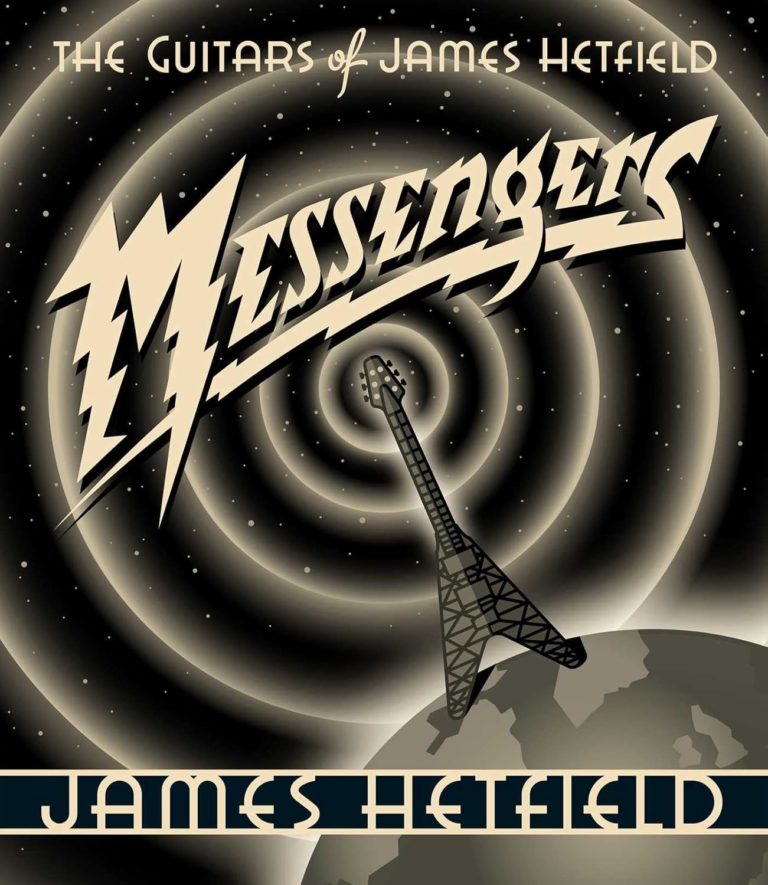
James Hetfield Opens Up About His Most Beloved Guitars in Stunning New “Messengers” Book

0

James Hetfield shares his personal collection of treasured guitars in Messengers, and reveals the story and significance of each within his life and career as the front man, guitarist, and songwriter for Metallica.

From the Electra OGV that defined his style, sound and attitude to the mythical MX guitars, the first in a series of iconic collaborations with ESP, and from his signature Snakebytes through his ambitious projects with renowned luthier Ken Lawrence, James Hetfield shares the emotional and technical elements of the chosen tools that have shaped his singular musical journey, including exotic instruments, vintage Gibsons, and custom one-offs. He also reveals many studio secrets, including the key amplifiers and gear that sculpt his tone and create his sound.

Each featured guitar is accompanied by lush museum-quality portraits by acclaimed photographer Scott Williamson, exhibiting intimate details one can only see if holding it in their own hands, alongside Hetfield’s deeply personal reminiscence. Spanning more than forty guitars, ranging from the original battle-scarred road warriors to the trusted studio stalwarts and enduring tour favorites, Messengers: The Guitars of James Hetfield is a meticulously crafted coffee table book and a mesmerizing window into the mind and soul of one of rock’s greatest front men. These invaluable guitars have forged over four decades of music history.

Musician fxsnowy Turns “Killing in the Name” Into a Sega Genesis Showdown

0

Musician fxsnowy has a knack for turning nostalgia into pure sonic fire, this time transforming Rage Against the Machine’s “Killing in the Name” into a gritty, glitchy banger using only audio from the SEGA Genesis. The result sounds like a protest breaking out on Streets of Rage, with every punch, riff, and beat driven by FM synthesis fury.

10 Songs You Love That Were Secretly Written by Prince

0

Prince didn’t just light up stages and redefine cool—he was also a behind-the-scenes hit machine. The man wrote songs like he breathed, and sometimes, he handed those songs over to other artists like they were mixtapes from another galaxy. Some became chart-toppers, some became cult classics, and all of them were unmistakably Prince—full of funk, fire, and fabulousness. Here are 10 songs Prince wrote for others that prove he didn’t need to be on the mic to own the moment.

“Nothing Compares 2 U” – Sinéad O’Connor
Prince originally wrote this one for The Family, but it didn’t go global until Sinéad O’Connor took it, stripped it down, and sang it like her soul was unraveling in real time. Her version was heartbreak in high definition. Prince’s lyrics, her delivery—match made in melancholy heaven.

“Manic Monday” – The Bangles
You thought it was just a catchy ‘80s bop? Nope. That was Prince under the alias “Christopher,” giving The Bangles their breakout hit. The jangly guitars, the sighing vocals—it’s sunshine-pop with a purple glow. And yes, that “I was kissing Valentino” line? Pure Prince flair.

“I Feel for You” – Chaka Khan
Prince released his own version in 1979, but it was Chaka Khan’s electrified, hip-hop-infused 1984 cover that turned it into a Grammy-winning juggernaut. With Melle Mel’s “Chaka Khan, Chaka Khan!” intro and that synth-heavy groove, this was Prince meets breakdance revolution.

“Glamorous Life” – Sheila E.
This song didn’t just launch Sheila E.’s solo career—it practically installed her throne in the kingdom of cool. Written and produced by Prince, it’s a flashy, drum-driven anthem about choosing diamonds over domesticity. The sax solo? The attitude? Straight from the Minneapolis playbook.

“Jungle Love” – The Time
Prince didn’t just write this—he basically built The Time in his Minneapolis funk laboratory. Morris Day brings the charm, but Prince is all over this track musically. It’s chaotic, cheeky, and so funky it might short-circuit your speakers. “O-ee-o-ee-o!” is now a mood.

“Sugar Walls” – Sheena Easton
This one was released under the pseudonym “Alexander Nevermind” (because of course it was), and it shocked and scandalized radio stations in equal measure. Sensual, synthy, and drenched in innuendo, it’s a classic case of Prince giving someone else the naughtiest lyrics in his drawer.

“Love… Thy Will Be Done” – Martika
Yes, the “Toy Soldiers” singer. Prince penned this spiritual synth-pop ballad that sounds like it should be played during a sunrise epiphany. It’s subtle, hypnotic, and deeply heartfelt. Martika sings it like a prayer, but those harmonies? That’s Prince’s fingerprint all over it.

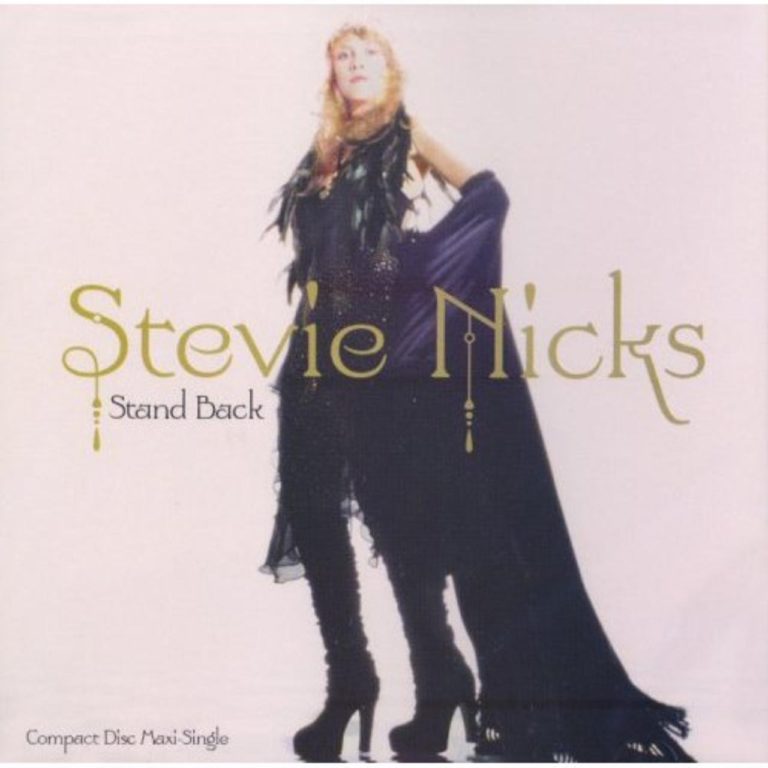
“Stand Back” – Stevie Nicks
Technically, Prince isn’t credited as a co-writer—but he’s the ghost in the machine. Stevie wrote it after hearing “Little Red Corvette,” called him up, and he showed up that night to lay down the synths. He played on it, shaped it, and transformed it. Prince wasn’t just inspiring hits—he was dropping in from another dimension to finish them.

“Yo Mister” – Patti LaBelle
This slice of late-’80s electro-funk is pure Minneapolis sound, down to the drum programming and synths. Prince produced it, wrote it, and gave Patti the grit and groove to deliver a message to absent fathers with fire and finesse. It’s tough love with sequins.

“Nasty Girl” – Vanity 6
Prince didn’t just write “Nasty Girl”—he basically created Vanity 6 as a concept group of lingerie-clad provocateurs. The song is unapologetic, ultra-sexual, and pure funk minimalism. It became a dancefloor staple and later a go-to sample in hip-hop. Prince at his most playfully dirty.

Prince didn’t just share songs—he gave away universes. Whether it was a whisper of heartbreak or a thunderclap of funk, every track he handed off came with his cosmic signature. These songs prove that even when he wasn’t center stage, Prince was still the puppet master of pop, soul, funk, and everything in between.

20 Of The Greatest Sax Solos In Modern Music

0

The saxophone is the secret ingredient to making a great song unforgettable. It screams, it swoons, it seduces. From late-night slow jams to full-blown rock anthems, the sax has made its mark all over the music map. If you hear it at the right time, it can feel like someone just handed your soul a martini. Here are 20 of the greatest sax solos in modern music—songs that prove once and for all that nothing hits quite like the wail of a horn.

“Baker Street” – Gerry Rafferty
The sax solo that launched a thousand air-sax performances. Raphael Ravenscroft’s smoky, mournful melody is basically the sound of late-’70s melancholy turned into wind and brass. It’s a hook so good, people sometimes forget the rest of the song even exists.

“Careless Whisper” – George Michael
The opening sax line is instant heartbreak. Sexy and sad, sultry and smooth, Steve Gregory’s solo takes you to a candlelit dance floor you never actually danced on but always dreamed of. The sax practically deserves co-writing credit.

“Born to Run” – Bruce Springsteen
Clarence Clemons didn’t just play a sax solo—he was the sax solo. His moment in “Born to Run” isn’t just iconic, it’s the emotional engine that takes Bruce’s highway dreams into the sky. Rock music has never felt so cinematic.

“Moondance” – Van Morrison
Jack Schroer’s silky solo dances in and out of Van’s jazzy masterpiece like moonlight through the trees. It’s restrained, elegant, and deeply romantic. You can practically smell the autumn leaves when it kicks in.

“Who Can It Be Now?” – Men at Work
Greg Ham’s sax doesn’t wait—it kicks the door open and asks all the questions before Colin Hay does. This solo is paranoid, punchy, and totally perfect for a song about emotional shutdown. It’s a horn with an attitude.

“Money” – Pink Floyd
Pink Floyd didn’t need to put a sax in their time-signature-bending, bass-driven anthem. But when Dick Parry comes in, it makes a song already about excess feel even more decadent. Like soloing through smoke in a velvet suit.

“Urgent” – Foreigner
Junior Walker’s unhinged, ferocious solo is the sound of a saxophone lighting itself on fire and running down the street. He didn’t just show up for the solo—he owned it. It’s a rock song, but that sax is 100% Motown attitude.

“Just the Way You Are” – Billy Joel
Phil Woods glides in like a velvet curtain. Romantic and smooth without being cheesy, the sax solo here is a warm hug at the heart of a wedding dance. This is what timeless love sounds like on a woodwind.

“Midnight City” – M83
The synths are towering, the drums are huge—and then comes the sax, blasting through the digital fog like neon headlights. It’s unexpected, glorious, and gives the song its emotional payoff. An ‘80s throwback done right in the 2010s.

“Walk on the Wild Side” – Lou Reed
Ronnie Ross’ baritone sax outro doesn’t shout for attention—it saunters in with sunglasses and a cigarette. It’s cool, it’s confident, and it brings the song to a close with a knowing wink. The city at midnight, in one horn.

“Freedom! ’90” – George Michael
Another George Michael classic, another unforgettable sax moment. The solo in “Freedom! ’90” bursts through the song like a call to liberation. Stylish, joyful, and strutting like it’s wearing designer jeans.

“Only the Lonely” – The Motels
Marty Jourard’s sax solo is understated, aching, and drenched in California noir. It doesn’t try to steal the show—it just slides right into the shadows of heartbreak. This is new wave with a jazz soul.

“Born to Run” – Bruce Springsteen
Yes, we’re putting it here again, because Clarence Clemons deserves twice. When he steps into this track, it’s not just a solo—it’s the sound of a best friend taking the wheel when the night’s about to go off the rails.

“Modern Love” – David Bowie
You’re dancing, the groove is tight, the drums are sprinting—and then, BOOM, here comes the sax solo, all color and motion. It’s not just a solo—it’s a party crasher with impeccable style. Bowie knew sax = extra emotion.

“Touch Me” – The Doors
The song might start with strings, but it’s the sax solo that takes it to another planet. Curtis Amy delivers a jazzy flourish that feels both spontaneous and cinematic. It’s the sound of a rock band coloring outside the lines.

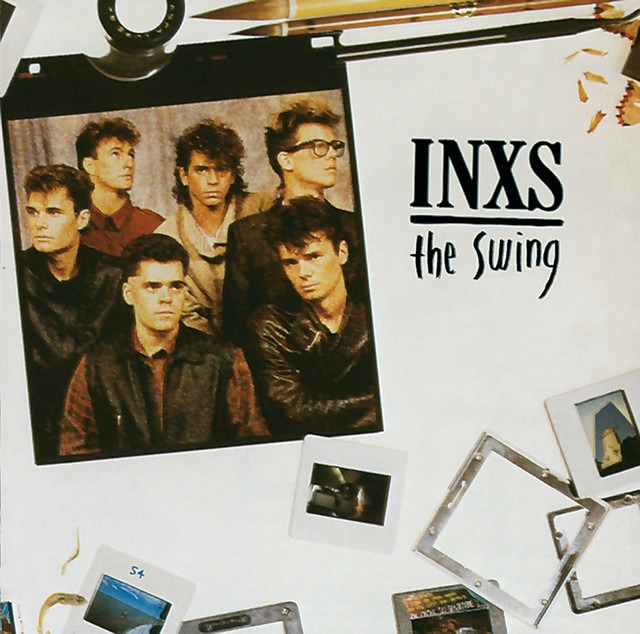
“Original Sin” – INXS
Kirk Pengilly’s sax cuts through Nile Rodgers’ production like a sliver of heat in a cold synth storm. It’s equal parts funk, swagger, and political edge, amplifying the song’s message with a sound that feels both urgent and slick. The sax doesn’t just decorate the track—it gives it a pulse.

“The Working Hour” – Tears for Fears
Mel Collins opens this one like he’s painting the sky at dusk—moody, cinematic, and soaring. The saxophone here and and Will Gregory’s solo aren’t a break; it’s a statement, setting the emotional tone for a song about burnout, ambition, and the fragility underneath. It’s art-rock turned soul jazz in one long breath.

“Scenes from an Italian Restaurant” – Billy Joel
This song has everything, including one of the most spirited sax breaks of the ‘70s. Richie Cannata’s solo is a whirlwind, bridging piano ballad and streetwise rock with pure Broadway flair. It’s like watching a musical unfold in four minutes.

“Smooth Operator” – Sade
This isn’t a solo—it’s a spell. Stuart Matthewman’s sax is liquid gold, pouring over the track with elegance and mystery. It’s the sound of candlelight, silk sheets, and secrets whispered at 2 a.m.

“Edge of Glory” – Lady Gaga
Gaga brought Clarence Clemons back for one final curtain call—and he delivered. His solo on “Edge of Glory” is triumphant, wistful, and emotionally raw. A perfect farewell from the Big Man to the dancefloor.

The saxophone never really left—it’s just waiting for the right moment to make everything better. Whether it’s jazz, rock, pop, funk, or electro, the sax finds its way into our favorite songs like an old friend dropping by with stories and wine. These solos? They’re not just notes. They’re feelings.


Tom And Jerry Theme Gets Symphonic Spin By Danish Orchestras

0

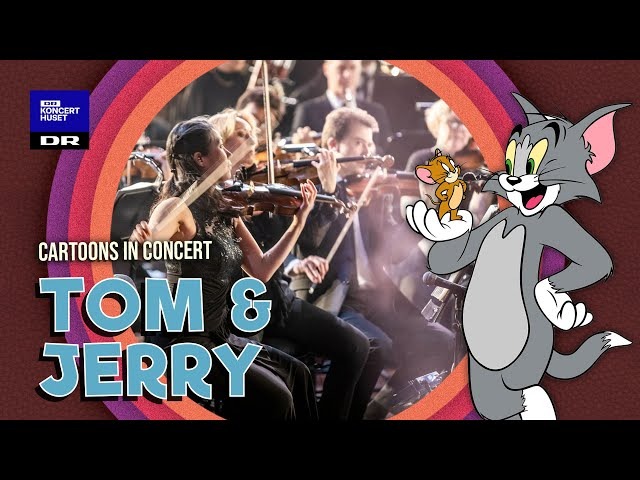
What do you get when you mix a world-class symphony, a jazz big band, a full choir, and the chaos of Tom and Jerry? Pure cartoon magic. The Danish National Symphony Orchestra, DR Big Band, and Danish National Concert Choir—led by conductor Christian Schumann—delivered a wild, whimsical performance of the classic MGM Tom and Jerry theme, complete with bubble wrap, hammers, and pots and pans. Part of their Cartoons in Concert series, it’s pure nostalgia wrapped in orchestral brilliance.

“Immediate” By Simon Spence Tells The Wild Story Of The UK’s First Indie Label

0

What happens when you throw Mick Jagger, Keith Richards, Andrew Loog Oldham, and a maverick dream into the heart of Swinging London? You get Immediate Records—the UK’s first truly independent label, where anything felt possible (and sometimes impossible). Simon Spence’s Immediate: The Rise and Fall of the UK’s First Independent Record Label is packed with rock legends, wild stories, and enough sixties swagger to fill Carnaby Street. It’s the ultimate behind-the-scenes tour through the music industry’s most colorful, chaotic era.

Rolling Stones manager Andrew Loog Oldham was the enfant terrible of Swinging Sixties London, the man who had crafted The Beatles’ antithesis. By 1965 he was a millionaire notorious for working every publicity angle for his rising stars but he still felt frustrated by the men in grey suits who controlled the music industry. His solution to that problem was Immediate Records – the UK’s first independent label – with a mission statement to wash away those grey men.

What followed was five years of scams, chicanery, sex, drugs, violence and sensational music. Immediate’s ‘in-house’ polymath producers: Mick Jagger, Keith Richards, Oldham himself, Jimmy Page and Steve Marriott, attracted a crowd of daring, young British talent, forging the hippest scene in the world.

Yet, following his ousting as Stones manager in 1967, the label itself began to fray at the seams as the drugs and booze clouded Oldham’s creative genius and the grey suits quietly took their revenge.

Simon Spence’s acclaimed telling of Immediate’s rise and fall was first published in 2007 but has now been augmented with explanatory footnotes and even more detail following a further decade’s research.

“Only You Know And I Know” Book By Dave Mason Tells Rock’s Untold Stories

0

What do you get when a quiet giant of rock finally decides to speak up? Only You Know And I Know by Dave Mason—co-written with Chris Epting—is a backstage pass to some of the greatest moments in music history. From Traffic to Hendrix to Fleetwood Mac, Mason’s life reads like a rock and roll dream… with a few nightmares along the way. It’s raw, riveting, and packed with the kind of stories only a true insider could tell.

A co-founder of the legendary band Traffic, Dave Mason’s musical path started strong and only grew more significant over time. In addition to his renowned work as a revered guitar player and singer-songwriter (who penned “Feelin’ Alright,” one of rock’s most-covered anthems, when he was only 21), Mason has appeared on some of the most acclaimed recordings in music history, including The Spencer Davis Group’s “Gimme Some Lovin,’” George Harrison’s All Things Must Pass album, The Rolling Stones’ “Street Fighting Mam” and close friend Jimi Hendrix’s classic “All Along the Watchtower.” After leaving Traffic, Dave’s popularity exploded with the release of his debut solo album, Alone Together, igniting one of the most successful careers of the 1970s—marked by sell-out performances at Madison Square Garden and requests from artists such as Paul McCartney, who recruited Dave to play guitar on Wings’ #1 hit “Listen to What the Man Said.”

But the triumphs didn’t come without hurdles. By the mid-1970s, cocaine and a seemingly endless touring schedule began to take their toll. Workmanlike in his dedication, however, the determined craftsman never gave up. Here, for the first time, Dave shares some of the great untold tales in rock and roll—his complicated relationship with Steve Winwood, his wild legal episodes with record companies, his tenure in Fleetwood Mac, his battle with addiction and the loss of a child, and his eventual induction into the Rock & Roll Hall of Fame. He dives deep on the music, from “World in Changes” to “We Just Disagree,” and shares inside stories featuring a cast of characters that includes Bob Dylan, The Beatles, Cass Elliot, Delaney and Bonnie, Eric Clapton, and Crosby, Stills, Nash and Young.

Dave Mason’s reputation as a “quiet giant” has long been one of music’s great mysteries. Now, one of rock’s true heroes finally shares his colorful, unique, and ultimately triumphant journey through a life in music.

Tariq Trotter’s “The Upcycled Self” Is One Of Hip-Hop’s Most Powerful Memoir

0

Today Tariq Trotter—better known as Black Thought—is the platinum-selling, Grammy-winning co-founder of The Roots and one of the most exhilaratingly skillful and profound rappers our culture has ever produced. But his story begins with a tragedy: as a child, Trotter burned down his family’s home. The years that follow are the story of a life snatched from the flames, forged in fire.

In The Upcycled Self, Trotter doesn’t only narrate a riveting and moving portrait of the artist as a young man, he gives readers a courageous model of what it means to live an examined life. In vivid vignettes, he tells the dramatic stories of the four powerful relationships that shaped him—with community, friends, art, and family—each a complex weave of love, discovery, trauma, and loss.

And beyond offering the compellingly poetic account of one artist’s creative and emotional origins, Trotter explores the vital questions we all have to confront about our formative years: How can we see the story of our own young lives clearly? How do we use that story to understand who we’ve become? How do we forgive the people who loved and hurt us? How do we rediscover and honor our first dreams? And, finally, what do we take forward, what do we pass on, what do we leave behind? This is the beautifully bluesy story of a boy genius’s coming-of-age that illuminates the redemptive power of the upcycle.