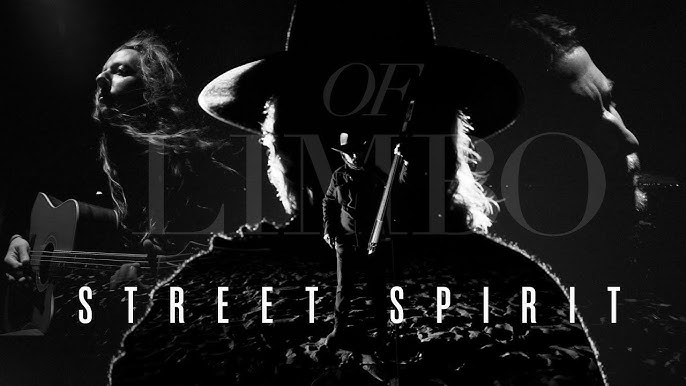
Long Beach rockers OF LIMBO are stripping back the volume and turning up the emotion on their brand-new Unplugged album. Known for their high-energy live shows and heavy-hitting rock & roll, the band explores a more introspective and heartfelt sound this time around. The album blends acoustic reimaginings of originals with three covers of songs that have deeply inspired them, showcasing a raw and honest side of the group’s artistry.
Self-produced and mixed in their home studio, and mastered by Brian Frederick of Long Beach Mastering, Unplugged highlights the band’s ability to balance grit with grace. The record’s focus track, a haunting cover of Radiohead’s “Street Spirit,” captures the inevitability of struggle and the healing power of love through delicate guitar work and ethereal vocals.
“My all-time most loved Radiohead song,” shares vocalist Jake Davies. “I am so proud of Luke’s guitar work on this cover. He wrote some guitar harmonies that really take it somewhere special. Our friend Lucas Holter from Whiskey & The Wolves is featured with us on this one and knocked it absolutely out of the park with his vocals. I got chills hearing him lay down his takes.”
The video for “Street Spirit,” directed by Brandon Vancour, was filmed on a beach in the Belmont Shore neighborhood of Long Beach. “Radiohead’s video for this song is one of my favorite videos of all time,” Jake adds. “We knew we weren’t gonna be driving an airstream onto the beach and slow-mo me falling off it etc. But we wanted to pay homage to the source material. Black and white, slow-motion moments – very dreamy. Lucas Holter gave a great performance in the video as well – Super proud of this one.”
With Unplugged, OF LIMBO open a new chapter in their musical story—trading distortion pedals for acoustic strings while keeping every ounce of soul intact. It’s a record that shows the band’s heart beats just as hard in quiet moments as it does on stage.
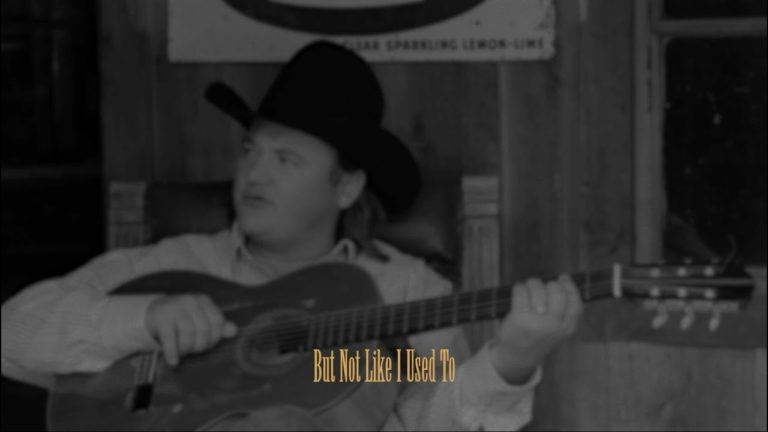
Country neo-traditionalist Jake Worthington is keeping the honky-tonk spirit alive with his sophomore album When I Write The Song, out now via Big Loud Texas under exclusive license to Mercury Records/Republic Records. The 14-track project is tailor-made for barrooms and dance halls, marking the next chapter for one of country’s most authentic voices.
“This record means to me…it’s a reminder to fight the good fight,” says Worthington, the 2025 Texas Country Music Association Entertainer of the Year nominee. “I’m a strong believer in ‘do what moves ya.’ Make the kind of music that wrecks your world or picks up all the pieces. If it makes you feel that kind of way, and if that’s what you need, then don’t let anybody or anything change that. That’s what this record is to me.”
When I Write The Song features a mix of heartache, humor, and hard truths—anchored by standout collaborations with country heavyweights. Highlights include “Not Like I Used To,” the clever “It Ain’t The Whiskey,” the heartfelt “I’m The One” featuring Marty Stuart, last fall’s “Hello Shitty Day” with Miranda Lambert, and the unreleased “I Feel You” with Mae Estes.
A native of La Porte, Texas, Worthington grew up surrounded by the sounds of Ray Price, Merle Haggard, and George Jones, learning the craft on his grandfather’s porch. His music carries that tradition forward—equal parts honky-tonk grit and dance hall grace—offering a reminder that there’s still room for country in country music. “I believe in country music as much as I believe in my next breath,” he says.
Lola Young is back with fire in her lungs and truth on her tongue. The genre-bending alt-pop powerhouse has unveiled her latest single, “D£aler,” a raw, emotional anthem from her forthcoming album I’m Only Fucking Myself, out now via Island Records. The track delivers an arresting portrayal of wanting to escape your own mess, delivered with Lola’s signature mix of unfiltered honesty and breathtaking vocal control.
“D£aler” follows her recent singles “Not Like That Anymore” and “One Thing,” both of which racked up millions of streams and cemented Lola’s reputation as one of music’s most fearless new voices. While “Not Like That Anymore” broke the rules with swaggering rebellion and “One Thing” pulsed with dub-infused grooves, “D£aler” slows the tempo for something more introspective—showing the vulnerable side behind the bold.
2025 has been a whirlwind for the rising star. From supporting Billie Eilish in Paris to performing at Summertime Ball, Meltdown Festival, BBC Radio 1’s Big Weekend, and Coachella, Lola has proven her magnetic pull on every stage she steps onto. Her track record shines just as bright—winning the Ivor Novello Rising Star Award, earning three nominations at the Ivors, a BRIT nomination for Best Pop Act, and an American Music Award nod for “Messy,” her platinum-certified global smash.
With more than one billion streams worldwide and multiple Billboard No. 1s to her name, Lola Young is rewriting the rules of pop stardom. “D£aler” captures that signature defiance—equal parts strength and vulnerability—solidifying her as one of the most compelling voices of her generation.
When powerhouse voices collide, sparks fly. Acclaimed artists Maggie Rose and Grace Potter have joined forces on “Poison In My Well,” a soulful, blues-steeped collaboration that brims with fire, attitude, and heart. Released via One Riot Records, the slow-burning anthem captures the raw essence of two artists unafraid to tell it like it is. With smoky harmonies, sultry grooves, and an undercurrent of rock swagger, “Poison In My Well” is a bold celebration of strength and self-assurance.
Co-written by Rose alongside longtime collaborators Melissa Fuller and Davis Naish, the song is a gritty response to envy and negativity. Produced by Naish and Ben Tanner, it channels equal parts pop, soul, and blues. “’Poison In My Well’ might be about those who can’t manage to be happy for others but I try to focus on the people who are along for the journey I’m taking them on and Grace Potter is one of those people,” Rose says. “I shared the song with her hoping she might be a part of it, and she laid her vocals down that week. I couldn’t believe my friend and one of the best voices in rock n’ roll joined me on this song.”
Potter returns the sentiment with her trademark fire. “Maggie and I have been friends for a long time and wanted to work together even before we met, so the opportunity to record ‘Poison in My Well’ was a long time coming,” she says. “It’s the perfect song for two bad bitches, framed as the good guys, but always wanting to be the villains.” Their chemistry is undeniable, each voice amplifying the other’s energy until the track becomes a cathartic roar of empowerment.
Maggie Rose continues to soar after her Grammy-nominated album No One Gets Out Alive, which earned recognition for Americana Album of the Year. She’s also up for Emerging Act Of The Year at the Americana Music Association Awards in Nashville this September, following standout collaborations with Vince Gill and performances at the Newport Folk Festival, Floyd Fest, and AmericanaFest with the Nashville Symphony.
Grace Potter, a three-time Grammy nominee, adds this electrifying duet to her ever-growing legacy. With collaborations spanning The Rolling Stones, Willie Nelson, and Chris Stapleton, and her newly unearthed T Bone Burnett–produced album Medicine out now, Potter proves she remains one of rock’s most fearless and magnetic voices. Together, Maggie Rose and Grace Potter have crafted a song that’s as defiant as it is soulful—proof that when two powerhouse women step up to the mic, everyone listens.
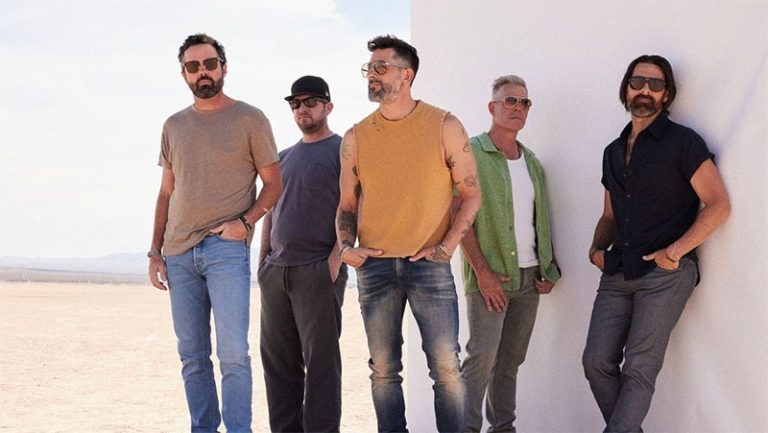
Country hitmakers Old Dominion are tugging at heartstrings again with their newest release, “Miss You Man,” from their upcoming sixth studio album Barbara, out now via Sony Music Nashville. Known for crafting songs that balance catchiness with genuine feeling, the band turns inward this time, delivering a moving tribute to their late friend and songwriter Andrew Dorff.
Written in Dorff’s memory, “Miss You Man” layers Matthew Ramsey’s tender vocals with soft percussion and gentle guitar lines, creating a track that feels both intimate and universal. It’s a song about missing someone who shaped your world, and carrying that love forward with quiet strength. Accompanied by a touching music video dedicated to Dorff, the song captures the ache of absence while celebrating the beauty of friendship that endures beyond time.
“Some years ago, we lost our dear friend Andrew Dorff far too soon,” Ramsey shares. “We play songs we’ve written with him every night on stage. When you hear our music, many times you are also hearing the voice of Andrew. There is a saying – grief is the price of love. We all experience that loss at some point and we carry that love as we go through that process, in some ways, for the rest of our lives. Miss You Man is a tribute to grief, friendship, and love.”
Barbara promises to be Old Dominion’s most personal project yet. The 13-track record blends the band’s signature melodic, guitar-driven country sound with deeper reflections on love, loss, and resilience. While the themes run heavy, the optimism and warmth that have defined Old Dominion’s music still shine through.
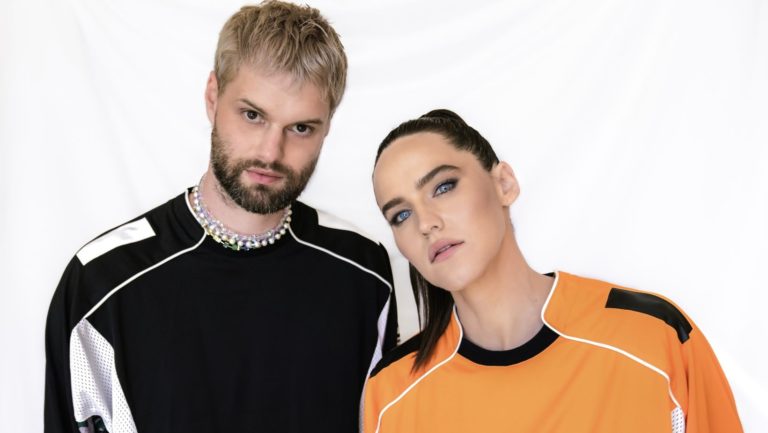
When two genres collide, magic happens. Grammy-nominated duo Sofi Tukker have made a career out of defying labels, and now they’ve done it again—teaming up with metal icons Drowning Pool for “Bodies Hit the Floor,” a thunderous new take on the legendary mosh pit anthem “Bodies.” Released via Craft Recordings, this collaboration turns raw metal aggression into a hypnotic dancefloor eruption.
Sofi Tukker, made up of Tucker Halpern and Sophie Hawley-Weld, have always known how to keep fans guessing. After high-voltage sets at Tomorrowland Festival and Lollapalooza Berlin, they wanted something that could bring that same intensity to every crowd. Enter Drowning Pool, whose 2001 classic “Bodies” defined an era of unapologetic chaos. Together, they’ve transformed it into a sweaty, pulse-pounding hybrid that ignites any crowd within seconds.
“This is one of the coolest collabs we’ve done. It is definitely the most unlikely. It started as a fun idea for DJ sets, and we quickly realized it was more than that. We haven’t had a dancefloor weapon like this, maybe ever in our career. Whether it’s a field of people or small intimate house party, this song exceeds our expectations every time. It’s so fun to see the primal excitement this song brings out in people. So grateful that Drowning Pool let us remake their iconic hit. Can’t wait to play it together,” the duo shares.
CJ Pierce of Drowning Pool is equally pumped. “It’s absolutely badass what Sofi Tukker did with their re-imagining of ‘Bodies!’ I’m all about the buildups and those sick breakdowns. Looking forward to experiencing it myself live at one of Sofi Tukker’s upcoming shows!” It’s the kind of cross-genre praise that shows how fearless collaboration can spark new energy in timeless songs.
Epicpokies Casino is one of those new names making noise in the Australian online gaming scene. It promises premium pokies, smooth navigation, and quick withdrawals — all the things players want. But the real question is: does it actually deliver, or is it just another flashy newcomer?
In this review, we dive deep into what Epicpokies offers — from its games and payments to bonuses and potential red flags — so you can decide if it’s worth your time (and money).
First Impressions and Design
Epicpokies clearly targets the Australian crowd. Its design is bright, modern, and mobile-friendly — no lag, no clutter, and no confusing menus. Whether you’re spinning on your phone or desktop, everything loads quickly and looks sharp.
Still, behind the slick surface, there’s one thing worth noting: the site doesn’t provide full transparency about its licensing or ownership. That doesn’t mean it’s unsafe — but cautious players will want to take note.
Epicpokies at a Glance
If you prefer the short version before diving deep, here’s the snapshot: what Epicpokies focuses on, how it handles payments and support, and the practical stuff like mobile play and withdrawals—all in one place so you can gauge fit at a glance.
Feature
Details
Main Focus
Pokies, plus live and table games
Mobile Access
Works smoothly on all iOS and Android devices
Payments
Visa, Mastercard, PayID, Osko, e-wallets, crypto
License
Claimed international license (not verified)
Support
24/7 live chat and email
VIP Program
Tiered rewards with exclusive bonuses
Withdrawals
24–72 hours, depending on payment method
Epicpokies aims to be an all-in-one entertainment hub, balancing accessibility with frequent rewards.
Games and Software
As the name suggests, pokies are the heart of this casino. You’ll find everything from classic fruit slots to cinematic video pokies with wild features and bonus rounds. The game lineup feels familiar — likely a mix of big-name and smaller developers — even though the site doesn’t list them publicly.
If you prefer strategy over spinning, there’s also blackjack, roulette, and baccarat, plus live dealer rooms that capture the vibe of a real casino. For quick wins, keno and scratch cards are also available. Overall, it’s a solid and varied library that doesn’t overwhelm you with duplicates.
Bonuses and Promotions
Epicpokies keeps things fairly straightforward: new players usually get a matched-deposit welcome package spread over the first two top-ups, often paired with a batch of free spins. On-site terms describe wagering as “generally” around 30× and note that free-spin winnings may carry a capped cashout (commonly in the $100–$200 range), which is in line with what you’ll see across Aussie-facing brands. In plain English: the offer is easy to claim, but you’ll want to play through the bonus before cashing out and keep an eye on any cap tied to spins.
Payments and Withdrawals
Epicpokies supports both traditional and modern payment options — a definite plus for Australian players. Visa and Mastercard are accepted, with withdrawals typically taking one to three business days. PayID and Osko are also available and tend to process much faster, often within 24 hours. E-wallets work smoothly, offering instant deposits and withdrawals that usually clear within a day. Cryptocurrency transactions are supported too and are generally processed instantly.
All deposits appear in your account immediately, while withdrawal times may vary depending on your verification level and VIP status. It’s always wise to double-check the current limits and payout conditions before making larger deposits.
Mobile Experience
No app? No problem. The mobile version of Epicpokies runs smoothly through your browser, with games optimized for any screen size. Everything — from gameplay to live chat — works just as well on mobile as it does on desktop.
Security and Trustworthiness
Epicpokies claims to hold an international license, but it doesn’t clearly state from which authority. While transactions are encrypted for safety, the lack of verifiable licensing is a concern for those who prefer fully regulated casinos.
Transparency is the missing piece here — and it’s what could turn a good casino into a great one.
Customer Support and User Experience
Customer service is available 24/7 via live chat or email. Agents are generally quick and polite, though the FAQ section could use more depth — especially on withdrawal and legal topics.
On the bright side, the interface itself is intuitive, filters are efficient, and navigation feels effortless — ideal for new players who just want to jump straight into the action.
Pros
Before we wrap up, here’s a candid snapshot of where Epicpokies excels—and where it still has room to grow.
Pros
Broad lineup of pokies and classic table games.
Modern payment options (including crypto and PayID).
Snappy, mobile-friendly interface.
Frequent promos plus a straightforward VIP program.
24/7 customer support.
No platform is perfect, so be sure to skim the bonus terms and payment limits to see if they fit your style. Feature availability can vary by region, and niche game hunters may want to browse the lobby before committing. Still, if you value speed, variety, and easy banking, Epicpokies makes a strong first impression.
Final Verdict
Epicpokies Casino is fun, vibrant, and definitely Aussie-friendly. It’s great for casual players who love pokies and frequent bonuses. The platform is easy to use, and the promotions are appealing — especially for those who enjoy flexible payment options.
That said, serious players should approach with a bit of caution. Until Epicpokies makes its licensing more transparent, it’s best enjoyed as a secondary entertainment site rather than your main casino.
Frequently Asked Questions
Is Epicpokies Casino available to players in Australia? Yes—Australians can access Epicpokies Casino online; always follow your local rules.
How fast are withdrawals at Epicpokies Casino? Most payouts complete in about 24–72 hours, depending on method and account verification.
What games does Epicpokies Casino offer? You’ll find pokies, blackjack, roulette, baccarat, keno, scratch cards, and live dealer tables.
What welcome bonus can new players get at Epicpokies Casino? A typical offer is a matched-deposit package across the first two deposits plus free spins with ~30× wagering.What payment options does Epicpokies Casino support for Australians? Visa, Mastercard, PayID, Osko, popular e-wallets, and cryptocurrencies are supported for deposits and withdrawals.
Data and information are provided for informational purposes only, and are not intended for investment or other purposes.
For any company or business that wants to thrive, it is important to focus on its relationship with employees. They are the true representatives of your vision and your organization’s culture. With internal communication videos, you can nurture your bond with them and share crucial messages, information, and updates in an engaging manner—eliminating your dependence on documents and emails that often fail to establish an emotional connection. It also becomes easier for employees to absorb key details thanks to the combination of audio and visual elements. Even complex messages can be explained efficiently. So, you have multiple options when it comes to producing these types of videos.
However, the success of these videos depends on how they are made. If you choose an experienced, full-service corporate video production agency, you don’t have to worry about a thing. Such agencies are thorough in their work, ensuring they cover all the necessary aspects of video production according to your requirements. That said, here is a quick look at some specific types of internal communication videos that are worth trying.
Recruitment videos
You want to attract the best talent to support your company’s growth and sustainability. These videos allow you to showcase your organization’s values, vision, culture, and journey, with a focus on the team. They serve as a window into your company’s working culture, helping candidates envision their potential future with you. However, the content must be authentic and relatable. Strong storytelling can help set the right tone for these videos.
Announcement videos
You need these videos to keep everyone informed about specific news, milestones, and changes. You can discuss these aspects with a personal touch. Employees often connect with these videos. To make these videos more impactful, your agency can incorporate culturally relevant animation and other key elements to enhance their effectiveness.
Employee testimonials
When you share your employees’ successful journey with others, everyone feels motivated and valued. You can include real stories of employees’ growth within the company, focusing on their accomplishments and the choices they made. These diverse voices contribute to creating a supportive work environment within the company.
Corporate responsibility videos
It’s an excellent way to demonstrate your contribution to building a healthy community and a healthy environment. You can showcase the actions taken to embrace the company’s core values and motivate everyone to participate in this mission. These videos are particularly well-suited for CSR activities.
Additional information
Different types of video formats can be chosen based on the content. For example, live-action videos convey a sense of authenticity and transparency, helping employees connect more closely with company values and leadership. These formats work particularly well for employee recognition, training, and corporate announcements. Animated videos are also a strong option, especially for explaining intricate subjects. Because these videos are visually appealing and engaging, they make achieving your communication goals much easier.
Corporate videos are the ultimate tools for connecting with your internal teams. You can leverage them to their fullest potential—make sure you work with the right agency. The combination of their creative input and your feedback can produce remarkable results.
Data and information are provided for informational purposes only, and are not intended for investment or other purposes.
Veteran rockers O.A.R. are celebrating 30 years of music with the launch of their massive Three Decades Tour in 2026, alongside the release of their new single “Where We Are Right Now.” The track perfectly captures the band’s signature mix of heartfelt lyricism and feel-good energy, marking the beginning of a milestone year that celebrates three decades of friendship, creativity, and connection.
“When we started playing songs together in a basement in Rockville, Maryland in 1996 we had big dreams of being a real deal touring band,” says frontman Marc Roberge. “The fact that we’ve gotten to live that life for the last 30 years is a testament to the power of our audience. This tour is our way of saying thank you – to every fan who made our dreams come true.”
Produced by Live Nation, the Three Decades Tour kicks off June 19 in Vail, Colorado, featuring a lineup of special guests including Gavin DeGraw, Phantom Planet, Lisa Loeb, and KT Tunstall. The run will bring O.A.R.’s beloved live show to amphitheaters, arenas, and landmark venues across North America, showcasing the band’s biggest hits alongside brand-new material.
Capping off their anniversary celebrations, O.A.R. will release the 20th Anniversary Edition of Stories of a Stranger on December 5, featuring four bonus tracks and revisiting the era that produced modern classics like “Love and Memories,” “Lay Down,” and “Heard the World.” With new music, collaborations, and a coast-to-coast tour, 2026 will be a defining year in O.A.R.’s remarkable story.
Tour Dates: June 19 – Vail, CO @ Gerald R. Ford Amphitheater June 20 – Morrison, CO @ Red Rocks Amphitheatre July 23 – Pittsburgh, PA @ Stage AE July 24 – Columbia, MD @ Merriweather Post Pavilion July 25 – Philadelphia, PA @ TD Pavilion at Highmark Mann July 26 – Richmond, VA @ Allianz Amphitheater at Riverfront July 29 – Raleigh, NC @ Red Hat Amphitheater July 30 – Wilmington, NC @ Live Oak Bank Pavilion July 31 – North Charleston, SC @ Firefly Distillery Aug 1 – Atlanta, GA @ Synovus Bank Amphitheater at Chastain Park Aug 4 – Irving, TX @ The Pavilion at Toyota Music Factory Aug 5 – Austin, TX @ ACL Live at Moody Theater Aug 7 – Phoenix, AZ @ Arizona Financial Theatre Aug 8 – Los Angeles, CA @ The Greek Theatre Aug 9 – San Diego, CA @ Cal Coast Credit Union Open Air Theatre Aug 12 – San Francisco, CA @ The Masonic Aug 14 – Nampa, ID @ Ford Idaho Center Amphitheater Aug 15 – Bend, OR @ Hayden Homes Amphitheater Aug 18 – Seattle, WA @ TBD Aug 19 – Bonner, MT @ KettleHouse Amphitheater Aug 21 – Sandy, UT @ Sandy Amphitheater Aug 28 – Franklin, TN @ FirstBank Amphitheater Aug 29 – Maryland Heights, MO @ Saint Louis Music Park Aug 30 – Kansas City, MO @ Starlight Theatre Sept 1 – Minneapolis, MN @ The Armory Sept 3 – Indianapolis, IN @ Everwise Amphitheater at White River State Park Sept 4 – Cincinnati, OH @ The Andrew J Brady Music Center Sept 5 – Sterling Heights, MI @ Michigan Lottery Amphitheatre Sept 6 – Chicago, IL @ Huntington Bank Pavilion at Northerly Island Sept 10 – Columbus, OH @ KEMBA Live! Outdoor Sept 11 – Cuyahoga Falls, OH @ Blossom Music Center Sept 12 – Lewiston, NY @ Artpark Amphitheater Sept 13 – Gilford, NH @ BankNH Pavilion Sept 15 – Boston, MA @ Leader Bank Pavilion Sept 17 – Holmdel, NJ @ PNC Bank Arts Center Sept 18 – Wantagh, NY @ Northwell at Jones Beach Theater Sept 19 – Saratoga Springs, NY @ Saratoga Performing Arts Center Sept 20 – Bridgeport, CT @ Hartford HealthCare Amphitheater Nov 12 – Tampa, FL @ Seminole Hard Rock Hotel & Casino Tampa Nov 13 – Hollywood, FL @ Hard Rock Live Nov 14 – St. Augustine, FL @ The St. Augustine Amphitheatre Nov 15 – Orlando, FL @ Hard Rock Live Orlando
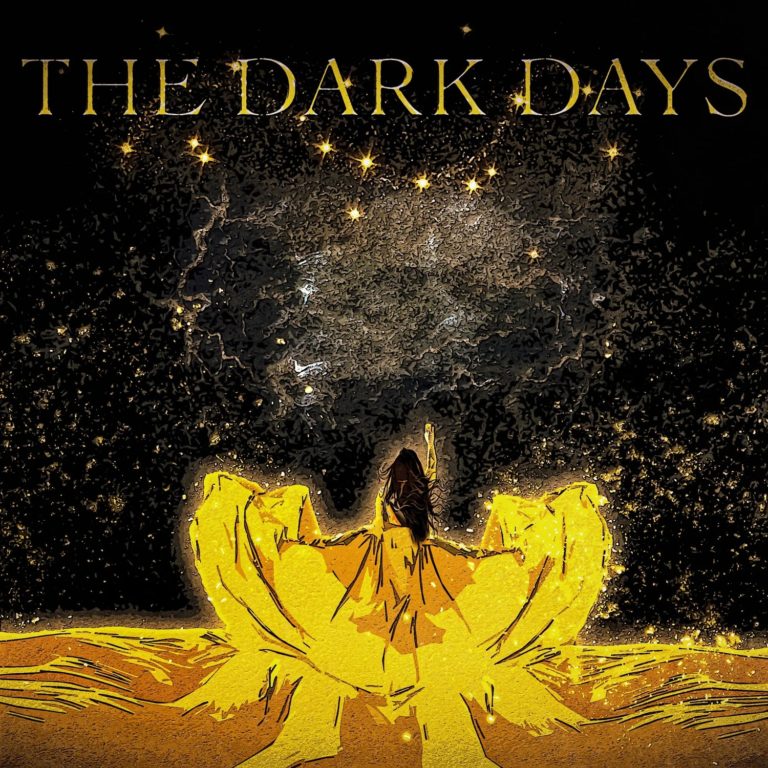
Norwich-based singer-songwriter Jasmine Catherine steps boldly into cinematic territory with her upcoming single The Dark Days, out October 30. Merging sweeping orchestration, six-part harmonies, and distorted vocal textures, Jasmine draws inspiration from fantasy epics like Shadow and Bone, Game of Thrones, and The Lord of the Rings to create a sound that’s both intimate and larger-than-life.
At its heart, The Dark Days is a tale of forbidden love and redemption — where orchestral strings clash with haunting vocals in a battle between shadow and light. “I wanted to create a song that felt like walking across broken battlegrounds and finding something pure in the ashes,” Jasmine shares. “The idea of forbidden love and dark desire seemed tied to that moment of reckoning — and when the light prevails, it doesn’t feel easy. It feels hard-won.”
A lifelong fan of storytelling and fantasy, Jasmine transforms her influences into something uniquely her own. Echoes of John Williams, Hans Zimmer, and John Powell can be heard throughout the track, yet her pop sensibility and lyrical vulnerability anchor it in the modern world. With The Dark Days, Jasmine Catherine proves she doesn’t just write songs — she builds worlds.