Home Blog Page 74

Oshawa Punk-Rock Band PLZ Respond Release Fierce New Single “Budgets & Bootstraps”

0

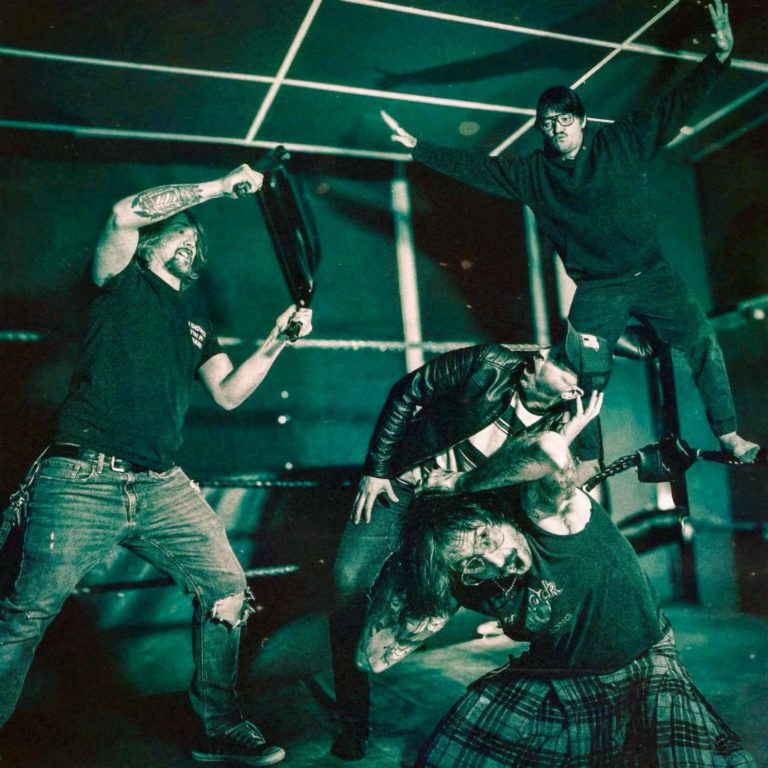
– Punk-rock four-piece Plz Respond release their new single ‘Budgets & Bootstraps’ – a loud, fast, and furious gut-punch of a track aimed squarely at the billionaire class and the politicians who carry their water. Written by frontman and drummer Galen Crampsey, produced by Logan Treaty, and mastered by Johnny Ross, the song arrives as one of the most direct and unambiguous political rock tracks to come out of the Ontario punk scene in recent memory. It is, in the best tradition of the genre, exactly what it sounds like: a band that has had enough.

‘Budgets & Bootstraps’ opens with a snarl and doesn’t let up. The target is the tired, condescending advice handed down to working people whenever they dare point out that rent is too high, groceries cost too much, and a 60-hour work week doesn’t pay the bills anymore: just learn to budget. Just pull yourself up by your bootstraps. The chorus lands like a fist: “Budgets and bootstraps, budgets and bootstraps / I am so sick of your budgets and bootstraps.” By the bridge – “Billionaires are not your friends / billionaires are not your friends” – the song has become something closer to a chant, the kind of thing you scream along to at the back of a sweaty room and mean every word.

The band are characteristically direct about where the song comes from. “There are people with yachts that have yachts to house the people who work on the yachts,” they write. “Here in Canada, we are seeing corporations make record profits, collect subsidies and handouts from our governments, and then shut down and jump ship. Those of us who work 40, 50, 60 hours a week have our taxes taken to bail corporations out and our social securities get cut.” From housing being bought up by corporations to unions being shut down by government back-to-work legislation, the grievances in ‘Budgets & Bootstraps’ are specific, real, and shared by a lot of people who aren’t going to hear them named this plainly anywhere else on the radio. “You can’t budget your way out of fixed bread prices,” they say. And this song doesn’t pretend otherwise.

Plz Respond – Galen Crampsey (drums, piano/keys, lead vocals), Bryan Crouch (rhythm guitar, backing vocals), Brandon Smith (lead guitar, backing vocals), and David Bunn (bass, backing vocals) – emerged from Oshawa’s growing rock scene with loud guitars, politically driven lyrics, and a live show that earns its reputation the hard way. Drawing on the raw energy of The Orwells, the anthemic working-class urgency of Sam Fender, and the grit of ’90s grunge, they play like a band with something to prove and something to say. They have shared stages at The Biltmore and the Bovine Sex Club, opening for Ill Scarlett, Lear Haven, and Excuses Excuses, and have put their music where their politics are – raising funds for the Durham Rape Crisis Centre and the AIDS Committee of Durham through benefit shows.

‘Budgets & Bootstraps’ is Plz Respond’s most focused and urgent statement yet – the fourth in a run of singles building toward something bigger, with several more on the way. For a band that believes rock music exists to say things the working class can relate to, this is the song that makes the case loudest.

Portugal’s P.S. Lucas Announces 2026 Canadian Tour Including Wavelength Festival, Montreal, Ottawa, and Toronto Shows

0

Portuguese songwriter and multi-instrumentalist P.S. Lucas announces a 2026 Canadian tour, his first visit to the country, bringing the warmly received album ‘Villains & Chieftains’ to Montreal, Ottawa, and Toronto this March before returning to Portugal for summer festival dates. The Canadian run opens March 14 in Montreal at Festival Portugal, continues March 16 at Casa del Popolo and March 17 in Ottawa at Avant-Garde Bar, and culminates March 19 in Toronto at Lula Lounge (1585 Dundas St. W.) as part of the inaugural Wavelength Music Festival + Conference 2026. The Toronto show begins at 7:00 pm; tickets are $34.75 and available at wavelengthmusic.ca. The evening is 19+ (families excepted).

P.S. Lucas arrives in Toronto on the strength of ‘Villains & Chieftains’ (Marca Pistola, 2023) – a record that has been quietly stirring hearts since its release and marked a significant step forward from his acclaimed solo debut ‘In Between’ (2021). Where that first album drew comparisons to the modern masters – from Cohen to Callahan, from Nick Drake to Brassens – ‘Villains & Chieftains’ pushes deeper into Lucas’s own singular territory: part blue, part sepia, part sea, part land, part present, part memory. It is music that emanates a light not easily found elsewhere.

The album emerged from an unexpectedly extended stay on Pico Island in the Azores during the summer of 2020 – Lucas had planned a short visit and found himself staying far longer than anticipated. The world felt strange and suspended, and the songs carry that atmosphere. What was initially imagined as a quick one-breath follow-up to ‘In Between’ became a three-year collaboration with Portuguese indie producer Mariana Ricardo, who co-produced the record with Lucas. Together they moved away from an early vision closer to King Krule’s electronic edge toward something more haunting, more familiar, and more subtle.

The album was recorded at Bela-Flor Recording Studios and Estudio Estrela and features a constellation of some of Portugal’s finest jazz musicians under 40: Pedro Branco on lead guitar, Joao Hasselberg on bass, Joao Sousa on drums, and Augusto Macedo on Fender Rhodes and synths, with choir contributions from Anastacia Carvalho, Manuela Oliveira, and Selma Uamusse.

The album is rich with specific, vivid storytelling. The title track, ‘Villain,’ is a quiet tribute to Bill Withers – whose influence runs throughout the record – written shortly after Withers’ passing. ‘Black Sand’ reaches back to a childhood memory: kids escaping Bible school to roam their hometown of Horta, on Faial Island, built on a 5/8 pulse that pulls from Balkan and Middle Eastern music while carrying traces of North American gospel and traditional Irish songwriting. ‘Little Lizard’ collides the landscape of Pico Island with the fallout of Portugal’s Banco Espirito Santo financial scandal, island imagery dissolving into corruption headlines in what Lucas describes as an attempt at poetic writing about offshore banking. And closing the album is his tender rendition of Molly Drake’s ‘Happiness’ – discovered through his drummer, it became a favourite lullaby for Lucas’s first daughter and found its natural home here.

Born in the Azores – those mid-Atlantic islands poised midway between the old and new continents – P.S. Lucas spent years in Copenhagen before returning to Lisbon, the city he calls his heart. He was the creative force behind a celebrated electro-folklore project in 2010, and the younger half of a duo whose critically acclaimed trilogy spanned 2015 to 2018. In his solo shows, he moves across the full span of his career, weaving Portuguese and English songs with finger-picked guitar improvisations and live electronic sound processing – a performer as hard to categorise as the music itself.

The March 19 show at Lula Lounge is part of a landmark evening of programming for Wavelength Music Festival + Conference 2026, which runs March 19 to 21 across multiple west-end Toronto venues including Wavelength @ St. Anne’s, The Baby G, The Garrison, and the Art Gallery of Ontario. The full festival features 30+ local and international acts. For more information on the full festival, visit wavelengthmusic.ca.

TOUR DATES:

March 14 – Montreal, QC – Festival Portugal (Inauguration)*

March 16 – Montreal, QC – Casa del Popolo

March 17 – Ottawa, ON – Avant-Garde Bar

March 19 – Toronto, ON – Lula Lounge / Wavelength Music Festival + Conference 2026 – $34.75 – 19+ (families excepted) – 7:00 pm

May 22 – Setubal, Portugal – Soam Guitarras

July 5 – Ericeira, Portugal – Guitarras ao Alto

July 10 – Montreal, QC – Festival Portugal

Queer Pop Artist Aman Dhesi Releases Debut Album ‘The Restless Night’

0

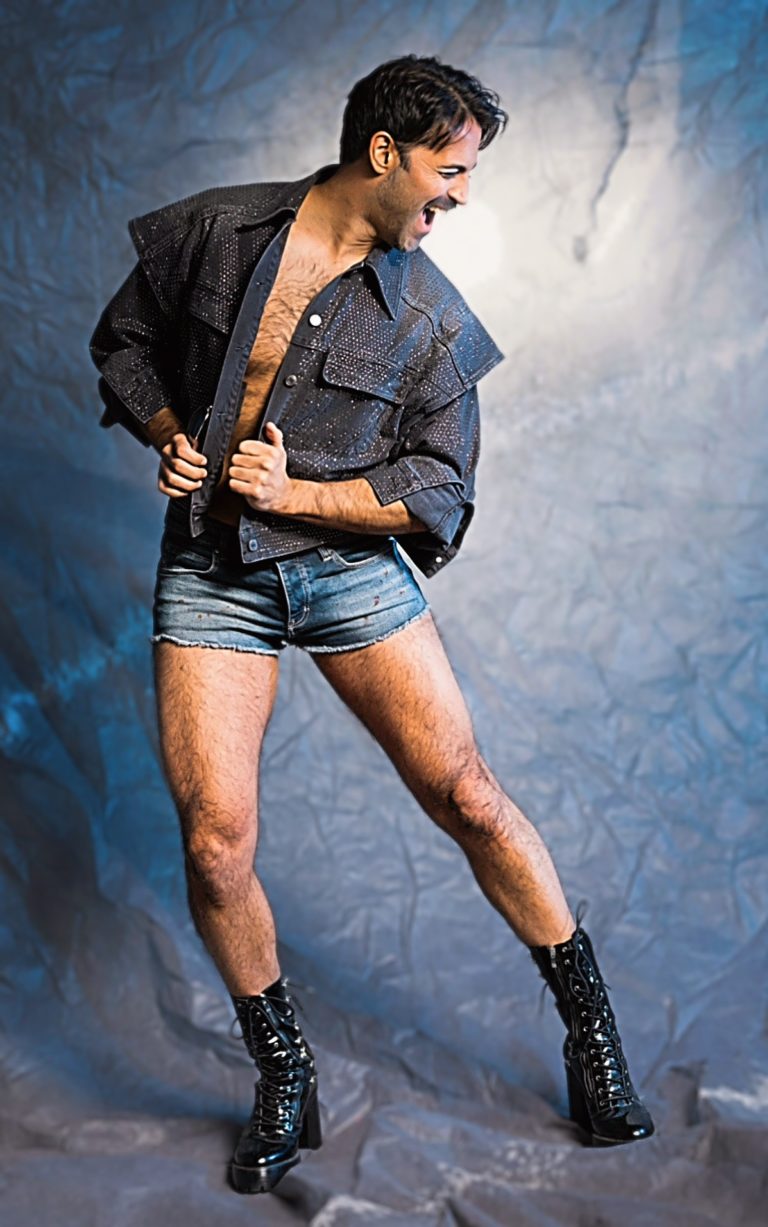
Toronto-based indie pop artist Aman Dhesi announces the release of his debut album The Restless Night, out today via Zedd Records, alongside the album’s opening statement, the lead single “Dancefloor Shoes.” Produced by Mark Zubek and Dhesi himself, the track arrives as a shimmering, propulsive declaration of self-liberation — a dance-floor ready anthem designed to move bodies and spirits in equal measure. With its pulsing synth architecture and irresistible Saturday-night energy, “Dancefloor Shoes” signals the full arrival of one of independent pop’s most compelling new voices.

Originally from North Delta, B.C. — a suburb nestled in the Lower Mainland outside Vancouver — Dhesi has built a distinctive sonic identity across years of dedicated craft and community. His 2019 debut EP Day One introduced defining tracks “Another Never Ever” and “Rise Up,” establishing a sound rooted in club intensity and confessional honesty. Since then, he has earned multiple #1 placements on independent queer music charts while cementing his reputation as a dynamic live performer across Toronto’s vibrant music landscape. The Restless Night is his boldest and most fully realised vision yet.

“Dancefloor Shoes” opens with an invitation and accelerates into pure communion. The song’s narrator slips on those shiny black leather soles and steps into a world of possibility, arriving fully present to claim the night. As Dhesi writes in the chorus: “I got my dancefloor shoes / Feelin’ in the mood / Jeans huggin’ tight / C’mon grab that mic.” The lyric is deceptively simple — joyful, stylish, and completely alive — yet it carries the weight of someone choosing to show up wholly and openly for the first time. By the time Dhesi sings “I just wanna’ be free tonight,” the desire has transcended the dancefloor entirely.

The album from which the single is drawn was born during a period of profound personal transformation for Dhesi. Writing and producing through the clarity of newfound sobriety, he channelled a heightened awareness of self into every track. “There’s a strange clarity that comes with sobriety,” Dhesi reflects. “You’re no longer numbing the chaos — you’re standing inside it, fully awake.” That lucidity courses through “Dancefloor Shoes,” elevating what could be a conventional club track into something far more intentional: a portrait of radical presence, of seeking freedom on your own terms, with nothing dulling the senses or softening the feeling.

Crafted alongside producer Mark Zubek, the sonic palette of “Dancefloor Shoes” draws from the glistening synth textures of 80s-inspired production while surging forward with the kineticism of contemporary dance-pop. The result is a cinematic, after-dark sound that feels both nostalgic and immediately of the moment — strobe lights and slow dancing rendered in shimmering electronic detail. As an openly gay South-Asian and Sikh man and proud member of the BIPOC and LGBTQIA+ community, Dhesi brings a perspective that is urgently needed within the Canadian indie pop landscape: one where queer nightlife, desire, and emotional release are rendered with full artistic seriousness and celebratory beauty.

The Restless Night, as a full body of work, expands Dhesi’s vision into a shimmering, nocturnal journey through longing, eroticism, resilience, and the restless pulse of queer nightlife. The album’s 13 tracks — including the Belinda Carlisle-honouring cover of “Mad About You” — trace a conversation between Dhesi’s past and emerging selves, mapping the terrain of big feelings, big nights, and the extraordinary courage it takes to inhabit one’s own life without armour. “This isn’t an album about escaping the night,” Dhesi says. “It’s about learning how to exist inside it — lucid, open, unarmoured.”

“Dancefloor Shoes” and The Restless Night are available now on all streaming platforms. Follow Aman Dhesi on Instagram, TikTok, and Facebook for updates on forthcoming live performances and releases. With this album, Dhesi steps fully into his power as a songwriter, performer, and artistic voice — and invites everyone, heels onto the dance floor.

Canadian Folk Legend Ken Whiteley Releases His 37th Album ‘Keep Going’

0

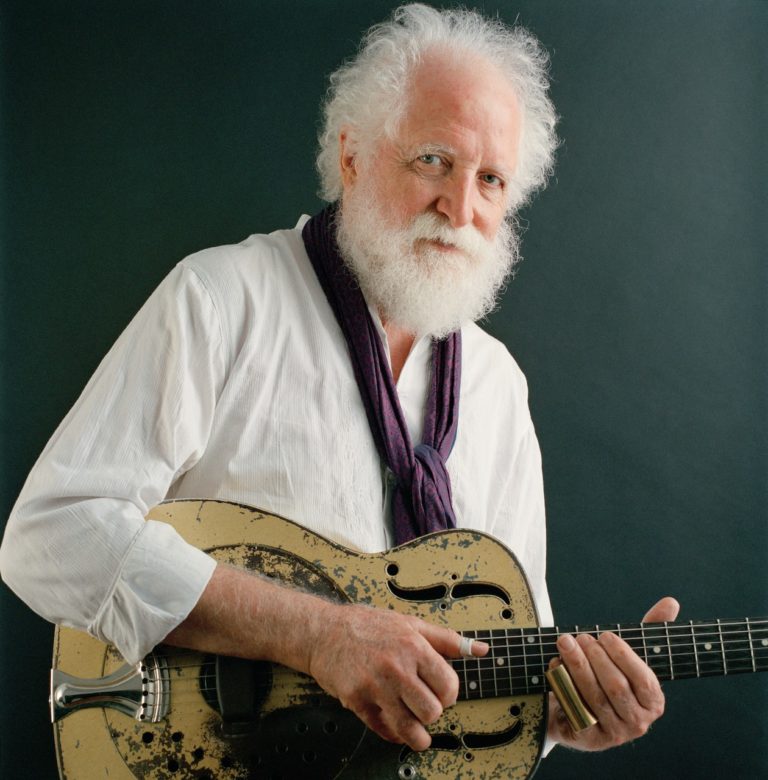
Canadian folk legend Ken Whiteley releases his 37th album, ‘Keep Going,’ today via Pyramid Records, distributed worldwide by Distrokid. A multi-instrumentalist, producer, and composer who has been at the heart of Canadian roots music for more than six decades, Whiteley is a Mariposa Festival Hall of Fame inductee, a Genie Award winner for Best Original Song in a Canadian feature film, and the recipient of Lifetime Achievement Awards from the Maple Blues Awards and Folk Music Ontario. With ‘Keep Going,’ he delivers his most thematically unified and deeply felt work in years – a record that draws from the oldest wells of blues and gospel to speak directly to the moment we are all living through.

The album’s origin is characteristically Whiteley: in February 2025, he slipped on ice and fractured a bone in his ankle. Unable to walk for a month, he sat down, picked up his guitar, and began writing. “Keeping going in these troubled times is an expression of powerful determination and survival, tempered by the recognition of earthly transience,” he reflects. “I immersed myself in old blues and gospel tunes and that message kept coming up. May listeners also find the inspiration to keep going.” The result is 12 tracks – seven originals, four classics that speak urgently to today, and one co-write with Eve Goldberg – recorded at Casa Wroxton Studio in Toronto with engineer Nik Tjelios and mastered by Harris Newman at Grey Market Mastering in Montreal.

The breadth of Whiteley’s musicianship across ‘Keep Going’ is remarkable even by his own extraordinary standards. He sings and plays acoustic guitar, resophonic guitar, mandolin, Hammond organ, piano, mandola, mandocello, harmonica, string bass, electric bass, and washboard across the 12 tracks – joined by a cast of trusted collaborators including vocalist Ciceal Levy, drummer Bucky Berger, his brother Chris Whiteley on harmonica and cornet, and bassist Gord Mowat. One of the album’s most moving moments is ‘Reaching Higher,’ featuring the late vocalist Betty Richardson – Jackie Richardson’s younger sister, who passed away in 2018 – on a demo track Whiteley returned to and knew was worth sending into the world. Guest vocalists Eve Goldberg and Pat Patrick appear on the closing co-write ‘At The End Of The Day,’ a twilight meditation on transition and the voices we hear at the edge of night.

The closing track’s lyrics carry the album’s spirit with quiet grace: “I hear something calling me / taking me far away / I hear something calling me / at the end of the day.” That sense of listening for something beyond the noise of the present moment runs throughout ‘Keep Going.’ From the lead track ‘Everybody’s Got to Be Tried’ – built from a phrase remembered from Appalachian banjo legend Frank Proffitt and performed on a 1928 National guitar – to the mandolin-quartet arrangement of Noah Lewis’s 1929 jug stomper ‘Going to German,’ Whiteley draws unbroken lines between the music of the past and the challenges of the present. “It’s heartbreaking that the systemic imprisonment of young people of colour is still with us,” he writes in his notes. “What I embrace in this song is the affirmation that ‘I’ll be back some old day.’ Keep going.”

The stature Whiteley brings to this record has been earned across one of the richest careers in Canadian music. Beginning his public performances at the age of 14, he has shared stages and recordings with Pete Seeger, John Hammond Jr., Blind John Davis, Stan Rogers, and Tom Paxton. He changed the course of Canadian children’s music through his work with Raffi, Fred Penner, and dozens of others, and has frequently collaborated with his brother Chris Whiteley and niece and nephew Jenny and Daniel Whiteley. He has written more than 400 songs, which have been covered by more than a dozen artists, and has released four albums since 2020 alone – including CFMA award nominees ‘Long Time Travelling’ and ‘So Glad I’m Here.’ These days, as he notes with characteristic wit, he is as likely to be performing at a yoga ashram as a bar, drawing on the full storehouse of blues, folk, and gospel to make music that brings people together.

TOUR DATES:

March 28 – Guelph, ON – Guelph House Concerts

April 4-5 – Val Morin, QC – Concerts & Workshop, Sivananda Yoga Ashram (Easter Weekend)

May 1 – Ottawa, ON – Gil’s Hootenanny ‘Songs of Protest, Songs of Hope,’ First Unitarian Church, 30 Cleary Ave., 7:00 p.m.

May 2 – Toronto, ON – Hugh’s Room Live – 75th Birthday Bash and Album Celebration with Bucky Berger, Ben Whiteley, Jesse Whiteley, David Wall, Ciceal Levy, Pat Patrick

May 16 – North York, ON – Afro Metis Anthem Peace Concert, Don Heights Auditorium, 18 Wynford Dr., Suite 103, 2:00 p.m.

May 23 – Caledon, ON – Whole Village Eco Village Concert

May 28 – Burlington, ON – Retired Teachers’ Luncheon Concert

June 7 – Orangeville, ON – Orangeville Blues & Jazz Festival, Orangeville Opera House with Ben Whiteley, Bucky Berger, Ciceal Levy

June 23 – Roseville, ON – Detweiler Meeting House Concert, 3445 Roseville Rd., Ayr

Canada’s Blues Community Launches New National Awards, Gala Set for The Phoenix Concert Theatre in Toronto March 30

0

The inaugural Canadian Blues Music Awards (CBMA) gala takes place Monday, March 30, 2026 at The Phoenix Concert Theatre in Toronto, bringing together the finest performers in Canadian blues for a landmark national celebration. The evening will feature live performances from nominees and honourees spanning the full breadth of the country’s blues landscape — from roots-drenched acoustic traditions to electrifying contemporary interpretations — with Lifetime Achievement and Industry Person tributes woven throughout the programme. Gala tickets are on sale now at canadianbluesmusicawards.com. Watch the official launch video here.

The Canadian Blues Music Awards is a fully independent, incorporated national not-for-profit organization with an exclusive mandate to govern, develop, and operate Canada’s premier blues recognition programme. The CBMAs are a wholly new creation — not a rebranding or restructuring of any previous programme. The CBMAs operate as a separate entity: the Toronto Blues Society has no role whatsoever in governance, nominations, judging, voting, or any other element of the awards process. The TBS will proudly host the gala ceremony, and that is the full extent of the relationship.

The new programme was built from the ground up. Initially formed in spring 2024 by Brant Zwicker and Cindy McLeod, the CBMA Governing Committee spent more than a year in extensive research, national consultation, and programme development before incorporating as an independent organization. In December 2024, Julie Hill joined the committee, and the completed plan was finalized in May 2025. The result is a programme grounded in transparency, expertise, and coast-to-coast representation: all artist category awards are decided exclusively by a jury panel of industry professionals drawn from a national pool spanning radio, print, labels, engineering, production, promotion, academia, associations, festivals, and venues. Nominees are determined by submission – not nomination – based on qualifying recordings released between September 1, 2023 and September 30, 2025. The sole exception is the Fan Favourite Award, which is open to the public as a write-in vote.

Quisha Wint, Chair of the Toronto Blues Society, has offered her full endorsement of the new programme. “The Canadian Blues Music Awards represents a complete overhaul,” Wint writes. “A whole new programme created to serve the Canadian blues community with greater transparency, fairness, and unity from coast to coast to coast.” With 16 competitive categories recognizing artists, instrumentalists, producers, and industry figures, alongside Lifetime Achievement honours for five foundational contributors to Canadian blues, the CBMAs are positioned to become the gold standard of blues recognition in this country – one that reflects the true depth, diversity, and resilience of the music and the people who make it.

There are many people asking what will the Canadian Blues Music Awards Gala look like this year? Here’s the breakdown: The Gala will be held at The Phoenix Concert Theatre on Monday March 30.2026 7pm start. All 17 Awards will be presented along with six performances sprinkled through the night with an intermission.

This year’s host will be Danny Marks who will also perform a song. Steve Marriner, Crystal Shawanda, Kenny ‘Blues Boss’ Wayne, Brandon Isaak and Dana Wylie (Secondhand Dreamcar) will be the feature performers who will all perform a song each.

The gala backing band ‘Pass the Envelope’ will be run by Manny DeGrandis (MD & Bass) with Quincy Bullen (keyboards), Dave Patel (drums) and new additions Cecile Doo-Kingue (guitar) and Dan Jancar (Sax) Blazing Kitchen will also be in the house serving up tacos during the show There will be an After party but not our typical open jam. We will have Emerging artist nominees Glenn Marais & The Mojo Train, Ollie Owens, JP LeBlanc, plus Secondhand Dreamcar and more to be announced perform a few songs in the main room on the big stage starting immediately after the awards.

“We will be wrapping up at 11pm so everyone can venture off to other Toronto bars and catch more live music or get to bed for work the next day.” Says event producer and TBS Operations Manager, Manny DeGrandis.

Join the celebration on March 30 at The Phoenix and help honour the extraordinary talent that defines Canadian blues. Tickets at https://torontobluessociety.com/canadian-blues-music-awards-2/

###

2026 CANADIAN BLUES MUSIC AWARDS — NOMINEES

Electric Blues Recording of the Year

Angelique Francis: Not Defeated

Brandon Isaak: Walkin’ With The Blues

Crystal Shawanda: Sing Pretty Blues

David Gogo: YEAH!

Steve Marriner: Hear My Heart

Acoustic Blues Recording of the Year

Al Lerman: Country-Fried Blues

Big Dave McLean: This Old Life

Blue Moon Marquee: New Orleans Sessions

David Vest & Terry Robb: CrissCross

Sue Foley: One Guitar Woman, A Tribute to the Female Pioneers of Guitar

Blues Song of the Year

Angelique Francis: “Train Coming” (Not Defeated)

Blue Moon Marquee: “What I Wouldn’t Do” (New Orleans Sessions)

Brandon Isaak: “Walkin’ With The Blues” (Walkin’ With The Blues)

Crystal Shawanda: “Sing Pretty Blues” (Sing Pretty Blues)

Ndidi O: “Working Girl” (Simple Songs For Complicated Times)

Blues Producer of the Year

Blue Moon Marquee (Blue Moon Marquee: New Orleans Sessions)

Brandon Isaak (Brandon Isaak: Walkin’ With The Blues)

Renan Yildizdogan & Ross Hayes Citrullo (Marcus Trummer: From The Start)

Steve Dawson (Ndidi O: Simple Songs For Complicated Times)

Steve Marriner (Steve Marriner: Hear My Heart; Big Dave McLean: This Old Life; David Gogo: YEAH!)

Emerging Blues Artist or Group of the Year

Glenn Marais & the Mojo Train (Glenn Marais & the Mojo Train: Red Hot and Blue)

Jeff Rogers (Jeff Rogers: Dream Job)

JP LeBlanc (JP LeBlanc: All In My Blood/Je l’ai dans l’sang)

Ollee Owens (Ollee Owens: Nowhere to Hide)

Paul Black (Paul Black: Beautiful Sin)

Blues Video of the Year

Blue Moon Marquee: “Come On Down” (New Orleans Sessions)

Angelique Francis: “Train Coming” (Not Defeated)

The Harpoonist: “Show Me The Green” (Did We Come Here To Dance)

Bywater Call: “Colours” (Shepherd)

André Bisson: “Latchford” (Latchford)

Ray Lemelin & Steve Hill: “Walk On”/“Ain’t No Use In Worryin’” (Brother Ray Lemelin & The Matinee Kings: Stirring the Pot)

JP LeBlanc: “All On Your Own” (All In My Blood/Je l’ai dans l’sang)

Female Blues Vocalist of the Year

Angelique Francis (Angelique Francis: Not Defeated)

Crystal Shawanda (Crystal Shawanda: Sing Pretty Blues)

Dana Wylie (Secondhand Dreamcar: Answer the Call)

Ndidi O (Ndidi O: Simple Songs For Complicated Times)

Samantha King (Samantha King and the Midnight Outfit)

Male Blues Vocalist of the Year

Big Dave McLean (This Old Life)

Brandon Isaak (Walkin’ With The Blues)

Jeff Rogers (Dream Job)

Marcus Trummer (From The Start)

Wayne Nicholson (Gin House)

Blues Guitarist of the Year

Brandon Isaak (Brandon Isaak: Walkin’ With The Blues)

David Gogo (David Gogo: YEAH!)

Paul DesLauriers (Chambers DesLauriers: Our Time To Ride)

Sue Foley (Sue Foley: One Guitar Woman, A Tribute to the Female Pioneers of Guitar)

Tony D (Tony D: Electric Delta)

Blues Keyboard Player of the Year

David Vest (David Vest & Terry Robb: CrissCross)

Jeff Rogers (Jeff Rogers: Dream Job)

Kenny “Blues Boss” Wayne (Kenny “Blues Boss” Wayne: Ooh, Yeah!)

Miles Evans-Branagh (Marcus Trummer: From The Start; Sandra Bouza: A Sound In The Dark)

Rooster Davis (Secondhand Dreamcar: Answer the Call)

Blues Harmonica Player of the Year

Al Lerman (Al Lerman: Country-Fried Blues)

Guy Bélanger (Guy Bélanger: Postcards from London)

Shawn Hall (The Harpoonist: Did We Come Here To Dance)

Steve Grant “Cabbagetown Steve” (Little Magic Sam: Live At The Rivoli)

Steve Marriner (Steve Marriner: Hear My Heart; Big Dave McLean: This Old Life; David Gogo: YEAH!)

Blues Horn Player of the Year

Jerry Cook (Wailin’ Walker: All Fired Up)

Julian Nalli (Bywater Call: Shepherd)

Kharincia Francis (Angelique Francis: Not Defeated)

Kira Francis (Angelique Francis: Not Defeated)

Loretta Hale (André Bisson: Latchford)

Blues Bassist of the Year

Angelique Francis (Angelique Francis: Not Defeated)

Harry Gregg (Secondhand Dreamcar: Answer the Call)

Jack Lavin (Wailin’ Walker: All Fired Up)

Jasmine Colette (Blue Moon Marquee: New Orleans Sessions)

Mike Meusel (Bywater Call: Shepherd)

Blues Drummer of the Year

Bruce McCarthy (Bywater Call: Shepherd)

Jim Casson (Davis Hall & The Green Lanterns: Canboro Canborough)

Kiran Francis (Angelique Francis: Not Defeated)

Sandro Dominelli (Samantha King and the Midnight Outfit)

Sylvain “Sly” Coulombe (Chambers DesLauriers: Our Time To Ride)

Blues Industry Person of the Year

Bruce Morel (Morel Music International)

Ken Simms (Think Tank Music Network)

Ken Wallis (Blues Source Entertainment)

Lori & Paul Murray (Music By The Bay Live)

Ron Simmonds (Blues In The Dark)

Lifetime Achievement Award

Amos Garrett

Bobby Dean Blackburn

Kenny “Blues Boss” Wayne

Russell Jackson

Tim Williams

Sean Thomas Builds a Pop Cathedral on New Single “BETTER”

0

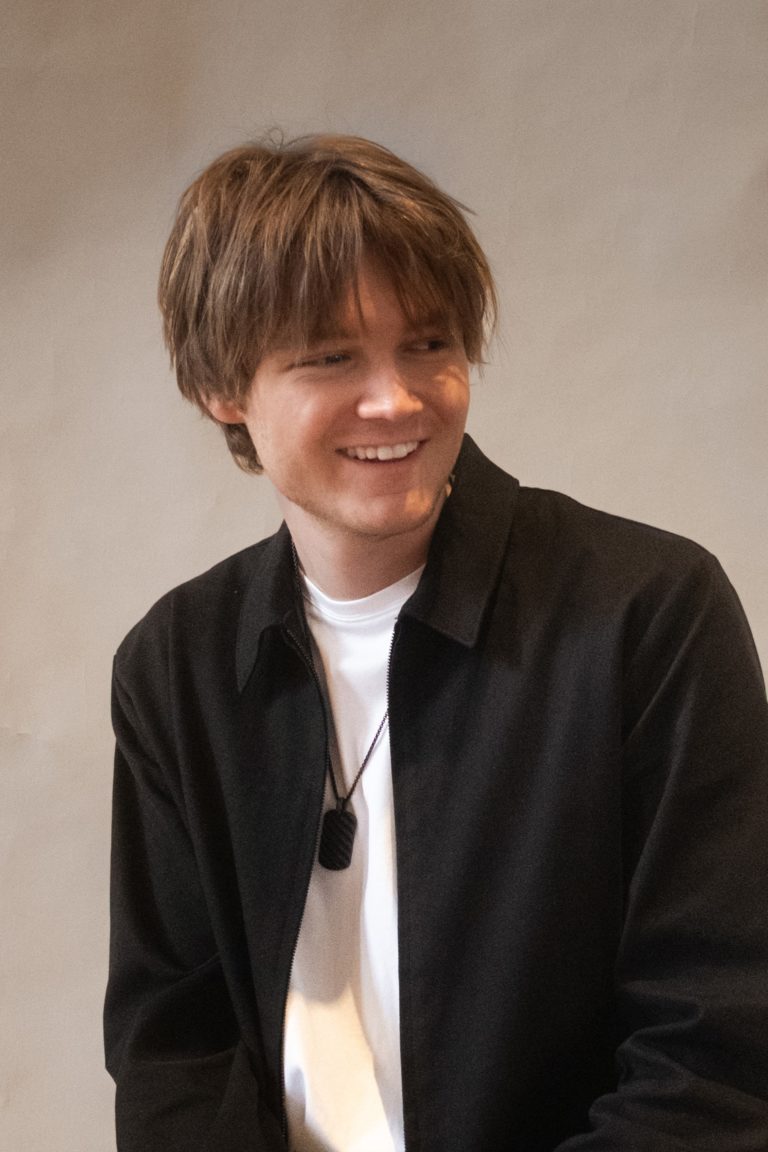
There is something undeniably compelling about an artist who does it all. Writing. Producing. Recording. Mixing. That artist is Sean Thomas, and his new single “BETTER” with the kind of scale and ambition that signals a defining moment.

Thomas is 24, Vancouver-born, and a summa cum laude graduate of Berklee College of Music at just 20. He has collaborated with New Kids on the Block, Debbie Gibson, Joey McIntyre, and New Edition, and built a reputation as a creative force who understands every inch of the studio. On “BETTER,” he channels that experience into something personal and panoramic at the same time.

“I wanted this song to hit like an arena anthem,” Thomas says. His choir background guided the process, leading him to stack more than 100 background vocal layers to achieve the sweeping chorus he heard in his head. The result is a wall of harmony that feels engineered for collective singalongs, hands in the air, lights blazing.

At its core, “BETTER” is a love song that thrives on immediacy. “Oh I’m trying / To hold on forever / Cause when I hold you / Nothing feels better,” Thomas sings, before driving home the hook: “So I’ll keep on chasing / Cause nothing feels better than you.” The lyric is direct, the melody is expansive, and the emotion is unmistakable.

One of the most compelling angles here is authorship. Thomas wrote, produced, recorded and mixed the track himself. In an era where pop records often involve sprawling teams, “BETTER” stands as a singular vision. That autonomy brings a clarity of sound and intent that journalists covering songwriting, production and independent artistry will find especially noteworthy.

The song also marks the first release of 2026 for Thomas, following the strong response to his previous singles “She’s Mine” and “What We Could’ve Been.” Those tracks set the stage; “BETTER” widens it. There are plans for live shows this year, and if the recording is any indication, audiences can expect a performance built for volume and connection.

Sean Thomas is positioning himself at the intersection of craftsmanship and scale. “BETTER” is the sound of an artist embracing both, inviting listeners to step into something bold, melodic and built to last.

Wavelength Music Announces Conference Programming for WMFC26

0

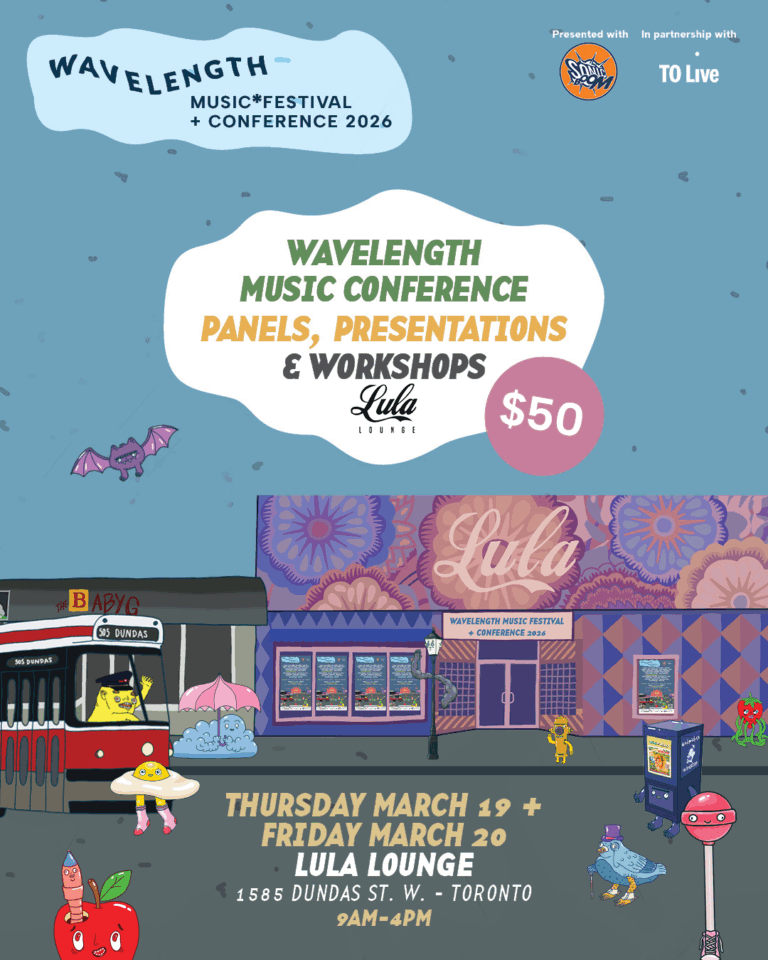
Wavelength Music today announces the full conference programming for the Wavelength Music Festival + Conference 2026 (WMFC26), taking place March 19 and 20 at Lula Lounge, 1585 Dundas St. W., Toronto. Running 9am to 4pm across both days, the Wavelength Music Conference is the first dedicated two-day gathering of talks, panels, workshops, and conversations in the organisation’s 25-year history – and arrives at a pivotal moment for independent music in Canada and around the world.

The conference’s framing is both honest and galvanising. Artists across Canada live in a state of precarity. Fewer emerging professionals can afford the financial risk of entering the industry. Grassroots venues face closure while iconic spaces disappear. Corporate consolidation stifles diversity and drives up ticket prices. And globally, the dominance of streaming and social media continues to reshape what it means to build a sustainable music career. And yet – the reasons for optimism are just as real. Unsigned artists can now reach global audiences with albums made in their bedrooms. Global tensions are highlighting Canada as an increasingly attractive touring destination for international artists. And Toronto is on the ascendant as a diverse, dynamic hotbed for new generations of talent across multiple genres. “We have work to do,” says Wavelength – and this conference is where that work begins.

Building directly on Wavelength’s acclaimed ongoing talk series and research projects – including the nationally recognised ‘Reimagining Music Venues’ report, which proposed bold new models for the conservation and innovation of Ontario’s live music spaces – the Wavelength Music Conference places special emphasis on the independent live music sector in Canada. Programming will bring together local and international guests for forward-looking conversations aimed equally at music industry professionals and the general public. “This will be an incredible opportunity to learn and discuss topics affecting live, independent music, and to empower delegates to be change makers in the sector,” the organisation says.

Wavelength Artistic and Executive Director Jonathan Bunce (aka Jonny Dovercourt) frames the conference as both a natural evolution and a timely act of community building. “Wavelength grew out of the ‘think globally, act locally’ ethos of the ’90s,” he reflects, “and this lineup still embodies that a quarter-century later.” The conference takes place alongside the full WMFC26 festival, which runs March 19 to 21 across Lula Lounge, Wavelength @ St. Anne’s, The Baby G, The Garrison, InterAccess, and the Art Gallery of Ontario – featuring 30+ live acts including Melissa Auf der Maur, Alex Cameron, Ada Lea, Bibi Club, Ribbon Skirt, Bad Waitress, Maria Somerville, Sook-Yin Lee, and many more. Cross-border co-operation is a particular theme this year: Auf der Maur’s events are co-presented with Basilica Hudson, her independent venue in upstate New York, underscoring what Bunce calls an urgent need for solidarity between arts communities on both sides of the border.

The Wavelength Music Conference is open to all. Conference passes and All Access passes for the full WMFC26 festival are available now. For the full conference schedule, speaker announcements, and all festival details, visit wavelengthmusic.ca/festival-event/wavelength-music-conference.

WAVELENGTH MUSIC FESTIVAL + CONFERENCE IS SUPPORTED BY:

The Government of Ontario, Ontario Arts Council, Toronto Arts Council, Department of Canadian Heritage, Canada Council for the Arts, FACTOR, TO Live, Sonic Boom Music, The SOCAN Foundation, Adamson, DICE, Exclaim!, Great Lakes Brewing, and Yamaha. Community partners: the Drake Hotel, Little Portugal BIA, the Art Gallery of Ontario, Basilica Hudson, Basilica Soundscape, InterAccess, Link Music Lab, Lula Music & Arts, Synth Palace, Tkaronto Music Festival, Tri City Synthesizer Society, and Uma Nota Culture.

TICKETS + PASSES:

$50: Conference Pass – March 19 + 20, 9am-4pm at Lula Lounge. Does not include access to evening shows

$139: All Access Pass – Includes access to all music and conference programming at WMFC26

$159: Wavelength Passport 2026 – Includes access to year-round Wavelength programming

Purchase HERE

CONFERENCE DETAILS:

Wavelength Music Conference – March 19 + 20, 2026

Lula Lounge, 1585 Dundas St. W., Toronto

9:00am – 4:00pm daily

Full schedule + speakers here

Holly Cole Continues to Light Up the Stage in Support of Dark Moon With Upcoming Dates in Toronto and New York City

0

Holly Cole continues to illuminate around the world with ‘Dark Moon,’ setting two major dates on the horizon: March 27 at the Winter Garden Theatre in Toronto and June 26 at Joe’s Pub in New York City. These performances arrive as the album’s reach expands across Japan, Germany and the United States, where audiences have embraced the record’s atmosphere, imagination and masterful ensemble playing. All of Holly’s live tour dates can be found – HERE.

Released to widespread acclaim, Dark Moon showcases Cole’s singular ability to reshape material from the New American Songbook with smoky phrasing, inventive arrangements and an unmistakable sense of drama. The expanded edition deepens that vision, featuring the vibrant “Comin’ Home Baby” alongside richly textured performances from longtime collaborators Aaron Davis, George Koller, Davide Direnzo, John Johnson and Kevin Breit, with additional contributions that enhance the album’s layered, ensemble-driven sound.

Across continents, the record has connected with listeners drawn to Cole’s interpretive depth and emotional clarity. In Japan, where she has long maintained a devoted following, Dark Moon continues her legacy of chart-topping success. In Germany and throughout the United States, the album’s cinematic sweep and intimate storytelling have resonated reaffirming her stature as another one of Canada’s internationally celebrated vocalists.

The next chapter unfolds with “Where Flamingos Fly,” a track that captures the album’s dreamlike spirit. “Rarely does a song come along with such idiosyncratic charm and imagination,” Cole shares. “I was drawn to it because of the beautiful idea at its heart: a peaceful, serene place that only flamingos can reach. It captures a sense of romance and dreamlike wonder, an elusive escape that exists just beyond the ordinary world.” The song extends the world of Dark Moon, offering listeners a transportive moment suspended between jazz tradition and modern storytelling.

With performances at Toronto’s storied Winter Garden Theatre and New York’s iconic Joe’s Pub, Holly Cole brings the global journey of Dark Moon home to two cities that have long celebrated her artistry. The album’s continued international success and the arrival of “Where Flamingos Fly” underscore a creative period defined by imagination, elegance and enduring connection.

About Holly Cole
Holly Cole is a renowned Canadian / International jazz singer who began her career in 1989 with the release of her 4-song EP Christmas Blues under indie label Alert Music, followed by her debut album Girl Talk in 1990.

 In 1992, she signed with Blue Note’s Manhattan imprint and released Blame It on My Youth which achieved Platinum + sales in Canada, over 200,000 copies internationally, and based on the success of the single “Calling You”, a number 1 charted single and album in Japan. The next album based on her hit rendition of Johnny Nash’s, “I Can See Clearly Now” and its accompanying video cemented her success internationally setting up her following release, the critically acclaimed, Temptation, an album made up of material exclusively written by Tom Waits, one of Holly favourite songwriters.

With 12 albums to her name, Cole has achieved multi-platinum sales and received numerous awards, including 2 Juno Awards (out of 8 nominations) and 2 Gemini Awards. She has also won two Japanese Grand Prix Gold Disc Awards and the prestigious Ella Fitzgerald Award from the Montreal Jazz Festival, joining the ranks of Aretha Franklin, Diana Krall and Etta James. In 2014, she was awarded an honorary doctorate from Queen’s University.

In 2019, Holly Cole reunited the original Holly Cole Trio, with David Pitch on bass and Aaron Davis on piano, to celebrate the 40th anniversary of the Festival International de Jazz de Montreal. They performed at the cabaret Lion d’Or in Montreal, and these special shows were recorded and became the 2021 album ‘Montreal’.

For Christmas 2022, Cole released a remastered compilation combining her holiday releases from 1989 and 2001, titled anew Baby It’s Cold Outside and I Have the Christmas Blues.

Holly Cole isn’t one of those artists who falls into any one category. Her smoky voice is sultry, her arrangements smart and sexy and all the while she and her musicians very uniquely reshape traditional Jazz, Pop and Country standards this time particularly from the New American Songbook writers including Marty Balin, Peggy Lee, Hal David, Burt Bacharach and Johnny Mercer.

Holly Cole’s 13th studio album Dark Moon was released on January 24th, 2025, via Rumpus Room / Universal Music Canada.

Indigenous Artist Donita Large Calls Out Media Outlet for Publishing AI-Generated Racially Constructed Stereotypical Image in Place of Her Likeness

0

Donita Large — A prominent Cree singer-songwriter, a performer who has graced the stage of Carnegie Hall, and one of the most significant Indigenous voices in Canadian music today — is speaking out against a serious and damaging act of media misrepresentation.

On February 10, 2026, a news article written and published online to promote her new album, The Ancestors, used an AI-generated image of an Indigenous woman in place of Donita’s actual likeness — with no disclosure, no correction, and no clarification that the image was not her.

The image — generated by artificial intelligence — depicted what appears to be an Indigenous woman with beaded earrings, long black hair and notably darker skin tones than Donita’s own. Additionally, in the background a transparent female figure stands looking off into the distance, wearing a beaded headpiece and other pan-Indigenous culturally constructed accessories. Directly on top corner identifying Donita Large by name – in a news context. It was not labelled as illustrative, not identified as AI-generated, and not accompanied by any statement clarifying that the woman depicted was not Donita Large. In any reasonable reading of journalistic standards, this is disinformation. In the context of Indigenous representation in Canada in 2026, it is also a serious act of racial harm.

Statement from Donita Large:

“The image of the Indigenous woman posted on the website is not me. The title connecting to the image states ‘Donita Large releases the new album The Ancestors…’, which makes this misleading. False visual information, including AI-generated images, can spread disinformation and cause personal harm. There is no public clarification that the image is AI-generated by the news service and is not me. As this is a news article, this false image is therefore presented as fact.

“Consider why creating an image with an Indigenous woman who has darker skin tones than myself would be inappropriate and problematic, an act of creating a visual stereotype of what Indigenous people ‘should’ look like. There is also an image of a woman in the background dressed in some type of traditional wear including a beaded headpiece with the extension of lighting in what seems to depict headdress imagery around her head. This is not authentic and would be perceived as a westernized concept of an aesthetic costume and the default imagery of Indigenous people as propagated by Hollywood tokenism of Indigeneity.

By adding these two images together, it creates a false narrative of Indigeneity constructed from AI stereotypes, not truth. Instead of being able to celebrate the sharing of my new album in the news, I am now dealing with increased distress on the choice to use this image to depict my story, my album, and myself as an Indigenous artist.”

Canada is in a period of profound reckoning with the legacy of colonial misrepresentation of Indigenous peoples. The TRC Calls to Action, ongoing national conversations about Indigenous rights, land, sovereignty, and cultural dignity, and the continued work of Indigenous artists to reclaim their own narratives on their own terms — all of this is the living context in which this image was published. It was not published in a vacuum. It lands in a country still working to understand the depth of harm that visual stereotyping and the erasure of authentic Indigenous identity has caused and continues to cause.

The specific harms in this case are multiple and layered. First: an actual, named, living Indigenous artist was replaced — without her knowledge or consent — by an AI-generated fabrication. Her face, her identity, her body were deemed unnecessary. An algorithms idea of what an Indigenous woman looks like was substituted in her place. Second: that algorithmic idea is itself a product of centuries of colonial imagery — the darkened skin, the cultural costuming — drawn directly from the visual language of Hollywood stereotyping, museum dioramas, and the long history of non-Indigenous people deciding what Indigeneity should look like for the comfort and consumption of non-Indigenous audiences. Third: it was published in a news article, not a creative context — presented as truth, not illustration.

This is not a minor error of photo selection. This is a publication that, in 2026, looked at the name of a real, living Cree woman and chose — whether through carelessness, ignorance, or indifference — to illustrate her story with a fabricated racial stereotype rather than her actual image. And it has not corrected the record.

Donita Large has spent her career building a body of work that is rooted in truth: in the real stories of her community, in the real wisdom of her ancestors, in the real complexity of what it means to be an Indigenous woman in Canada today. The Ancestors is an album about memory, healing, and strength — a record created in the spirit of cultural honesty and artistic integrity.

To have that work introduced to new audiences through a fabricated, stereotypical image is not simply an embarrassment. It is an act that undermines the very purpose of the album and causes Donita real, documented personal distress.

This incident did not happen in isolation. It is part of a pattern — the same pattern that has always decided Indigenous people’s stories can be told without them, their faces replaced by whatever image is most convenient, their identities rendered interchangeable. The technology is new. The harm is not.

Donita Large is a Cree singer-songwriter from Saddle Lake First Nation based in Edmonton, AB. Her music — which she describes as “folk with Indigenous sizzle” — spans folk, blues, rock, country, and Cree traditional sounds. Her new album, The Ancestors, was a co-produced collaboration between Grammy-winning producer Chris Birkett, Anthony King and Donita Large, and recorded across studios in Toronto, Los Angeles, and Edmonton. Donita is one of the most powerful Indigenous voices in contemporary Canadian music and the album lands as a profound cultural statement— and a landmark in the Canadian musical canon.

Legendary Singer-Songwriter Marc Jordan Finally Has a Biography and the Stories Inside It Will Make Your Jaw Drop

0

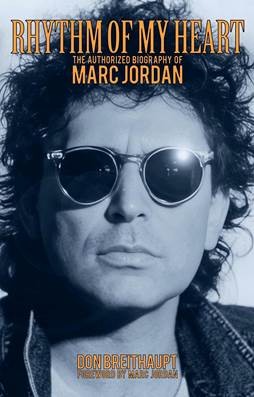
There is a man whose songs have soundtracked some of the most iconic moments in modern music history- a global number one for Rod Stewart, an album-track gem on Cher’s ten-million-selling Believe, songs recorded by Diana Ross, Bette Midler, Bonnie Raitt, Chicago, Joe Cocker, and The Manhattan Transfer- and until now, most people didn’t know his name. That changes today. Rhythm of My Heart: The Authorized Biography of Marc Jordan, written by Emmy-winning composer Don Breithaupt and available now on Amazon, Barnes & Noble, and Indigo, is the full, wild, heartfelt, and frequently jaw-dropping account of one of the most extraordinary careers in the history of Canadian music. It is already a #1 bestseller on Amazon’s Pop Musician Biographies list, and once you read even a page of it, you will understand why.

Jordan is Brooklyn-born, Toronto-raised, and spent his peak years in the thick of Hollywood’s most extravagant music era- writing songs in rooms alongside Steely Dan, partying with The Band’s Richard Manuel, getting picked up for studio sessions by Roger Nichols in a street-illegal Pantera, and fielding a phone call from Rod Stewart himself who said, with unmistakable conviction: “I’m gonna sing the shit out of this song, man.” He did. It went to number one in a dozen countries.

Marc Jordan is 76 years old, still writing, still recording, still performing. His songs have sold over 35 million units worldwide. He has been inducted into the Canadian Songwriters Hall of Fame alongside his longtime writing partner John Capek. And his story- of dyslexia, addiction, redemption, and a love story for the ages- is unlike anything else you will read this year.

10 THINGS MARC JORDAN CAN TALK ABOUT THAT WILL MAKE YOUR AUDIENCE ABSOLUTELY LOSE IT

(All of these are in the book. All of them are true. Marc is available for interviews.)

1.  Rod Stewart Called Him the Night Before His Own Wedding to Say He’d Found His Next Hit

It was December 1990. Rod was getting married to Rachel Hunter in days. Marc and his wife Amy were having dinner. The phone rang. On the other end: Rod Stewart and Warner Music UK Chairman Rob Dickins. Rod’s exact words to Marc, once he confirmed he was serious: “I’m gonna sing the shit out of this song, man.” That song was “Rhythm of My Heart.” It went Top 5 in the U.S., U.K., Canada, Australia, Ireland, Germany, and Austria- and was later performed by Rod for 60,000 people at the Commonwealth Games in Glasgow, with Queen Elizabeth in the crowd.

2.  He Wrote a Song for Cher’s Believe Without Ever Meeting the Producer- and the Album Sold 10 Million Copies

Warner Music UK’s Rob Dickins had been pitching Cher on making a dance record for nine months. She kept refusing. He finally got her a track from house music pioneer Todd Terry- just a beat, no melody- and sent it to Marc. Marc wrote “Taxi, Taxi” over it, alone, never meeting the New York producer. The album sold over ten million copies worldwide. Marc collected the mechanical royalties. “There was money in the machine then,” he says. “That’s what made it so tough.”

3.  He Lived Below The Band’s Richard Manuel in Malibu- and Watched Him Slowly Fall Apart

When Marc first arrived in L.A., Warner put him up in a Malibu duplex. Richard Manuel of The Band lived upstairs. Manuel kept no stand for his keyboard- he played it on the floor. He had Grand Marnier everywhere and a pellet gun he’d use to shoot passersby on the beach. He introduced himself to Marc every single day despite having hung out with him multiple times. Marc and his manager tried to get him help. Manuel committed suicide in 1986. “He sounded like a broken-hearted angel to me,” says Marc.

4.  He Once Drove a Drug Addict Around L.A. to His Dealers Just to Stay Afloat After Getting Dropped by Warner

After Warner declined to pick up his option in 1980, Marc was broke, living on a plastic chaise longue from someone’s garbage with a two-dollar black-and-white TV. A man he knew from the record business- recently stripped of his driver’s license due to cocaine- called and asked if Marc would drive him to his dealers. Marc did it for four or five months, all over L.A.- Tarzana, Santa Monica, Bel Air- just to stay in the city. “I knew something would happen eventually,” he says. Something did.

5.  His Grade 3 Teacher Divided the Class Into “Rockets, Spitfires, and Bombers”- Marc Was a Bomber

Undiagnosed dyslexia meant Marc was streamed into the group for “troubled kids” at age seven- sitting with the problem children, away from his friends. A guidance counsellor told him in Grade 12 he had “the intelligence of a spider monkey.” He faked his way through school. He wrote tests drunk at 9 AM. He flunked Grade 13. It wasn’t until his daughter Zoe was diagnosed with dyslexia decades later that Marc finally understood what had happened to him. His foreword in the book, written in his own voice, is one of the most moving things you will read about a childhood.

6.  He Was Supposed to Co-Write a Song With Burt Bacharach for Shania Twain’s Comeback- and Shania Pulled Out

In 2014, Marc pitched the idea of a sophisticated Bacharach-style comeback record for Shania Twain. He got Burt on the phone. (Burt’s first question: “Does she sell records?”) He got the label interested. He got everyone aligned. Then Shania suddenly wasn’t interested. Marc had to call Burt back and break the news. “Broke my heart,” he says. Twain later self-penned all twelve songs on her 2017 album Now.

7.  Alanis Morissette Stayed at His Beachwood Canyon House While Writing Jagged Little Pill- and Got Held Up at Gunpoint in His Driveway

When Marc and Amy moved back to Toronto in 1993, they held onto their Beachwood Canyon home for a few years. Alanis Morissette stayed there in 1994 while writing the album that would become one of the bestselling records of all time. She was held up at gunpoint in Marc’s driveway. “It was a good neighbourhood,” he says, “but occasionally people would drift up from Hollywood Boulevard and get weird.”

8.  He Was in a Recording Session That Was So Stuffy and Chaotic, the Engineer Stood Up Mid-Take and Ran Out Into the Night- and Was Never Seen Again

While recording the demo for “Rhythm of My Heart” in a sealed, airless studio in Hollywood, Marc and co-writer John Capek were trying to get a bagpipe player to lay down his part. (They’d found him through a connection to Paul McCartney, who’d used bagpipes on “Mull of Kintyre.” The piper arrived and confessed he only knew a few notes.) By midnight, the studio was “like a sauna,” Marc says, with no oxygen. The engineer suddenly stood up “straight as an arrow” and bolted. Didn’t say a word. Never came back. Marc and Capek finished the session themselves.

9.  He Proposed to Amy Sky at Midnight With One Condition: No Dancing at Their Wedding- Then Turned On the Home Shopping Network to Look for a Ring

Their first real date was in a hippie restaurant in Topanga Canyon. He picked her up in a ’68 Oldsmobile convertible. (He had doused the upholstery with patchouli oil to cover the smell left by a feral cat.) When the day came to decide whether to stay in L.A. for Amy or move to London for his planned “bachelor artist’s life,” he chose her- proposing at midnight with one caveat: no dancing at the wedding. Amy said yes. He turned on the Home Shopping Network to shop for a ring. They were married eight weeks later, on New Year’s Eve, at Holy Blossom Temple in Toronto.

10.  He Once Fell Off a Stage Onto a Table Full of People While Wearing Velvet Pants, a Pink Satin Shirt, and Platform Boots- and the Club Didn’t Even Fire Him

On a bar circuit gig in Charlottetown, PEI, after a 16-hour drive that involved speed, a broken-down Bell Telephone truck, a hitchhiker who gave him a Quaalude, and a slip in a field of horse manure, Marc hit the stage “a complete mess.” In his velvet pants, pink satin shirt, and platform boots, the only thing he remembers about the gig is his guitar spinning in the stage lights as he fell off the stage in slow motion onto a table of people. The club let them finish the set.

Rhythm of My Heart: The Authorized Biography of Marc Jordan goes far beyond the greatest hits and the celebrity encounters. At its heart, it is a love story between a man and his craft, and between a man and the woman who, in his own words, “gave him wings to fly.” Amy Sky- singer, songwriter, and Marc’s wife of nearly 40 years- is woven through every chapter. Their daughter Zoe (a Los Angeles-based singer-songwriter) and son Ezra (whose Spotify streams are well into the millions) contribute moving appendices. The book is at once a biography, a love letter, a survival story, and a guided tour of fifty years of popular music.

Written by Don Breithaupt- Emmy-winning composer, author of the definitive book on Steely Dan’s Aja, and a fellow Berklee alumnus who has known and collaborated with Marc for decades- the biography draws on primary interviews conducted over a week at the Jordan family cottage on Lake of Bays, as well as secondary interviews with David Foster, Rob Dickins, Bruce Hornsby, Rod Stewart collaborators, and a cast of legendary names from across the last half-century of pop music. Marc’s own foreword, in his voice, is a document of childhood that deserves to be read by every parent, every teacher, and every person who has ever been told they couldn’t.

Both Marc Jordan and Don Breithaupt are available for interviews. Physical review copies are available upon request. Whether you want the music story, the addiction and recovery story, the love story, the dyslexia and creativity story, or simply the most outrageous celebrity anecdotes in recent Canadian publishing- Rhythm of My Heart has it.

Rhythm of My Heart: The Authorized Biography of Marc Jordan is available now at Amazon, Barnes and Noble, Indigo.