Home Blog Page 75

Edmonton’s Juno-Nominated Bassist Aretha Tillotson Earns 2026 Jazz Album of the Year Solo Nomination for ‘Kinda Out West’

0

Aretha Tillotson — bassist, bandleader, composer, educator, and one of the most vital voices in Canadian jazz — has earned a 2026 JUNO Award nomination for Jazz Album of the Year (Solo) for her sophomore record, Kinda Out West. Released November 7, 2025 on Bent River Records, the album showcases Tillotson at the height of her creative powers: an assured, utterly distinctive musician whose compositions and bass work have already established her as a defining force in the country’s musical landscape. The JUNO nomination is the latest milestone in a career arc that has been building with extraordinary momentum — and Kinda Out West may well be the album that brings her to the world’s full attention.

The winners will be revealed on stage in Hamilton, Ontario at The JUNO Awards Gala Presented by Music Canada on Saturday, March 28th, and The JUNO Awards Broadcast at TD Coliseum on Sunday, March 29th, live nationwide on CBC and CBC Gem and globally on CBC Music’s YouTube channel.

Kinda Out West is a stunning pianoless quartet record featuring some of the most celebrated players in Canadian jazz: Ingrid Jensen on trumpet, Christine Jensen on alto saxophone, and Dave Laing on drums. The album was produced and engineered by Padraig Buttner-Schirner and mastered by Reuben Ghose. Tillotson’s bass lines form the bedrock of every track — at once authoritative and deeply expressive, anchoring the ensemble while giving each collaborator the freedom to soar. The result is a record of rare cohesion and emotional range: warm and wide-open one moment, searching and introspective the next.

The album’s eight original compositions span moods with confidence and ease. From the commanding opening track “Jill of All” — singled out by tastemakers as an essential listen — to the luminous “Lullaby to Those Before”, the evocative “Cricklewood Lane”, and the buoyant “Kinda Out West”, each piece reflects Tillotson’s gift for writing music that is structurally adventurous and immediately, viscerally felt. Drawing on the lineage of great pianoless jazz — from Gerry Mulligan and Chet Baker through Ornette Coleman to Masada — the record plants a proud Canadian flag in that tradition while sounding like no one but itself.

“Kinda Out West is Tillotson’s second release, further demonstrating her exceptional abilities as an inventive bassist, interesting composer and inspiring leader. Fans of pianoless quartets ranging from Gerry Mulligan and Chet Baker to Ornette Coleman to Masada will want to explore this territory!”

— Abe Goldstein, Papatamus Redux

“The music sounds live and alive, the sound quality stands out, the musicianship of the quartet is excellent, and the leader’s compositions keep one’s attention throughout. Kinda Out West will shake your speakers and brighten your day!”

— Richard Kamins, Step Tempest (Substack)

“Undoubtedly, we are hearing some of the most impressive work that the young Canadian jazz scene has to offer.”

— Thierry de Clemensat, Paris Move

“A highly satisfying release for serious jazz enthusiasts, and on top of that, it’s balanced pan-Canadianism.”

— Frédéric Cardin, Pan M 360

The JUNO nomination for Kinda Out West arrives at the crest of a career built on relentless artistry and a genuinely rare breadth of achievement. Tillotson — whose name is pronounced Er-ee-tha Till-it-son — has performed across North America alongside luminaries including Kris Davis, Walter Smith III, Francesca Remigi, Allan Chase, and Josh Rosen. In 2023, she toured as a member of the Ingrid and Christine Jensen Quintet — the very collaborators who would go on to anchor Kinda Out West — and the musical partnership clearly deepened into something exceptional in the studio.

Her debut album as a bandleader, Introducing Aretha Tillotson (Bent River Records), was a landmark release that arrived with both critical distinction and an innovative conceptual foundation: the record was composed drawing on interviews with intersectional women across arts disciplines about their experiences in arts institutions, forming the centrepiece of Tillotson’s master’s thesis, and featured the acclaimed saxophonist Allison Au. The album earned Tillotson the 2024 Western Canadian Music Award for Jazz Artist of the Year, announcing her arrival as a major creative voice with something genuinely important to say.

Beyond her work as a bandleader, Tillotson’s career as a session musician and touring artist speaks to an extraordinary range. She has toured with Universal artist Mick Flannery and served as a touring and resident bassist on the Broadway production of SIX, continuing that work in 2024 as the bassist for Mirvish Theatre’s acclaimed Toronto residency of the show. Few musicians working in jazz today can point to an artistic portfolio that moves so fluidly between the concert stage, the recording studio, the theatre pit, and the classroom.

Tillotson’s academic formation is equally impressive. In 2020, she was honoured with a Presidential Scholarship to attend Berklee College of Music’s Global Jazz Masters program, where she received an individual mentorship with legendary bassist John Patitucci and studied with Linda May Han Oh, Joe Lovano, and Danilo Perez. She earned her Master of Music degree in 2022 and today serves as a faculty member at MacEwan University in Edmonton, teaching bass and theory — ensuring that the next generation of Canadian jazz musicians has access to a world-class model of what commitment to the music can achieve.

“[The band] perform tight arrangements consisting of horns, guitar and drums, but the album spotlight remains firmly on Tillotson and her masterful bass playing. Her bass lines form the bedrock of every track, keeping the performance steady while the others are given ample opportunity to diverge into soaring solos, all anchored by Tillotson.”

— Edmonton Journal, October 2023

“Tillotson’s Introducing project is a thoughtful album with heft and might behind it from all the players, especially the bassist herself who sounds ready for anything and has embedded her personality in every track.”

— Rhythm Changes, December 2023

UPCOMING LIVE DATES

June 13, 2026  —  The Basement, Saskatoon, SK  |  7:30 PM

Summer 2026  —  Canadian Jazz Festival Tour  |  Dates and venues TBD

10cc Revisit “I’m Not In Love” In BBC Radio 2 Piano Room

0

Few songs from the 1970s sound as distinctive as “I’m Not In Love,” and 10cc brought the classic into a new light during a BBC Radio 2 Piano Room session. Written by Eric Stewart and Graham Gouldman and originally released in 1975 on ‘The Original Soundtrack,’ the track became an international hit thanks to its groundbreaking layered vocal production. In this stripped-down performance, the arrangement pulls back the studio architecture and lets the melody lead. The result is a focused, intimate take that reminds listeners just how strong the songwriting is at the heart of this classic pop landmark.

How Experienced Demolition Contractors Improve Safety on Complex Job Sites

0

By Mitch Rice

The Safety Challenges of Demolition Work

Demolition environments are among the most dynamic and potentially hazardous construction sites. Buildings being dismantled contain heavy materials, unstable surfaces, and structural components that shift as work progresses. These constantly changing conditions require careful monitoring and professional oversight.

Even smaller demolition projects can create safety risks if they are not handled properly. Falling debris, hidden structural weaknesses, and utility hazards all contribute to the complexity of the work. Without clear safety procedures, workers and nearby properties may be exposed to unnecessary danger.

An experienced Demolition Contractor understands how to manage these risks through careful preparation, disciplined work practices, and continuous site evaluation. Their expertise helps ensure demolition projects move forward safely while maintaining full control over the work environment.

Understanding the Dynamic Nature of Demolition Sites

Demolition sites evolve quickly as structures are dismantled. A wall that provides support at the beginning of the day may no longer exist by the afternoon, creating new stress points in the remaining structure.

These changing conditions mean safety procedures cannot remain static. Contractors must continually reassess the stability of the structure and adjust their methods accordingly.

Professional teams understand that safety planning must remain flexible. Ongoing evaluation allows them to respond to emerging risks before they escalate into serious problems.

Conducting Detailed Risk Assessments

Safety begins well before the first piece of equipment arrives at the job site. Before demolition starts, contractors perform risk assessments to identify potential hazards.

These assessments examine several factors, including structural stability, hazardous materials, limited access areas, and surrounding buildings. Identifying these conditions early helps contractors plan safe demolition methods.

A skilled demolition contractor in Phoenix uses these evaluations to determine the safest sequence for removing structural components and protecting workers throughout the project.

Establishing Clear Safety Zones

One of the most effective safety strategies on demolition sites is the creation of designated work zones. These zones separate active demolition areas from safe spaces used by workers and supervisors.

Physical barriers, signage, and restricted access points ensure that only authorized personnel enter hazardous areas. This separation significantly reduces the risk of injury caused by falling debris or heavy equipment movement.

Well-organized safety zones also help maintain order on the site, allowing workers to perform their tasks without unnecessary distractions or confusion.

Managing Structural Stability During Demolition

As demolition progresses, the stability of the remaining structure must be monitored carefully. Removing structural elements can shift loads onto other parts of the building, potentially causing unexpected movement.

Professional demolition teams understand how to manage these load shifts safely. Temporary supports and carefully planned removal sequences help maintain structural balance during the process.

Companies like Dump Brothers Demolition rely on structured demolition sequences that ensure each phase of the project supports the next without creating instability.

Choosing the Right Equipment for the Job

Using appropriate equipment is another important factor in demolition safety. Tools that are too powerful or too large for a specific task can increase the risk of structural damage or uncontrolled debris movement.

Experienced contractors select equipment based on the building’s size, materials, and surrounding environment. Smaller or more precise tools may be used when working near sensitive areas.

This thoughtful equipment selection allows demolition to proceed efficiently while maintaining strict control over the work environment.

Training Workers to Recognize Hazards

Even the best demolition plans must account for unexpected situations. Workers must be trained to recognize hazards and respond quickly when conditions change.

Professional demolition teams emphasize safety training and encourage workers to communicate concerns immediately. Open communication ensures that potential hazards are addressed before they escalate.

According to demolition safety practices, experienced crews continuously reassess site conditions and adapt their strategies as structures change during removal.

Controlling Dust and Debris

Dust and debris are unavoidable during demolition, but they must be carefully managed to maintain safe working conditions. Excessive dust can reduce visibility and create respiratory risks for workers.

Professional contractors implement dust control methods such as water suppression, containment barriers, and organized debris removal procedures.

These measures protect both workers and nearby properties from the effects of airborne particles and uncontrolled debris movement.

Managing Utility Hazards

Utilities present some of the most dangerous hazards on demolition sites. Electrical lines, gas connections, and water systems can cause serious accidents if they remain active during demolition.

Contractors verify that all utilities are properly disconnected before work begins. Mapping these systems ensures demolition activities avoid contact with active lines or pipes.

Companies like Dump Brothers Demolition incorporate utility management into their safety planning to eliminate these risks before demolition begins.

Coordinating Communication Across the Team

Clear communication is essential in demolition environments where heavy machinery and loud equipment are common. Workers must understand instructions and safety signals even when verbal communication is difficult.

Professional contractors establish communication protocols that include visual signals, scheduled briefings, and clear leadership roles.

These systems ensure that all workers remain informed about project progress and potential hazards throughout the demolition process.

Preventing Fatigue and Human Error

Demolition work can be physically demanding, and fatigue increases the risk of accidents. Long hours and repetitive tasks may affect worker concentration and reaction times.

Experienced contractors manage workloads carefully to reduce fatigue-related risks. Rotating tasks, providing adequate breaks, and maintaining realistic project timelines help workers stay alert.

Maintaining a well-rested workforce is a key part of ensuring consistent safety throughout the project.

Protecting the Public and Surrounding Properties

Safety responsibilities extend beyond the demolition site itself. Nearby buildings, pedestrians, and passing vehicles may all be affected by demolition activities.

Professional contractors implement protective measures such as debris barriers, controlled access points, and monitored work zones to prevent hazards from reaching surrounding areas.

These precautions help protect the public while maintaining the integrity of nearby structures.

Conclusion

Demolition sites present unique safety challenges due to constantly changing structural conditions, heavy materials, and complex utility systems. Managing these risks requires careful planning, experienced workers, and disciplined safety procedures.

Hiring an experienced Demolition Contractor ensures that demolition projects are approached with the expertise needed to maintain safe working conditions. From risk assessments to equipment selection and worker training, every step contributes to a safer job site.

Property owners who partner with Dump Brothers Demolition often see how professional safety management improves project outcomes. By combining careful planning with experienced decision-making, demolition teams can complete projects efficiently while protecting workers, nearby properties, and the surrounding community.

Data and information are provided for informational purposes only, and are not intended for investment or other purposes.

Bryan Adams’s Band Breaks Down Touring Gear With Guitar Ace Keith Scott

0

Bryan Adams runs a precise touring machine, and a Premier Guitar Rig Rundown opens the case. Filmed backstage during the Roll With the Punches Tour stop at Nashville’s Bridgestone Arena, the segment follows the gear used by Adams and his band. Adams leans on vintage standouts including 1950s Gibson ES-295s, a 1954 Martin D-18, and a Fender Custom Shop Strat, while longtime guitarist Keith Scott brings the punch with a 1963 Fender Stratocaster and a 1954 Gibson Les Paul. The setup is pure rock-and-roll infrastructure, built to deliver the unmistakable Bryan Adams sound night after night.

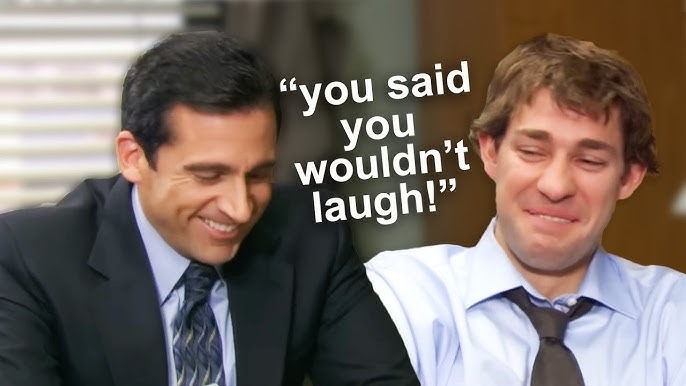
Steve Carell Sends John Krasinski Into Eight Minutes Of Laughter On ‘The Office’ Bloopers

0

Here is eight minutes of comedy chaos straight from The Office vault. In this blooper reel, Steve Carell repeatedly sends John Krasinski into uncontrollable laughter while cameras roll. Carell’s improvised Michael Scott energy crashes directly into Krasinski’s Jim Halpert reactions, and the result is pure sitcom gold.

Bob Dylan Gets Passionate Defense From Penn Jillette On The Magnificent Others with Billy Corgan Podcast

0

Bob Dylan has heard every argument about his voice for decades. Penn Jillette has an answer. Speaking with Billy Corgan on The Magnificent Others podcast, Jillette stepped in with a direct defense of the legendary songwriter. His point is simple. Dylan is not chasing pop perfection. He delivers character, phrasing, and narrative weight.


Men At Work Bring Classic “Who Can It Be Now?” To Jimmy Kimmel Live

0

Men At Work delivered a sharp reminder of one of the great new wave hooks when they performed “Who Can It Be Now?” on Jimmy Kimmel Live. The song first arrived in 1981 and quickly climbed to #1 on the Billboard Hot 100, powered by Colin Hay’s anxious vocal delivery and Greg Ham’s unforgettable sax line. Decades later, the performance still carries the same tight groove and offbeat charm that made it a global radio staple. The track remains one of the defining songs of early 1980s pop-rock, instantly recognizable and still bursting with melodic punch.


Trailblazing Actress Judy Pace Remembered After Her Passing at 83

0

The entertainment world is remembering Judy Pace, a pioneering actress whose presence on screen helped expand opportunities for Black performers in television and film. Pace died peacefully in her sleep on March 11 at the age of 83 while visiting family in Marina Del Rey. Her passing marks the loss of a performer whose work opened doors and whose legacy continues to inspire generations of artists.

Born in Los Angeles on June 15, 1942, Pace first found success as a model before stepping into acting. She made her film debut in the 1963 Cold War spy movie “13 Frightened Girls,” beginning a career that soon brought her to television screens across America. In the 1960s she appeared in popular series including “Batman,” “Bewitched,” “I Spy,” “Days of Our Lives,” “The Flying Nun,” and “The Mod Squad,” becoming a familiar face during a transformative era in television.

Pace reached new heights when she portrayed Pat Walters on the ABC drama “The Young Lawyers,” a role that earned her an NAACP Image Award for Outstanding Actress in a Drama Series. She also appeared in the beloved television movie “Brian’s Song,” portraying Linda Sayers alongside Billy Dee Williams and James Caan. On the big screen she became a memorable presence in films such as “Cotton Comes to Harlem,” “The Slams,” and “Frogs,” helping shape the cultural landscape of 1970s cinema.

Beyond her work on screen, Pace was dedicated to lifting others up. In 1971 she co-founded the Kwanza Foundation with Nichelle Nichols, an organization that supported Black women working in film and provided scholarships to minority students pursuing careers in the arts. Through this work she helped encourage new voices and expand representation within the entertainment industry.

Judy Pace leaves behind a rich legacy carried forward by her daughters Shawn Pace Mitchell and actress Julia Pace Mitchell, her grandson Stephen Lamar Hightower III, and many loved ones. Her career stands as a testament to talent, resilience, and generosity, and her contributions to television, film, and the arts will continue to be remembered for years to come.

Watch Bill Hader Leave Hollywood Stars Speechless With Legendary Celebrity Impressions

0

Bill Hader’s impression skills take center stage in a compilation of unforgettable talk show moments where some of Hollywood’s biggest names struggle to keep a straight face. The comedy favorite runs through spot-on takes of stars including Arnold Schwarzenegger, Al Pacino, and more, delivering each character with uncanny timing and improvisational brilliance. The reactions from celebrities like Robert De Niro, Seth Rogen, and Tom Cruise add to the fun as Hader shifts voices and mannerisms effortlessly.


Coheed And Cambria Drummer Josh Eppard Tackles Black Sabbath Classic “After Forever”

0

Coheed And Cambria drummer Josh Eppard steps into the Drumeo studio for a fascinating challenge: hearing Black Sabbath’s “After Forever” for the very first time and immediately crafting a drum performance to match. The video offers a rare look inside Eppard’s creative instincts as he listens closely, breaks down the groove, and builds his own approach in real time. The result is a sharp demonstration of musical intuition, showing how a seasoned drummer analyzes rhythm, structure, and feel on the fly while honoring the weight of a classic metal track.