“Pee-wee as Himself” is the definitive story of the artist and performer Paul Reubens and his indelible alter ego Pee-wee Herman. Rubens’ first film Pee-wee’s Big Adventure and his children’s television series Pee-wee’s Playhouse were cultural touchstones of the 1980s. However, when Reubens was arrested for indecent exposure, the strict separation he created between himself and his alter ego backfired.
Tea Time for Tummies: How to Support Your Digestive System Naturally
By Mitch Rice
Digestive discomfort can be more than just a mild inconvenience—it can affect your entire day. Whether it’s bloating after meals a sluggish gut or feeling constantly uncomfortable your digestive system may be signalling for a little extra care. Fortunately there’s a simple and natural solution that’s been used for centuries—digestive health teas.
In this article we’ll explore how teas can naturally support your digestive system the best types of herbal blends for gut health and tips for making tea a comforting and effective part of your wellness routine.
Why Digestive Health Teas Matter
Digestive issues have become increasingly common in today’s fast-paced world. From stress and poor diet to over-reliance on processed foods our gut health often takes the hit. This is where digestive health teas come in.
These teas typically made from herbal blends can soothe the digestive tract reduce bloating relieve indigestion and support regular bowel movements. They work by relaxing the muscles of the gastrointestinal system reducing inflammation and encouraging natural digestive processes.
By incorporating teas that soothe the stomach into your daily routine you’re giving your body a gentle nudge in the right direction—naturally and without harsh chemicals.
Top Herbal Teas for Digestion
There’s a wide variety of herbal teas for digestion each with its own unique benefits. Here are some of the most effective options:
1. Peppermint Tea
Known for its refreshing flavour peppermint tea is also a powerhouse for easing digestive discomfort. It relaxes the muscles in the digestive tract and can help reduce bloating gas and abdominal pain.
Best for: Relieving cramps bloating and indigestion.
2. Ginger Tea
Ginger stimulates saliva bile and gastric enzymes that aid digestion. It also has anti-inflammatory properties that can help settle an upset stomach.
Best for: Nausea slow digestion and acid reflux.
3. Chamomile Tea
Chamomile is not only calming to the mind but also to the stomach. It can help reduce gastrointestinal inflammation and muscle spasms.
Best for: General gut health reducing bloating and easing stress-related stomach discomfort.
4. Fennel Tea
Fennel seeds have been used in traditional medicine to combat indigestion and gas. The tea helps the body expel gas and ease painful bloating.
Best for: Post-meal fullness gas relief and IBS symptoms.
5. Liquorice Root Tea
Liquorice root can soothe ulcers and reduce inflammation in the gut lining. It’s commonly used for IBS relief and heartburn.
Best for: Soothing the digestive tract and supporting a healthy gut lining.
These are just a few examples of the best teas for gut health and incorporating a mix of these can offer a well-rounded digestive aid.
Natural Ingredients That Work Wonders
Many digestive health teas are effective thanks to their powerful plant-based ingredients. Here’s a closer look at a few standout choices:
- Chamomile for digestion: Helps relax the gut and promote smoother digestion.
- Peppermint tea for bloating: Eases tension in the gut wall and reduces gas buildup.
- Ginger tea benefits digestion: Improves circulation and supports the breakdown of food.
- Fennel and anise: Help eliminate trapped wind and reduce cramping.
Using a combination of these ingredients can offer broad relief for many common digestive complaints.
Teas for Common Digestive Problems
Depending on what your tummy is struggling with there’s likely a tea to help. Here’s a quick guide:
| Digestive Issue | Tea Solution |
| Bloating & Gas | Peppermint Fennel Ginger |
| Indigestion | Chamomile Liquorice Root |
| Nausea | Ginger Lemon Balm |
| IBS Symptoms | Peppermint Fennel Chamomile |
| Acid Reflux | Ginger Marshmallow Root |
These teas serve as natural remedies for bloating indigestion and more offering gentle relief that supports rather than suppresses your gut’s natural functions.
How to Brew the Perfect Cup for Your Gut
Making a healing cup of tea is about more than just hot water and a teabag. To get the most out of your caffeine-free digestive teas follow these tips:
- Use fresh filtered water: This ensures a clean smooth base.
- Steep the tea properly: Most herbal teas benefit from 5-10 minutes of steeping to extract all the active compounds.
- Avoid boiling water for delicate herbs: Use water around 90°C to preserve their properties.
- Drink mindfully: Sip slowly after meals or at times of discomfort.
Timing also matters. Drinking tea 20–30 minutes after meals can help soothe the stomach and improve digestion.
Lifestyle Tips to Boost Results
While digestive health teas offer tremendous benefits on their own combining them with a few simple lifestyle habits can make them even more effective:
- Eat slowly: Chewing food thoroughly reduces strain on your digestive system.
- Stay hydrated: Water supports digestion and nutrient absorption.
- Avoid heavy meals at night: This helps prevent indigestion while sleeping.
- Incorporate fibre: A fibre-rich diet supports gut motility and reduces bloating.
Pairing these habits with the right teas can lead to lasting digestive wellness.
Discover the Power of Digestive Health Teas with Mother Cuppa Tea
If you’re ready to take control of your gut health the natural way look no further than the curated selection of digestive health teas at Mother Cuppa Tea.
Their specially blended teas are designed with your tummy in mind—crafted from all-natural ingredients and free from caffeine artificial additives and fillers. Whether you’re looking to ease bloating calm IBS symptoms or simply support your digestive wellness you’ll find a delicious and soothing solution to suit your needs.Start your journey toward better digestion with confidence and comfort—shop Mother Cuppa Tea’s digestive health range today.
Conclusion
Supporting your digestive system doesn’t have to involve complicated diets or harsh medications. With the simple addition of digestive health teas you can enjoy comfort balance and a happier tummy—naturally. These herbal infusions work gently yet effectively to relieve common issues like bloating gas and indigestion.
Whether it’s a calming cup of chamomile or a zesty ginger brew let herbal teas be your go-to remedy. Embrace the tradition trust the plants and make tea time your gut’s favourite moment of the day.
Data and information are provided for informational purposes only, and are not intended for investment or other purposes.
10 Great Songs That Feature Bagpipes – And Sound All The Better For It
Bagpipes have been around for centuries, echoing across hillsides and battlefields and celebrations. But what happens when they show up where you least expect them — in rock songs, pop hits, and modern anthems? Magic, that’s what.
There’s something so beautiful about the raw emotion that bagpipes bring to a song, adding a texture that’s ancient, haunting, and completely unforgettable.
Here are 10 incredible songs from 1950 onward that prove when you mix a little tradition with a lot of heart, you get music that moves mountains.
1. AC/DC – “It’s a Long Way to the Top (If You Wanna Rock ’n’ Roll)” (1975)
Bagpipes in hard rock? It sounds crazy — until you hear it. Bon Scott took up the pipes himself to bring this song to life, and the result is pure electricity. When those pipes come in halfway through, it’s not just unexpected, it’s heroic. This is the sound of every dreamer who refuses to give up.
2. Paul McCartney and Wings – “Mull of Kintyre” (1977)
When McCartney swapped rock ‘n’ roll for rustic bliss, he turned to the Campbeltown Pipe Band to capture the spirit of Scotland. The bagpipes don’t just accompany the song — they are the song, swelling with pride and nostalgia. It became one of McCartney’s biggest hits for a reason: it’s pure love set to music.
3. Big Country – “In a Big Country” (1983)
Big Country made magic by mimicking bagpipes with guitars — but listen closely, and you’ll hear real bagpipes sneaking into their music too. Their signature sound was proud, full-hearted, and wide as a Highland sky, with pipes giving their anthems an extra lift that still feels fresh today.
4. Korn – “Shoots and Ladders” (1994)
Jonathan Davis didn’t just sing — he pulled out a real set of bagpipes and blew listeners’ minds. The intro of this song is a haunting, almost eerie pipe solo, before the band crashes in with heavy guitars. It’s unsettling, powerful, and one of the boldest things a metal band has ever done on record.
5. The Real McKenzies – “Scots Wha Hae” (1998)
The Real McKenzies are a Canadian Celtic punk band that don’t just use bagpipes — they live bagpipes. “Scots Wha Hae” is a traditional tune turned into a rip-roaring punk anthem, with bagpipes wailing proudly over the chaos. It’s the sound of heritage meeting rebellion in the best way possible.
6. The Battlefield Band – “After Hours” (1987)
If you want to hear how bagpipes can be tender, mournful, and completely hypnotic, look no further. “After Hours” by Scottish folk legends The Battlefield Band weaves pipes into gorgeous, thoughtful arrangements. It’s a song that feels like the very soul of the Highlands, captured forever on record.
7. Glen Campbell – “Bonaparte’s Retreat” (1974)
Glen Campbell gave this traditional fiddle tune a Nashville makeover — complete with unexpected bagpipes. Blending country warmth with a Highland cry, Campbell’s version of “Bonaparte’s Retreat” is cheerful, charming, and proof that sometimes, musical traditions are meant to cross oceans and collide.
8. Mike Oldfield – “Moonlight Shadow” (1983)
This dreamy pop-folk song, made famous by Oldfield and vocalist Maggie Reilly, subtly features bagpipes in the background layers, adding to its wistful, magical feeling. You might not catch them right away, but once you notice, you’ll realize they give the whole track a beautiful, faraway sadness.
9. Seven Nations – “Big Dog” (1998)
Seven Nations blend rock and Celtic traditions better than almost anyone, and “Big Dog” shows it off. With roaring guitars and soaring pipes front and center, it’s an adrenaline rush wrapped in plaid. It’s the kind of song that makes you want to dance, fight, and celebrate — sometimes all at once.
10. The Chieftains with The Rolling Stones – “The Rocky Road to Dublin” (1995)
When Irish music legends The Chieftains teamed up with The Rolling Stones, you knew magic was going to happen. “The Rocky Road to Dublin” is a dizzying, joyful explosion of sound, with bagpipes galloping alongside Mick Jagger’s spirited vocals. It’s tradition, rock ‘n’ roll, and pure joy in one glorious package.
The Speaker Wars Premiere “Roadmap to Healing” Video Ahead Of Debut Album Release
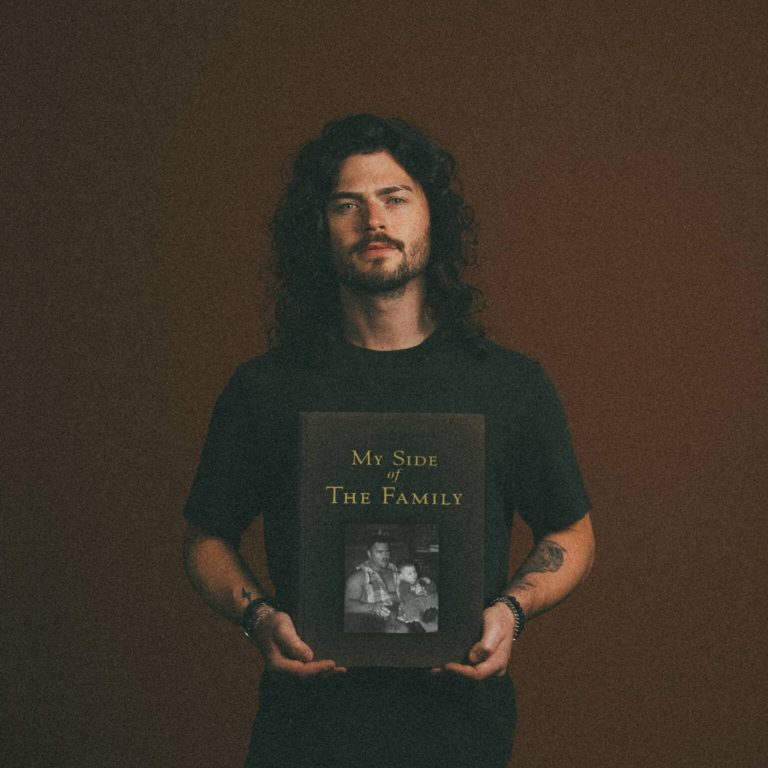
The Speaker Wars, led by ex-Tom Petty and The Heartbreakers drummer Stan Lynch and guitarist/vocalist Jon Christopher Davis, premiere the third video from their debut self titled album scheduled for release May 30th.
As with the previous videos for the songs “You Make Every Lie Come True” and “It Ain’t Easy”, the video was directed by Brad Osborne and filmed in Denton, TX. Stan Lynch comments: “This one had legs from the start — it’s written from the heart. It’s a roadmap to healing. It’s the truth.”
Jon Christopher Davis adds: “It was a simple chorus I had lying around. I sat at Stan’s piano and played it. He immediately knew where I was trying to go. Two hours later, the song was finished. The end result is a soul scratcher.”
Fishbone Ignite Urgent Groove With “Last Call In America” Featuring George Clinton
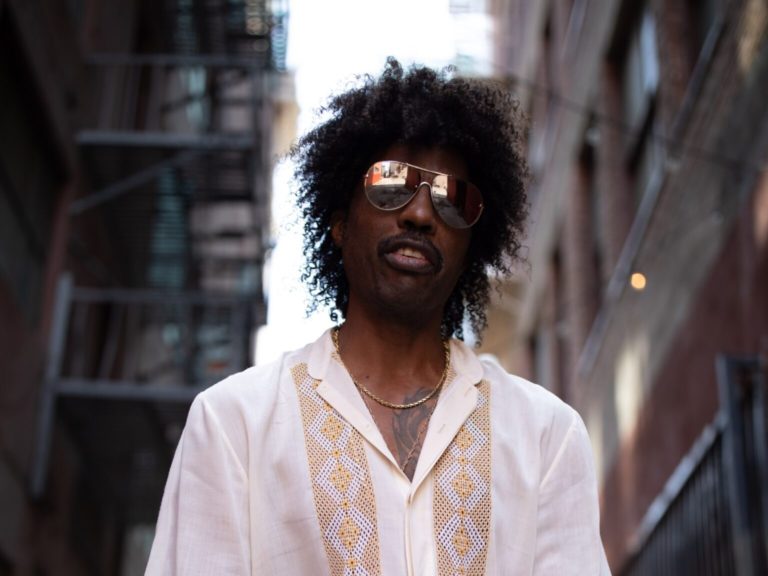
Iconic punk-ska-funk pioneers Fishbone are set to release their latest single and music video, “Last Call in America,” which was co-written by original members Christopher Dowd and Walter “Dirty Walt” Kibby and features the godfather of funk, George Clinton, out on April 25.
The track serves as the second single from their forthcoming album Stockholm Syndrome, due out on June 27. With their signature fusion of infectious grooves and razor-sharp social commentary, Fishbone delivers a timely and urgent anthem that speaks to the fractured state of the nation. Stream it here: Last Call in America.
“Last Call in America” is a groove-filled wake-up call that tackles themes of economic disparity, social unrest, and the never-ending cycles of injustice that plague the country. With frontman Angelo Moore leading the charge, the track explodes with energy as he belts out piercing observations on price gouging, inflation, and systemic dysfunction, channeling the raw spirit of Fishbone’s four-decade legacy of activism through music.
Christopher Dowd shares, “The song comes out swinging, with Angelo singing from the top of the song ‘price gouging and rising inflation’ as George Clinton exclaims, ‘5 dollars for gasoline!’ This song is a warning call to humanity to recognize the inflection point that is tearing the soul of this country and world apart.”
The accompanying music video brings the song’s message to life with striking imagery, blending archival footage with the band’s electrifying performance. It captures the chaos, resilience, and rebellion that define both the song and the current state of America.
As the band gears up for the release of Stockholm Syndrome, they remain as vital and uncompromising as ever and ready to take their message on the road. They will be on tour in Europe this May, on Less Than Jake’s Summer Circus in the US this summer, as well as performances at the Long Beach and D.C. stops of Vans Warped Tour 2025.
Jonathan Davis Launches Freak On A Leash Pet Line With Ashton Michael
Jonathan Davis, the iconic frontman of GRAMMY Award-winning band Korn, has teamed up with fashion designer Ashton Michael to create an exclusive new capsule collection under Davis’s Freak On A Leash pet line. The collection—featuring rebellious fashion, edgy accessories, and plush toys for pets—drops today, April 22nd, and a portion of proceeds will support Pup Culture Rescue, a nonprofit dog rescue based in Pasadena, CA. The rescue’s adoptable pups also star in the campaign’s promo images and videos, bringing the mission full circle.
Launched in 2022 and aptly named after Korn’s legendary single, Freak On A Leash is Davis’s homage to the pets that have brought light into his life. This latest collaboration marks the first time designer Ashton Michael has ventured into the pet space—bringing the same energy he’s used to dress Beyoncé, Post Malone, SZA, Doja Cat, and Megan Thee Stallion to your four-legged best friend.
“The joy and love I get from my dog is like no other,” says Davis. “It’s a special bond we have. To be able to make something to dress them up kind of like your own style… and then giving back to dogs who don’t have homes, it’s just something that makes me feel something warm in my dark little heart.”
“I think the one thing that I wanted to do was take what I would make as an inspiration for stage clothes (for Jonathan) and adapt it to the pets.” says Ashton Hirota (Ashton Michael). “Things that people like about or identify with Jonathan. Like his three eyebrow piercings being incorporated into the collars so that not only do you feel like you are getting a part of his brand for your pet but you’re getting a part of him as the musician, the artist, as this being that we all adore. So the beauty is in the details for me.”
The collection blends punk, metal, and high-fashion aesthetics with unexpected touches that nod to Davis’s personal style—from bandanas with red-to-black gradients and moto-inspired leather to a harness vest adorned with gold metallic rings. The drop includes:
- Spiked Collars (3 row spike collar and single row spiked collar)
- Bold Graphic Bandanas (paisley, gradient, and leather-print motifs)
- Matte Gold Leather Leash with leash extension
- Denim Vests (with patches & leather harness options)
- “Ouija” Plush Toy
- Suede Tug Rope Toy
The collection ranges from $15 to $95 and offers sizes XS through XL for collars and clothing (sizing guide). Every piece is designed to be both functional and statement-making—perfect for pet lovers who like their walks with a side of rock ‘n’ roll. The Freak On A Leash x Ashton Michael collection is now available at FreakOnALeash.com
Bridges Ablaze Celebrate Their Journey With “Apocalypse” Video
Austin-based Bridges Ablaze, the buzzing rock band born from the serendipitous encounter between two incredibly talented artists—Brien Allen and Ruben Zamora—continues to captivate audiences with their transformative music journey. Bridges Ablaze announce their live video for “Apocalypse.” Hot off the release of their singles “Take Me,” “Heartbroken Angel,” “Numb,” and “Apocalypse,” (over 28M plays on TikTok).
From chance meeting to dynamic partnership, their story is nothing short of awe-inspiring.In the heart of El Paso, TX, Ruben Zamora, originally destined for a career in the Military, found himself contemplating his future. Despite previous band experiences, Ruben’s unwavering passion for music propelled him towards a career in the industry. His professional approach to the chaotic music world has been instrumental in his success. A fateful visit to Guitar Center would accelerate his life’s trajectory.
On the other side was Brien Allen, pursuing a Petroleum Sciences degree at the University of Texas. Brien’s musical journey began in middle school when he taught himself the guitar, overcoming challenges with a unique determination. Inspired by musicians and situations that pushed him, Brien’s dedication to improvement became his trademark. All this led him to an encounter at an Austin Guitar Center.
Their paths aligned as if scripted—Brien and Ruben, drawn by the magnetic pull of music, met in the afore-mentioned Guitar Center, recognizing each other’s exceptional talent. The mutual admiration sparked a connection, leading to the formation of Bridges Ablaze in 2019. With a lineup of talented musicians, Bridges Ablaze made their mark with a compelling cover of 30 Seconds To Mars’ “The Kill.”
Their quest for the perfect producer led them to Robby Joyner (Fire From The Gods), where synergy on a personal and musical level flourished. The collaborative process became a harmonious blend of respect, flow, collaboration, and vulnerability. In 2023, armed with insights gained through mentorship under industry luminaries, the band orchestrated a professional release strategy, assembling a stellar team to execute every detail with precision.
5 Surprising Facts About The Velvet Underground’s ‘White Light/White Heat’
When White Light/White Heat was released in 1968, The Velvet Underground smashed the rules to pieces. Raw, chaotic, and thrillingly imperfect, it captured the band’s live energy like lightning in a bottle. Over the years, the album has become legendary, but here are five facts that even some superfans might not know:
1. “Sister Ray” Was Recorded in One Take – And It Nearly Drove Everyone Crazy
The 17-minute epic “Sister Ray” was intentionally recorded in one single, blistering take. Lou Reed insisted the band power through the chaos without stopping, even when engineer Gary Kellgren reportedly walked out of the session! The result? A wall of glorious noise that became a blueprint for punk, noise rock, and beyond.
2.Andy Warhol Was Still Behind the Band—But Not the Cover
Even though Andy Warhol was officially out of the picture, his influence on the Velvet Underground lingered. But contrary to popular belief, the White Light/White Heat cover was not his idea. Lou Reed selected the image—a tiny skull tattoo—after spotting it in a photograph Billy Name took on the set of Bike Boy, featuring Joe Spencer and Ann Wehrer. It was Lou’s idea to isolate the skull, and Billy’s idea to print it black-on-black, creating the album’s haunting, nearly invisible cover. Warhol didn’t design it, but the eerie aesthetic is still unmistakably Velvet Underground.
3. “The Gift” Was Born From Lou Reed’s College Days
The bizarre spoken-word piece “The Gift,” told in John Cale’s deadpan voice, was based on a short story Lou Reed had written while studying at Syracuse University. Mixing gruesome storytelling with wild guitar feedback, the song was a fearless mashup of literature and rock long before it became cool.
4. They Played So Loud, They Broke The Studio’s Limits
The band’s endorsement deal with Vox gave them access to top-notch amplifiers—and they used them to devastating effect. They played so loudly during recording that the meters in the studio maxed out into the red. The resulting distortion wasn’t just tolerated — it became the album’s signature sound, blazing a trail for generations of rock rebels.
5. “Here She Comes Now” Was Meant For Nico
Originally, “Here She Comes Now” was intended to be sung by Nico, who had performed it during the Exploding Plastic Inevitable shows. After Nico and the band parted ways, Lou Reed stepped in. The simple, haunting ballad stands out as a moment of quiet beauty on an album otherwise teeming with chaos and distortion.
Even though White Light/White Heat barely made a dent in the charts when it was first released, its influence would go on to shake the music world to its core. From punk to noise rock to alternative music, generations of artists found inspiration in its fearless, distorted beauty. The Velvet Underground may not have seen commercial success in their time, but they lit a fire that never went out — proving that sometimes the records that sell the fewest copies are the ones that change everything.
5 Surprising Facts About Kacey Musgraves’ ‘Golden Hour’
When Golden Hour arrived in 2018, Kacey Musgraves gave the world a warm, luminous embrace. Blending country with pop, disco, and a little cosmic dust, Golden Hour felt like a fresh sunrise in music. Beyond its Grammy wins and universal praise, there’s even more magic tucked inside its making. Here are 5 beautiful facts you might not know about Golden Hour.
1. Some of It Was Written Above a Horse Stable
Believe it or not, parts of Golden Hour were written and recorded in a studio perched above Sheryl Crow’s horse stable. The peaceful, pastoral setting seeped into the album’s dreamy, nature-soaked atmosphere. It’s no wonder Golden Hour sounds like a slow ride across open fields — it was born in the calm between horses’ footsteps and quiet skies.
2. LSD Helped Spark Two Songs
During the writing process, Kacey Musgraves experimented creatively — and that included taking LSD. She credits the experience with opening up her imagination while writing “Mother” and “Slow Burn.” The songs’ introspective, almost otherworldly tones owe a little of their magic to that wide-open sense of wonder Musgraves embraced during that time.
3. “Space Cowboy” Was Inspired by a Charging Stallion
While watching a stallion gallop freely in a riding arena, a riding instructor told Kacey, “When they wanna go, they will go.” That simple statement hit her hard — and later became the inspiration for “Space Cowboy.” Sometimes the best songs come from small, profound moments that remind us how important it is to let go and find our own path.
4. The Cover Photo Almost Didn’t Happen
The dreamy Golden Hour cover — Kacey holding a paper fan against a glowing sky — almost didn’t exist. Her sister, photographer Kelly Christine Sutton, wasn’t initially sold on the idea when Kacey suggested it. But when they found a wide-open Texas field with nothing but sky for miles, the vision clicked into place. That spontaneous moment captured the spirit of the album: simple, striking, and full of light.
5. “Rainbow” Became an Anthem for Healing
“Rainbow” wasn’t just a beautiful album closer — it became a beacon of hope. Written years earlier as a note to herself, Musgraves later dedicated the song to anyone going through dark times. It’s especially dear to her because it was the last song her grandmother ever heard her write, making it a deeply personal farewell and a universal hug.
Golden Hour remains a glowing reminder that music can be healing, transformative, and pure. It’s not just a collection of songs — it’s a feeling you carry with you, through every sunset and every storm.
5 Surprising Facts About The Beatles’ ‘Help!’
When The Beatles released Help! in 1965, it wasn’t just another album — it was a massive leap forward. It was the soundtrack to a movie, a collection of irresistible pop songs, and a window into the rapidly evolving creative world of John, Paul, George, and Ringo. Over the decades, it’s become a classic, but Help! still holds some wonderful secrets that even die-hard fans might not know. Let’s dive into 5 little-known facts about Help! — and celebrate the album that gave us hits, heartbreak, and history.
1. “Help!” Was John Lennon’s Real Cry For… Help
Sure, it sounds upbeat, but John Lennon later admitted that “Help!” wasn’t just a catchy song title — it was a literal cry for help. As the Beatles’ fame exploded, Lennon found himself overwhelmed, unhappy with his weight, and emotionally drained. He said it was one of the most honest songs he ever wrote, expressing vulnerability at a time when rock stars were supposed to look invincible. It’s a reminder that sometimes the brightest melodies come from the darkest places.
2. The Album Cover Doesn’t Actually Spell ‘HELP!’ In Semaphore
At first glance, it looks like the Beatles are spelling out H-E-L-P with their arms. But guess what? They aren’t! Photographer Robert Freeman originally tried to have them form the letters properly using semaphore, but it didn’t look visually pleasing. So instead, they improvised the arm positions purely based on what looked best. In true Beatles fashion, even their “mistakes” became iconic.
3. “Yesterday” Was Almost Called… “Scrambled Eggs”
Yes, you read that right. When Paul McCartney first dreamed up the melody for “Yesterday,” he didn’t have any lyrics yet — so he jokingly sang, “Scrambled eggs / Oh my baby how I love your legs.” He carried around the melody for months, asking friends if they recognized it (worried he’d unconsciously copied it). When no one claimed it, he finally penned the timeless lyrics we know today. And somewhere out there, “Scrambled Eggs” almost became the most covered song in history!
4. George Harrison’s “I Need You” Introduced A New Sound
George Harrison’s contribution to Help! was groundbreaking in its own quiet way. “I Need You” marked the Beatles’ first use of a volume/tone pedal on guitar, giving the song its distinctive wavering sound. It was a small touch with a big impact — a hint that George was growing into a songwriter and sonic innovator who would eventually shape the band’s sound in beautiful and unexpected ways.
5. Half The Album Was Recorded While The Beatles Were High On Cannabis
Influenced by Bob Dylan (who famously introduced them to cannabis), the Beatles embraced marijuana during the making of Help!. John Lennon said that “You’ve Got To Hide Your Love Away” and other tracks reflected a new kind of emotional depth — a vulnerability that hadn’t appeared in their earlier pop songs. The music got a little more introspective, the lyrics a little more raw, and the Beatles began to move from lovable moptops toward the cultural revolutionaries they’d soon become.
Help! is one of those albums that still feels as fresh today as it did nearly 60 years ago. It’s full of stories, experimentation, and that unbeatable Beatles magic — all wrapped in joy, sadness, and everything in between. Whether you’re cranking up “Ticket to Ride” or letting “Yesterday” tug at your heartstrings, every listen reveals something new. That’s the wonder of Help! — it always shows up right when we need it most.