Home Blog Page 756

10 of the Best Karaoke Songs of All Time

0

There are two kinds of people in this world: those who love karaoke, and those who haven’t had enough drinks yet. Whether you can belt like Beyoncé or mumble like Bob Dylan, here are 10 songs that bring the party every single time—no vocal training required.

1. “Don’t Stop Believin’” – Journey
This song is karaoke’s national anthem. Everyone knows the words. Everyone becomes Steve Perry. Bonus points if you are actually born and raised in South Detroit.

2. “Bohemian Rhapsody” – Queen
It’s dramatic. It’s chaotic. It’s six minutes long and you will need backup singers. But if you can make it through the operatic middle without bursting into laughter, you’re a legend.

3. “I Want It That Way” – Backstreet Boys
Boy band ballads never go out of style. Grab four friends, harmonize poorly, and feel every emotion like you’re on TRL in 1999. Tell me why this isn’t always in your karaoke rotation.

4. “Sweet Caroline” – Neil Diamond
This one’s not even about singing—it’s about shouting BAH BAH BAH like your life depends on it. A guaranteed crowd singalong, especially after two pitchers of beer.

5. “Tequila” – The Champs
You only need to say one word. No really, just one: “Tequila.” And yet, it brings the house down every time. Perfect for shy singers or comedians in disguise.

6. “Shallow” – Lady Gaga & Bradley Cooper
For the dramatic duo in the room. It starts tender, ends in a scream, and if you’re not reenacting the A Star Is Born movie poster by the end, did you even do it right?

7. “Mr. Brightside” – The Killers
The emo millennial anthem that turned into an eternal banger. Everyone knows every word, and if you’re shouting them through clenched teeth, you’re doing it right.

8. “Total Eclipse of the Heart” – Bonnie Tyler
Ballads that are this dramatic deserve their own wind machine. Belt it like your ex is in the audience and you just saw them with someone new. Goosebumps guaranteed.

9. “Living on a Prayer” – Bon Jovi
It starts with a story, ends with a scream. By the time you get to Ohhhh we’re halfway there, the bar’s on fire (metaphorically). Or literally, depending on your local dive.

10. “Since U Been Gone” – Kelly Clarkson
This one’s for the people with something to prove. Shout it, scream it, heal a little. Kelly gave us a breakup song we didn’t know we needed. And yes, the high note is mandatory.

Whether you’re singing your heart out or just yelling “Tequila!” into the mic, karaoke isn’t about being perfect. It’s about showing up, letting loose, and maybe losing your voice for a good reason.

The Role of Steel in Sustainable Construction with Metal Buildings

0

By Mitch Rice

In the world of sustainable construction, steel-framed metal buildings—like garages, workshops, storage buildings, and home-based outbuildings—are becoming a popular choice for eco-conscious homeowners and businesses. Unlike towering skyscrapers or large industrial warehouses, these steel buildings serve practical everyday purposes but still pack a powerful environmental punch. 

With steel as the core material, these structures offer durability, energy efficiency, and adaptability that align well with long-term sustainability goals.

Built to Last: Durability as a Green Asset

Steel buildings are incredibly strong and resistant to many of the common issues that plague wood structures, such as rot, termites, mold, and warping. This resilience means fewer repairs, fewer replacements, and far less material waste over time. When a building lasts for decades with minimal maintenance, its environmental footprint is significantly reduced. It’s a form of sustainability that doesn’t rely on futuristic tech—it’s built into the material itself.

Recycled and Recyclable

Steel is one of the most recyclable materials on Earth. Many steel metal buildings are made from recycled steel, and when they eventually reach the end of their life, nearly 100% of the steel can be recycled again. That circular lifecycle keeps steel out of landfills and reduces the demand for mining virgin resources. Using steel not only prevents waste—it reduces the need for extracting new materials from the environment.

Low-Waste Construction

Traditional construction often leads to piles of waste, but metal buildings are typically prefabricated off-site and delivered ready to assemble. That means fewer scraps, less sawdust, and less mess. The precise design of steel structures allows for accurate material use, which minimizes waste from start to finish. For property owners, that also translates to faster builds and lower cleanup costs.

Energy Efficiency Through Smart Design

Modern metal buildings with steel framing can be insulated with energy-efficient materials that reduce heating and cooling demands. Roof panels can be coated to reflect sunlight, keeping interior spaces cooler in warm months. 

These buildings are also well-suited for solar panel integration, allowing property owners to generate their own clean energy. Combined, these features help reduce the carbon footprint of a structure over its lifetime.

Adaptable for Multiple Uses

A key part of sustainability is extending a building’s purpose beyond just one function. Steel-framed metal buildings can be transformed from equipment storage units to workshops, hobby studios, or even home gyms. 

Their open layout and modular design make them easy to repurpose, expand, or reconfigure without tearing everything down and starting from scratch. That kind of adaptability reduces the need for building additional structures, conserving resources over time.

Fewer Chemicals and Maintenance

Because steel doesn’t rot or attract insects, there’s no need for chemical treatments like pesticides, preservatives, or waterproofing sealants. This not only makes the structure safer for people and pets, but also eliminates harmful runoff that might otherwise seep into soil or water systems.

Conclusion

When you choose a metal building in Elk Grove constructed from steel, you’re not just getting a strong and functional space—you’re making a choice that supports long-term sustainability. 

From its recyclable nature and low-maintenance qualities to its energy-saving potential and waste-reducing construction methods, steel plays a central role in eco-friendly building practices. For homeowners, farmers, small business owners, or hobbyists, steel-framed outbuildings are a smart, sustainable investment that stands the test of time.

Data and information are provided for informational purposes only, and are not intended for investment or other purposes.


The Soundtrack of Sports: How Music Shapes the Game-Day Experience

0

By Mitch Rice

Music pulses through the veins of modern sports culture, influencing everything from an athlete’s mindset to the roaring energy of a stadium. More than just background noise, music amplifies tension, celebration, unity, and anticipation at every level of competition. From globally recognized stadium anthems to emotionally charged pre-game hype tracks, music has become a central force in shaping game-day experiences for players and fans alike. This article explores how specific soundtracks, iconic collaborations, and dedicated professionals are changing the way the world experiences sports.

Enhancing Athletic Performance

Music is not just a psychological stimulant; it actively contributes to athletic excellence. According to prezi.com, scientific studies have shown that listening to music can significantly enhance physical performance by increasing endurance, improving speed, and amplifying strength output. Athletes use carefully selected playlists during training and competition to sustain intensity and delay fatigue. The rhythm and tempo of songs help regulate breathing and pace, which is particularly vital in endurance-based sports like marathon running, cycling, and swimming. By creating a mental state conducive to peak performance, music becomes as essential as any piece of sports equipment.

Creating Emotional Atmosphere

Soundtracks are crafted to do more than fill silence—they evoke emotion and shape the psychological climate of entire sporting events. Musiccrowns.org emphasizes the deliberate use of songs to enhance emotional engagement for fans. From the heart-thumping bass of an entry track to the euphoric burst of post-goal celebrations, these moments are transformed through sound. Teams often use music to build narrative arcs over a game, escalating tension or highlighting triumph. Music becomes a storytelling tool, making fans feel like part of something greater than the score alone can express.

Cultural and Psychological Impact

Sporting events offer a rare fusion of tribal allegiance and collective emotion, and music plays a crucial role in uniting these elements. According to eonmusic.co.uk, shared musical experiences in stadiums and arenas create a unique sense of community. Chants, national anthems, and iconic team songs act as sonic markers of identity. Fans from diverse backgrounds come together to sing in unison, breaking barriers of language and geography. Music allows a fanbase to express passion in harmony, turning individual spectators into a unified, emotionally synchronized force.

Event Organizers and DJs

At the forefront of crafting immersive sports experiences is Leslie Dufaux, the head of “sports presentation” at the 2024 Paris Olympics. As reported by Le Monde.fr, Dufaux’s role involves the meticulous curation of sound and visual elements to amplify the crowd’s energy and synchronize the event’s emotional flow. Her work includes choosing the right tracks for athlete introductions, transition moments, and medal ceremonies—decisions that influence not just energy levels but also viewer memory and media highlights. This approach transforms passive viewing into a shared cultural event of global resonance.

Musicians and Composers

When cinematic music genius Hans Zimmer teamed up with the Seattle Kraken, a new era of sports sound was born. As highlighted by Axios, Zimmer composed original hype music for the NHL team, introducing a fusion of orchestral storytelling and arena energy. Known for his dramatic film scores, Zimmer brought gravitas and emotion to the pre-game and intermission sequences, elevating the experience from a standard hockey match to a sensory spectacle. This collaboration is a blueprint for how music composition can deepen fan investment and enhance branding through emotional resonance.

Public Perception

The global embrace of music in sports is not limited to curated performances—it extends to iconic tracks that transcend the game itself. “Seven Nation Army” by The White Stripes, for example, has evolved into a global chant recognized across soccer stadiums, Olympic events, and championship celebrations. As Wikipedia notes, its instantly recognizable riff has become a universal sports anthem. Fans from Rome to Rio chant it instinctively, regardless of team allegiance. NFL picks and draft boards may change daily with every trade rumor and scouting update, but the soundtrack of sports remains a constant—rallying fans through every moment of uncertainty, celebration, and heartbreak.

From Major League Baseball batters to UFC fighters entering the octagon, walk-up songs are carefully chosen soundtracks of self-expression. These tracks provide psychological boosts, reinforce personal branding, and engage the crowd. The beat, lyrics, or cultural reference may be an inside joke, a message to the opponent, or a nod to a player’s roots. These moments allow fans to form connections with players beyond athletic performance, humanizing them and making their entrance memorable before the first pitch or punch is thrown.

Synchronization and Timing

Timing is everything in sports—and that includes the music. Whether it is pumping up a crowd during a timeout or cooling the atmosphere after a high-intensity moment, DJs and stadium operators synchronize songs with live action to sustain audience engagement. This timing affects how fans perceive momentum and helps reinforce team narratives. A high-energy track after a clutch three-pointer or a classic victory anthem following a last-minute goal creates lasting emotional memories.

Technological Integration

Modern venues are now equipped with surround sound systems and acoustics designed for high-impact musical delivery. The implementation of 3D audio, sound mapping, and customizable bass levels gives event organizers unprecedented control over fan experience. Smart stadiums are blending music with lighting, pyrotechnics, and visual displays to create multi-sensory events that rival major concerts in intensity. These technological innovations ensure that music is not just heard but felt throughout the venue.

Emotional Recovery and Transition

Sound also plays a subtle but powerful role during transitions, losses, and exits. A carefully selected track after a home team defeat helps fans process disappointment, while triumphant tunes after a win reinforce celebratory emotions. These musical interludes act as emotional decompression tools, easing fans through the highs and lows of the game. Music serves as a shared medium for grief, joy, anticipation, and reflection.

Looking Forward: The Future of Sports Soundscapes

The influence of music on sports is poised to grow with deeper artist-athlete collaborations, AI-generated soundtracks, and fan-controlled music experiences. As teams experiment with gamified audio selection and blockchain-based music licensing, fans may soon vote on entrance songs or create collaborative playlists in real-time. These integrations offer fresh possibilities for ownership and engagement, placing music at the core of the evolving sports entertainment ecosystem.

Music is no longer a supplement to sports—it is an essential component. From boosting athlete output to uniting global audiences, each note contributes to the drama, energy, and identity of the game. Whether curated by experts like Leslie Dufaux or composed by cinematic legends like Hans Zimmer, the soundtrack of sports resonates far beyond the final whistle.

Data and information are provided for informational purposes only, and are not intended for investment or other purposes.

SiriusXM and CCMA Reveal Finalists for 2025 Top of the Country Competition

0

Today, SiriusXM Canada and the Canadian Country Music Association are thrilled to announce the three finalists for the 2025 SiriusXM Top of the Country competition. Following a nationwide vote—open to Canadian music fans and industry experts—three standout country artists are moving forward to the final stage.

The top three have earned exclusive mentorship opportunities and will perform at major live events across the country, culminating at Country Music Week 2025 in September. Here, our finalists will perform live on stage, and one will be crowned this year’s SiriusXM Top of the Country champion, awarded a grand prize of $25,000, with the two runners-up taking home $10,000 each.

The 2025 SiriusXM Top of the Country finalists are:

  • Sully Burrows – Parry Sound, Ontario
  • Noeline Hofmann – Bow Island, Alberta
  • Jake Vaadeland – Cut Knife, Saskatchewan

“This year’s voting period was a fantastic show of support for Canadian country music, and the caliber of talent only amplified this sense of national pride, driving more fans to vote,” says Michelle Mearns, SVP of Programming & Operations, SiriusXM Canada. “This competition is a true testament to our shared commitment to homegrown music from coast to coast. We’re excited to see fans continue cheering on these artists as they race toward the finale!”

The finalists will continue their journey with a trip to the capital of country music—Nashville—for CMA Fest this June, where they’ll connect with top industry experts and prepare for their upcoming live performances. In August, they’ll take the stage at Montréal’s LASSO country music festival—a key moment on the road to crowning the 2025 SiriusXM Top of the Country champion in Kelowna, BC during Country Music Week 2025 this September.

Broadcast live on SiriusXM’s Top of the Country Radio (Ch. 171), the finale will feature unforgettable performances from all three finalists — but only one will take home the crown!

“We’re incredibly excited to see this year’s competition unfold,” says Amy Jeninga, President, CCMA. “The country music scene in Canada and around the world continues to expand every year, and it’s an incredible honour to elevate and celebrate the passionate artists and fans across the country who make SiriusXM’s Top of the Country possible.”

SiriusXM’s Top of the Country in partnership with the CCMA is part of SiriusXM’s ongoing tradition of promoting and elevating the best emerging Canadian music. SiriusXM continues to offer a leading platform for Canadian artists through its significant financial contributions and North American-wide reach.

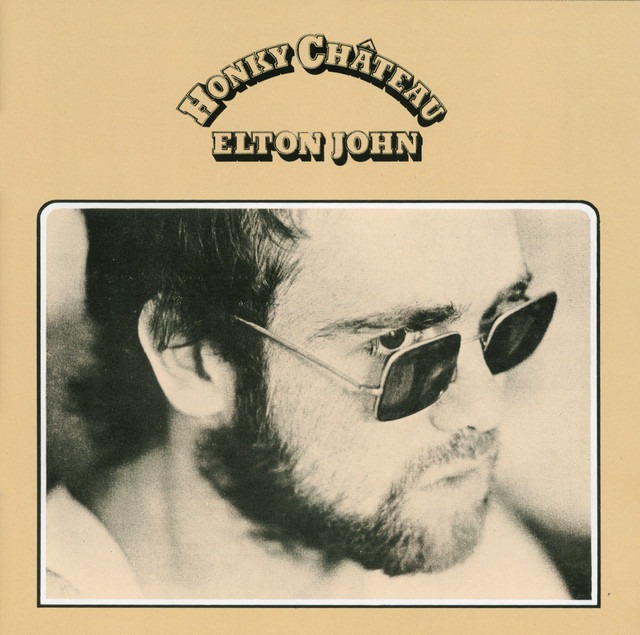
5 Surprising Facts About Elton John’s ‘Honky Château’

Before the stadiums, the sequin suits, and the record-breaking farewell tours, there was a French château, a funky cat, and a rocket to the stars. Honky Château, Elton John’s fifth studio album, wasn’t just a turning point — it was liftoff. Here are five facts you (probably) didn’t know about the album that turned a mansion into a music landmark.

1. It really was a château — and yes, it was probably haunted.
Elton John didn’t just name Honky Château after a fancy French estate for the aesthetic — he actually recorded the whole thing at Château d’Hérouville, an 18th-century mansion turned studio just outside Paris. The place had a wild history, hosting classical legends like Chopin and wild rock stars like David Bowie. Musicians said it was haunted, and Elton’s producer Gus Dudgeon even called it “The House of Hits.” Despite the creaky floorboards and spectral whispers, Elton and the band moved in, jammed in their slippers, and turned the place into a hit-making headquarters. It was less Abbey Road and more Scooby-Doo with a piano.

2. “Rocket Man” wasn’t just a hit — it was a full-blown cosmic breakthrough.
Bernie Taupin got the idea for “Rocket Man” on a quiet drive home after seeing what might’ve been a shooting star or just a plane blinking in the night sky. He was thinking about Ray Bradbury’s short story of the same name — a tale of an astronaut’s emotional distance — and had to repeat the opening lines to himself for two hours so he wouldn’t forget them. It became Elton’s first major U.S. hit, cracked the UK Top 3, and introduced the world to his now-signature backing vocal trio. As of 2024, “Rocket Man” is triple platinum on both sides of the Atlantic and has passed one billion streams. Not bad for a song written in a car and recorded in a château.

3. This was the first album where Elton trusted his band over the suits — and it paid off.
Before Honky Château, Elton’s label insisted on using slick session musicians in the studio, letting his road band contribute only one song each on previous albums. But here, for the first time, bassist Dee Murray, drummer Nigel Olsson, and guitarist Davey Johnstone were the core players from start to finish. The chemistry was electric — literally. Johnstone didn’t just shred on guitar, he brought banjo, mandolin, sitar, and rich vocal harmonies into the mix, helping build the classic Elton John band sound. That decision kicked off a run of U.S. number one albums and a whole new era for Elton — less buttoned-up pop star, more swaggering stage icon.

4. A third single was ready to launch — but got lost on the launchpad.
Everyone knows “Rocket Man” and “Honky Cat” were the singles that carried Honky Château to the top of the charts, but there was a third song quietly waiting in the wings. “Hercules” was prepped for release as a single, complete with a B-side version of “Slave” that was faster, louder, and more piano-driven than the album version. But at the last minute, the single was scrapped, and the alternate “Slave” was shelved for over two decades until it resurfaced on the Rare Masters compilation in 1992. It’s a shame — “Hercules” had hit potential, and “Slave” in its original form is pure, unfiltered Elton fire.

5. Honky Château marked the start of something huge — and no one saw it coming.
Released on May 19, 1972, Honky Château was Elton’s fifth studio album, but the first to hit number one in the U.S. Billboard 200 — the beginning of an incredible streak of seven consecutive number one albums in America. It was also the final Elton album released on the Uni label before MCA consolidated their brands, making it the end of one chapter and the start of another. Critics didn’t know what to make of it at first, but over time it’s been hailed as one of his finest — rising from No. 357 to No. 251 on Rolling Stone’s Greatest Albums list. It was funky, folky, spacey, and soulful. It didn’t follow trends — it created them. And it all started in a chateau, with a cat, a rocket, and a band finally set free.

From haunted hallways to harmony-laced hooks, Honky Château was where Elton John found his groove and never looked back. It wasn’t just an album — it was a launchpad. And now, more than 50 years later, its legacy is still orbiting the hearts of music lovers everywhere.

Tennis Say Farewell With “12 Blown Tires” and Final Album ‘Face Down In The Garden’

0

Tennis has shared “12 Blown Tires,” the latest single from their highly anticipated new album, Face Down In The Garden, arriving via their own Mutually Detrimental label on Friday, April 25.

Produced and recorded by the husband and wife duo of Patrick Riley and Alaina Moore in their Denver, CO home studio, the album and new single will mark the final recordings from this incarnation of Tennis.

“On a cross-country drive at the end of tour, our van and trailer blew four tires in quick succession,” says Alaina Moore. “That particular stretch of highway was a tire graveyard. I counted the shredded remains of twelve tires from where we sat on the side of the road, swapping out our last spare. Our bad luck was heavily contrasted by the good night we’d just had in Houston. The highs and lows of touring are unnatural, disorienting. On the shoulder of I-40, I began writing the lyrics to ’12 Blown Tires.’ It is a constellation of memories from the road, and of our marriage, two endeavors that are completely, hopelessly entangled.

When we recorded ’12 Blown Tires’ a few months later, I had the sense of distilling the past 15 years into four minutes of music. It felt like the end of something, though I wasn’t sure what. Patrick and I spent most of our 20s and all of our 30s focused on Tennis. It has been the most joyous, bewildering, challenging, and humbling experience. After finishing Face Down In The Garden, it became clear that we had said everything we wanted to say and achieved everything we wanted to achieve with our band. This will be our last studio album, at least in this configuration as Tennis. We are ready to pursue other creative projects and to make space in our lives for new things. In that light, the upcoming tour feels more poignant, like a concluding thought. These two kids from Denver who only ever dreamed of playing a few house shows are very fulfilled. Perhaps we’ll see you on the road. As always, thank you.”

As noted, Tennis will both celebrate the arrival of Face Down In The Garden and say farewell to fans with a wide-ranging North American headline tour beginning May 16 at Las Vegas, NV’s Swan Dive and then traveling into early September. Highlights include such iconic venues as Minneapolis, MN’s First Avenue (May 21), Chicago, IL’s The Salt Shed (May 23), New York City’s The Rooftop at Pier 17 (June 1), Austin, TX’s Stubb’s Waller Creek Amphitheater (June 11), and Los Angeles, CA’s famed Greek Theatre (August 20). Special guests include Husbands (May 16-17) and Billie Marten (May 21-June 11).

Tennis will bookend this milestone moment by sharing Neutral Poetry: First Recordings, Unreleased Demos 2009-2010, a new EP of previously unheard tracks from the very beginning of their artistic career, available on Friday, May 16. The eight-song collection includes early versions of such fan favorites as “Cape Dory,” “Marathon,” “South Carolina,” “Baltimore,” and “Pigeon,” along with exclusive demo recordings of the never-before-available songs, “Key Largo,” “April and It’s Still Snowing,” and “One Day This Will Be a Good Songgg.”

Face Down In The Garden marks the seventh studio album from Tennis as well as the eagerly awaited follow-up to 2023’s critically acclaimed Pollen, which earned praise from Pitchfork as “reliably vibey and genuinely inspiring.” Offsetting intuitive melodies with unusual arrangements, the new album sees the duo returning with music that both feels familiar but also resists convention. Songs like the recently released “At The Wedding,” and “Weight of Desire” – both available everywhere now with the latter joined by an official music video directed by frequent visual collaborators Blossom Liu and Danny Gray streaming now at YouTube – highlight Tennis’ ever-expanding range as writers and producers, evolving beyond their girl-group roots into what is unquestionably their most fully realized effort to date.

“Face Down In The Garden is our seventh studio album,” says Moore. “The inspiration for new work came while we were still on the road touring Pollen. We felt a clear pull to write new music, but ran up against a series of bizarre setbacks. We blew tires and lost an engine. I developed a chronic illness. We took a doomed voyage that culminated in an attempted robbery at sea. Fragments of songs that first arrived like gifts from the universe later refused to be completed. Our days were awash in major and minor crises that dragged the album out endlessly.

“Patrick and I felt out of sync with the world, as though we had been ejected from the flow of life. My response was to bury myself in my own memories. Those years weren’t easier or better, but I could make sense of them. In Face Down In The Garden, I trace the arc of my life through a series of vignettes: a first moment of connection, a conversation at a wedding, a night offshore, a tour diary.

Over the years our sound has evolved into three distinct categories: Brill Building, synth-pop, and rock. Face Down In The Garden occupies all of that space. Except for the help of some outside drumming, we worked and recorded alone as we have done for the last few albums. We wanted to write ourselves off the map by doing the unexpected thing, offsetting intuitive melodies with unusual arrangements, to make music that feels familiar but resists convention. Despite being rattled by a strange year, it is our most confident album. We are very excited for you to listen, preferably loud and on headphones.”

TENNIS – FACE DOWN IN THE GARDEN TOUR 2025

MAY
16 – Las Vegas, NV – Swan Dive *
17 – Salt Lake City, UT – Metro Music Hall *
18 – Salt Lake City, UT – Kilby Block Party #
21 – Minneapolis, MN – First Avenue †
23 – Chicago, IL – The Salt Shed †
24 – Indianapolis, IN – HI-FI Annex †
25 – Cleveland, OH – Globe Iron †
27 – Toronto, ON – The Concert Hall †
30 – Boston, MA – Roadrunner †
31 – Philadelphia, PA – Franklin Music Hall †

JUNE
1 – New York, NY – The Rooftop at Pier 17 †
3 – Washington, DC – The Anthem †
5 – Raleigh, NC – The Ritz †
6 – Atlanta, GA – The Eastern †
7 – Nashville, TN – Brooklyn Bowl Nashville †
9 – Dallas, TX – The Factory in Deep Ellum †
10 – Houston, TX – White Oak Music Hall (Downstairs) †
11 – Austin, TX – Stubb’s Waller Creek Amphitheater †

AUGUST
18 – San Diego, CA – Humphreys Concerts by the Bay
20 – Los Angeles, CA – Greek Theatre
22 – Pioneertown, CA – Pappy + Harriet’s
23 – Phoenix, AZ – The Van Buren
24 – Santa Fe, NM – The Bridge at Santa Fe Brewing Co.
26 – Denver, CO – The Mission Ballroom
28 – Boise, ID – Treefort Music Hall
29 – Portland, OR – McMenamins Grand Lodge
30 – Vancouver, BC – Malkin Bowl

SEPTEMBER
2 – Sacramento, CA – Channel 24 ^
4 – Saratoga, CA – The Mountain Winery ^

* w/ Special Guests Husbands
† w/ Special Guest Billie Marten

# Festival Appearance

10 Protest Songs That Still Hit Hard Today

Every era brings its own fight, but the soundtrack to resistance keeps spinning. These songs speak to injustice, solidarity, and the desire for something better. Whether they came out in 1963 or last year, they still pulse with the energy of protest — and they still demand to be heard.

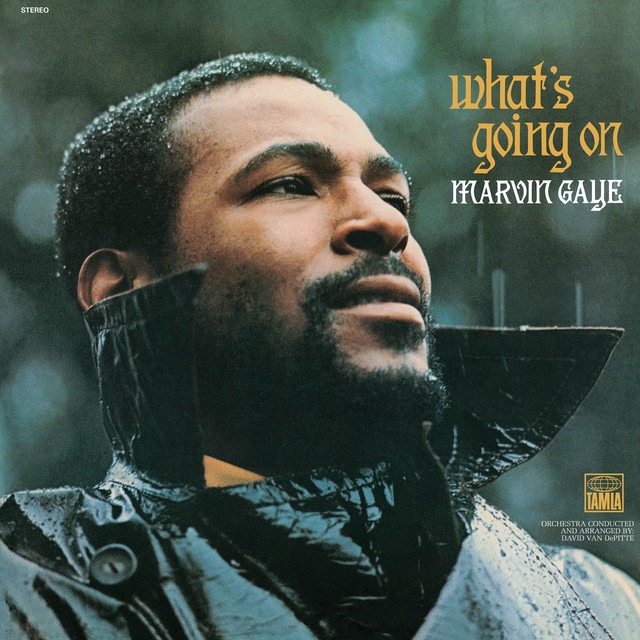
“What’s Going On” – Marvin Gaye
Marvin Gaye channels both anger and tenderness in this timeless anthem, grappling with war, racial inequality, and societal neglect. Its layered sound and piercing questions ask us to confront the confusion of living in a world riddled with division. Gaye’s smooth delivery makes the pain bearable but never hides its truth, leaving us to answer, this is what’s going on. There’s no question mark for a reason.

“Ohio” – Crosby, Stills, Nash & Young
The gut-wrenching fury of Neil Young’s lyrics slices through the aftermath of the Kent State shootings, where four students were killed protesting the Vietnam War. The mournful harmonies and urgent guitar riffs immortalize the tension between youthful rebellion and state-sanctioned violence. This track is a raw, unflinching snapshot of a nation in turmoil, sparking resonance in any era of protest.

“A Change Is Gonna Come” – Sam Cooke
Inspired by personal experience and the Civil Rights Movement, Sam Cooke’s soaring ballad captures the bittersweet hope and anguish of struggling against oppression. Each word carries a deep emotional weight, echoing the dreams of those fighting for justice. Cooke’s voice exudes both vulnerability and resilience, making this song an eternal symbol of progress despite adversity.

“Fight the Power” – Public Enemy
Fueled by Chuck D’s potent delivery and a bold, electrifying beat, Public Enemy’s anthem confronts institutional racism and social inequalities head-on. Its incendiary lyrics demand systemic change while amplifying the frustrations of marginalized communities. Decades later, the song remains a rallying cry for resistance movements challenging oppressive power structures.

“Strange Fruit” – Billie Holiday
Billie Holiday’s chilling rendition of “Strange Fruit” pairs haunting imagery with a heart-wrenching delivery. The song’s graphic depiction of lynching confronts America’s violent legacy, making it an enduring marker of racial injustice. Holiday’s mournful voice cuts deep, ensuring the weight of its message is never forgotten.

“Redemption Song” – Bob Marley
Stripped of Marley’s usual reggae arrangements, this acoustic ballad magnifies his call for freedom and self-emancipation. Drawing inspiration from Marcus Garvey’s teachings, Marley crafts a universal anthem that transcends time and borders. It’s a poignant reminder that liberation begins with the mind and soul before it manifests in the world.

“Sunday Bloody Sunday” – U2
The driving beat and relentless urgency of U2’s iconic track mirror the horrors of the Bloody Sunday massacre in Northern Ireland. Bono’s impassioned vocals capture the grief and anger of those who witnessed the violence firsthand. More than a historical recount, the song resonates with anyone opposing government oppression and fighting for justice.

“The Times They Are A-Changin'” – Bob Dylan
Bob Dylan’s prophetic lyrics act as both a warning and a call to action, urging society to embrace progress or risk being swept aside. Every verse carries a timeless relevance, reflecting the cyclical nature of societal shifts. Dylan’s sharp observations serve as a reminder that change is inevitable and must be met with courage, not resistance.

“Born in the U.S.A.” – Bruce Springsteen
Beneath its anthemic hook, Springsteen’s powerhouse track delves into the struggles of Vietnam veterans returning to a fractured homeland. The juxtaposition between its upbeat sound and somber message reveals the complexities of American identity. It’s a sharp critique of patriotism and the realities of disenfranchisement hidden beneath national pride.

“Alright” – Kendrick Lamar
With its defiant refrain and optimistic undertones, “Alright” became an emblem of modern resistance movements, particularly during the Black Lives Matter protests. Kendrick Lamar’s lyrical brilliance bridges themes of resilience, survival, and collective strength. This song celebrates the endurance of communities facing systemic oppression, reminding us that hope can flourish even in the darkest times.

Protest music transcends borders and generations, keeping the spirit of activism alive. These songs are enduring calls to action, proving that music’s power to inspire change will never fade. Together, they remain the soundtrack to justice, progress, and hope.

5 Non-Invasive Methods for Cellulite Reduction: See Visible Results Quickly!

0

By Mitch Rice

Say goodbye to irritating dimples and welcome to smoother and more radiant skin! 

Non-invasive treatments are taking the spotlight if you’ve been struggling with cellulite. The most popular ones are laser therapy, ultrasound treatment, radiofrequency, celluilite creams, message, and mechanical treatment. 

We need to mention Red light therapy for smoother skin, ultrasound therapy for sking tightening, and a list of other options. 

The usability range from spa-worthy treatments to DIY gadgets 

This effective method is helping people achieve the sleek, toned look they’ve always wanted. Without breaking a sweat, obviously!

Understanding Cellulite

Cellulite is an issue of appearance. Women are primarily impacted, with men being less affected. 

Cellulite emerges as bumpy or dimpled skin. The effect feels like orange peel or cottage cheese. 

Although it hurts self-esteem and body image, it is by no means a medical issue.

What Is Cellulite? 

Cellulite is an alteration in skin texture. 

Cellulite mostly affects the:

  • Thighs
  • Buttocks
  • Hips
  • Abdomen

It happens when the bands of connective tissue that hold the skin to the muscle beneath it weaken or lose their suppleness. This gives the skin its distinctive dimpled look by allowing the fat cells beneath it to extend upward. 

Moreover, cellulite can range in severity from minor to severe, with the latter showing more noticeable dimpling. 

Causes and Contributing Factors

Little is known about what causes cellulite. But some contributing factors have been found:

Hormonal Factors 

Hormones, especially estrogen, have a major impact on the complex interaction of elements resulting in the formation of cellulite. 

The fluctuation of estrogen, as observed during:

These situations Can worsen cellulite by weakening connective tissue and increasing fat storage.

Genetics

Genetics greatly impact a person’s likelihood of developing cellulite. So you have a higher chance of getting cellulite if any members of your immediate family already have it. 

As genes can affect: 

  • Metabolism
  • Fat distribution
  • Skin texture

All of which can lead to the development of cellulite. 

Lifestyle Choices

Cellulite can look even worse due to certain lifestyle choices:

Diet: 

The dimpled surface of cellulite can be developed by a diet heavy in: 

  • Processed foods
  • Sugary treats
  • Unhealthy fats 

Absence of Exercise: 

Cellulite might become more apparent due to a sedentary lifestyle that 

  • Weakens muscles 
  • Lowers circulation.

Weight Fluctuations:

Extreme weight gain or loss can weaken or strain the skin. And it increases the appearance of cellulite.

Smoking: 

Smoking damages collagen and impairs circulation. Both of which can lead to the development of cellulite.

Popular Non-Invasive Cellulite Reduction Methods

To identify potential improvements, the American Academy of Dermatology (AAAD) has studied numerous non-invasive treatments. 

In reducing the appearance of cellulite by breaking down the bands of connective tissue under the sin’s surface and without requiring surgery.

Laser Therapy

How it works

The structural tissues are basically beneath the skin. These tissues cause cellulite. Laser therapy happens to target that area. 

It can promote the:

  • Creation of collagen
  • Thicken the skin
  • Break up fibrous bands

Benefits and Drawbacks

Although laser therapy typically necessitates several sessions, it can significantly improve the look of cellulite. However, maintenance treatments could be required because the results are not permanent.

Ultrasound Treatment

Technology and efficacy: Ultrasound treatments can lessen the appearance of cellulite by using sound waves to: 

  • Break up fat cells 
  • Enhance lymphatic drainage

Anticipated outcomes: Ultrasound can result in smoother skin and a minor decrease in cellulite. For best results, several sessions are usually needed.

Radiofrequency

Skin tightening and smoothing without surgery: 

By acting as a kind of heatwave beneath the skin’s surface, radiofrequency (RF) radiation subtly stimulates fibroblasts to produce: 

  • Collagen
  • Elastin

The outcome? A hint of reduced cellulite is visible, a possible smoothing, a textural refinement.

Benefits: 

RF requires little recovery time and is a somewhat comfortable operation.

Cellulite Creams and Topicals

Ingredients to look for: 

Look for creams that contain:

  • Aminophylline
  • Caffeine
  • Retinol. 

Cellulite can appear less noticeable and skin texture can be momentarily improved by these compounds. Various caffeine and cellulite creams are available to purchase online. 

Realistic expectations:

Creams for cellulite? Perhaps a brief pause in the ongoing conflict, a small sign of progress, but not quite a ringing win. For a real, long-lasting change? They work best when used in combination with other, more effective tactics; they are more of a supporting role.

Massage and Mechanical Treatments

Benefits of lymphatic drainage: 

Massage, especially lymphatic drainage-focused techniques, can assist in: 

  • Improving circulation 
  • Decreasing fluid retention

Equipment for usage at home: 

For use at home, a variety of massage instruments and equipment are available. They are unlikely to provide noticeable or long-lasting effects; however, they might provide some short-term advantages.

Complementary Lifestyle Changes

Although there are several cellulite treatments available, combining additional lifestyle modifications can greatly improve outcomes and support the health of your skin as a whole. 

These modifications concentrate on preserving the: 

  • Flexibility of healthy skin
  • Increasing collagen synthesis 
  • Enhancing circulation.

Exercise Routines for Cellulite Reduction

Daily exercises can significantly reduce cellulite by:

  • Toning muscles
  • Improving overall body composition

Focus on workouts that workouts that work the hips, buttocks, and thighs. 

Targeted Workouts:

  • Squats: Strengthen the thighs and glutes, which are a genuine fortress against dimpling. Squats sculpt muscular tone and fight cellulite.
  • Lunges: A forward muscle march that engages the quadriceps, hamstrings, and glutes in a coordinated ballet of toning, smoothing the terrain of the skin.
  • Glute Bridges: A delicate yet effective lift that coordinates a contraction of the hamstrings and glutes to produce a firmer, higher rear.
  • Deadlifts: The powerful deadlift targets the hamstrings and glutes while simultaneously working a variety of other muscular groups.
  • Cardio: The steady pulse of movement that, when applied regularly, can gently reduce the appearance of cellulite and stimulate the circulatory system.

Diet Tips

A nutritious diet is essential for preserving skin suppleness and lessening the visibility of cellulite.

  • Foods That Promote Skin Elasticity:

Foods high in collagen: 

  • Fish
  • Poultry 
  • Eggs
  • Bone broth 

can all help increase the production of collagen.

Foods high in antioxidants: 

  • Leafy greens 
  • Berries
  • Vibrant veggies 

shield skin cells from harm.

Good fats: 

  • Nuts
  • Avocados
  • Olive oil 

help to hydrate and soften the skin.

  • Hydration’s Role in Skin Health:

Drink lots of water since it keeps skin moisturized and minimizes the appearance of cellulite.

Skincare Practices

Regular skincare routines can make other cellulite reduction techniques more effective.

Exfoliation: By increasing circulation and removing dead skin cells Exfoliation can surprisingly subtly reduce the visibility of cellulite.

Moisturization: A daily hydration routine that gives skin a smoother texture. 

Pros and Cons of Non-Invasive Methods

Non-invasive methods are becoming very popular. They are preferred because they have shorter recovery times and lower risks compared to surgeries. However, it’s important to weigh their benefits and drawbacks carefully to make the right decision.

Advantages

  • Safety and No Downtime: Non-invasive operations often have a low chance of complications and take little to no time to recover from. This enables patients to return to their regular activities right away following therapy.
  • Accessibility and Affordability: For a wider range of people, non-invasive therapies are an appealing alternative to surgery. As they are frequently more affordable and accessible.

Limitations

  • Temporary Results: As non-invasive treatment results are temporary, their effects usually last for a few months at most, or up to a few years at most. This irregular timeframe is influenced by the particular method used as well as the individual’s particular condition.
  • Recurring Sessions: Recurring treatment sessions are frequently required to sustain desired outcomes. The total cost and time commitment might increase as a result.

How to Choose the Best Treatment for You?

Despite being medically harmless, cellulite can cause a great deal of distress. However, exploring the maze of various treatments can be completely overwhelming.

To assist you in making an informed choice, try to consider following some important factors.

Factors to Consider

Skin Type and Severity of Cellulite:

Skin Type: Different skin types react differently to treatments. For example, people with sensitive skin might need to avoid more intense procedures.

Cellulite Severity: The success of cellulite treatments depends on how severe it is. For mild cellulite, using creams and making lifestyle changes may be enough to reduce the dimples. However, more noticeable cellulite often requires advanced professional treatments.

Budget and Time Commitment:

Budget: The range of cellulite treatments includes both costly in-office procedures and reasonably priced topical lotions. Decide how much you are prepared to spend.

Time Commitment: While some therapies provide faster benefits, others necessitate several sessions spread out over weeks or months. Think about how much time you can commit to treatment and your schedule.

Consulting with Professionals

Medical Advice: Talk to a doctor or certified aesthetician before starting cellulite treatments. They can check your situation. They will suggest the best options and explain the pros and cons of each one.

Personalized Advice: An expert can provide customized guidance based on your 

  • Skin type
  • Degree of cellulite
  • Financial status
  • Lifestyle.

Balancing your expectations and identifying realistic expectations: You can set reasonable expectations for outcomes and control your expectations with the help of a consultation.

FAQs

What leads to the formation of cellulite? 

The configuration of connective tissue and subcutaneous fat causes cellulite, which is frequently impacted by lifestyle, genetics, and hormones.

How successful are non-invasive methods for treating cellulite? 

Depending on the patient and the degree of cellulite, non-invasive cellulite treatments might vary in their efficacy; some people report very slight improvements in their look.

Are all of these therapies safe? 

Most cellulite treatments are safe. However, some may not be suitable for people with certain medical conditions or skin allergies. It is best to visit a specialist for advice.

Which changes in lifestyle can help reduce cellulite? 

Making lifestyle changes like eating a balanced diet, exercising regularly, and drinking enough water may make cellulite less obvious.

Data and information are provided for informational purposes only, and are not intended for investment or other purposes.

Why Are Men Reluctant to See A Dentist?

0

By Mitch Rice

A 2021 UK Gov oral health survey found that 20% of men only went to the dentist when they had trouble, and 6% never went to one in their life. The 2007 National Ambulatory Medical Care Survey in the United States showed that men are about one-third less likely than women to seek preventive care services, and almost 60% of men avoid care even when they might have a serious illness. Compared to women, men are much worse at preventive care.

Women, on the other hand, are significantly more aware of dental health concerns, more inclined to visit their dentist regularly, and practice good oral hygiene habits.

To get an idea of the attendance of male and female patients attending private practices in 2025 in the UK, we got in touch with Zental, an award-winning dental clinic in London. The results were similar here, too, with females ahead in every age group. In the ages between 20-34, they were seen to be almost double than men

A graph depicting the numbers of male and female patients that attended Zental dental clinic this year/source: Zental

The question is, why do men shy away from seeing a dentist? Do we assume that it’s just ‘a man thing’, or is there something more to it?

‘Some men shy away from seeing a dentist because they fear receiving bad news. And as dental health issues are very rarely discussed among men, they don’t see it as something very important,’ says Dr. Ihsan Al-Hadad, a doctor, oral surgeon and clinical director of Zental. ‘When a patient waits until their symptoms are severe before making an appointment, it propagates the stigma of being afraid of the dentist’s office. This only makes matters worse for their oral health.’

But are fear, anxiety, and lack of knowledge the only silent barriers holding men back from seeking dental care?

Buckle in, you’re about to deep dive into the complex web of masculine reticence about oral health. 

The Standard of a Strong-and-Silent Masculinity

More than half of the men in the UK believe that society expects them to ‘man up’ when faced with challenges, according to a study by Future Men. This can be attributed to the damaging gender stereotypes that, unfortunately, are still prevalent in our society and continue to shape the identities of way too many men.  

The novelist Anthony Trollope put it best: “Men but seldom tell the truth of what is in them, even to their dearest friends; they are ashamed of having feelings, or rather of showing that they are troubled by any intensity of feeling.” Generations of boys have been brought up not to cry or rant: to keep calm, carry on and not indulge in messy emotions. 

A study by Diana Sanchez, a professor of psychology, finds that men with more traditional beliefs about masculinity are less likely to get preventive care or seek medical treatment for injuries and infections – only because they view this resistance as bravery and self-sufficiency.

This conventional model of ‘masculinity’ can keep some men from seeking help when they need it, including help with their oral issues. It keeps them from being expressive about the effects of disease they may be enduring and is the reason they only see a dentist when they can’t bear the pain anymore. 

‘As men get older, this resistance to get routine dental care can have very serious consequences,’ Dr. Ihsaan said. ‘Men die younger than women, according to data from Statista, and some of the leading causes of death like diabetes and heart disease are conditions that are linked to dental health.’ 

While avoiding the dentist can feel like a ‘silent strength,’ it can come at a serious cost to men’s dental health.  Read on for some hard hitting facts we can’t ignore.

Periodontal disease is more common in men. 

Gum disease is more common in men compared to women. And so are all the predisposing factors for it–oral hygiene habits, smoking, drinking, and avoiding dental care. 

If that information just caught you by surprise, we’ve got the numbers right here. 

A study by the American Dental Association showed that men are 40% less likely to brush their teeth after every meal compared to women. Of course, they’re also less likely to floss. Without good oral hygiene, you’re far more likely to get cavities and gum disease. 

The results of a 2023 survey about smoking habits in the UK by the Office for National Statistics revealed that 3.4 million men (13.7% of the total population) smoke compared to 2.6 million women (10.1%). If you smoke, you have twice the risk for gum disease compared to a nonsmoker. It increases the risk by a whopping 85%, according to research. 

Research also shows that men drink more heavily than women – and are almost twice as likely to binge drink. While booze can definitely get in full swing for a fun nights out, it doesn’t come without oral side effects. The oral manifestations of alcohol include tooth decay, gum disease, and an increased risk of oral cancer.

Men are more prone to tooth loss.

Advanced gum disease, if left untreated, leads to tooth loss. And so does advanced tooth decay.

On average, men typically lose five teeth by the time they’re 72. 

There is an increased ratio of oral cancer in men. 

According to Cancer Research UK, men are twice as likely to get oral cancer compared to women. 

In addition to habits like smoking and heavier use of alcohol, men are also exposed to the sun longer – which all add up to increase this risk. 

Sticking Your Head in the Sand Can Have Wider Health Consequences.

Neglecting to care for your teeth can not only ruin your oral health but also put you at risk for problems the extent of which ranges far beyond your mouth, including:

  • Heart diseases

Research finds gum disease and cardiovascular disease, both chronic inflammatory conditions, to be strongly connected. Having gum disease can exponentially increase your risk of heart disease. 

As men are already more likely to develop heart issues than their female counterparts, taking care to prevent gum disease becomes all the more important. 

  • Diabetes

Having untreated gum disease can increase your blood sugar levels and make it harder to control diabetes. 

How?

Gum disease causes your gums to become inflamed. Inflammation in the body can lead to higher blood sugar levels, which can increase your risk of diabetes or worsen it if you’re already a diabetic. 

  • Dementia

Researchers have linked gum disease with an increased risk of developing memory problems. 

In a study published in Neurology, scientists looked at people with gum disease who went on to develop dementia and compared them against those with no issues with their teeth.

They looked at 4,559 volunteers aged between 45 and 64 years. The volunteers did not have dementia and underwent a full dental examination.

Over three-quarters of the study, these volunteers showed signs of dental problems ranging from mild gum disease to no teeth at all.

The researchers followed the study volunteers over the course of two decades. They found that 19% of the study volunteers developed dementia.

Out of these individuals, 23% of those without teeth (due to gum disease) developed dementia. In contrast, only 14% of those who had healthy gums and all their teeth at the beginning of the study developed the condition.

While this link does not mean that gum disease is a cause of dementia, it can certainly become a risk factor for it. 

Our advice?

Maintaining good dental health is an important part of maintaining a healthy lifestyle throughout your life. 

  • Prostate Health

A 2025 clinical trial conducted in Korea found that men with chronic gum disease (periodontitis) had a higher incidence of benign prostatic hyperplasia (a non-cancerous condition that causes the prostate to grow larger in size and causes urinary problems). 

An enzyme, PSA, normally produced by the prostate in minute amounts, is elevated when the gland is inflamed, infected, or affected by cancer. Research has shown that men with both gum and prostate inflammation have higher levels of this enzyme than men with only one condition. This finding suggests a strong association between gum disease and prostate health. 

  • Sexual health dysfunction or even impotence

Research has found that men with gum disease are at an increased risk of developing impotence, especially those younger than 30 or older than 70. 

Chronic inflammation, a hallmark of severe gum disease, can also damage blood vessels–possibly leading to impotence. 

  • Cancer

Studies find that men with periodontal disease may be 49% more likely to develop kidney cancer, 54% more likely to develop pancreatic cancer, and 30% more likely to develop blood cancers than women.

Avoiding your problems only makes them worse. ‘It also increases patients’ anxiety and fear, making them more likely to avoid the dentist even more,’ says Dr. Ihsaan. 

Don’t Let Anything Keep You From Getting the Dental Care You Deserve 

If you are a dentist-resistant man, here are a few ideas that may help you inch closer to making that long-overdue appointment. 

  • Find a dentist you trust.

Even if you’re willing to visit a dentist, finding one that you trust can be a challenge sometimes. You can ask friends and family for recommendations or try finding reviews online for different dentists and practices. You’ll be amazed by how helpful online reviews can be!

  • If you’re nervous, consider setting an appointment for later in the day.

When you’ve found a dentist you’re comfortable with seeing, it’s time to get a date on the calendar. Consider avoiding the first appointment of the day to avoid getting anxiety or jitters and the impulse to cancel at the last minute.

Many dental practices offer sedation to help you relax during your dental procedure. If you’re very anxious about getting dental treatment, ask your dentist about sedation. 

  • Bring a loved one along to your appointment.

Bring a loved one along for support. It can be a partner, a friend, or even a kid – anyone you can safely rely on to calm your nerves.

  • Persuade your loved one to make that trip to the dentist.

If you have a reluctant man in your life, persuade them to go see a dentist at least every six months or so, without guilt-tripping or shaming them. 

‘Tell your partner or parent how much you love them and care for them, and how much you want them to stay healthy,’ said Dr. Ihsaan. ‘I doubt people will fight back too hard when they hear you say something like that. It’s amazing to see the positive changes people can make when persuaded with love and affection.’ 

  • It gets easier with time.

As with everything you find tough or fear in life, it always gets easier the more you do it. 

As for routine appointments, Dr. Ihsaan uses the analogy of a car for his patients: ‘If they think getting regular maintenance for their car is necessary to keep it running well, they should be willing to do regular maintenance for their teeth, too. After all, what good is life if you don’t have teeth to enjoy your meals?’ 

The recommended annual oral check-up frequency is twice a year for most people, but more often if your dentist recommends it. 

Data and information are provided for informational purposes only, and are not intended for investment or other purposes.
Champions League Final at Allianz Arena: The Ultimate Guide to Football’s Greatest Spectacle

0

By Mitch Rice

With the arrival of the UEFA Champions League Final on June 1st at Munich’s magnificent Allianz Arena, we are approaching the zenith of the Old World club game. And we know this summer, you were getting hyped for one or five regulars here listed to endure it in the Premier League season, that is when the two of the twenty-eight games of Europe’s elite will contest for dominance on the continent: Two of four—Arsenal, PSG Arsenal Club Internazionale Milano and Barcelona Club Internazionale Milano, this showpiece event represents the top of club football around the world. For football lovers internationally, getting hold of Champions League Final tickets is the number one ideal situation to experience this amazing sports event in person.

The Road to Munich

Spirits are high around their bright new digs and the finalists have trimmed a difficult road through Europe’s top club competition, passing great competitors in the group stage, heritage knockout rounds and nerve-racking semifinal duels. It started with 32 teams hoping to lift the trophy, and has come down to 32 teams that have proven to have the right mix of skill, tactical nous and mental toughness on their journeys.

The semifinal pairings of Arsenal and Paris Saint-Germain, as well as Barcelona and Inter Milan, produced some of the top soccer on display, underscoring why the Champions League is still the most exalted club competition in the sport with Champions League tickets being the top commodity in Europe. Champions of these exciting thrilling persuading duels are now one match away from being etched in football folklore here in the land of the Germans.

The Allianz Arena: A Modern Cathedral of Football

The splendid Allianz Arena in Munich serves as a fitting stage for this continental clash. This impressive structure can hold up to 75,000 fans for international matches that leads to a one of a kind atmosphere for the most compelling moments of football. Also, the stadium’s signature skin of inflated ETFE plastic panels can be lit in myriad hues — an eye-catching experience to augment the occasion.

Since opening in 2005, the Allianz Arena has become one of the world’s great venues in soccer, with the 2012 Champions League Final and multiple matches during UEFA Euro 2020 on its schedule. And as always, with a seat for the Champions League Final in the Arena, you have some of the best sightlines of any venue available. The acoustics in the stadium take on the energy of the supporters, creating that famous European night feel players and supporters love.

The Cultural Significance

The Champions League Final is so much more than a sporting event — it has gone global, it’s become a cultural affair. More than 400 million viewers across 200 countries are expected to watch it on television, making it one of the world’s most-watched annual sporting events. The pre-match ceremony, including live performances of the competition’s iconic anthem, produces spine-tingling moments even before a ball is kicked.

For the clubs involved, hoisting the unusual trophy with the oversized handles would be the crowning achievement of club football. The winners join an elite pantheon of European champions, their victory to be recalled for generations. The stakes could hardly be higher, adding extraordinary tension to every minute of the contest.

The Munich Experience

Beyond the match itself, Munich offers a dramatic setting for this football festivity. The Bavarian capital mixes a rich history and modern vibrancy, giving visitors an amazing experience around the final:

Marienplatz: The city’s main square will probably be the site for official fan fests and trophy displays in the days before the final.

Olympic Park This site of the 1972 Olympics and former home of Bayern Munich has more fan activities and screens for you if you didn’t get Champions League Final tickets.

Beer Gardens and Bavarian Hospitality: With renowned beer gardens and authentic restaurants, Munich serves as the ideal locale for pre and post-match festivities.

Football Heritage: If you stick around, the FC Bayern Museum is a fascinating foray into German football history.

With the great system of public transport the city has, getting to and from these sites and the Allianz Arena is a piece of cake, and specific transport plans will be put in place for the final itself.

How to Claim Your Spot at the Allianz Arena

Tickets for the Champions League Final are in global demand like never before, with applications per match (per the press that cover these thing with aplomb) often ten times higher than available inventory. Here are the key avenues through which fans can try to ensure their attendance:

Official Allocation

Fans of the clubs: Every finalist is allocated around 20,000 tickets for their supporters. These are sold in line with the allocation used by each club, generally prioritizing season ticket holders and the members with the best attendance records.

Applications for UEFA’s Public Ticket Allocation: UEFA itself allocates a limited number of tickets to fans through a public ballot via their official website. That process usually opens months before the final, and you’ll have to be registered on UEFA’s site.

Official hospitality experiences — top-end hospitality packages, combining the best available seating with gourmet dining, appearances from former players and other luxury features. Although they are a fair amount more expensive than ordinary tickets, these packages tend to be available after other allocations have been sold out.

Commercial partners and sponsors: A large block of tickets is allocated to commercial partners and sponsors of UEFA, many of whom make some their tickets available to the public via promotions or through their corporate channels.

Understanding the Secondary Market

When those official allocations are depleted — which happens quickly for the Champions League Final — trusted secondary sources can offer extra routes:

Official Resale Websites: There are a handful of reputable clearinghouses that broker ticket sales between authenticated buyers and sellers. Then, these services actually set up a strict verification process in order to minimize the risk of getting scammed.

Luxury Sports Travel Experts: Reputable sports travel agencies usually book their tickets months ahead, and assemble packages that may include Champions League Final tickets, luxurious accommodation and VIP transportation as well.

Corporate Hospitality Networks: Corporate entertainment specialists and business networking groups often have access to allocations that are not available to the general public.

Supporter networks: Occasionally additional supporter allocation will be distributed to fan clubs and supporter groups, who then distribute to their members.

The secondary market serves an important role in filling up the stadium and making sure that rabid fans can have the experience of a lifetime at the top sporting event of the year. Despite prices often reaching above face value, for many, spending the cash to watch a Champions League Final live in person is a once-in-a-lifetime investment.

How to Plan Your Visit to Munich

Now for those who have successfully got tickets for the Champions League Final, planning the wider Munich experience is what makes the event more special:

Accommodation Strategy

More upscale five-star Munich hotels, budget Munich hotels and apartment rentals are available in the city’s hotel inventory. Key considerations include:

Allianz Arena Area: There’s limited accommodation around the stadium itself, but these options book out first.

Central Munich: Districts like Altstadt-Lehel (Old Town), Maxvorstadt and Schwabing have between easy access to city attractions and efficient transport to the stadium.

Transport Hubs: The location of homes near to Munich Hauptbahnhof (Main Station) ensure fast access to transit options around both the city centre and stadium.

Since the weekend of the final has citywide occupancy near 100%, it is best to book your accommodation as soon as you secure your Champions League Final tickets.

Transportation Planning

Munich’s efficient transportation system makes it easy to get to the Allianz Arena:

U-Bahn: U6 line directly to Fröttmaning station, with just a short walk to the stadium.

S-Bahn: Munich’s suburban railservices connect with the U-Bahn, which provide access to the stadium.

Special Services: Extra match day transport services usually run, as well as dedicated shuttles from central points.

Coming out several hours prior to the first kick gives one time to take in the pre-match atmosphere, explore the vicinity of the stadium and also get through security and process without feeling rushed.

The Global Fan Experience

The Champions League Final conjures up unforgettable moments well beyond the stadium. Fan activations spread throughout the city will be hosted in Munich:

UEFA Champions Festival is a free four-day football extravaganza with interactive games, trophies, player appearances and live entertainment.

Fan Meeting Points: There will be specific meeting points in central Munich where supporters of each finalist can get together to set the atmosphere before the final.

Official Screenings: Fans unable to attend the Champions League Final can take part in official screenings at various venues in Munich.

Club-Specific Events: PRELIMINARY SCHEDULE Both competing teams usually host their own special events for traveling fans.

These activities turn Munich into a football festival destination for the whole weekend and create memories that last longer than 90 minutes of the final itself.

The UEFA Champions League Final at the Allianz Arena, like this final, is football’s highest expression — technical mastery, tactical nuance, fevered crowds and the gravity of history fused into one remarkable experience. Champions League Final tickets (hopefully) get you involved in sporting theatre at its very finest in one of football’s most outstanding modern venues.

Whether you back one of the rival clubs, or are merely a purveyor of the best in soccer, this final should prove to be one to remember. Adding to the electric atmosphere which characterizes Munich and the scenic backdrop provided by the Allianz Arena and the high profile, pedigree, and history of the tournament makes this a sporting event not to be missed.

A bit of planning and tenacity securing your Champions League Final tickets and you can be at the epicenter of club football’s defining moment. And it is in this push-pull of the two that lie the complexities of two different footballing philosophies, with the aim of not just European supremacy, but to put on the greatest show on the grandest stage; ensuring those at the Allianz Arena are treated to drama, skills, and passion that no other club contest can match.

Data and information are provided for informational purposes only, and are not intended for investment or other purposes.