Home Blog Page 761

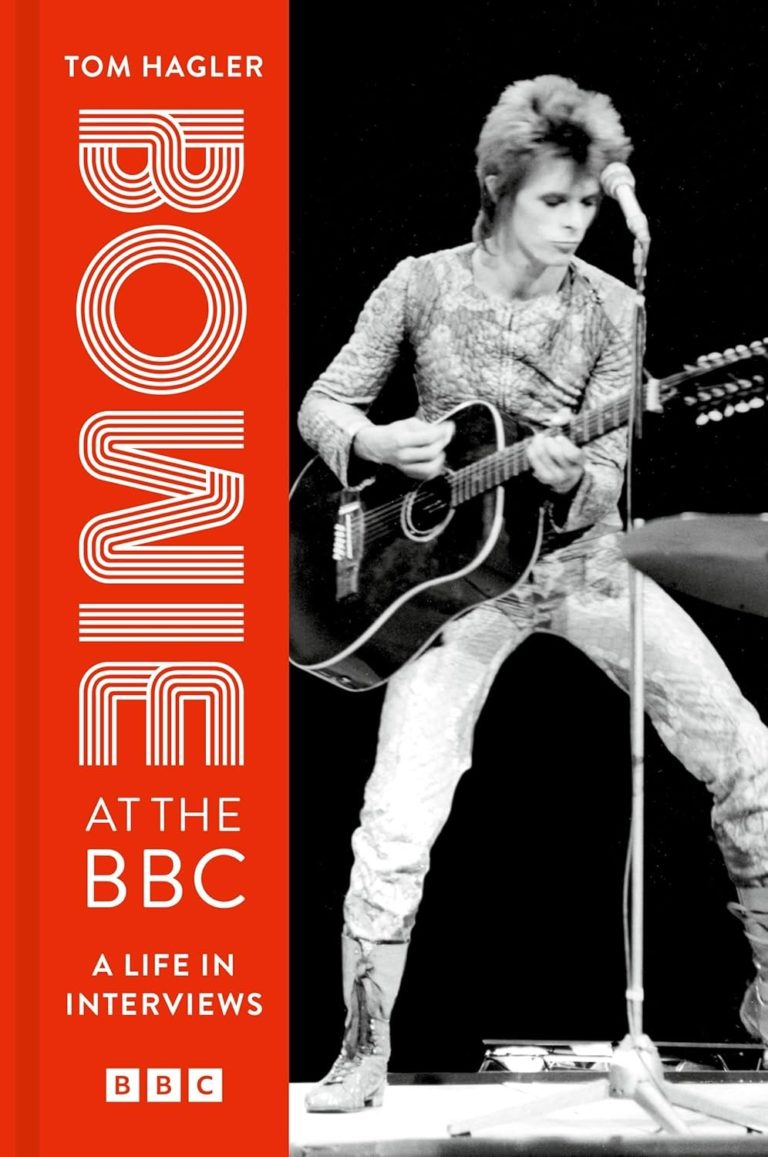
“Bowie at the BBC” Brings the Starman Back to Earth in His Own Words

1

Before he was Ziggy, before the Berlin years, before the global icon status—David Bowie was a curious teenager sneaking onto the BBC as part of a youth panel. That’s how Bowie at the BBC: A Life in Interviews begins, and from there, it unfolds like a cosmic radio transmission, tracing a shape-shifting genius through four decades of conversation, confession, and cultural transformation.

Compiled by journalist Tom Hagler, this beautifully curated collection doesn’t analyze Bowie from a distance. It brings him close, allowing readers to experience the art and ideas as he articulated them in real time—from his earliest stirrings of fame to his final interviews. Whether he’s discussing space, fame, fear, fashion, or failure, Bowie remains sharp, self-aware, and often disarmingly funny.

Across more than 35 interviews on BBC radio and television, we see the artist’s evolution: from anxious outsider to global trailblazer, from the glam alien to the grounded innovator reflecting on a career that reshaped pop music. Read together, these transcripts don’t simply show what Bowie did—they reveal how he thought. That’s what makes this book so compelling.

Bowie at the BBC is more than a collection of interviews. It’s a time-lapse of transformation, a conversation between past and present, and an invitation to understand Bowie’s creative journey from the inside out. For longtime fans and newcomers alike, it’s a reminder that behind every reinvention was a voice—calm, clever, and always looking one step ahead.

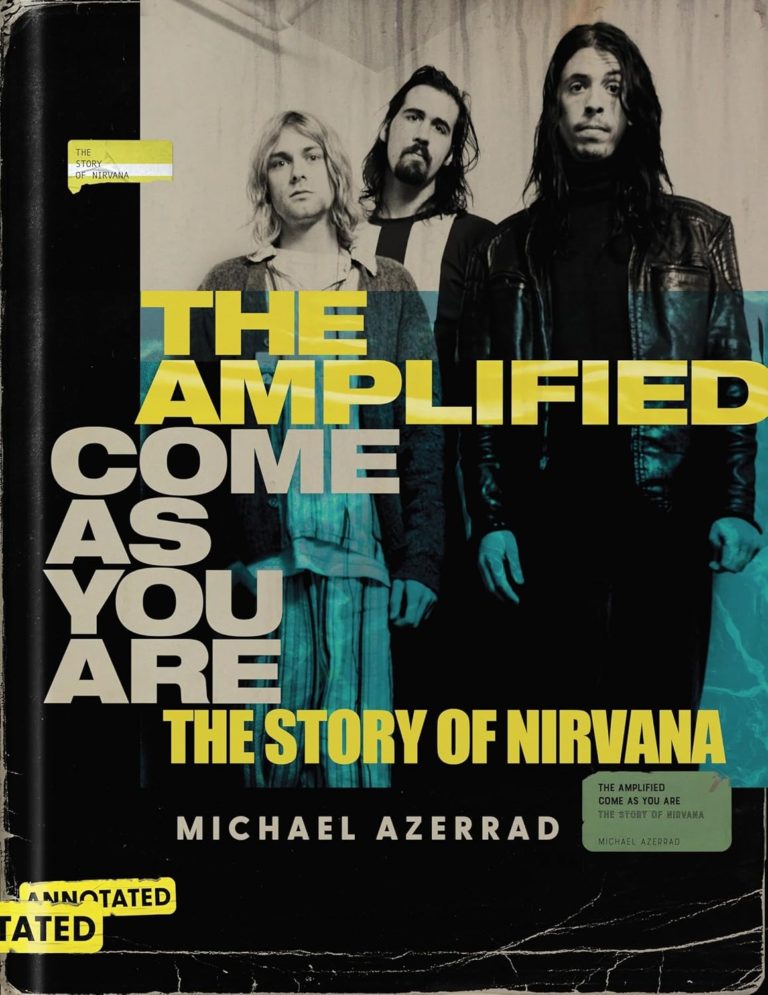
The Amplified “Come As You Are” Book Revisits Nirvana’s Legend with New Depth and Devastation

0

When Michael Azerrad first published Come As You Are: The Story of Nirvana in 1993, he captured lightning in a bottle. It was the only biography written with full access to Kurt Cobain, Krist Novoselic, and Dave Grohl—and it landed mere months before Cobain’s tragic death. Now, three decades later, The Amplified Come As You Are doesn’t just revisit that story—it reanimates it, annotates it, and digs even deeper into the music that defined a generation.

Azerrad’s updated edition is a cultural time machine. With hundreds of new annotations, essays, and personal reflections, he gives context to the band’s rise, the push-pull between punk idealism and major label success, and why Nevermind still feels like a gut punch in a flannel shirt. Azerrad knew Cobain. He shared meals with him. He listened. And now, he’s reflecting on that friendship, and on the burden and brilliance that surrounded Nirvana’s unlikely mainstream explosion.

For those too young to remember MTV Unplugged or zines or mixtapes, this book is a roadmap to the 1990s—the rage, the disaffection, the way music could crack open a kid’s worldview. For those who were there, it’s a chance to relive it all with the benefit of hindsight—and heartbreak. Cobain’s voice may be gone, but Azerrad gives it back to us, raw and defiant and unfinished.

This new edition answers the eternal question: Why was this music so powerful? It does so by showing us the scars and the sparkle, the brilliance and the breakdowns. And in doing so, it reminds us that Kurt wasn’t a myth—he was a human being, trying to tell the truth, one three-chord masterpiece at a time.

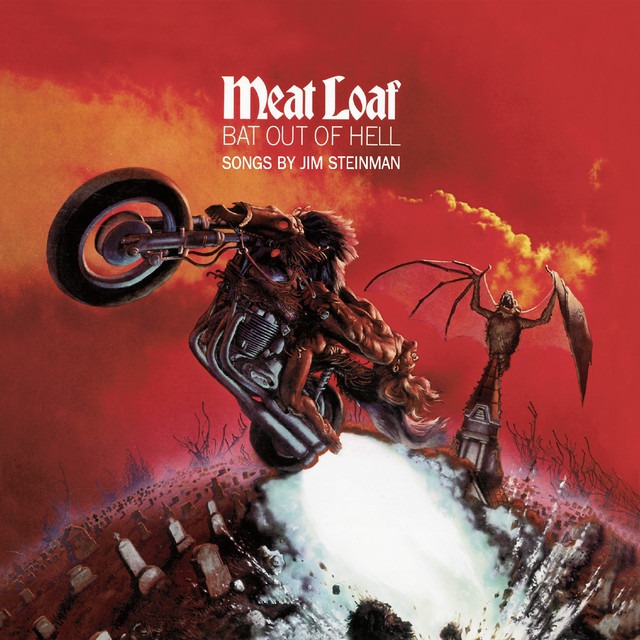
5 Surprising Facts About Meat Loaf’s ‘Bat Out Of Hell’

0

What do you get when a theatrical madman (Jim Steinman), a belting operatic force of nature (Meat Loaf), and a rock production wizard (Todd Rundgren) walk into a studio? You get Bat Out of Hell—a rock ‘n’ roll rollercoaster that blew up the rulebook and sold over 43 million copies while doing wheelies on its burning motorcycle solo. It’s dramatic. It’s decadent. And it’s still a full-body experience. But even if you know every lyric to “Paradise by the Dashboard Light,” you might not know these deep cuts…

The Japanese Gave It the Greatest Song Title Translation of All Time
In Japan, the legendary breakup anthem “Two Out of Three Ain’t Bad” was translated into something far more precise: “66% Is Good Enough.” Cold. Hilarious. Accurate. It’s like a heartbreak spreadsheet set to power ballad mode.

The Motorcycle Solo? That’s Todd Rundgren on Guitar
Jim Steinman demanded a motorcycle revving into oblivion on the title track. Rundgren didn’t bother with sound effects. He played the motorcycle with his guitar. That rev you feel in your bones before the solo? That’s not a bike. That’s Todd, shredding like he’s got exhaust pipes instead of fingertips.

“You Took the Words Right Out of My Mouth” Was a Spoken-Word Vampire Scene First
The iconic intro where a guy asks, “Would you offer your throat to the wolf with the red roses?”? That came from Neverland, Steinman’s dystopian Peter Pan rock opera. It started as a weirdly sexy stage scene before becoming a radio hit. Only Jim Steinman could turn Broadway horror monologues into Billboard gold.

They Were Rejected So Often That New Labels Were Basically Invented Just to Say No
Meat Loaf and Steinman shopped Bat Out of Hell around for two and a half years. Clive Davis at CBS told them actors couldn’t make records and mocked Steinman’s song structure as “A, D, F, G, B, D, C.” Eventually, Cleveland International picked it up. Bless them. Because this album wasn’t weird—it was revolutionary.

This Album Is a Musical, a Meltdown, and a Meteor Strike—All in One Take
“Bat Out of Hell” the song was inspired by Psycho, Springsteen, and motorcycles exploding in midair. Steinman wanted boy sopranos, choirs, orchestras, and operatic crashes. Rundgren mixed the first version in one night. Meat Loaf howled like a creature breaking out of classic rock’s cage. And in the middle of it all, they built a teenage epic where a baseball metaphor actually works.

Bat Out of Hell didn’t fit in. It exploded. In a time of punk minimalism and disco grooves, this album showed up like a Shakespearean biker musical drenched in fire and fog. And somehow, it still feels like the most over-the-top and honest thing ever recorded. Now go scream “I would do anything for love!” to your rearview mirror and mean it.

John Mayer Weaves Grateful Dead Magic Into His Own Songs and Nails the Transition

0

John Mayer proved that musical worlds can collide beautifully during his solo acoustic show in Chicago on October 18, 2023. The longtime Dead & Company guitarist opened “Your Body is a Wonderland” with a dreamy “Dark Star” intro, delighting in the surprising fusion. Later, he slipped the beloved “Bertha” right into his reflective tune “The Age of Worry” — showing reverence for the past while making it his own. A true student and steward of the Dead’s legacy, with a touch of wide-eyed wonder.

The Day a Stumpf Fiddle, a Toy Piano, and Friendship Made Music on Mister Rogers’ Neighborhood

0

Sometimes the greatest music lessons come with a smile and a sweater. In one joyful episode of Mister Rogers’ Neighborhood, percussionist Bob Rawsthorne showed off a homemade stumpf fiddle, joined by Joe Negri on guitar and Mister Rogers himself on a toy piano. It wasn’t about perfection — it was about play, creativity, and making music together.

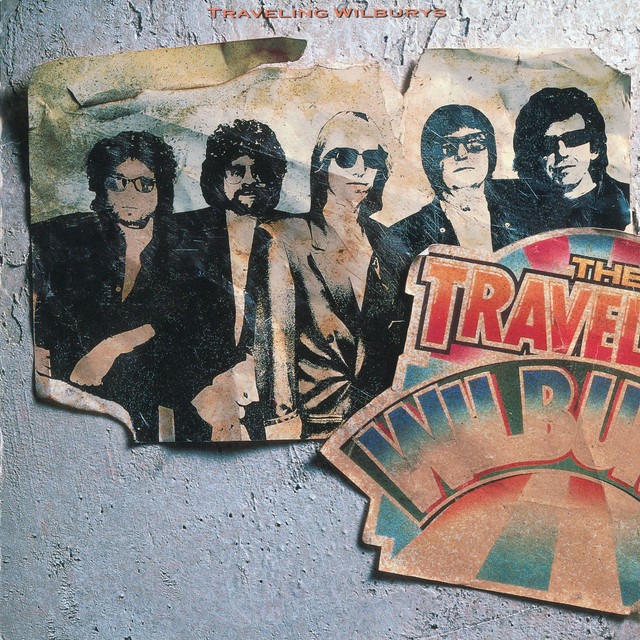
5 Surprising Facts About Traveling Wilburys’ ‘Vol. 1’

The Traveling Wilburys weren’t supposed to exist. But when George Harrison needed a B-side in 1988, what began as a one-off jam between friends became one of the most delightful curveballs in rock history. Traveling Wilburys Vol. 1 arrived that October, sounding like it had been playing on your record player for decades—even if you had never heard it before. Let’s dig into five little-known facts about this Grammy-winning, triple-platinum classic that united Bob Dylan, Tom Petty, Roy Orbison, Jeff Lynne, and Harrison under one roof and five pseudonyms.

George Harrison didn’t plan a supergroup—he planned a barbecue.
The magic started in Bob Dylan’s garage in Malibu. Harrison had rounded up Jeff Lynne and Roy Orbison to help him record a quick B-side. Needing a studio, he called Dylan. Needing his guitar, he swung by Tom Petty’s house and invited him, too. What was meant to be a throwaway track, “Handle with Care,” was so good that Warner Bros. refused to let it be buried. So they turned one song into ten, and a backyard hangout into rock and roll alchemy.

They recorded most of the album in a kitchen.
The bulk of Vol. 1 was recorded in Dave Stewart’s (of Eurythmics) home studio. The Wilburys would sit around the kitchen table with acoustic guitars, jotting lyrics, tossing jokes, and tracking demos on the fly. It was casual, spontaneous, and completely unfiltered. The dinner table vibe stayed in the songs, giving the record its warm, ragged charm. The vocals? Usually laid down after dinner—because even rock legends need to eat.

They weren’t trying to reinvent the wheel—just keep it rolling.
Each song sounds like it was written in a day—because many of them were. Jeff Lynne and George Harrison guided the sessions, assigning lead vocals and shaping the sound, but the mood stayed collaborative. Dylan penned Springsteen-esque narratives (“Tweeter and the Monkey Man”), Harrison crafted meditative gems (“Heading for the Light”), Lynne turned in jangly earworms (“Rattled”), and Petty gave the project its grounded drawl. Orbison’s vocals, especially on “Not Alone Any More,” were thunder and velvet at once.

The members’ names never appear on the album.
In true Monty Python fashion, the band disguised themselves as fictional brothers—Lucky, Lefty, Otis, Nelson, and Charlie T. Wilbury Jr. Not only were their real names missing from the liner notes, but their backstory was entirely fabricated, with Michael Palin writing parody bios for the Wilburys clan. It was a rock album wrapped in myth, recorded by some of the most legendary musicians on the planet—who played it all completely straight-faced.

Roy Orbison’s final recorded magic.
Orbison passed away less than two months after the album’s release, making Vol. 1 his swan song. His performance on “Not Alone Any More” is hauntingly beautiful—equal parts farewell and triumph. It’s a reminder of what he brought to pop music: operatic drama, unmatched range, and a timeless voice. The band was shaken by his loss, but honored him by continuing—naming their second album Vol. 3 in cheeky tribute, skipping Vol. 2 altogether.

The Wilburys didn’t tour, didn’t hype, didn’t last—but they didn’t need to. They two albums – Traveling Wilburys Vol. 3 followed 2 years later –  and reminded us that sometimes the best bands are the ones built on friendship, humor, and a shared love of the music that raised them.

10 Musicians Who Faced Hearing Loss And Kept Playing Anyway

0

For musicians, hearing is more than a sense—it’s a superpower. But even superheroes face their kryptonite. From the world’s loudest stages to the quietest moments of fear, these artists confronted hearing loss head-on. Some lost it suddenly, some gradually, but all of them found a way to turn down the volume and keep turning up the music.

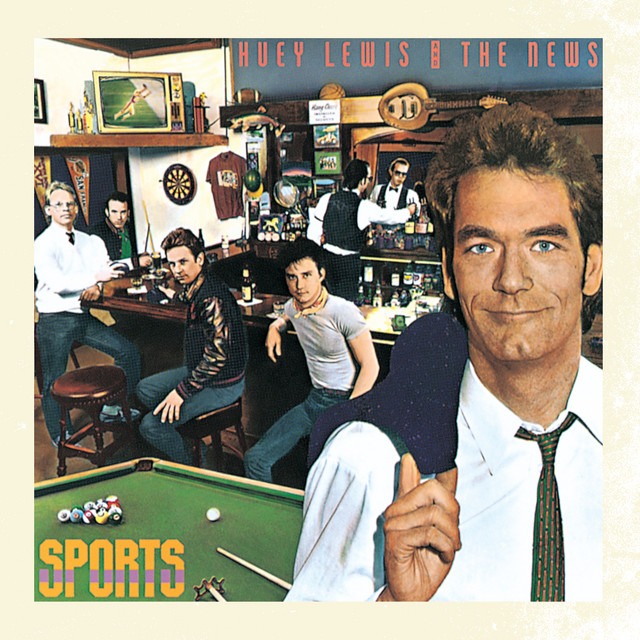
Huey Lewis
In 2018, Huey Lewis was forced to cancel all upcoming tour dates after being diagnosed with Ménière’s disease, a disorder of the inner ear that caused sudden and severe hearing loss. The frontman of Huey Lewis and the News described it as sounding like “a jet engine.” And yet, the heart of rock & roll kept beating. Lewis focused on studio work and eventually released Weather, the band’s first new album in nearly 20 years—proof that while his ears changed, the music inside him never stopped.

Ludwig van Beethoven
Yes, that Beethoven. Before distortion pedals and sound checks, the great composer was already navigating profound hearing loss. By his late 20s, Beethoven began to lose his hearing, and by his 40s, he was almost completely deaf. Still, he composed some of his greatest works—including the Ninth Symphony—without ever hearing them as the audience would. He didn’t just survive hearing loss. He redefined what music could be.

Brian Wilson (The Beach Boys)
Brian Wilson has long lived with hearing loss in his right ear, likely from a childhood injury. Yet it didn’t stop him from becoming one of the most sonically innovative producers of all time. With Pet Sounds, Wilson imagined orchestral arrangements and vocal harmonies with one ear and infinite imagination. His genius wasn’t diminished—it was focused.

Phil Collins
In 2011, Phil Collins stepped away from live performance after suffering nerve damage and partial hearing loss due to years of touring and drumming. The man behind Genesis and “In the Air Tonight” cited hearing issues as a major reason for his retirement. Still, he made a comeback, launching a tour in 2017—proving that even if the volume changes, the rhythm never does.

Eric Clapton
The guitar god himself has openly discussed his struggle with tinnitus, a persistent ringing in the ears often caused by exposure to loud sound. Decades on stage with Marshall stacks and screaming solos took their toll. But Clapton didn’t quit—he adapted, performing seated and keeping the blues alive with a quieter, more intimate sound.

Pete Townshend (The Who)
You don’t earn the nickname “the loudest band in the world” without consequences. Pete Townshend, The Who’s explosive guitarist, developed tinnitus and partial hearing loss from years of ear-splitting shows. He’s since become a vocal advocate for hearing protection in the music industry—because once you’ve smashed a thousand guitars, the only thing left to save is your ears.

Will.i.am (Black Eyed Peas)
Will.i.am has tinnitus in both ears. For the Black Eyed Peas frontman and producer, it’s like hearing a constant tone that never fades. But he sees it as both a challenge and a companion: “There’s always a beat.” His drive to stay creative despite the condition makes him one of pop’s most prolific innovators.

Chris Martin (Coldplay)
The Coldplay frontman has struggled with tinnitus since his early 20s. Chris Martin credits the use of in-ear monitors and hearing protection with saving his career. He’s also raised awareness, working with hearing loss charities and reminding young fans (and musicians) that turning it down can help keep the music alive longer.

Ozzy Osbourne
Decades of heavy metal and stage pyrotechnics caught up with the Prince of Darkness. Ozzy suffers from both hearing loss and tinnitus, the latter ringing like a banshee long after the amps shut down. Yet the Black Sabbath icon is still rocking—proof that you can go off the rails on a crazy train and still hear enough to stay on track.

Barbra Streisand
Streisand has been candid about living with tinnitus since she was nine. The condition hasn’t stopped her from becoming one of the most iconic and influential singers in history. Her voice, pure and precise, defies the ringing in her ears. If anything, it’s sharpened her sense of control and tone.

Hearing loss doesn’t signal the end of a music career. It opens a new chapter—one that requires adaptation, resilience, and often, innovation. These artists remind us that the power of music doesn’t come from perfect ears. It comes from the heart, the mind, and the will to keep playing—even in silence.


32 Years Ago, The Cranberries Played “Dreams” Live and Gave Us All Something to Believe In

0

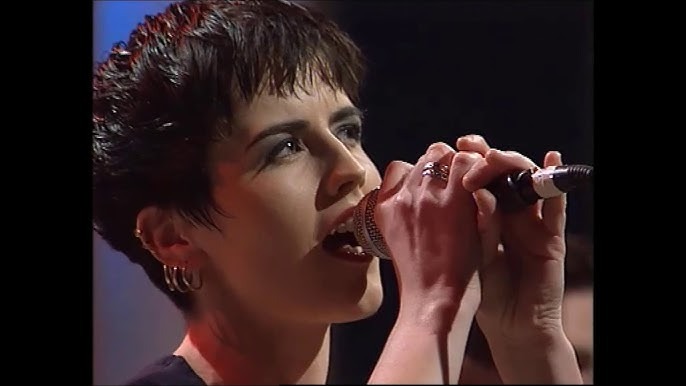
In 1993, Dolores O’Riordan and The Cranberries brought “Dreams” to life on Irish TV’s Kenny Live, delivering a performance so pure and powerful it still echoes today. At just the beginning of their career, they reminded us what it feels like to fall in love — for the first time, and forever.

10 Glam Rock Albums That Turned Glitter Into Gold

0

The glam rock explosion didn’t tiptoe into the ‘70s—it barged in, feather boa wrapped, lipstick smeared, and volume maxed. These weren’t albums that played nice. They strutted, seduced, and rewired the rules of rock. Below are 10 of the finest glam rock records ever made—albums that not only defined a sound, but also painted the culture in glitter and guyliner.

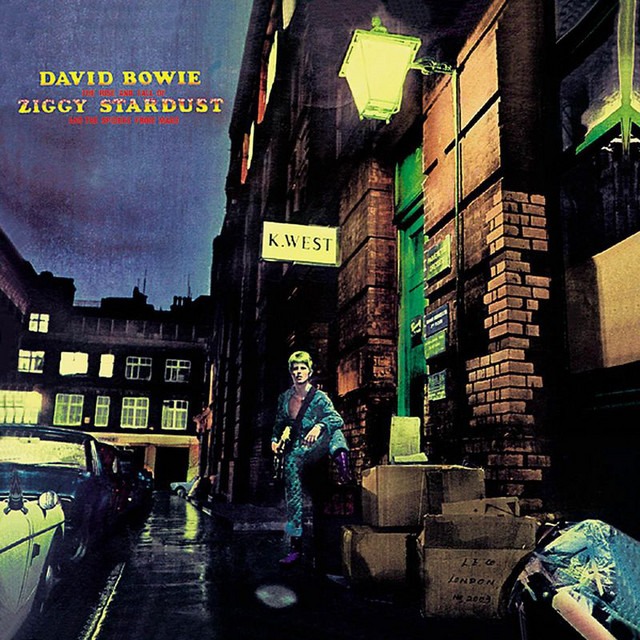
The Rise and Fall of Ziggy Stardust and the Spiders from Mars – David Bowie (1972)
This is the glam rock blueprint, a cosmic opera that gave the world an alien messiah in a jumpsuit. Bowie blurred the line between art and artifice, playing Ziggy like Shakespeare played Hamlet. The riffs shimmer, the lyrics haunt, and the whole thing felt like a broadcast from another planet with better makeup.

Electric Warrior – T. Rex (1971)
Marc Bolan was the poet laureate of glitter, and Electric Warrior is his crown jewel. There’s groove, swagger, and just enough mysticism to make you question your own reflection. “Get It On” wasn’t a suggestion—it was a sonic seduction with fuzz pedals.

Aladdin Sane – David Bowie (1973)
This was Bowie going full jet-set lunatic. The piano breaks shattered convention, the fashion blurred genders, and every song felt like a journal entry from a beautifully unhinged genius. Bowie wasn’t following trends—he was predicting them and leaving them in the dust.

Desolation Boulevard – Sweet (1974)
With hooks sharp enough to slice leather pants, Sweet perfected the bubblegum-metal fusion. “Ballroom Blitz” and “Fox on the Run” don’t age—they detonate. This album reminded everyone that pop could punch and mascara could maim.

New York Dolls – New York Dolls (1973)
The Dolls dressed like drag queens and played like punks. Their debut was a sneer dipped in glitter, paving the way for glam, punk, and every garage band that ever looked in the mirror and said, “Why not us?” There’s blood under the sparkle, and it rocks harder for it.

Transformer – Lou Reed (1972)
Produced by Bowie and Mick Ronson, this album walked the streets of New York in heels and shadows. “Walk on the Wild Side” was a whisper that roared. Reed turned glam into noir—sleazy, sweet, and too cool to care what you thought.

Kimono My House – Sparks (1974)
Sparks weren’t from this planet, and Kimono My House proves it. With operatic vocals, jerky rhythms, and lyrics about moustaches and existential crises, this album carved its own glitter-covered corner in glam’s palace. Ron and Russell Mael made weirdness fashionable.

Easter – Patti Smith Group (1978)
While not glam in the fishnet-and-feathered-sleeves sense, Easter shimmered with poetic rebellion and warpainted clarity. Patti Smith stomped through genres in combat boots and divine fury. This album captured her righteous fire and Bowie’s permission to fly the freak flag high.

The Slider – T. Rex (1972)
If Electric Warrior opened the door, The Slider moonwalked through it in platforms and silk. Bolan turned cryptic into charismatic and transformed love songs into spells. This album didn’t evolve glam—it steeped it in velvet and magic.

Diamond Dogs – David Bowie (1974)
Part Orwell, part opium dream, Diamond Dogs saw Bowie dragging Ziggy into dystopia. The guitars were sharper, the vision darker, and the theatricality fully unleashed. This album staged glam’s end-of-days carnival—and the glitter never looked so grimly glorious.

“Rise Up and Sing” Proves Music Can Still Change the World in Andrea Warner’s Powerful Book for Young Activists

0

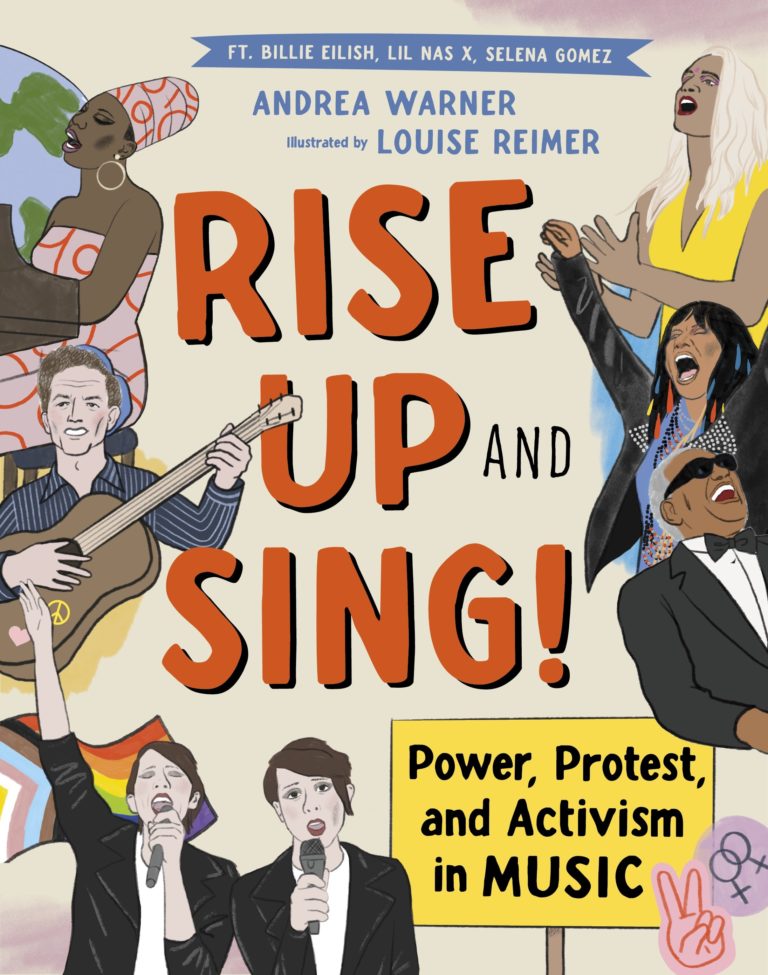
A protest anthem can’t pass legislation—but it can spark the fire that makes someone try. In Rise Up and Sing! Power, Protest, and Activism in Music, author Andrea Warner and illustrations by Louise Reimer turns up the volume on that idea, weaving together decades of artists who have used their platforms, lyrics, and lives to push for justice. This is more than a history book—it’s a call to action for young readers, a playlist for the heart, and a crash course in how to sing truth to power.

From Beyoncé’s feminist anthems to Lil Nas X’s unapologetic queerness, from the protest legacy of Nina Simone to the righteous rage of Neil Young, Warner curates a journey through the movements that shaped—and are still shaping—our world. Each chapter focuses on a different front in the fight for justice—climate action, gender equality, peace, human rights, and more—with a custom playlist that connects readers directly to the music that moves movements.

Whether you’re marching, dancing, or crying in your room, Rise Up and Sing! reminds us that music doesn’t sit on the sidelines. It marches, it chants, it protests, and most importantly—it brings people together. This book belongs in classrooms, community centers, and the hands of every young person ready to change the world, one beat at a time.