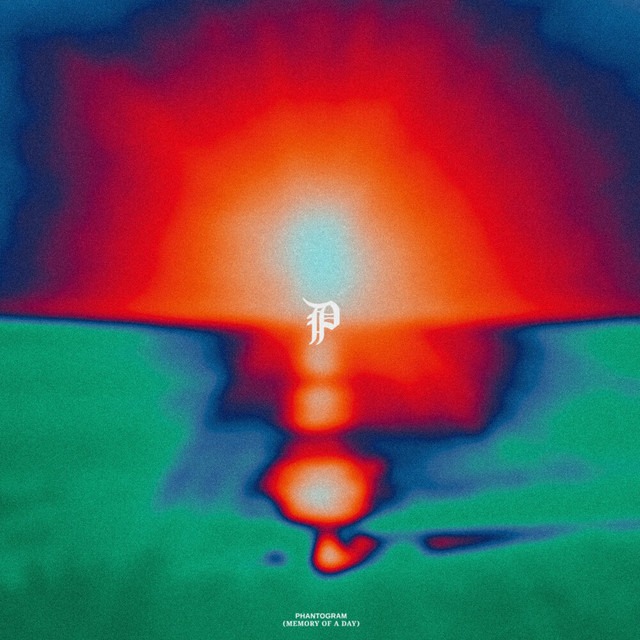
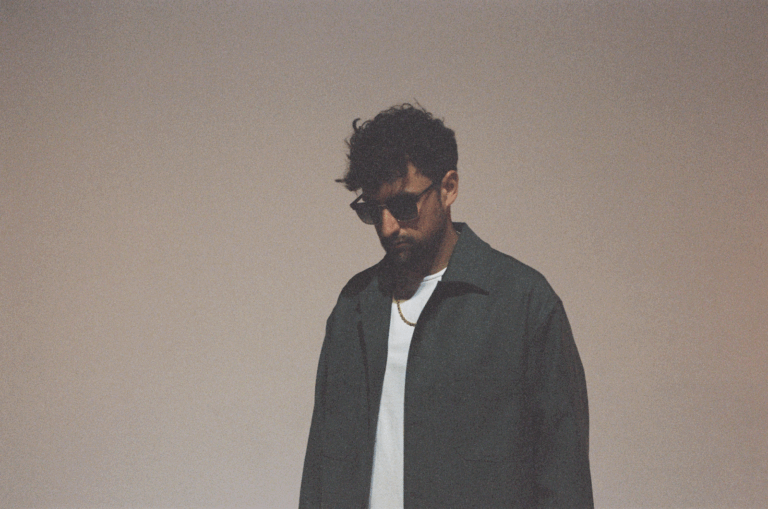
Alt-pop duo Phantogram have released the deluxe edition of Memory of a Day, featuring a brand-new version of “Move in Silence” with Big Boi. The expanded album also includes two new songs — “Earthshaker” and “In My Head,” the latter a collaboration with producer Whethan, known for his work with Charli XCX, Dua Lipa, and more. The release marks Phantogram’s first project with Neon Gold Records, home to some of alt-pop’s most innovative voices including HAIM, Tove Lo, MARINA, and Christine and the Queens.
Reflecting on the origins of “Move in Silence,” Phantogram shared, “The song started as a beat Josh made before we began working on Memory of a Day. Big Boi heard it while hanging out in LA and immediately said, ‘Yo, this needs to be a Big Grams song.’ When we started planning the deluxe version, it felt perfect to have him add a verse — the energy was just undeniable.”
With Memory of a Day (Deluxe), Phantogram continue to evolve their boundary-pushing sound, blending cinematic production, haunting vocals, and experimental textures. Their partnership with Neon Gold signals a fresh creative era, celebrating collaboration, innovation, and the duo’s fearless approach to modern alt-pop.
GRAMMY-nominated electronic artist and producer Wuki officially releases Beats I Can’t Release Vol. 1, transforming his cult-favorite online series into a full-fledged mixtape. What began as a playful experiment has evolved into a genre-bending showcase of his creativity, featuring tracks that remix, flip, and reimagine familiar sounds with fearless originality. Known for turning copyright-defying concepts into viral fan favorites, Wuki’s new project celebrates pure freedom and experimentation.
“This series started because I had all these ideas that couldn’t make it to Spotify or Apple Music — but they were too fun not to share,” says Wuki. “It’s become an outlet where I can experiment and make the kind of wild edits I grew up loving.” Fusing elements of bass, trap, house, and humor, Wuki once again proves his ability to make music that feels both nostalgic and boundary-pushing. The project captures his signature blend of wit, emotion, and technical precision that’s earned him collaborations with Diplo, Skrillex, and Anna Lunoe, plus a GRAMMY nomination for his remix of Miley Cyrus’ “Mother’s Daughter.”
Fans can catch Wuki’s high-energy performances on the road this year, with stops including Confessions ADE (Amsterdam), EDC Orlando, and Countdown Los Angeles. Beats I Can’t Release Vol. 1 embodies everything that’s made Wuki one of the most beloved figures in dance music — unfiltered creativity, festival-ready energy, and a love for music that refuses to stay in the box.
Wuki 2025 Tour Dates: Oct 23 – Confessions ADE (Amsterdam, NL) Oct 25 – Texas Christian University (Fort Worth, TX) Nov 1 – Shabang Halloween (San Luis Obispo, CA) Nov 7 – The Ivy (Cleveland, OH) Nov 9 – EDC Orlando (Orlando, FL) Nov 14 – Yost Theater (Santa Ana, CA) Dec 31 – Countdown (Los Angeles, CA)
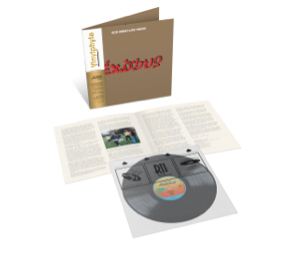
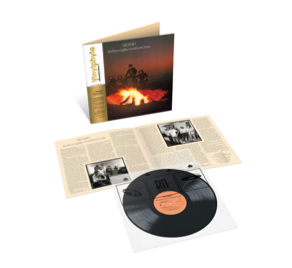
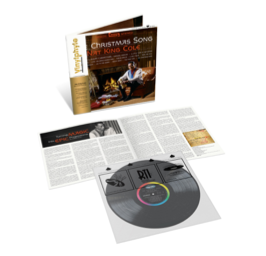
UMe, the global catalog division of Universal Music Group, is proud to announce the launch of Vinylphyle, a new audiophile vinyl reissue series dedicated to presenting essential albums across multiple genres with uncompromising sound quality and packaging. Billed as “A premium vinyl experience for people who love vinyl,” the series will debut on November 14 with four landmark titles: The Velvet Underground & Nico(1967), Bob Marley & The Wailers’Exodus (1977), The Band’s Northern Lights–Southern Cross (1975), celebrating its 50th anniversary, and Nat King Cole’s The Christmas Song (1962). All albums will be available exclusively at uDiscover Music and via the artist’s official online stores where applicable. Following the launch, Vinylphyle will continue with two releases per month, spanning genres and eras to build a library of must-own records.
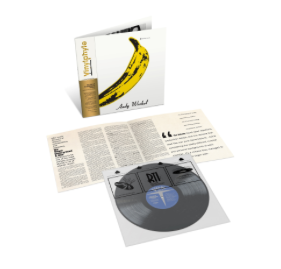
Each Vinylphyle release will feature all analog mastering from original sources by an elite group of today’s top vinyl cutting engineers. The LPs will be pressed at the world-class Southern California-based audiophile vinyl record pressing plant Record Technology, Inc. better known amongst vinyl lovers as RTI, on 180-gram black vinyl. Similar in presentation and execution to Blue Note’s acclaimed Tone Poet series, the production and packaging seek to honor the stature of these recordings and will include tip-on wrapped gatefold jackets in satin matte finish, printed on clay-coated board, with archival poly sleeves and a four-panel insert featuring new liner notes by notable music journalists, personalities and fans. Backed by RTI’s craftsmanship, these releases are produced at the highest levels and include extensive quality controls at every step of the process, from mastering to plating to pressing and printing, ensuring a superb final product.
Joe Nino-Hernes of Sterling Sound has mastered the first four titles from the original analog master tapes and each album boasts new liner notes by an assortment of contributors: “the internet’s biggest music nerd” Anthony Fantano of “The Needle Drop” for The Velvet Underground & Nico, filmmaker, DJ, musician and cultural commentator Don Letts aka The Rebel Dread for Exodus, author and veteran music scribe Rick Florino for Northern Lights – Southern Cross and actor and award-winning writer James Ritz for The Christmas Song.
“We are excited to launch our Vinylphyle series to provide best-in-class, audiophile quality pressings of some of the most legendary and timeless records,” said Bruce Resnikoff, President & CEO of UMe. “This series is built on uncompromising quality and all albums have all been meticulously mastered by renowned mastering engineers from analog and packaged with the utmost care and attention to detail. This new series allows both longtime record enthusiasts to hear some of their favorite albums sounding better than ever and for those just discovering vinyl to experience the warmth and richness that only vinyl can deliver and to become Vinylphyles.”
Together, these inaugural selections span the underground, the political, the pastoral, and the timeless. The Velvet Underground & Nico captures New York art rock at its most provocative, a record that reshaped the boundaries of popular music. Bob Marley’s Exodus stands as reggae’s global breakthrough, marrying militant resistance with songs of joy and uplift. Northern Lights – Southern Cross reflects the maturity of roots rock in the mid-1970s, blending mythic storytelling with lived experience. The Christmas Song presents Nat King Cole’s definitive voice in holiday music, a recording that continues to return each season as if untouched by time.
The Velvet Underground & Nico was originally released in 1967 on Verve Records and has since become one of the most influential debut albums in the history of rock. Conceived in collaboration with AndyWarhol — who served as nominal producer and designed its now-iconic peelable banana cover, which has been replicated in this new edition (“peel slowly and see”) — the album introduced LouReed, JohnCale, SterlingMorrison, and MaureenTucker, and the enigmatic German singer Nico. Recorded at Scepter Studios in New York and T.T.G. in Hollywood with producer Tom Wilson, the record fused Reed’s street-level storytelling with Cale’s avant-garde sensibility, Morrison’s wiry yet grounded guitar lines, and Tucker’s minimalist drumming that often resembled the pulse of a heartbeat. Nico’s aura of cold elegance gave the album its spectral presence, while Reed’s lyrics on addiction, desire, and disaffection pushed rock songwriting into dangerous new territory.
At its core, the album is both abrasive and tender — balancing noise and melody in ways that felt radical for its time. Songs like “I’m Waiting For The Man,” “Heroin,” “Run Run Run” and “Venus in Furs” rejected commercial polish for raw intensity, while opener “Sunday Morning,” and the Nico-sung “Femme Fatale, “I’ll Be Your Mirror” and “All Tomorrow’s Parties” revealed Reed’s gift for fragile balladry. The tension between these extremes defined the record’s character, offering a sonic and thematic map of New York in the 1960s — a city of glamour and decay, artifice and honesty, beauty and brutality.
Though largely overlooked upon release, The Velvet Underground & Nico grew in stature as the years passed, becoming a blueprint for entire movements from experimental, avant-garde rock to punk to post-punk to indie rock. Later albums — White Light/White Heat (1968), The Velvet Underground (1969), and Loaded (1970) — each carried the group in new directions, but the debut remains their defining work. Reed would revisit its imagery and subject matter throughout his solo career, while Cale pursued experimental and classical collaborations. Morrison stepped away from music into academia, Tucker kept drumming in solo and reunion contexts, and Nico built a stark, influential solo body of work. Seen through the lens of its release, The Velvet Underground & Nico is not only the band’s opening statement but a map of paths each member would follow — a document of artistic risk, of noise and beauty held in precarious balance, and one where every member proved indispensable. The album was chosen by Time magazine as one of the 100 best albums of all time in 2006, by Pitchfork in 2017 as the best album of the 1960s and by Apple Music in 2024 as one of the 100 Best Albums ever made. The seminal album was inducted into the GRAMMY Hall Of Fame in 2008.
The Velvet Underground & Nico – The Velvet Underground & Nico
Side 1 1. Sunday Morning 2. I’m Waiting For The Man 3. Femme Fatale 4. Venus In Furs 5. Run Run Run 6. All Tomorrow’s Parties
Side 2 7. Heroin 8. There She Goes Again 9. I’ll Be Your Mirror 10. The Black Angel’s Death Song 11. European Son (to Delmore Schwartz)
Originally released in 1977 on Island Records, Exodus stands as Bob Marley & The Wailers’ most internationally celebrated statement — an album forged in exile, recorded in London after an assassination attempt in Jamaica forced Marley from his home. Across ten tracks, it bridged two halves of his vision: the militant and the spiritual, the revolutionary and the devotional. The first side is marked by songs of resilience and struggle — “Natural Mystic,” “So Much Things to Say,” “Guiltiness,” “The Heathen,” and the title track, with its mantra-like chorus of movement and deliverance. Side two shifts into a luminous register with some of Marley’s most enduring love songs and anthems — “Jamming,” “Waiting in Vain,” “Turn Your Lights Down Low,” “Three Little Birds,” and “One Love / People Get Ready.” The balance between fire and warmth gave Exodus a scope that resonated far beyond reggae’s core audience, cementing Marley as a global voice of conscience and celebration.
The album was recorded primarily at Island’s Basing Street Studios with the classic Wailers lineup: Aston “Family Man” Barrett anchoring on bass, his brother Carlton Barrett on drums, Tyrone Downie on keyboards, Junior Marvin on guitar, Alvin “Seeco” Patterson on percussion, and backing vocals from the I Threes — Rita Marley, Judy Mowatt, and Marcia Griffiths. Marley himself played rhythm guitar and provided the voice at the center of it all: urgent, tender, prophetic. The sessions marked the arrival of Marvin as lead guitarist, his fluid lines adding dimension to the Wailers’ already formidable sound. Chris Blackwell once again produced, giving the record a clarity and sweep that brought Marley’s themes of exile, faith, and survival into sharp focus for international listeners.
Upon release, Exodus was embraced as both artistic triumph and cultural event. Time magazine named it the “Album of the Century” two decades later, and its songs quickly became fixtures of Marley’s concerts and reggae repertoire worldwide. “Jamming” and “One Love” found life as universal anthems of joy and unity, while “Waiting in Vain” and “Turn Your Lights Down Low” expanded his reputation as a songwriter of intimate depth. In the U.K., the record spent 56 consecutive weeks, peaking at No. 8, while in America it reached No. 20 on the Billboard Top 200.
Its success helped propel Marley from cult figure to international icon, setting the stage for the massive tours and live recordings that followed, including BabylonByBus (1978) and the global reception of Kaya (1978) and Survival (1979).
In retrospect, Exodus can be heard as both culmination and turning point. It captured Marley at the height of his powers, weaving together spiritual yearning, political urgency, and melodic grace in a way that spoke across boundaries. At the same time, it opened the final act of his career, which ended with his death in 1981 at the age of 36. The songs from Exodus have endured as the backbone of his legacy, continually reinterpreted in tributes, compilations, and concerts worldwide. More than four decades later, it remains a record of vision and resilience — the sound of an artist translating exile into testimony, and personal struggle into global song. In 2024, the album’s recording became a central plot point in the celebrated biopic of Marley’s life, “One Love” and Apple Music featured it on their list of the 100 Best Albums ever made.
Bob Marley & The Wailers – Exodus Side 1 1. Natural Mystic 2. So Much Things To Say 3. Guiltiness 4. The Heathen 5. Exodus
Side 2 6. Jamming 7. Waiting In Vain 8. Turn Your Lights Down Low 9. Three Little Birds 10. One Love / People Get Ready
Originally released in 1975 on Capitol, Northern Lights – Southern Cross was the first album recorded at Canadian-American icons The Band’s own Shangri-La studio in Malibu, Calif., and their first to feature all-new material since 1971’s Cahoots. It marked a return to form after years of touring, live recordings, and interim projects — a moment when the group recommitted to the craft of songwriting and ensemble interplay that had made them singular in rock. The record balances nostalgia and restlessness, weaving American history and personal memory into music that reflected both their internal fractures and their enduring collective identity.
The album was anchored by the songwriting of Robbie Robertson, who composed all eight tracks, but its force came from the interpretive power of his bandmates: Levon Helm on drums and vocals, Rick Danko on bass and vocals, Richard Manuel on piano and vocals, and Garth Hudson on organ, accordion, and synthesizers. The opening track, “Forbidden Fruit,” sets the tone with sly commentary on temptation and consequence. “Ophelia,” animated by Helm’s drawl and Hudson’s jubilant horn charts, became a live staple. Danko’s reading of “It Makes No Difference” stands as one of the most moving performances of his career, while the closing “Rag and Bones” layers Robertson’s imagery with Hudson’s haunting tonal colors.
Self-produced by The Band, the sessions made distinctive use of then-new technology — particularly Hudson’s ARP synthesizer — without sacrificing the group’s organic interplay. Songs like “Acadian Driftwood,” with its poignant retelling of the Acadian expulsion, expanded their narrative scope into overlooked corners of North American history, while “Ring Your Bell” and “Jupiter Hollow” explored fresh rhythmic and textural terrain. This blend of modern sonics and deep-rooted storytelling gave Northern Lights – Southern Cross a singular place in their catalog, distinct from the sepia-toned Americana of Music from Big Pink (1968) and The Band (1969).
Northern Lights – Southern Cross carries the sound of a group pouring everything they had left into the studio. Each voice is still unmistakable, every contribution indispensable, and together they crafted a record that stands as both a summation and a farewell — a bittersweet reminder of a transnational partnership that changed the shape of popular music. Northern Lights – Southern Cross peaked in the Top 30 of the Billboard 200, and “Ophelia” charted on the Hot 100 at No. 62. The album was represented during “The Last Waltz,” The Band’s farewell concert shot and directed by Academy® Award-winning director Martin Scorsese for the classic 1978 documentary of the same name with three sensational performances. The Band joined forces with Joni Mitchell and Neil Young on an emotional rendition of “Acadian Driftwood,” played a rousing version of “Ophelia” with a horn section and delivered a powerhouse performance of “It Makes No Difference.”
The Band – Northern Cross-Southern Lights Side 1 1. Forbidden Fruit 2. Hobo Jungle 3. Opelia 4. Acadian Driftwood
Side 2 5. Ring Your Bell 6. It Makes No Difference 7. Jupiter Hollow 8. Rag and Bones
The Christmas Song by Nat King Cole, with its ubiquitous namesake song, has become one of the most popular holiday albums in the Christmas canon — a collection that permanently linked Cole’s velvet baritone to the season itself. Originally released in 1960 on Capitol as The Magic of Christmas, the album was reissued in 1962 as The Christmas Song, replacing “God Rest Ye Merry Gentlemen” with the title track. Though Cole had been recording since the 1930s, and had long since crossed from jazz pianist to mainstream balladeer, it was his association with Christmas music that secured his voice an enduring place in households worldwide. The album’s title track, written by Mel Tormé and Robert Wells, had been cut by Cole multiple times before 1960 — first in 1946 with the original King Cole Trio, then in fuller orchestrations across the next decade — but it was the 1961 stereo re-recording with Ralph Carmichael’s orchestra that became the standard, endlessly replayed on radio and reissued across formats.
The record gathers not just “The Christmas Song” but an array of traditional carols and secular standards, all rendered with Cole’s characteristic poise. Backed by arrangements from Carmichael and lush orchestral settings that frame his voice in strings and choir, Cole moves through “O Holy Night,” “Silent Night,” “Deck the Hall,” and “O Come All Ye Faithful,” alongside lighter favorites like “I Saw Three Ships” and “Caroling, Caroling.” What set his interpretations apart was a union of warmth and refinement — a sound that evoked both intimacy and grandeur, equally suited to hearthside listening and mass broadcast. By the early 1960s, Cole was one of the most recognizable entertainers in the world, with crossover hits, a pioneering television program, and international tours. This album distilled that stature into seasonal permanence.
In the decades since, The Christmas Song has come to define not only Cole’s career but also the very soundscape of the holiday season. The title track became the first holiday recording inducted into the GRAMMY Hall of Fame, and its ubiquity on seasonal charts has ensured Cole’s posthumous presence every December. The album has been repackaged and expanded many times, but the 1960 configuration remains its essence — a concise, elegant program that binds together sacred and secular with an effortless grace.
Viewed within Cole’s larger body of work, The Christmas Song came late in a career that had already spanned jazz innovation, pop chart dominance, and the breaking of racial barriers in American entertainment. His recordings with the King Cole Trio in the 1940s had helped shape modern jazz piano trio form; his 1950s ballad hits like “Unforgettable” and “Mona Lisa” established him as a mainstream star; and his television show, though short-lived due to sponsorship resistance, was a milestone for Black representation on network TV. The Christmas Song distilled these achievements into a single, enduring artifact. It became a posthumous gift as well: Cole died in 1965 at age 45, but each holiday season his voice returns as if undiminished by time. The record, the best-selling Christmas album of the ’60s and subsequently certified 6x platinum, stands not just as a seasonal classic but as a summation of his artistry — a blend of elegance, accessibility, and humanity that remains unmatched.
Iconic Artists Group oversees Nat King Cole’s legacy.
Nat King Cole – The Christmas Song Side 1 1. The Christmas Song (Merry Christmas To You) 2. Deck The Hall 3. Adeste Fideles (O Come All Ye Faithful) 4. O Tannenbaum 5. O Little Town Of Bethlehem 6. I Saw Three Ships 7. O Holy Night
Side 2 8. Hark! The Herald Angels Sing 9. A Cradle in Bethlehem 10. Away in a Manger 11. Joy to the World 12. The First Noel 13. Caroling, Caroling 14. Silent Night
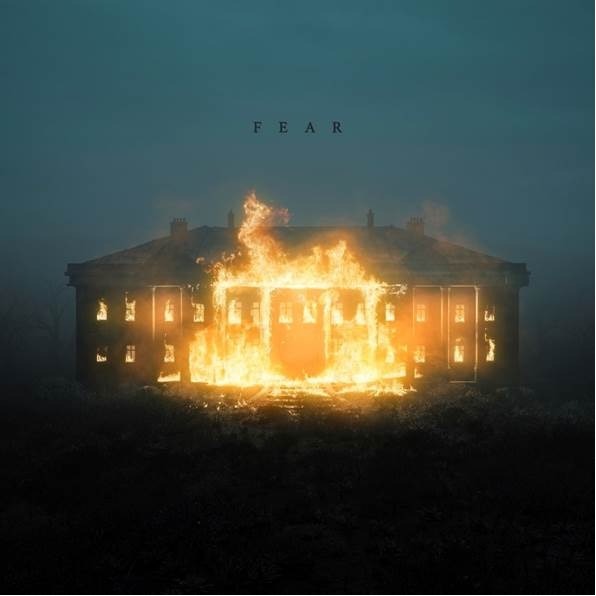
Following the massive success of 2023’s HOPE – his third album to debut at No. 1 on Billboard’s Top Album Sales chart – and his subsequent sold-out global arena tour, multi-Platinum rapper/producer NF returns with FEAR. The six-song EP, which features collaborations with mgk and James Arthur, will be released on November 14 via NF Real Music LLC / Capitol Music Group. See below for track listing.
Beginning today, FEAR is available to pre-order starting today on vinyl and CD, with a limited number of signed copies also available. Pre-order HERE and pre-save HERE.
Hailed byBillboard as “one of the world’s biggest rappers,” NF is one of the most consumed artists of our time, generating over 55 billion combined global streams worldwide and selling over 1.25 MILLION tickets to date. He’s earned 62 RIAA certifications, 28 Platinum plaques and 34 Gold honors. Often silent on self-promotion and social media, NF’s achievements come straight from his music and lyrics resonating with fans. As Forbes noted, “NF’s success speaks to what can be done these days outside of the traditional system, proving that with his strong fan base and his incredible drive, the success of NF is a true testament to his status as a talent in the hip hop world.”
Released in April 2023, HOPE entered Billboard’s Top Album Sales, Top R&B/Hip-Hop Albums and Top Rap Albums charts at No. 1 and took the No. 2 spot on the Billboard 200. Over the course of 2023 and 2024, NF played to sold-out arena crowds around the globe on the HOPE TOUR.
Clash Music said, “’Hope’ finds NF claiming a space of his own by rejecting expectation – as a result, it’s an often thrilling return….This is perhaps his most personal document yet.” The title track and “HAPPY” have been certified Gold. Praising “HAPPY” as the “soul-baring highlight,” NME said, “he documents his ongoing mental health journey with brutal, utterly unbridled honesty.”
FEAR – Track Listing 1. FEAR 2. HOME 3. WHO I WAS with mgk 4. GIVE ME A REASON 5. SORRY with James Arthur 6. WASHED UP
About NF: NF raps with raw grit and emotional authenticity, born of a lifetime of taking hits and getting back up again. He’s earned 62 RIAA certifications, 28 Platinum plaques and 34 Gold honors. This success stems from genuine fan-fueled momentum — connecting directly with fans in an authentic way.
Nate Feuerstein came of age in Michigan, using music as both escape and expression, a way to channel his pain. Through the years, he’s demonstrated the power of vulnerability on hits like the 8x Platinum “Let You Down” and “The Search.” In 2015, he signed with Capitol Records; thus setting the stage to climb to rap dominance beginning with his album Mansion followed by Therapy Session in 2016 and Perception in 2017, which debuted at No. 1 and eventually went 2x Platinum. In 2019, he dropped The Search, which also hit No. 1 and went 2x Platinum. His 2021 project CLOUDS (THE MIXTAPE), an inward-looking mixtape, again connected deeply with listeners, debuting within the top three on Billboard’s Top 200 Albums Chart and Top R&B/Hip Hop Albums Chart. HOPE, his 2023 album, debuted at No. 1 on Billboard’s Top Album Sales, Top R&B/Hip-Hop Albums and Top Rap Albums charts and took the No. 2 spot on the Billboard 200. Eight of the album’s 13 songs entered the Billboard charts and singles “HOPE” and “HAPPY” have been certified Gold.
Today, NF has tipped into global dominance having generated over 55 billion combined global streams and worldwide touring that has sold over 1.25 Million tickets to date, including his back-to-back 2023 and 2024 arena tours.
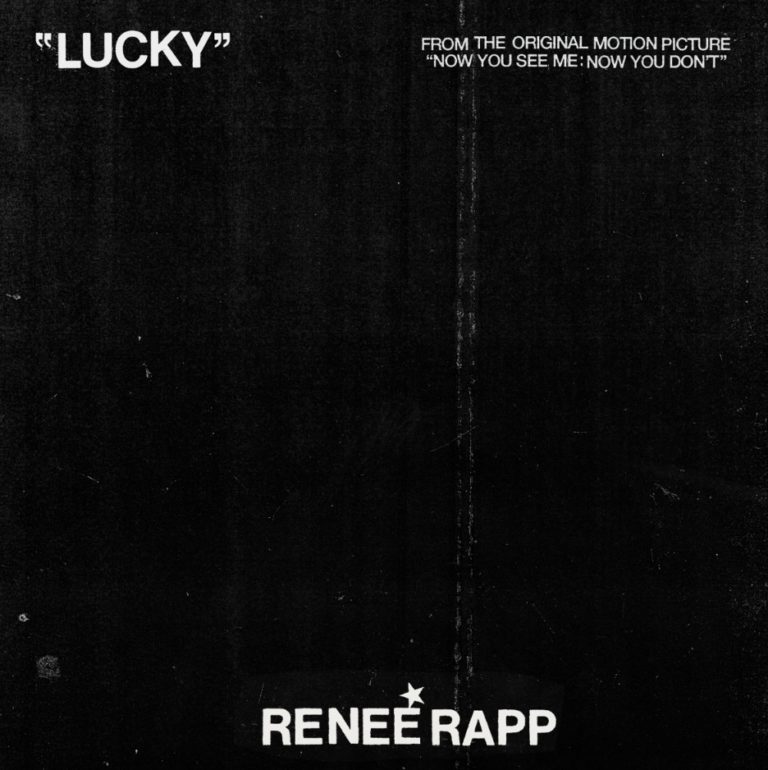
Critically acclaimed singer-songwriter Reneé Rapp lends her voice to the beloved Now You See Me franchise with her brand-new song, “Lucky,” an original record created for Lionsgate’s upcoming film Now You See Me: Now You Don’t. Out today on Interscope Records and available on all streaming platforms, the song will be prominently featured as the movie’s end title track. Rapp’s collaboration introduces a modern sound to this new-generation heist film ahead of its theatrical release on November 14, 2025. Stream “Lucky” HERE.
Earlier this year, Reneé Rapp hit a massive career milestone earning her first ever #1 album in the UK and the Netherlands with her sophomore effort BITE ME (released 8/1 on Interscope Records). The project marked Rapp’s most successful offering to date, selling over 64K equivalent album units within the first week of release, and debuting in the top 10 in 5 countries including the UK, Netherlands, Australia and Germany. BITE ME also hit #1 on the Billboard chart for Pure US Album Sales and #3 on the Billboard 200 chart. Upon release, Rolling Stone gave the album a 4.5 star rave review, noting it as “one of the year’s most delightful pop blowouts.”
Rapp is currently solidifying her position as a global concert draw as she wraps up the highly successful BITE ME Headlining Tour, her largest run to date and first to feature as an arena headlining act. This extensive North American stretch has been marked by career-defining performances at premier venues, including a monumental sold-out night at New York’s iconic Madison Square Garden, and a stellar performance at The Forum in Los Angeles. The BITE ME Tour is slated to finalize its North American run on November 7 in Charlotte, NC.
In Now You See Me: Now You Don’t, the Four Horsemen (Jesse Eisenberg, Woody Harrelson, Dave Franco, Isla Fisher) are back — to unite with a new generation of illusionists (Justice Smith, Dominic Sessa, Ariana Greenblatt) for their most global, high-stakes magical adventure yet. Their mission: Expose the corruption of Veronika Vanderberg (Rosamund Pike), a powerful diamond heiress with ties to arms dealers, traffickers, and warlords. Aided by the legendary Thaddeus (Morgan Freeman), the two generations of magicians must overcome their differences to try and defeat their cunning and dangerous adversary, in this magic-fueled heist filled with the franchise’s signature twists, turns, and thrilling reveals — along with some of the most thrilling illusions ever captured on film.
Now You See Me: Now You Don’t stars Jesse Eisenberg, Woody Harrelson, Dave Franco, Isla Fisher, Justice Smith, Dominic Sessa, Ariana Greenblatt, with Rosamund Pike, and Morgan Freeman. The film is directed by Ruben Fleischer from a screenplay by Seth Grahame-Smith and Michael Lesslie and Paul Wernick & Rhett Reese, with a story by Eric Warren Singer, based on characters created by Boaz Yakin & Edward Ricourt, and produced by Alex Kurtzman, p.g.a., Roberto Orci, and Bobby Cohen, p.g.a.
The Jonas Brothers are spreading holiday cheer this season with A Very Jonas Christmas Movie, premiering November 14 on Disney+ and Hulu. The official trailer gives fans a first look at the festive chaos, featuring the film’s original song “Coming Home This Christmas” with Kenny G, now available on all major streaming platforms. The film’s soundtrack, from Hollywood Records and Republic Records, arrives the same day, with exclusive vinyl editions available through Disney Music Emporium while supplies last.
The movie features an all-star cast, including Kevin, Joe, and Nick Jonas playing themselves, joined by Chloe Bennet, Billie Lourd, Laverne Cox, KJ Apa, Andrew Barth Feldman, Andrea Martin, Kenny G, Justin Tranter, Randall Park, and Jesse Tyler Ferguson as Santa. A few surprise cameos from the Jonas family add an extra layer of warmth and nostalgia to the holiday adventure.
Directed by Jessica Yu and written by Isaac Aptaker and Elizabeth Berger, the film follows the Jonas Brothers as they face a whirlwind of comedic setbacks while racing from London to New York to make it home in time for Christmas. With original music by Justin Tranter and production from 20th Television, A Very Jonas Christmas Movie promises to be a heartwarming blend of holiday spirit, family fun, and pop magic.
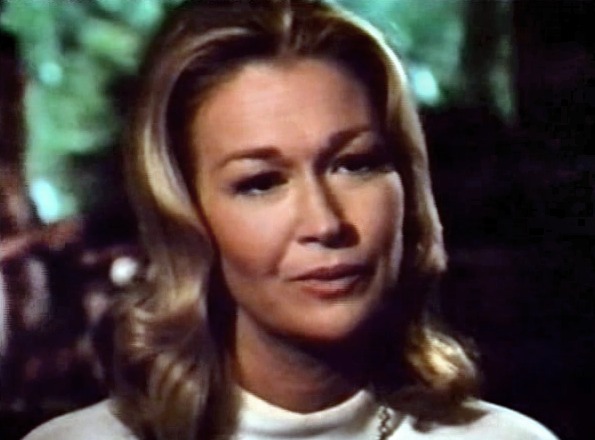
Diane Ladd was one of Hollywood’s most enduring and soulful talents who passed away today – an actress, writer, and mother whose warmth and wit shaped generations of film and television. From Alice Doesn’t Live Here Anymore to Chesapeake Shores, she graced every screen with authenticity and fire. Here are 50 amazing facts about her remarkable life and career.
Diane Ladd was born Rose Diane Ladner on November 29, 1935, in Laurel, Mississippi.
Her mother, Mary Bernadette, was also an actress, and her father, Preston Paul, was a veterinarian.
She was related to playwright Tennessee Williams and poet Sidney Lanier.
Ladd was raised Catholic and carried her Southern grace throughout her career.
She was married to actor Bruce Dern from 1960 to 1969.
Together, they had two daughters – Laura Dern and Diane Elizabeth, who tragically died young.
Laura Dern went on to become one of Hollywood’s most acclaimed actresses, often collaborating with her mother.
Diane and Laura starred together in Rambling Rose, both earning Oscar nominations – a first for a mother-daughter duo.
Ladd appeared in over 200 film and television roles.
She earned three Academy Award nominations for Alice Doesn’t Live Here Anymore, Wild at Heart, and Rambling Rose.
She won a BAFTA for Alice Doesn’t Live Here Anymore in 1976.
Ladd also won a Golden Globe for her performance in the TV sitcom Alice.
She was nominated for three Primetime Emmy Awards.
Ladd made her Broadway debut in Carry Me Back to Morningside Heights in 1968.
Sidney Poitier directed that Broadway production.
She first gained attention as the waitress Flo in Martin Scorsese’s Alice Doesn’t Live Here Anymore.
Many of her funniest lines in the film were improvised, including one borrowed from her father.
She became known for her quick wit and fearless energy on set.
Her character inspired the hit TV sitcom Alice, which she later joined as Belle Dupree.
Ladd starred in Chinatown (1974), National Lampoon’s Christmas Vacation (1989), and Primary Colors (1998).
She was a scene-stealer in David Lynch’s Wild at Heart as the eccentric Marietta Fortune.
Lynch said she was “uncontainable in the best way – pure emotion.”
She later reunited with Lynch for Inland Empire alongside Laura Dern.
She appeared in Stephen King’s Kingdom Hospital as Mrs. Druse.
In 1995, she wrote, directed, and starred in Mrs. Munck, opposite Bruce Dern.
She was also a published author of two books and a co-author with Laura Dern.
Their 2023 memoir Honey, Baby, Mine chronicled their healing mother-daughter walks.
Ladd survived a near-fatal illness in 2018 after being misdiagnosed with pneumonia.
She credited Laura with saving her life by transferring her to another hospital.
She was a proud supporter of the Independent American film movement.
Ladd also supported Jesse Jackson’s 1988 presidential campaign.
She was a lifelong advocate for arts education and creativity in young people.
She described herself as “a no-nonsense Southern belle with a wild streak.”
Her co-stars included Sissy Spacek, Nicolas Cage, Ellen Burstyn, and Robert De Niro.
She played opposite her real-life mother, Mary Lanier, in Hold Me, Thrill Me, Kiss Me (1992).
Ladd’s performances combined vulnerability, humor, and strength in equal measure.
In Rambling Rose, her emotional depth became a study in maternal grace.
She appeared in Chesapeake Shores from 2016 to 2022 as family matriarch Nell O’Brien.
Ladd’s screen presence often blended elegance with an edge – part magnolia, part steel.
She received a Drama Desk Award nomination for A Texas Trilogy in 1976.
She also appeared on Grace Under Fire, Dr. Quinn, Medicine Woman, and Touched by an Angel.
In 2010, Diane, Laura, and Bruce Dern received adjoining stars on the Hollywood Walk of Fame.
It was the first time a family had been honored with side-by-side stars.
Ladd appeared in both Carnosaur and Jurassic Park year — the latter starred her daughter.
She loved improvisation and often added her own Southern sayings to scripts.
Her memoir Spiraling Through the School of Life explored spiritual and emotional growth.
She played grandmothers, mothers, and mystics – and made each unforgettable.
Ladd continued acting into her late 80s, proving age could never dim her spark.
She often said, “Acting is not pretending. It’s remembering who you are.”
Diane Ladd’s greatest legacy lives through her art, her daughter, and the joy she brought to millions.
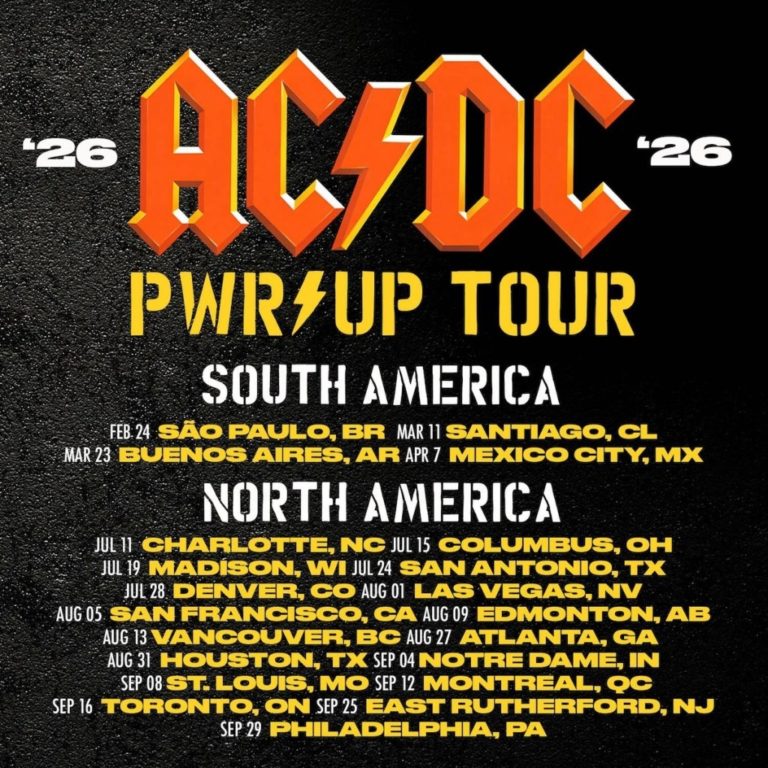
Rock icons AC/DC are extending their Power Up Tour with a brand-new 2026 summer North American leg, marking their second run of stateside dates. Kicking off July 11 in Charlotte, North Carolina, the 17-date trek will visit cities missed on their 2025 run, wrapping September 29 in Philadelphia. Fans can expect the band’s signature electrifying performances and stadium-sized rock anthems in cities like Denver, Las Vegas, San Francisco, Atlanta, Toronto, and East Rutherford.
Tickets go on sale Friday, November 7 at 10 a.m. local time via Ticketmaster, with Denver, Las Vegas, and Philadelphia shows going live at noon. The announcement comes alongside new Latin American dates for February through April, with stops in São Paulo, Santiago, Buenos Aires, and Mexico City — reaffirming AC/DC’s unmatched global reach and staying power after decades at the top of rock’s hierarchy.
The band’s current lineup features classic members Angus Young on lead guitar and Brian Johnson on vocals, alongside Stevie Young (rhythm guitar), Matt Laug (drums), and Chris Chaney (bass). With blistering riffs and relentless energy, AC/DC continue to define what arena rock is all about.
AC/DC 2026 Tour Dates: Feb 24 — Estádio do MorumBIS, São Paulo, BR Mar 11 — Parque Estadio Nacional, Santiago, CL Mar 23 — Estadio River Plate, Buenos Aires, AR Apr 07 — Estadio GNP Seguros, Mexico City, MX Jul 11 — Bank of America Stadium, Charlotte, NC Jul 15 — Ohio Stadium, Columbus, OH Jul 19 — Camp Randall Stadium, Madison, WI Jul 24 — Alamodome, San Antonio, TX Jul 28 — Empower Field at Mile High, Denver, CO Aug 01 — Allegiant Stadium, Las Vegas, NV Aug 05 — Levi’s Stadium, San Francisco, CA Aug 09 — Commonwealth Stadium, Edmonton, AB Aug 13 — BC Place, Vancouver, BC Aug 27 — Mercedes-Benz Stadium, Atlanta, GA Aug 31 — NRG Stadium, Houston, TX Sep 04 — Notre Dame Stadium, South Bend, IN Sep 08 — The Dome at America’s Center, St. Louis, MO Sep 12 — Parc Jean-Drapeau, Montreal, QC Sep 16 — Rogers Stadium, Toronto, ON Sep 25 — MetLife Stadium, East Rutherford, NJ Sep 29 — Lincoln Financial Field, Philadelphia, PA
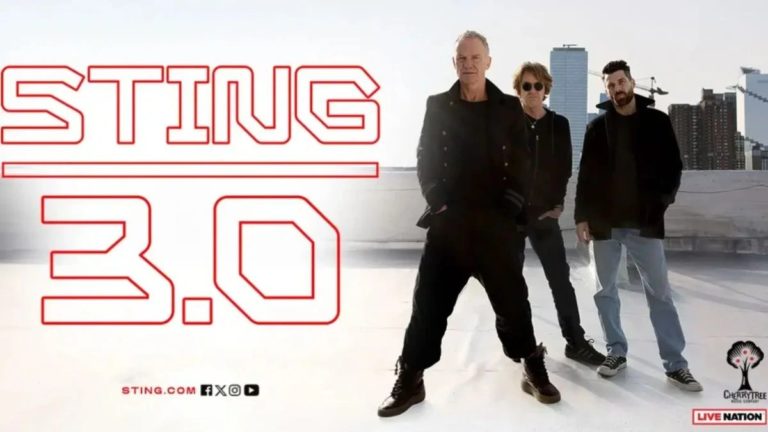
Sting has announced a new round of spring 2026 U.S. tour dates as part of his acclaimed “Sting 3.0” power trio tour. The run begins May 9 in Durant, Oklahoma, and travels through cities including Austin, Houston, Atlanta, Charlotte, and Raleigh before wrapping May 25 in Richmond, Virginia. The new dates also feature a special three-night stand at Wolf Trap in Vienna, Virginia, celebrating one of the most beloved live shows of recent years.
Tickets will be available first through Sting’s official fan club presale beginning Tuesday, November 4 at 10 AM local time. A Live Nation presale follows on Thursday, November 6 at 10 AM local, with general on-sale starting Friday, November 7 at 10 AM via Ticketmaster. Fans can sign up for Sting’s fan club or Live Nation’s All Access membership for early access to tickets.
Sting originally launched his “3.0” tour in 2024 alongside longtime guitarist Dominic Miller and drummer Chris Maas, performing selections from across his legendary catalog in an electrifying trio format. He continues touring through late 2025 with remaining shows in New Jersey, Connecticut, Pennsylvania, and Indiana before kicking off his newly announced 2026 leg.
Sting 2025–2026 Tour Dates: Nov 14 — Atlantic City, NJ — Borgata Event Center Nov 15 — Atlantic City, NJ — Borgata Event Center Nov 18 — Uncasville, CT — Mohegan Sun Arena Nov 20 — Bethlehem, PA — Wind Creek Event Center Nov 21 — Bethlehem, PA — Wind Creek Event Center Nov 23 — Gary, IN — Hard Rock Casino
May 9 — Durant, OK — Choctaw Grand Theater May 10 — Irving, TX — The Pavilion at Toyota Music Factory May 12 — Austin, TX — Moody Amphitheater at Waterloo Park May 13 — Houston, TX — The Cynthia Woods Mitchell Pavilion May 15 — Atlanta, GA — Synovus Bank Amphitheater at Chastain Park May 16 — Savannah, GA — Enmarket Arena May 18 — Charlotte, NC — PNC Music Pavilion May 19 — Raleigh, NC — Red Hat Amphitheater May 21 — Vienna, VA — Wolf Trap May 22 — Vienna, VA — Wolf Trap May 23 — Vienna, VA — Wolf Trap May 25 — Richmond, VA — Allianz Amphitheater at Riverfront
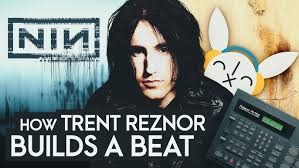
Musician Captain Pikant took on an ambitious challenge — using a Hapax sequencer to faithfully recreate the sharp, hard-hitting drum patterns that define three classic Nine Inch Nails songs: “Only,” “Closer,” and “All the Love in the World.” Each track, originally written and composed by Trent Reznor, captures a different facet of his unmatched rhythmic creativity and industrial precision.