
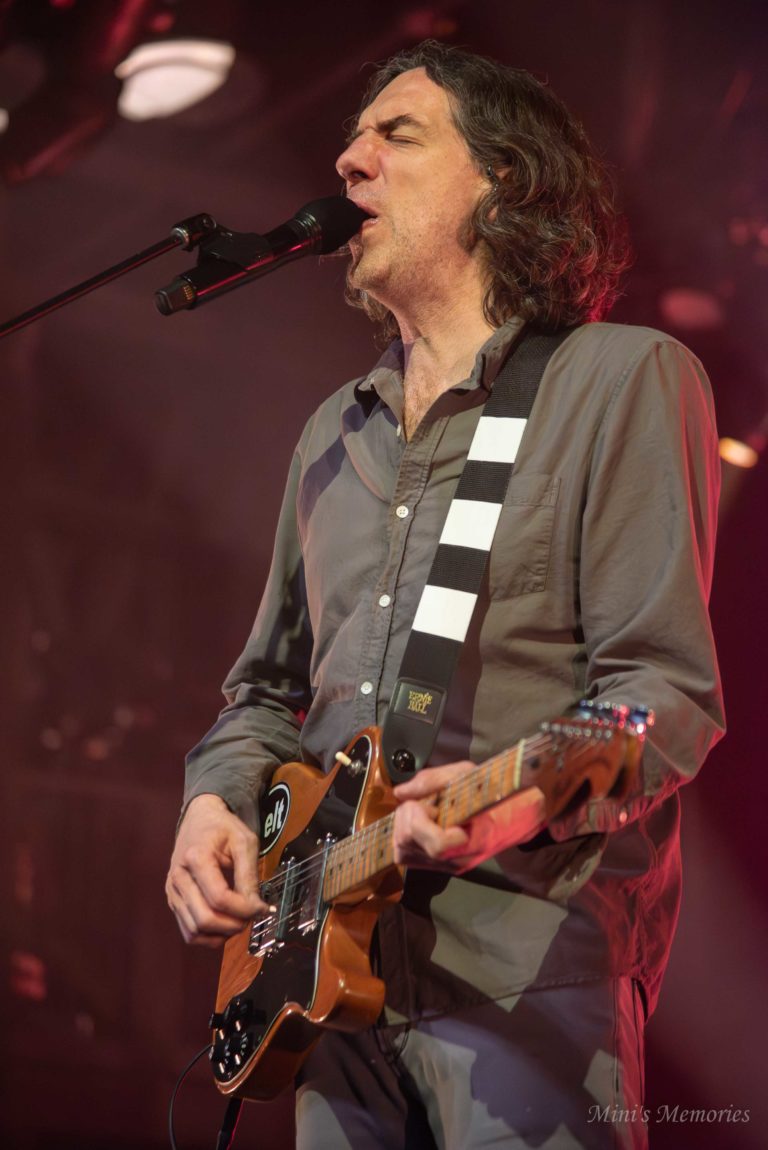
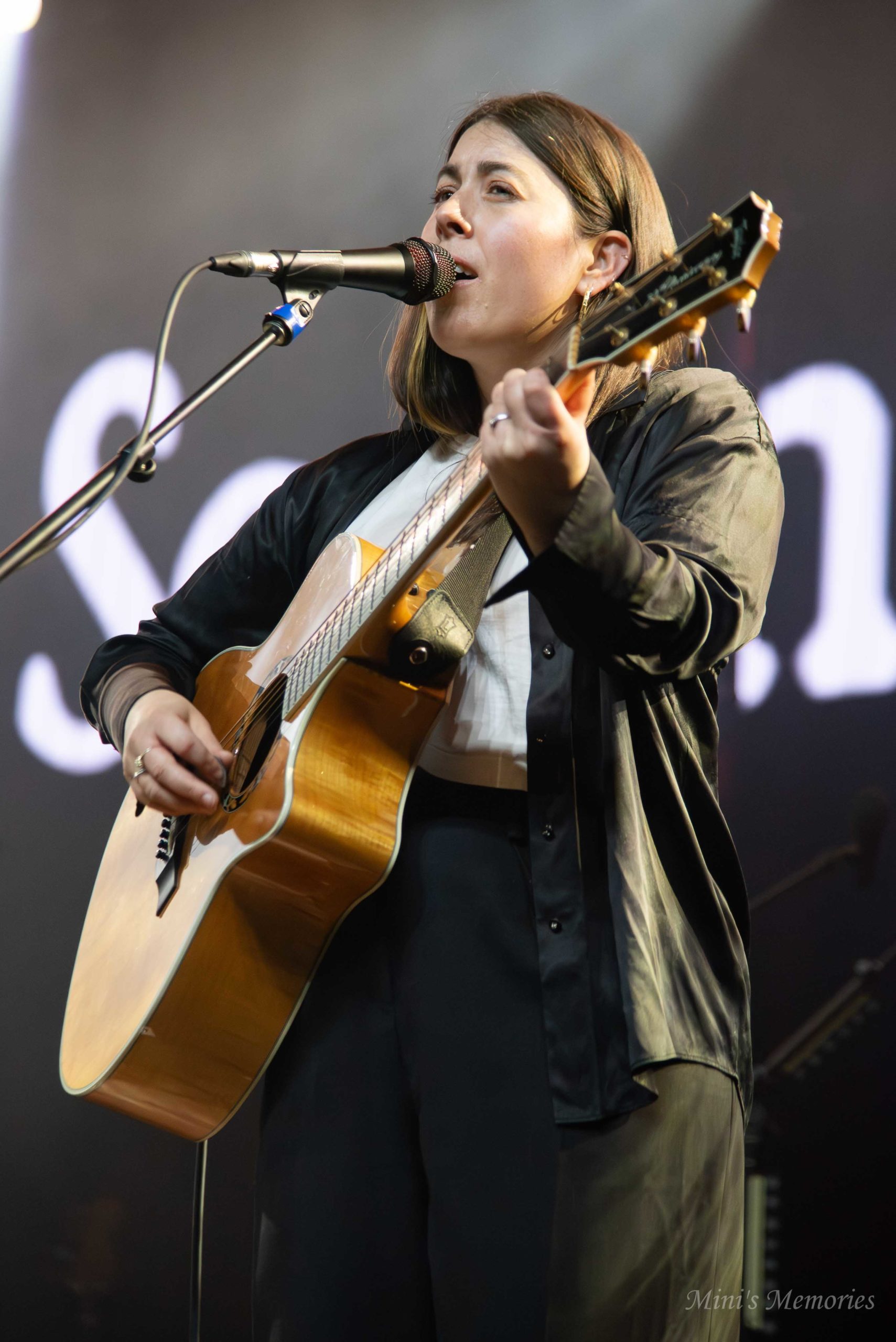
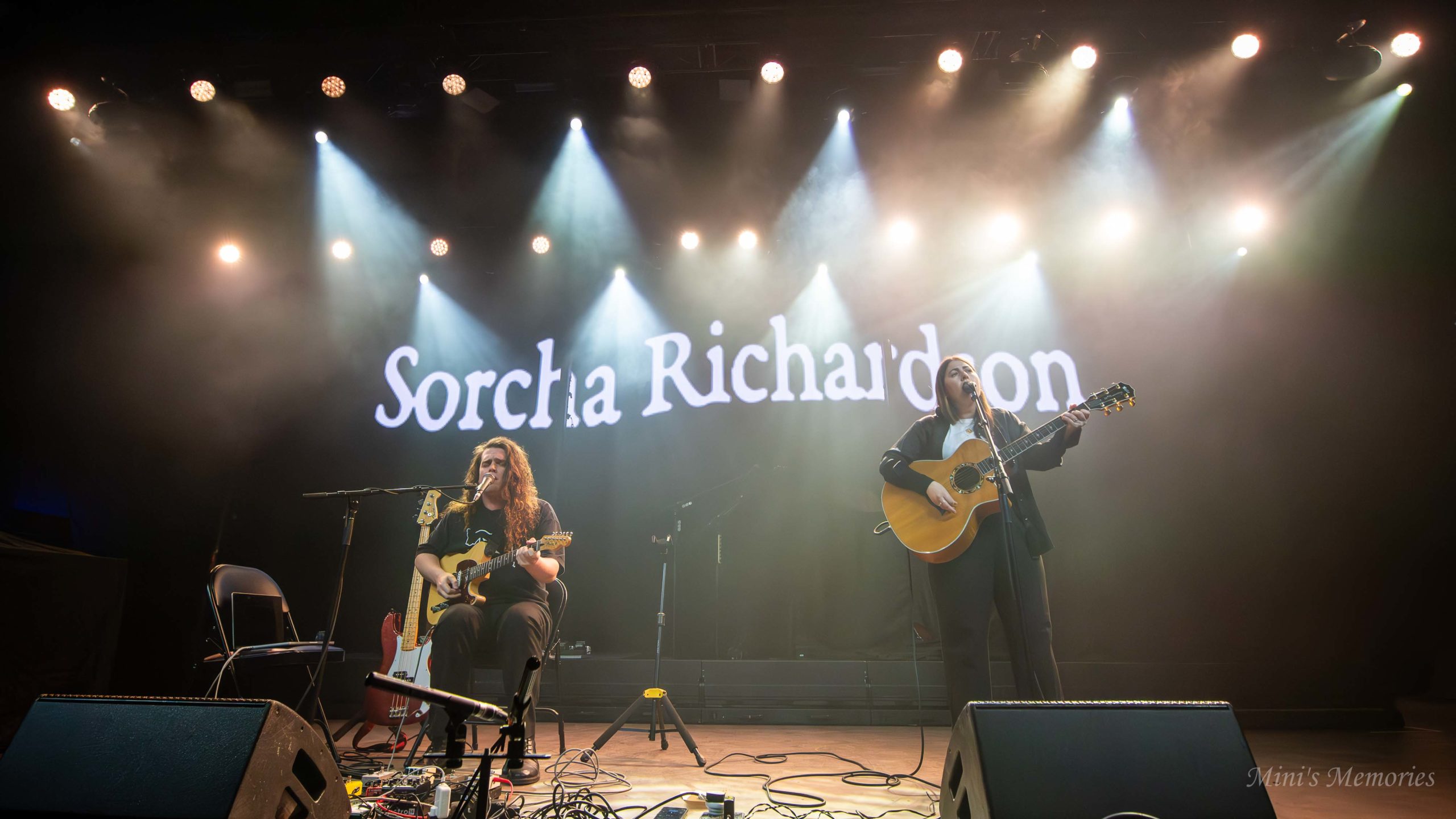
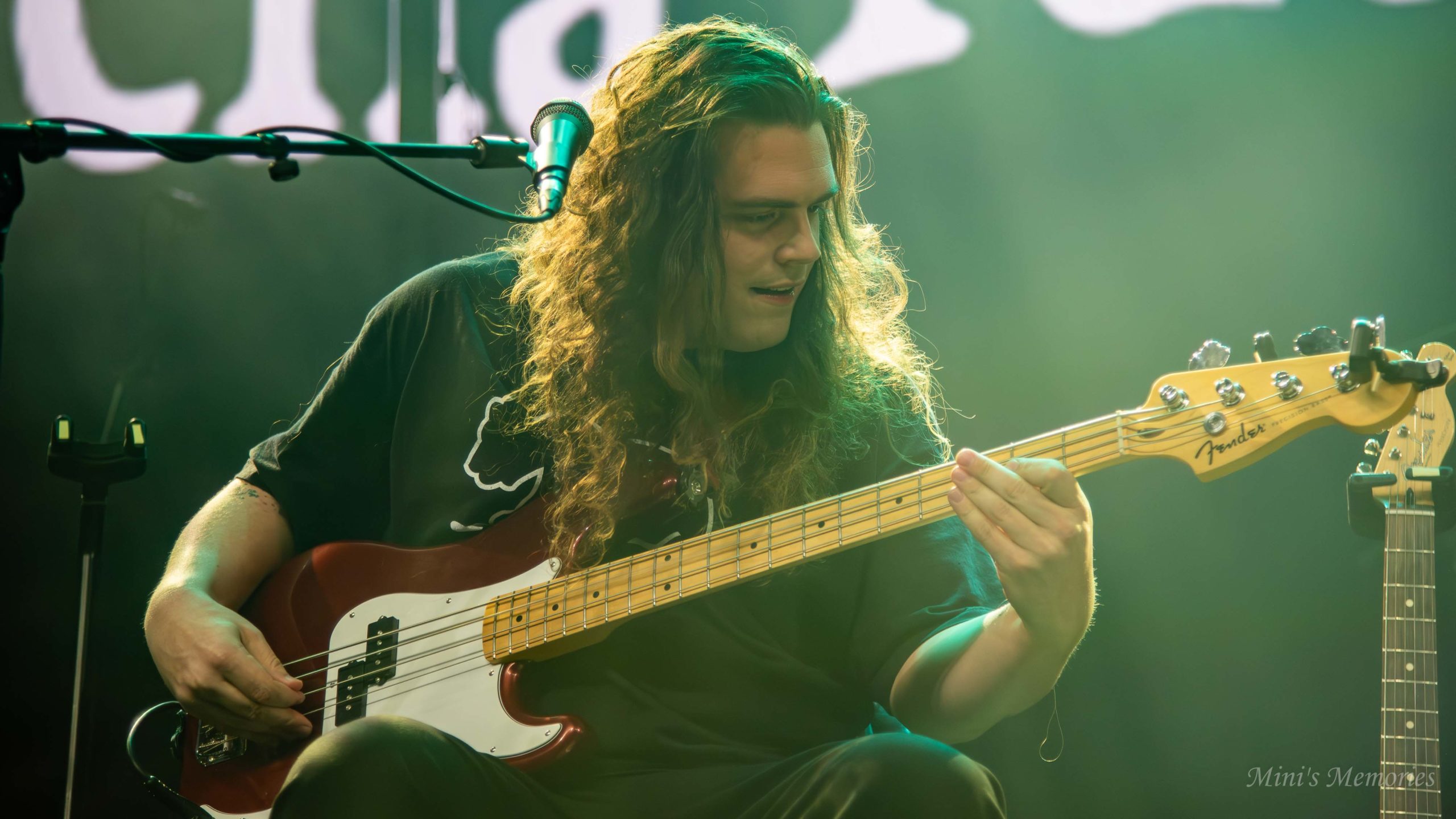
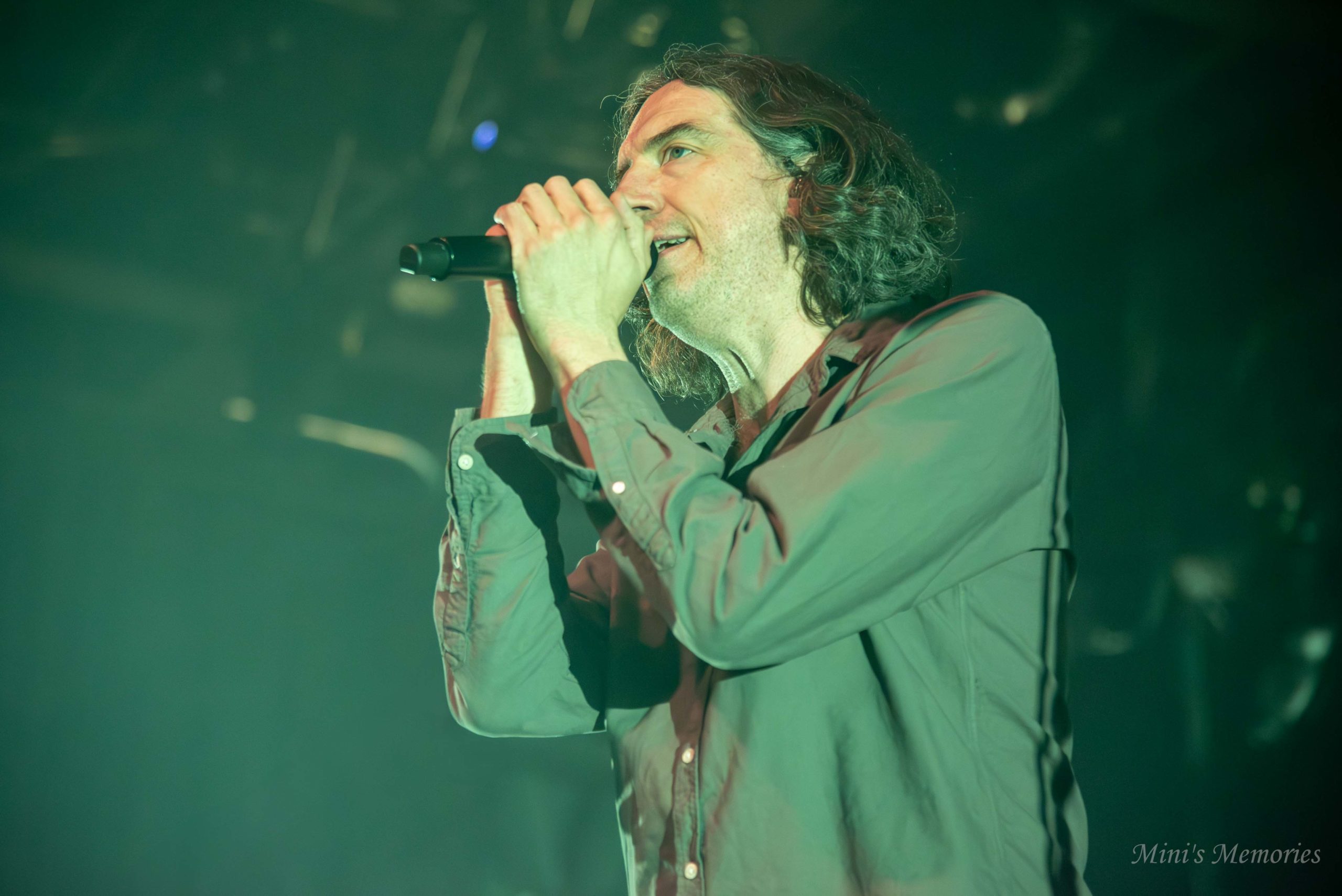
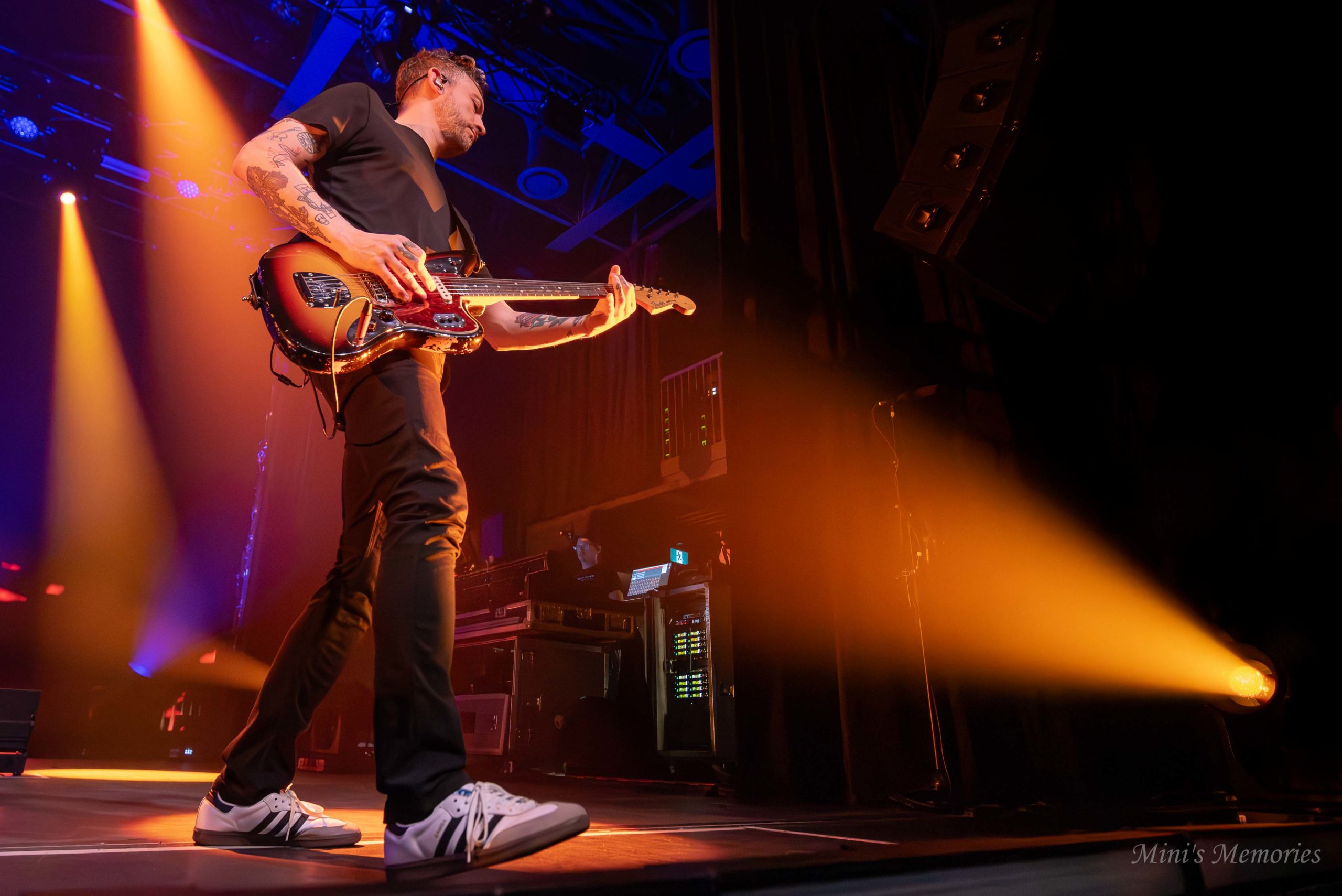
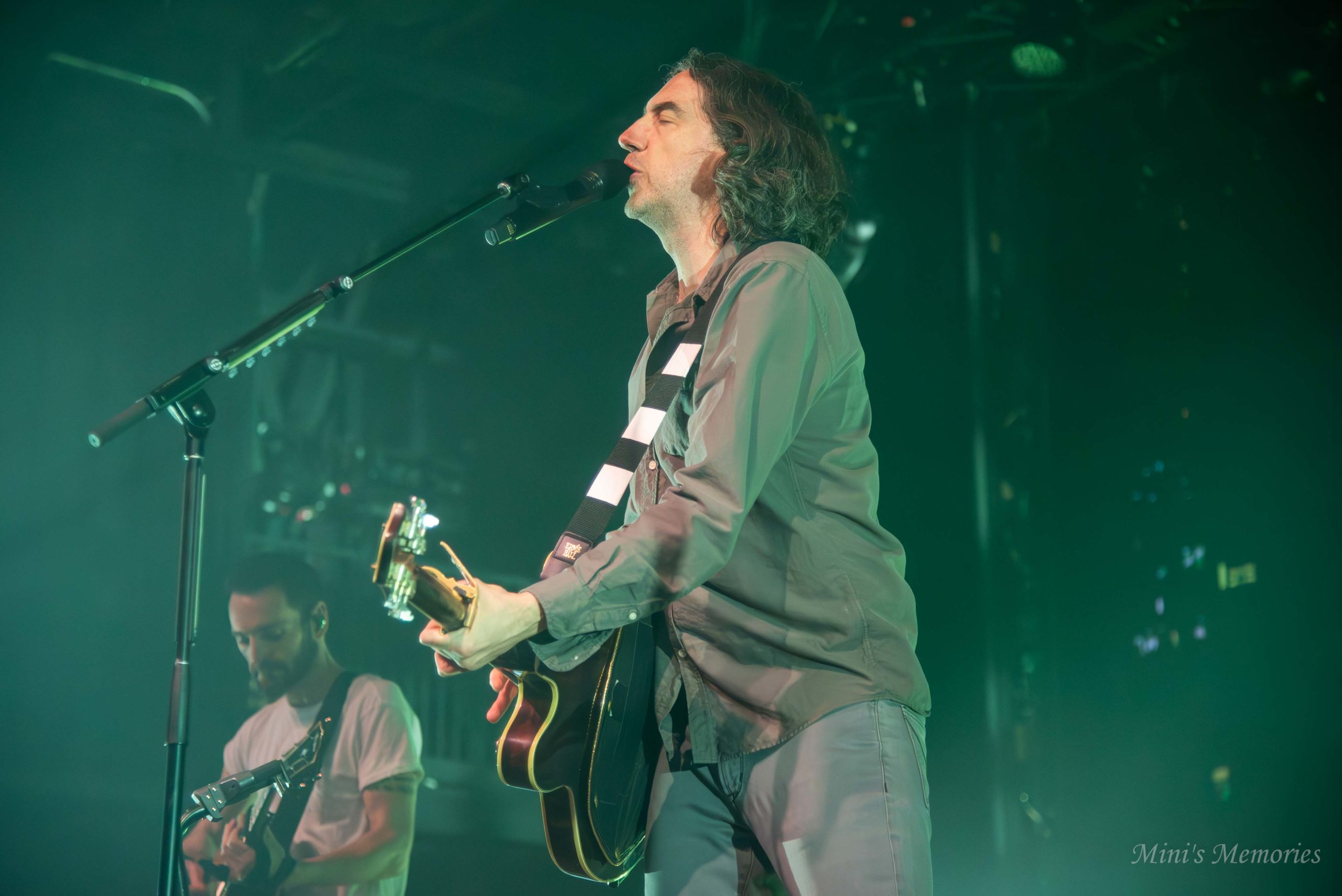
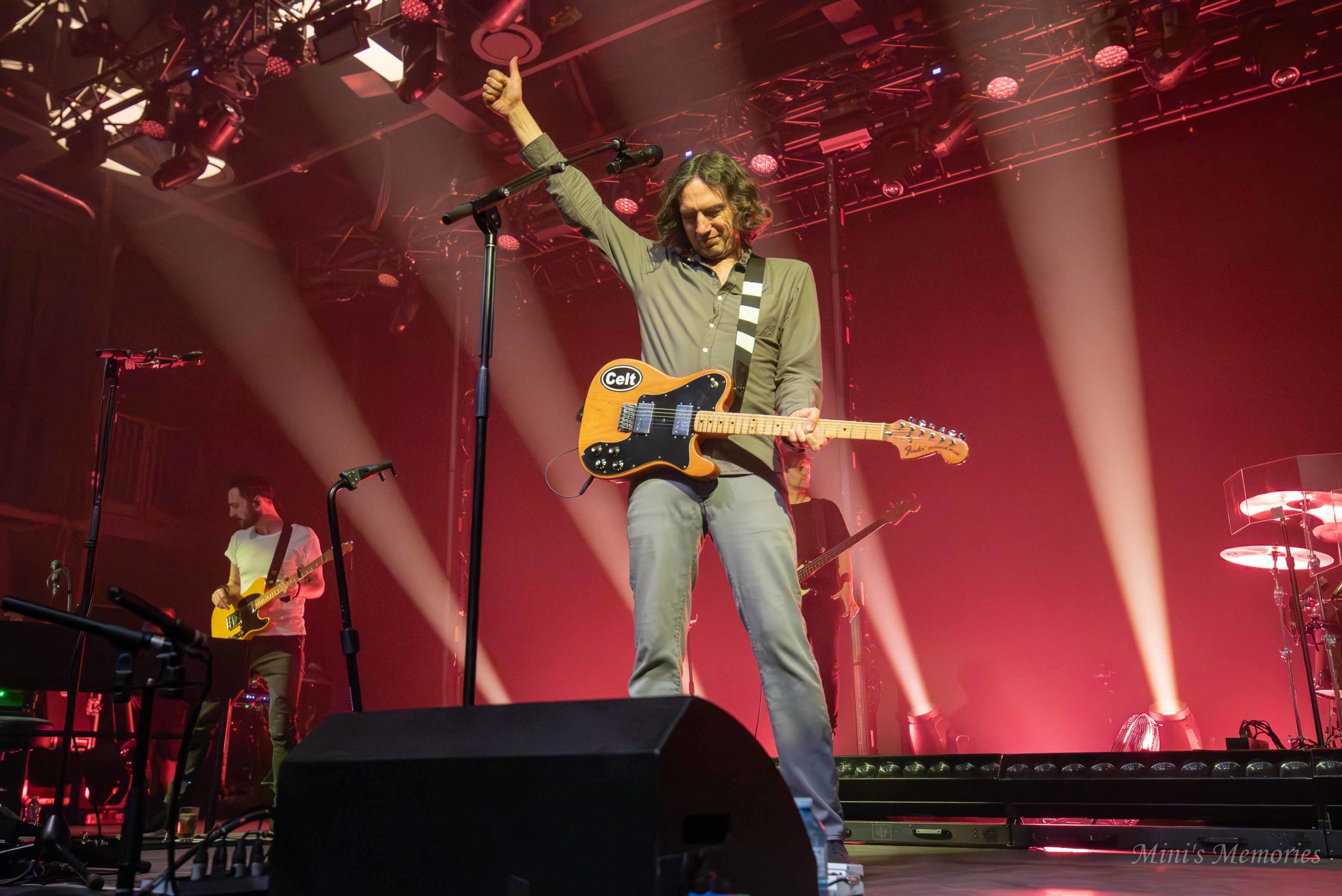
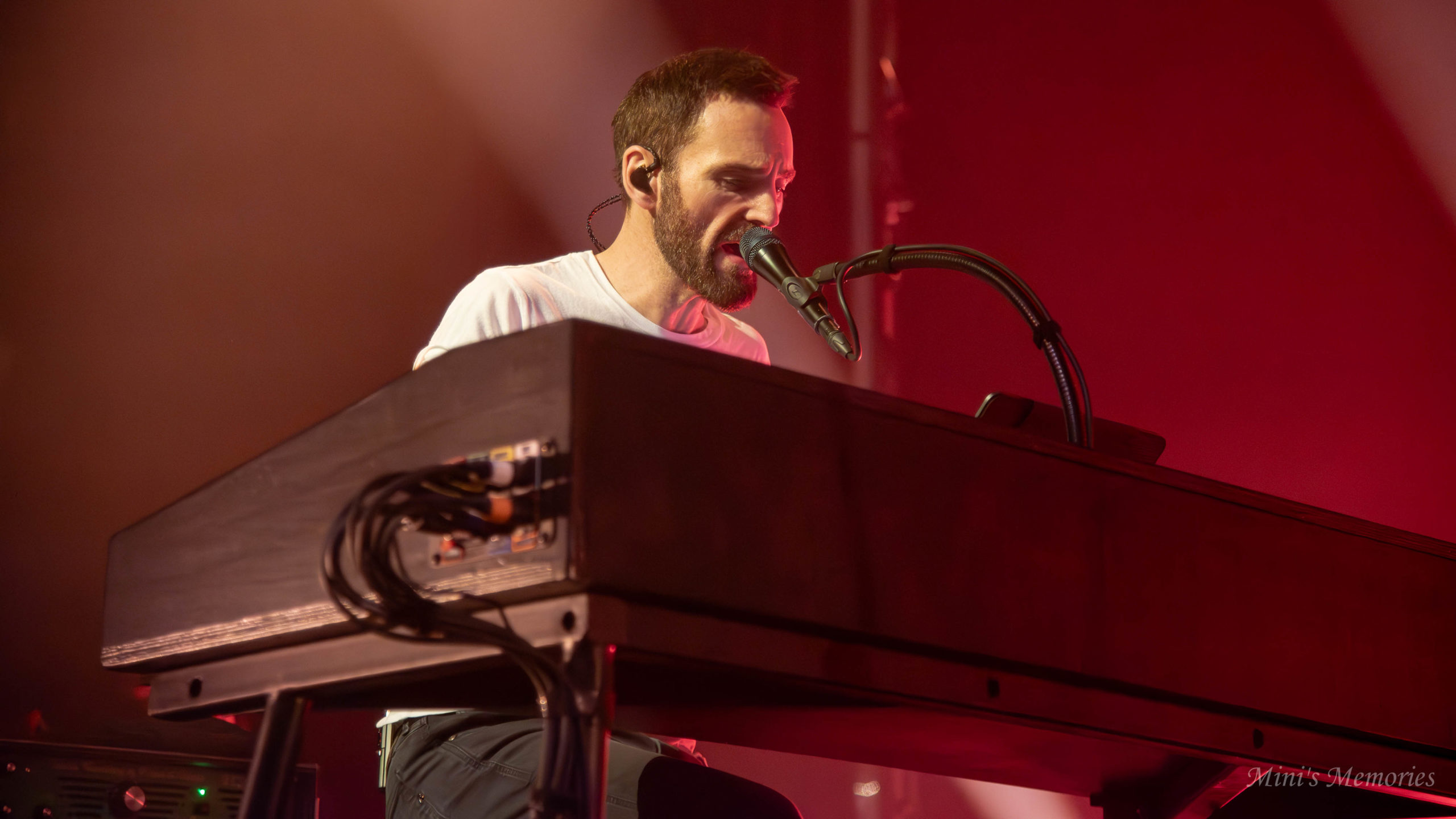
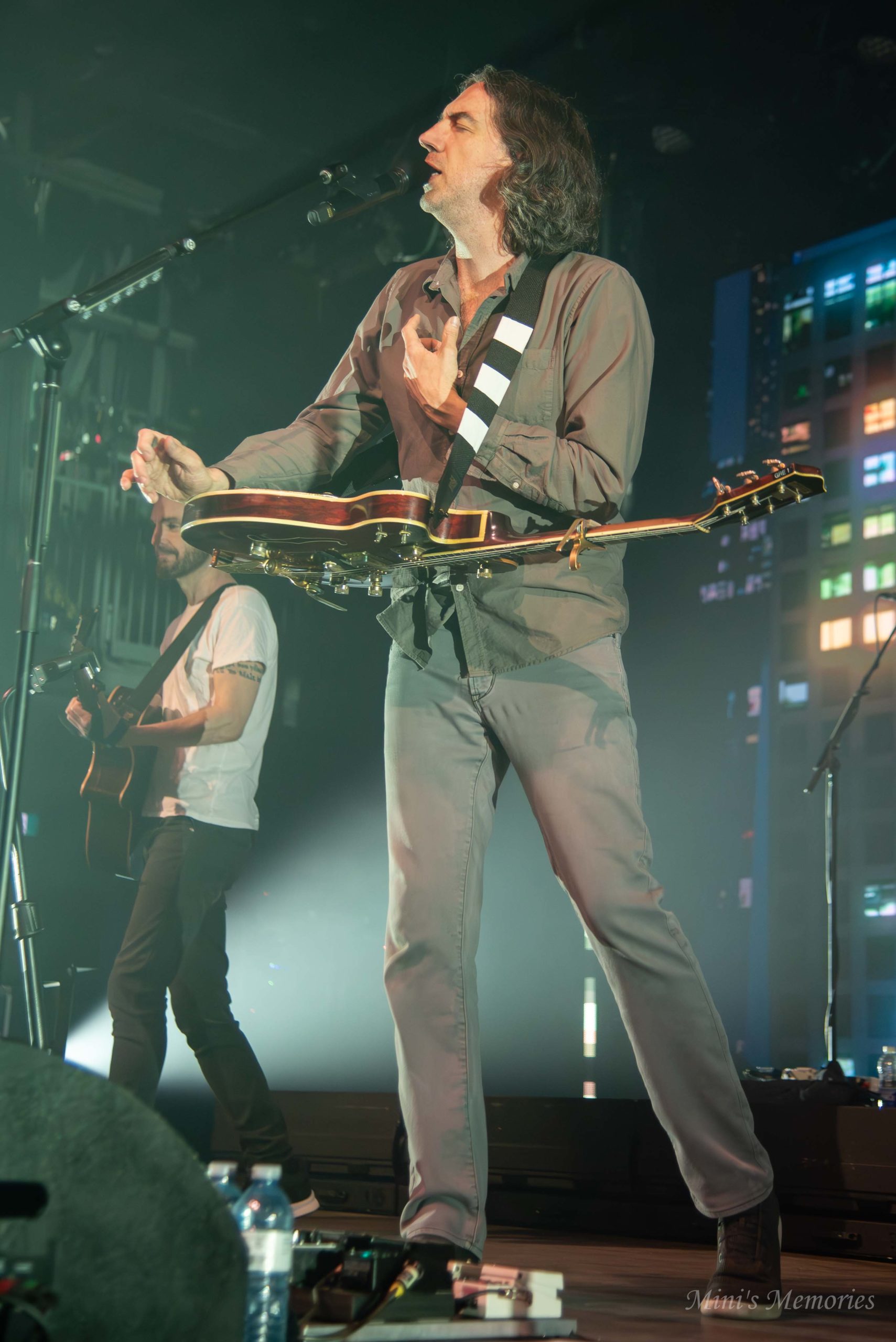
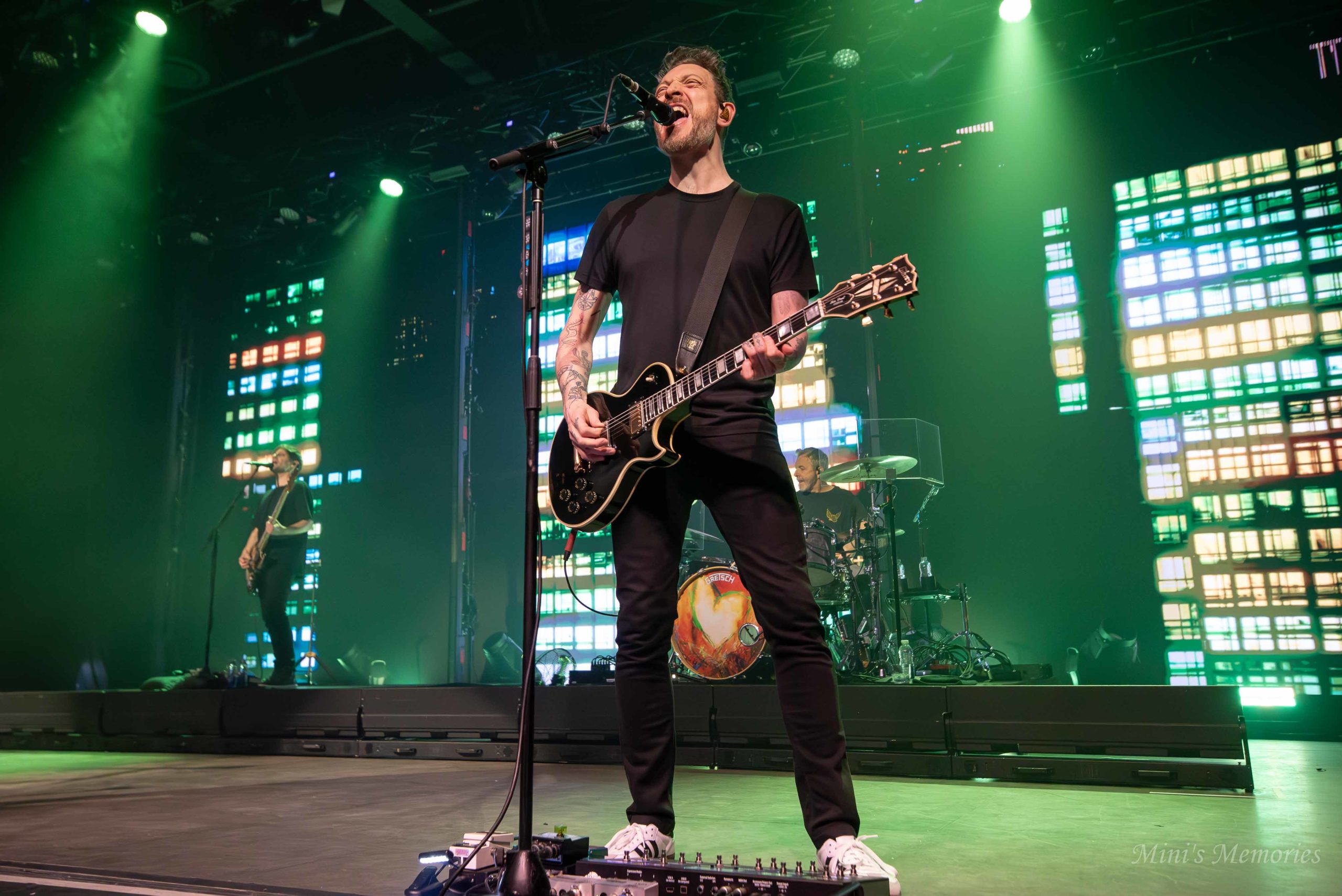
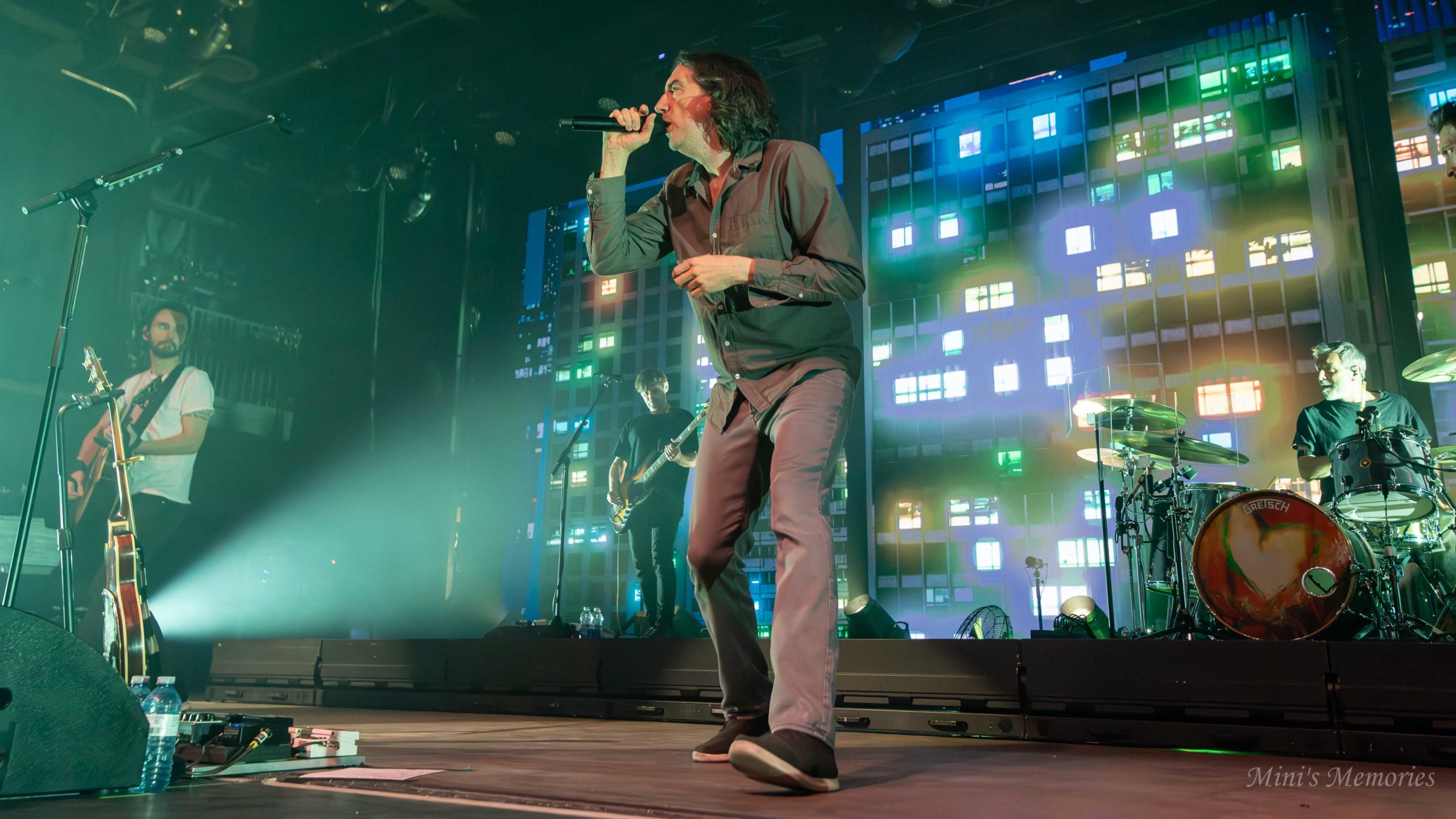
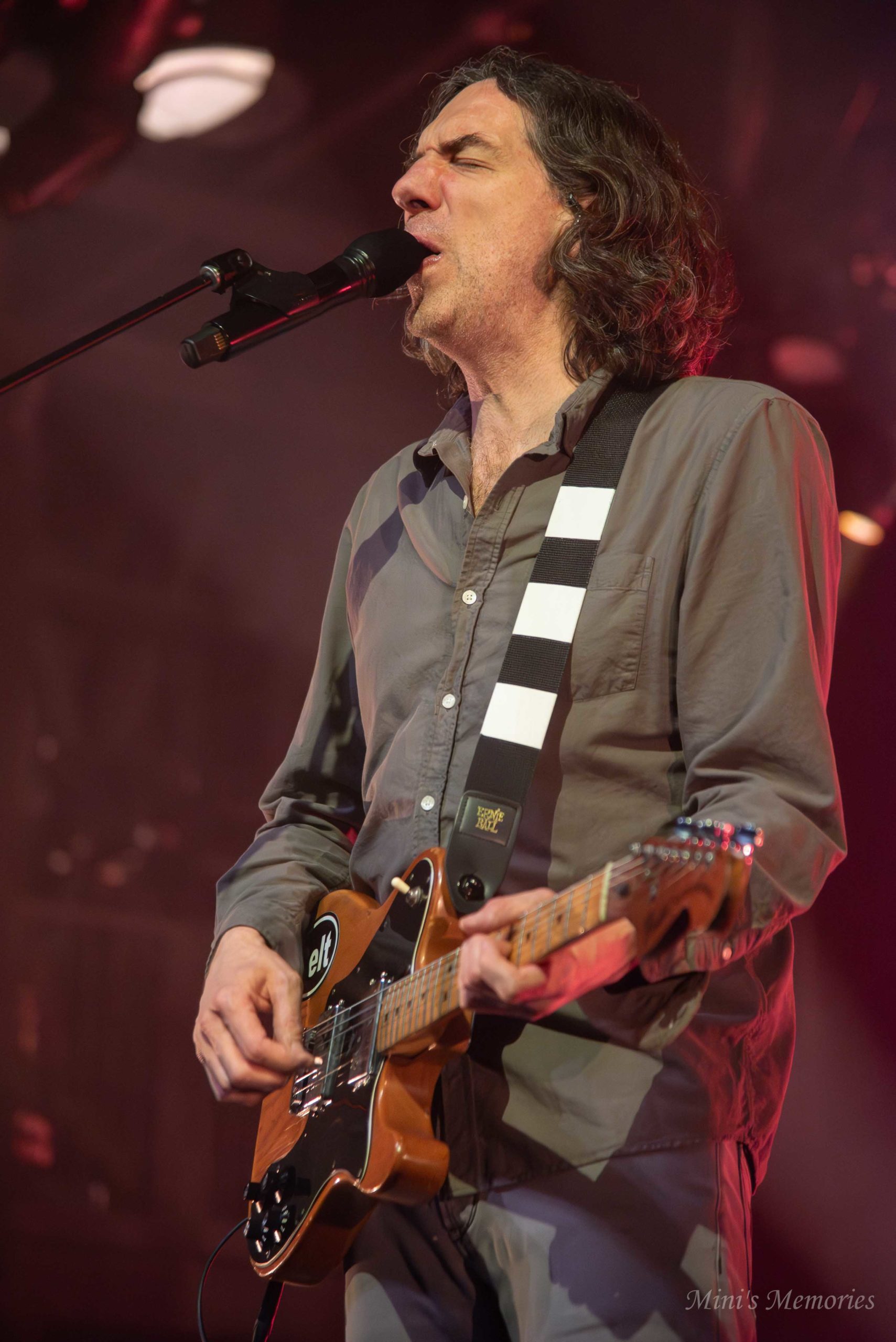
All photos by Mini’s Memories. You can contact her through Instagram or X.
By Mitch Rice
Roof racks have become essential tools for outdoor enthusiasts, overlanders, tradespeople, and anyone who regularly needs to carry gear that won’t fit inside a vehicle. As travel and outdoor living evolve, so do the expectations for transport solutions. Modular roof racks and solar roof rack systems represent this next step—offering versatility, innovation, and convenience in ways traditional racks simply can’t match.
Modular roof racks are customizable systems composed of interchangeable components that can be adjusted or expanded based on specific needs. Unlike fixed or static roof racks, modular racks allow users to change the configuration, add accessories, and re-purpose the system depending on what they’re hauling.
Think of them like building blocks for your vehicle’s roof—whether you’re carrying bikes, surfboards, camping gear, or tools, you can tailor a modular rack setup to suit your trip.
There are a few compelling reasons why modular roof racks have gained popularity across various groups of users:
Traditional racks often come with a specific design that limits what you can carry. Modular racks let you swap out panels, add mounting brackets, or reconfigure the platform. This makes them ideal for users who regularly switch between leisure travel and work use.
Users can adjust the rack’s width, and length, or add specialized mounts—for example, jerry can holders, awning brackets, or shovel mounts. This modularity means you only install what you need and remove components you don’t, which keeps your setup streamlined and efficient.
These systems are typically built with rugged materials like aluminum or steel, offering high load ratings. They’re engineered to withstand off-road vibrations, long-distance travel, and weather exposure.
Vehicles have limited interior space. Modular roof racks provide a way to optimize exterior storage without sacrificing passenger comfort. For overlanders or road trippers, this can be a game-changer.
With sustainability becoming more important to travelers and adventurers, solar roof rack systems are increasingly gaining attention. These setups combine the utility of roof racks with the power-generation capabilities of solar panels.
A solar roof rack is a modular roof rack that integrates one or more solar panels directly into its frame. The design allows users to harness solar energy while on the move or when stationary, providing power for lights, portable fridges, charging devices, or even small appliances.
Whether you’re camping off-grid, working remotely in the field, or simply want backup power during a road trip, solar roof racks offer self-sufficiency. You don’t need to rely on campsite hookups or vehicle batteries alone.
Solar energy is renewable and clean. Using solar panels on your vehicle helps reduce dependence on fossil fuels, which aligns with a growing push for more sustainable outdoor lifestyles.
Unlike mounting separate panels on top of a rack, these systems are often built for aerodynamic efficiency and minimal additional weight. They also reduce the risk of damaging solar panels through poor mounting.
For van lifers, RV travelers, or overlanders, solar roof racks mean the difference between constantly chasing charging stations and enjoying uninterrupted travel.
Before installing a modular or solar roof rack, think about:
Modular roof racks and solar roof rack systems offer a level of adaptability and function that traditional racks can’t compete with. They reflect a shift toward smarter, more sustainable travel where every piece of equipment serves multiple purposes.
Whether you’re hauling gear across the country or powering a mobile office in the wilderness, these solutions bring convenience, efficiency, and independence. In a world that increasingly values mobility and sustainability, modular and solar roof racks aren’t just upgrades—they’re necessities for modern adventure and work on the go.
Data and information are provided for informational purposes only, and are not intended for investment or other purposes.

Acclaimed California rock band Dawes have shared “Time Spent In Los Angeles (For Altadena),” a very special version of their classic track newly produced by Mike Viola with the help of friends Andrew Bird and Alan Hampton, available everywhere now on their own Dead Ringers via Secretly Canadian Distribution. Proceeds from the track will benefit MusiCares relief efforts in the wake of January’s devastating Southern California wildfires. To contribute to MusiCares’ Los Angeles Fire Relief Effort, or if you or someone you know needs help, please visit musicares.org/firerelief.
Dawes co-founders Taylor and Griffin Goldsmith are among the many Los Angeles area residents whose lives were shattered by the wildfires’ unprecedented destruction – Taylor lost his studio and most of the band’s musical gear and equipment while Griffin and their parents all lost their homes. Dawes immediately went to work supporting MusiCares efforts to assist fellow musicians affected by the fires by visiting ABC’s Jimmy Kimmel Live! to perform “Time Spent in Los Angeles,” originally found on their 2011 sophomore album, Nothing Is Wrong.
“We were asked to perform on Jimmy Kimmel within a week of both of our properties burning in Altadena,” says Taylor Goldsmith. “Griffin lost his house and I lost our studio. We decided to play a ballad version of ‘Time Spent in Los Angeles.’ The song means all sorts of different things to us now. After that live performance it became clear we would want a proper studio recording of the version for posterity (and to maybe even raise a little more money for MusiCares). So we hit up our fellow Angelenos Andrew Bird and Alan Hampton and recorded this live in one take at our old friend Mike Viola’s house studio in Echo Park. I feel like this is the version of this song that we’re gonna be playing for a long time to come.”
Dawes have spent much of their time since the fires supporting and raising awareness for MusiCares, including a surprise opening appearance at the 67th Annual GRAMMY® Awards that saw them leading an all-star lineup – including Brad Paisley, Brittany Howard, John Legend, Sheryl Crow, and St. Vincent – for an unforgettable performance of Randy Newman’s “I Love L.A.” Dawes’ own exclusive version – featuring lyrical changes to reflect the City of Angels’ inspiring resilience following the disaster – is available now, with proceeds benefitting The Recording Academy and MusiCares’ Los Angeles Fire Relief Effort To Support Music Professionals.
Dawes –– were also among the stars performing at February’s star-studded FireAid benefit concert at Los Angeles’ Kia Forum. After opening their set with “Time Spent in Los Angeles,” Dawes were joined onstage by Stephen Stills and Mike Campbell for a performance of Buffalo Springfield’s “For What It’s Worth.” The supergroup then welcomed Stills’ longtime friend and musical partner Graham Nash for an unforgettable rendition of Crosby, Stills, Nash & Young’s “Teach Your Children” that saw everyone in attendance at the arena singing along in unison.
Last year saw the acclaimed release of Dawes’ ninth studio album, Oh Brother, available everywhere now. Exclusive split color vinyl, as well as an array of deluxe Oh Brother bundles, are available via the Dawes online store. Hailed by No Depression as “a staggering soundscape where guitar-talking, folk-rock, bleary-eyed grooves, and a kind of misfit pop all blur into one succinct soundtrack for these unprecedented times,” the album steers Dawes decidedly forward, honoring 15 years of Taylor and Griffin’s musical relationship, as well as the next era and natural evolution of their beloved band.
Dawes spent much of last fall celebrating their new era traveling the US on their epic Oh Brother Tour, resuming April 9 at Woodstock, NY’s Bearsville Theatre. Special guests on most dates will be Michigander. Dawes’ busy schedule will also see additional summer headline dates along with a series of eagerly awaited shows supporting The Avett Brothers and top-billed appearances at an array of festivals including Goose’s Viva El Gonzo (set for May 8-10 in San José del Cabo, Mexico), Brandi Carlile’s Mothership Weekend in Miramar Beach, FL (May 11), and Louisville, KY’s Bourbon & Beyond (September 11-14). For complete details and ticket availability, please visit dawestheband.com/tour.
DAWES – OH BROTHER TOUR 2025
APRIL
9 – Woodstock, NY – Bearsville Theatre *
10 – Ridgefield, CT – Ridgefield Playhouse * (SOLD OUT)
11 – Philadelphia, PA – The Fillmore Philadelphia *
12 – New York, NY – Beacon Theatre *
13 – Princeton, NJ – Matthews Theatre at McCarter Theatre Center
16 – Davenport, IA – Capitol Theatre *
17 – Madison, WI – The Majestic Theatre * (SOLD OUT)
18 – Minneapolis, MN – First Avenue *
19 – Columbia, MO – The Blue Note *
21 – Des Moines, IA – Hoyt Sherman Place *
23 – Denver, CO – Ogden Theatre *
25 – Kalispell, MT – Wachholz College Center *
26 – Seattle, WA – Neptune Theatre *
27 – Portland, OR – Revolution Hall *
MAY
8-10 – San José del Cabo, Mexico – Viva El Gonzo †
11 – Miramar Beach, FL – Brandi Carlile’s Mothership Weekend †
JULY
11 – Red Bank, NJ – Hackensack Meridian Health Theatre at the Count Basie Center
13 – Amagansett, NY – The Stephen Talkhouse
17 – La Vista, NE – The Astro Amphitheater ^
18 – Camdenton, MO – Ozarks Amphitheater ^
19 – Oklahoma City, OK – Paycom Center ^
AUGUST
2 – Lancaster, OH – Lancaster Festival
31 – Fairlee, VT – Lake Morey Summer Concert Series
SEPTEMBER
11-14 – Louisville, KY – Bourbon & Beyond †
* w/ Special Guests Michigander
† Festival Appearance
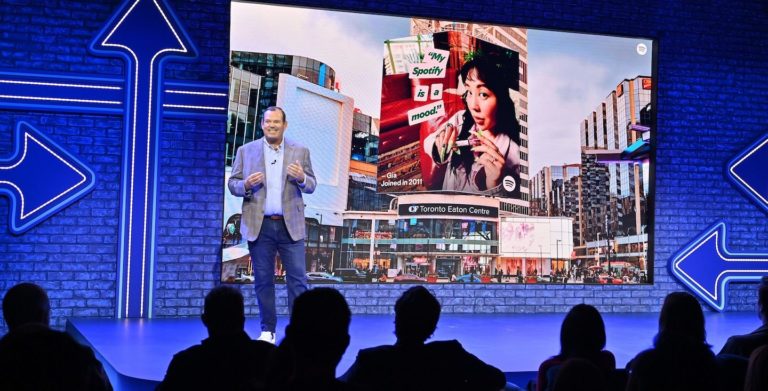
Spotify Advertising has hit a new high note, unveiling a series of updates that make it easier than ever for advertisers to buy, create, and measure on its platform.
The company has been steadily investing in its ad technology, expanding industry partnerships, and modernizing its platform to deliver real results for advertisers of all sizes. At the inaugural Spotify Advance event in New York City, Spotify introduced a suite of new advertising solutions designed to unlock the full potential of its platform.
One of the major announcements was the launch of the Spotify Ad Exchange (SAX), a real-time programmatic marketplace giving advertisers access to Spotify’s engaged, logged-in audience with full addressability and measurement capabilities. As of today, advertisers can access SAX via The Trade Desk, Google Display & Video 360, and Magnite, with Adform and Yahoo DSP integrations coming soon.
Spotify also introduced enhancements to its self-serve Spotify Ads Manager, including improved targeting and measurement tools, aimed at helping advertisers better meet their business objectives.
On the creative side, Spotify unveiled new tools and services to make ad creation more accessible. These include its in-house creative agencies, Creative Lab and AUX, as well as the launch of Spotify Gen AI Ads, an intuitive tool that allows advertisers in the U.S. and Canada to use generative AI to produce scripts and voiceovers for audio ads—at no additional cost. A U.K. rollout is on the way.
To help advertisers better assess performance, Spotify is also expanding its measurement capabilities with tools like Spotify Brand Lift and a new App Installs objective. New partnerships with third-party measurement leaders such as DoubleVerify, IAS, AppsFlyer, and Kochava further bolster the platform’s analytics offering.
In a recent interview with For the Record, Spotify’s Global Head of Advertising Lee Brown reflected on the significance of the moment. “Spotify Advance marks a pivotal moment for our company as our advertising business enters a new stage,” Brown said. “We’ve been investing to become a platform that can deliver results for advertisers, whatever their goal, whatever their size.”
Brown emphasized that Spotify provides a unique environment for brands to connect with consumers, especially through its free tier, where users spend an average of two hours per day streaming music and podcasts. The platform is seen as a “positive environment,” with Spotify’s 2024 Culture Next report revealing that 71% of Gen Z listeners view Spotify as the ultimate antidote to doomscrolling.
Brown also spoke about Spotify’s cultural edge, noting how brands can collaborate with in-house teams like Creative Lab for campaign strategy and AUX for music consultancy. AUX’s recent partnerships with Visa, Kona Big Wave, and the expanded collaboration with Coke Studio highlight Spotify’s ability to integrate brand storytelling with music and fandom.
When asked how advertisers should approach Gen Z audiences, Brown pointed out that more than 251 million Gen Zers use Spotify as a daily companion—not just while looking at a screen, but throughout every part of their day. That context creates unique opportunities for brands to engage with this influential generation in more meaningful ways.
Spotify’s latest offerings represent a bold step forward for its advertising business—one that blends cutting-edge technology, creative storytelling, and cultural insight to empower brands and connect with audiences more effectively than ever before.
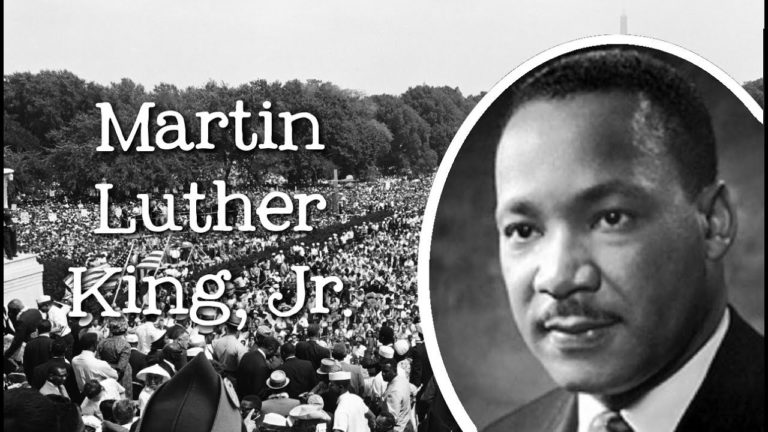
When the fight for civil rights needed more than speeches—when it needed harmony, soul, and the thunder of a drum—music answered the call. These 20 musicians brought their voices, instruments, and hearts to the front lines alongside Martin Luther King Jr., turning every note into a message, every song into a stand. History marched to their music.
Harry Belafonte
A confidante and close friend of Dr. King, Belafonte was deeply involved in the civil rights movement, not just lending his voice but raising critical funds. He bailed King out of the Birmingham Jail and helped support the King family.
Mahalia Jackson
The Queen of Gospel was one of King’s greatest inspirations. She sang before many of his speeches—including the March on Washington—and famously urged him to “tell them about the dream” during his “I Have a Dream” speech.
Nina Simone
After King’s assassination, Simone performed “Why? (The King of Love is Dead)” just days later. Though she was more radical in tone, she deeply respected King’s work and called him “one of the last great men.”
Aretha Franklin
The Queen of Soul often performed at civil rights events and rallies organized by King. She sang at a number of memorials and tributes after his death and was one of the era’s most powerful musical voices for justice.
Joan Baez
Baez marched alongside King in Selma and Montgomery and sang “We Shall Overcome” at many rallies. Her haunting voice and pacifist principles made her a vital figure in the nonviolent resistance movement.
Sammy Davis Jr.
Davis was an early supporter of civil rights, using his fame to draw attention to injustice. He appeared at fundraisers and was among the Hollywood elite who publicly stood behind King.
Odetta
Dubbed “The Voice of the Civil Rights Movement,” Odetta performed spirituals and protest songs that inspired King and his followers. King once called her music “the soundtrack of the movement.”
Bob Dylan
Dylan sang “Only a Pawn in Their Game” at the March on Washington and was introduced by King at that very rally. His early work became anthems for those pushing for civil rights reform.
Curtis Mayfield
Though not directly a public figure alongside King, Mayfield’s band, The Impressions, recorded “People Get Ready,” which King used during marches. The song became a de facto civil rights anthem.
Marian Anderson
A pioneering Black contralto, Anderson was admired by King and performed at key events throughout the 1960s. Her dignified performances at Lincoln Memorial and civil rights benefits symbolized strength and grace.
Ray Charles
Charles supported the movement both vocally and financially, once refusing to perform in segregated Georgia venues. He participated in several benefits for King and civil rights causes.
Pete Seeger
A staunch ally, Seeger marched with King in Alabama and performed songs like “We Shall Overcome.” His folk roots and progressive politics made him a key musical ally of the movement.
James Brown
While more known for calming tensions after King’s assassination, Brown also had contact with King and supported his call for economic justice. His hit “Say It Loud – I’m Black and I’m Proud” came out months after King’s death.
Lena Horne
Horne sang at rallies and civil rights concerts, standing with King both publicly and financially. Her presence in both entertainment and activism made her a crucial cultural bridge.
Marvin Gaye
While Gaye was younger and rose to prominence after King’s death, he was profoundly inspired by him. His later work, especially What’s Going On, reflected King’s message of love, justice, and peace.
The Staple Singers
Led by Roebuck “Pops” Staples, the family group was deeply connected to King. Pops considered King a personal friend, and the group performed at numerous rallies and marches.
Tony Bennett
The crooner joined King on the 1965 Selma to Montgomery marches, risking his safety to stand for civil rights. Bennett said the experience changed his life forever.
Lou Rawls
Rawls performed at fundraisers and supported King’s Southern Christian Leadership Conference (SCLC). His gospel background aligned him spiritually with the movement.
Dizzy Gillespie
The jazz icon was a vocal supporter of King and often played benefit concerts for civil rights. He saw his music as a tool of liberation and protest.
Gospel singer Clara Ward
Ward performed at King’s rallies and services, bringing spiritual sustenance through song. Her rendition of “How I Got Over” stirred hope in countless freedom fighters.
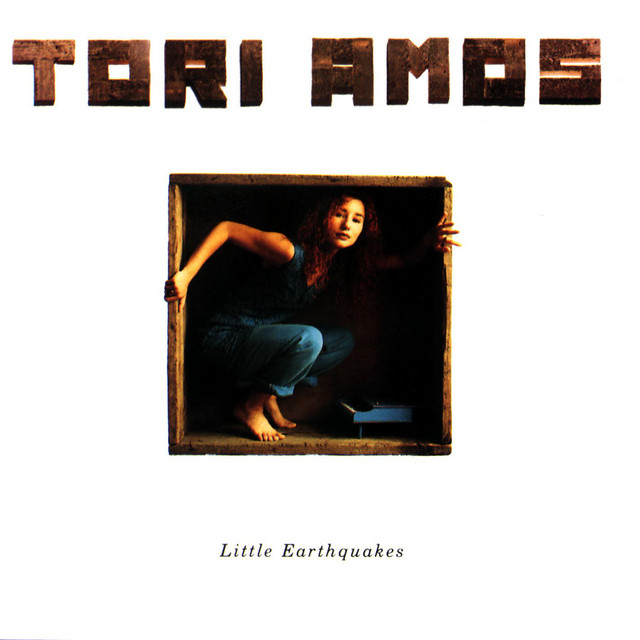
Tori Amos broke down a wall with Little Earthquakes. Her 1992 solo masterpiece introduced a voice that was unapologetically feminine, fiercely emotional, and artistically revolutionary. But behind the piano ballads and whispered vulnerability are layers of defiance, myth-breaking, and artistic rebellion that make this one of the most powerful albums ever made. Here are 5 things you may not know about Little Earthquakes—each one a testament to why this record still shakes the ground today.
1. Little Earthquakes Was Rejected—So Tori Made a New One on Her Own Terms
Atlantic Records initially turned down the first version of Little Earthquakes, leading Amos to completely rework it—not in a high-end studio, but in her then-boyfriend Eric Rosse’s home setup. With only a Yamaha CP-80 piano and a 24-track tape machine, she re-recorded many of the final tracks in a DIY spirit that echoes early punk or riot grrrl ethos. It was feminism in action: a woman reclaiming her voice, production, and story on her own terms—no approval required.
2. “Me and a Gun” Was Written in a Post-Traumatic Fog—Then Performed With No Accompaniment
The devastating “Me and a Gun,” based on Amos’s real-life experience of rape, is performed entirely a cappella. She sings it with no musical shelter, no adornment, and no compromise. It’s not just brave—it’s confrontational, and necessary. In a music industry that rarely allows women to tell their stories unfiltered, Tori’s voice became a weapon and a healing tool all at once. It’s the definition of feminist resistance through art.
3. She Gave Her Song to Al Stewart—Then Took It Back Because It Was Her Life
“Silent All These Years,” perhaps the most iconic song from the album, was originally written with another artist in mind. Amos considered giving it to folk-pop legend Al Stewart. But producer Eric Rosse stopped her. “That’s your life story,” he told her. And it was. The song, full of introspection and internalized silencing, became a feminist anthem. It’s a reminder: women’s stories are often offered up to others—until they reclaim them.
4. Atlantic Thought She’d Only Succeed in the UK Because of Her “Eccentricity”
Before breaking through in the U.S., Amos was encouraged to move to London because her label believed British audiences were more open to “eccentric” female performers. Read between the lines: women who didn’t fit the pop mold were pushed overseas. But Tori turned this exile into triumph. She built a following by playing in small clubs and even her own apartment—dismantling the very gatekeeping that tried to contain her.
5. Little Earthquakes Listeners Were Less Likely to Believe Rape Myths—And That’s No Coincidence
In a major study, listeners of Amos’s music—including “Me and a Gun”—were far less likely to believe in harmful rape myths than the general population. That’s not just a statistic—it’s a shift in culture. Through unflinching storytelling, Amos reshaped how people understand trauma, victimhood, and consent. The song became the seed of RAINN, and its legacy lives in both activism and awareness.
Little Earthquakes didn’t ask for permission—it demanded to be heard. And it still is, by every woman who’s ever been silenced, every survivor who’s found strength in truth, and every listener who knows that vulnerability is a form of power.
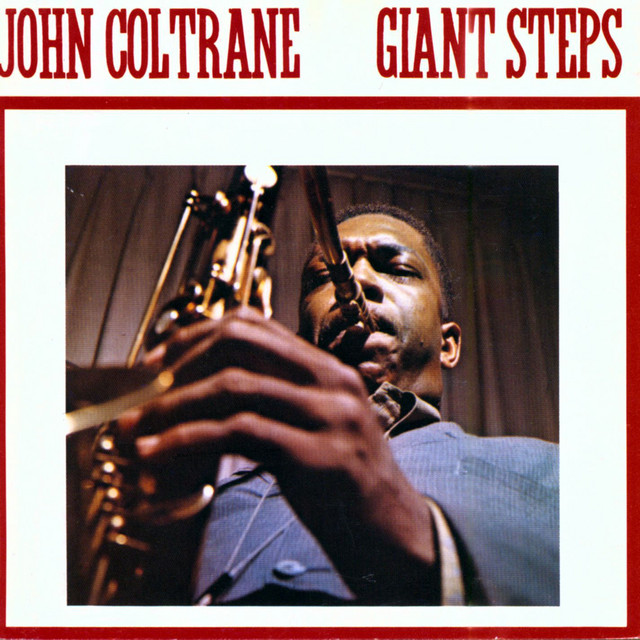
We all know John Coltrane’s Giant Steps as the jazz milestone that turned every music school practice room into a proving ground. But behind the legend are lesser-known details that make the album even more extraordinary. From abandoned sessions to explosive breakthroughs, here are 5 facts about Giant Steps that will make you hear it with new ears.
1. The Original Version of Giant Steps Wasn’t the First Attempt—It Was the Second Draft
John Coltrane wasn’t satisfied with the initial Giant Steps sessions recorded in March 1959. He had pianist Cedar Walton and drummer Lex Humphries in the studio—but the magic just didn’t land. Coltrane shelved the takes, and those early versions didn’t see the light of day until much later on archival releases. What we now consider one of the most definitive statements in modern jazz only happened after Coltrane regrouped with a different band and a clearer vision two months later.
2. Pianist Tommy Flanagan Struggled—Live—With the Now-Famous Changes
The “Coltrane changes” that define Giant Steps are so harmonically challenging that even an experienced pianist like Tommy Flanagan appeared to falter during the first take. He hadn’t seen the music before the session and took a start-stop solo that felt cautious and unsure. Flanagan later re-recorded the song on his own terms for a tribute album—proof that even jazz giants sometimes need a second shot to conquer a monster.
3. The Album’s Title Track Was Named After Its Bass Line, Not Its Harmonies
Although “Giant Steps” is synonymous with its infamous chord progression, Coltrane actually named it after the motion of the bass line. “It goes from minor thirds to fourths,” he said—creating what he called a “lop-sided pattern.” That quirky, bouncing bass motion was the foundation of the tune’s name and rhythm, emphasizing that groove came first—even in a song known for melting musicians’ brains.
4. Coltrane Rehearsed the Tunes with Cedar Walton at His Apartment
Before recording the final version of Giant Steps, Coltrane gave pianist Cedar Walton early access to the music. They even rehearsed together at Coltrane’s own apartment. But when it came time to record the master take, Walton was absent. Whether it was due to scheduling or Coltrane’s evolving lineup choices is unclear, but the result was Flanagan in the hot seat with no prep time—adding a very human element to an otherwise cosmic session.
5. “Mr. P.C.” Might Have Been Inspired by a Gospel Tune Called “Shadrack”
“Mr. P.C.” is often celebrated as a gritty tribute to bassist Paul Chambers, but Coltrane biographer Lewis Porter found a fascinating melodic connection: it echoes the 1931 gospel hit “Shadrack” by Robert MacGimsey. That tune was recorded by Sonny Rollins and sung by Louis Armstrong in a 1951 film. Whether conscious or subconscious, Coltrane’s nod to gospel traditions links his music to the deep roots of African American spiritual expression—making Giant Steps not just modern, but timeless.
So the next time you listen to Giant Steps, don’t just marvel at the tempo or the technical brilliance. Listen for the rough drafts, the quiet struggles, the gospel roots, and the unshakable feeling of a musician determined to break every boundary—one step at a time.
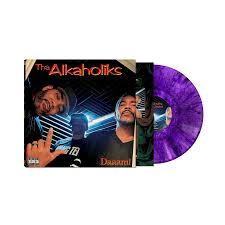
Tha Alkaholiks have released a bunch of singles from their forthcoming new album Daaam! – new versions of old favorites “The Next Level,” “Make Room,” “Only When I’m Drunk” and more.
Now brace yourself for “At It Again,” a brand new composition and performance that totally sums up the new album. For the notoriously spirited, hard partyin’ West Coast rappers really are “at it again” – back together in the studio for the first time in 10 years, and “at it again” as they revisit their back catalog alongside the new material.
With appearances from special guests Planet Asia and spookybands, Daaam! is both an intoxicating dose of 90s rap nostalgia, and an astonishing step into the future – and sometimes both, simultaneously.
Check out the new versions of Likwidation favorite “Hip Hop Drunkies,” or 21 & Over’s “Only When I’m Drunk,” and the years will just crumble away. But then spin “Hands 2 The Ceiling” or “MJ pt 2,” as well as “At It Again,” of course, and it’s the hiatus that never happened.
A lot of people have hung on for a very long time for a new album from Tha Alkaholiks, but Daaam! was worth the wait. “At It Again” proves they’re at it again, and they’re as too hot to handle (to quote “Hip Hop Drunkies”) as they ever were.
Djo – the musical project of actor / producer / songwriter Joe Keery known for his work in blockbuster projects as Stranger Things and Fargo – will release his highly anticipated new album The Crux this Friday, April 4th.
Before the album drops, he shares one final preview of the record with ‘Potion.’ Showcasing a different side of the record to the BBC Radio 1 playlisted single ‘Basic Being Basic’, and its Hottest Record In The World follow-up ‘Delete Ya,’ ‘Potion’ finds Djo in Laurel Canyon. “‘Potion’ is like your favorite pair of blue jeans,” says Keery. “I’d been working on Travis picking when I wrote this song, so it’s kind of like if Harry Nilsson and Lindsey Buckingham had a baby.”
Keery performed the majority of the songs on the entire record himself, but on this acoustic and falsetto-led track he is particularly front and centre, tackling vocals, acoustic and electric guitar, bass, drums, percussion and Mellotron.
Djo had a massive 2024 with the viral hit ‘End of Beginning,’ Spotify’s #6 most streamed song of the entire year, and 2025 is shaping up to be even bigger. He recently performed ‘Basic Being Basic’ on The Tonight Show Starring Jimmy Fallon, where he was also the couch guest, and will perform on Jimmy Kimmel Live! on April 14th. His massive world tour kicks off this Thursday with a fully sold-out North American run, and includes his festival debuts at both Coachella and Glastonbury, as well as a return to Chicago for Lollapalooza, and more. He will also play a few shows in EU/UK alongside Noah Kahan.
Djo – Back On You world tour 2025
*All North American, UK and EU tour dates w/ Post Animal
April 03 – Portland, OR – Revolution Hall **SOLD OUT
April 04 – Portland, OR – Revolution Hall **SOLD OUT
April 05 – Portland, OR – Revolution Hall **SOLD OUT
April 07 – Vancouver, BC – PNE Forum *LOW TICKET WARNING
April 08 – Seattle, WA – Paramount Theatre **SOLD OUT
April 10 – Oakland, CA – Fox Theater **SOLD OUT
April 11 – Indio, CA – Coachella
April 15 – Pomona, CA – Fox Theater Pomona **SOLD OUT
April 16 – Del Mar, CA – The Sound at Del Mar **SOLD OUT
April 18 – Indio, CA – Coachella
April 19 – Phoenix, AZ – The Van Buren **SOLD OUT
April 21 – Salt Lake City, UT – Rockwell at the Complex **SOLD OUT
April 23 – Denver, CO – The Mission Ballroom **SOLD OUT
April 25 – Madison, WI – The Sylvee **SOLD OUT
April 26 – Saint Paul, MN – Palace Theatre **SOLD OUT
April 28 – Detroit, MI – Masonic Temple Theatre **SOLD OUT
April 29 – Toronto, ON – History **SOLD OUT
May 01 – Washington, DC – The Anthem **SOLD OUT
May 02 – Boston, MA – Roadrunner **SOLD OUT
May 03 – Philadelphia, PA – Franklin Music Hall **SOLD OUT
May 05 – Brooklyn, NY – Brooklyn Steel **SOLD OUT
May 06 – Brooklyn, NY – Brooklyn Steel **SOLD OUT
May 07 – Brooklyn, NY – Brooklyn Steel **SOLD OUT
June 01 – Dublin, Ireland – 3Olympia **SOLD OUT
June 02 – Glasgow, UK – O2 Academy **SOLD OUT
June 03 – Manchester, UK – O2 Victoria Warehouse **SOLD OUT
June 05 – London, UK – O2 Forum Kentish Town **SOLD OUT
June 06 – London, UK – O2 Forum Kentish Town **SOLD OUT
June 07 – London, UK – O2 Forum Kentish Town **SOLD OUT
June 10 – Copenhagen, Denmark – Poolen **LOW TICKET WARNING
June 11 – Oslo, Norway – Sentrum Scene **LOW TICKET WARNING
June 13 – Stockholm, Sweden – Annexet **LOW TICKET WARNING
June 15 – Hilvarenbeek, Netherlands – Best Kept Secret Festival
June 16 – Cologne, Germany – E-Werk ***SOLD OUT
June 17 – Berlin, Germany – Huxleys **SOLD OUT
June 18 – Warsaw, Poland – Progresja **LOW TICKET WARNING
June 20 – Scheebel, Germany – Hurricane Festival
June 21 – Tuttlingen, Germany – Southside Festival
June 23 – Paris, France – Elysee Montmartre **SOLD OUT
June 24 – Amsterdam, Netherlands – Paradiso **SOLD OUT
June 25 – Amsterdam, Netherlands – Paradiso **SOLD OUT
June 27 – Cardiff, Wales – Blackweir Fields (w/ Noah Kahan)
June 29 – Pilton, UK – Glastonbury Festival
July 01 – Dublin, IE – Marlay Park (w/ Noah Kahan)
August 01 – Chicago, IL – Lollapalooza Festival
September 29 – Bridgeport, CT – Soundside Music Festival
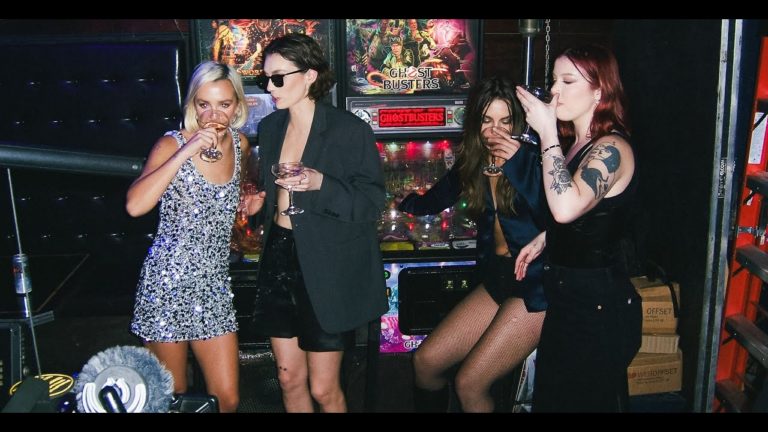
The Beaches announce their third studio album, No Hard Feelings, out everywhere August 29th via AWAL. Furthermore, they treat fans to an early taste of what they can expect from the record with the single “Last Girls at the Party.”
“While you’re sleeping, we’re not leaving,” taunts the infectious chorus of “Last Girls at the Party,” lead single off the Beaches’ latest, No Hard Feelings. Frontperson and bassist Jordan Miller explains it’s a true nod to the band’s late nights: “We’re four crazy girls who like to have fun together, and are literally always the last to leave,” she laughs. But the sunny anthem also mirrors their careers in music: they’re outlasters, forever pushing toward adventure, riding the ebbs and flows of rock band life like certified rippers. What’s the hurry to head home before sunrise when the party’s this good?
Spanning 11 tracks, No Hard Feelings sees The Beaches at their most fine-tuned and brightest. From the bold and bright anthemic riffs of “Touch Myself” to the indie melancholy of “Lesbian of the Year,” the album is set to solidify the group as one of the driving forces of alt-rock today. Exploring the highs of nights out and lows of losing someone you love, No Hard Feelings is rife with the band’s signature witty lyricism, grungey tones, and unapologetic boldness.
“Last Girls at the Party” is a true party anthem, perfect for the warmer weather. Lead by a bright guitar hook and steady drums, singer Jordan Miller’s powerful vocals layered with her bandmates create the perfect soundtrack for a girls night out. The true standout of the track is the bridge, while Miller laments, “I don’t want to go home,” while the hook builds back into the catchy chorus, making it another stellar hit from the group. The Beaches will be hosting a series of DJ sets in celebration of new music, these private events are invite-only to those who pre-save the record.
Last Girls at the Party DJ Set Dates:
April 16 – Los Angeles
May 17 – London, UK
May 20 – Amsterdam
May 21 – Brussels
May 23 – Berlin
June 7 – NYC
August 2 – Montréal
THE BEACHES LIVE DATES
April 13 – Coachella Valley Music and Arts Festival – Indio, CA
April 20 – Coachella Valley Music and Arts Festival – Indio, CA
May 10 – The Pavilion at Toyota Music – Irving, TX
June 6 – The Governer’s Ball Festival – New York, NY
July 20 – Minnesota Yacht Club – Saint Paul, MN
July 29 – Churchill Park Music Festival – St. John’s, NL
July 31 – Kee to Bala – Muskoka, ON
August 3 – Osheaga Festival, Montreal, QC
August 7 – Sziget Festival – Budapest, Hungary
August 9 – Schanze Open Air – Hamburg, Germany
August 17 – Pukkelpop Festival – Hasselt, Belgium
September 20 – Shaky Knees Festival – Atlanta, GA
Follow us on Instagram @thatericalper

Eric Alper is a 6-time nominee for Publicist of the Year during Canadian Music Week and has overseen the publicity campaigns for over 183 JUNO Award-nominated albums (and 16 in 2025), 45 Grammy-nominated albums, including 47 JUNO Award, 58 Canadian Folk Music Award, 126 Maple Blues Award-winning albums and is also truly honoured to work with some of the biggest and most important artists of our time.
Contact me: eric@thatericalper.com
© Copyright - That Eric Alper