Home Blog Page 798

Line Spike Frontenac 2025 Announces All-Star Canada Day Weekend Lineup With Burton Cummings, Walk Off the Earth, Chantal Kreviazuk and More

0

This June 28 and 29, 2025, Line Spike Frontenac 2025 will make history as one of the largest pre-Canada Day music events in the nation — a bold and brilliant “Power of Positivity Musical Harvest” set in the breathtaking hills of Frontenac County. Bringing together musical icons and rising stars, the two-day festival promises an unforgettable celebration of community, inspiration, and unapologetic Canadian pride with legendary artists Burton Cummings, Walk Off The Earth, Chantal Kreviazuk, Alan Frew, Kelsi Mayne, and Madison Galloway.

Created by Get2ThePoint Productions Inc. and producer/promoter Jeremy Campbell who was inspired by a moment of personal reflection on a remote lake in 2020 and the legacy of Expo ’67’s Peter Aykroyd. Line Spike Frontenac is a tribute to Canadian resilience and unity in uncertain times. After overcoming personal health battles and drawing wisdom from past experiences — including working under Michael Lang at Woodstock ’99 — Campbell vowed to create an event that uplifts people and economies alike.

Frontenac County, just north of Kingston — Canada’s first capital — is a hidden gem brimming with cottage country charm, granite ridges, pristine lakes, and soul-soothing trails. A perfect weekend escape, it offers a scenic and serene backdrop for music lovers looking to turn this festival into a staycation. Picture this: morning swims in crystal-clear lakes, afternoons exploring quaint artisan shops, and nights under the stars, singing along with Canadian legends.

THE LINEUP: ICONIC, ECLECTIC, AND 100% HOMEGROWN

BURTON CUMMINGS
One of Canada’s most treasured rock icons, Burton Cummings brings his timeless voice and towering legacy to the Line Spike stage. As the lead singer of The Guess Who, Cummings has delivered classics like American Woman, These Eyes, and Share the Land. His solo career boasts chart-toppers such as Stand Tall and My Own Way to Rock, with album sales exceeding 10 million worldwide. Expect a hit-filled, soul-stirring set from a true national treasure.

WALK OFF THE EARTH
The genre-defying pop innovators known for their viral covers and platinum-selling originals (Red Hands, Rule the World) are set to bring their kaleidoscope of sound and spectacle to Frontenac. With over 1 billion YouTube views and JUNO Awards under their belt, WOTE is known for their wild instruments, contagious energy, and a live show that will have festivalgoers dancing from the first chord to the last confetti cannon.

CHANTAL KREVIAZUK
A multi-platinum singer-songwriter and humanitarian, Chantal Kreviazuk is beloved for emotionally rich hits like Surrounded, Before You, and In This Life. Her work as a songwriter spans artists from Drake to Gwen Stefani, and her voice has become a defining sound in Canadian pop. She’ll bring both heartfelt intimacy and powerhouse vocals to the Line Spike main stage.

ALAN FREW (of GLASS TIGER)
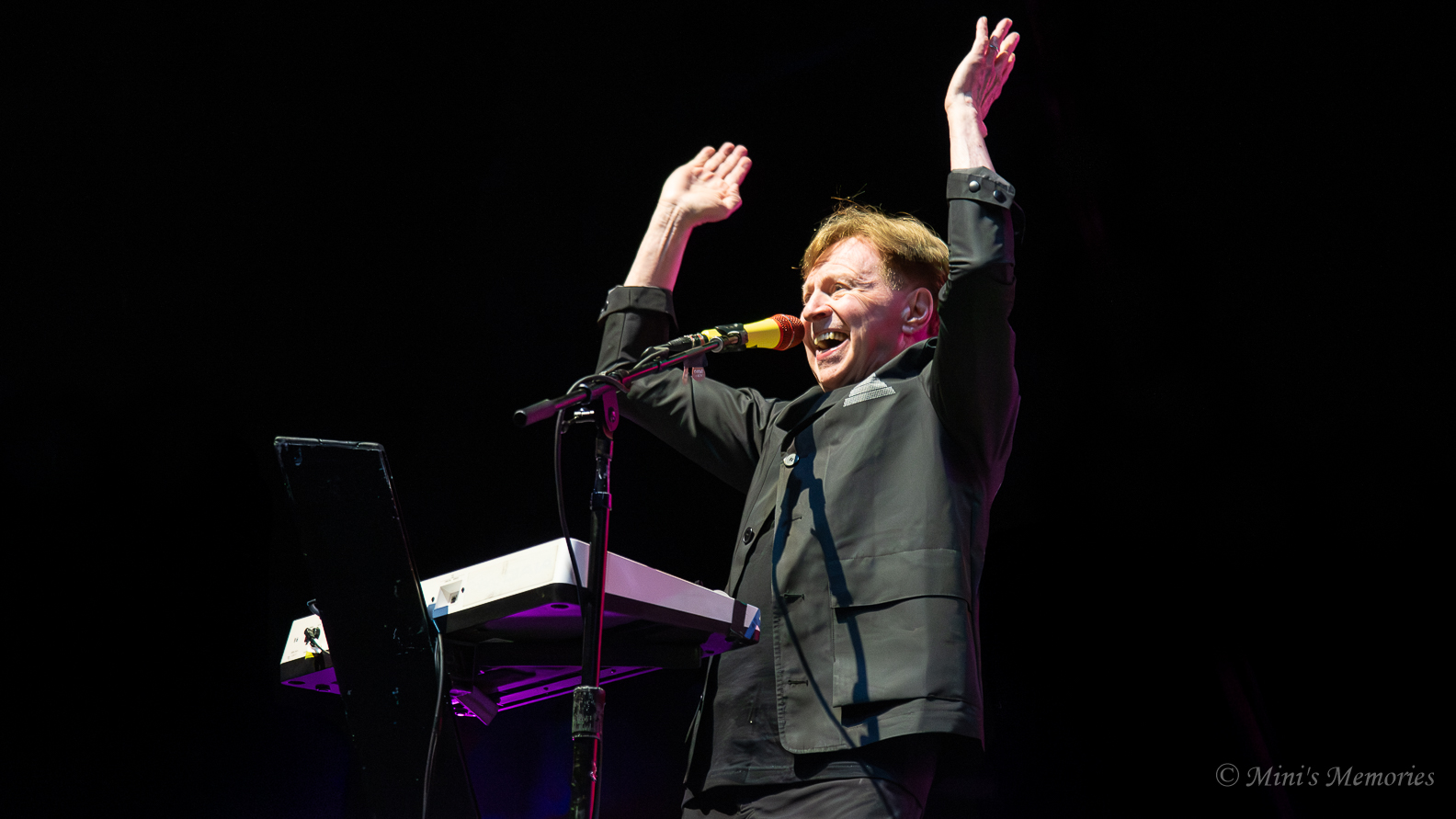
Frontman of the iconic 80s band Glass Tiger, Alan Frew is known for Don’t Forget Me (When I’m Gone) and Someday, both of which dominated global charts and helped sell 5 million records worldwide. With a career spanning decades and a voice that continues to shine, Frew’s set will be a singalong masterclass in Canadian rock history.

KELSI MAYNE
Country-pop firecracker Kelsi Mayne is a rising force in Canadian music. From her anthem Takin’ U Home to charting in the Top 10 on SiriusXM with As I Go, Mayne is proving she’s more than a triple-threat — she’s a powerhouse. A former medical student and track athlete, her fierce work ethic and genre-blending edge make her one of the most compelling new voices in the country scene.

MADISON GALLOWAY
At just 24, Madison Galloway has already made waves with her blues-infused roots-rock sound. Her EP Open Your Eyes and performances alongside The Glorious Sons and 54-40 have cemented her status as a future headliner. Drawing on folk, rock, and southern twang, she’s an earthy, magnetic presence who brings depth and authenticity to the Line Spike experience.

But the music is only part of the magic.

Maple Leaf Vendor Village will spotlight Canadian-made goods, with artisans and manufacturers showcasing everything from gourmet maple treats to locally crafted outdoor gear. It’s a nod to Canada’s entrepreneurial spirit and an economic boost for the region.

Set against a backdrop of towering pines, serene lakes, and community warmth, Line Spike Frontenac 2025 invites you to rediscover what it means to be Canadian — proud, passionate, and unified through music.

Tickets go on pre-sale March 31 at 9am via www.LineSpike.ca. Don’t miss your chance to be part of a moment that will be talked about for decades.

Quirk-Rocker Five.X.Five Unleashes Sardonic Pop-Punk Anthem “You Will Be Fine (And Other Lies)”

0

Listen closely to “You Will Be Fine (And Other Lies),” the latest single from Kingston, ON quirk-rocker Five.X.Five. What sounds to the idle ear like a jaunty, upbeat anthem is actually something closer to what its sardonic title suggests: a wry, vaguely surreal, sometimes even horrific portrait of life under watchful eyes.

Like a guided missile flying not over but straight into the proverbial cuckoo’s nest, the irresistibly immediate track rockets us into the dark heart of an unspecified institution where there’s “No TV allowed in the breakfast room” and “You stare at the wall like a friend.” Amid the enforced quiet, the only noise comes from the nameless authorities who “shout the punishment/ For mounting your own defence.”

The jubilant pop-punk of the track is energizing and triumphant, the lyrical sentiments less so. Or are they?

“‘You Will Be Fine’ is about defiance and survival,” explains the brainy, beguiling Five.X.Five, who’s known in his daily life as Matej Novak. “It’s about advocating for and relying on yourself because the systems put in place to help can also be used to take advantage of you. It’s about realizing that everything ends, and you have to make the best of the time you have.”

The first single from his simultaneously released debut album, Grackle, “You Will Be Fine” vindicates Novak’s love for ’90s indie/alternative sounds. It’s a two-and-a-half-minute blast of California-style jackhammer action that belies his actual background as a child of Prague and a current resident of Kingston. But that geographical life’s path isn’t the only unconventional thing about his CV. The epitome of a late bloomer, Novak didn’t start recording as Five.X.Five—or under any name, really—until 30 years after he first picked up a guitar. Instead, he pursued a more traditional path of school, career and family—until one day, on a whim, he reached out via TikTok to longstanding hero Billy the Kid for singing and songwriting lessons. What ensued was a wholly unexpected writing and recording partnership that yielded several rafts of singles, including “If the Water” and “Fireflies, Forever.”

Their collaboration reaches its culmination in Grackle, an 11-song, two-years-in-the-making opus that’s brimming with instantly indelible hooks and riffs. The music embellishes Novak’s ’90s fixation with garnishes of post-Britpop Britrock, New Wave and shoegaze. Unlike “You Will Be Fine,” some of the numbers are explicitly autobiographical: “Weak Without Your Blessing” is about one of Novak’s earliest memories, “VHS Tapes in the Mail” is about living in Prague in the early aughts, and “wordswordswords” is about “craving from someone what they can’t provide,” he says, cryptically.

Billy co-produced with Jesse Gander at the latter’s Rain City Recorders studio in Vancouver, as well as contributing harmonies, keys and guitars. The rhythm section was borrowed from alt-pop band Hyaenas, with Sophie Foster providing bass and violin and Jen Foster handling drums and percussion.

But throughout, the focus remains firmly on Novak—excuse us, Five.X.Five—and his idiosyncratic, off-kilter yet thoroughly relatable way of making sense of the world.

“If there’s a common thread running through the album,” he says, “it’s the lengths we go to tolerate our circumstances—out of self-preservation or as a tool of self-improvement. We’ve all been through it the last several years. These 11 tracks are meant to help everyone feel less alone.”

And that’s the kind of gift you don’t mind waiting 30 years for. Put on Grackle and know you’ll be fine—for real this time.

DREW GIBSON Releases Poignant Ballad of Love and Time ‘Low Country High Wire’ Featuring Maddi Mae

0

There’s something about a Drew Gibson song that lingers, much like a well-worn novel or an old Polaroid pulled from a shoebox. His latest single, “Low Country, High Wire,” from his critically praised album Burning Horses, is no exception. A rich, atmospheric ballad featuring the haunting harmonies of Maddi Mae, the song captures the weight of waiting—whether for love, for redemption, or for time itself to make sense.

With a voice that carries echoes of Bruce Cockburn, the storytelling prowess of Jason Isbell, and a guitar style that could sit comfortably alongside Mark Knopfler, Gibson has crafted a song that speaks to the heart of every dreamer who has ever stared down the road and wondered what might come next.

“This song is about waiting,” Gibson shares. “And how it’s the hardest part. Whether it’s waiting on love, retirement, or success—there’s always that lingering hope that we reach what we’re waiting for before it’s too late.”

Initially recorded as a solo track, Gibson decided late in the process to make it a duet. Enter Maddi Mae, who had already left her mark on Burning Horses through her harmonies on the title track and “Time Once Forgave.” Her addition transformed “Low Country, High Wire” into something even more powerful—a delicate yet emotionally charged exchange between two voices, yearning yet resolute.

Set against the backdrop of the fall line’s sandhills and a downhill slide of memory, the song moves like an old radio signal drifting through the night:

“If there’s a radio, turn it on / The lost romance is long gone / In a low country, high wire.”

Gibson’s poetic lyricism and signature fingerstyle guitar playing—often compared to David Gilmour’s emotive touch—are on full display here. The song swells and recedes like waves against a shore, building to a final plea:

“You gave my guitar a chance to fill / The dream that’s out there still.”

“Low Country, High Wire” follows the success of the album’s title track “Burning Horses,” which drew comparisons to Tom Petty and Stevie Nicks’ “Stop Draggin’ My Heart Around” for its rugged yet intimate duet feel. Burning Horses, four years in the making, was recorded across Virginia and Washington, D.C., blending Gibson’s love for analog storytelling with a modern sense of sonic depth.

Gibson is bringing Burning Horses to life on the road, with upcoming performances that will showcase both his intricate musicianship and his ability to weave stories through song.

2025 Tour Dates:
• April 12 – The Barns at Wolf Trap – BandHouse Gigs Jackson Browne Tribute (Vienna, VA) – SOLD OUT
• June 4 – Local Cream Songwriter’s Showcase, Hank Dietle’s Tavern (Rockville, MD)
• June 5 – Reveler (Richmond, VA) Full Band Show
• July 18 – Jammin’ Java (Vienna, VA) Full Band Show

For fans of Ray LaMontagne, Gillian Welch, and Justin Townes Earle, Gibson’s latest work stands as a must-listen.
“Low Country, High Wire” is more than a song—it’s a reflection on the choices we make, the roads we travel, and the love we hold onto. For Drew Gibson, it’s one of the most personal songs he’s written. “I love where the song takes you,” he says. “I love the thick, dense atmosphere and how it drifts away in the outro. It’s truly one of my favorite songs I’ve ever written.”

Experience the sound of waiting, longing, and finding your way home.

The Intersection of Music and Online Gaming: How Soundtracks Enhance the Casino Slot Experience

0

By Mitch Rice

In the world of online gaming, it’s not just the visuals that capture a player’s attention. The soundtrack of a game, especially in the realm of casino slots, plays a critical role in elevating the overall gaming experience. Music isn’t merely a background feature—it helps set the tone, guide player emotions, and even influence gaming behavior. But how exactly do soundtracks enhance the casino slot experience, and what makes them so integral to player engagement? Let’s explore the magic that happens when music meets gaming.

The Power of Sound in Slot Games

Soundtracks in casino slot games are carefully crafted to create a seamless, immersive experience. The music works alongside the game’s visual elements, narrative, and features to establish a mood and rhythm that players respond to. Whether it’s the exciting buzz of a jackpot win or the subtle background melody that builds anticipation, sound can make or break a game’s ability to captivate.

The role of sound in online slot games goes beyond just providing entertainment. It also enhances the thrill of the game, with many slots using music to build tension and excitement during the gameplay. For example, when a player gets closer to triggering a big win, the music might crescendo, elevating their emotional investment in the game. This interaction between sound and gameplay can increase the overall engagement level and the perceived enjoyment of the player.

Why Music Matters in Casino Slots

A game’s soundtrack can evoke a range of emotions that enhance the player’s experience. For example, slots featuring classic rock, pop, or even orchestral music tie into popular culture, allowing players to feel a stronger connection to the game. These familiar tunes help reinforce the theme of the slot, whether it’s a movie-inspired slot or a music-themed game.

Some online slots even go a step further by including licensed music, allowing fans to play games based on their favorite bands or movies. This crossover of interests not only draws players in but also helps create a sense of nostalgia and excitement. The music becomes more than just a background element; it becomes a key feature that players can recognize and appreciate.

Moreover, the tempo of the music plays a significant role in influencing the player’s experience. Fast-paced music can increase the excitement of the game, while slower tunes may create a more relaxed atmosphere. For instance, some slots designed with a retro theme use synthesizer-heavy soundtracks that transport players back to the ’80s, creating a deeper emotional connection with the experience.

The Psychological Impact of Music in Slots

Psychologically, music has a unique ability to affect mood and behavior, and game developers have harnessed this power to enhance the slot experience. Music can impact how players perceive time and, in turn, how long they remain engaged with the game. Research shows that upbeat and engaging music can lead to players spending more time on a game, as it encourages a sense of flow—a state where players are fully immersed in the gameplay.

This principle is something that High Roller’s online real money casino games and slots have embraced, with soundtracks being designed to enhance both the visual elements and the thrill of winning. By using well-chosen sound effects and background music, these games heighten the anticipation and excitement, making each play session more enjoyable.

Interestingly, music can also influence a player’s risk-taking behavior. Certain tracks are designed to increase tension and anticipation, which can lead players to take more chances in the game. As players are encouraged by the music’s rhythmic beats or the crescendo building towards a potential big win, they may feel more inclined to increase their play level or bet higher amounts, driving greater engagement with the game.

The Role of Music in Themed Slot Games

Music plays an especially prominent role in themed slot games. Whether it’s a movie slot game, a musical icon-themed game, or a game inspired by a particular genre, music is used as a central feature that complements the theme. For example, a movie-themed slot might include iconic soundtrack tunes from the film, adding a layer of excitement for fans of the franchise. This music connection deepens the player’s involvement in the game, making them feel as though they are part of the world the slot is creating.

One fascinating example of this can be seen in slots based on famous bands or musical acts, such as the Guns N’ Roses or Jimi Hendrix slots. Players don’t just get a game—they get a concert-like experience, with music, visuals, and gameplay elements that come together to form an immersive, interactive tribute to the artists. The music here is not just a backdrop, but an integral part of the experience, enhancing both the emotional connection to the game and the thrill of potential rewards.

Final Thoughts

Ultimately, the integration of soundtracks in online casino slots does much more than entertain—it transforms the entire gaming experience. From enhancing the emotional highs of big wins to influencing player behavior, music plays a pivotal role in the enjoyment and immersion of the game. As the online gaming world continues to evolve, it’s clear that soundtracks will remain a key element in making slots even more engaging, exciting, and memorable.

For more information on the exciting world of slots and online casino games, check out this resource which delves into how the gaming industry continues to use sound to improve player experiences.

Data and information are provided for informational purposes only, and are not intended for investment or other purposes.

2x JUNO Winner Steve Marriner Adds Analog Grease and Blues Swagger to Genesis Classic “I Can’t Dance”

0

From harmonica to baritone guitar, from frontman to producer, Steve Marriner has spent over two decades shaping the sound of modern blues. With two JUNO Awards for his work with MonkeyJunk, a career spent touring with Colin James, and collaborations with Buddy Guy, Jimmie Vaughan, and Blue Rodeo, Marriner has become one of Canada’s most versatile and respected musicians. Now, he’s taking a Genesis song that’s lived “rent-free” in his head for years and giving it the treatment it deserves.


“I Can’t Dance,” Marriner’s latest single, out now via Cordova Bay Records, kicking off a new chapter in his ever-evolving career. “I love a strong chorus, and this is one of the best—a classic bluesy melody with a catchy pop sensibility,” he says. “While I appreciate the early ’90s production of the original, I always felt that the lyric demanded a lot of swagger and wondered what it would sound like with a bit more analog grease on it.”

That analog grease is all over Marriner’s version, swapping out the polished edges of the original for a gritty, deep-pocketed groove that leans into his blues roots. This isn’t just a cover—it’s a reinvention. His soulful, road-worn voice delivers every line with a knowing smirk, while smoky guitar licks and a tight rhythm section transform the track into something that wouldn’t be out of place in a backroom bar filled with whiskey-soaked jukebox favorites.

Marriner’s approach to blending blues, rock, and roots music has made him a sought-after collaborator and a formidable solo artist. His last album, Hope Dies Last, earned a 2022 JUNO nomination, and his production work on Big Dave McLean’s This Old Life and David Gogo’s YEAH! has both been nominated for 2025 JUNOs. With Hear My Heart, his upcoming full-length album, Marriner continues to push boundaries, proving that the blues isn’t just tradition—it’s alive, electric, and constantly evolving.

The release of “I Can’t Dance” marks the first step in a packed 2025, leading up to the full album drop in June.

For a musician who’s spent his life on the road, playing everywhere from Massey Hall to The Ryman Auditorium, this single is yet another mile marker. Whether performing alongside Harry Manx, Sue Foley or Randy Bachman, or stepping into the spotlight with his own brand of soul-drenched, hard-driving blues, Marriner remains one of the most exciting voices in roots music today.

With “I Can’t Dance,” he’s taken an earworm and turned it into a slow-burning, blues-soaked anthem—proof that even a song about standing still can still move.

‘Play It Loud! How Toronto Got Soul’ Receives 2025 Golden Sheaf Award Nomination for Best Documentary in Arts & Culture

0

The Yorkton Film Festival has announced the first round of nominees for the 2025 Golden Sheaf Awards, with Ultramagnetic Productions’ new documentary Play it Loud! How Toronto Got Soul earning a nomination for Best Arts/Culture Film.

The TVO Original doc reveals the vibrant but largely ignored Toronto Jamaican music scene from the 1960’s to the ‘90’s, through the life and music of the legendary Jay Douglas. The teenaged Douglas moved to Toronto to join his mother in 1963 and was quickly initiated into a thriving, underground Black music scene. As the lead singer of The Cougars, a group that included local legends Jackie Richardson, Jo Jo Bennett and Everton “Pablo” Paul, Douglas broke into the competitive Yonge Street music scene as one of only two bands to play at the storied Le Coq d’Or. The other group was Ronnie Hawkins’ Hawks, precursor to The Band.

Directed by Graeme Mathieson, produced by Andrew Munger with Clement Virgo as EP, Play it Loud! has been enjoying a surprisingly successful theatrical run with sold out screenings in Toronto (re-opening the Hot Docs Ted Rogers Theatre), Vancouver, Hamilton, Waterloo and Whitehorse.

Producer Andrew Munger attributes the success in engaging audiences, especially in the dead of the coldest winter in decades, to the strategy of making every screening an “event” featuring lively post screening conversations with the filmmakers and cast, often concluding with a Bob Marley singalong led by the film’s star Jay Douglas.

To promote the film, Munger used his learnings from producing the music docs Once Were Brothers: Robbie Robertson and the Band and Buffy Sainte-Marie: Carry it On. A music documentary, especially one celebrating a great artist or culture, presents many opportunities for cross promotion. He partnered with Exclaim Magazine and Austin’s Light in the Attic Records for record and ticket giveaways, created an in-store event featuring Jay Douglas live at Sonic Boom Records (Toronto’s leading independent record store), and presented Jay live in performance at the Drake Hotel with Lula World Promotions and Jeff Rogers’ Handsome Boy Records. The producers also worked with Jamaican Canadian personality and influencer Danae Peart (CBC Commotion and Vibe105 FM) to engage with Jamaican and Caribbean communities. Play it Loud!’s theatrical release was supported by Ontario Creates and Telefilm Canada’s Marketing and Distribution funds, in concert with domestic distributer White Pine Pictures.

Play it Loud! was developed in collaboration with TVO Docs and further supported by the CMF, Telefilm Canada, Ontario Creates, Rogers Documentary Fund, Slaight Hot Docs Music Fund and federal and provincial tax credits. Play It Loud! is currently streaming on TVO (TVO Docs YouTube channel, TVO.org and Smart TV app) and Knowledge Network.

Big Dave McLean Wins His First JUNO Award for ‘This Old Life’

0

Legendary Canadian bluesman Big Dave McLean has been honoured with a 2025 JUNO Award for Blues Album of the Year for his latest album, This Old Life released on Victoria-based indie label Cordova Bay Records. This marks McLean’s first win from six JUNO nomination, further cementing his legacy as one of the most influential figures in Canadian blues. Additionally, this marks the first win for the legendary Cordova Bay Records.

McLean’s latest recognition adds to an already impressive history of JUNO nods, including a 2020 nomination for Pocket Full of Nothin’, a 2018 nomination for Better the Devil You Know, and a 2016 nod for Faded But Not Gone. His first nomination came in 2009, and he won a JUNO Award for Saturday Night Blues in 1992.

Over five decades, McLean has been a cornerstone of the Canadian blues scene, earning accolades that include a Western Canadian Music Award, a Prairie Music Award, a Great Canadian Blues Award, and a Lifetime Achievement Award from the Toronto Blues Society. In 2019, he was inducted into the Order of Canada, a rare honor for a blues musician, recognizing his contributions to the genre and his mentorship of younger artists such as Colin James, Shaun Verreault, and Luke Doucet.

On This Old Life, McLean delivers an unfiltered, deeply personal take on the blues, seamlessly blending classic blues covers from Muddy Waters, Willie Dixon, and Little Walter with his own masterful originals.

The album’s lead track, “Well, I Done Got Over It”, originally recorded by Guitar Slim in 1953, showcases McLean’s signature gravelly vocals and impeccable slide guitar work, setting the tone for a record steeped in authenticity.

Recorded in just four days at The Ganaraska Recording Company in Cobourg, Ontario, This Old Life was captured live off the floor with no overdubs or studio tricks—just raw, timeless blues. Co-produced by Steve Marriner and Jimmy Bowskill, both JUNO-winning musicians, the album embraces classic blues traditions while showcasing McLean’s unwavering musical integrity.

“He is as genuine a bluesman as it gets, and I’ve been dying to capture Dave and present him to the rest of the world in the way I’ve always heard him: raw and real,” says Marriner.

Born in Yorkton, Saskatchewan, and based in Winnipeg, Manitoba, McLean’s career was shaped by a chance encounter with blues icon John Hammond, who gave him his first guitar lesson in 1969. This set McLean on a path that led him to friendships with legends like Muddy Waters, inspiring his debut album, Muddy Waters for President.

Despite his profound influence on Canadian blues, McLean has often remained a hidden gem, a reality he addresses in This Old Life, a record that may finally bring him the mainstream recognition he deserves.

“I would like to send out my deepest gratitude, respect, and admiration to all of the many people who have shared their incredible talents and have helped me present my interpretation of blues over the past fifty years or so,” McLean reflects.

With his sixth JUNO nomination, a career-defining album, and a tour lined up for 2025, Big Dave McLean is proving that the blues isn’t just music—it’s a way of life.

The Beat Behind the Mic – 10 Great Songs Sung By Drummers

0

Drummers—often the backbone of the band—are the heart and pulse of music. But every once in a while, they step out from behind the kit, grab the mic, and show us they’re more than rhythmic geniuses; they’re vocal powerhouses too. There’s something undeniably cool about a drummer who can command a crowd with their voice while keeping time for the band. It’s the ultimate multitasking!

Phil Collins – In the Air Tonight
While technically no longer “behind the kit” when performing this one live, Phil Collins started out as Genesis’s drummer before his rise to solo stardom. This song’s iconic drum break and haunting vocals make it unforgettable.

Don Henley – Hotel California
The Eagles’ drummer, Don Henley, doesn’t just keep the band in time—he’s the voice behind this legendary classic. The blend of his soothing vocals and poignant lyrics has etched “Hotel California” into rock history.

Ringo Starr – With a Little Help from My Friends
The Fab Four’s beloved drummer might not have the vocal range of McCartney or Lennon, but his charming, friendly delivery on this Beatles track made it a favorite.

Karen Carpenter – Close to You
Karen Carpenter wasn’t just a stunning drummer—her voice is one of the most angelic in music history. On “Close to You,” her vocal performance makes it a timeless classic. It’s easy to forget she was such a gifted percussionist.

Levon Helm – The Weight
From The Band, Levon Helm brought a Southern flavor to his vocal performances. His voice, full of soul, beautifully complements the heartfelt storytelling in “The Weight.”

Taylor Hawkins – Cold Day in the Sun
Foo Fighters’ drummer Taylor Hawkins stepped out from behind the drums to showcase his powerful voice on this acoustic-driven track. His vocal delivery adds depth and emotion to the song.

Sheila E. – The Glamorous Life
Not just a drumming powerhouse, Sheila E. proved she was a triple threat with her vocals, percussion skills, and stage presence on this pop-funk masterpiece. Her vocal style is as dazzling as her drum solos.

Dave Grohl – Marigold
Before he was the frontman of Foo Fighters, Dave Grohl sang and drummed for Nirvana on “Marigold,” showing early glimpses of the star he’d become. A hauntingly beautiful song made even more special by Grohl’s raw vocals.

Micky Dolenz – I’m a Believer
The Monkees’ drummer wasn’t just keeping rhythm; he was the voice behind some of their biggest hits. “I’m a Believer” became a cultural phenomenon, partly thanks to Dolenz’s energetic vocal performance.

Peter Criss – Beth
In this tender ballad, KISS drummer Peter Criss ditched the band’s hard rock persona to deliver a soulful, heartfelt vocal performance that warmed fans worldwide.

5 Surprising Facts About The Chicks’ ‘Taking the Long Way’

The Chicks (formerly known as the Dixie Chicks) dropped a cultural reckoning with Taking the Long Way. It’s a record that bridged country music with personal and political defiance, wrapped in Grammy-winning songwriting and raw honesty. Here are five lesser-known facts that prove just how daring and masterfully crafted this album really was.

1. “Not Ready to Make Nice” Was Almost Too Personal to Write
Writing the band’s most iconic post-controversy anthem took days of talking and therapy-level processing before a single lyric was written. The stakes were sky-high. Emily Robison called it “the song we had to get right.” Natalie Maines refused to sugarcoat it—when co-writer Dan Wilson offered a more conciliatory lyric, she replied, “Nope, I can’t say that.” This wasn’t a political statement dressed up in metaphor. It was a manifesto from three women who were tired of being told to shut up and sing.

2. “I Hope” Was First Played on a Hurricane Katrina Telethon
Before it became the emotional closer on Taking the Long Way, “I Hope” debuted on Shelter from the Storm, the televised benefit concert for Hurricane Katrina. Co-written with Keb’ Mo’ (Kevin Moore), the song was recorded and released as a charity single months ahead of the album. The song is a plea for decency, hope, and leadership. And if that’s not enough, it features a stunning guitar solo by none other than John Mayer.

3. The Album Was Recorded With a Sound Wallop from Sheryl Crow and Linda Perry
Beyond the trio’s already solid writing, Taking the Long Way quietly features co-writes with two titans of songwriting: Sheryl Crow and Linda Perry. “Favorite Year” has Crow’s melodic fingerprints all over it, while Perry co-wrote the emotionally gutted “Voice Inside My Head.” These collaborations helped elevate the record beyond country radio’s comfort zone, leaning into lush arrangements and storytelling that crossed genre lines without apology.

4. “Lullaby” Found a Second Life on Network TV
Before streaming playlists ruled the world, landing your song on a primetime drama meant real visibility. The gentle, haunting “Lullaby” appeared on the season finale of Medium the night Taking the Long Way dropped. It was a bold move: launching an album born from outrage with a song that radiated tenderness. It reminded everyone that The Chicks were more than defiant—they were dynamic.

5. The Album’s Tour Had More Canada Than Nashville
In the U.S., country radio stations had all but blacklisted the band. So The Chicks took Taking the Long Way north. Their Accidents & Accusations Tour included a record-breaking number of Canadian stops. And you know what? The fans showed up. In droves. It was a moment that flipped the script on the idea that the band had been “canceled.” Turns out, when you bet on truth and talent, you might lose a chart position—but you gain a legacy.

If country music had a Hall of Courage, Taking the Long Way would be bronzed in it. The Chicks survived the backlash and made the most defiant, graceful, and decorated comeback in country music history. And they did it all on their own terms. That’s the kind of outlaw energy even Willie would tip his hat to.

5 Surprising Facts About John Lennon’s ‘Imagine’

“Imagine” is a cultural landmark. And the album it opens is one of John Lennon’s most important works, a bridge between the raw honesty of Plastic Ono Band and the lush production of his later solo years. While it’s been analyzed and praised for decades, here are five surprising facts about Imagine that reveal the depth, complexity, and contradictions behind the classic.

1. “Jealous Guy” Was Born in India—Sort Of
Before it was Jealous Guy, it was Child of Nature—a song Lennon wrote in 1968 after a lecture by the Maharishi Mahesh Yogi during the Beatles’ stay in Rishikesh. It was demoed at George Harrison’s home and nearly made it onto The White Album. But while Paul’s Mother Nature’s Son got the nod, John shelved the song—until he rewrote the lyrics into the deeply vulnerable Jealous Guy for Imagine. The melody survived intact, but the message changed from spiritual to self-reflective. It’s one of Lennon’s most emotionally naked moments—and it started with a mountain metaphor.

2. George Harrison’s Guitar Work on “Gimme Some Truth” Was Reluctantly Iconic
George Harrison’s blistering slide guitar on Gimme Some Truth cuts through the track like a musical truth serum. But George himself wasn’t entirely satisfied with it. Lennon, however, loved it. The solo’s sharpness and urgency echoed the song’s Vietnam-era political frustration. George had originally jammed on the tune during the Let It Be sessions, and years later, that frustration had only intensified. Ironically, his discomfort with the solo is part of what makes it so perfect: it’s raw, imperfect, and honest—much like the song itself.

3. “How Do You Sleep?” Is Less a Diss Track Than a Catharsis
Much has been made of How Do You Sleep?, Lennon’s scathing response to Paul McCartney’s digs on Ram. But in 1980, Lennon admitted the track was more about channeling his own bitterness than attacking Paul. It was, as he put it, “a song of resentment,” not hatred. The irony? George Harrison—Paul’s old mate—plays that gorgeous slide guitar on it. And the cinematic string arrangement? That’s Phil Spector, turning spite into sonic beauty. Decades later, it reads less like a feud and more like therapy set to music.

4. “Oh Yoko!” Was Almost a Single—But Lennon Thought It Was Too Catchy
EMI begged Lennon to release Oh Yoko! as a single. With its infectious melody, joyous vocals, and raw affection for Yoko Ono, it seemed like a surefire hit. But Lennon refused—he thought it was too pop. Ironically, it’s now one of his most beloved solo songs. It also marked one of the rare times Lennon let himself be completely unguarded on tape, embracing pop sentimentality without a hint of irony. Sometimes, the simplest love songs are the most enduring.

5. The Album’s Cover Was Shot on a Polaroid, Not by Andy Warhol
For years, fans believed the dreamy cover image of Lennon bathed in soft light was shot by Andy Warhol. Makes sense, right? It had that aesthetic. But in truth, the photo was snapped by Yoko Ono using a Polaroid camera. The back cover even features a quote from Ono’s Grapefruit—the same book that inspired much of Imagine’s philosophy. It’s another reminder that Ono wasn’t just a muse or partner; she was a collaborator, quietly shaping Lennon’s most enduring solo statement.

Imagine remains a musical and emotional touchstone, a work of disarming clarity wrapped in lush arrangements. These lesser-known details only deepen its legacy and remind us: the more we dig into Lennon’s post-Beatles world, the more we find ourselves staring back at our own. Imagine that.