Home Blog Page 8

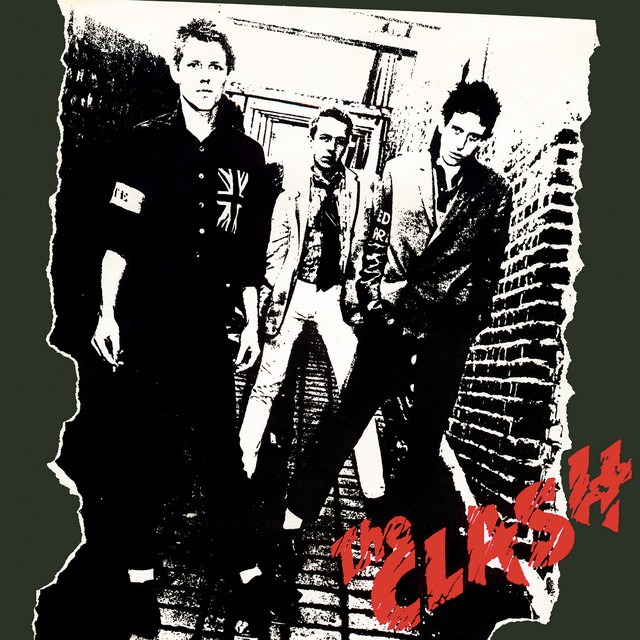
5 Surprising Facts About The Clash’s Self-Titled Debut Album

Released on April 8, 1977, The Clash’s self-titled debut cost £4,000, took three weeks to record, and arrived at the exact moment British punk was detonating everything that came before it. The band had already built a reputation as one of the most politically charged live acts in the country, and the album delivered on every promise. Robert Christgau called the UK version “the greatest rock and roll album ever manufactured anywhere.” NME placed it at number 13 on its all-time greatest albums list in 1993. Rolling Stone ranked it in the top 80 of their 500 greatest albums of all time. It influenced generations of bands across punk, post-punk, and alternative rock, and it did all of that while being refused a US release for two full years. Here are five facts about how it actually got made.

The Whole Album Was Conceived in Mick Jones’s Grandmother’s Flat

Most of the album was written on the 18th floor of a council high rise on London’s Harrow Road, in a flat rented by Mick Jones’s grandmother, who went to see their live concerts regularly. The album was then recorded and mixed over three consecutive Thursday-to-Sunday sessions at CBS Studio 3 in February 1977. By the third weekend, it was done. The tapes went to CBS at the start of March and the record was in shops six weeks later.

“Garageland” Was Written in Direct Response to a Critic Who Said the Band Should Go Back to the Garage With the Engine Running

The album’s closing track didn’t emerge from general frustration. It was a direct rebuttal. Charles Shaar Murray of NME had reviewed the Clash’s early appearance at the Sex Pistols’ Screen on the Green concert and written that “The Clash are the kind of garage band who should be returned to the garage immediately, preferably with the engine running.” The band wrote “Garageland” in response and made it the final track recorded for the album.

“Complete Control” Was Produced by Lee “Scratch” Perry Because He Heard Their Cover of His Song

Perry came across the Clash’s cover of “Police and Thieves,” a song he had produced for Junior Murvin, and was moved enough to put a photo of the band on the walls of his Black Ark Studios in Jamaica, the only white artist given that treatment. When the Clash learned Perry was in London producing for Bob Marley and the Wailers, they invited him to produce “Complete Control.” He agreed immediately. During the session, Perry reportedly blew out a studio mixing board trying to get a deep bass sound. The band later went back and adjusted the mix themselves to bring the guitars forward.

“Clash City Rockers” Was Secretly Sped Up Without the Band’s Knowledge, and They Fired the Producer for It

After recording, producer Mickey Foote increased the speed of the master tape by one semitone, a technique called varispeeding, because manager Bernie Rhodes felt the song sounded “a bit flat.” Strummer and Jones were in Jamaica when the altered version was finished. When they heard it, they fired Foote on the spot. With the exception of one reissue in 2000, every subsequent release of the song has used the original version at the correct speed.

Americans Didn’t Hear the Album Until 1979, But It Became the Best-Selling Import of 1977

CBS in America decided the debut was not radio friendly and declined to release it in the US. The album was available stateside only as an import for two years, during which time it sold over 100,000 copies and became the best-selling import album of 1977. When Epic finally released a US version in July 1979, they changed the track listing significantly, swapping out four songs and replacing them with non-album singles and B-sides. Robert Christgau, reviewing the US version, noted that while that release was excellent, the UK original remained “the greatest rock and roll album ever manufactured anywhere.”
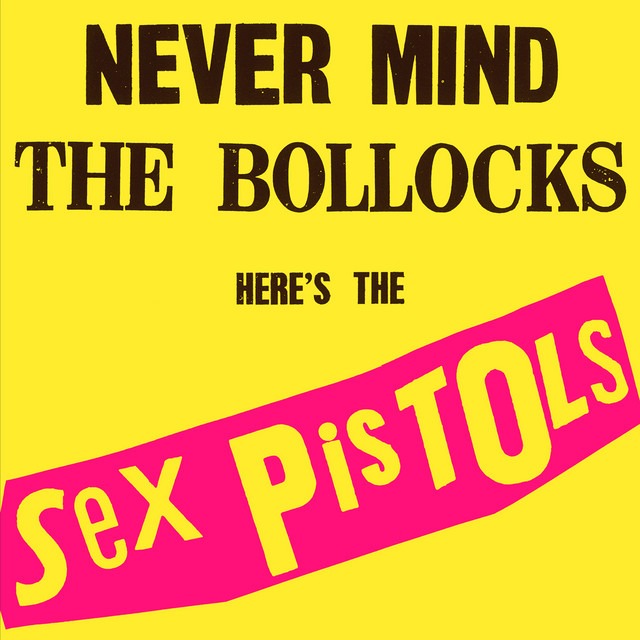
5 Surprising Facts About The Sex Pistols’ ‘Never Mind The Bollocks, Here’s The Sex Pistols’

One album. One band. One year that changed everything. The Sex Pistols only ever made one studio album, and the story of how ‘Never Mind the Bollocks, Here’s the Sex Pistols’ got made is as anarchic, accidental, and confrontational as the record itself. Here are five facts that go deeper than the mythology.

Sid Vicious Barely Played on the Album He’s Associated With

Sid Vicious is the face most people picture when they think of the Sex Pistols. He played bass on exactly two tracks, “Bodies” and “God Save the Queen,” and his playing on those was considered so inadequate that guitarist Steve Jones overdubbed the bass on most of what Vicious had recorded. Jones ended up playing bass on nearly every track on the album. When the band asked original bassist Glen Matlock to return for the sessions, he agreed on the condition of being paid first. Payment never came, so he never showed. Jones stepped in and, according to producer Chris Thomas, his playing was so satisfactory that he simply kept going.

“Pretty Vacant” Was Inspired by an ABBA Song

The main riff of one of punk’s defining anthems came from an unexpected source. According to Glen Matlock, who wrote the song, it was directly inspired by hearing “SOS” by ABBA. Matlock has also said the lyrics drew from Richard Hell’s “Blank Generation,” though he admitted he’d somewhat misunderstood what Hell’s song was actually about. The result was a track NME named their Single of the Year in 1977, built on a riff borrowed from Sweden’s most polished pop act.

Sid Vicious Walked Into a Queen Recording Session and Got Thrown Out by Freddie Mercury

During the sessions at Wessex Sound Studios, Vicious stumbled into a room where Queen were recording. He aimed an insult at Freddie Mercury, asking whether he’d “brought ballet to the masses yet.” Mercury stood up, responded “Aren’t you Simon Ferocious or something? What’re you gonna do about it?”, took Vicious by the collar and threw him out of the room. Queen’s producer Roy Thomas Baker later had a separate word with the Pistols’ engineer about Johnny Rotten crawling on all fours across their studio to the side of the piano, saying hello to Mercury, then crawling back out.

A University Professor Saved the Album From Being Banned by Arguing That “Bollocks” Was an Old Word for a Priest

When a Virgin Records shop manager in Nottingham was arrested for displaying the album cover, Virgin owner Richard Branson hired Queen’s Counsel John Mortimer as defence. Mortimer brought in Professor James Kinsley, Head of the School of English at the University of Nottingham, who argued in court that “bollocks” was a legitimate Old English term historically used to refer to a priest, and that in the album’s title it simply meant “nonsense.” The magistrates found the defendant not guilty while making clear they deplored “the vulgar exploitation of the worst instincts of human nature.” Johnny Rotten passed a note to lawyer Geoffrey Robertson during proceedings reading: “Don’t worry. If we lose the case, we’ll retitle the album Never Mind the Stones, Here’s the Sex Pistols.”
Nirvana’s Album Title Was Directly Inspired by the Sex Pistols Record

Kurt Cobain listed ‘Never Mind the Bollocks’ among his top 50 favourite albums, and Nirvana’s second album ‘Nevermind’ took its title as a direct nod to the Sex Pistols record. This reportedly angered John Lydon at the time. Rolling Stone journalist Charles M. Young said in 2002: “Never Mind the Bollocks changed everything. There had never been anything like it before and really there’s never been anything quite like it since. The closest was probably Nirvana, a band very heavily influenced by the Sex Pistols.” Noel Gallagher went further, saying of the album: “I made 10 albums and in my mind they don’t match up to that, and I’m an arrogant bastard. I’d give them all up to have written that, I truly would.”

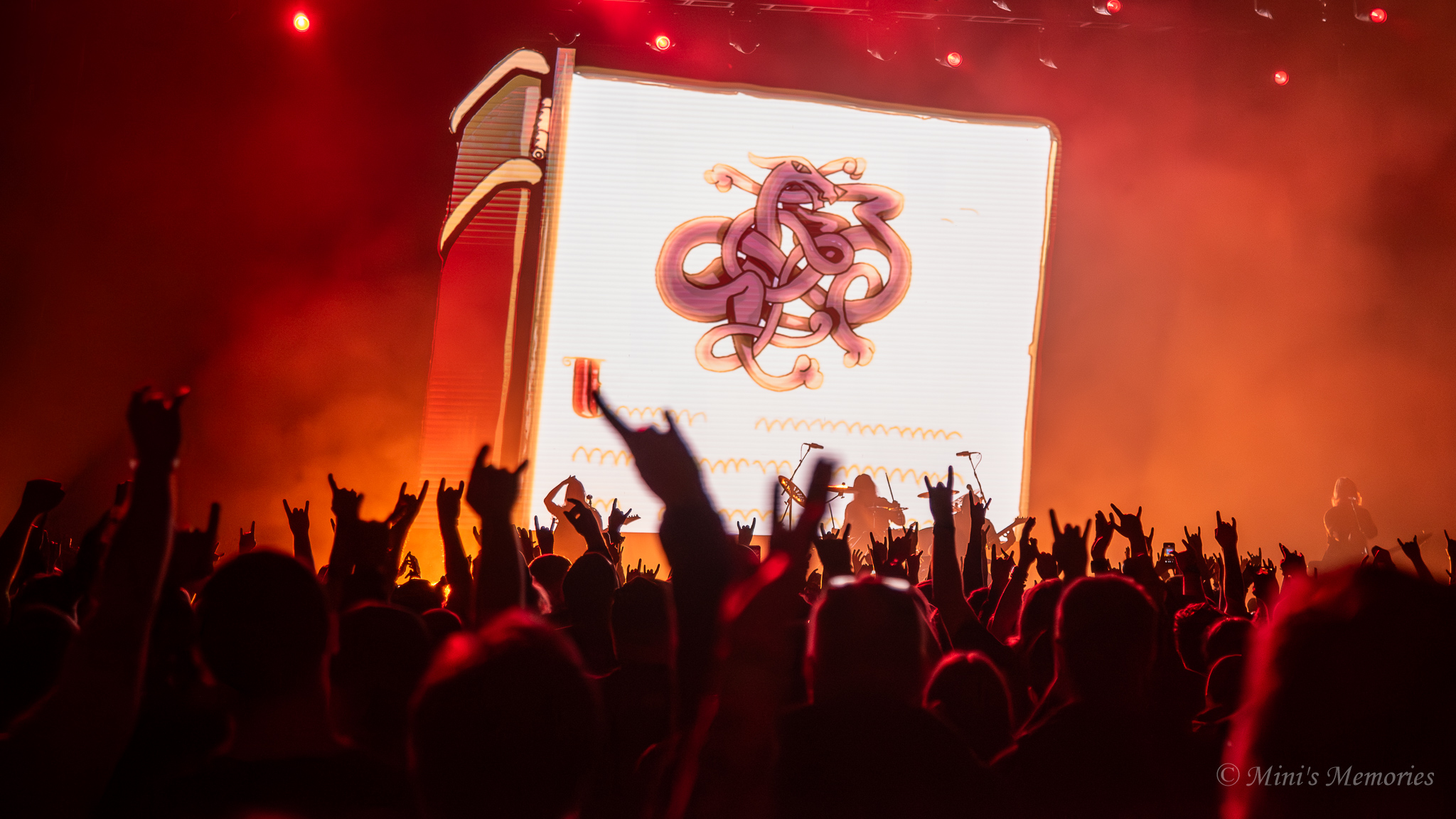
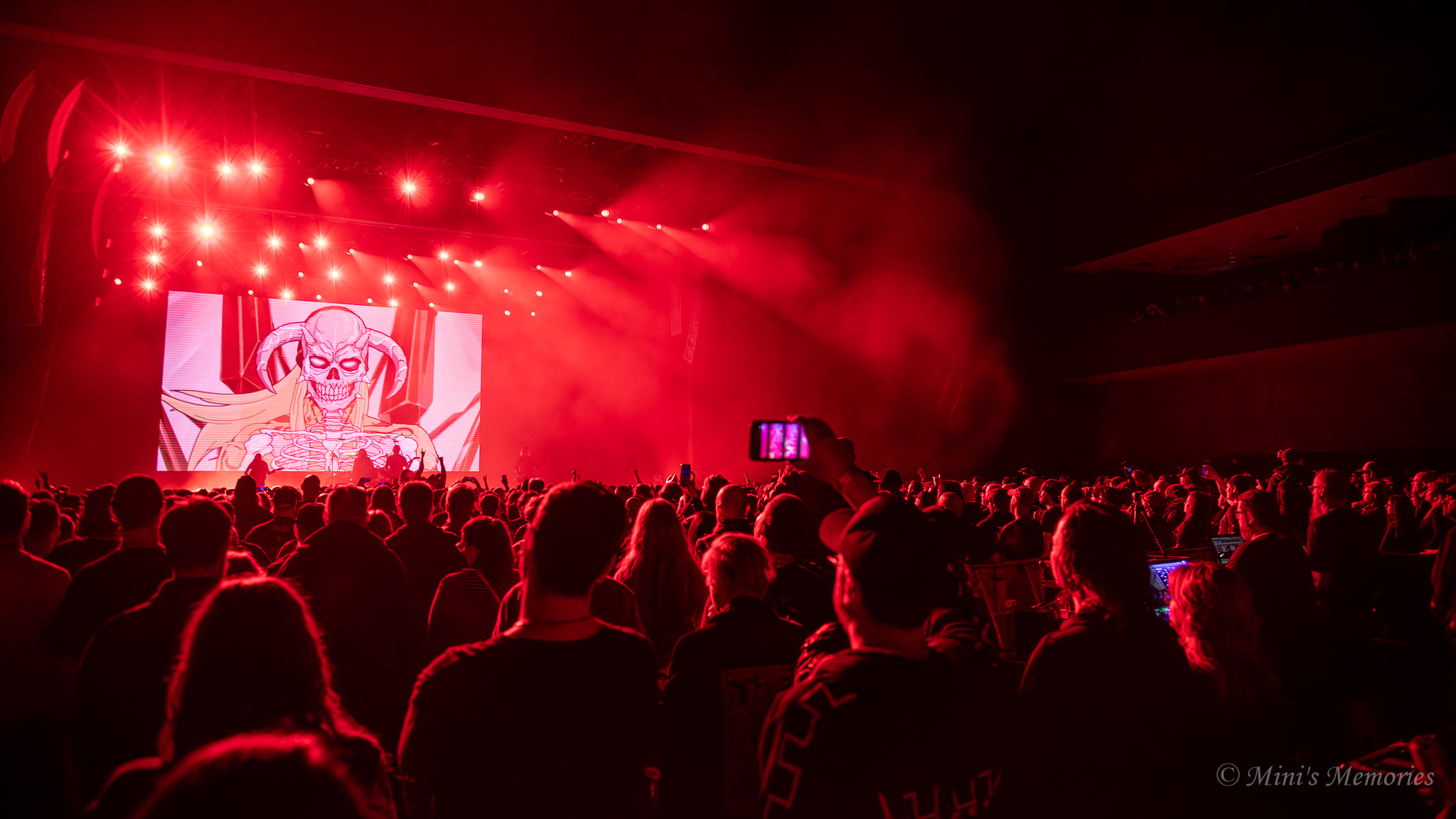
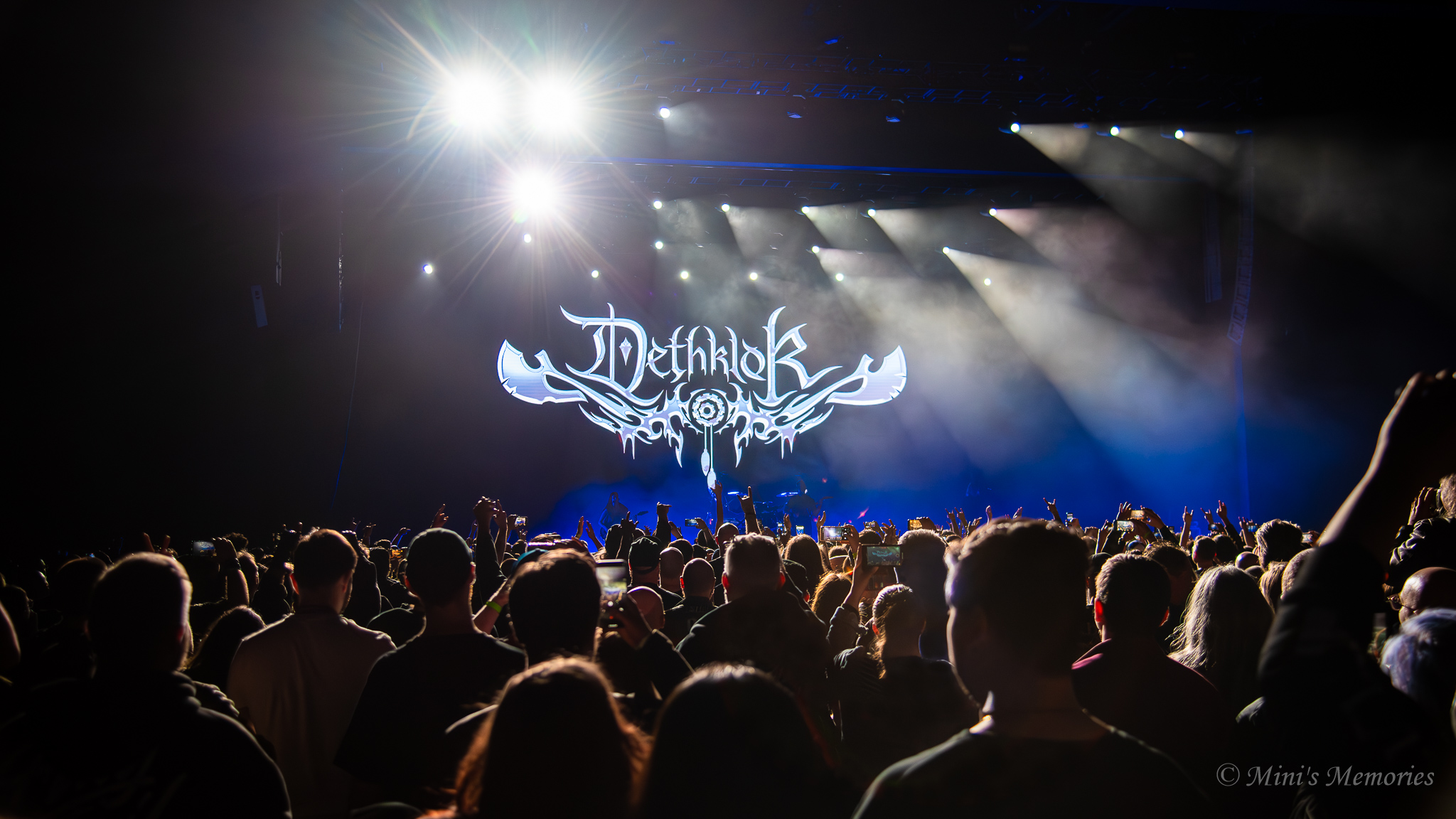
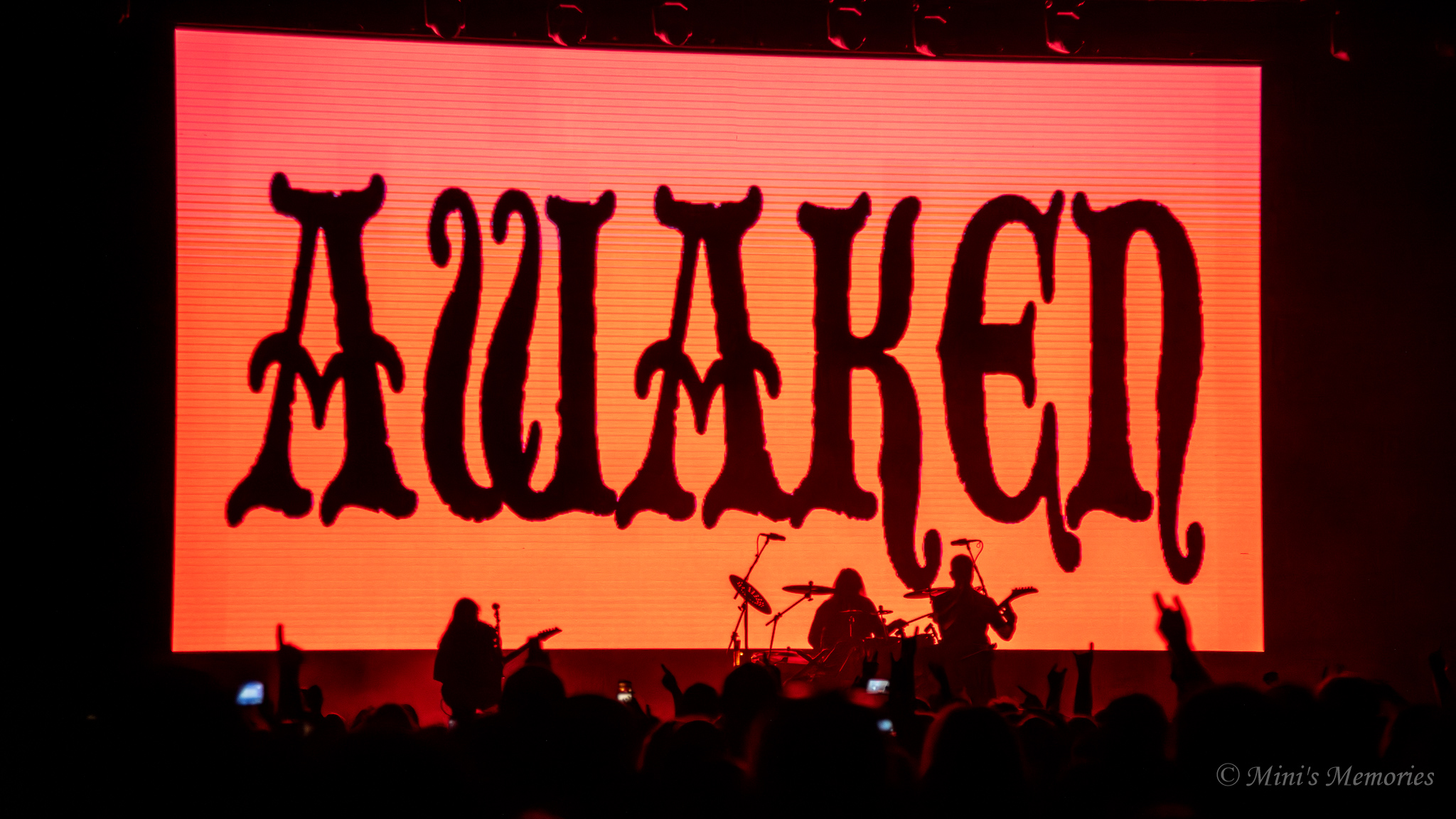
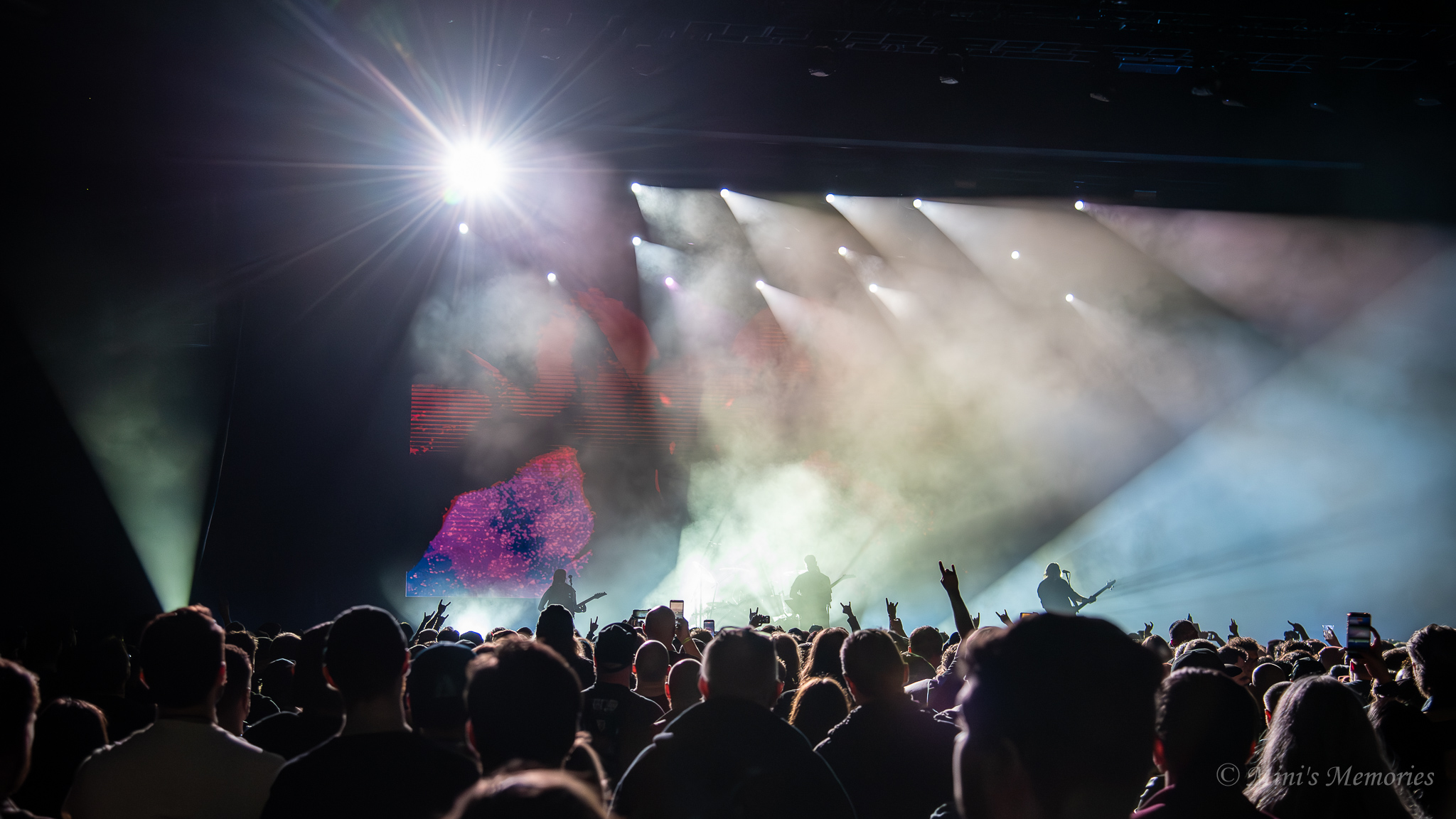
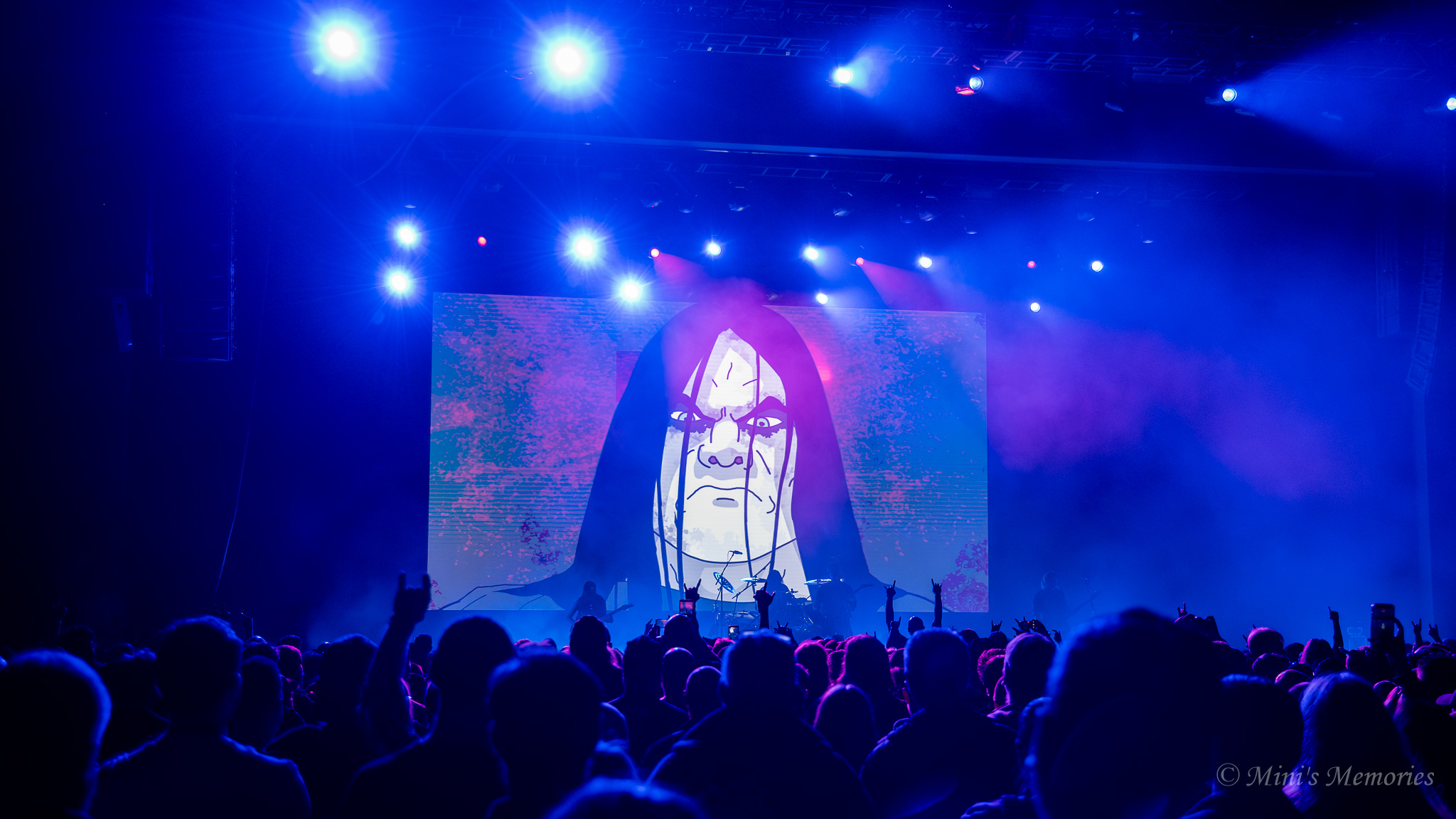
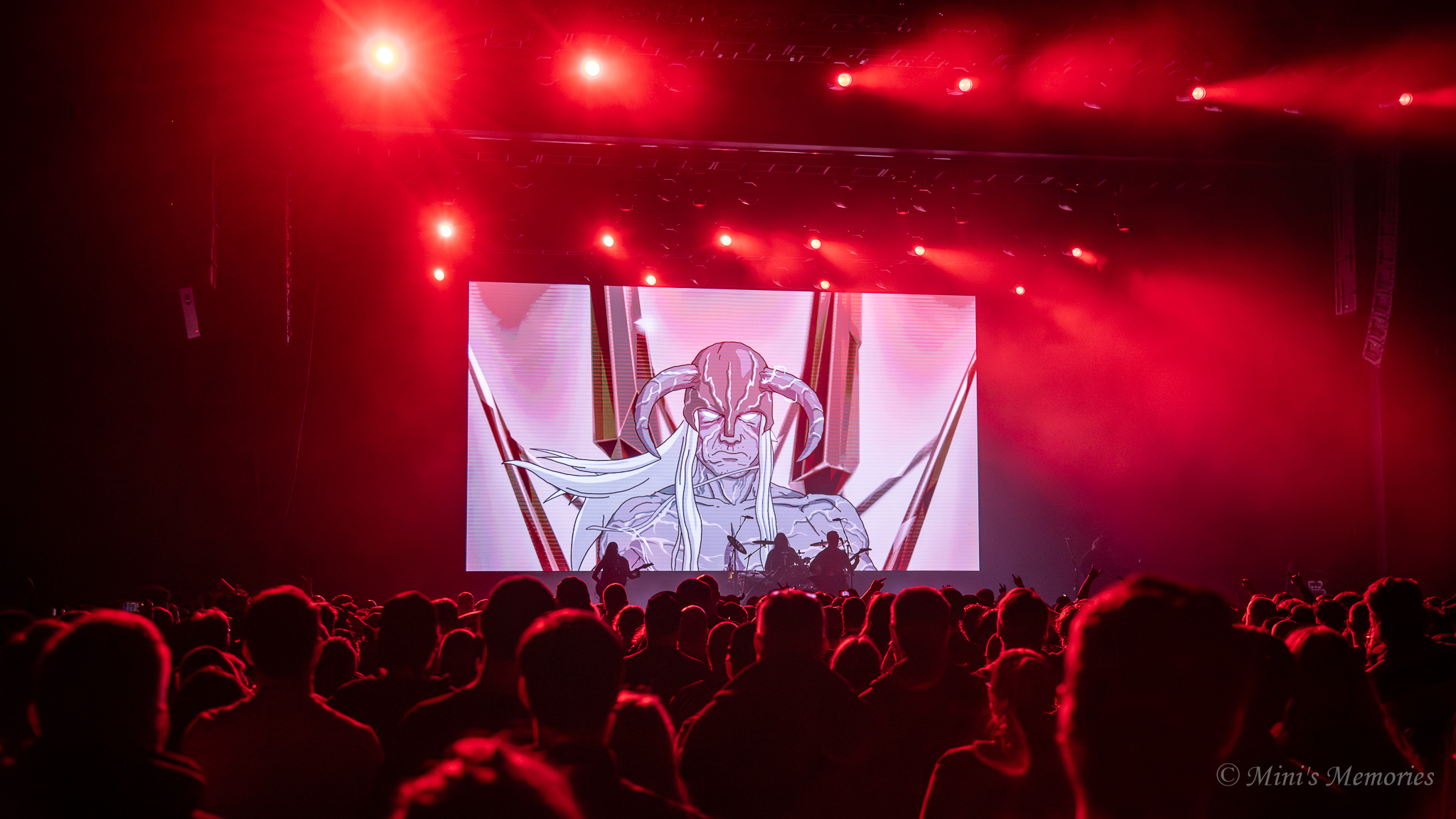
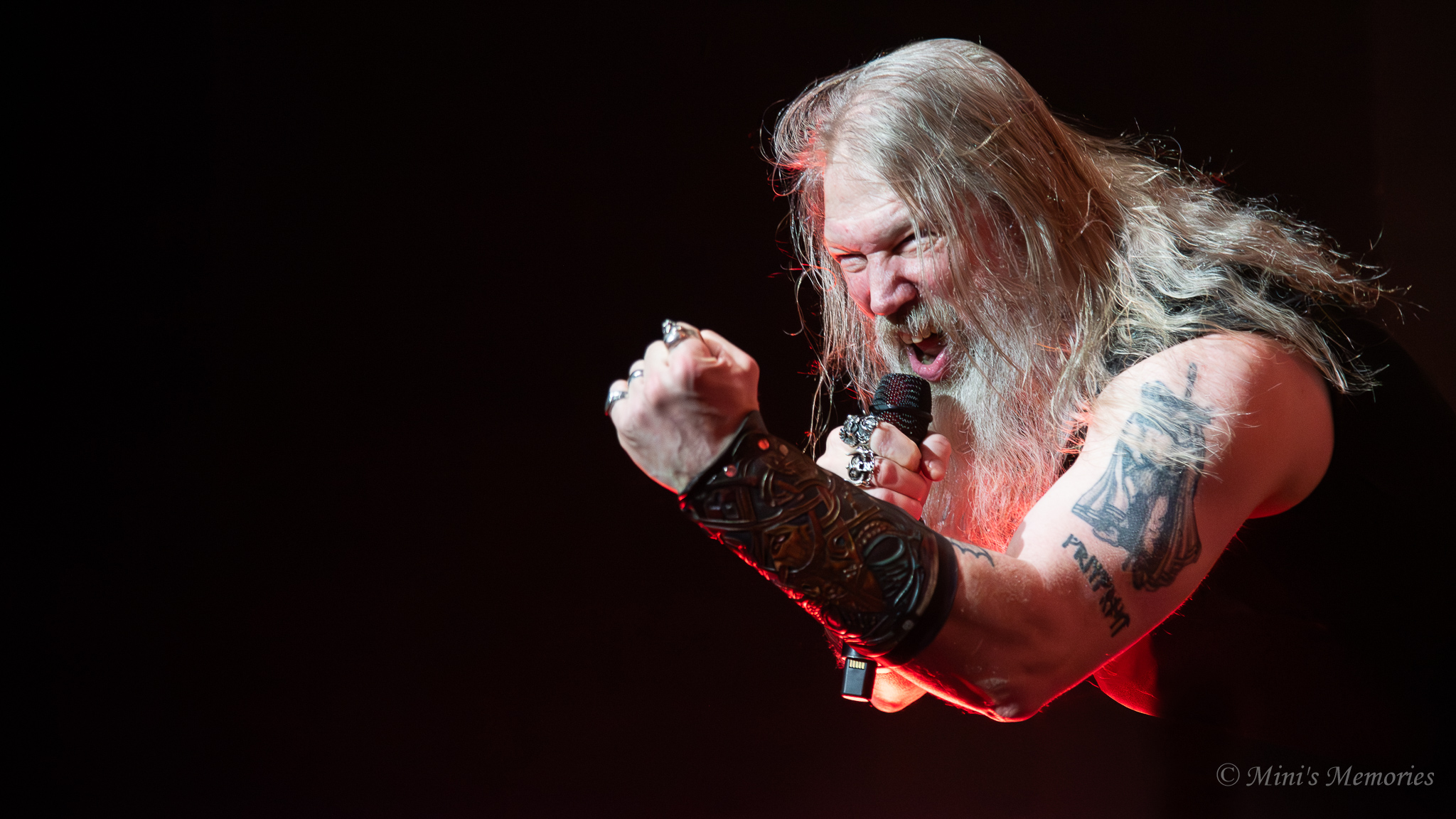
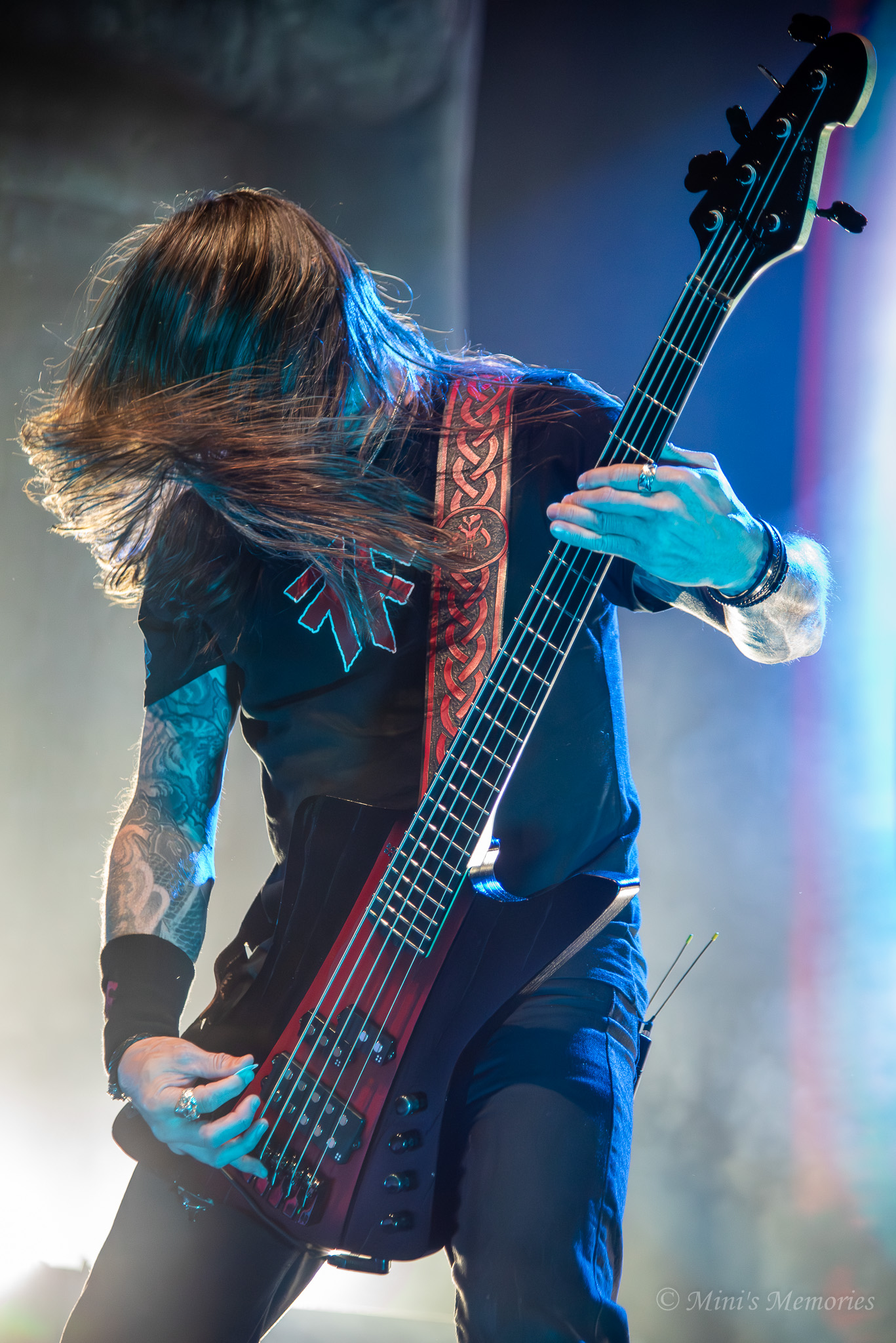
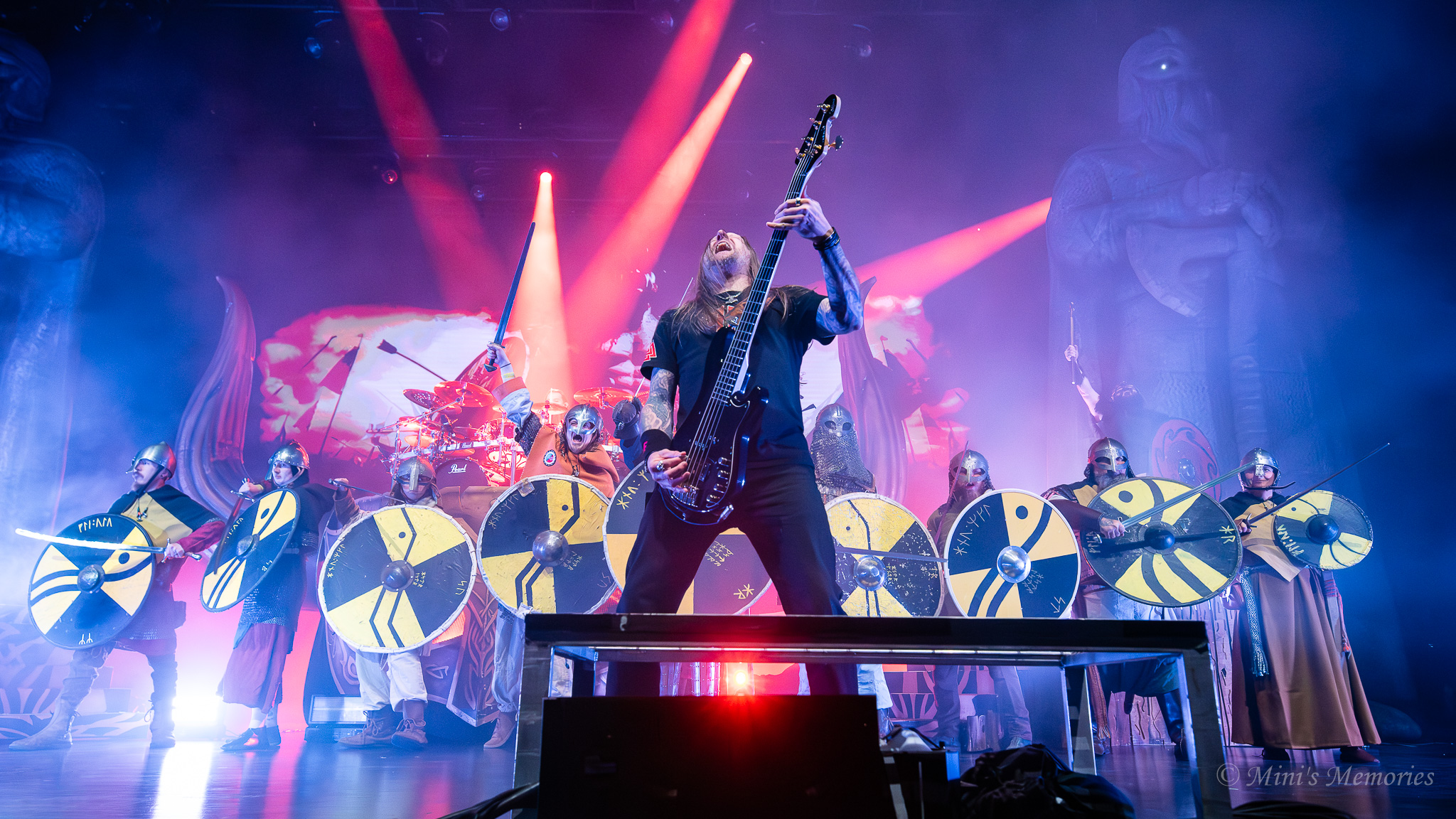
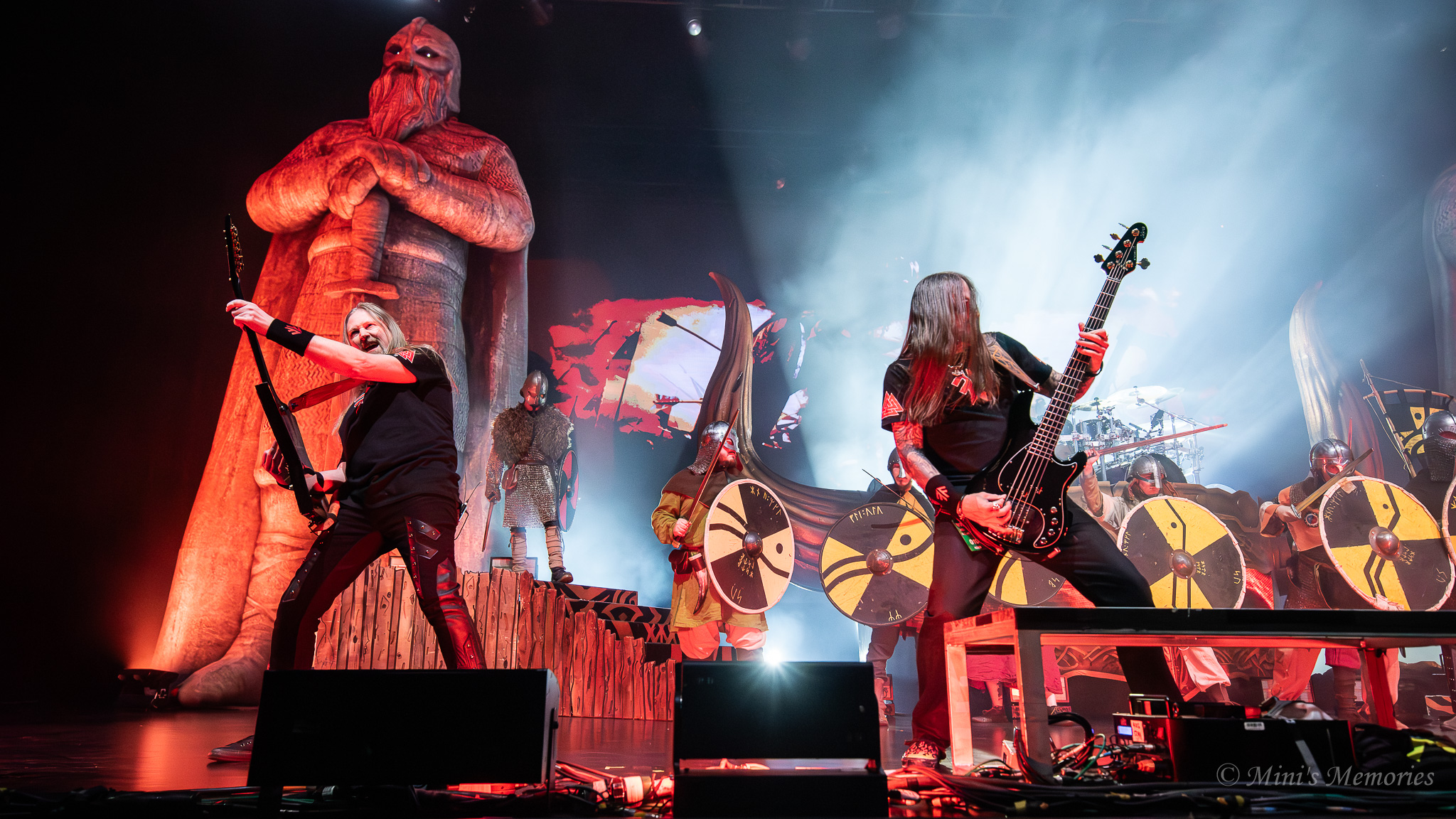
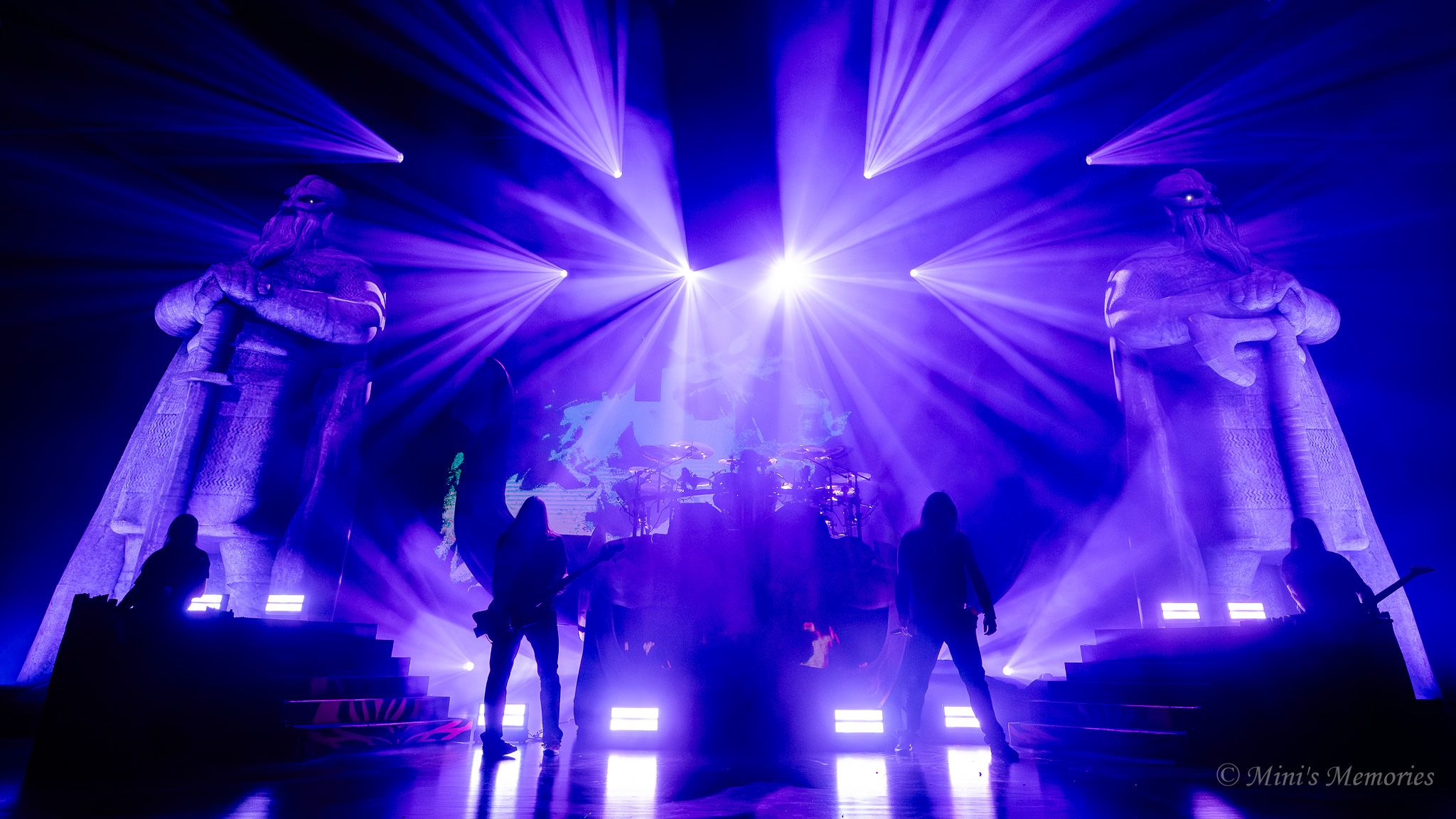
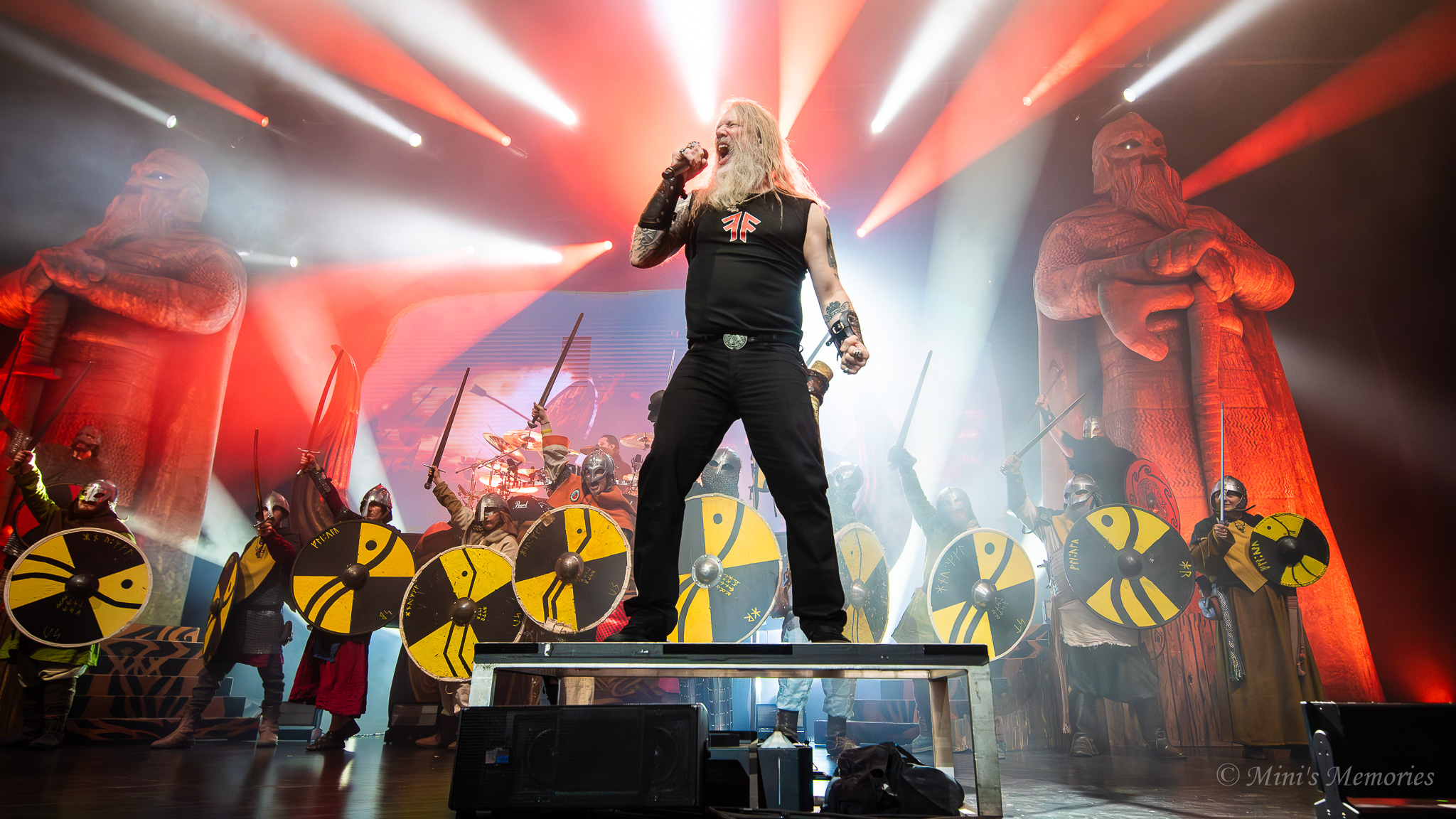
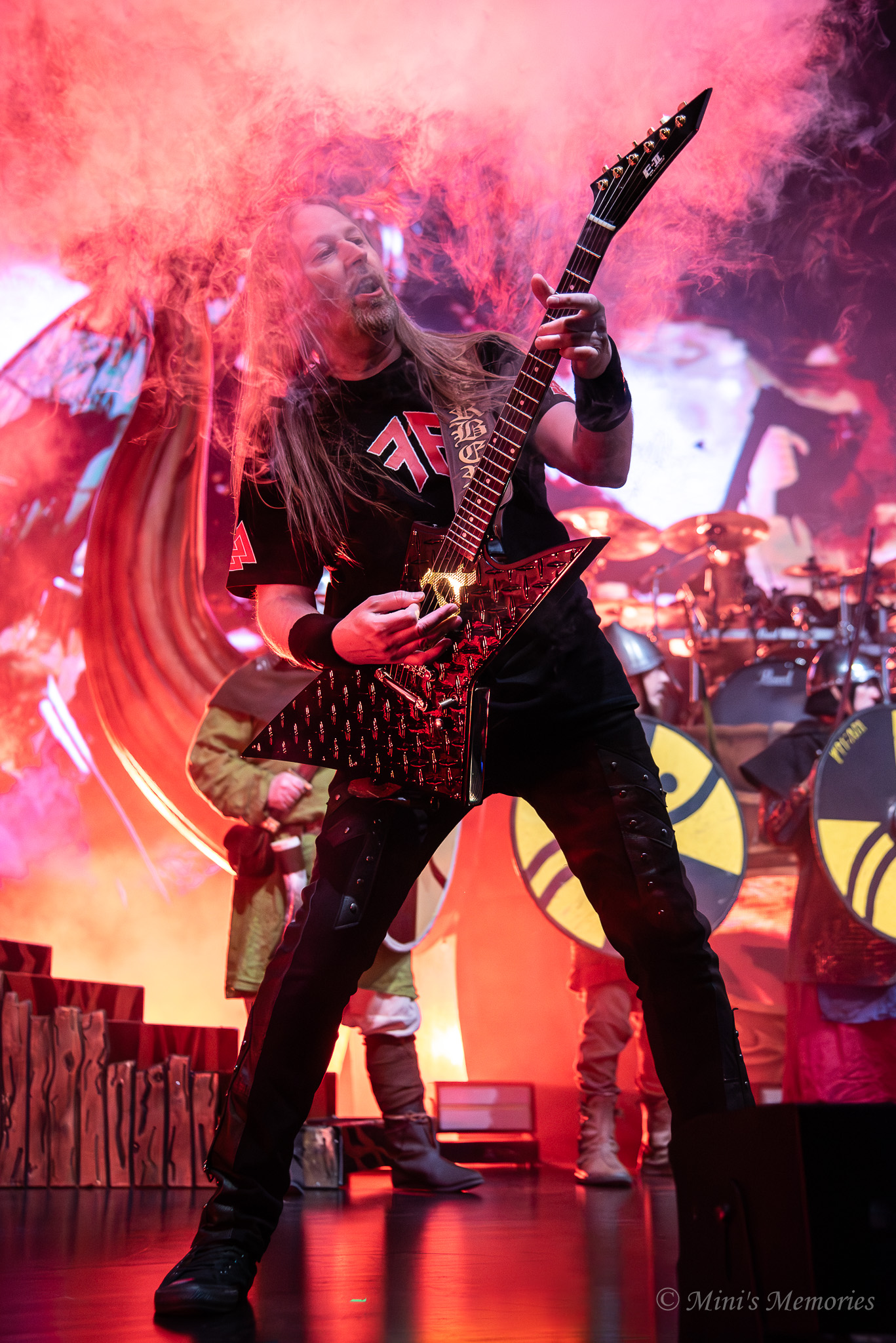
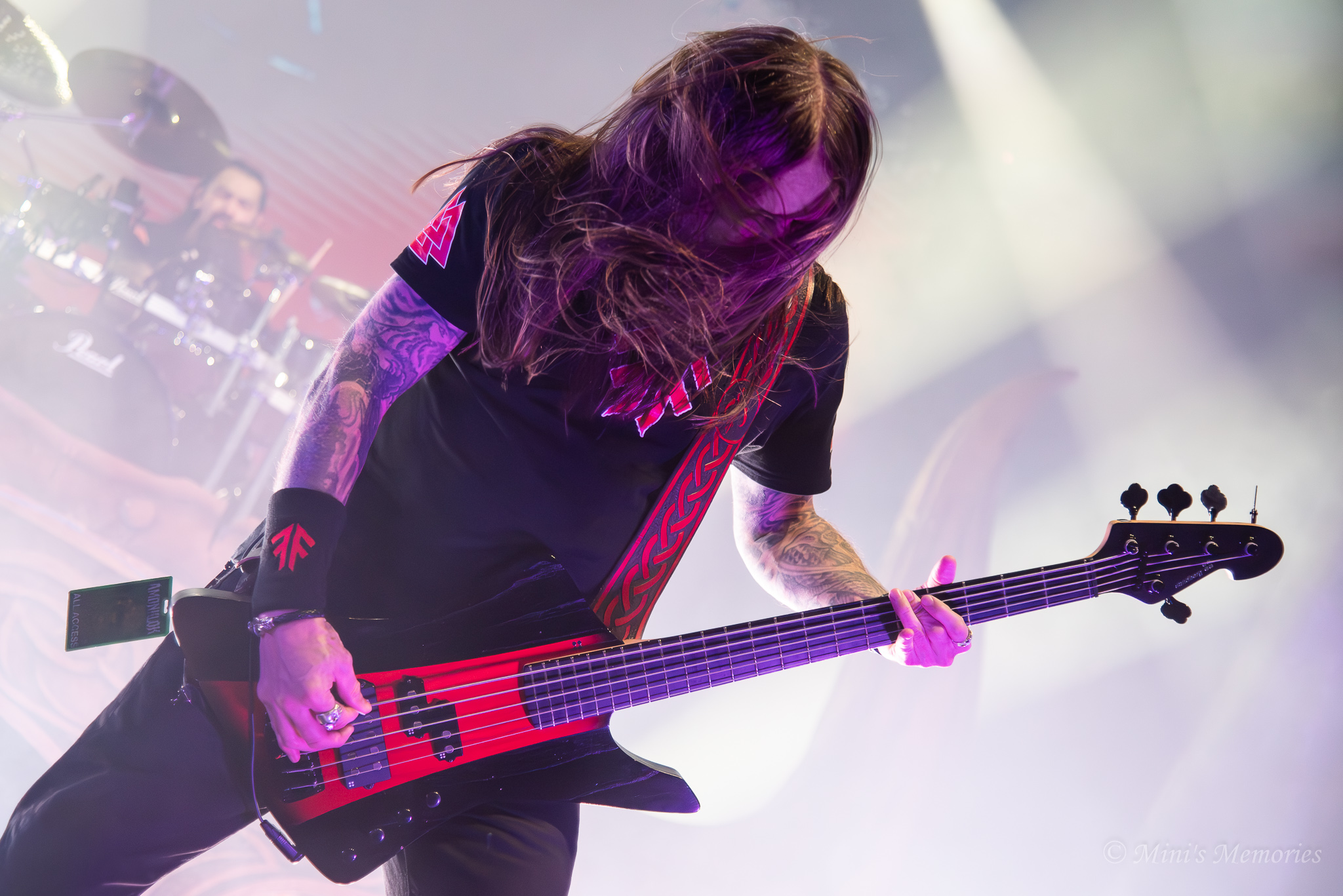
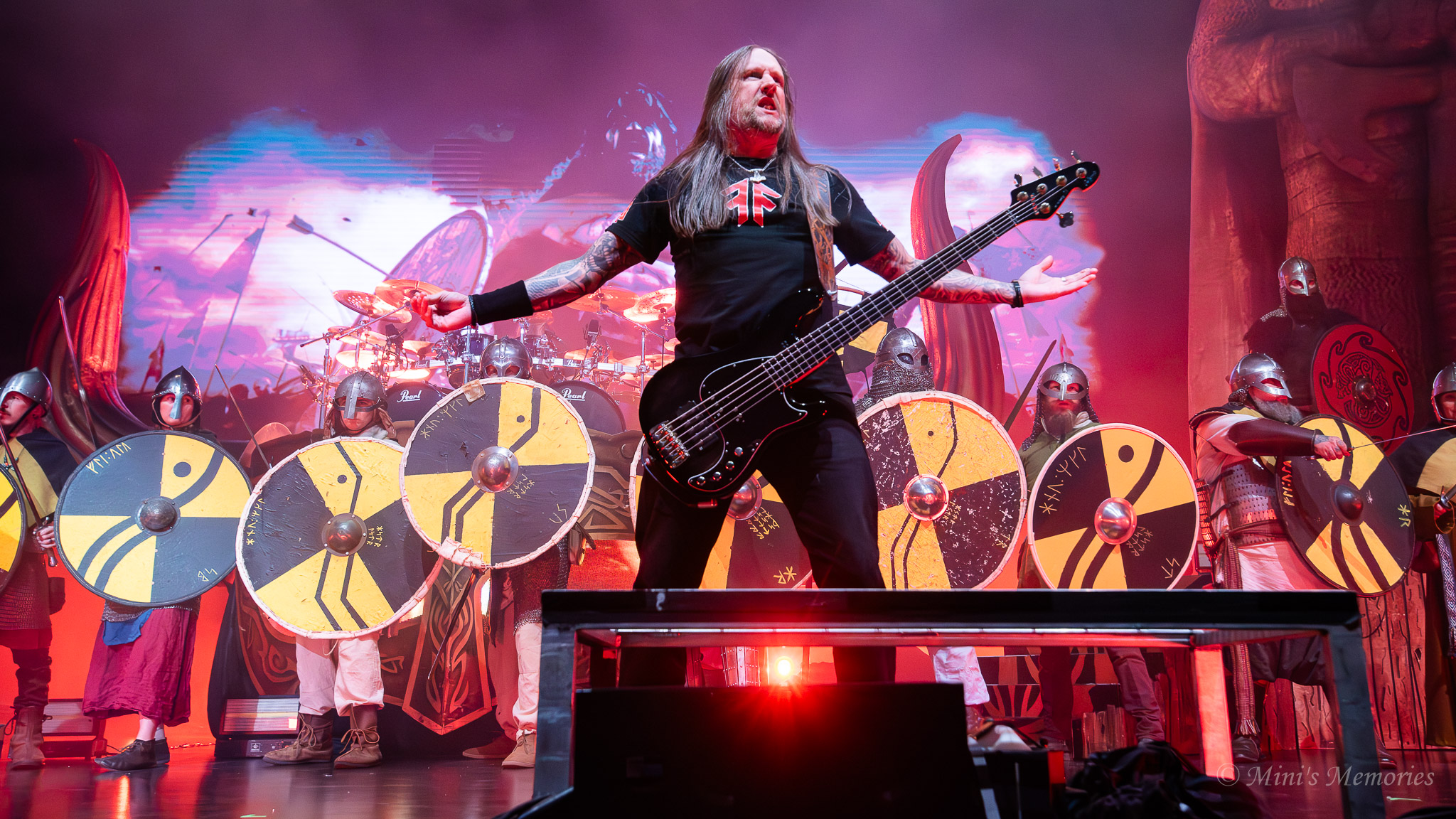
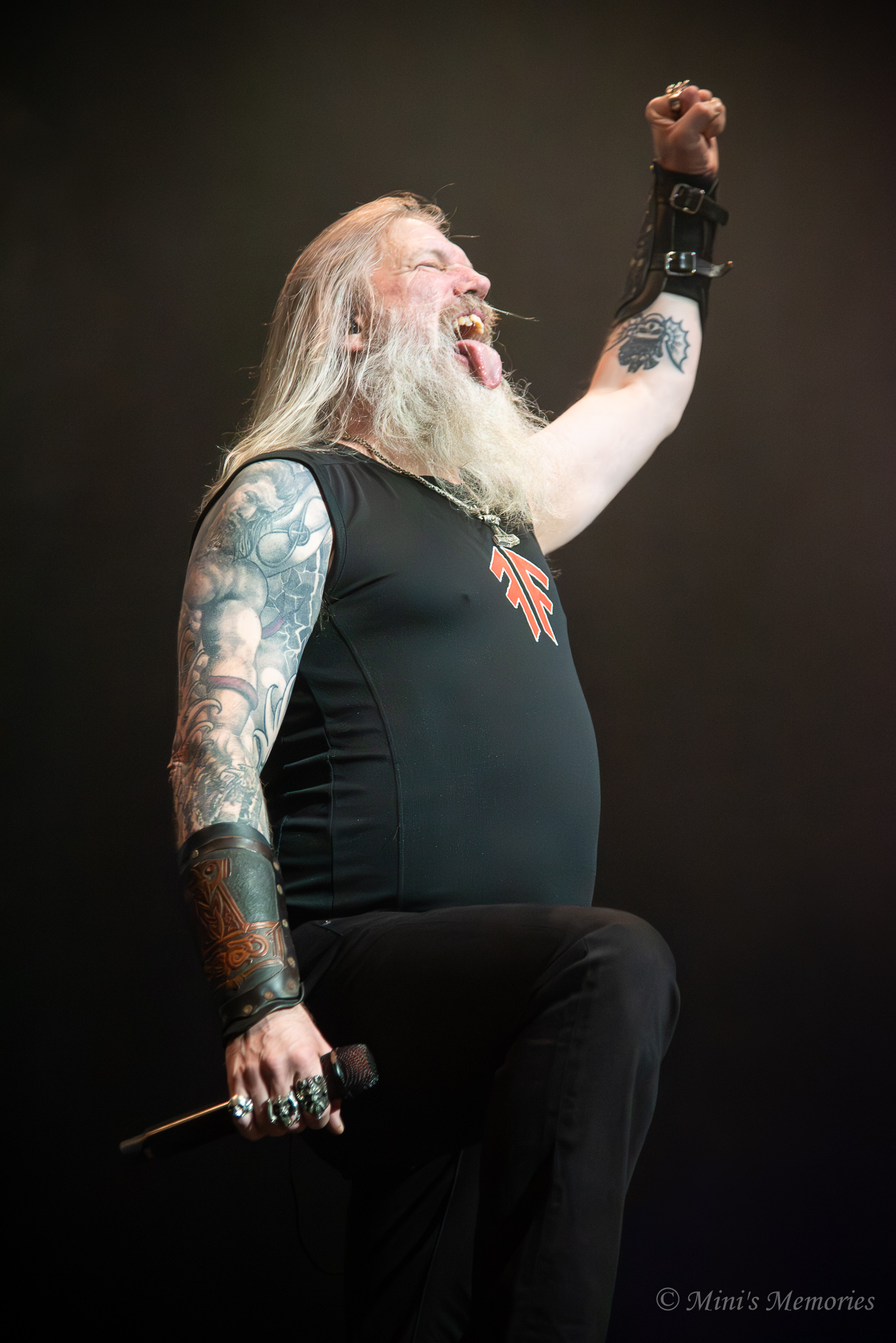
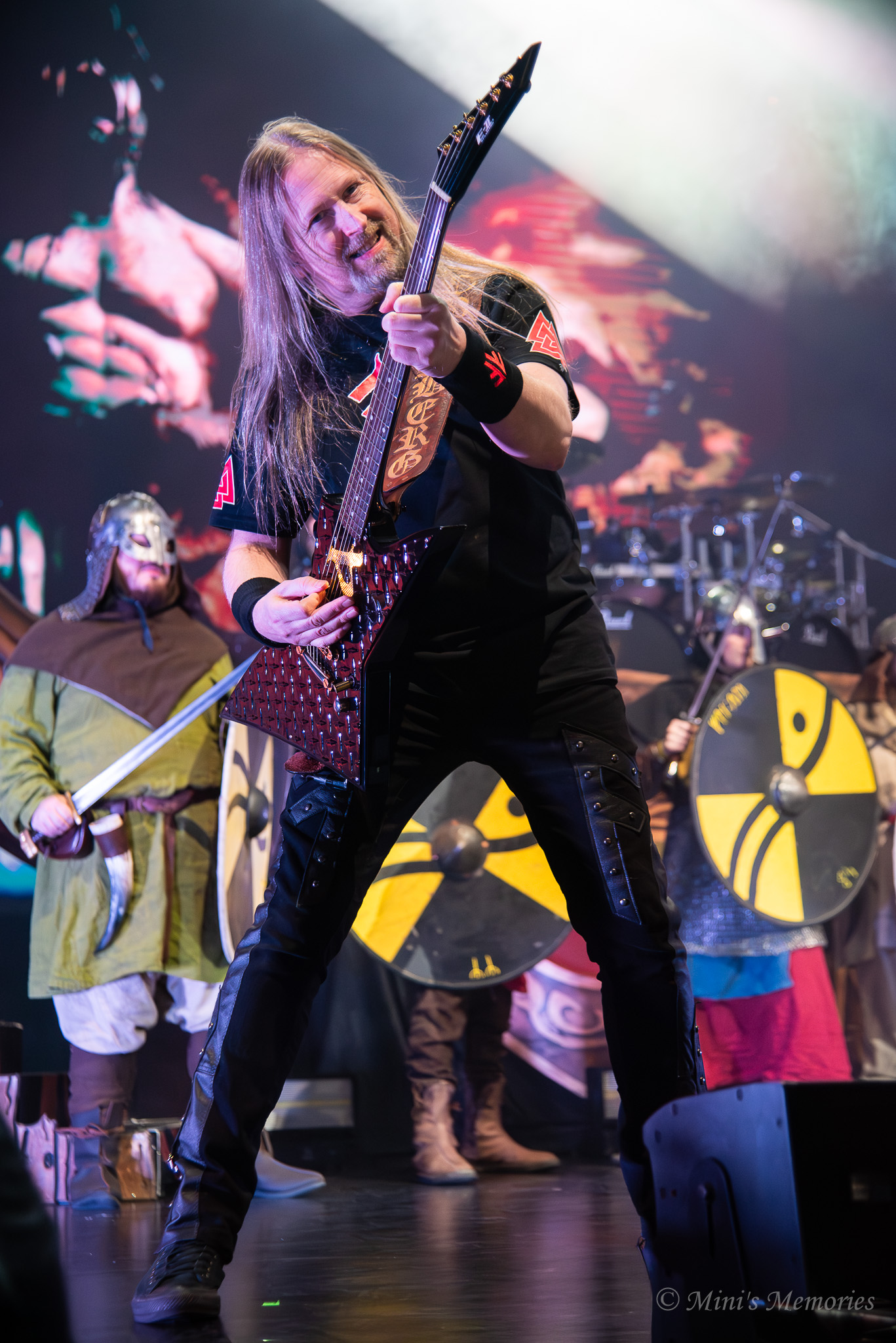
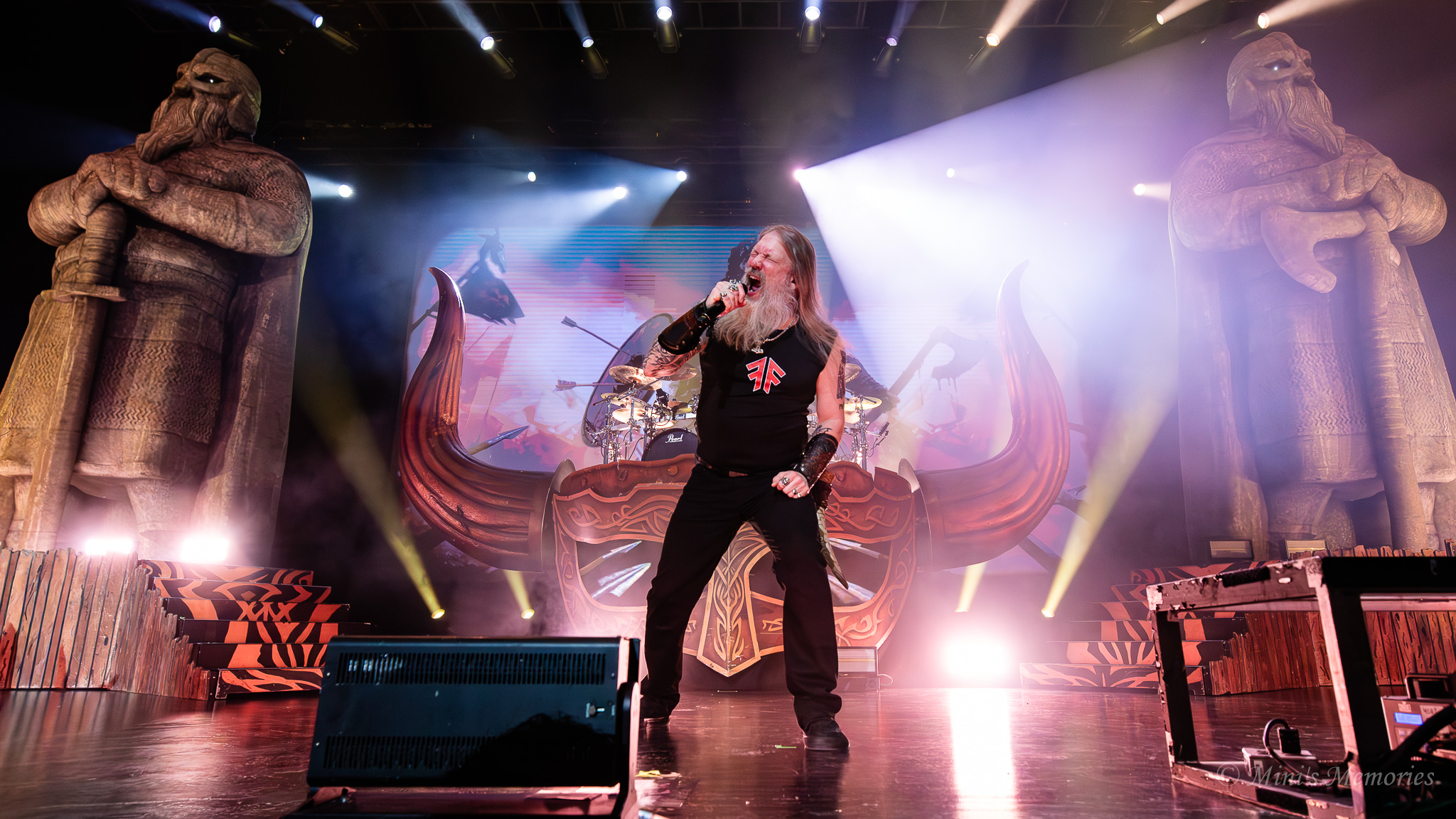
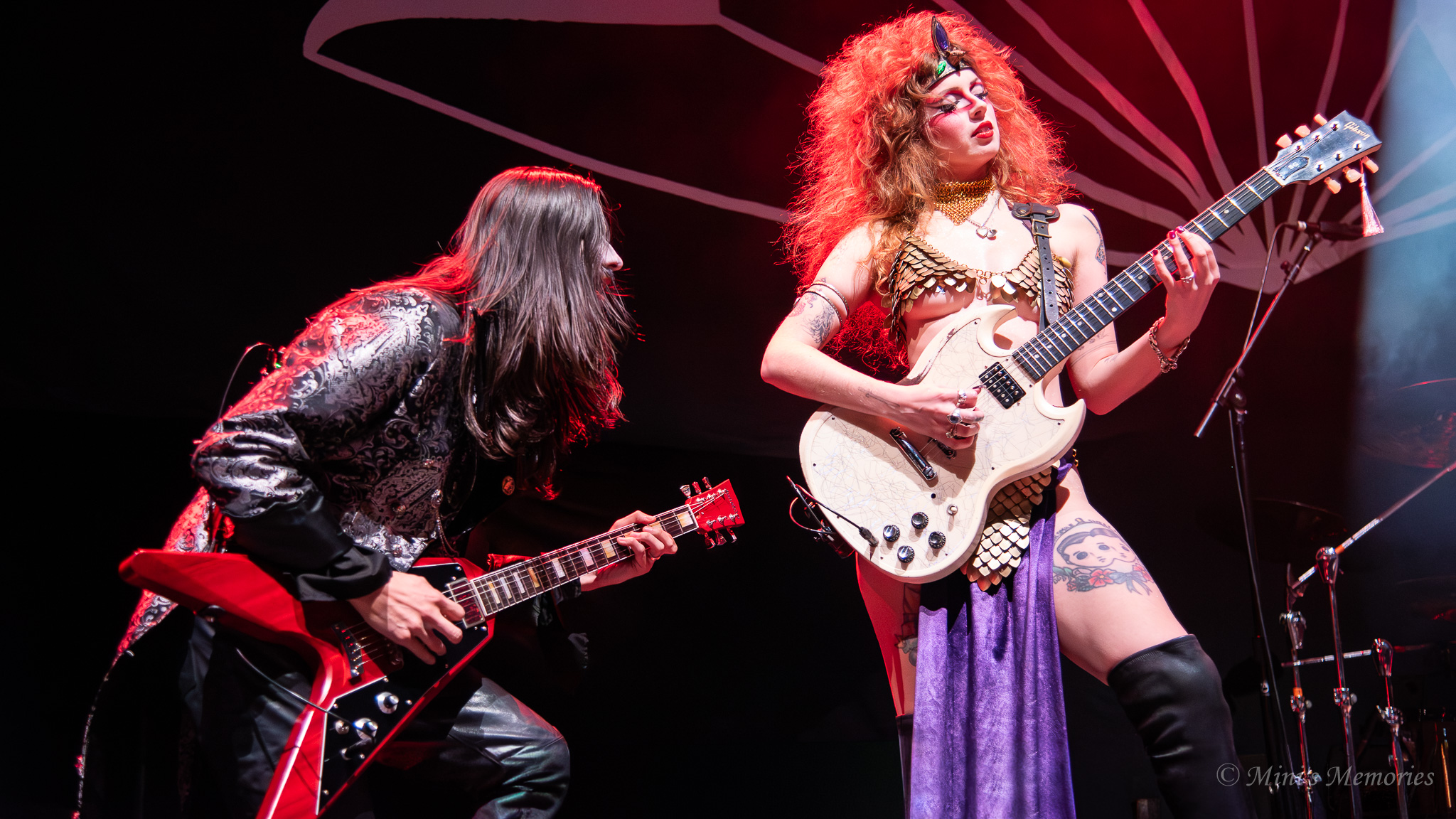
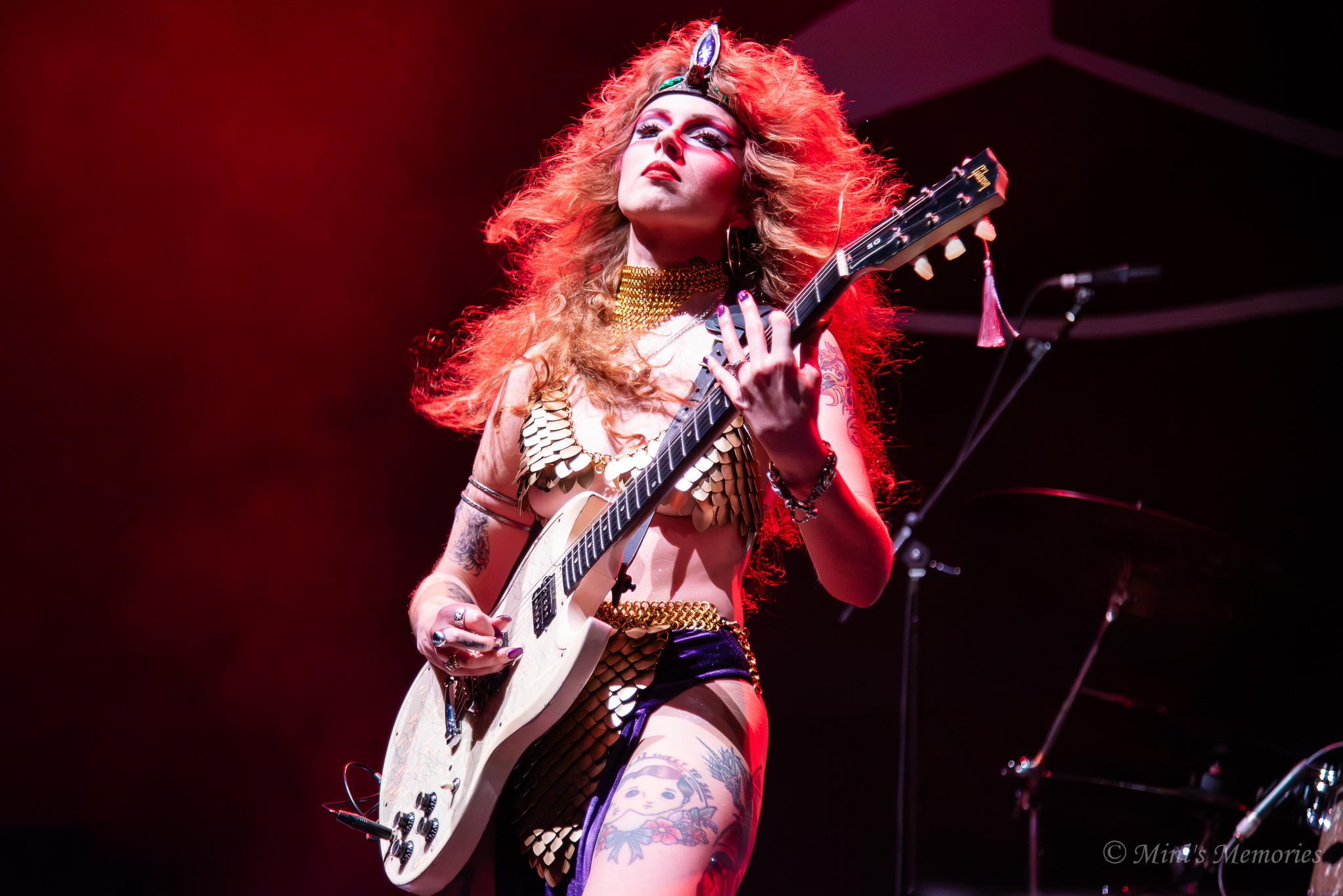
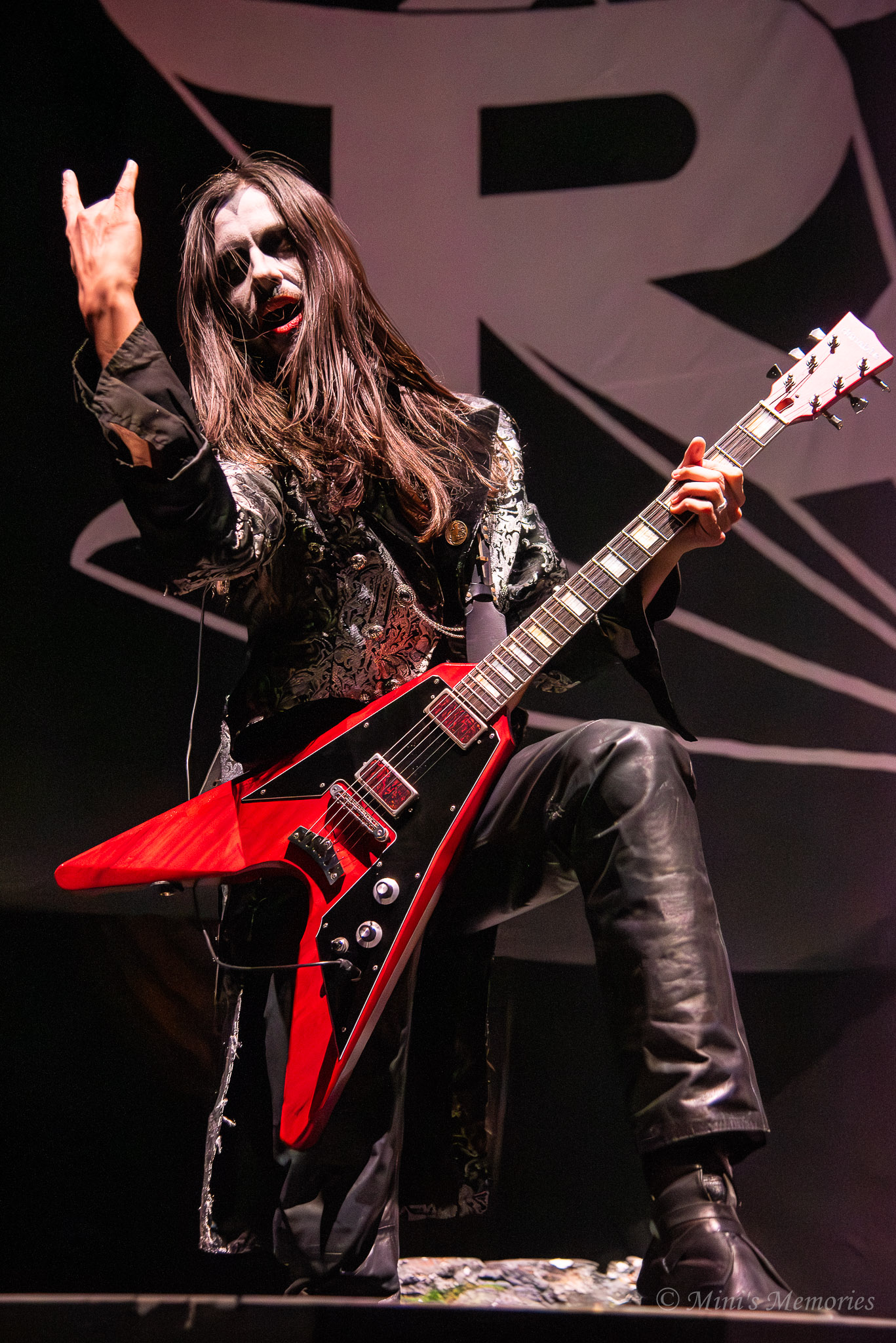
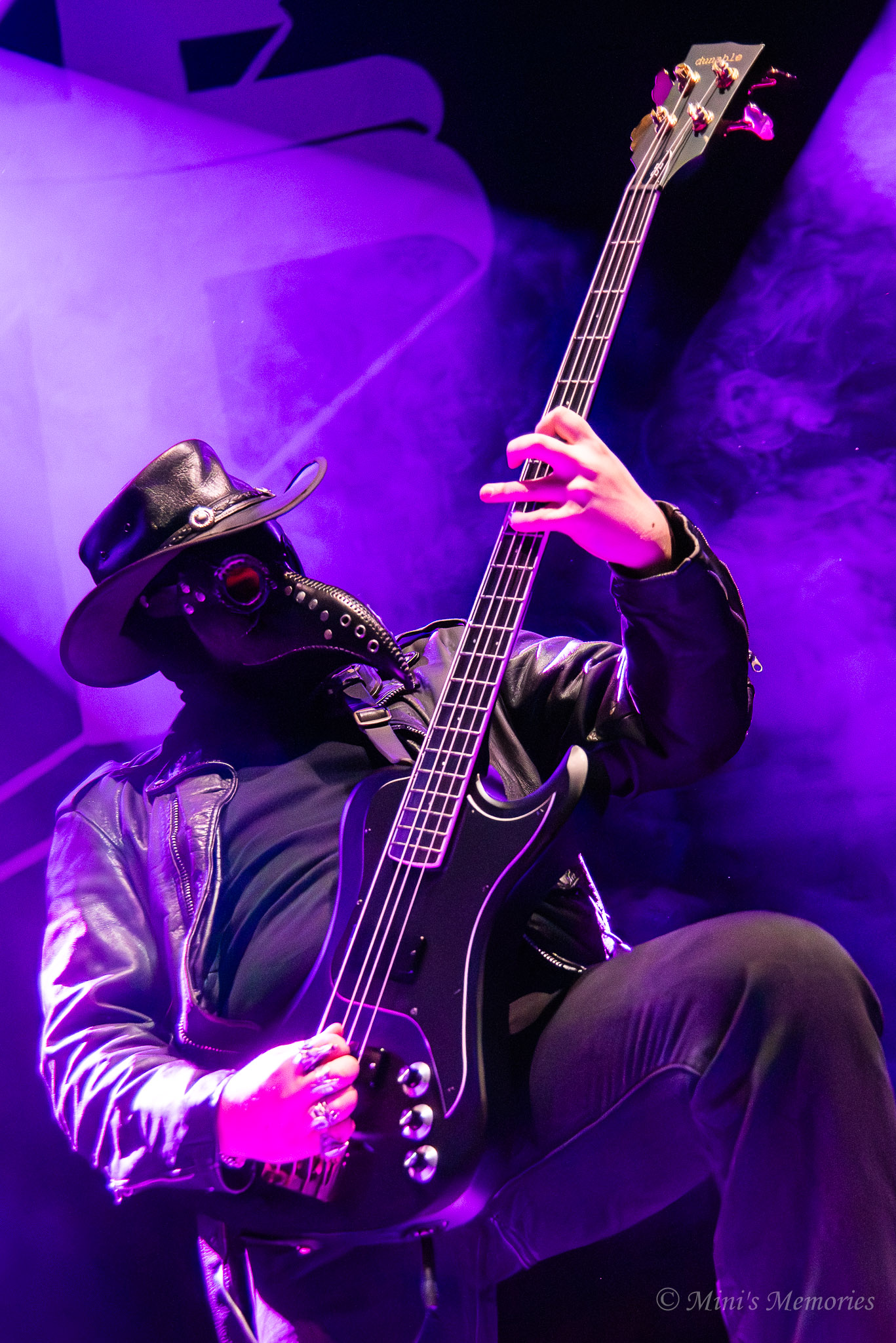
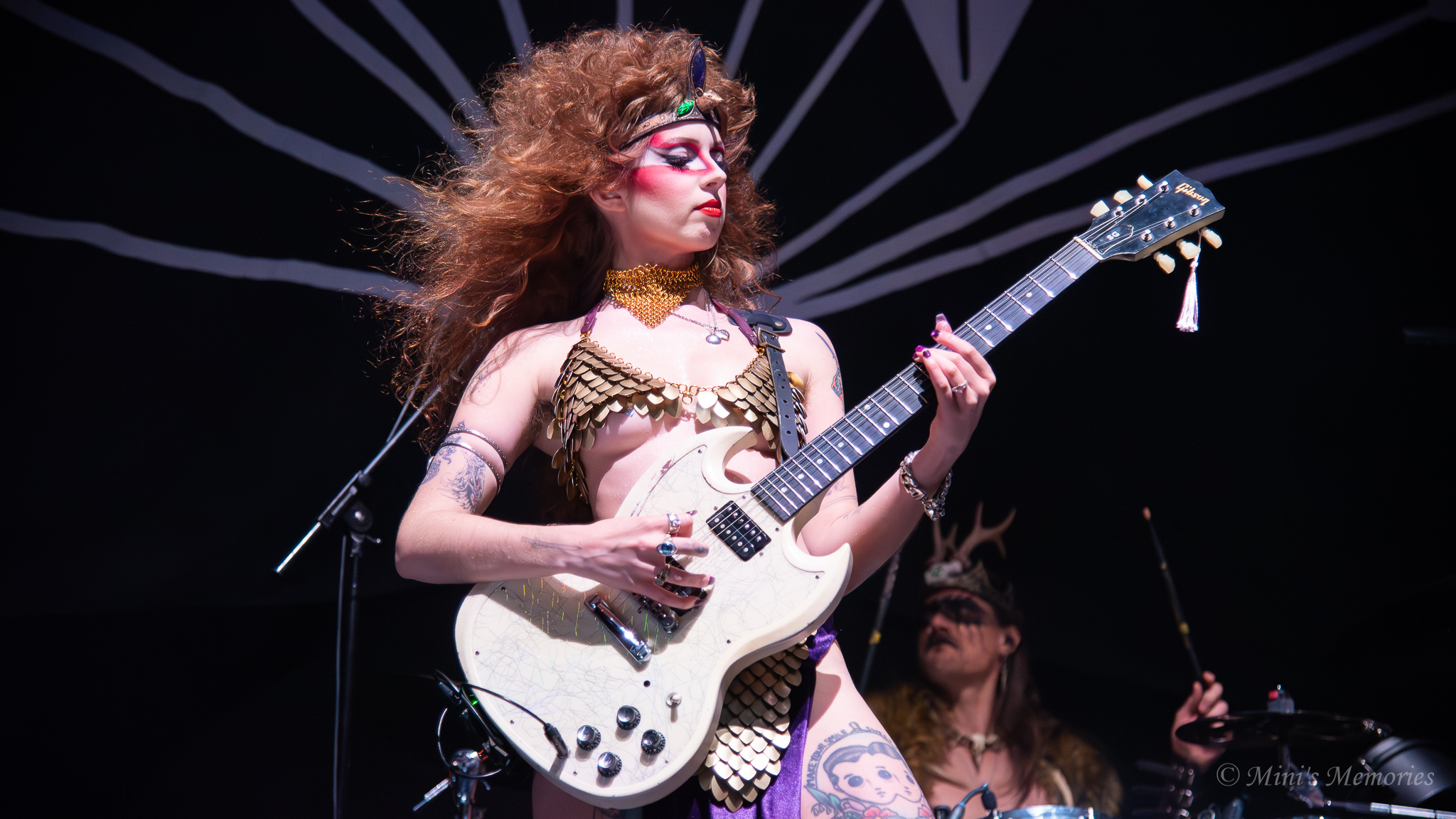
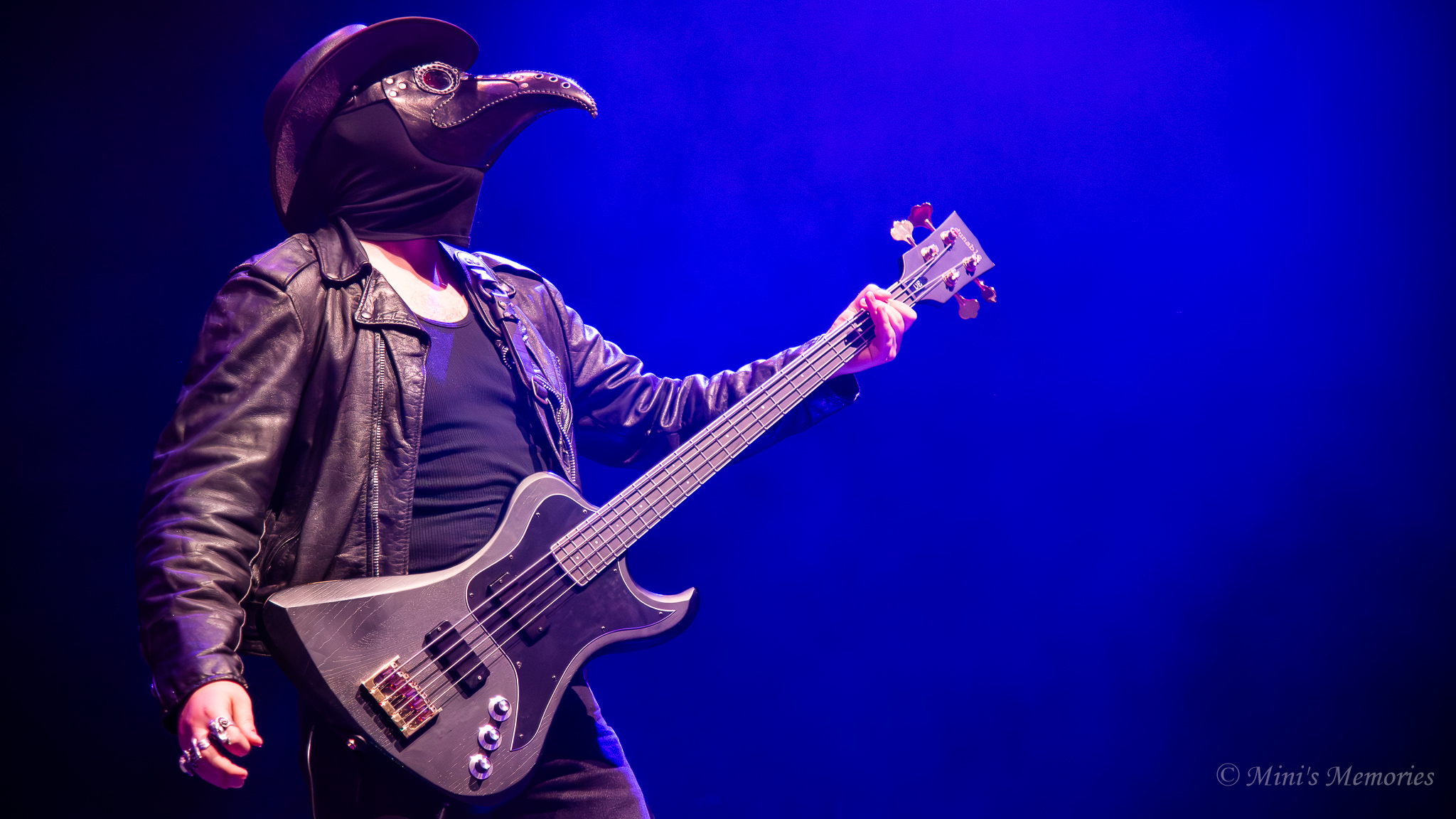
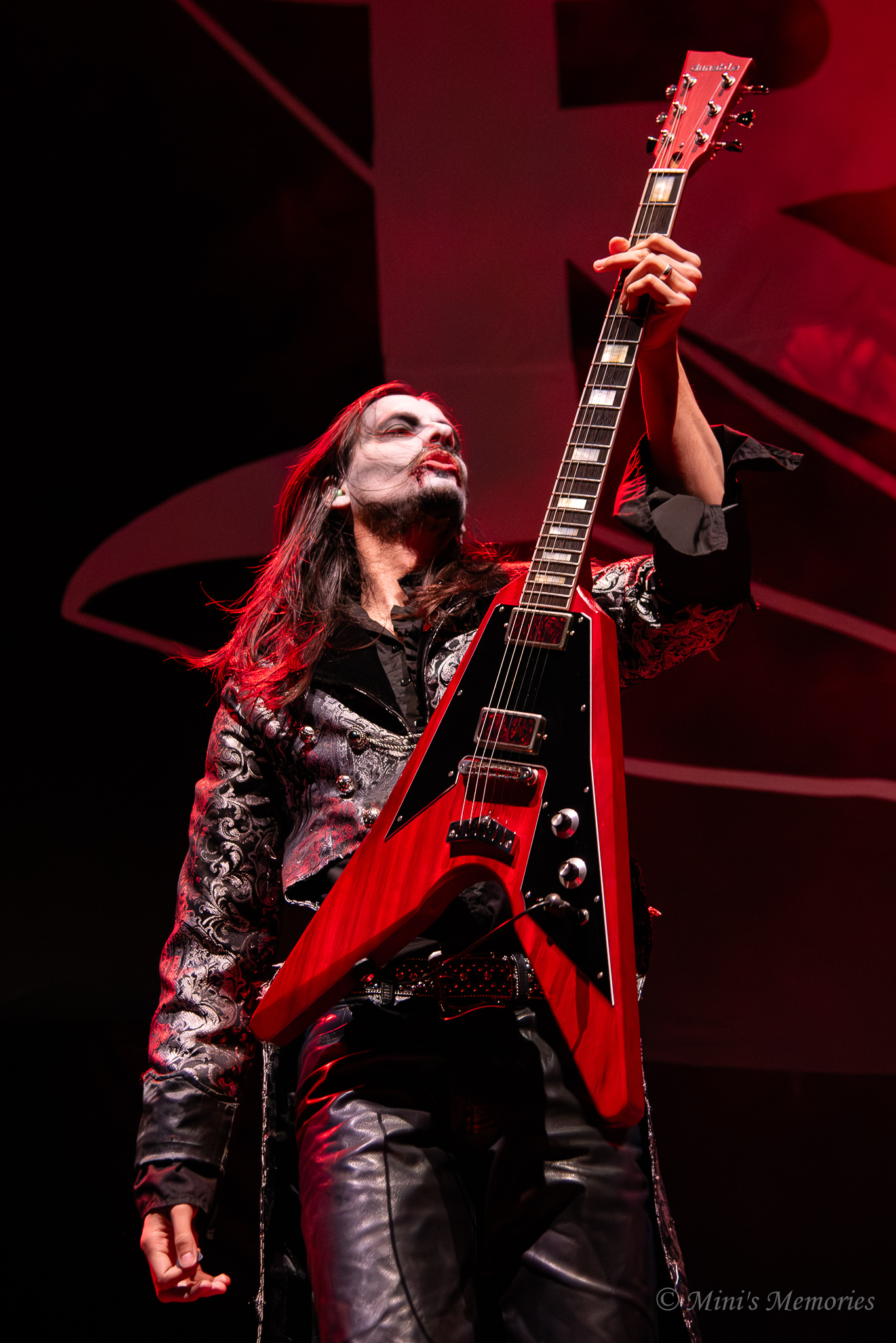
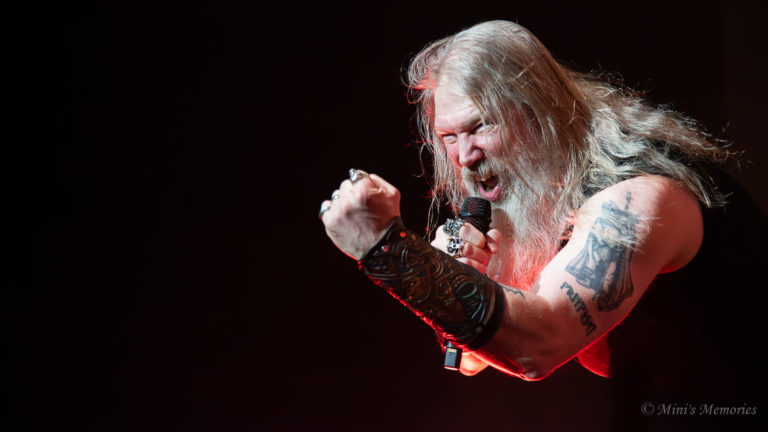
Photo Gallery: Dethklok, Amon Amarth, and Castle Rat at Great Canadian Casino Resort on May 1, 2026

0

All photos by Mini’s Memories. You can contact her through Instagram or X.

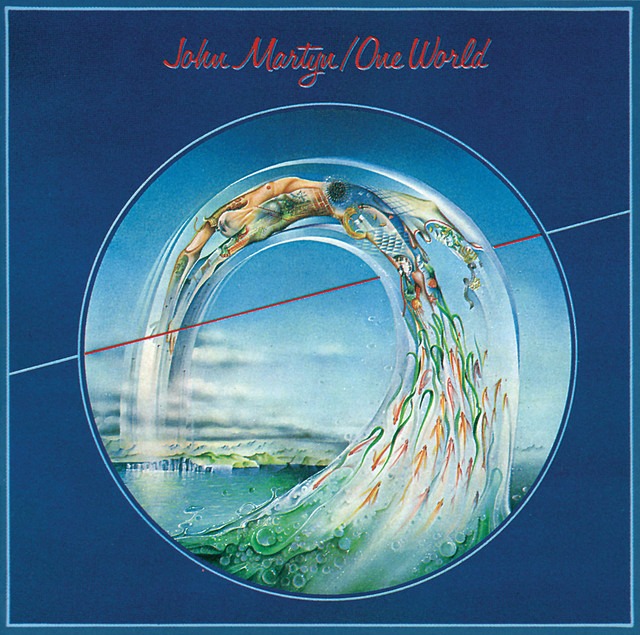
5 Surprising Facts About John Martyn’s ‘One World’

Most people know ‘One World’ as the album that helped invent trip hop before anyone had a name for it. What they don’t know is how it actually got made. Speakers on a punt. Geese on the microphone. Opium at the farm. The story behind John Martyn’s 1977 masterpiece is as strange and beautiful as the record itself.

The Album Was Recorded Outdoors Across a Lake Using Speakers on a Punt

Producer Chris Blackwell didn’t just record ‘One World’ at his Berkshire farm. He put speakers on a punt, floated them into the middle of the surrounding lake, and ran a live feed half a mile from the main farmhouse. Microphones picked up the full ambience of the surroundings, including natural reverb, passing trains, and the farm’s resident geese. Martyn later recalled: “I remember thinking this is fucking wonderful, recording from a speaker a half a mile away across a load of water. That was real ambience.”

“Big Muff” Was Written at Breakfast Over Animal-Shaped Tea Cups

The song co-written with legendary dub producer Lee “Scratch” Perry didn’t emerge from a late-night studio session. It started at a breakfast table when Perry became fixated on tea cups shaped like animals. Martyn recalled Perry going: “Boy, look at the muff on that! Now put this with the pig, see? Now boy, this is one big muff!” The pair wrote the lyrics together on the spot while Martyn added the chords later. Vivien Goldman of Sounds described the result as resembling “a new musical form, jazz-dub.”

“Small Hours” Features a Passing Train That Nobody Planned

The album’s eight-and-a-half minute closing track was recorded outdoors in the early hours of the morning. Blackwell confirmed the sound of geese is audible in the background throughout. At the two-and-a-half minute mark, a train passes by and ends up on the recording. Neither was removed. Blackwell considers the track “one of the best I ever worked on. I think it’s just magical.” Folk musician Ralph McTell was more direct: “If that doesn’t move you, there’s something wrong with you.”

The Album Helped Invent Trip Hop, But Nobody Noticed at the Time

‘One World’ was released at the height of the British punk rock movement in 1977 and was, as Simon Reynolds of The Guardian put it, “gloriously out of step with the UK rock scene.” It took decades for critics to credit the album with helping originate trip hop, a genre that wouldn’t emerge in earnest until the 1990s with Portishead and Massive Attack. World music pioneer Jah Wobble called “Smiling Stranger” a forerunner to Massive Attack’s sound and “one of the great moments in dub.” Brian Boyd of The Irish Times considers it possibly the first album in the genre.

The Album Only Charted Because of a BBC Television Performance

‘One World’ was Martyn’s first album to chart in the UK, reaching number 54, but it needed a specific television moment to get there. On January 10, 1978, Martyn performed at the Collegiate Theatre in London for a special edition of the BBC’s Old Grey Whistle Test dedicated entirely to introducing his music to a wider audience. Presenter Bob Harris introduced it the same night it aired. The album debuted on the chart that week and left after one week. Without that broadcast, it likely would have disappeared entirely.

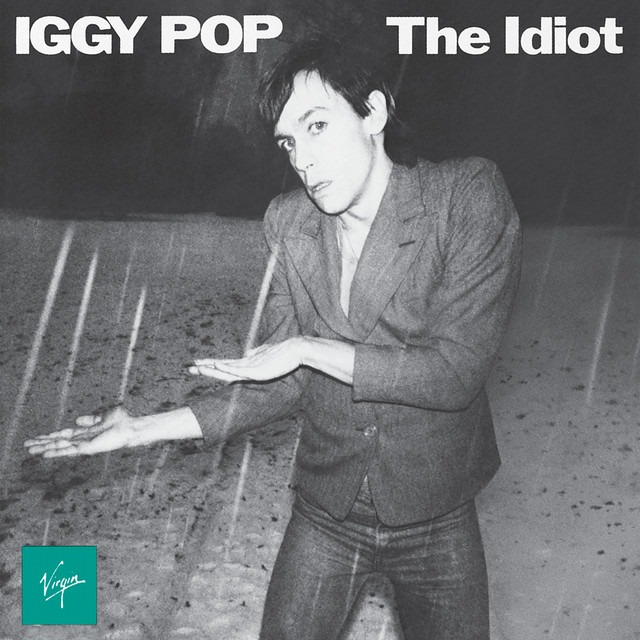
5 Surprising Facts About Iggy Pop’s ‘The Idiot’

David Bowie called Iggy Pop a guinea pig. Pop called the album his “album of freedom.” One critic called it “a funky, robotic Hellhole.” Whoever was right, ‘The Idiot’ is one of the strangest, most influential debut solo albums ever made, and the story behind it is even wilder than the record itself.

Bowie Finished His Own Album First So Nobody Would Think He Stole From Iggy

‘The Idiot’ was completed by August 1976, but RCA didn’t release it until March 1977. Why the wait? Bowie wanted his own album, ‘Low,’ in stores first. The château’s former owner Laurent Thibault put it plainly: Bowie didn’t want people thinking he’d been inspired by Iggy’s record, even though, as Thibault noted, “it was all the same thing.” Bowie recorded ‘Low’ between September and October 1976, released it in January 1977, and only then did ‘The Idiot’ follow two months later.

The Drummer Thought He Was Playing on Demos

Michel Santangeli was hired to play drums at the Château d’Hérouville and was given minimal guidance. For two days, he played to what he assumed were rough demo tracks. He was wrong. Those first takes became part of the final mix. Bowie dismissed him at the end of the second day, leaving Santangeli convinced his playing had been rejected. He later expressed regret over the final drum sound, not knowing his work was already on the record.

“Nightclubbing” Was Built Around a Drum Machine Because Iggy Refused Real Drums

When Bowie finished the music for “Nightclubbing,” he insisted real drums were needed to complete it. Iggy Pop refused. Pop had written the lyrics on the spot in ten minutes, Bowie suggesting he write about “walking through the night like ghosts,” and he was done. He told Bowie the Roland drum machine “kicks ass, it’s better than a drummer.” The machine stayed. Nine Inch Nails later used a modified sample of that same Roland bass drum on their 1994 hit “Closer.”

“China Girl” Was Inspired by a Woman Who Didn’t Speak the Same Language as Iggy

During recording at the château, French actor and singer Jacques Higelin visited with his Vietnamese girlfriend Kuelan Nguyen. Pop had a brief affair with Nguyen despite the fact that the two did not share a common language, communicating only through gestures and expressions. Pop improvised the lyrics for “China Girl” while standing at the microphone, and the protagonist’s whispered “Shhh…” in the song was a direct quote from Nguyen after Pop confessed his feelings for her one night.

Ian Curtis Was Playing ‘The Idiot’ When He Died

Joy Division formed in the months between the releases of ‘Low’ and ‘The Idiot,’ and both records hit them hard. ‘The Idiot’ directly shaped the industrial soundscapes and relentless percussion of their debut album ‘Unknown Pleasures’ (1979). The connection runs deeper than influence though. When Joy Division singer Ian Curtis was found having died by suicide in May 1980, ‘The Idiot’ was still playing on the turntable.

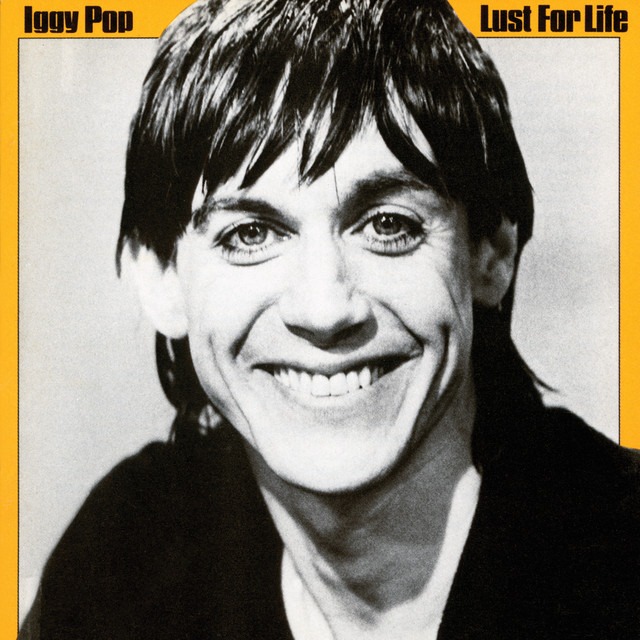
5 Surprising Facts About Iggy Pop’s ‘Lust For Life’

If you know Iggy Pop’s “Lust for Life,” you probably know it from a cruise ship commercial, a Trainspotting montage, or that moment someone plays it at a party and everyone suddenly feels invincible. But the story behind the album is far stranger and more fascinating than the song’s second life as a motivational anthem suggests. Here are five facts about the 1977 classic that might genuinely surprise you.

The Whole Album Was Written, Recorded, and Mixed in Eight Days

Iggy Pop said it himself. Eight days. The entire record, done. Pop, David Bowie, and the band moved into Hansa Studio by the Wall in West Berlin in May 1977 and came out the other side with one of rock’s most enduring albums. They had money left over from the advance, which Pop and Bowie split.

The Famous Opening Drumbeat Was Inspired by a Morse Code Broadcast

That iconic driving rhythm on “Lust for Life,” the one Joy Division’s Stephen Morris said he “wanted to sound like, still do,” wasn’t born from pure rock instinct. Bowie based the riff on the Morse code opening of the American Forces Network news in Berlin, which the two caught while waiting for a broadcast of Starsky and Hutch.

“The Passenger” Was Written by the Guitarist, Not Bowie

Most people assume Bowie’s fingerprints are all over every corner of the album. But the music for “The Passenger” was composed entirely by guitarist Ricky Gardiner, who came up with the riff while wandering through the countryside “in the field beside an orchard, on one of those glorious spring days with the trees in full blossom.” Pop wrote the lyrics largely on the spot in the studio.

The Band Swapped Instruments for One Track

For the impromptu “Fall in Love with Me,” the band shuffled positions entirely. Hunt Sales moved from drums to bass, Tony Fox Sales moved from bass to guitar, and Ricky Gardiner, normally the lead guitarist, played drums. It started as a jam and Pop wrote the lyrics around it afterward.

RCA Buried the Album Because Elvis Presley Died

‘Lust for Life’ received almost no promotion from its own label. The reason? Elvis Presley died two weeks after the album’s September 9, 1977 release, and RCA was fixated on reissuing his catalog. Once the first pressing sold out, there were no more copies. Tony Sales recalled simply: “Lust for Life just disappeared from the shelves, and that was it.” It took a 1996 British film called Trainspotting to finally give the album the audience it always deserved.

Canadian Arts/Media Job Posts For May 3, 2026

Creative Multimedia News Journalist, Acadia Broadcasting Corporation, Saint-Augustin-de-Desmaures, Quebec, Apply Here

Internship – Journalist and FB Administrator, ATIA Ltd, Edmonton, Alberta, Apply Here

Remote Journalism and Social Media Admin Intern, ATIA Ltd, Mississauga, Ontario, Apply Here

Multimedia Journalist, Baxter Media, Ontario, Apply Here

Ladysmith and Chemainus Multimedia Journalist, Black Press Media, Ladysmith, British Columbia, Apply Here

Reporter-Researcher French Services On Site, CBC Radio Canada, Sherbrooke, Quebec, Apply Here

Reporter Editor Talent Community English Services On call, CBC Radio Canada, Vancouver, British Columbia, Apply Here

Provincial affairs reporter assigned to Queen’s Park English Services On Site, CBC Radio Canada, Toronto, Ontario, Apply Here

Regional News and Content Lead French Services, CBC Radio Canada, Matane, Quebec, Apply Here

Business Reporter Network, Corus Entertainment, Toronto, Ontario, Apply Here

Digital Broadcast Journalist Global News Toronto, Corus Entertainment, Toronto, Ontario, Apply Here

Video Journalist Global News, Corus Entertainment, Kelowna, British Columbia, Apply Here

Digital Journalist Global News, Corus Entertainment Inc, Lethbridge, Alberta, Apply Here

Journalist Remote, Crossing Hurdles, Canada, Apply Here

Creative Journalist with Strong Research Skills, Crossing Hurdles, Canada, Apply Here

Director of News Programming and Content, CJSR, Toronto, Ontario, Apply Here

News Director, CJSR, Toronto, Ontario, Apply Here

Journalist, Exeter Lakeshore Times Advance Goderich Signal Star, Ontario, Apply Here

Reporter Bureau d Ottawa La Presse, Fédération professionnelle des journalistes du Québec, Ottawa, Ontario, Apply Here

Ottawa Bureau Chief, Gaulin Media, Ottawa, Ontario, Apply Here

Ottawa Financial Journalist, Jeffgaulin, Ottawa, Ontario, Apply Here

Journalism Intern Remote and Engaging, Jeffgaulin, Canada, Apply Here

BIPOC Youth Journalism Fellow Kuku kwes News, Journalists for Human Rights JHR, Toronto, Ontario, Apply Here

BIPOC Youth Journalism Fellow Kuku kwes News, Journalists for Human Rights, Toronto, Ontario, Apply Here

Sports Media Journalist, Mercor, Toronto, Ontario, Apply Here

Freelance Journalist, Mercor, Canada, Apply Here

Team Editor Audience, Metroland Media, Toronto, Ontario, Apply Here

Reporter Mississauga Temporary, Mississauga News, Toronto, Ontario, Apply Here

News Reporter Journalist Summer Student, Media Matters Inc, Peterborough, Ontario, Apply Here

Multimedia Journalist, Newcom Media, Toronto, Ontario, Apply Here

Broadcast Journalist, Pattison Media, Lethbridge, Alberta, Apply Here

Reporter, Postmedia Network Inc, Toronto, Ontario, Apply Here

Journalist Senior, Postmedia Network Inc, Toronto, Ontario, Apply Here

Multimedia Journalist, Postmedia Network Inc, Alberta, Apply Here

Multimedia Journalist, Postmedia Network Inc, Alberta, Apply Here

Photo Journalist Visual Journalist, Postmedia Network Inc, Canada, Apply Here

Summer multi media journalists, Postmedia Network Inc, Canada, Apply Here

CBC News Journalism Internship Program Fall 2026, Radio Canada, Toronto, Ontario, Apply Here

Reporter Editor, Radio Canada, Montreal, Quebec, Apply Here

Indigenous News Video Reporter and On Air Storyteller, Rogers Communications Inc, Toronto, Ontario, Apply Here

Video Journalist Ottawa, Rogers Communications, Ottawa, Ontario, Apply Here

Indigenous Video Journalist, Rogers Communications, Montreal, Quebec, Apply Here

Broadcast Video Journalist, Rogers Communications Inc, Ottawa, Ontario, Apply Here

OMNI News Video Journalist Role, Rogers Sports and Media, Ottawa, Ontario, Apply Here

VOCM Broadcast Journalist, Stingray, Labrador City, Newfoundland and Labrador, Apply Here

Reporter Ottawa Valley Full time, Torstar, Toronto, Ontario, Apply Here

Reporter Hamilton, Torstar, Toronto, Ontario, Apply Here

Reporter Georgina and York Region Full time, Torstar, Canada, Apply Here

Journalist Ottawa Parliamentary Bureau, The Financial Post, Ottawa, Ontario, Apply Here

Reporter, The Carillon, Steinbach, Manitoba, Apply Here

Reporter Photographer, The Creemore Echo, Creemore, Ontario, Apply Here

Ottawa Bureau Chief, The Globe and Mail, Montreal, Quebec, Apply Here

Community reporter, U Multicultural, Winnipeg, Manitoba, Apply Here

University of Toronto Journalism Fellowship for Health Experts, University of Toronto Canada, Toronto, Ontario, Apply Here

General Assignment Reporter, Village Media, Sault Ste Marie, Ontario, Apply Here

General Assignment Reporter, Village Media Inc, Canada, Apply Here

Engage Release New Single ‘Unbattered,’ A Triumphant Roots Rock Anthem From New Brunswick’s Most Compelling Band

0

New Brunswick folk-rock outfit Engage have released ‘Unbattered’, the lead North American single from their album ‘The Master Plan’. Written by vocalist, guitarist, and songwriter Carla Bonnell – a SOCAN member and inductee into both the Minto Country Music Wall of Fame and the New Brunswick Country Music Hall of Fame – the track is a declaration of resilience delivered with the kind of craft and emotional authority that has defined Engage since their formation in 2020.

‘Unbattered’ moves with the unhurried confidence of a song that knows exactly what it wants to say. Bonnell’s vocal performance anchors the track as the band – Rick Bartlett on guitar and vocals, Vernon Daigle on bass, and Greg Mansfield on drums and percussion – builds a warm, grounded arrangement around it. The production, mixed and mastered by Jim Zolis of Zolis Audio, gives the track the kind of clarity and depth that lets every element breathe. It is roots rock at its most purposeful.

The lyric is direct and unflinching. “I’m not the girl you shattered / I’m not the one that you tore down / I am the one that remains unbattered / and I will rise for another round” – lines that land with the weight of lived experience and the warmth of hard-won clarity. Bonnell’s songwriting has always drawn from honesty and introspection, and ‘Unbattered’ is among her most immediate work.

Formed from a shared commitment to letting songs find their own shape, Engage have steadily built one of Atlantic Canada’s most distinctive catalogs – earning a Bronze Award for Band Album of the Year at the International Singer-Songwriters Association for their debut ‘The Time Has Come’, and multiple nominations for their follow-up ‘Master Plan: Side “EH”‘. ‘Unbattered’ makes clear that ‘The Master Plan’ is the next step in that evolution. Some songs arrive like a statement. This is one of them.

Collingwood’s Shjaane Glover Earns Honourable Mention At International Songwriters Day Song Contest With “Effervescence”

0

Southern Ontario singer-songwriter Shjaane Glover has earned an Honourable Mention at the 2026 International Songwriters Day Song Contest for his song “Effervescence,” as announced on April 9 – International Songwriters Day itself. The contest, which drew entries from Norway, Taiwan, Austria, the UK, New Zealand, Sweden, the US, and across Canada, celebrated the most inspirational works in songwriting, and placed Glover in distinguished international company. The recognition arrives at an especially charged moment: his vibrant new single “Conjure This” and the full six-song EP of the same name are both out now.

The timing feels like more than coincidence. “Effervescence” and “Conjure This” are, at their core, expressions of the same creative conviction – that music can hold complexity and joy simultaneously, that resilience has a sound, and that an honest song is always worth writing. To receive this international acknowledgement in the same week that his EP arrives is a testament to the momentum Glover has been quietly and purposefully building.

The contest, which runs annually from December 1 through April 2, is judged by a panel of music industry professionals and recognises works across the categories of song, lyric, and music video. This year’s panel included industry figures Mike Gormley, Martin Isherwood, Brent Backhus, David Eaton, and Diana Williamson – voices with the breadth of experience to understand that “inspirational” is not a genre but a quality of attention.

“Conjure This,” the EP’s title track and lead single, was written during a surf trip in Nicaragua – born from the striking emotional paradox of standing on a beautiful beach while navigating heavy news from home. That collision of sensation and circumstance became the song’s engine: a sun-drenched, rhythmic anthem to staying present when life feels most unpredictable. “The air you breathe it is real / Don’t try to change how you taste it / Or tell me how to feel / I’ll try a new vacation yeah,” Glover sings – lines that carry the same insistence on lived, immediate experience that earned “Effervescence” its recognition.

The production of “Conjure This” – helmed by collaborator Craig Smith and animated by drummer Jenna Applewhaite and Jay Stiles’ buoyant organ work – marks a dynamic evolution in Glover’s sonic palette, expanding his earlier introspective textures into a lush, full-band landscape that sits at the intersection of indie-alternative grit and folk-rock polish. The same warmth and emotional precision that characterise “Effervescence” are present here, now filtered through a fuller, more celebratory sound.

Based in Collingwood on the shores of Georgian Bay, Glover has built a reputation for music that lives at the junction of atmosphere and raw emotional clarity – songs shaped by geography, experience, and an unwillingness to look away from what is true. His high-energy live presence transforms studio recordings into immersive events, and audiences have come to expect performances that are as honest as they are galvanising.

Glover celebrated the EP’s release with a hometown show at Side Launch Brewing in Collingwood last week and will make a summer appearance at the Four Winds Music Festival on July 11.

Canadian Blues Music Award Winner OLLEE OWENS Announces New Album With Grammy-Winning Producer Colin Linden And Tour Dates

0

Ollee Owens is having a year. The Calgary-based blues and Americana artist has taken home the inaugural Canadian Blues Music Award for Emerging Blues Artist or Group of the Year – recognising her album Nowhere to Hide and cementing her place as one of the most vital new voices in Canadian blues. With over 2.5 million social media views in 2025, a Roots Music Report chart run that placed her album in the Canadian Top 10 for over 35 weeks including five at #1, and now a national award to her name, Owens is no longer an artist to watch. She has arrived.

And she is already looking ahead. Owens has announced that she will be recording her next album in Nashville with producer Colin Linden – a pairing that signals serious artistic ambition. Linden is one of the most decorated figures in Canadian and American roots music: a Grammy winner for producing Keb’ Mo’s Oklahoma, the recipient of nine Juno Awards from 25 nominations, a Maple Blues lifetime achievement award winner, and the musician whose guitar runs through the soundtracks of the Coen brothers’ O Brother, Where Art Thou? and Inside Llewyn Davis. He has produced and played alongside Bruce Cockburn, Bob Dylan, Lucinda Williams, Emmylou Harris, John Prine, and Gregg Allman, and served as musical director for the ABC series Nashville.

For Owens to enter the studio with Linden is to step into a lineage of blues and roots recording that runs deep – and the match of his soulful, genre-rooted instincts with her commanding voice and unflinching songwriting is one of the most exciting prospects in Canadian blues right now.

Owens’ journey from a small farming community in Manitoba to award-winning artist is extraordinary. Inspired by blues legends and gospel greats, she began writing songs at eight and picked up the guitar at twelve – before stepping back from music to raise her three daughters. The music never left her, and in 2022 she returned with Cannot Be Unheard, proving her voice was built to be felt. Since then, she has shared festival stages with Dawn Tyler Watson and Matt Andersen and performed at B.B. King’s Blues Club in Memphis. Nowhere to Hide, produced at Nashville’s Sweetbriar Studio with Bobby Blazier and an all-star lineup including guitarist Will McFarlane, bassist Tommy Sims, and keyboardist De Marco Johnson, earned praise from Blues Matters, Blues Music Magazine, and Americana Highways, which called it one of the strongest surprises of 2024.

The video for the title track – shot in a cavernous warehouse with a massive projection screen juxtaposing historic and contemporary struggles – made an immediate impact, and her previous video ‘Shivers and Butterflies’ amassed nearly 800,000 views in a single month. Draped in bold red to symbolise courage, Owens delivers a searing performance with the urgency of a woman who has walked through fire and come out stronger. “I wanted to create a visual bridge between history and the challenges we face now,” she explains. “The troubles we sense, see, and experience may change shape, but the fight remains.”

Owens brings her celebrated live show back to western Canadian stages this spring and summer. A vocal powerhouse whose passion for authentic connection is unmistakable in person, she will appear at Hard Knox Brewery in Diamond Valley on April 18, Kinfest in Millarville, AB on June 20, Summer in the Park in Lacombe on June 24, the Camrose Blues Festival on July 17, the Venue Summer Concert Series in High River on August 2 and Nanaimo Blues Festival on August 8.

The blues has always been about finding strength in the struggle. With a national award, a legendary producer, and a summer of stages ahead, Ollee Owens is making it clear she is just getting started.

Tour Dates:

June 20 at 7:45 PM – Kinfest – Millarville, AB
June 24, 2026 at 6:00 PM – Summer in the Park – Lacombe, AB
July 17, 2026 at 6:00 PM – Camrose Blues Festival – Camrose, AB
July 30, 2026 at 6:00 PM – Private Event – Calgary, AB
August 2, 2026 at 1:00 PM – The Venue Summer Concert Series – High River, AB
August 8 at 3:00 PM – Nanaimo Blues Festival – Nanaimo, BC