Home Blog Page 80

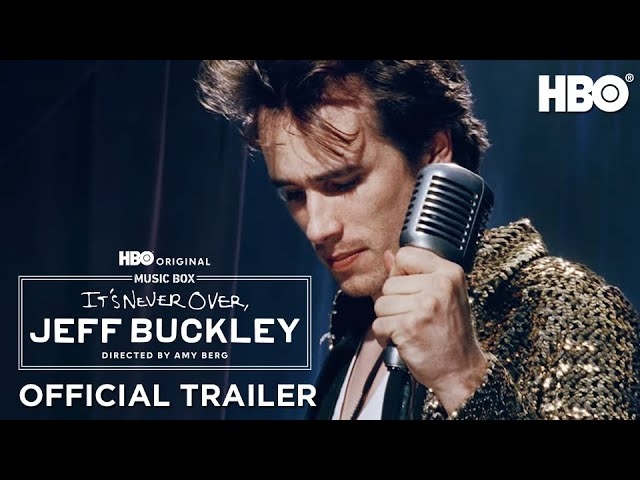
HBO Original Documentary MUSIC BOX: IT’S NEVER OVER, JEFF BUCKLEY Debuts

0

The HBO Original documentary MUSIC BOX: IT’S NEVER OVER, JEFF BUCKLEY, the first film in the next installment of the “Music Box” series created by Bill Simmons, debuts on Thursday, December 4th, on HBO and will be available to stream on HBO Max. Directed by Academy Award nominee Amy Berg, the film premiered at the Sundance Film Festival and went on to screen at film festivals worldwide after a robust theatrical release. The documentary covers the life of the rising young star, Jeff Buckley, who possessed an otherworldly voice and boundary pushing artistry, and left the ’90s music world reeling when he died suddenly at age 30 after the release of his critically acclaimed debut album ‘Grace’.

IT’S NEVER OVER, JEFF BUCKLEY illuminates one of modern music’s most influential and enigmatic figures. The story is told through never before seen footage from Buckley’s archives and intimate accounts from his mother, Mary Guibert, former partners Rebecca Moore and Joan Wasser, and former bandmates, including Michael Tighe and Parker Kindred. Buckley initially launched his career at a tribute to his late father, folk musician Tim Buckley, but quickly became a star in his own right, challenging conventional ideas of genre and gender with his only studio album, ‘Grace’. The documentary celebrates his timeless body of work, including his intimate and influential cover of Leonard Cohen’s “Hallelujah.”

‘MUSIC BOX: IT’S NEVER OVER, JEFF BUCKLEY’ Release Information

  • Debut Date: Thursday, December 4
  • Network/Platform: HBO / HBO Max
  • Director: Amy Berg
  • Focus: The life and legacy of musician Jeff Buckley.

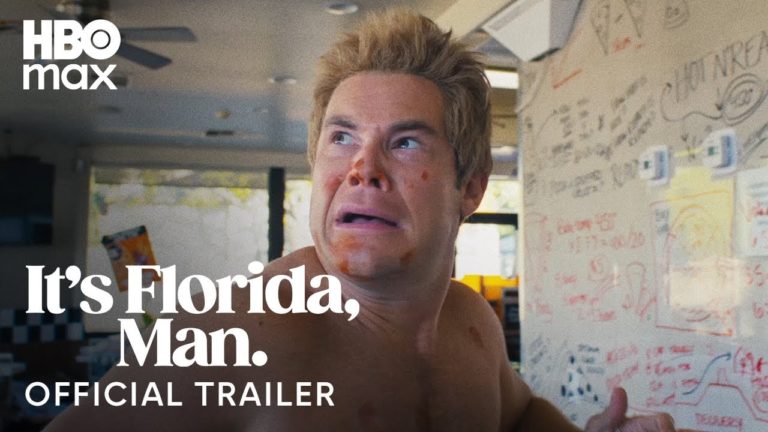
Season Two Of The HBO Original Late-Night Comedy Series IT’S FLORIDA, MAN. Debuts November 28

0
  • Season two of the outrageous HBO Original late night comedy series IT’S FLORIDA, MAN. debuts Friday, November 28th, on HBO and will be available to stream on HBO Max. New episodes of the six episode season will debut weekly, bringing to life unbelievable ripped from the headlines tales of the Sunshine State—straight from the people who live there. Produced by Rough House Pictures (known for Eastbound & Down and The Righteous Gemstones) and Range Studios, the series sheds light on the viral, wacky, and weird, serving as a love letter to a misunderstood yet magical state.
  • The second season features a massive rotating cast of actors and comedians, including guest stars such as Adam DeVine, Tiffany Haddish, Haley Joel Osment, Taika Waititi, Johnny Knoxville, and Rita Ora. The premiere episode, “Speedy,” follows a seasoned criminal who plots to steal an entire casino boat after the state takes possession of his dog, featuring Shea Whigham and Bert Kreischer. Subsequent episodes detail equally bizarre situations, including a Pensacola man found nearly naked in a pizza establishment in “Pizza Man” (featuring Chet Hanks) and a search for the elusive Skunk Ape in the Everglades in “Bigfoot” (featuring Haley Joel Osment).
  • IT’S FLORIDA, MAN. Season 2 Episode Rollout
  • Episode 1 – Speedy: Friday, November 28
  • Episode 2 – Pizza Man: Friday, December 5
  • Episode 3 – Cuckoo Girl: Friday, December 12
  • Episode 4 – Bigfoot: Friday, December 19
  • Episode 5 – Moonshine: Friday, December 26
  • Episode 6 – Crushed: Friday, January 2

HBO Original Documentary THOUGHTS & PRAYERS Debuts November 18

0

The HBO Original documentary THOUGHTS & PRAYERS, directed by Zackary Canepari and Jessica Dimmock, premiered on Tuesday, November 18th, and is now available to stream on HBO Max. This arresting yet sobering feature captures the current, unsettling landscape of safety rituals in schools and communities across America, where classrooms double as tactical training grounds, bullet proof backpacks become armor, and conferences showcase the latest survival gadgets. Equal parts absurd and unsettlingly real, the film traces the $3 billion active shooter preparedness industry and its profound effect on students and educators, raising important questions about the unintended consequences of these intense preparations.

THOUGHTS & PRAYERS shows caregivers blocking doors with cribs, educators practicing shooting at armed intruders in elaborate mock battles and VR simulations, and children learning how to fight back or hide behind bullet proof equipment disguised as ordinary classroom furniture. Directors Zackary Canepari and Jessica Dimmock, whose own daughter is navigating this environment, crafted the film to vividly capture this strange world, with Dimmock noting the film is built around the statistic that guns are the number one killer of children in the United States. Candid interviews with teachers, administrators, students, and parents from districts in Utah, Oregon, and New York speak to this new “normal” and how communities are taking the situation into their own hands in the absence of meaningful gun reform.

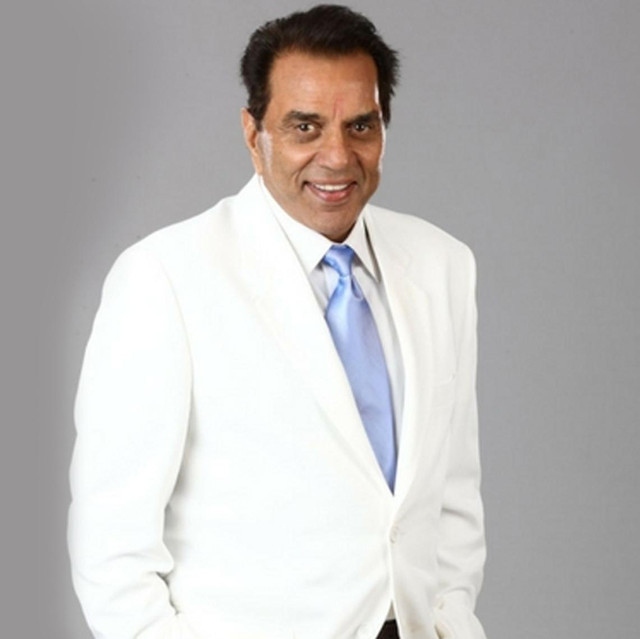
50 Things You Didn’t Know About Dharmendra

0

There are stars, and then there are legends who shape the very language of cinema. Dharmendra belonged to that rare group whose presence on screen created its own energy. His performances carried the warmth of an entire era, the charm of a true leading man, and the spirit of Hindi cinema at its most vibrant. His impact stretched across genres, decades, and generations. Here are 50 things you may not have known about the one and only Dharmendra.

Dharmendra was born Dharmendra Kewal Krishan Deol in Punjab in 1935.

He grew up in Sahnewal, where his father worked as a school headmaster.

He completed his matriculation in Phagwara in 1952.

He won Filmfare magazine’s national talent contest before moving to Mumbai.

His film debut came in 1960 with the romantic drama ‘Dil Bhi Tera Hum Bhi Tere’.

His first major success arrived with ‘Shola Aur Shabnam’ in 1961.

He earned early acclaim for roles in ‘Anpadh’ and ‘Bandini’.

His breakthrough performance came with ‘Ayee Milan Ki Bela’ in 1964.

He played a key role in the war film ‘Haqeeqat’, based on the 1962 Sino-Indian War.

The patriotic song “Kar Chale Ham Fida” from ‘Haqeeqat’ became widely celebrated.

His 1966 film ‘Phool Aur Patthar’ marked a major turning point in his career.

He received his first Best Actor nomination for ‘Phool Aur Patthar’.

The year 1966 featured several of his hits, including ‘Mamta’ and ‘Anupama’.

He performed a memorable double role in ‘Izzat’ in 1968.

He maintained strong box office popularity during the rise of Rajesh Khanna.

His 1969 release ‘Aya Sawan Jhoom Ke’ became a superhit.

His performance in ‘Satyakam’ is often cited as one of his finest.

He rose to superstardom in the early 1970s with a streak of massive blockbusters.

He formed a beloved on-screen pairing with Hema Malini.

His film ‘Jeevan Mrityu’ became one of the top earners of 1970.

He appeared in Raj Kapoor’s ‘Mera Naam Joker’, now regarded as a classic.

His image as an action hero gained momentum with ‘Mera Gaon Mera Desh’.

He earned his second Best Actor nomination for ‘Mera Gaon Mera Desh’.

He starred in hits like ‘Seeta Aur Geeta’, ‘Raja Jani’ and ‘Samadhi’ in 1972.

He topped Bollywood’s box office rankings between 1972 and 1975.

His 1973 action film ‘Loafer’ became a major musical and commercial success.

He starred in the hugely popular ‘Jugnu’, which performed well in India and the Soviet Union.

The soundtrack of ‘Jugnu’ became widely loved by audiences.

He appeared in ‘Yaadon Ki Baaraat’, considered the first masala film of Bollywood.

The song “Pal Pal Dil Ke Paas” from ‘Blackmail’ remains iconic.

His film ‘Dost’ with Shatrughan Sinha became a major success in 1974.

He continued his strong run with films like ‘Patthar Aur Payal’ and ‘Resham Ki Dori’.

He starred in the beloved comedy ‘Chupke Chupke’ in 1975.

He played Veeru in the legendary film ‘Sholay’.

‘Sholay’ became one of the highest-grossing Indian films of all time.

He starred in the successful action drama ‘Pratiggya’ in the same year.

He reunited with Ramanand Sagar for the hit film ‘Charas’ in 1976.

He appeared in multiple hits throughout 1977, including ‘Dharam Veer’.

‘Dharam Veer’ broke records internationally, especially in the UK and the Soviet Union.

He continued delivering major hits through the late 1970s and early 1980s.

His ensemble action film ‘The Burning Train’ gained cult status.

He starred alongside Amitabh Bachchan again in ‘Ram Balram’.

He delivered five commercial successes in 1982 alone.

His 1983 film ‘Naukar Biwi Ka’ became a hit with wide audience appeal.

He played a major role in the superhit ‘Ghulami’ in 1985.

He continued strong box office success with ‘Hukumat’ and ‘Aag Hi Aag’.

He delivered seven successful films in 1987, a rare milestone for any actor.

He transitioned into admired character roles from the late 1990s onward.

He received the Filmfare Lifetime Achievement Award in 1997.

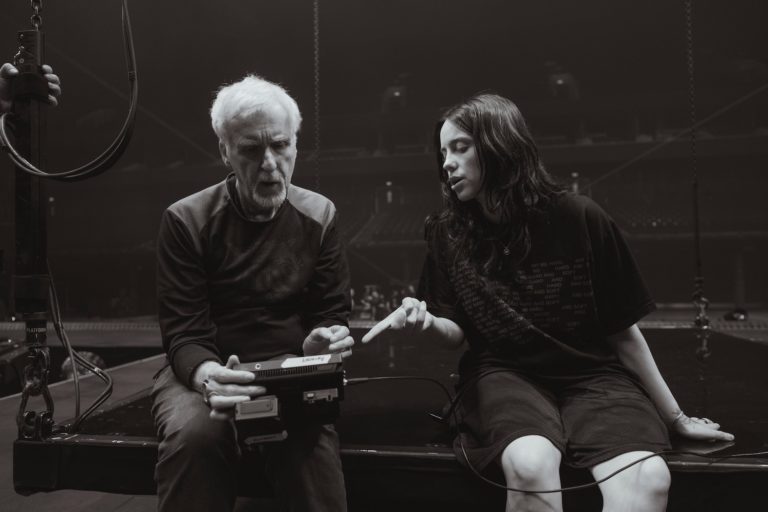
Billie Eilish Announces 3D Concert Film Co-Directed by James Cameron

0

Two time Oscar and nine time Grammy Award winner Billie Eilish has announced the global release date for her highly anticipated concert film, HIT ME HARD AND SOFT: THE TOUR (LIVE IN 3D), which is set for March 20, 2026. The surprise announcement was made last night in San Francisco during the final show of her sold out global HIT ME HARD AND SOFT: THE TOUR. Presented entirely in 3D, the film was captured during Eilish’s world tour and is co directed by Eilish herself alongside Academy Award winner James Cameron, known for his work on blockbusters like Avatar: Fire and Ash.

Paramount Pictures is handling the official global distribution for the film, in partnership with Darkroom Records, Interscope Films, and Lightstorm Earth. The footage captured during the tour, notably during her four night run in Manchester this summer, promises an unprecedented and immersive visual experience. Eilish, who consistently ranks among the most streamed performers in the world, shared her excitement on social media, calling the collaboration with Cameron a “dream come true” and noting that being able to capture the tour on film was a major achievement.

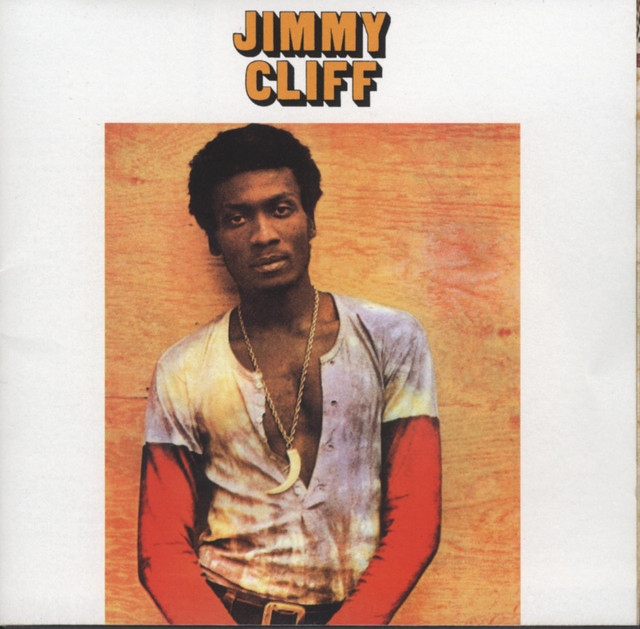
50 Facts You Didn’t Know About Jimmy Cliff

Jimmy Cliff was more than a reggae giant. He was a storyteller, a bridge between Jamaica and the world, and a voice that carried hope, struggle, and joy with every note. His music opened doors globally, reshaping how people understood Jamaica, reggae, and the soul of an island that changed music forever. Here are 50 things you might not have known about him.

  1. Jimmy Cliff was born James Chambers in St. James, Jamaica, in 1944.
  2. He started writing songs in primary school after listening to a neighbor’s sound system.
  3. His father took him to Kingston at age 14 to pursue music.
  4. He chose the stage name Jimmy Cliff to represent the heights he aimed to reach.
  5. His early single “Hurricane Hattie” became a hit when he was 17.
  6. Leslie Kong produced his first successful records after Cliff convinced him to enter the music business.
  7. He represented Jamaica at the 1964 World’s Fair in New York.
  8. He appeared in the 1964 program “This Is Ska” alongside Toots and the Maytals.
  9. His international debut album ‘Hard Road to Travel’ arrived in 1967.
  10. His song “Waterfall” became a major hit in Brazil.
  11. Bob Dylan once called Cliff’s song “Vietnam” the best protest song he had ever heard.
  12. His cover of “Wild World” became one of his early international hits.
  13. He starred as Ivan in the 1972 film ‘The Harder They Come’.
  14. The soundtrack to ‘The Harder They Come’ helped introduce reggae worldwide.
  15. The film premiered in London’s Notting Hill on September 1, 1972.
  16. He performed on the first season of “Saturday Night Live” in 1976.
  17. He took a break from music in the 1970s to travel in Africa.
  18. Nigerian writer Lindsay Barrett guided his early Africa travels.
  19. He explored several religions throughout his life.
  20. He briefly used the name El Hadj Naim Bachir.
  21. He later described himself as having a universal outlook grounded in science.
  22. He recorded with Kool and the Gang in the early 1980s.
  23. His song “Trapped” gained new fame when Bruce Springsteen covered it.
  24. He contributed to the anti-apartheid anthem “Sun City” in 1985.
  25. He sang “Seven Day Weekend” with Elvis Costello for the film ‘Club Paradise’.
  26. His song “Shelter of Your Love” appeared in the film ‘Cocktail’.
  27. He performed “John Crow” in the 1990 film ‘Marked for Death’.
  28. The Sandinista National Liberation Front used “You Can Get It If You Really Want” in a 1990 campaign.
  29. He played at Rock in Rio in 1991 at Rio de Janeiro’s Maracana Stadium.
  30. His version of “I Can See Clearly Now” hit number one in France.
  31. His ‘Cool Runnings’ soundtrack version of “I Can See Clearly Now” reached the US top 20.
  32. He released “Hakuna Matata” with Lebo M for ‘The Lion King’ soundtrack in 1995.
  33. He joined the Independent Music Awards judging panel in 2001.
  34. He collaborated with Joe Strummer, Annie Lennox, Dave Stewart, and Sting on ‘Fantastic Plastic People’.
  35. He reimagined the album with an electronic sound for ‘Black Magic’.
  36. He received Jamaica’s Order of Merit in 2003.
  37. He was inducted into the Rock and Roll Hall of Fame in 2010.
  38. Wyclef Jean inducted him at the ceremony.
  39. Rolling Stone ranked his album ‘Rebirth’ among the top 50 albums of 2012.
  40. ‘Rebirth’ included his cover of “Guns of Brixton”.
  41. He performed at cricket’s World Cup opening ceremony in 2007.
  42. He embarked on a major US and Canadian tour in 2010.
  43. His song “You Can Get It If You Really Want” was once used at a British political conference without his approval.
  44. He helped bring Bob Marley to producer Leslie Kong’s attention early in Marley’s career.
  45. His songwriting often reflected political and social issues.
  46. He toured globally with his longtime band, Oneness.
  47. He appeared in multiple films beyond ‘The Harder They Come’, including ‘Club Paradise’ and ‘Marked for Death’.
  48. He continued releasing new music into his late seventies, including the album ‘Refugees’.
  49. He believed in using music to celebrate freedom and human dignity.
  50. He described himself as a shepherd of reggae, helping bring the genre to America, England, and Africa.

Understanding Casino Odds: How to Make Smarter Bets

0

By Mitch Rice

When players step into a Delbet real money casino, most believe the game is all about luck. But professionals know something different: the game is built on tiny details that many players overlook. Odds don’t shout; they whisper. And once someone learns how to read them properly, their entire approach changes.
This article explains what experts notice long before placing a bet, the subtle techniques that transform ordinary play into strategic decision-making.


How Professionals Read Odds Differently

Spotting “Hidden House Edges” in Popular Games

Professionals never see a casino game at face value. They study the rules, looking for small adjustments that increase the house edge, tiny payout reductions, small rule changes, or reshuffles that come sooner than expected. These details shift long-term results.
In a سایت شرط بندی, even the smallest edge can make a huge difference during long sessions, which is why experts stay alert.

Predictive Patterns Most Players Ignore

Patterns don’t mean a game is “hot.” Experts understand this. Instead, they observe structure, the way a dealer shuffles, the rhythm of spins, or a machine’s timing cycle. These subtle behaviours reveal opportunities many casual players miss.
Recognising this structure is what makes Delbet secure betting a smarter and more predictable choice.


The Mathematics Professionals Actually Use

True Odds vs Offered Odds – The Gap That Matters

Many players accept displayed odds without thinking twice. Professionals do the opposite; they check the difference between true probability and the payout the casino offers.
This difference is where the house earns profit. Before choosing a game in a Delbet real money casino, experts examine the payout table first. If the numbers aren’t favourable, they simply move on.

Volatility and Risk Profiles – Matching Bets to Behaviour

Volatility isn’t a threat; it’s a planning tool. High-volatility bets suit bold strategies, while low-volatility bets support steady, consistent play. Players who don’t understand their own style often make poor choices. But once volatility is matched to the player’s approach, even simple sessions inside a Delbet secure betting environment become more controlled and strategic.


Calculations Professionals Do Before Placing Any Bet

Expected Value (EV) Made Simple

Experts calculate EV quickly to determine whether a bet pays off in the long run. If the EV is negative, they avoid the bet even if the table looks lucky or the game feels exciting. In a Delbet real money casino, EV remains one of the most reliable indicators of long-term outcomes.

Risk-of-Ruin Awareness

Casual players often overlook bankroll collapse, but professionals track it carefully. Risk-of-ruin shows how deep a bankroll can fall before recovery becomes unlikely. By respecting safe limits, experienced players make calmer decisions, transforming Delbet secure betting into a steady and controlled experience.


Behavioural Insights Professionals Rely On

Emotional Patterns That Cost Players Money

Casinos understand emotions extremely well. Professionals protect themselves by avoiding emotional bets. Losing two rounds doesn’t justify doubling stakes, and winning a round doesn’t confirm a lucky streak. Even a brief pause can prevent unnecessary losses in a Delbet real money casino.

Reading Table Flow and Dealer Tempo

Every table has its own rhythm. Fast tables lead to rushed decisions, while slow tables allow more time for analysis. Professionals select tables where they can stay in control. Understanding tempo helps shape better decisions, which is why Delbet secure betting aligns so well with patience and strategy.


Advanced Bankroll Strategies Used by Experts

Fractional Staking for Longer Sessions

Flat betting drains a bankroll quickly. Professionals prefer fractional staking, betting small percentages of their balance to control swings and support longer gameplay. This becomes especially useful in a Delbet real money casino where each round influences the next.

Using Heat Maps and Data Tracking

Modern bettors rely on simple data logs. Not personal diaries, just clean records. They track which games perform better, what times suit them, and when mistakes typically happen. Over time, this builds a personal “heat map” of their habits. When combined with بازی‌انفجار, these insights become incredibly powerful.


How to Apply This Knowledge at Delbet

When players combine these techniques, their entire betting style changes. They observe rules more carefully, examine numbers, and understand game flow. A Delbet real money casino then becomes a place where informed choices guide the session, not random guesses. Clear payout tables, transparent odds, and steady pacing support smarter decision-making, the foundation of Delbet secure betting.


Conclusion – Turning Odds into Smart Decisions

Odds rarely shout; they whisper. Once players learn to listen, they stop relying on chance and start relying on strategy. That’s how professionals play with patience, clarity, and control. So the next time someone enters a Delbet real money casino, the most valuable question is this: What are the odds trying to show today?

Data and information are provided for informational purposes only, and are not intended for investment or other purposes.

5 Surprising Facts About Usher’s ‘Confessions’

There are albums that define a moment, and then there are albums that define an era. Usher’s 2004 masterpiece Confessions did both. It arrived at a time when R&B was shifting, chart battles were fierce, and the music industry was fighting to keep album sales alive. Confessions cut through everything with honesty, precision, and undeniable star power, becoming one of the most successful and influential albums of the 21st century. Behind the hits and headlines, the story of Confessions is even deeper than many fans realize. Here are five little known facts that reveal just how much history is packed inside this era shaping record.

1. Confessions was originally missing its biggest hit
When Usher delivered the album to Arista, both he and L.A. Reid felt something was missing. The project had nearly 40 recorded songs, yet the final piece had not arrived. The decision sent Usher back into the studio, leading to the last minute creation of songs like “Yeah!” that would define the entire era. Without that hesitation, the album we know would not exist.

2. The album began as a personal journal but reflected Jermaine Dupri’s life instead
Fans widely assumed Confessions was Usher telling his own story about infidelity and heartbreak. In reality, much of the narrative was based on producer Jermaine Dupri’s private experiences. Usher tapped into the emotional truth of the material, creating a performance so believable that listeners embraced the songs as his own life.

3. Lil Jon saved the album’s rollout by leaking “Yeah!” without permission
Arista planned to launch the album with “Burn,” but Lil Jon believed “Yeah!” was the event single the era needed. During the holiday break, he leaked the track to DJs across the country. By January, it was already a radio takeover with no label involvement. The momentum forced the label to pivot, and the entire Confessions era shifted overnight.

4. Usher and the producers recorded over 40 songs but struggled to pick the final tracklist
While assembling the album, Usher, Jermaine Dupri, Bryan Michael Cox, L.A. Reid, and A and R rep Mark Pitts each had different favorites. The final tracklist came from songs that consistently reappeared across all their lists. Many unused songs remained in the vault, including a remix of “Yeah!” and early versions of “Red Light.”

5. Confessions introduced a new vocal approach inspired by jazz, soul, and Usher’s live technique
Producers Andre “Dre” Harris and Vidal Davis pushed Usher to sing harder and show the full strength of his voice. Songs like “Superstar,” “Follow Me,” and “Burn” highlight a new vocal identity. The record blends R and B, crunk, hip hop, and classic soul phrasing in a way that changed the direction of 2000s R and B and influenced future artists across genres.

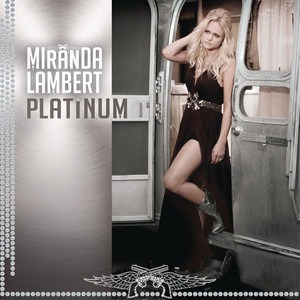
5 Surprising Facts About Miranda Lambert’s ‘Platinum’

When Platinum arrived on June 3, 2014, it marked a defining moment in Miranda Lambert’s career. Not only did the album debut at #1 on the Billboard 200, it also captured the Grammy Award for Best Country Album and cemented Lambert as one of country music’s most fearless storytellers. Fifteen tracks deep, packed with bold collaborations and powerhouse songwriting, Platinum remains a snapshot of an artist at the height of her creative force. Here are five lesser known facts about the album that reveal just how layered and intentional this era truly was.

1. The album was recorded in studios across three cities
Most fans know Platinum was a Nashville-driven project, but fewer know Lambert recorded it in a sweeping list of studios. Sessions took place at Cyclops Sound in Los Angeles, Dave’s Room in Hollywood, and Ronnie’s Place, Ben’s Studio, Sound Stage Studios, St. Charles Studio, and The House in Nashville. The album’s sonic variety reflects the many rooms, producers, and musicians woven into its foundation.

2. Lambert wrote or co-wrote half the album during a creatively explosive period
Eight tracks on Platinum bear Lambert’s name as a songwriter, a notable jump from some earlier albums. She wrote across tours, writing retreats, and downtime between sessions, shaping songs that blended humor, heartbreak, nostalgia, and swagger. This dense writing streak helped define the album’s confident, personal voice.

3. Carrie Underwood wasn’t originally supposed to sing on “Somethin’ Bad”
The hit duet was originally written by Chris DeStefano, Brett James, and Priscilla Renea as a male–female collaboration. It was later rewritten as a women-driven anthem before Lambert ever heard it. When the song reached her, she immediately sent Underwood a direct email asking to collaborate, and the two fulfilled a long standing goal of recording together.

4. “Little Red Wagon” began as a gritty indie track by Audra Mae
Before the song became one of Lambert’s signature singles, it lived on Audra Mae’s album Audra Mae and the Almighty Sound. Lambert first heard Mae’s version through a recommendation from John Eddie while touring. Its camp song inspired hook and fiery delivery instantly grabbed her, and she personally asked Mae for permission to record it.

5. “All That’s Left” with The Time Jumpers was recorded in one joyful session
The collaboration with the legendary Western swing group isn’t just a feature — it captures Lambert stepping fully into a vintage country sound. The session’s live–in–studio energy created one of the album’s most playful tracks. It’s a reminder of Platinum’s core charm: celebrating country roots while rewriting the rules in real time.

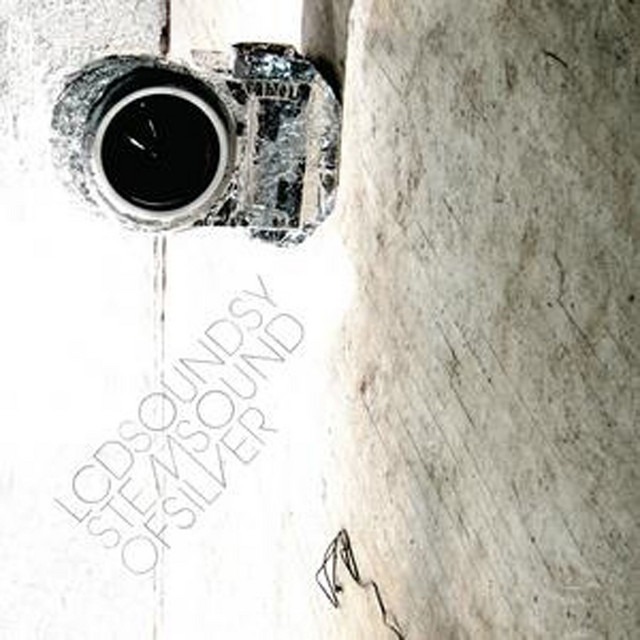
5 Surprising Facts About LCD Soundsystem’s ‘Sound of Silver’

When LCD Soundsystem released Sound of Silver in 2007, it wasn’t just another dance-punk record. It became a touchstone. A rare album that captured aging, joy, grief, nightlife, loneliness, and hope in a single breath. Critics adored it, fans held it close, and nearly two decades later, it remains one of the most celebrated records of the 2000s.

But behind the acclaim and the year-end lists, the album hides strange stories, quiet dedications, and experimental decisions that shaped its sound. Here are five unknown facts about Sound of Silver and the unexpected life that shaped it.

1. James Murphy literally wrapped the studio in silver.
While recording at Long View Farm in Massachusetts, Murphy felt deeply uncomfortable hearing his own voice played back. As a kind of emotional shield, he covered the entire studio in silver fabric and tin foil while tracking the album. One piece of that original fabric even traveled with him to Los Angeles for the next record, This Is Happening, where he hung it inside Rick Rubin’s Mansion.

2. Several songs quietly grew out of LCD’s 46-minute Nike commission.
In 2006, the band released “45:33,” a six-part composition designed for running. Murphy repurposed melodic threads from that project across Sound of Silver. Most notably, “Someone Great” first appeared on “45:33” as an instrumental before becoming one of the album’s most emotionally important tracks.

3. A hidden dedication reveals the album’s emotional core.
Sound of Silver is dedicated to Dr. George Kamen, a Bulgarian-born pioneer in group therapy who practiced in New York City. Murphy had a deep personal connection to Kamen, and some have suggested that the loss described in “Someone Great” reflects his passing. It adds a quiet depth to a song often experienced as universal grief.

4. The album’s release included a secret charity remix project.
On March 12 2007, the same day the album dropped in the UK, an underground remix version surfaced online in support of a charitable cause. It was never commercially released, barely promoted, and has since become a piece of LCD lore, known mostly by collectors who stumbled across it in real time.

5. Sound of Silver shaped the decade far more than most fans realize.
The album dominated critics’ lists across 2007 and the 2000s, but its individual songs carried their own cultural weight. “All My Friends” was named the second best song of the decade by Pitchfork, while “North American Scum” found unexpected life in movies, video games, and satellite radio. The album’s reach far exceeded dance-punk, embedding itself in film, media, and alt-culture for years after.