Home Blog Page 800

Reid Parsons Shares Stirring New Single “Get Out Of Bed” Ahead of Debut Album ‘Back to Back’

0

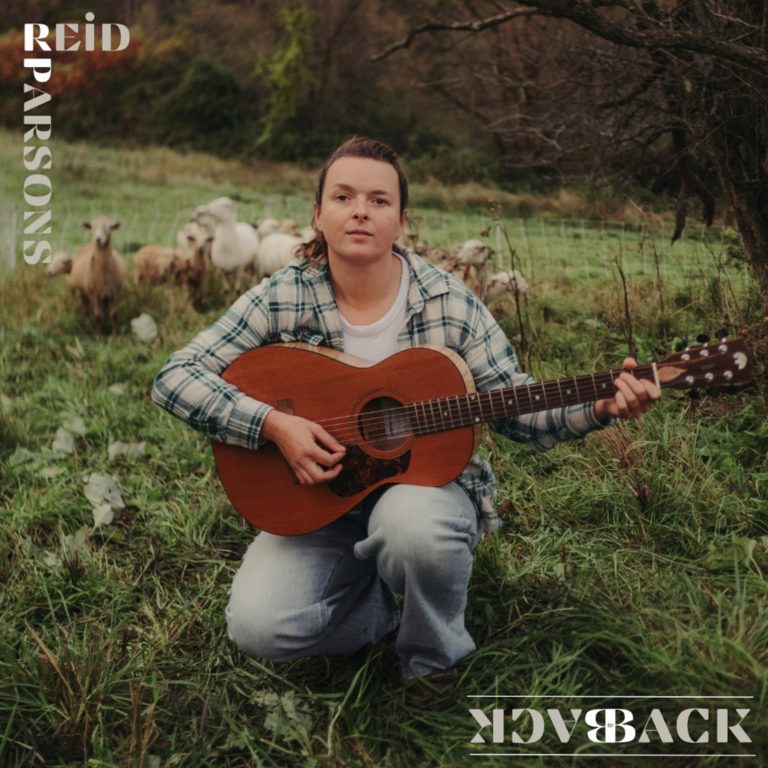
Vermont-based singer-songwriter Reid Parsons (they/she) shares their powerful new single “Get Out Of Bed,” the second release from their forthcoming debut album Back to Back, out April 25th. Featured by The Big Takeover, who called Parsons “one of Vermont’s most compelling musical voices,” the track is a soul-stirring exploration of resilience, inertia, and the quiet heroism of simply beginning the day.

“There’s a moment in ‘Get Out Of Bed’ where a gentle haze lifts, and something defiant stirs beneath the melancholy,” wrote The Big Takeover in their premiere. “It’s the sound of reckoning with inertia—not just the physical act of rising in the morning, but the psychological weight of trying to meet the day when the world feels too heavy.”

Written during a time of deep self-reflection, the song captures the essence of emotional reckoning with a tender yet commanding vocal performance. “This is a song that I wrote as a tool to dig myself out of the thick blanket of melancholia and self-pity that sometimes holds me down,” says Parsons. “I hope listeners interpret it however they want—that’s the beauty of music—but I wrote it as a kind of kick-in-the-pants anthem to step out of my comfort zone and face the day.”

As The Big Takeover described it, the arrangement of “Get Out of Bed” “builds patiently, matching the lyrical arc: from fog to focus, from stillness to motion.” Parsons’ voice—warm, unpretentious, and edged with bluesy grit—guides the listener through that emotional shift, anchored by a Hammond B3 organ that, as she recalls, “shook the whole room.”

“Get Out of Bed” sits as the second track on Back to Back, an album Parsons produced, arranged, and wrote entirely (save for a haunting cover of Bruce Springsteen’s “I’m On Fire”). Engineered by Ben Collette (Trey Anastasio, Susan Tedeschi, Sharon Jones) and tracked live-to-tape at Burlington’s iconic Tank Recording Studio, Back to Back is a meticulously crafted orchestral Americana record designed with the intentionality of a handmade space. As Parsons puts it, “Music has always been where I can build a world to embrace all parts of myself.”

From the everyday intimacy of the title track “Back to Back”—a bossa nova-tinged meditation on the quiet rhythms of partnership—to the genre-spanning arrangements, Back to Back is both deeply personal and architecturally intricate. The record weaves together elements of folk, jazz, blues, classical, soul, and country into a cohesive sonic patchwork that feels at once timeless and entirely unique. “I strive to write from a place of simplicity,” Parsons says. “I want to leave space for interpretation, to build a room for others to process, to emote, to have their own experiences in.”

Parsons grew up in Moretown, Vermont, a town of 1,500 nestled in the Green Mountains, where they absorbed the emotional range of everything from Lucinda Williams to Patsy Cline and Steely Dan. Classically trained and self-taught in equal measure, Parsons honed her musical voice singing in a 13-piece soul and Motown band while studying music and anthropology, and performing regularly at local haunts like the now-defunct Purple Moon Pub—a launchpad for fellow Vermonter Grace Potter.

Back to Back is a product of passion, persistence, and deep introspection, partially funded through a crowdfunding campaign and completed with income from Parsons’ work in farming and food systems. “These sounds I had in my head are now tucked in this magical little locket that, when I open it up, transport me to a wonderful world,” they say. “Making this record has been the most meaningful thing I’ve done in my life.”

Parsons is currently on a run of select spring tour dates across Vermont, including a hometown album release show at Shelburne Vineyard. Full tour info and tickets can be found at reidparsons.com.

Reid Parsons – Spring 2025 Tour Dates
Saturday, April 5 – Monkey House – Winooski, VT
Thursday, April 17 – American Flatbread – Stowe, VT

Back To Back by Reid Parsons
1. Back to Back
2. Get Out of Bed
3. Lightbulb
4. Heavy Load
5. Show Me You Love Me
6. Holiday
7. I’m On Fire
8. Figure It Out
9. Same Old Shit
10. Where Are You Now
Robert Jon & The Wreck Announce New Album ‘Heartbreaks & Last Goodbyes’ Produced by Dave Cobb Out August 22

0

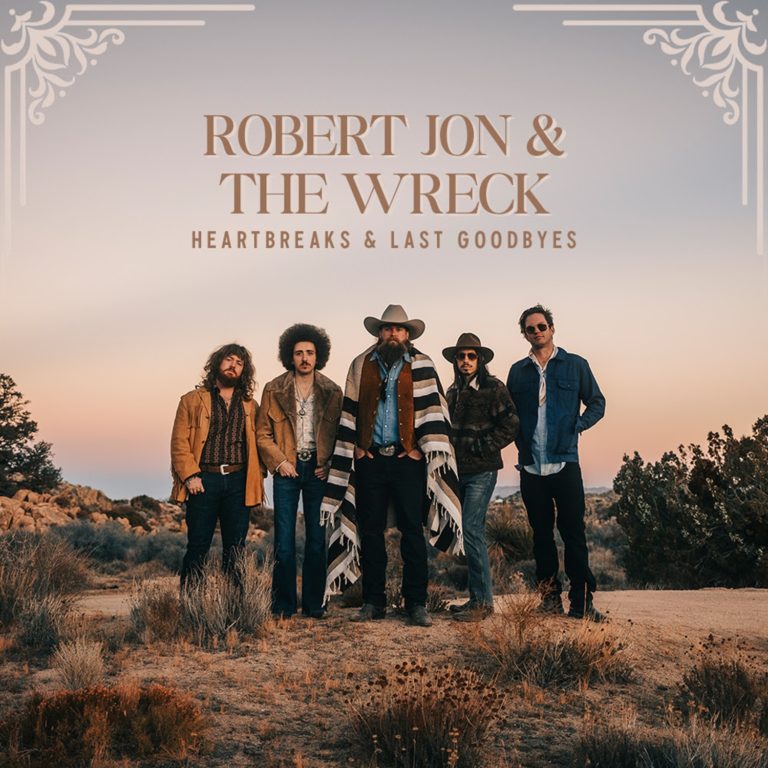
Southern California rockers Robert Jon & The Wreck have officially announced the release of their ninth studio album, Heartbreaks & Last Goodbyes, due out August 22nd via Journeyman Records. Produced by the legendary Dave Cobb (Chris Stapleton, Jason Isbell, Rival Sons), the new album finds the band firing on all cylinders—raw, reflective, and tighter than ever.

“It was an incredible honor to collaborate with Dave Cobb on our new record,” shares frontman Robert Jon Burrison. “Not only has he worked with artists we deeply admire, but he’s also been a producer we’ve respected for over a decade. Heartbreaks & Last Goodbyes feels like a true reflection of who Robert Jon & The Wreck is as a band. From the moment we arrived in Savannah, GA, to record, we felt an immediate sense of comfort and ease—something rare in a typical studio environment. Being away from our usual routines, living together, and immersing ourselves in the new songs from start to finish created an album we are incredibly proud of. We can’t wait to share it with the world and bring it to life on stage.”

Alongside the announcement, the band has shared their latest single, “Highway” a soaring, mid-tempo rocker that showcases everything fans have come to love about The Wreck: blistering twin guitar harmonies, emotionally charged vocals, and a driving rhythm section. Produced by Cobb and recorded in Savannah, “Highway” blends the band’s classic heartland sound with fresh, cinematic urgency.

“‘Highway’ is a favorite of ours on Heartbreaks & Last Goodbyes—a song that started as a loose melodic concept on an acoustic guitar in Henry’s apartment, and evolved into a full-blown powerhouse,” adds Robert. “When we brought it into rehearsals in Costa Mesa, it just clicked with the band. Dave Cobb helped us elevate the track by pushing the tempo and building out the dynamics. Lyrically, it’s a heartfelt love song—wide open, full throttle, and impossible to get out of your head.”

“It never strayed far from the original vision Robert and I had,” notes guitarist Henry James. “Cobb brought a new level of spontaneity and emotional edge to the sessions. This track hits hard and still gives you the feels—it’s everything we love about rock ’n’ roll.”

According to bassist Warren Murrel, the Savannah sessions represented a major turning point for the band: “For the first time in our band’s history, we had the opportunity to live at the studio while recording. Instead of dealing with LA traffic and squeezing in sessions between other commitments, we got to immerse ourselves fully in the music—writing, recording, and refining songs every day for over a week. It was an experience that allowed us to be completely present in the creative process. Dave Cobb has a way of getting under the hood of a song, pushing it further than we ever thought possible. His guidance challenged us in the best ways and helped bring this album to life in a way we’re truly proud of.”

Heartbreaks & Last Goodbyes captures the band at a creative peak, drawing from real-life experiences of love, loss, and redemption. Across ten riveting tracks, Robert Jon & The Wreck explore the full emotional spectrum, delivered with thunderous riffs, razor-sharp grooves, and some of their most compelling lyrics to date. The album was mixed by Greg Gordon, known for his work with Chris Stapleton, Sturgill Simpson, Jason Isbell, and Rival Sons. It will be available on CD, limited edition colored vinyl, and in special merch bundles, including an exclusive shirt and bandana package.

“This album is a candid musical reflection of who we are today,” adds Henry. “Tales of love gone awry, love gone right, camaraderie, estrangement, lessons learned, dark shadows, and bright lights—all wrapped into one.”

“Highway” follows the release of several acclaimed tracks from the upcoming album, including the fiery, John Oates co-written “Long Gone,” the introspective ballad “Ashes in the Snow,” and the high-octane “Sittin’ Pretty.” Each single has spotlighted a different facet of the band’s evolving sound, building anticipation for what promises to be their most ambitious album yet.

The band is currently on the road for a packed 2025 tour that includes headline dates across Europe and North America, plus appearances at New Orleans Jazz & Heritage Festival, Askena Rock Festival, Hookrock, and Chinook Fest. With stops in the UK, Germany, the Netherlands, and major U.S. cities from New York to Fargo, fans worldwide will get to experience the new songs live for the first time. For more information and to purchase tickets, please visit:  www.robertjonandthewreck.com

CD & Digital Track List
1. Sittin’ Pretty
2. Ashes In The Snow
3. Highway
4. Old Man
5. Dark Angel
6. Long Gone
7. Better Of Me
8. I Wanna Give It
9. Heartbreak & Last Goodbye
10. Keep Myself Clean

LP Track List
Side A
1. Sittin’ Pretty
2. Ashes In The Snow
3. Highway
4. Old Man
5. Dark Angel

Side B
1. Long Gone
2. Better Of Me
3. I Wanna Give It
4. Heartbreak & Last Goodbyes
5. Keep Myself Clean

Spring U.S and European Dates
April 15 – Hengelo, NL – Metropool
April 16 – Verviers, BE – Spirit of 66
April 17 – Affalter, DE – Zur Linde
April 18 – Seewen, CH – Gaswerk Eventbar
April 19 – Lyss, CH – Kufa
April 20 – Nürnberg, DE – Hirsch
April 24 – New Orleans, LA – New Orleans Jazz & Heritage Festival
April 26 – Edinburgh, UK – Liquid Room
April 27 – Holmfirth, UK – Picturedrome
April 29 – Hull, UK – The Welly
April 30 – Norwich, UK – Epic Studios
May 1 – Folkestone, UK – The Quarterhouse
May 2 – Venlo, NL – Grenswerk
May 3 – Groningen, NL – Groningen Rhythm & Blues Nights Festival
May 6 – Birmingham, UK – O2 Academy Birmingham
May 7 – Gloucester, UK – Guildhall
May 8 – Chester, UK – The Live Rooms
May 9 – Northampton, UK – Roadmender Northampton
May 10 – Portsmouth, UK – Guildhall Studio
June 13 – Naches, WA – Chinook Fest 2025

Summer  European  Dates
June 20 – Vitoria, ES – Askena Rock Festival
June 21 – Le Thor, FR – Le Sonograf
June 25 – Aschaffenburg, DE – Colos-Saal
June 26 – Herschbach, DE – Haus Hergispach
June 27 – Torgau, DE – Kulturbastion Torgau Open Air
June 28 –  Hannover, DE – Blues Garage
June 30 – Koln, DE – Die Kantine
July 1 – Wurzburg, DE – Posthalle
July 2 – Marburg, DE – KFZ Marburg
July 3 – Weert, NL – De Bosuil
July 4 – Diepenbeek, BE – Hookrock Festival
July 5 – Amsterdam, NL – Melkweg

Summer U.S. Dates
August 1 – Fargo, ND –  Fargo Blues Festival
August 2 – Lake View, IA – Stone Pier Summer Concert Series
August 3 – Hobart, IN – The Hobart Art Theater
August 5 – Cleveland, OH – Beachland Ballroom
August 6 – Homer, NY – Center For The Arts of Homer
August 9 – Salisbury, MA – Blue Ocean Music Hall
August 12 – Waldoboro, ME – Waldo Theatre
August 13 – New York, NY – Sony Hall
August 14 – Ardmore, PA – Ardmore Music Hall
August 16 – Madison IN – Madison Ribberfest

10 of the Best Hidden Track Songs That Were Worth the Wait

0

Remember the magic of waiting through 5 minutes of silence on a CD, only to be rewarded with something completely unexpected? Hidden tracks were once the ultimate Easter egg for music fans — the secret handshake between artist and listener. Sometimes they were silly, sometimes they were beautiful, and sometimes they were better than the singles. Here are 10 of the greatest hidden tracks that made us glad we stuck around past the listed runtime.

1. Nirvana – “Endless, Nameless” (Nevermind, 1991)
You’re gently lulled into the closing chords of “Something in the Way,” and then—BAM. Without warning, “Endless, Nameless” explodes like a Molotov cocktail through your speakers. Pure, unfiltered grunge chaos. The kind of song that sounds like it was recorded during a fire drill at a demolition site. For a lot of fans, it was the moment they realized Nirvana wasn’t playing by anyone’s rules.

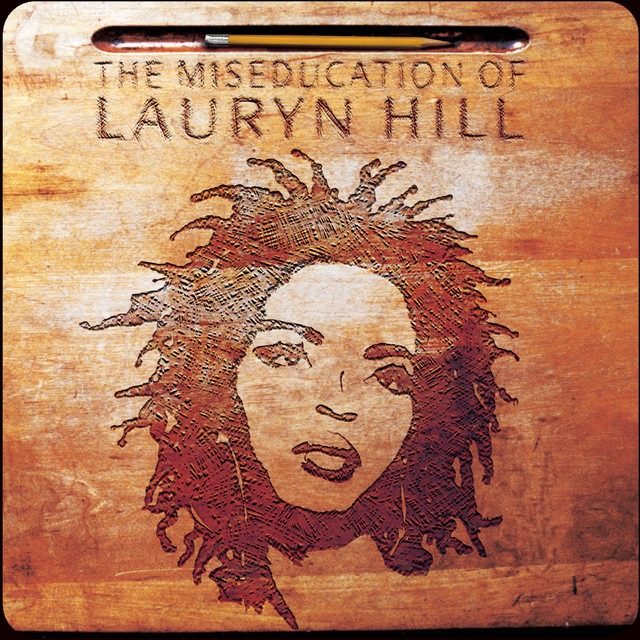
2. Lauryn Hill – “Can’t Take My Eyes Off of You” (The Miseducation of Lauryn Hill, 1998)
It starts as silence, then comes the soft strum of a guitar, and then that voice. Lauryn Hill’s take on this Frankie Valli classic isn’t just a cover—it’s a spiritual experience. Tucked away at the end of one of the most critically acclaimed albums of the ’90s, this track became a fan favorite and a radio hit despite being hidden. Just more proof that you can’t keep greatness in the shadows.

3. Blur – “Me, White Noise” (Think Tank, 2003)
If you waited long enough after “Battery in Your Leg,” you’d find this hypnotic, David Albarn-led rant about London nightlife and existential dread. With producer William Orbit involved, the song sounds like a fever dream in slow motion. It’s gritty, psychedelic, and full of lyrical bite. It’s Blur doing what Blur does best—making you question what reality you’re in.

4. Alanis Morissette – “Your House” (Jagged Little Pill, 1995)
No instruments. Just Alanis, a cappella, breaking into a lover’s house and confessing her heartache like a ghost reading her own diary. It’s haunting, poetic, and somehow more intimate than anything else on the album. Hidden after “You Oughta Know,” this unlisted track was a gut-punch closer to a record that had already bared its soul.

5. Green Day – “All By Myself” (Dookie, 1994)
Completely absurd and totally unforgettable. This hidden gem is sung by drummer Tré Cool, and it’s basically a love song to, well, self-love. It’s crass, it’s hilarious, and it totally worked as a teenage rite of passage. Stuck at the end of a record that helped define punk-pop, this track gave fans something unexpected—comedic catharsis.

6. Beck – “Diamond Bollocks” (Mutations, 1998)
On an album known for its acoustic introspection, Beck throws a curveball with “Diamond Bollocks.” It’s a glam-rock freakout buried after the finale, sounding like Ziggy Stardust on psychedelics and too much espresso. The lyrics are bizarre, the guitar work is manic, and the whole thing feels like a reward for people who like Beck best when he’s being weird.

7. Janet Jackson – “Whoops Now” (janet., 1993)
This sunshine-soaked bop is hidden behind the steamy ballad “Sweet Dreams.” It’s pure joy, with Janet sounding like she’s just stumbled onto a beach party. After an album full of sensual R&B and introspection, “Whoops Now” is a playful wink to the audience. And it wasn’t just a throwaway—it became a hit in parts of Europe.

8. Nine Inch Nails – “Physical (You’re So)” (Broken, 1992)
Right when you think you’ve survived Broken, Trent Reznor slams the door open again. This cover of Adam and the Ants’ track (followed by another: “Suck”) is heavy, feral, and menacing. Technically hidden in a separate track on a separate part of the CD. Of course NIN made you work for it. Welcome to the most aggressive scavenger hunt of your life.

9. Eminem – “Ken Kaniff” (The Slim Shady LP, 1999)
You didn’t ask for it. You probably didn’t want it. But you’ll never forget it. Tucked away after “Still Don’t Give a F***,” this sketch features a prank call gone very, very wrong. It introduced fans to the weird, twisted alter-ego that would show up in future albums. Crude? Yes. Classic Em? Absolutely.

10. The Beatles – “Her Majesty” (Abbey Road, 1969)
The original hidden track. 23 seconds of Paul McCartney strumming and musing about the Queen. Meant to be part of the album’s medley but cut and tacked onto the end, this unlisted coda became a surprise favorite. It’s short, strange, and quintessentially Beatles. It also accidentally started a decades-long tradition of hidden tracks.

These tracks were gifts—sometimes jokes, sometimes masterpieces, always memorable. In the streaming era, hidden songs are all but extinct. But for those of us who waited in the quiet… they were magic.

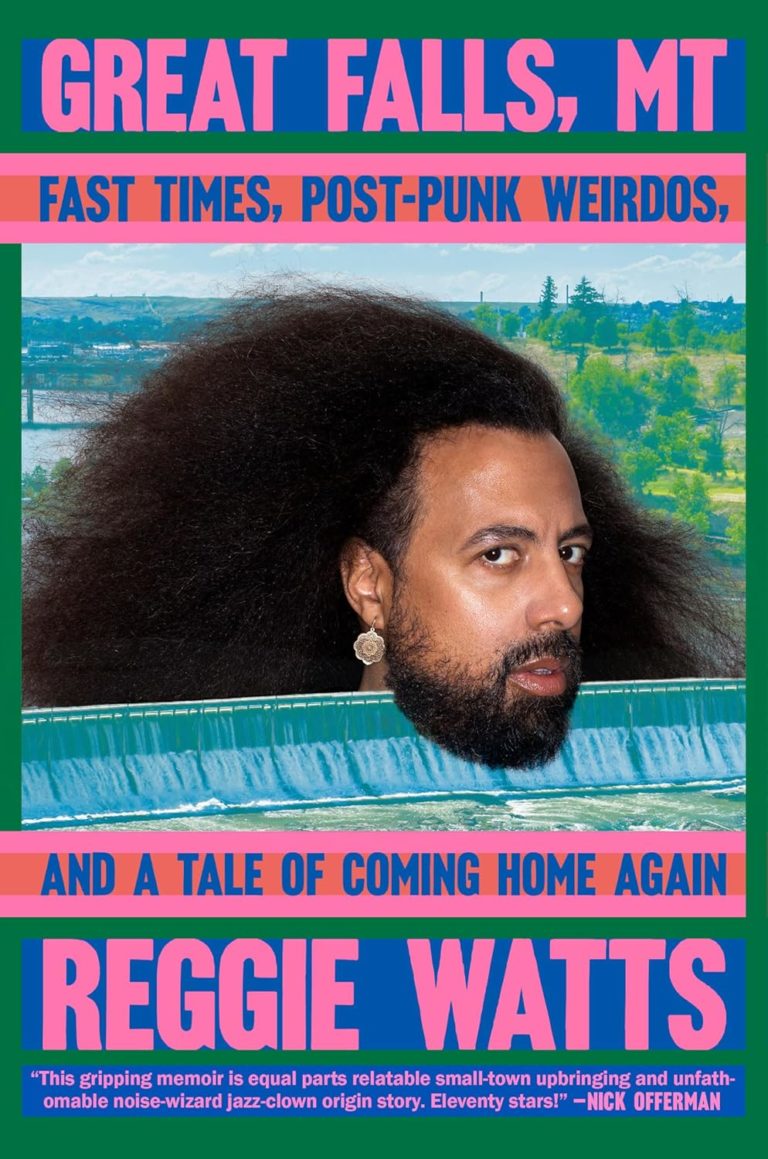
Reggie Watts Gets Personal (and Weird) in Memoir ‘Great Falls, MT’

0

Comedian and musician Reggie Watts shares his story of growing up in Montana as a biracial oddball struggling to navigate life, girls, drugs, and his own identity in America’s heartland—and having a blast doing it.

Reggie Watts is weird. But you knew that. Anyone who’s seen his multifaceted, entirely improvised comedy and music shows knows that. Reggie Watts is also from the town of Great Falls, MT.

These two facts are not unrelated.

Watts grew up in Montana in the ‘80s, half French, half American, half white, half Black, speaking a bunch of different languages and slipping between the orchestra geeks and the football jocks until he finally found a squad of fellow misfits with an affinity for trouble. It was a wide-open time and place that invited freedom and exploration—as well as car theft and the not infrequent use of recreational cough syrup. And it helped him become the uniquely strange creative voice he is today.

In Great Falls, MT, Watts takes us through his story, hitting on the culture shock he experienced after moving from Europe to the heart of America, where he was called racial slurs by neighbors but wasn’t Black enough for his father’s extended family. Where he fought with his authoritarian dad, built a new family of antiestablishment, post-punk oddballs—and ultimately knew he had to leave. But after Watts’s career exploded in Seattle and New York, ultimately scoring him a nightly place next to James Corden on The Late Late Show, he found himself drawn back to his hometown after the deaths of his parents. This is his love letter to the town that made him. But like love itself, it’s messy and complicated and dirty and beautiful—and as weird and wonderful as Watts himself.

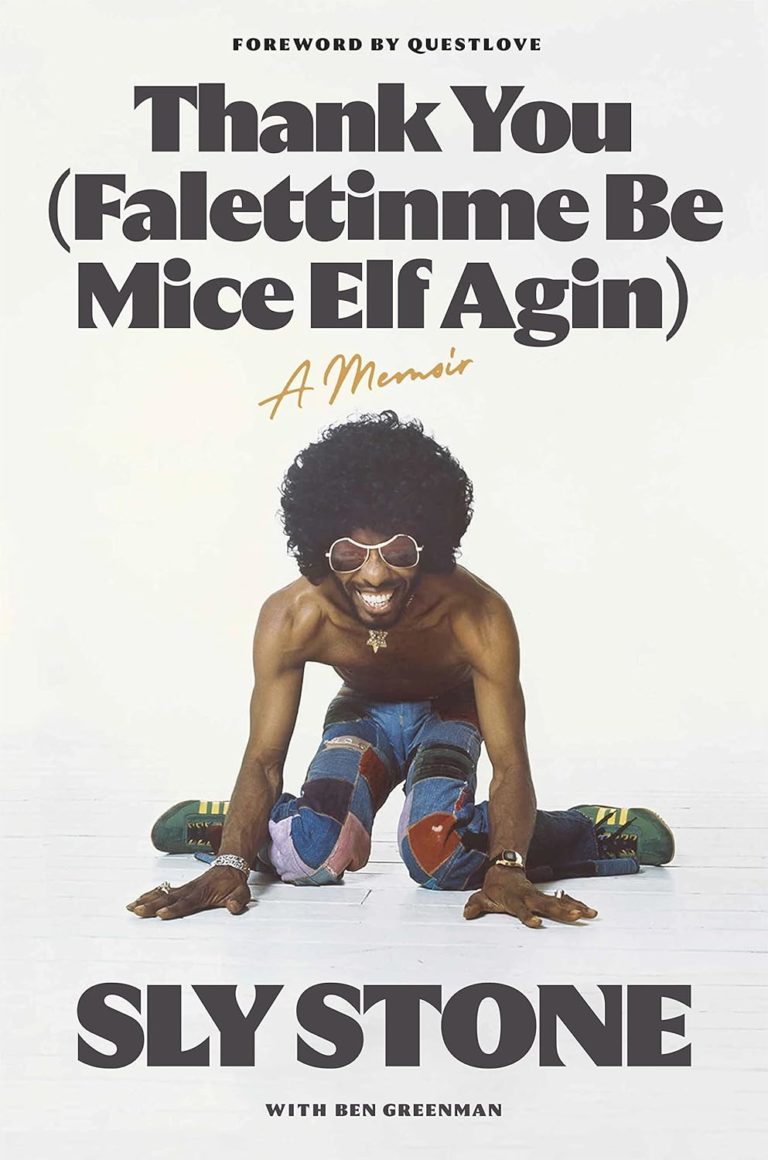
Sly Stone Breaks His Silence in Memoir ‘Thank You (Falettinme Be Mice Elf Agin)’

0

Not many memoirs are generational events. But when Sly Stone, one of the few true musical geniuses of the last century, decides to finally tell his life story, it can’t be called anything else.

As the front man for the sixties pop-rock-funk band Sly and the Family Stone, a songwriter who created some of the most memorable anthems of the 1960s and 1970s (“Everyday People,” “Family Affair”), and a performer who electrified audiences at Woodstock and elsewhere, Sly Stone’s influence on modern music and culture is indisputable. But as much as people know the music, the man remains a mystery. After a rapid rise to superstardom, Sly spent decades in the grips of addiction.

Now he is ready to relate the ups and downs and ins and outs of his amazing life in his memoir, Thank You (Falettinme Be Mice Elf Agin). The book moves from Sly’s early career as a radio DJ and record producer through the dizzying heights of the San Francisco music scene in the late 1960s and into the darker, denser life (and music) of 1970s and 1980s Los Angeles. Set on stages and in mansions, in the company of family and of other celebrities, it’s a story about flawed humanity and flawless artistry.

Written with Ben Greenman, who has also worked on memoirs with George Clinton and Brian Wilson, and in collaboration with Arlene Hirschkowitz, Thank You (Falettinme Be Mice Elf Agin) is a vivid, gripping, sometimes terrifying, and ultimately affirming tour through Sly’s life and career. Like Sly, it’s honest and playful, sharp and blunt, emotional and analytical, always moving and never standing still.

40 Fingers Shred Deep Purple’s “Highway Star” on Acoustic Guitars in the Middle of a Field

0

The virtuosic quartet 40 Fingers have dropped a stunning acoustic cover of Deep Purple’s “Highway Star,” filmed in front of a VW bus and motorbikes in a lush open field. Arranged by Andrea Vittori, the video captures the energy of the original while adding a fresh, intricate twist — all without an amp in sight.

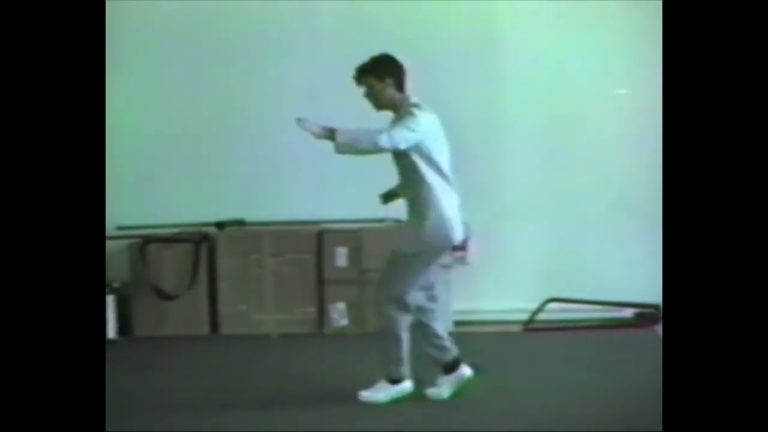
Watch David Byrne Rehearse the Moves That Made ‘Stop Making Sense’ Iconic

0

Before the big suit, before the lights came up, David Byrne was alone in a room — moving like no one was watching. This newly surfaced compilation shows the Talking Heads frontman practicing his now-legendary dance moves for Stop Making Sense, and it’s every bit as hypnotic, awkward, and brilliant as you’d hope. It’s a peek behind the curtain of a performance that redefined what a concert film could be — and proof that genius sometimes starts with just one man and a mirror.

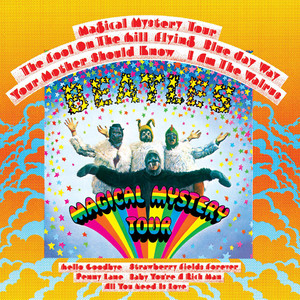
5 Surprising Facts About The Beatles’ ‘Magical Mystery Tour’

We all know Magical Mystery Tour for its acid-drenched imagery, colorful chaos, and unforgettable tracks like “I Am the Walrus” and “The Fool on the Hill.” But behind the rainbow font and surreal bus trip lies a strange, deeply experimental chapter in Beatles history. From chaotic sessions to hidden musical innovations, here are 5 surprising facts about the album that aren’t always in the spotlight.

1. It Started as Paul’s Psychedelic Answer to Ken Kesey

The concept for Magical Mystery Tour was Paul McCartney’s brainchild, inspired by author Ken Kesey and his Merry Pranksters’ LSD-fueled bus trips across the U.S. Paul wanted to create a film that mirrored that free-form, anything-goes energy — but with a distinct British vibe, like holiday charters headed to the seaside. The movie itself was completely unscripted. Just ordinary people aboard a coach on a “magical” journey, guided by the Beatles and their imaginations. While the film confused British audiences when it aired, the music became a psychedelic staple.

2. The Recording Sessions Were Total Mayhem (Even George Martin Backed Off)

By 1967, the Beatles were entering uncharted territory in the studio — emotionally, creatively, and chemically. Following Brian Epstein’s death, Paul pushed forward with the Magical Mystery Tour project, but the sessions quickly unraveled. Biographers describe the period as unfocused, with the band diving into deep sound experimentation but lacking direction. George Martin, their legendary producer, was so overwhelmed by the disorganization that he stepped back. Engineer Ken Scott took the reins, while the Beatles themselves grew more hands-on, layering sound upon sound in pursuit of something truly different.

3. John Lennon Wanted “I Am the Walrus” to Sound Like It Came from the Moon

When John Lennon brought “I Am the Walrus” to the studio, he had one goal: make it sound like it was beamed in from outer space. To create that otherworldly effect, the engineers used a low-quality microphone and overloaded the signal. The Mike Sammes Singers were brought in to chant, laugh, and create strange background noises. The final touch? John added a live radio feed at random, which captured a broadcast of Shakespeare’s King Lear. It was experimental, strange, and utterly unlike anything else in pop music at the time — and exactly what Lennon wanted.

4. “Flying” Was the First Song Credited to All Four Beatles

For a band made up of some of the most famous individual songwriters in history, the Beatles rarely credited tracks to the whole group. “Flying” was a rare exception. It’s an instrumental written and performed by all four Beatles, created for a dreamlike cloud sequence in the film. Originally called “Aerial Tour Instrumental,” it’s built on a 12-bar blues progression and features Mellotron, organ, and a chorus of chanted vocals. Lennon and Starr even prepared a seven-minute experimental coda of tape loops — but it was ultimately cut, leaving behind a brief but fascinating piece of Beatles history.

5. The Album Format Itself Was a Complete Innovation

When Magical Mystery Tour was released in the UK, it came out as a double EP with a 24-page full-color booklet — an unprecedented format at the time. There were only six songs, too many for a single but not enough for an album. So the Beatles invented their own format. In the US, Capitol Records reworked the track list into a full LP by adding five previously released singles, including “All You Need Is Love” and “Penny Lane.” Ironically, the American version ended up being so successful and widely adopted that it became the official global standard for the album when the Beatles’ catalog was standardized in 1987.

Magical Mystery Tour may have started as a chaotic, grief-fueled passion project, but it ended up becoming one of the Beatles’ most sonically adventurous and culturally significant releases. What began as an experiment in form and freedom turned into a vivid time capsule of 1967 — complete with genre-breaking sounds, surreal imagery, and a kaleidoscopic vision of what pop music could be. Whether you love it for its weirdness or its brilliance (or both), one thing’s certain: Magical Mystery Tour is more than just a psychedelic detour — it’s a key stop on the long and winding road of Beatles history.

The 20 Most Infamous “Paul Is Dead” Clues — And Why Beatles Fans Still Can’t Let It Go

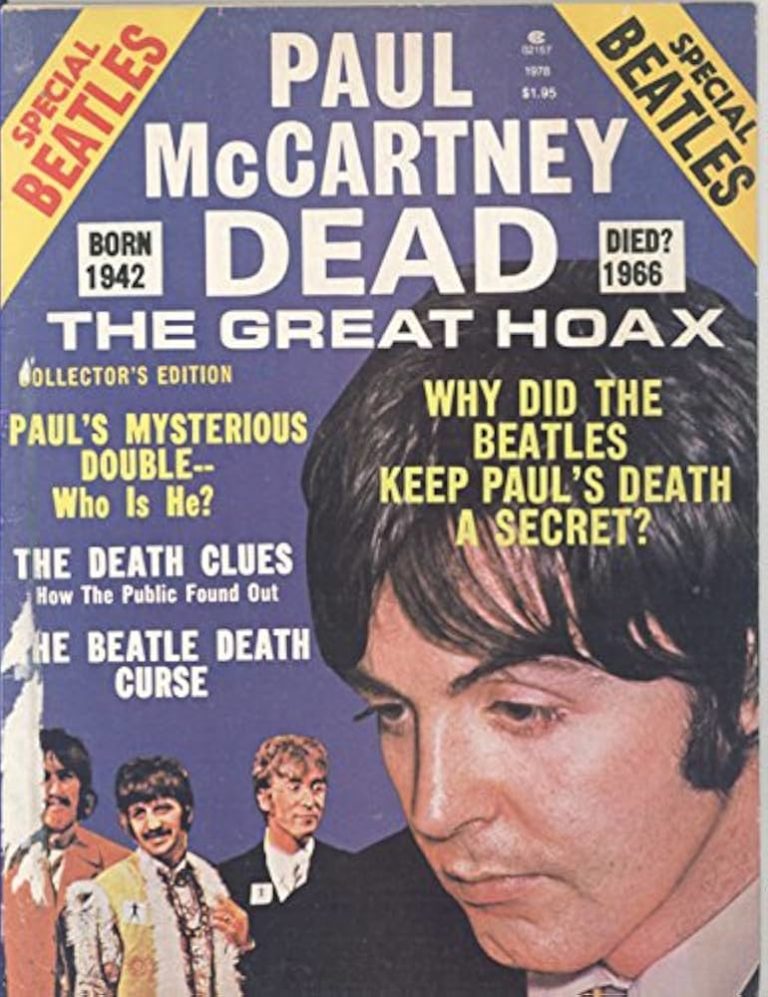
In 1969, as Abbey Road climbed the charts, a strange rumor exploded across college campuses and late-night radio waves: Paul McCartney was dead. According to the theory, Paul died in a fiery car crash in late 1966, and rather than devastate fans worldwide, the remaining Beatles — with alleged help from British intelligence — replaced him with a lookalike named Billy Shears. To ease their guilt or slyly share the truth, they began leaving cryptic clues in lyrics, album artwork, and even backmasked recordings. The result? A full-blown pop culture phenomenon that had fans poring over Beatles records like ancient scrolls.

Here are 20 of the most iconic and widely cited “Paul is dead” clues that kept a generation of fans guessing.

1. “Turn Me On, Dead Man” – Revolution 9

When fans played the experimental White Album track Revolution 9 in reverse, many claimed to hear the phrase “Turn me on, dead man” repeated clearly. This eerie line, combined with the track’s already nightmarish soundscape, seemed to point directly to a hidden message about Paul’s death, sparking one of the theory’s most persistent audio clues.

2. Abbey Road as a Funeral Procession

The Abbey Road cover became Exhibit A for the conspiracy. John, dressed in white, was interpreted as a priest; Ringo, in black, the undertaker; George, in denim, the gravedigger; and Paul — barefoot, out of step with the others, and holding a cigarette in his right hand despite being left-handed — was seen as the corpse. Fans believed this “funeral procession” was a symbolic farewell to the real Paul.

3. The “LMW 28IF” License Plate

The Volkswagen Beetle parked on Abbey Road bore a license plate reading “LMW 28IF.” Conspiracy theorists claimed it meant “28 IF Paul had lived,” suggesting he would have been 28 years old (he was actually 27 at the time). “LMW” was interpreted as “Linda McCartney Weeps” or “Linda McCartney, Widow,” despite Paul not yet having met Linda in 1966.

4. “I Buried Paul” – Strawberry Fields Forever

At the end of Strawberry Fields Forever, John Lennon softly mutters something that many fans believed was “I buried Paul.” Lennon later insisted he was actually saying “cranberry sauce,” but the damage was done. The supposed confession became one of the most chilling pieces of “evidence” in the theory.

5. The OPD Patch on Sgt. Pepper

On the Sgt. Pepper album cover, Paul wears a patch on his uniform that reads “OPD.” American fans interpreted this as “Officially Pronounced Dead,” reinforcing the narrative. The band later clarified it actually said “OPP” for “Ontario Provincial Police,” a gift from a Canadian fan, but believers were unconvinced.

6. The Billy Shears Introduction

When Ringo begins “With a Little Help from My Friends” on Sgt. Pepper, he’s introduced as Billy Shears. This sparked theories that “Billy Shears” was the name of the Paul McCartney lookalike now standing in his place — an eerie musical wink to those paying close attention.

7. “The Walrus Was Paul” – Glass Onion

In Glass Onion, Lennon sings, “Here’s another clue for you all / The walrus was Paul.” Fans latched onto this line immediately, connecting it to the walrus in I Am the Walrus, which they claimed symbolized death. Lennon later admitted the lyric was meant to confuse people — and it absolutely did.

8. The Black Rose in Magical Mystery Tour

In promotional photos for Magical Mystery Tour, three Beatles wear red roses on their lapels, but Paul wears a black one. Conspiracists saw this as another mourning symbol — a visual cue to show that Paul had died and been replaced.

9. The Sgt. Pepper Drum Reflection

Some fans used a mirror trick on the Sgt. Pepper bass drum logo. When a mirror is placed across the center, it allegedly reflects the message “1 ONE 1 X HE DIE.” Whether coincidence or clever design, it gave conspiracy theorists another cryptic breadcrumb to chase.

10. “He Blew His Mind Out in a Car” – A Day in the Life

Lennon’s line from A Day in the Life — “He blew his mind out in a car” — became one of the most-cited lyrical clues. Though it referenced the death of Guinness heir Tara Browne, fans were convinced it was a veiled description of Paul’s fatal accident in 1966.

11. Paul’s Scar

Photographs taken after 1966 show what some say is a faint scar on Paul’s upper lip. Some claimed it was the result of cosmetic surgery to make the lookalike resemble Paul more closely, further fueling the theory that this was a different person altogether.

12. His Changing Voice

Die-hard Beatles fans pointed to subtle changes in Paul’s voice in post-1966 recordings. Some claimed he sounded deeper and less nasal. While vocal evolution is natural, believers argued that it was yet another sign of an impostor taking over the mic.

13. Backwards Message in “I’m So Tired”

At the end of I’m So Tired, Lennon mutters gibberish. Played backward, some fans heard the phrase “Paul is dead, man. Miss him, miss him.” It wasn’t long before audio analysts across America were rewinding their vinyl for more messages from beyond the grave.

14. Paul Out of Step on Abbey Road

On the Abbey Road cover, all four Beatles are stepping with their left foot — except Paul, who leads with his right. Fans took this as another subtle signal: Paul was different. Paul was… replaced.

15. One Costume Doesn’t Match – Magical Mystery Tour

On the Magical Mystery Tour cover, the four Beatles wear animal costumes. Three of the suits match in color and tone. One doesn’t — Paul’s. This anomaly led fans to claim that Paul was being visually separated from the rest of the group once again.

16. George Pointing to “Wednesday Morning at 5 O’Clock”

On the Sgt. Pepper back cover, George Harrison points to the line “Wednesday morning at five o’clock.” Some fans insisted this was the exact time of Paul’s alleged death or funeral, turning liner notes into a conspiracy timeline.

17. “Number Nine, Number Nine…”

The robotic repetition of “Number nine” on Revolution 9 became another centerpiece. When reversed, fans believed it sounded like “Turn me on, dead man.” Whether or not it was deliberate, it sent listeners scrambling to reverse every track they could.

18. The White Album’s Blankness

After the explosive color and detail of Sgt. Pepper, the stark white cover of The Beatles (aka the White Album) felt like a memorial. Conspiracists saw the minimalism as a symbol of death and absence — a subtle tribute to a fallen bandmate.

19. Paul Faces Away on Sgt. Pepper Back Cover

On the Sgt. Pepper back cover, the other three Beatles face forward, but Paul has his back to the camera. It was just enough to unsettle fans — especially in an era when every detail of a Beatles release was thought to be intentional and meaningful.

20. The Beatles’ Silence and Paul’s Retreat

At the height of the rumor, Paul had withdrawn from the press to spend time at his farm in Scotland. The Beatles’ management issued denials, but Paul’s silence — along with his scruffy, uncharacteristic appearance in paparazzi photos — only fueled suspicion. Why wasn’t he speaking out more loudly? Maybe… because he couldn’t?

 So, Is Paul Dead?

Of course not. Paul McCartney is alive, touring, and still making music. But the “Paul is dead” theory endures because it taps into something more than just rock and roll — it’s about myth, mystery, and the joy of finding meaning where there may be none.

What began as a college prank evolved into one of the most enduring pop culture conspiracies of all time. And whether you believe it was a hoax, a metaphor, or a giant inside joke, one thing is clear: the Beatles were never just a band — they were a puzzle. And sometimes, puzzles make the best legends.

The Riptides Light the Fuse with “Bad Habit” From ‘Burn After Listening’ Album

0

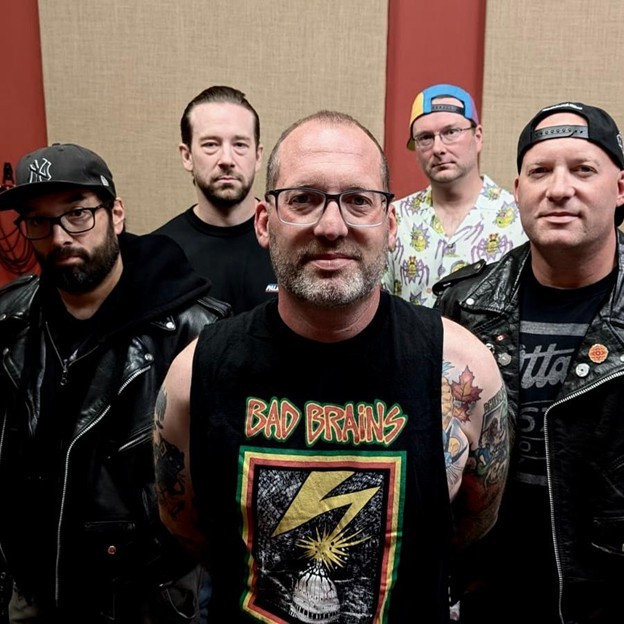
If the world feels like it’s gone off the rails, it’s because it has—and The Riptides have the soundtrack for it. Fueled by a post-pandemic punk-rock panic attack and loaded with melodies that hit like a right hook, Burn After Listening is the Ottawa band’s most audacious record to date. Their third single “Bad Habit” is out now—an infectious slice of pop-punk perfection that slams like Green Day but with the heart and hangups of a bruised romantic. Think The Clash at their catchiest, Screeching Weasel at their wittiest, and The Queers with just the right amount of existential dread.

From the pounding pulse of “Bad Habit” to the chaos-soaked cover art by Ottawa visual wizard Andrew Beck, The Riptides are taking no prisoners. “This record was born in the weirdest time,” the band shares. “There was so much uncertainty, and it gave us room to really go deep. Lyrically, it’s satire, reflection, and frustration—wrapped up in fast hooks and shout-along choruses.”

Written during the darkest days of lockdown, Burn After Listening is a punk-rock grenade lobbed directly into the absurdity of the world. The Riptides decamped to The Blasting Room in Fort Collins, Colorado, where engineer Andrew Berlin and mastering legend Jason Livermore (Descendents, NOFX) helped the band fine-tune every jagged edge. The result is a record that’s sharp, shiny, and primed to explode.

And explode it does. “Bad Habit,” with its punchy chorus—”You’re a bad habit that I don’t wanna quit”—is a full-blown power-pop anthem that’ll make you question every decision you’ve ever made at 2AM. It’s the type of song you scream along to while speeding down the highway with a broken heart and a pack of regrets. Teenage Bottlerocket’s drummer Darren Chewka and guitarist Kody jumps in on this one, and you can hear the adrenaline in every riff. “Having them on the track was unreal,” the band says. “We grew up on their stuff.”

But they didn’t stop there. The album also features guest vocals from Heavy Kevy of Insanity Alert and Merel from Dutch punk outfit Lone Wolf, each adding firepower to tracks like “Bottom Feeder” and “Get Over You.” “We called in some favours from friends we love and respect,” says the band. “They helped make this album bigger than we ever imagined.”

In their own words, “Every song has its own identity, but together they make up a record that keeps you on your toes. We still sound like us, but this one pushed us creatively—sometimes into uncomfortable places. But that’s what punk is all about, right?”

And Burn After Listening is punk with purpose—rebellion with a melody and a mission. It’s a middle finger to stagnation and a love letter to those still figuring it all out. “This is us pulling apart the mess and making something loud, fast, and real. We don’t have all the answers, but we’ve got killer harmonies and a ton of distortion.”

Catch The Riptides live when they bring their sonic mayhem to Ottawa very shortly. Expect sweat, shouting, maybe some spilled beer—and a whole lot of catharsis.

“You’re a bad habit that I just cannot quit…” And with songs this good, why would you even try?