Home Blog Page 803

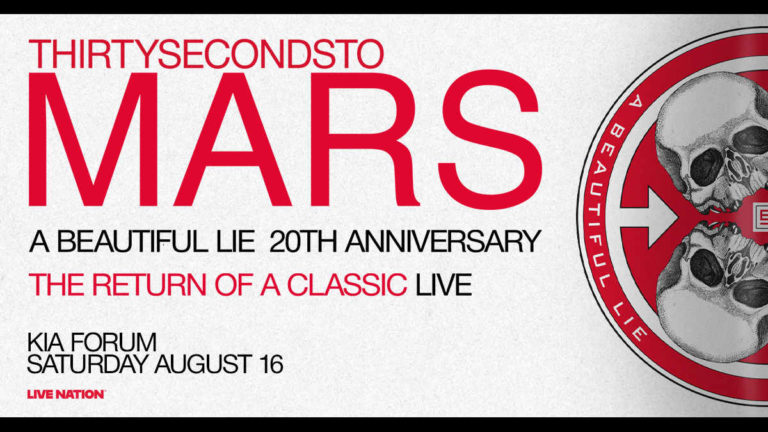
Thirty Seconds to Mars Announces One Night Only ‘A Beautiful Lie’ 20th Anniversary Show at Kia Forum

0

Multi-platinum rock band Thirty Seconds to Mars will celebrate the 20th anniversary of their acclaimed 2005 album A Beautiful Lie with a one-night-only performance at Los Angeles’ iconic Kia Forum on Saturday, August 16, 2025. Produced by Live Nation, this exclusive event marks two decades of the album that helped define the band’s sound and solidify their place in rock history.

Following the massive success of their Seasons 2024 World Tour, which brought their electrifying live show to arenas around the globe, this unforgettable evening will see the band perform their 5x platinum-selling album A Beautiful Lie in its entirety-for the first time ever, plus fans can expect surprise guests and new production.

TICKETS: Tickets will be available starting with an artist presale beginning Wednesday, April 16 at 10am PT. Additional presales will run leading into the general onsale which begins Friday, April 18 at 10am PT

John Mayer Takes Over SiriusXM’s Grateful Dead Channel to Share Favorite Tracks and Stories

0

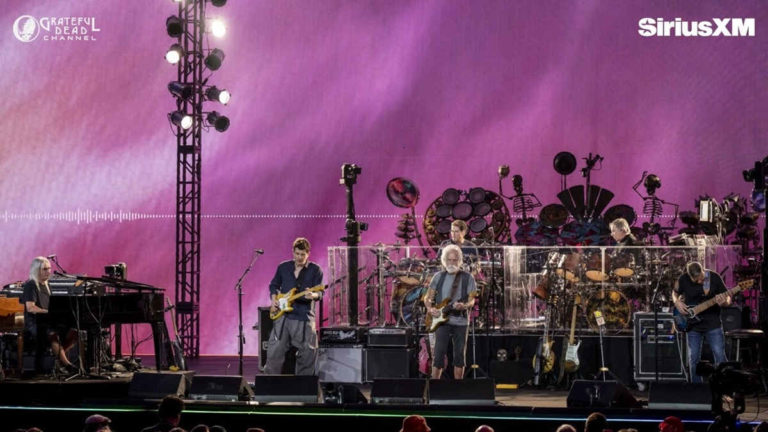
John Mayer recently took over SiriusXM’s Grateful Dead Channel as a guest DJ to share his favorite Grateful Dead tracks. During the session, John Mayer recalled the story of the first time he heard the 6/16/85 rendition of “Scarlet Begonias” into “Fire on the Mountain” on the way to his girlfriend’s house and revealed the Grateful Dead songs he listens to before going on stage.

John Mayer’s guest DJ session airs on SiriusXM’s Grateful Dead Channel (ch. 23) from Monday, April 7 through Sunday, April 13. SiriusXM’s Grateful Dead Channel is also available anytime on the SiriusXM app.

John Mayer Remembers Exactly Where He Was Listening to This Grateful Dead Track: John Mayer: Howdy. It’s John Mayer here playing some of my favorite Grateful Dead tracks, and I want to get into one that was so moving and affecting that I actually remember where I was. I was on the way to a girlfriend’s house on the corner of Outpost and Franklin. I’m now moving my hands to draw the streets. That’s how important and impactful this song was. I remember exactly where I was, and it is a one-of-a-kind rendition of “Scarlet Begonias” into “Fire on the Mountain” because it’s almost a reggae dub version. It feels very DI, this recording, which means it feels like direct from the board and Jerry and the boys, if I may, sound as if they’re playing in tempo with Jerry’s delay pedal on his guitar, which is kind of the basis of dub music is that it’s playing off of a delay pedal. This is Space Age. I love this version. It is from 6/16/85 in Berkeley, I believe the Greek Theater. It’s “Scarlet” into “Fire on the Mountain.” It’s on the Grateful Dead Channel, and I’m having a blast play you these songs.

John Mayer is Playing His Favorite Grateful Dead Tracks: John Mayer: Hello all. It’s your friend John Mayer here from Dead & Company. As you probably know, Grateful Dead Channel is free this month, and so to celebrate, because I know you love free stuff, I thought that I would run down nine of my favorite Grateful Dead tracks and in some cases a Grateful Dead Universe tracks by one of the band members and these are the songs that got me into the music, kept me into the music, and keep me really straight down the road of trying to play this music correctly night after night before I hit the stage, so you don’t know this, but now you do. There isn’t a night that goes by that I don’t listen to at least one of these tracks before I take the stage so that I can do my best at bringing you to your happy place, so let’s all go to our happy place together with this first track, a great “China/Rider” from 5/19/74 and it’s one of these tracks where you can just move your attention around from instrument to instrument player to player and just discover something great if you kind of solo their part in your mind. It’s also one of these tracks that I play in the dressing room before I go on stage. You may see me in the final minutes before I go on stage walking around with my iPhone playing music. It’s probably gonna be this song because I get to center up with the exact spirit of the band and it’s recorded so well. Before I take the stage, I just like to last minute hear one more impression of Jerry’s playing and the bands playing before I go on stage so I can just get in that spirit, and this is one of those songs that will absolutely do it. It’s “China/Rider” from May 19th, 1974, Portland, Oregon on the Grateful Dead Channel.

Upcoming John Mayer Guest DJ Broadcast Schedule:
Friday, April 11 – 12am ET
Saturday, April 12 – 3pm ET
Sunday, April 13 – 9am ET

Magnolia Park Releases “SHADOW TALK” and Concept Album ‘VAMP’ via Epitaph Records

0

Magnolia Park push the boundaries of genre and storytelling with the release of their highly anticipated concept album VAMP out now via Epitaph Records.

The band also shared the chilling, cinematic music video to focus track “SHADOW TALK”, “a dystopian anthem about revenge and anger at the world,” they explain. Written in the perspective of their album narrative’s manipulative, power-hungry villain Obsidian, they deliver industrial production, maniacal whispers and bone-crushing breakdowns to convey the chaos and twisted pleasure of watching the world burn.

Across VAMP’s 11 tracks – internally produced by the band’s own producers alongside Andrew Wade (A Day To Remember, Wage War), Hiram Hernandez (blessthefall, Real Friends) and Andy Karpovck (408, Taylor Acorn), and mixed by Zakk Cervini (Bad Omens, Bring Me The Horizon) – Magnolia Park soundtrack a dramatic tale of crimson blood and chrome-plated courage through their own mix of man and machine.

Stacking whirring electronics and industrial undertones alongside sledgehammer breakdowns, walls of detuned guitars and seam-splitting vocals, they’ve modded out their uplifting pop-punk anthems for something heavier and more complex.

The project’s roots took place in Australia: after performing triumphant sets to thousands at the 2023 Good Things Festival, the band was more encouraged than ever to chase a bold, new, musical direction. They decided to tap into the heavier influences they’d begun dabbling in on Halloween Mixtape II (2023), adding a ferocious bite to their trademark sound. Born from this was “SHALLOW” released in August 2024, one of the first songs penned for the follow-up. Praised for its “thunderous instrumentation” (idobi), it led the band in a direction to think bigger about what the next set of songs could become. Before long, they were entrenched in building out the album’s details, crafting characters, settings, and narratives that add new layers of complexity and creativity to their already captivating sound.

Tom Hamilton’s New Band Close Enemies Releases “Sweet Baby Jesus” With Star Studded Lineup

0

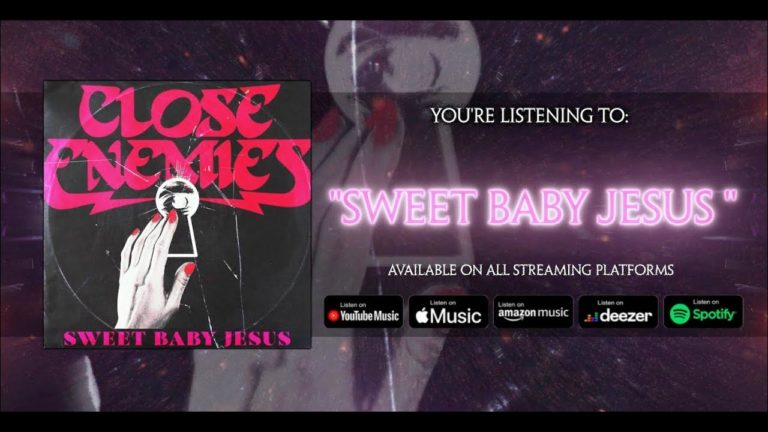
Tom Hamilton bassist Tom Hamilton’s new band Close Enemies have released a music video for their brand new single “Sweet Baby Jesus” as their latest track.

The band comments, “We’ve all seen them, those drop dead gorgeous beings that make you declare ‘sweet baby Jesus!.’ This is one of those encounters, set to a slinky groove layered with swampy guitar and slathered in barbecue sauce.”

Hamilton is joined in the group by legendary drummer Tony Brock (The Babys and Rod Stewart), touring veterans Peter Stroud (Sheryl Crow and Don Henley) and Trace Foster on guitar, and singer Chasen Hampton, who has been singing professionally since the age of 11, as a member and co-host of the famed 90s Mickey Mouse Club and pop group The Party.

Mark Strigl SiriusXM on air host of Ozzy’s Boneyard states: “Close Enemies is the real deal-a group of insanely talented musicians including bassist/songwriter Tom Hamilton of Aerosmith. Their new tunes are packed with energy & emotion, and they absolutely blew me away live. This is a band that delivers on every level-don’t miss them!”

Nick Drake Estate Announces ‘The Making Of Five Leaves Left’ With Over 30 Unheard Outtakes

0

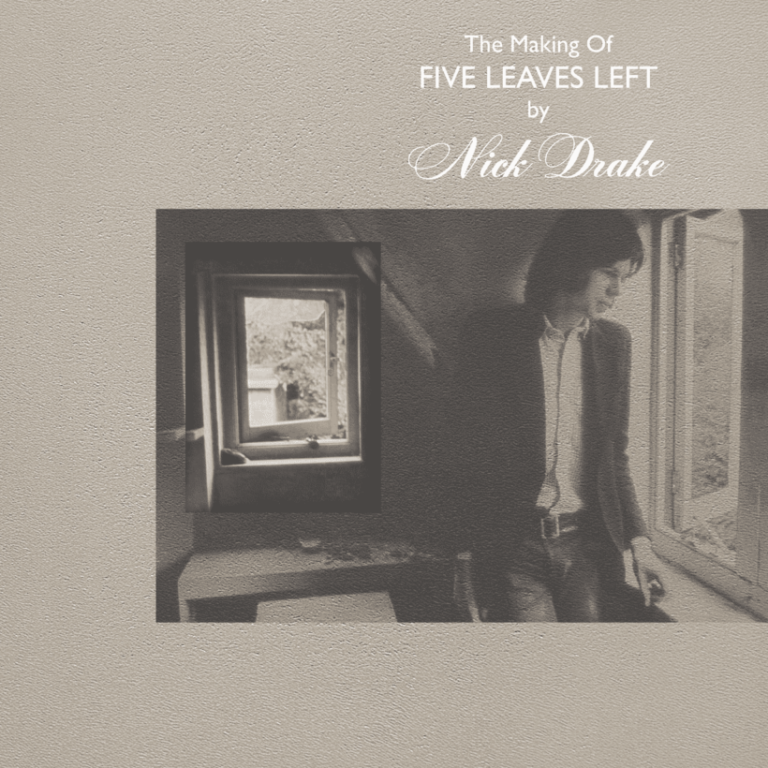
The Making Of Five Leaves Left, a project nine years in gestation, will be released July 25 via Island/UMe. This Nick Drake Estate authorized edition comprises more than 30 previously unheard outtakes from the sessions which gradually became Nick Drake’s debut album, Five Leaves Left, and will be available as 4CD and 4LP boxed sets. The reason for the lack of any previous typical anniversary-related ‘deluxe’ set, was the Estate’s wish that the listener concentrate on the beauty within the original released studio recordings. However, following the discovery of remarkable tapes from two new outside sources, plus a comprehensive reordering of the Universal tape library, Nick’s sister Gabrielle felt that now was the time to reveal the origin story of the album.

It should also be noted that that the choice of tracks was made in order to tell the story as faithfully as possible, and not simply to release all the takes on all of the tapes.

The final disc in each package is the original Joe Boyd-produced album. The whole set has been mastered by John Wood and Simon Heywood and both vinyl and CD versions will be housed in the same beautiful packaging.

This lovingly put together set features studio outtakes and previously unheard songs that tell the story of how Nick Drake’s debut album came to be released on Island Records in July 1969. The set includes Nick’s first ever session at Sound Techniques – found on a mono listening-reel which Beverley Martyn had squirrelled away over fifty years ago. It also contains the full reel recorded at Caius College by Cambridge acquaintance Paul de Rivaz which had lain in the bottom of a drawer for decades, accompanying him and his family around the world.

The Making Of Five Leaves Left will feature full recording details, charts and the recording history across an illustrated 60-page book. The book, printed on special textured paper stock, which is 100% recyclable and biodegradable, was written by Neil Storey in collaboration with Richard Morton-Jack after new research, undertaken for the latter’s acclaimed biography “The Life,” revealed new insights.

Legend tells of multi-tracks and master tapes from the 1960s onwards being calculated by accountants as having no value, loaded onto lorries before being taken away and crushed to create more easily managed space. When we began the process during 2016 – the search into what may or may not have survived from the Five Leaves Left sessions – no one had any idea what might be found. One starts a project such as this with fingers firmly crossed, hoping for the best but knowing the well of disappointment could be around the next corner. Thankfully, almost all of the reels associated with Five Leaves Left exist. Not all but most.

The next stage was the analog/digital reel transference. Once completed the music contained on the reels – a combination of 1⁄2″ 4-track multi-tracks, 1⁄4″ mono and stereo mixes, two 1⁄4″ mono masters and a single 1″ 8-song reel – created an interesting conundrum. What should we include, what should be left out? It was established very early on we couldn’t – and more importantly wouldn’t – include every outtake found; as much as that might please the purist, it wouldn’t respect Nick.

In any studio what happens behind the closed door of a session is always the same. Some takes go down perfectly, some don’t. It’s the nature of the process. On these reels, no one was surprised to find Nick occasionally miscuing a vocal or guitar part, Danny Thompson blundering over a bass line or a string section coming in half a bar behind. All that happened. Not often, but it did. Even so, those few-and-far-between gaffes were part of the story because the chosen music would detail the evolutionary process of Five Leaves Left. Next step – sequencing.

DISC ONE
The opening six songs contain Nick’s first ever session at Sound Techniques that were found on the mono listening-reel which Beverley Martyn had squirrelled away in a drawer over fifty years ago. It is safe to assume it’s in exactly the same order as Joe Boyd and John Wood recorded it. Certainly “Mayfair” and “Time Has Told Me,” which segue into one another, are the first two tracks they recorded – otherwise why would Joe say what he says right at the very start?

The following six songs open with a radically different take of “Strange Face.” Never finished but showing how it could have ended up if Nick had chosen to continue down that particular musical path. While the Richard Hewson session was aborted an element has to play a part, otherwise we’d not be telling the story properly. How best to illustrate this? To demonstrate how one of Nick’s songs developed, we married Richard’s original orchestration of “Day Is Done” which features Nick singing but not playing via his and Danny Thompson’s second stab at it in November before Robert Kirby’s strings accompany Nick’s guitar as sessions for the album were coming to a close almost a year later. This led us to the undated Paul de Rivaz reel – the likely purpose of which was to help Nick and Robert better prepare for a concert planned for February 23, 1968.

Sonically, there is a major difference from recordings made at Sound Techniques and those in a fellow undergraduate’s room captured on rudimentary equipment. To ease that transition we have Nick explaining how he sees “My Love Left With The Rain” evolving, suggesting he’d like “to get as expansive a sound as possible.”

DISC TWO
The first seven songs are all from the de Rivaz reel and the following five are the best never-before-heard takes from the first two days of Nick’s collaboration with Danny Thompson.

DISC THREE
For the next eight songs, we’ve more or less stayed in sequence of recording dates. There is no way of being certain, but since “River Man” had not been previously recorded possibly indicates Nick had only recently completed writing it.

Strictly speaking, the final four titles are out of sequence. “Way To Blue” can be narrowed down to an unspecified date during the winter of 1968. As the recording dates show, “Saturday Sun” was the final track on the album to be recorded yet, it didn’t feel right to conclude the story of The Making Of Five Leaves Left with anything other than the first full take of Harry Robinson’s orchestration of “River Man.”

DISC FOUR
The final disc completes the cycle. It is Five Leaves Left just as Joe and John sequenced it, as Nick first heard it in completed form, and the same as he handed his sister in her London flat in mid-June 1969.

Gabrielle Drake: “I suspect I got the very first copy. Nick must’ve had that moment of seeing himself on the cover, his music inside, and, it is so typical of Nick because all he said was, ‘Well… there you are.’ As I’ve said many times, he really was a man of few words.”

The remaster dates from 2000 when all of Nick’s albums were remastered for CD by John Wood and Simon Heyworth. When John went to Abbey Road in 2013 to remaster the tapes for vinyl reissues, he discovered the original analogue masters had, fractionally, deteriorated. Tapes degrade over time, both the oxide layer and the tape base can be affected by age. Therefore, the 24bit files captured from 2000 remain the superior version – Five Leaves Left sounding as good as it can be.

The Making of Five Leaves Left Tracklist:

LP1 – 1st Sound Techniques Session — A.K.A. The Beverley Martyn demo & Alt Takes from February 1968 to April 1969
Side A
01. Mayfair – 1st Sound Techniques Session – March 1968
02. Time Has Told Me – 1st Sound Techniques Session – March 1968
03. Man In A Shed- 1st Sound Techniques Session – March 1968
04. Fruit Tree – 1st Sound Techniques Session – March 1968
05. Saturday Sun – 1st Sound Techniques Session – March 1968
06. Strange Face – 1st Sound Techniques Session – March 1968

Side B
01. Strange Face – Rough Mix with Guide Vocal – September 1968
02. Day Is Done – Take 5 – April 1968
03. Day Is Done – Take 2 – November 1968
04. Day Is Done – Take 7 – April 1969
05. Man In A Shed – Take 1 – May 1968
06. My Love Left With The Rain – Cambridge, Lent Term 1968

LP2 – Paul de Rivaz Reel – October 1968 / Out-Takes November 1968
Side A
01. Blossom – Cambridge, Lent Term 1968
02. Instrumental – Cambridge, Lent Term 1968
03. Made To Love Magic – Cambridge, Lent Term 1968
04. Mickey’s Tune – Cambridge, Lent Term 1968
05. The Thoughts of Mary Jane – Cambridge, Lent Term 1968
06. Day Is Done – Cambridge, Lent Term 1968
07. Time Has Told Me – Cambridge, Lent Term 1968

Side B
01. Three Hours – Take 2 – November 1968
02. Time Has Told Me – Take 4 – November 1968
03. Strange Face – Take 1 – November 1968
04. Saturday Sun – Take 1 – November 1968
05. Fruit Tree – Take 4 – November 1968

LP3 – Out-Takes from December 1968 to April 1969
Side A
01. Time of No Reply – Take 3 into Take 4 – December 1968
02. ‘Cello Song – Take 4 – January 1969
03. Mayfair – Take 5 – January 1969
04. River Man – Take 1 – January 1969

Side B
01. Way To Blue – Cambridge – Winter 1968
02. The Thoughts of Mary Jane – Take 2 – April 1969
03. Saturday Sun – Take 1 into Take 2 – April 1969
04. River Man – Take 2 – April 1969

LP4 – The Original Album – Released 3rd July 1969
Side A
01. Time Has Told Me
02. River Man
03. Three Hours
04. Way To Blue
05. Day Is Done

Side B
01. ‘Cello Song
02. The Thoughts of Mary Jane
03. Man In A Shed
04. Fruit Tree
05. Saturday Sun


Joanne Shaw Taylor Releases “Look What I’ve Become” And Announces New Album ‘Black & Gold’

0

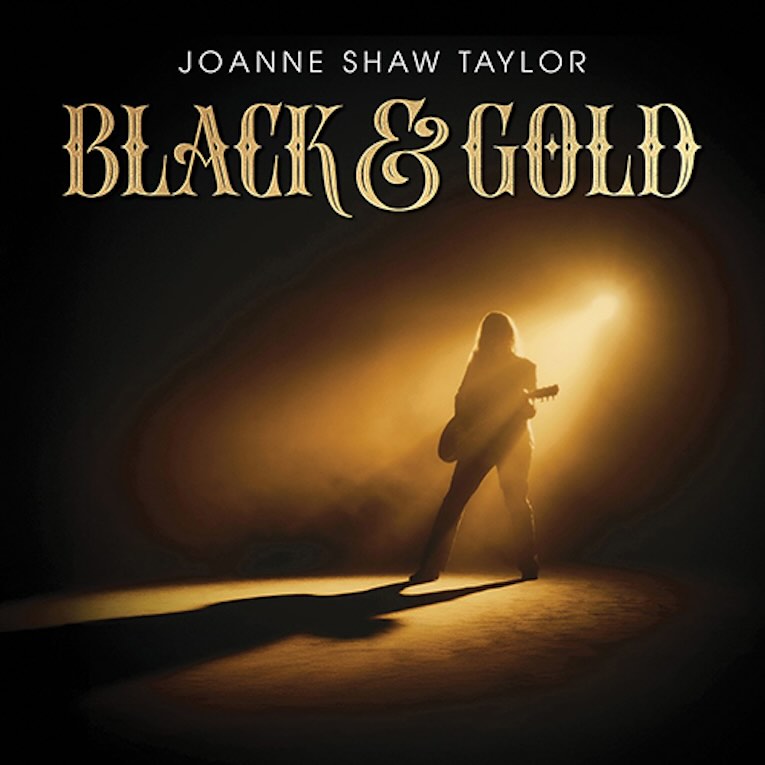
Joanne Shaw Taylor digs deep on her latest single, “Look What I’ve Become”-a haunting reflection on addiction, isolation, and the moment of choosing whether to fight or let go. The gripping new track, released today via Joe Bonamassa’s Journeyman Records, blends minor-key blues intensity with the cinematic sweep of a Bond theme, anchoring some of Joanne’s most confessional songwriting and driving it home with her incredible signature guitar tone.

“My bones have grown so old, the world is only cold,” she sings over gritty, shadow-drenched guitar tones, capturing a soul in reckoning. With a voice both weary and defiant, she delivers the devastating refrain: “Don’t miss me when I’m gone / I’m nothing now but numb.”

“This one’s about hitting that crossroads,” Joanne shares. “It’s about the moment where you either change everything or disappear. The lyrics came from a very honest place-and I wanted the music to match that intensity.”

“Look What I’ve Become” follows Joanne’s recent run of acclaimed singles, including the fearless “What Are You Gonna Do Now,” the high-octane “Hell Of A Good Time,” the emotionally charged “Grayer Shade of Blue,” and her defiant anthem “I Gotta Stop Letting You Let Me Down.” Together, they paint a vivid portrait of a woman reclaiming her story-set against the diverse sonic palette of her forthcoming album, Black & Gold, out June 6th.

Produced by Kevin Shirley (Black Crowes, Journey, Aerosmith), Black & Gold finds Joanne pushing the boundaries of blues rock with raw vulnerability, sweeping cinematic textures, and moments of explosive swagger. From the retro shimmer of her cover of Sam Sparro’s “Black & Gold” to the soulful ache of “Who’s Gonna Love Me Now,” each track reveals a new facet of Joanne’s artistry.

With more than a decade of critically acclaimed releases under her belt-and endorsements from legends like Stevie Wonder and Annie Lennox-Joanne Shaw Taylor continues to redefine modern blues. Her partnership with Journeyman Records allows her to release music on her terms, reaching fans without compromise.

Joanne is currently gearing up for an extensive U.S. Spring Tour following her appearance on Keeping The Blues Alive at Sea X alongside Bonamassa. Fans can expect to hear material from Black & Gold along with fan favourites and blistering blues classics-all delivered with the fiery musicianship that has made her a standout in today’s blues-rock scene.

OK Go Releases “Love” and Announces New Album ‘And the Adjacent Possible’ With Dazzling Video

0

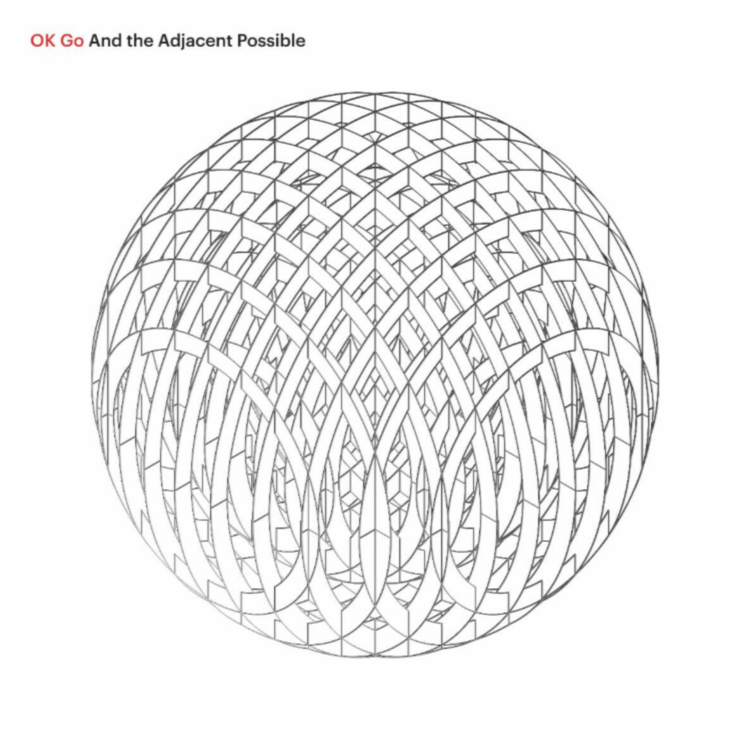
OK Go returns with And the Adjacent Possible, the band’s ambitious fifth studio album and first full-length release since 2014’s Hungry Ghosts. Even for a band known for pushing boundaries, the album is wildly eclectic-postmodern and genre-dissolving, with nods to Phil Spector, Toni Visconti, and Nile Rodgers sandwiched between the fuzzy, psychedelic opener, “Impulse Purchase,” and the meditative, Zen-like closer, “Don’t Give Up Now.” Glued together by the distinctive mixing of the band’s longtime collaborator Dave Fridmann (The Flaming Lips, Spoon, Tame Impala, MGMT), the twelve tracks collectively paint a portrait of a band comfortable in its own chameleon skin.

The band will deliver an extra special performance of “Love,” its new single, on The Late Show with Stephen Colbert on Tuesday, April 15. Like the album’s first track, “A Stone Only Rolls Downhill,” “Love” is written from a father’s perspective, but the weighty concerns of the first song give way to wonder and joy on this soaring new anthem.

Damian Kulash says, “You know that dream where you’re somewhere familiar, maybe your childhood home, but there’s a door, one that was never there before, leading to some impossible magical place? Having children did that to my understanding of love. Suddenly, a huge new ballroom opened up off of the little apartment I’ve inhabited so long: a whole new wing of love, grand and soaring and utterly overwhelming. It is endlessly amazing that we exist – little, conscious clusters of stardust occurring, apparently by chance, in the vast emptiness of the universe. And we get to experience love. It is unbelievable.”

And since this is OK Go, of course there is a mind-melting music video. It always seems like the band can’t possibly top themselves, but with today’s release of the video for “Love,” they’ve done it again. The single-take video features complex choreography between the band, 29 robots, and upwards of 60 mirrors to create a dazzling – and this time deeply moving – spectacle of infinite reflections and human-scale kaleidoscopes. Shot in the faded glory of a Budapest train station, the clip was concepted in partnership with creative agency SpecialGuest, co-directed by Damian Kulash, Aaron Duffy, and Miguel Espada, and produced by 1stAveMachine, with technology integration by SpecialGuestX.

5 Surprising Facts About Green Day’s ‘American Idiot’

When Green Day released American Idiot in 2004, it marked a turning point in the band’s career. Framed as a concept album and “punk rock opera,” it blended narrative ambition with political urgency and became one of the best-selling and most acclaimed albums of its decade. While many fans know the singles and storyline, the album contains a wealth of lesser-known details. Here are five facts that deepen its legacy.

1. American Idiot was built on abandoned material

Before writing American Idiot, Green Day had nearly completed an entirely different album titled Cigarettes and Valentines. After the master tapes were stolen from the studio, the band chose not to recreate the sessions. Instead, they scrapped the material and began writing from scratch. This decision led to the conceptual direction that defined American Idiot. The abandoned album later influenced bonus tracks and live performances, but it was never officially released.

2. The album was recorded in sequence from start to finish

Green Day took an unusual approach in the studio by recording the songs in the order they appear on the album. Each track was completed before moving on to the next. This method helped preserve the conceptual narrative and ensured a consistent tone throughout the project. It also required more planning and discipline compared to typical recording sessions, which often involve tracking parts in a non-linear sequence. Few albums of this scale have been made this way.

3. “Wake Me Up When September Ends” stands apart from the album’s concept

While most of American Idiot follows a defined storyline, “Wake Me Up When September Ends” originates from a personal loss. Billie Joe Armstrong wrote the song about the death of his father, who passed away in September 1982. The title came from a phrase Armstrong said to his mother during the funeral and kept in his memory for years. Although it fits thematically within the album’s mood, the song functions more as a standalone tribute than a narrative chapter. Its inclusion adds emotional depth beyond the political themes.

4. The band constructed a private pirate radio station during sessions

While demoing American Idiot at Studio 880 in Oakland, the band set up a pirate radio station inside the studio. They used it to broadcast jam sessions, in-progress recordings, and prank calls to local radio frequencies. This DIY setup created a sense of freedom and experimentation during the early writing process. The experience of curating and broadcasting their own content helped reinforce the album’s anti-mainstream tone. It reflected the band’s continued interest in independent media.

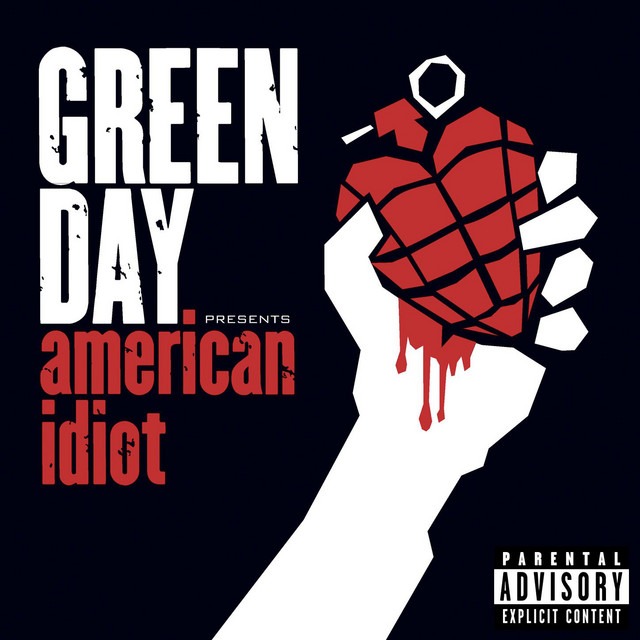
5. The artwork was directly inspired by Saul Bass and Communist poster design

The cover art for American Idiot was created by Chris Bilheimer, who had previously worked with the band. The design was influenced by Saul Bass’s work on The Man with the Golden Arm as well as propaganda art found in galleries on Melrose Avenue in Los Angeles. The hand grenade shaped like a heart was drawn from a lyric in “She’s a Rebel.” The artwork aimed to reflect urgency, uniformity, and visual impact. It quickly became one of the most recognizable covers of the 2000s.

American Idiot was a carefully planned and executed project that redefined their place in modern rock. These lesser-known details reveal the discipline and experimentation behind the album’s creation, offering a clearer picture of its legacy as both a political and artistic statement.

The Chainsmokers Announce Block Party at The Midway in San Francisco This May

0

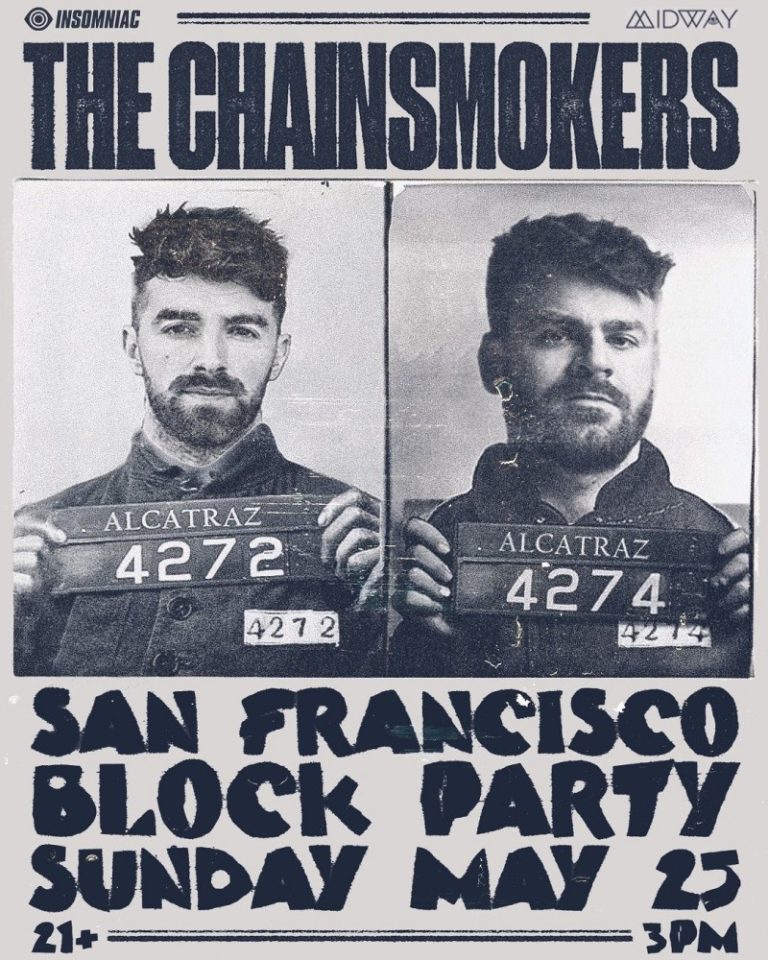
GRAMMY Award-winning duo The Chainsmokers have announced The Chainsmokers Block Party at The Midway, San Francisco on Sunday, May 25th.

The producer/DJ duo’s latest anthemic work, No Hard Feelings was released to monumental chart success and industry acclaim. The EP’s boundary-breaking single, Addicted-with Mwaki producer Zerb and frequent Beyoncé collaborator INK-dominated global charts. The follow-up, Don’t Lie with pop star Kim Petras, was a cross-genre smash. In 2025, The Chainsmokers are celebrating their progressive house roots with a return to the acclaimed remixes they are known for-released for the fans, and only through SoundCloud – most recently, Past Lives.

The Chainsmokers are some of music’s top touring artists. Alongside the Block Party and industry-defining Vegas residencies, Alex and Drew will soon headline Taipei’s Riverside Park, the new Brooklyn Mirage, and make a highly-anticipated return to EDC China.

j-hope Wraps North American Leg of ‘HOPE ON THE STAGE’ Tour with Historic Stadium Shows in Los Angeles

0

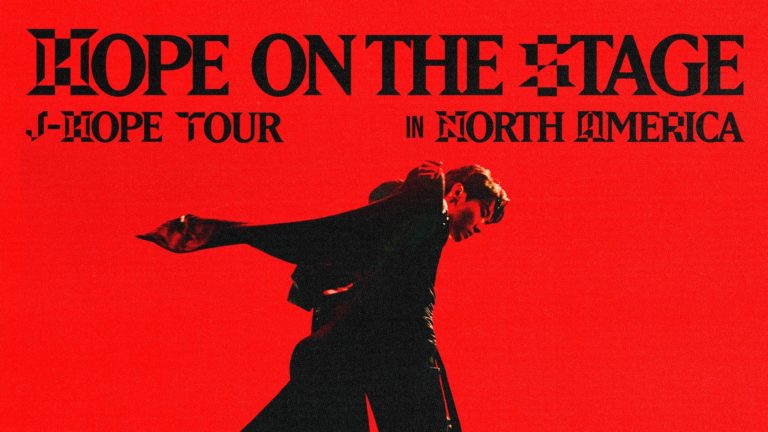
j-hope of 21st-century pop icons BTS successfully wrapped up his first-ever solo stadium concerts with a two-day run at BMO Stadium in Los Angeles. The Los Angeles shows, which ran on April 4 & 6, marked the final stop of the North American leg of his first-ever solo world tour, ‘HOPE ON THE STAGE.’

The final show at BMO Stadium was a defining moment in the global game-changer’s solo musical journey. A true boundary breaker, j-hope made history as the first South Korean male artist to headline a stadium show in North America. He opened the show with tracks from his first solo album, Jack In The Box (2022), instantly igniting the stadium with a wave of cheers amid the dazzling sea of ARMY BOMBs (BTS’ official light stick).

The excitement reached new heights when trailblazing, genre-defying GRAMMY-Award winning R&B artist Miguel made a surprise appearance for a special performance of “Sweet Dreams (feat. Miguel),” j-hope’s hit single released in March, 2025. As the duo commanded the stage with undeniable chemistry, the audience erupted into a massive sing-along. The atmosphere was electric, with thousands of fans swaying in unison, fully immersed in the moment.

j-hope continued to captivate with a powerful performance of “MONA LISA,” exuding confident charisma with a sensual edge. The encore set featuring “= (Equal Sign),” “Future,” and the grand finale “NEURON (with Gaeko, yoonmirae),” was reimagined with a New Jack Swing arrangement, marking a powerful and emotional conclusion to an unforgettable show. From start to finish, the show was a testament to j-hope’s standing as one of the most celebrated performers in demand.

The name of the tour ‘HOPE ON THE STAGE’ not only represents ‘j-hope on stage,’ but also the idea of hope, wishes, and dreams taking shape in various forms on stage. The concert is arranged into five sections-‘Ambition,’ ‘Dream,’ ‘Expectation,’ ‘Fantasy,’ and ‘Wish’ with each section reflecting the narrative he has woven throughout his solo career. As his first solo world tour since debuting 12 years ago, ‘HOPE ON THE STAGE’ is a deeply personal project for j-hope. He actively participated in the overall planning, composition, and direction of the concert, ensuring his creative vision was embedded throughout.

The concert delivered a visually and sonically immersive experience, enhanced by spectacular production. The lifts for the main stage shifted in their height and arrangement in real-time, synchronizing with his music and movements. At times, they formed a box, and at others, they morphed into staircases that elevated him. For performances featuring tracks from his Special Album, HOPE ON THE STREET VOL.1, which delves into his musical roots-street dance, the stage transformed into a vibrant, retro dance floor. Along with a thrilling dance break, j-hope showcased his incredible mastery of movement with his signature energy that electrified the audience.

He kicked off the North American leg of the tour on March 13 at Barclays Center in Brooklyn. During the Brooklyn show, he premiered his latest single “MONA LISA,” which quickly spiraled countless viral dance challenge videos. Following Brooklyn, the tour made stops across major cities including Chicago, Mexico City, San Antonio, Oakland, and Los Angeles.

j-hope’s world tour ‘HOPE ON THE STAGE’ features a total of 31 shows in 15 cities across the world, including Seoul (South Korea), Singapore (Singapore), Jakarta (Indonesia), Bangkok (Thailand), Osaka (Japan), and more. After concluding the North American leg, he will continue his tour in Asia until June.