Home Blog Page 809

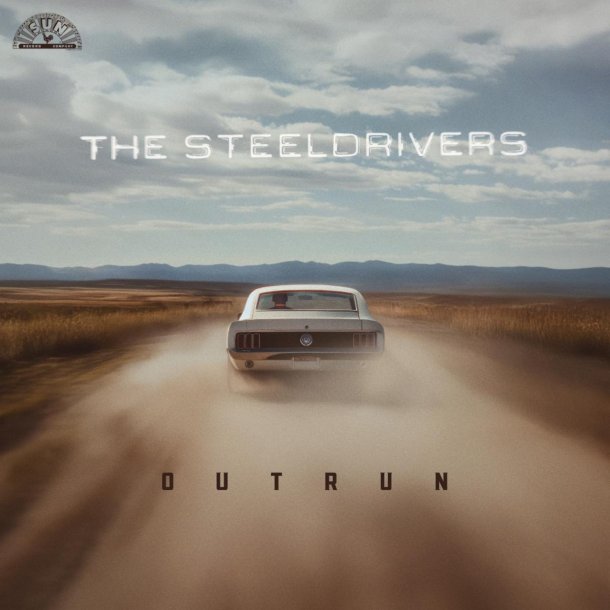
The SteelDrivers Honor Late Founder Mike Henderson With “Outrun” and Announce New Album on Sun Records

0

That SteelDrivers sound. Those already initiated with the two-decade-running, Grammy-winning quintet The SteelDrivers will know exactly what it means—the bluesy-leaning, stomp inducing, singular style that’s made fans of folks from Adele to Bill Murray to hundreds of thousands more fans across the globe for the past two decades. Between The SteelDrivers’ unique thump and chop of the rhythm section and seamless harmonies and vocal delivery, the Americana sum becomes greater than its bluegrass parts, an x-factor that’s still present in today’s new release, “Outrun,” the title track of a brand new SteelDrivers album due out on May 23rd on the iconic Sun Records.

Written by the SteelDrivers’ own Tammy Rogers (fiddle) and Matt Dame (guitar) along with longtime SteelDriver co-writer Leslie Satcher, “Outrun” was written in the eleventh hour ahead of the recording of Outrun. “I happened to run into [Satcher] the weekend before we were scheduled to go into the studio and told her we didn’t have any ‘Leslie songs’ on the upcoming record,” says Rogers. “She made the time to get together and ‘Outrun’ was written in about an hour and a half!” Mandolinist Brent Truitt calls it his favorite song from the new project, adding, “‘Outrun’ has all the elements that will likely elevate it to a SteelDriver classic in short order.”

Part murder-ballad, part getaway thriller, “Outrun” uses verse vignettes to tell its story while the song’s chorus is a universal lesson, or maybe just a warning: “You can’t out run the Mississippi River in a Shelby GT Ford / You can’t out run the angels, you can’t out run the lord / You can’t out run a broken heart that gives into a gun / And you can’t out run the grim reaper once the deed is done.”

Beyond the ever-evolving musical nature of The SteelDrivers, this seamless ebb and flow between intricate bluegrass and the hardscrabble blues, another key element of Outrun is this underlying tribute to late founding member Mike Henderson. And though Henderson passed away in 2023, his memory and presence is still profoundly felt by the group, onstage and in the studio. “I lovingly refer to Mike as the architect of the band,” Rogers says. “Because he’s the one in the beginning that called us all together. Everybody respected everybody else, and that’s what created our sound and what makes it so unique.”

Fans can stream or purchase “Outrun” today at this link and pre-order or pre-save Outrun ahead of its May 23rd release on Sun Records right here. For tour dates and everything else SteelDrivers, please visit thesteeldrivers.com.

 Only Nashville could give birth to a band like The SteelDrivers, a group of seasoned veterans—each distinguished in his or her own right, each valued in the town’s commercial community—who are seizing an opportunity to follow their hearts to their souls’ reward. In doing so, they are braiding their bluegrass roots with new threads of their own design, bringing together country, soul, blues, and other contemporary influences to create an unapologetic hybrid that is old as the hills but fresh as the morning dew. This is new music with the old feeling. SteelDrivers fan Vince Gill describes the band’s fusion as simply “an incredible combination.”

Specializing in a unique mix of what might be called bluegrass soul, the SteelDrivers have become one of the biggest names in progressive bluegrass after making their debut in 2005. While there’s a strong traditional streak in the SteelDrivers sound, they bring a passion to their delivery that adds a distinctive flavor, and they’re not afraid of adding a forceful grit to the music.

The SteelDrivers have been nominated for four Grammys, the Americana Music Association’s New Artist of the Year, and were awarded IBMA’s 2009 Emerging Artist of The Year. In 2015, The Muscle Shoals Recordings won the Grammy Award for Best Bluegrass Recording.

About Sun Records: Established in 1952 by Sam Phillips, Sun Records is renowned for discovering music legends including Elvis Presley, Johnny Cash, and Jerry Lee Lewis. The label moved to Nashville in 1969 where it continued cultivating acclaimed artists Jeannie C. Riley, The Dixie Cups, Linda Martell, and many others. As a member of the newly-formed Sun Label Group under Primary Wave, Sun Records continues to foster musical innovation while honoring its rich history of shaping American music culture.
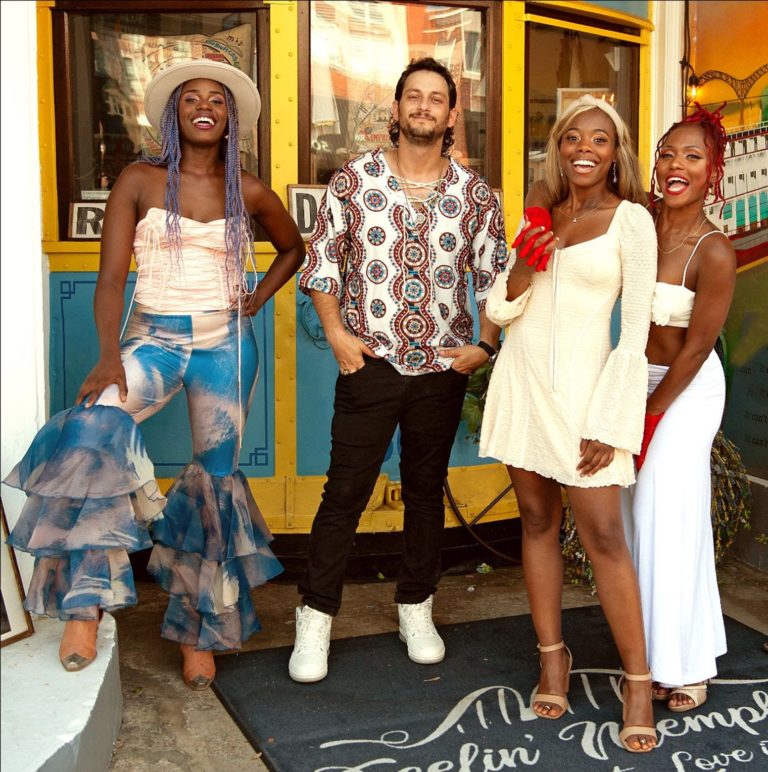
Southern Avenue Celebrates a New Release “Upside” and Upcoming Album ‘Family’ with a Live NPR Broadcast

0

Today, GRAMMY-nominated Memphis-based roots, blues, and soul band Southern Avenue release their new radio single, Upside. The song, available on all digital service platforms, is a featured track on the band’s new Alligator Records debut album, Family. A new lyric video for Upside premieres today. Family will be released on April 25, 2025, and will be available on CD, translucent green vinyl LP and at all digital service providers.

Southern Avenue — recently nominated for a Blues Music Award for Band Of The Year — is unlike any other group on the scene today. The band features three Memphis-born sister singers who perfected their vocals in church before embracing their own sonic identity: lead vocalist/songwriter Tierinii Jackson backed by her two harmonizing, multi-talented musician sisters, Tikyra (TK) on vocals and drums and Ava on violin, percussion and vocals. Israel-born and bred guitarist/songwriter Ori Naftaly (who founded the band in 2015 and who is also married to Tierinii), provides funky grooves and raw Memphis guitar.

Upon release to radio, Upside instantly became one of the most added new singles on the Americana Radio Singles Chart. It is currently being supported by some of the leading NPR Music stations in the country, including WFUV-New York, Roots Radio WMOT-Nashville, WFPK- Louisville, KY and over a dozen others in its first week.

Later today, Southern Avenue celebrates the release of Upside with a live concert broadcast on NPR Music station WXPN-FM in Philadelphia at 12:00pm Eastern time. They will perform on the tastemaker station’s wildly popular Free At Noon program from the stage of World Café Live.

Speaking of the song, Tierinii says “Every day’s a new chance to find your joy. Upside is all about embracing that. It’s about dancing through the uncertainty, and choosing to see the beauty in every new day. It’s an anthem for moving forward, embracing change, and finding something to be grateful for—because life is too good to stay stuck.”

According to Ori, “We all get caught up in things we can’t control—stressing over the past, worrying about the future. But this song is about the here and now. It’s a reminder to embrace each day, let go of the baggage, and choose to see the light in every moment.”

Naftaly founded Southern Avenue in 2015, two years after arriving in Memphis to perform at the International Blues Challenge with his original band. The first time he saw Tierinii Jackson, the city’s premiere vocal powerhouse, he didn’t hesitate, saying, “I saw my entire future flash in front of me.” The two shared a few initial sessions, then TK joined on drums and Southern Avenue was born. “We’ve been a family ever since,” Tierinii says.

Southern Avenue is named after the famous street that runs through the center of Memphis, leading past the original home of Stax Records. But it was still a surprise to the band when they became the first Memphis group signed to the newly reformed Stax label, which released their self-titled debut album in 2017. In 2018 the band won the Blues Music Award for Best Emerging Artist. Their follow-up, Keep On, received a GRAMMY nomination. Constant touring has brought Southern Avenue to destinations across North America, Europe and Australia, and earned them non-stop adulation from fans, press and fellow musicians. In 2024, the band joined the Outlaw Music Festival tour, performing alongside Willie Nelson, John Mellencamp and Bob Dylan.

According to Naftaly, “Family is the story of how we found each other, held on through the highs and lows, and built something stronger than we ever imagined. It’s about the moments that test you, the people who lift you, and the belief that even through the hardest times, something beautiful is waiting on the other side.”

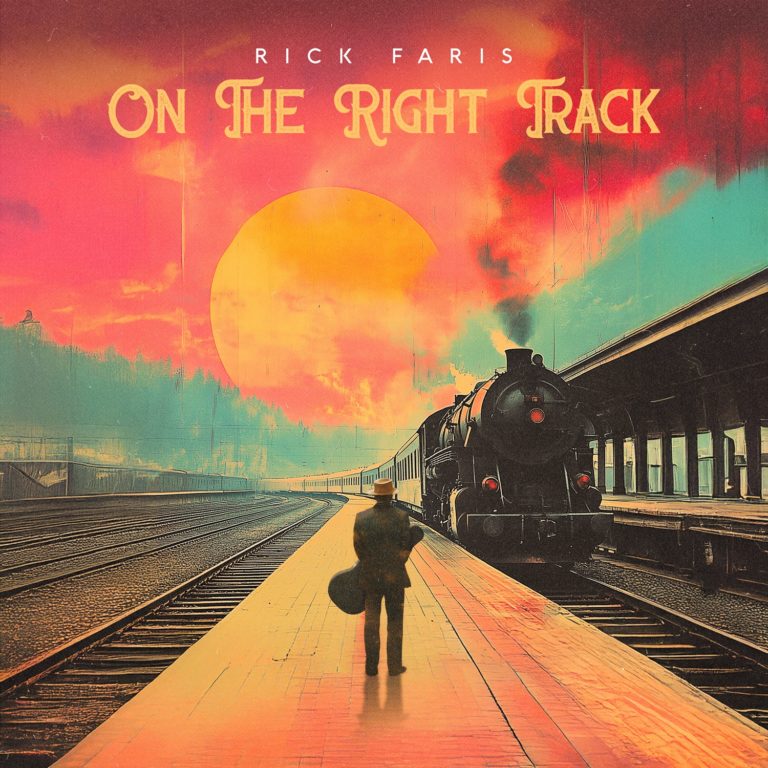
Rick Faris Celebrates His 40th Birthday with New Single “On The Right Track”

0

Singer, songwriter, and guitarist Rick Faris welcomes his milestone 40th birthday by unveiling his latest single, “On The Right Track.” Available now on all streaming platforms, the track sets the tone for Faris’s upcoming fourth solo album on Dark Shadow Recording, slated for June.

Co-writer Rick Lang speaks to the creative partnership he shares with Faris: “I love writing songs with Rick, we have such good chemistry. He has a great mind for lyric, and a great feel for melody and rhythm. With ‘On The Right Track,’ we were shooting for an up-tempo, straight-ahead ‘real deal’ bluegrass number. The story line is a familiar one—trying to salvage a troubled relationship. We could not be happier with the way it turned out.”

The single features Faris on lead vocals and guitar, alongside acclaimed artists Dan Tyminski (mandolin), Ron Block (banjo), Laura Orshaw (fiddle), Mark Schatz (bass), Justin Moses and Stephen Mougin on harmony vocals, with Mougin also producing, engineering, and mixing the track. Mastering was handled by David Glasser.

Faris just wrapped up recording his fourth solo album for Dark Shadow Recording, promising an exciting next chapter following the success of his 2022 release. Fans can look forward to his signature blend of heartfelt songwriting and virtuosic musicianship in June.

20 of the Best Album Closing Tracks of All Time

0

Some albums leave you breathless. Some leave you thinking. And some leave you standing in your living room, staring at the speaker, wondering how you’re supposed to go on with your life now that the music has stopped. The last song on an album is the final word, the lingering note, the goodbye that makes you want to start all over again.

Here are 20 of the greatest album closers of all time:

The Beatles – “A Day in the Life” (Sgt. Pepper’s Lonely Hearts Club Band)
That final, earth-shattering piano chord lingers in the air like a ghost, making “A Day in the Life” one of the most unforgettable endings in rock history. A masterpiece of structure, storytelling, and orchestration, it’s the sound of pop music realizing it could be art.

Pink Floyd – “Eclipse” (The Dark Side of the Moon)
All that you touch, all that you see, all that you taste—it all fades into the void as “Eclipse” brings The Dark Side of the Moon to a celestial conclusion. The heartbeat that bookends the album leaves you questioning whether it ever really ended at all.

The Rolling Stones – “Moonlight Mile” (Sticky Fingers)
A weary traveler’s ballad, drenched in strings and solitude, “Moonlight Mile” drifts off into the night with one of the most haunting outros in the Stones’ catalog. It’s an exhausted sigh, the sound of a long journey coming to an end.

Led Zeppelin – “When the Levee Breaks” (Led Zeppelin IV)
John Bonham’s thunderous drums alone would make this an all-time classic, but the swirling, apocalyptic production cements it. The world is crumbling, the flood is coming, and Zeppelin leaves you drenched in blues-drenched devastation.

Radiohead – “Street Spirit (Fade Out)” (The Bends)
There are sad songs, and then there’s this. Radiohead doesn’t just close The Bends—they send it off like a soul leaving its body, floating into the ether. The final words? “Immerse your soul in love.” As if you had a choice.

David Bowie – “Rock ‘n’ Roll Suicide” (The Rise and Fall of Ziggy Stardust and the Spiders from Mars)
The most dramatic, theatrical, and life-affirming goodbye in rock history. Ziggy’s on the edge, screaming into the void, but at the very last second, Bowie reaches through the speakers and tells you—yes, you—that you’re not alone.

The Clash – “Train in Vain” (London Calling)
Wait, that wasn’t even listed on the album sleeve! The hidden track that became one of The Clash’s biggest hits, “Train in Vain” is an achingly bittersweet kiss-off, proving that London Calling had one more surprise up its sleeve.

Bob Dylan – “Desolation Row” (Highway 61 Revisited)
11 minutes of poetry, mythology, and absurdity, “Desolation Row” is less a song than an odyssey. Dylan leaves you wandering the streets with Einstein, Cinderella, and the Phantom of the Opera, and you’ll never want to leave.

Fleetwood Mac – “Gold Dust Woman” (Rumours)
A slow-burn descent into darkness, “Gold Dust Woman” is Fleetwood Mac at their most spellbinding. Stevie Nicks wails like she’s conjuring something out of the ether, and the song fades into oblivion—leaving you hypnotized.

The Smiths – “I Won’t Share You” (Strangeways, Here We Come)
The last song on the last Smiths album, and it feels like Morrissey and Marr knew it. A quiet, heartbreaking goodbye to one of the greatest bands of the ’80s, whispered over a simple, sighing melody.

Nirvana – “All Apologies” (In Utero)
“Everything’s my fault, I’ll take all the blame.” In hindsight, it’s impossible not to hear “All Apologies” as a farewell. It’s raw, weary, and strangely peaceful—an ending that lingers long after the final notes fade.

Prince – “Purple Rain” (Purple Rain)
Prince didn’t just close Purple Rain—he elevated it. That soaring guitar solo, the cinematic build-up, the sheer emotion in his voice… it’s not just a song, it’s a moment of transcendence.

The Cure – “Untitled” (Disintegration)
A song so delicate it feels like it might dissolve in your hands. Robert Smith’s voice barely rises above a whisper, and then, suddenly—it’s gone. A perfect, devastating ending to Disintegration.

Bruce Springsteen – “Jungleland” (Born to Run)
The last notes of Clarence Clemons’ saxophone solo hang in the air like smoke from a dying fire, and with that, Born to Run comes to an end. “Jungleland” isn’t just the end of the album—it’s the end of a dream.

The Who – “Love, Reign O’er Me” (Quadrophenia)
A storm, a prayer, a reckoning. Roger Daltrey delivers one of his most powerful vocal performances as Quadrophenia reaches its epic climax. The crashing waves, the soaring strings, the desperation in every note—it’s not just an ending, it’s a baptism.

Joy Division – “Decades” (Closer)
Haunting beyond words, “Decades” is the sound of the past collapsing into the future. Ian Curtis’ voice is distant, the synths shimmer like ghosts, and then—the silence.

Wilco – “Reservations” (Yankee Hotel Foxtrot)
A love song? A breakup song? A song about the very nature of existing? Whatever it is, “Reservations” is devastatingly beautiful. The last few minutes of ambient noise leave you suspended in space, wondering if you’ll ever land.

Simon & Garfunkel – “Bridge Over Troubled Water” (Bridge Over Troubled Water)
One of the most powerful finales in folk history, “Bridge Over Troubled Water” feels like a benediction. As the choir swells, you realize: some albums don’t just end—they ascend.

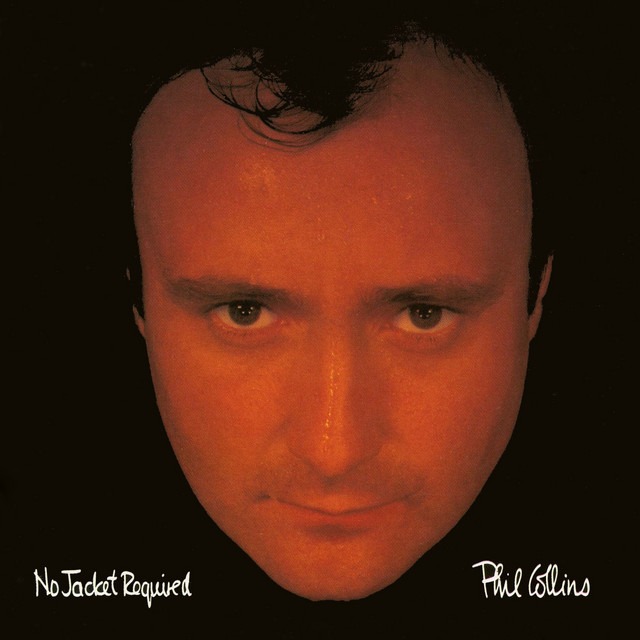
Phil Collins – “Take Me Home” (No Jacket Required)
The perfect way to end an album—so good, Collins even made it his concert closer. Hypnotic drums, soaring melodies, and an emotional weight that builds as the song carries you away. By the time it fades out, you feel like you’ve traveled the world and back.

11 of the Best Musical Moments in The Office

0

It’s been 20 years since The Office first clocked in, and while the show gave us endless awkward silences, iconic pranks, and the world’s greatest boss (self-proclaimed), it also delivered some hilariously unforgettable musical moments. From cringeworthy performances to surprisingly touching songs, here are ten of the best musical moments in The Office.

1. Andy’s Banjo Serenade for Angela

When Andy Bernard sets his sights on wooing Angela, he does what any self-respecting Cornell a cappella alum would do—serenades her with a banjo. His rendition of “Take a Chance on Me” (complete with backup vocals via Bluetooth) is both over-the-top and completely endearing. Too bad Angela was more into her secret rendezvous with Dwight than Andy’s musical talents.

2. Michael and Dwight’s “My Humps” Performance

If you’ve ever wanted to hear Steve Carell and Rainn Wilson duet on a Black Eyed Peas song, The Office delivered. Watching Michael and Dwight passionately perform “My Humps” in the Dunder Mifflin parking lot (complete with dance moves) is a moment of pure chaotic energy that perfectly sums up their friendship.

3. Kevin’s Band, Scrantonicity

Kevin Malone doesn’t say much, but when he does, it’s usually about his Police cover band, Scrantonicity. Their big moment comes when they play at Phyllis’ wedding—against Kevin’s better judgment, since he’d rather be performing at Pam and Roy’s nuptials. Watching Kevin absolutely own “Roxanne” is a reminder that, beneath his quiet exterior, Kevin was a true rock star at heart.

4. Michael’s “Goodbye Toby” Song

Michael Scott’s rivalry with HR rep Toby Flenderson is the stuff of legend, so when Toby finally leaves Dunder Mifflin, Michael celebrates in style. His original song, “Goodbye Toby,” set to the tune of Supertramp’s “Goodbye Stranger,” is equal parts giddy and unhinged. Bonus points for Holly thinking it’s a beautiful, heartfelt moment instead of the ultimate insult.

5. The Dundies’ “You Had a Bad Day”

Every Dundies ceremony is an experience, but nothing tops Michael Scott’s dramatic, off-key rendition of Daniel Powter’s “Bad Day” after getting banned from Chili’s. His emotional performance, complete with a sad, slow dance, is both hilarious and oddly relatable—because who hasn’t felt personally victimized by a karaoke mic at least once?

6. Andy and Dwight’s Duel with “Take Me Home, Country Roads”

Andy and Dwight don’t always see eye to eye—especially when it comes to Angela. But for one brief, magical moment, their shared love of music unites them in a soulful duet of John Denver’s Take Me Home, Country Roads on the office stairwell. The moment is unexpectedly heartwarming… until they remember they hate each other and get back to fighting.

7. Darryl’s “Ain’t No Party Like a Scranton Party”

Darryl Philbin was The Office’s secret musical genius, and nowhere is that clearer than in his original banger, “Ain’t No Party Like a Scranton Party.” With an assist from Michael, this workplace anthem is so catchy that even corporate bigwig Jo Bennett gets in on the fun. Darryl deserved a Grammy. Or at least a Dundie.

8. Pam and Jim’s Wedding Dance

The Office’s take on the viral “Forever” wedding entrance dance was pure chaos, featuring Kevin in Kleenex box shoes, Michael getting way too into it, and Jim and Pam watching in amused horror. It was both a perfect parody and a heartfelt tribute to their offbeat but lovable work family.

9. Andy’s “I Will Remember You” Breakdown

After failing spectacularly as regional manager, Andy bids farewell to Dunder Mifflin with an emotional (and, of course, pitch-perfect) a cappella performance of I Will Remember You. It’s hilarious, it’s cringe, it’s peak Andy Bernard. Even Erin looks confused about whether she should laugh or cry.

10. The Entire “Threat Level Midnight” Musical Number

Michael Scott’s passion project, Threat Level Midnight, was a masterpiece in every way—but the highlight was undoubtedly the absurdly catchy dance number, “The Scarn.” Featuring Michael doing the world’s worst dance moves while a reluctant office staff sings along, it’s a moment of pure comedic gold that proves Michael was, if nothing else, committed to his art.

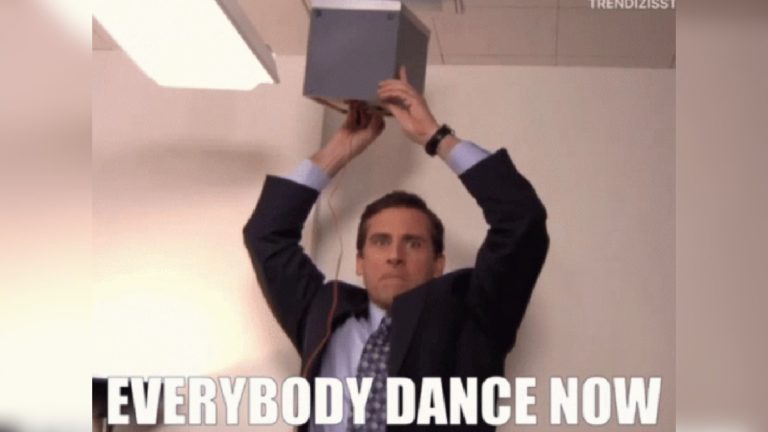
11. The “Nobody But Me” Office Dance Party

When Michael leaves Dunder Mifflin, the office throws an impromptu farewell dance party to The Human Beinz’s Nobody But Me. What starts as a simple moment of celebration turns into pure chaos, with characters like Andy, Erin, and even stoic Stanley breaking out their best (and worst) dance moves. It’s a scene that perfectly captures The Office’s ability to mix heartfelt goodbyes with ridiculous humor.

From banjo ballads to unforgettable parodies, The Office knew how to mix music and comedy like no other.

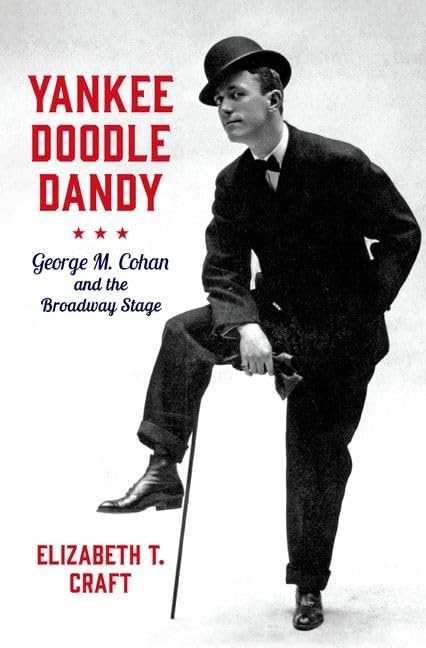
Elizabeth T. Craft Explores the Legacy of George M. Cohan in ‘Yankee Doodle Dandy’

0

Playwright, composer, actor, director, and producer George M. Cohan looms large in musical theater legend. Remembered today for classic tunes like “You’re a Grand Old Flag” and “Give My Regards to Broadway,” he has been called “the father of musical comedy,” and his statue stands in the heart of the New York theater district. Cohan’s early twentieth-century shows and songs captured the spirit of an era when staggering social change gave new urgency to efforts to define Americanism. He was an Irish American who had the audacity to represent himself as the Yankee Doodle emblem of the nation, a vaudevillian who had the nerve to unapologetically climb the ranks and package his lower-brow style as Broadway.

In Yankee Doodle Dandy, the first book on Cohan in fifty years, author Elizabeth T. Craft situates Cohan as a central figure of his day. Examining his multifaceted contributions and the various sociocultural identities he came to embody, Craft shows how Cohan and his works indelibly shaped the American cultural landscape. Informative and engaging, this book offers rich reading for Broadway musical aficionados as well as scholars of musical theater and American cultural history.

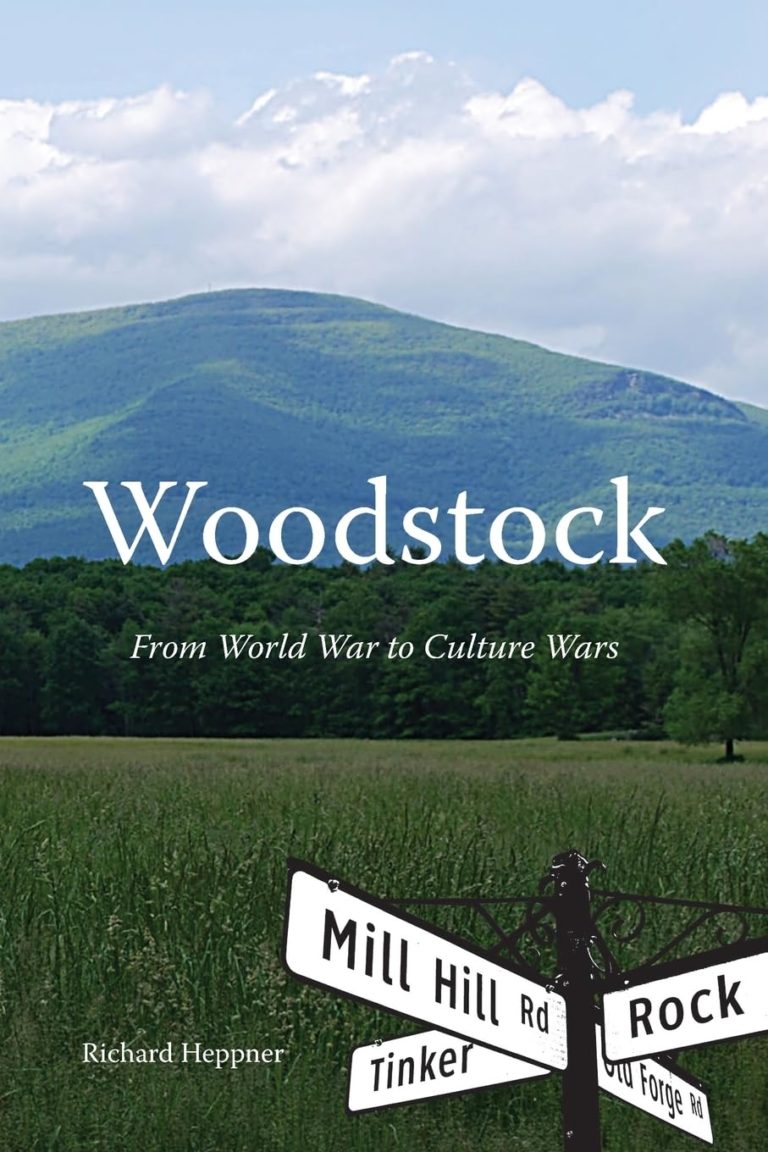
Richard Heppner Explores a Century of Change in “Woodstock: From World War to Culture Wars”

0

In Woodstock: From World War to Culture Wars, historian Richard Heppner explores a century of transformation in Woodstock, N.Y., tracing its evolution from a quiet rural town to a cultural epicenter shaped by artists, musicians, and shifting societal movements.

The story of Woodstock, N.Y., over the last 100 years and how a small, rural town coped with the many challenges of changing times.

Few towns in America are as famous as Woodstock, New York-although Woodstock may be most famous for an event that happened many miles away! Long before the 1969 Woodstock festival put the town on the map, it had been a center for artists and free thinkers who found refuge in its rural setting. Longtime citizens were often shocked by the arrival of these newcomers who brought new values and attitudes to their once-isolated village. From the transformative arrival of artists in the early twentieth century to the influx of musicians and young people in the 1960s, Woodstockers worked and struggled to balance everyday life in a small, rural community with the attention and notoriety the outside world brought to it. Presented chronologically, this text examines the nature of change within Woodstock’s uncommon story as it emerges from the Great Depression, confronts the realty of World War II, moves through the 1950s and into an unimagined and unintended future with the arrival of the Sixties through today. At its core, this is a story of how Woodstock’s cultural and political institutions, its citizens, and its physical landscape met the ever-changing challenges of changing times. It is a story of community, resilience, conflict, and transition into a world its early settlers could not have imagined.

Richard Heppner is Emeritus Professor of Communications and the former Vice President of Academic Affairs at Orange County Community College, State University of New York, and has served as the Woodstock Town Historian since 2001. He is the author of Woodstock’s Infamous Murder Trial: Early Racial Injustice in Upstate New York and coauthor (with Janine Fallon-Mower) of Legendary Locals of Woodstock.

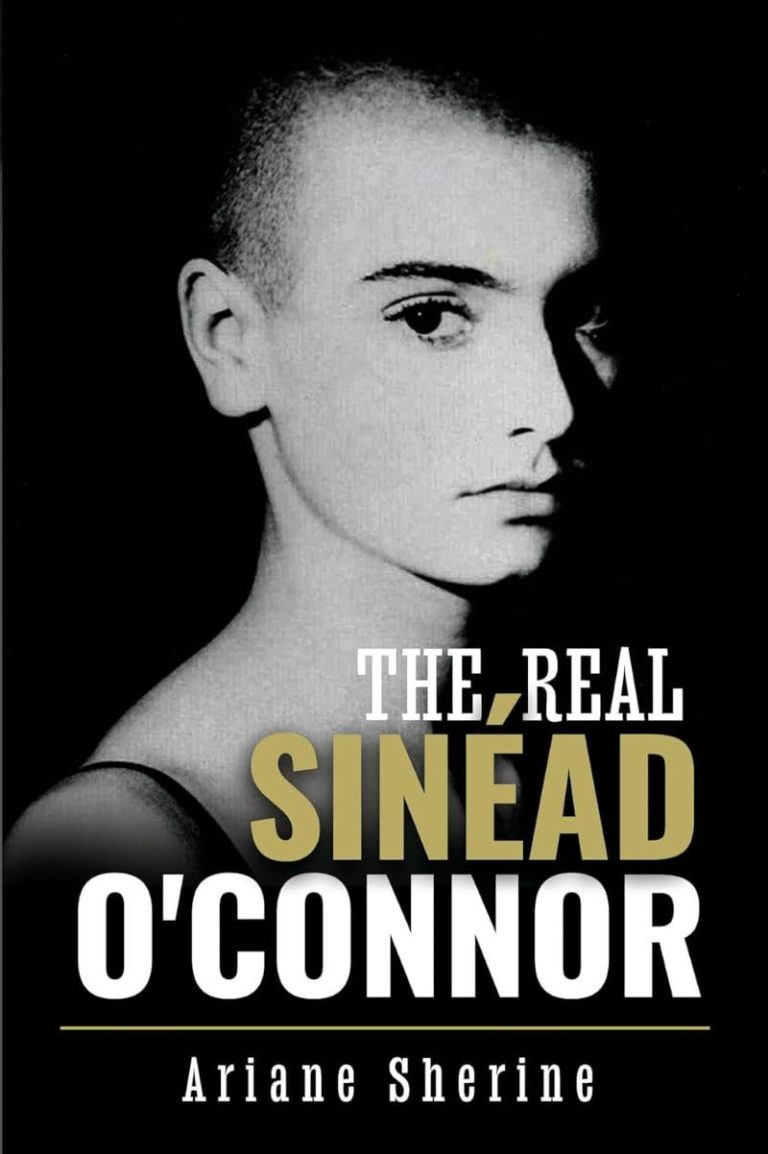
“The Real Sinéad O’Connor” by Ariane Sherine Offers an Intimate Look at the Iconic Singer’s Life

0

In The Real Sinéad O’Connor, author Ariane Sherine delivers an intimate and revealing portrait of the legendary Irish singer, exploring her tumultuous life, fearless activism, and enduring musical legacy.

Sinéad O’Connor, renowned for her angelic voice and activism, overcame a tumultuous upbringing to become a global protest singer and advocate for social justice. Sinéad O’Connor achieved worldwide success as an angel-voiced, shaven-headed Irish singer of heartfelt songs, but she was far more than just a pop star – she was also an activist and a survivor.

Reeling from a troubled childhood at the hands of her violent mother, she spent 18 months living in a former Magdalene Laundry due to her truancy and shoplifting, and suffered her mother’s death in a car crash – all by the age of 18. Her pain, anger and compassion would turn her into one of the world’s greatest protest singers and activists. She would release ten studio albums during her 36-year music career – the second of which (I Do Not Want What I Haven’t Got) would reach number 1 across the world and earn her ten million pounds, half of which she gave to charity. During this time, she would also advocate for survivors of child abuse and racism, and stand up for the LGBT community and women’s reproductive rights. Most notably, she would tear up a picture of Pope John Paul II during an episode of Saturday Night Live in order to protest at child sex abuse within the Catholic church, creating headlines around the world and derailing her career. Featuring six exclusive interviews with friends and peers who knew her, this is the true story of her extraordinary and courageous journey.

Samantha Fish Announces ‘Paper Doll’ Album And Shares Electrifying New Single “I’m Done Runnin’”

0

Samantha Fish, one of the most electrifying guitarists of her generation, has shared new single “I’m Done Runnin'” – the lead-off track from her forthcoming album Paper Doll, out April 25 via Rounder Records.

An exhilarating statement of self-reliance and unshakable confidence, Fish brings her signature “bold and expressive” (NPR, World Cafe) flair to the new song. “I’m Done Runnin'” opens with sublimely moody riffs, fueled by her extraordinary vocal power and emotionality: “When I look in the mirror, staring at the unknown / The world’s not getting clearer, but I like where I’m goin,'” she sings. “It’s about pushing forward even when life knocks you down, because you know what you want,” Fish explains.

It’s this vibrant, unapologetic energy that the Kansas City-bred, New Orleans-based musician brings to Paper Doll, each song delivered with visceral force, soul-soothing empathy, and newfound clarity. “It’s taken me years to finally find my voice in a studio setting,” Fish admits. “But with this record, I took everything I had and slammed it right on the table.” Paper Doll offers listeners “a taste of the neo-psychedelic fantasias that can occur when Fish stretches out in concert,” said Premier Guitar, who featured Fish on the cover of their just-released April 2025 issue. Throughout the album Fish explores new depths of vulnerability and self-expression, confronting love, loss, and personal growth-all while “stretching idiomatic boundaries” (Nashville Scene).

Tracked in Austin at The Orb and Los Angeles at Savannah Studios, the 9-song collection was recorded amid Fish’s grueling touring schedule, ultimately capturing the untamed energy of her live performances. “I’d never made a record on the road like that,” Fish reveals. “Even though it was so intense, it felt good to keep up the momentum from the live show. It helped us make an album that’s got a real living, breathing pulse to it.” Paper Doll is produced by Detroit garage-rock legend Bobby Harlow (The Go) – with assistance from fellow Detroit luminary Mick Collins (The Gories) on one track – and features touring bandmates Ron Johnson (bass), Jamie Douglass (drums), and Mickey Finn (keys).

Known for her unique blend of rock and soul, expressive guitar playing and powerhouse performances, Fish’s career hit warp speed with the release of her last album, 2023’s Death Wish Blues, which hit #1 on the Billboard Blues Chart, earned her a Grammy nomination, and saw her share stages with The Rolling Stones, Jon Spencer, Slash and more.

Bryan Ferry & Amelia Barratt Unveil ‘Loose Talk,’ A Bold New Artistic Collaboration

0

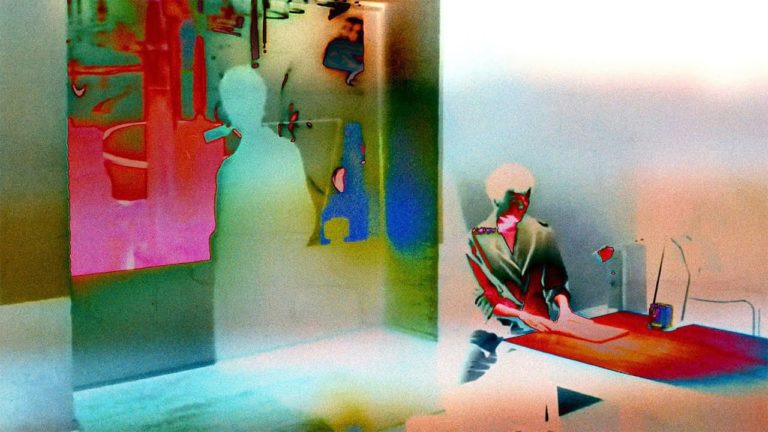
Bryan Ferry and performance artist, writer and painter Amelia Barratt release ‘Loose Talk,’ the latest work and title track from their upcoming collaborative album Loose Talk, due for release on March 28. The accompanying video was shot by Bryan Ferry.

The title track ‘Loose Talk’ boasts a near-motorik drive and features the presence of Roxy Music’s Paul Thompson on drums, and follows the richly detailed and transportive ‘Orchestra’, and ‘Florist’ that invited listeners deeper into the cinematic world of Loose Talk.

Loose Talk signals the beginning of a new creative chapter for Bryan Ferry, blurring the lines between music, poetry and art. Fifty-three years since Roxy Music’s iconic debut album arrived like a bolt-from-the-blue, his latest project is just as startlingly unexpected. The sounds and shapes, and the spoken words they are set to, are unlike any previous Bryan Ferry album. At the same time, the mood that Loose Talk captures is rooted in Ferry’s past half-century of work.

Loose Talk marks the first time Ferry has created new music for another writer’s words. The album consists of eleven texts, composed by Amelia Barratt, creating fascinating micro-fictions, simultaneously fragmentary and self-contained.

The album balances refined minimalism and abstraction with an experimental and youthful energy. Ferry’s music and Barratt’s texts each hold their own codes. As those codes pulse as one, the album discovers its own language – two monologues begin a conversation that becomes a duet.

Earlier this week, Bryan and Amelia announced a special Spatial Playback event taking place at London’s ICA on the day of the album’s release. Fans can experience Loose Talk in glistening 360° audio at ICA, using the venue’s spatial soundsystem, d&b Soundscape. For more information and tickets, see here.

Discussing Loose Talk, Bryan Ferry said: “The whole experience of making Loose Talk has had an interesting newness about it. It seems to have opened a whole new chapter in my work. There’s a really strong mood to the work that Amelia does and I was very conscious of not getting in the way of her words. Hopefully, together, we’ve created something neither could do on our own.

The nearest I ever got to doing pieces like this before would maybe be back in Roxy with “In Every Dream Home A Heartache,” and “Mother Of Pearl”. To some extent, those are kind of spoken monologues. I’m pleased that when we’ve played Loose Talk to people, they’ve said, “Oh, this sounds really different.” That’s what I’ve always wanted with everything I’ve done, or been involved in, to be: different. Different to what you’ve heard before, or seen before. That’s the whole point of being an artist: trying to create a new thing, a new world.”

Amelia Barratt said: “Loose Talk is a conversation between two artists: a collaborative album of music by Bryan Ferry with spoken texts by me. It’s cinematic; music put to pictures.

There’s possibility for experimentation within a frame. And there’s a freedom in knowing exactly what my part to play is, then being able to pass a baton, stretching out creatively and knowing there is someone on the other side to take it further. Nothing feels off limits.”

Bryan Ferry and Amelia Barratt were first connected via their separate involvements in the art world. The collaboration began with a chance meeting at an exhibition opening, where Ferry grew intrigued to learn Barratt had started working with writing and performance in parallel with her painting. Both artists share an art school background – Bryan Ferry studied painting at Newcastle University in the 1960s, Barratt at Glasgow School of Art and the Slade School of Art, where she received an MFA in 2016 – but it’s the differences between them that animate Loose Talk and create unmapped territory.

Bryan Ferry’s collaboration with Amelia Barratt was first teased with the release of ‘Star’ in 2024 – presented as the latest composition on the newly released 81 track career-spanning collection, Retrospective: Selected Recordings 1973-2023.