Home Blog Page 873

5 Important Softwares for Growing Startups and Small Businesses

0

By Mitch Rice

Business expansion depends heavily on appropriate tools which help manage operations better and raise productivity levels while improving customer engagement. Running a business today requires small establishments along with startups to adopt software solutions for maintaining market competitiveness. 

The suitable software implements both financial administration functions as well as marketing automation capabilities which leads to greater operational efficiency alongside business expansion. Of course, for these digital tools to perform effectively, businesses also need a stable IT infrastructure and strong cybersecurity practices. Partnering with a managed security services provider can help ensure the reliability and protection of the systems that power these essential tools. These providers support businesses by safeguarding sensitive data, minimizing downtime, and keeping operations running smoothly—crucial elements for growth-focused startups

All developing startups as well as small businesses need to implement these five key software solutions according to this article. Corporations that use these tools in their operations manage both workflow processes and manual workload while enabling focus on scale-up development.

Project Management Software: Trello

The business success of any organization depends on efficient project management thus Trello provides visual interface tools for coordinating tasks alongside team collaboration while delivering real-time progress tracking. 

Through its board-and-card system Trello provides straightforward capabilities to distribute work assignments with date requirements and track live progress updates. Project resources become easier to centralize because the software can integrate with tools including Google Drive and Dropbox as well as Slack.

Trello maintains clear synchronization across all team members for every project assignment and content planning while product development enhances both efficiency and productivity rates.

Accounting Software: QuickBooks

Running a perfectly managed financial operation stands as the top priority challenge which startup companies together with small businesses must tackle. Bookkeeping together with expense tracking and invoicing and tax preparation require no complicated interface in QuickBooks software. 

Apart from implementing software solutions, small businesses and startups also need to legalize their operations by choosing a suitable business structure. Selecting the right business structure is crucial, as it influences various aspects of a company’s operations, including taxes, liability, and control. Each business structure offers distinct advantages. For example, an LLC formation provides personal liability protection, meaning that the owners’ personal assets are typically protected from business debts and lawsuits.

Business owners can access financial monitoring anytime from everywhere and generate instant report data through cloud-based features of the system. The software automates tax preparation plus it can classify transactions then works with banking systems.

QuickBooks provides tools to maintain financial order and compliance through its systems for cash flow management and payroll maintenance and financial projection for future startup expansion. Additionally, it serves as an excellent payroll software for startups and small businesses, streamlining salary disbursements and ensuring tax compliance effortlessly.

Customer Relationship Management (CRM) Software: HubSpot CRM

Customer relationship management systems enable businesses to grow their leads and keep their clients more effectively. The comprehensive nature of HubSpot CRM provides contact management functionality with sales tracking abilities as well as automated email responses that guide startups and small businesses in their operations. The software solution generates thorough customer interaction analysis which enables businesses to make individualized customer engagement plans.

The system dashboard provides user-friendly interface capabilities to monitor sales performance along with spotting growth potential. HubSpot CRM allows businesses to handle their customer relationships via smooth integration with marketing and customer service tools that both boost sales conversion numbers and maintain long-term customer loyalty.

Marketing Automation Software: Mailchimp

Business development through marketing practices requires automated systems which both save work hours and enhance reach effectiveness. The marketing solutions from Mailchimp include all necessary elements starting from email campaigns and social automation tools paired with in-depth analytics reports. 

Through this platform businesses gain abilities to launch specific marketing ads and adapt their messages to target audiences with tools that show performance statistics to improve marketing methods.

The algorithm-based email recommendation system uses user behavior patterns to determine perfect email sending times which improves audience engagement. Mailchimp facilitates CRM system and e-commerce platform integration so businesses can use digital marketing tools to build customer relationships and maximize sales operations.

Communication and Collaboration Software: Slack

The instant messaging system of Slack supplies businesses with vital communication tools together with its file sharing features and multiple business program integration. Through Slack users can arrange their messages across different channels which correspond to the project requirements of their teams during active time-based discussions. 

All crucial business data becomes retrievable through the single Slack platform because it combines with platforms including Google Drive, Zoom, and Trello. Slack enables teams to achieve fluid communication and faster decision-making that leads to improved collective work operations regardless of office-based or remote team members. 

Rules for search and notification management improve workflow execution which means email disorganization becomes lower and responses take less time. The business productivity improves due to Slack’s capability to handle inefficiencies while creating organized communication channels which results in a coordinated workforce.

Conclusion

Businesses at startup and small scales bring about success coupled with efficiency through selecting suitable software solutions. The complete platform of QuickBooks enables effective financial operations and Trello presents an exceptional platform for project organization while HubSpot CRM strengthens customer relations through its CRM tools and Slack optimizes team communication and Mailchimp automates marketing functions. 

These combined tools produce an environment that reduces workers’ manual workload along with maximum efficiency gains to help businesses achieve consistent growth progress.

The appropriate selection of software solutions allows startups to simplify operations and build better decision capabilities while ensuring market adaptability. Businesses require the adoption of precise digital solutions to stay competitive and achieve lasting business success in an environment with constant market changes.

Data and information are provided for informational purposes only, and are not intended for investment or other purposes.
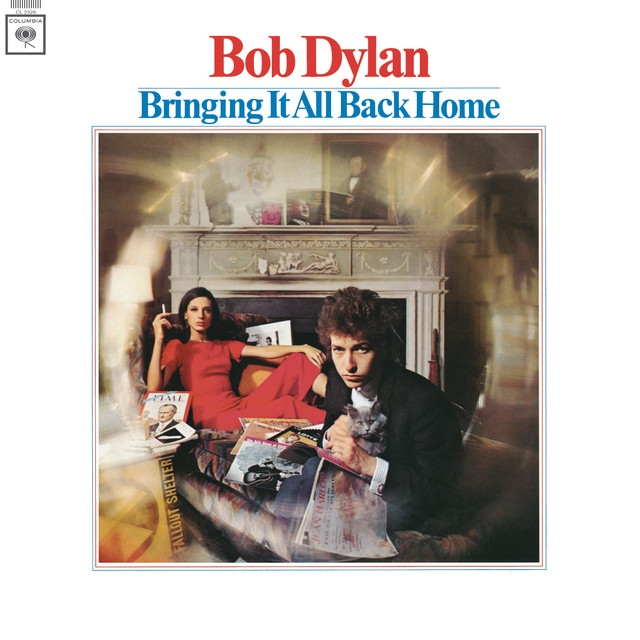
5 Surprising Facts About Bob Dylan’s ‘Bringing It All Back Home’

Few albums in rock history have shaken up the musical landscape quite like Bob Dylan’s Bringing It All Back Home. Released in 1965, this album marked Dylan’s electrified transition from folk prophet to rock and roll icon. The moment that first needle drop introduced “Subterranean Homesick Blues” to the world, nothing was ever the same. While fans know this album as the one that sparked controversy, divided audiences, and ultimately helped shape folk rock, there are still plenty of surprises hidden within its grooves. Here are five unknown facts about Bringing It All Back Home that might just make you hear it in a whole new way.

1. The Album Cover Is a Surreal Collage of Dylan’s Influences

The striking cover of Bringing It All Back Home isn’t just a random snapshot—it’s a carefully constructed statement. Photographed by Daniel Kramer, the image shows Dylan lounging with Sally Grossman (wife of his manager, Albert Grossman) in a room filled with significant artifacts. Among them? Records by Robert Johnson, Ravi Shankar, The Impressions, and Lotte Lenya, all of whom were crucial influences on Dylan’s evolving sound. A copy of Time magazine featuring President Lyndon B. Johnson sits nearby, hinting at Dylan’s ever-growing disillusionment with politics. And yes, that’s a fallout shelter sign in the background—a subtle nod to Cold War anxieties woven throughout the album’s lyrics.

2. Dylan’s Rock Transformation Was Inspired by The Beatles

In August 1964, Bob Dylan met The Beatles for the first time at New York’s Delmonico Hotel. Legend has it that Dylan introduced them to marijuana, but the encounter was just as pivotal for Dylan himself. Hearing John Lennon, Paul McCartney, George Harrison, and Ringo Starr talk about the power of electric music left a lasting impression. When Dylan returned to the studio months later, he brought a new vision—one that fused his lyrical depth with the electricity of rock. The result? Bringing It All Back Home—a record that would, in turn, inspire The Beatles’ transition from pop stars to psychedelic innovators on Rubber Soul and beyond.

3. “Subterranean Homesick Blues” Was Dylan’s First Music Video—Accidentally

Before MTV, before concept videos, before music visual storytelling became an industry standard, Dylan created what’s now considered one of the first-ever music videos. The promo film for “Subterranean Homesick Blues” features Dylan standing in an alley, flipping through cue cards with key lyrics as Allen Ginsberg lurks in the background. Directed by D.A. Pennebaker, the scene was originally intended as an opening sequence for Dont Look Back, but it became so iconic that it took on a life of its own. Artists from INXS to Weird Al Yankovic have since paid homage to Dylan’s casual-yet-revolutionary visual statement.

4. The Second Half of the Album Is a Farewell to Folk

Side A of Bringing It All Back Home rocks and rolls, but Side B is pure, haunting folk, featuring some of Dylan’s most poetic songwriting. Songs like “Mr. Tambourine Man,” “It’s All Over Now, Baby Blue,” and “Gates of Eden” signal a profound shift—not just in Dylan’s music, but in folk itself. The decision to keep these tracks acoustic while electrifying the rest of the record was deliberate, a final nod to his past before fully stepping into the future. By the time Dylan played “It’s All Over Now, Baby Blue” at the 1965 Newport Folk Festival after being booed for going electric, the message was clear: he was moving on, with or without the folk purists.

5. The Album’s Musicians Included Future Rock Icons

The studio musicians on Bringing It All Back Home weren’t just hired hands—they were future legends in their own right. Guitarist Bruce Langhorne, who played on many of the acoustic tracks, was so influential that Dylan later wrote “Mr. Tambourine Man” with him in mind. Meanwhile, members of the Hawks, later known as The Band, were already in Dylan’s orbit. Al Gorgoni, Kenny Rankin, and Paul Griffin, all of whom played on this album, would go on to be sought-after session musicians in the golden era of rock. A new era in American music was about to begin.

When Dylan unleashed Bringing It All Back Home in 1965, some cried betrayal while others embraced revolution. Today, it’s universally recognized as one of the most important albums in rock history. It laid the groundwork for Highway 61 Revisited and Blonde on Blonde, inspired countless artists, and redefined what a singer-songwriter could be. With its surreal lyrics, electric energy, and cultural defiance, Bringing It All Back Home still sounds just as bold, just as urgent, and just as alive as ever.

Pepsi Revives Iconic Music Video Commercials Featuring Madonna, Britney Spears, and More for 125th Anniversary

0

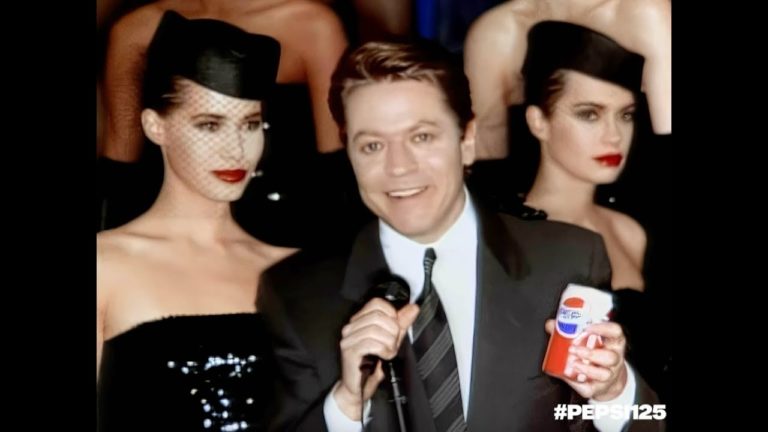
Pepsi brought back some of the most iconic music video commercials in advertising history as part of its 125th anniversary celebration. Legendary spots featuring Madonna, Britney Spears, Tina Turner, Robert Palmer, and Ray Charles have been revived, including Madonna’s controversial Like a Prayer and Spears’ The Joy of Cola, which aired nationally for the first time in decades during the 2023 MTV VMAs. As one of the first brands to merge music and marketing, Pepsi’s legacy in pop culture remains as strong as ever.

Jamie Dupuis Reimagines Neil Young’s ‘Harvest Moon’ on a 20-String Harp Guitar

0

Jamie Dupuis takes Neil Young’s “Harvest Moon” to an entirely new level with a breathtaking cover on his 20-string harp guitar. The instrument’s ethereal resonance adds a beautifully haunting dimension to the classic song, capturing its warmth and nostalgia in a whole new way. Dupuis’ masterful arrangement and use of the extra strings toward the end make this a must-hear for any Neil Young fan.

How London’s Antenna Salon Used Car Spray Paint to Revolutionize Hair in 1980

0

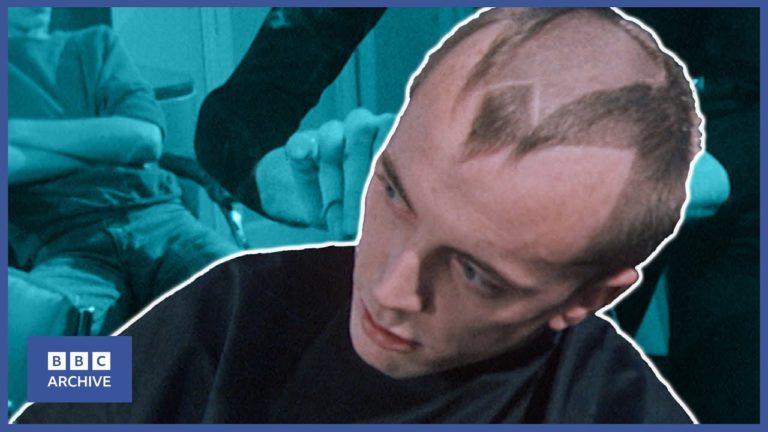
In a 1980 BBC Nationwide segment, London’s Antenna salon pushed the boundaries of hair styling with bold shaved designs and unexpected tools. Owner Simon Forbes revealed that he used car spray paint and stencils to create intricate patterns and metallic colors in clients’ hair—something salon products just couldn’t achieve. The result? A rebellious, futuristic look that defined the era’s cutting-edge style.

Yoni Schlesinger Stuns Festival Crowd With Improvised ‘Simpsons’ Theme on Acoustic Guitar

0

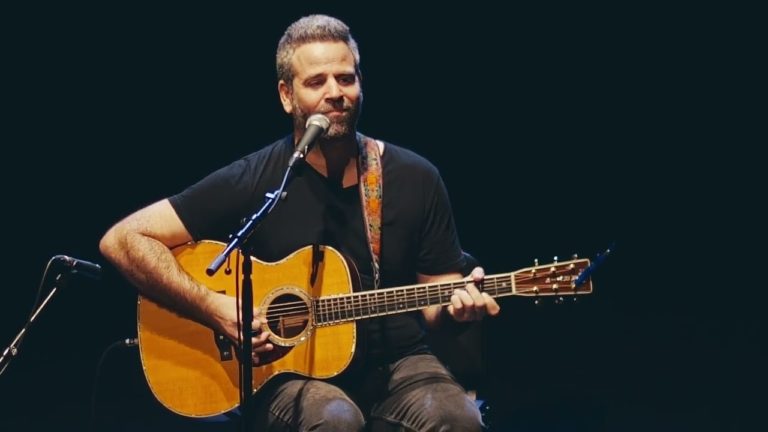
During the 2022 Festival Les Guitares in Villeurbanne, France, Israeli musician Yoni Schlesinger turned an audience request into a moment of pure genius. Improvising on the spot, he performed The Simpsons theme on acoustic guitar—while mimicking the horn section with his own mouth!

Aretha Franklin Meets Black Sabbath in a Mind-Blowing Mashup by Bill McClintock

0

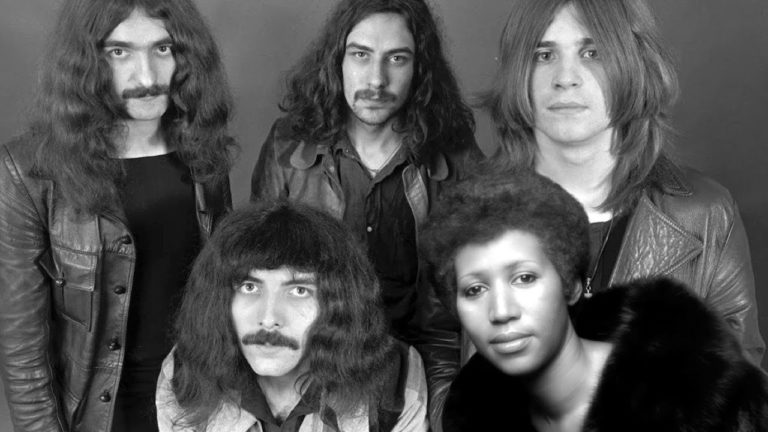
Bill McClintock has done it again—this time fusing Aretha Franklin’s powerhouse vocals from Chain of Fools with the crushing riffs of Supernaut by Black Sabbath. The result? A seamless, mind-blowing mashup that blends soul and metal in a way you never saw coming. With extra guitar work from Randy Rhoads, Jake E. Lee, and Zakk Wylde, this is pure sonic alchemy.

Five Surprising Facts About Jackson Browne’s Debut Album

When Jackson Browne released his self-titled debut album in 1972, it quietly set the stage for one of the most enduring careers in American songwriting. Packed with deeply personal narratives and poetic lyricism, the album introduced Browne’s signature style—a blend of folk, rock, and introspective storytelling that resonated with a generation. While Doctor, My Eyes became an instant classic and Rock Me on the Water showcased his knack for spiritual themes, this record holds more fascinating secrets than many fans realize. Here are five lesser-known facts about Jackson Browne that will give you a whole new appreciation for this landmark album.

1. The Album Title Confusion Was a Huge Mistake—Even for the Record Label

One of the most persistent myths surrounding Jackson Browne’s debut is its title. Many fans mistakenly refer to it as Saturate Before Using, a phrase that appears prominently on the album cover. The confusion stems from an artistic decision—Browne and his designer, Gary Burden, wanted the cover to resemble an old-fashioned canvas water bag, complete with burlap texture on initial vinyl pressings. Columbia Records executives worried about the misleading design but were assured that no one would mistake it for the album’s actual title. They were wrong. The issue resurfaced when the album was reissued on CD, where the words Saturate Before Using even appeared on the spine! Despite the confusion, the album remains officially self-titled.

2. “Doctor, My Eyes” Was Originally a Dark, Depressing Song

It’s hard to imagine Doctor, My Eyes—a song with such an upbeat, piano-driven hook—being anything other than a breezy radio staple. But Jackson Browne’s original version was drastically different. His early demos of the song were slower and far more melancholy, reflecting the weight of heartbreak and emotional detachment. It wasn’t until producer Richard Sanford Orshoff suggested a more driving arrangement and Graham Nash and David Crosby added their signature harmonies that the song took on its now-iconic sound. The final result? A Top 10 hit that disguised its deep existential pain behind a deceptively cheerful melody.

3. The Byrds Released “Jamaica Say You Will” Before Browne Did

Most people associate Jamaica Say You Will with Jackson Browne, but did you know The Byrds recorded and released it first? The legendary folk-rock band included the song on their 1971 album Byrdmaniax, a full year before Browne’s own version appeared on his debut. While the Byrds’ take added lush instrumentation and harmonies, Browne’s stripped-down approach allowed the song’s wistful storytelling to shine. The track, inspired by a real woman Browne knew, tells the story of a fleeting love and the passage of time, themes that would define much of his career.

4. “Song for Adam” Hints at the Deepest Tragedy of Browne’s Early Life

One of the album’s most haunting tracks, Song for Adam, tells the story of a lost friend. While the lyrics describe Adam “jumping” or “falling,” Browne later admitted the song was about Adam Saylor, a close friend who tragically died in India under mysterious circumstances. The song is more than just an elegy—it’s filled with existential themes about fate and free will, making it one of Browne’s most emotionally complex compositions. The final verse features a chilling moment where Browne becomes too emotional to sing the last line—a raw, devastating silence that makes the song even more powerful.

5. Clarence White’s Guitar Work on the Album Was Legendary—But Underappreciated

While Browne’s songwriting gets most of the attention, the musicianship on this record is next-level, thanks to legends like Jesse Ed Davis, Russ Kunkel, and Leland Sklar. But one unsung hero is Clarence White, best known for his groundbreaking work with The Byrds. White’s intricate, fluid guitar playing elevates Jamaica Say You Will and Rock Me on the Water, adding a subtle but crucial layer to the album’s folk-rock sound. Tragically, White’s life was cut short in 1973 when he was killed by a drunk driver, making his work on Jackson Browne one of his final major contributions to music.

Jackson Browne’s debut album is often overshadowed by his later successes, but it remains one of the most essential singer-songwriter records of all time. Every track brims with poetic depth, and behind every note lies a story waiting to be uncovered. Whether it’s a song that almost wasn’t a hit, a title that wasn’t meant to be, or a tribute to lost friends, this album is filled with surprises. Fifty years later, its influence still ripples through the music world, proving that some albums never stop revealing their magic.

Patti Smith Pays Haunting Tribute to Sylvia Plath with ‘The Moon and the Yew Tree’

0

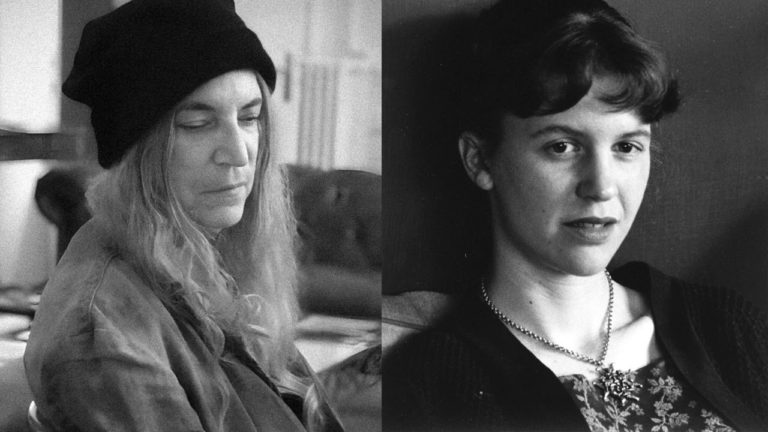
Patti Smith’s connection to Sylvia Plath runs deep. In M Train, she calls Plath an artist who makes her want to write—and when she reads The Moon and the Yew Tree, you can feel that reverence in every word. It’s a raw, haunting tribute to a poet whose words still cut like glass.

Chris Stapleton & Snoop Dogg Deliver Game-Changing ‘In the Air Tonight’ for Monday Night Football

0

Chris Stapleton and Snoop Dogg redefined what a Monday Night Football anthem can be. Their powerful rendition of “In the Air Tonight” for ESPN/ABC pays tribute to Phil Collins while adding a fresh, electrifying twist. This is how you set the tone for game night!