Home Blog Page 88

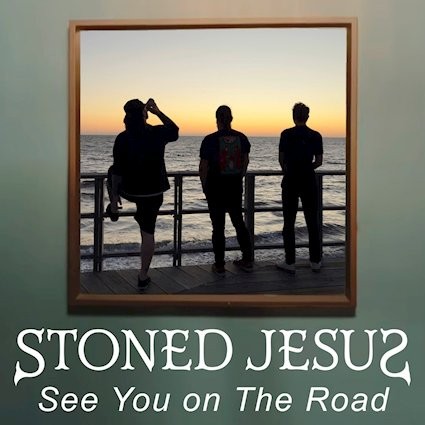
Heavy Prog Rockers Stoned Jesus Ignite The Road With New Anthem “See You On The Road”

0

Stoned Jesus return with a road-tested blast of heavy progressive rock. The trio just released their new single “See You On The Road,” a riff-driven anthem that captures the bruised reality and adrenaline rush of life on tour. The track arrives with a new video packed with footage from the band’s recent runs across Australia and South America.

Frontman Igor Sydorenko calls the song “a hymn to playing shows,” a phrase that fits the track’s punchy momentum. The main riff lands with grunge muscle while the chorus rises into a chant built for packed rooms and raised fists. It is loud, confident, and unmistakably Stoned Jesus.

“See You On The Road” continues the journey that began with ‘Songs to Sun,’ the first installment of the group’s ambitious trilogy. The album earned strong recognition across the heavy music world, landing on multiple 2025 year-end lists including Doom Charts, Rock Hard, The Obelisk, Weedian, and Metal Lair.

The current lineup features Igor Sydorenko handling vocals, guitar, bass, and keyboards, alongside Andrew Rodin on bass and backing vocals and Yurii Ciel on drums and backing vocals. Produced by Sydorenko, recorded by Ignancy Gruzecki at Monochrom Studio in Poland, and mixed and mastered by Karl Daniel Lidén at Studio Tri-Lamb in Sweden, the track delivers muscular sound and sharp dynamics.

The music hits with weight and swagger, another powerful entry in Stoned Jesus’ catalog as the next chapter of their trilogy moves closer.

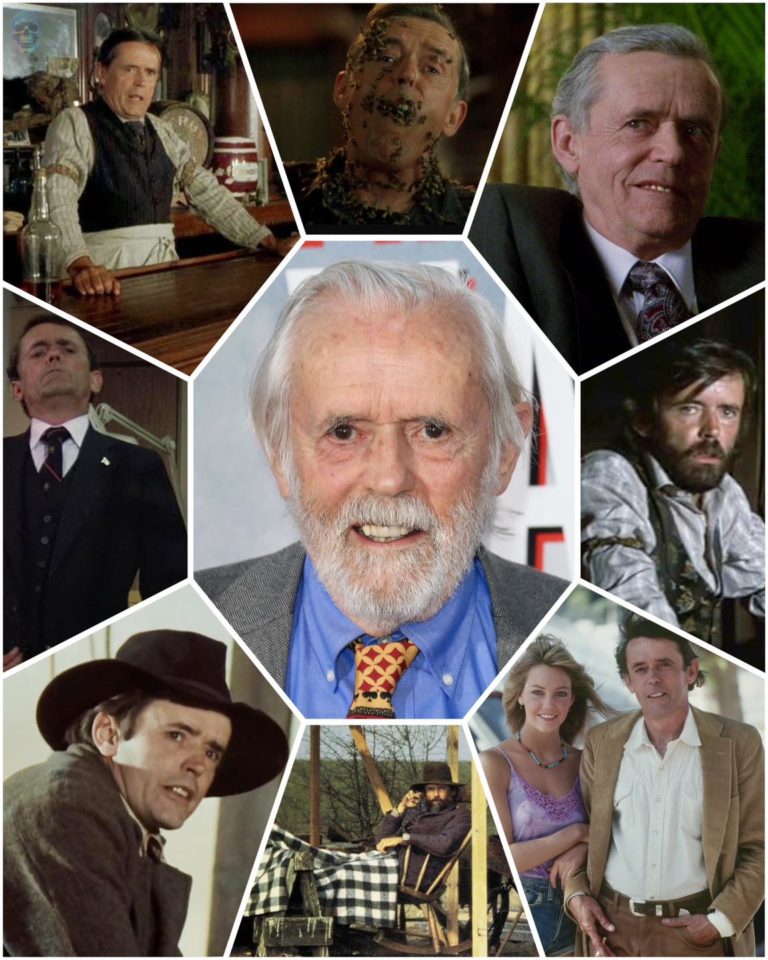
Western Film Favorite Matt Clark, Veteran Character Actor, Dies At 89

0

Matt Clark, the prolific character actor whose rugged screen presence became a fixture in Hollywood Westerns and classic films, has died. He was 89. Clark passed away March 15 at his home in Austin, Texas, following complications from back surgery, according to family members.

Across more than five decades in film and television, Clark built a reputation as one of Hollywood’s most dependable character performers. His credits stretch back to the 1960s and include appearances in more than 120 productions. Audiences remember him from films such as “The Outlaw Josey Wales,” “Jeremiah Johnson,” “Pat Garrett and Billy the Kid,” “The Cowboys,” and “The Life and Times of Judge Roy Bean.”

Clark also appeared in “Back to the Future Part III,” where he played bartender Chester in the trilogy’s Old West chapter. Other notable roles include the prison clerk Purcell in “Brubaker,” appearances in “The Adventures of Buckaroo Banzai Across the 8th Dimension,” “Return to Oz,” and “42,” as well as television work on series including “Grace Under Fire,” “The Waltons,” “Magnum, P.I.,” and “The Jeff Foxworthy Show.”

Born November 25, 1936, in Washington, D.C., Clark served in the U.S. Army before pursuing acting. He studied at HB Studio in New York with Herbert Berghof and William Hickey and joined the influential Living Theatre. His big-screen debut arrived in 1964 with “Black Like Me,” launching a career defined by steady, memorable performances alongside stars including Clint Eastwood, John Wayne, and Robert Redford.

Clark also stepped behind the camera, directing the 1988 film “Da,” starring Bernard Hughes and Martin Sheen. Throughout his career he remained known for the grounded authenticity he brought to every role, whether a sheriff, ranch hand, judge, or drifter.

He is survived by his wife Sharon, his children, grandchildren, and extended family. Clark’s long career left a deep mark on generations of film and television, particularly in the Western genre where his performances helped shape the atmosphere and realism of the era’s most enduring stories.

Dream-Pop Favorite Jody Glenham Shares “Love Deficiency Syndrome” Ahead Of New EP ‘Still Here’

0

Jody Glenham returns with a new single that glows with dream-pop shimmer. “Love Deficiency Syndrome” is out now, the first taste of her upcoming EP ‘Still Here,’ arriving April 24. The self-produced collection marks a new chapter for the Canadian indie favorite, one shaped by emotional endurance and hard-earned perspective.

The track captures the strange optimism that arrives after heartbreak. “Love Deficiency Syndrome” moves with a warm mid-tempo bounce, hazy guitars, and sparkling synth textures. Glenham calls the feeling “grinning through the pain,” a phrase that sums up the song’s buoyant spirit as it navigates the emotional reset after a long relationship ends.

Inspired by an article written by Lena Dunham about the aftermath of a breakup, the song leans into playful imagery and sharp observation. The opening synth-and-guitar hook mimics the drawn-out ring of a doorbell while waiting for an Uber Eats delivery. A bridge referencing computer shutdowns nods to the autopilot rhythm of relationships and the process of rebooting life afterward.

For nearly two decades, Glenham has carved out a distinctive lane in Canada’s independent music world. Her 2020 album ‘Mood Rock’ earned national support from CBC Radio, climbed Canadian college charts, and was considered for the Polaris Music Prize long list. Her cinematic indie rock has also landed in Netflix series including Snowpiercer, Tiny Pretty Things, and My Life with the Walter Boys.

The new EP ‘Still Here’ leans into dreamy guitars, shimmering synths, and Glenham’s unmistakable vocals. The music lands with warmth and atmosphere, another strong entry in her catalog that blends introspection with melodic lift.

Grateful Dead Unveil First-Ever Vinyl Release Of ‘The Grateful Dead Movie’ Soundtrack

0

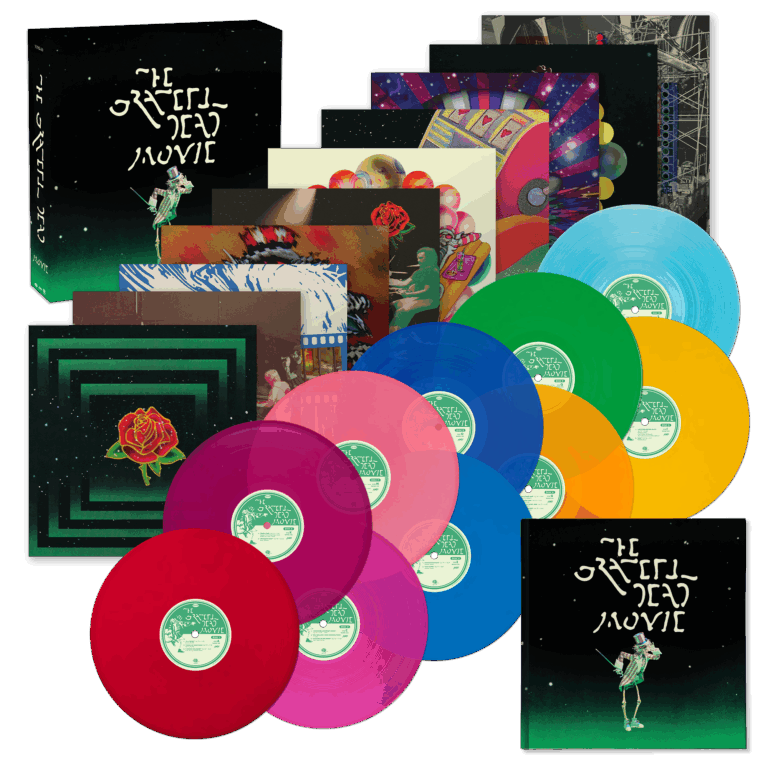
More than a concert film, The Grateful Dead Movie captured a cultural moment and the communal spirit that made the Grateful Dead one of the most influential live acts in modern music history. Now, for the first time ever, its legendary soundtrack arrives on vinyl in a definitive 10LP box set. In partnership with Rhino Records, Mondo is accepting pre-orders at MondoShop.com for the fully restored and remastered edition of the soundtrack, a definitive release that brings depth, dimension, and clarity to performances that stand as pillars of the American live music canon.

Remastered by GRAMMY®-winning engineer David Glasser, the audio reveals a fresh dimension in every performance and intimate moment that defined the band’s live legacy. Whether a lifelong Dead Head or discovering the band’s improvisational brilliance for the first time, this release offers the most immersive way yet to experience the film’s music, which features the last recordings with the band’s legendary Soundsystem dubbed “The Wall of Sound.” 

“We’re honored to partner with Rhino Records to bring The Grateful Dead Movie soundtrack to vinyl with the care and craftsmanship it deserves,” said Cam Dean, Label Manager at Mondo. “From the restoration to the packaging, this was treated as a true archival release. We hope it resonates deeply with longtime Dead Heads and offers vinyl collectors and live music fans a definitive way to experience a pivotal chapter in the band’s history.”

“Widely considered one of the greatest runs of shows in the Grateful Dead’s history, October 1974 at the Winterland featured inspired, exciting and out-of-this-world playing,” said David Lemieux, Grateful Dead Archivist. “Thankfully filmed for the Grateful Dead Movie, these five shows were the only 1974 performances recorded to 16-track analog tape. We’re proud to partner with Mondo for a vinyl release that celebrates and preserves this essential document of the band’s legacy.” 

Limited to 3,000 individually numbered units and priced at $450, the 10LP set was cut to lacquer by Chris Bellman at Bernie Grundman Studios and pressed at Optimal Media in Germany, ensuring audiophile-quality sound. Shipping in Spring 2026, the collection will be housed in a premium case-wrapped “slip and slash” box with original Illustration, design and art restoration by Madalyn Stefanak. Each set includes a hardcover book by Justin Goers and Chris Minicucci featuring previously unpublished photographs from the film production and historic Winterland performances, alongside a 44-page essay by respected Grateful Dead historian Nicholas G. Meriwether.

Released in 1977 and directed by Jerry Garcia and Leon Gast, The Grateful Dead Movie is unique unto itself, capturing the band’s synergy, connection with each other and the audience, as well as the free-loving spirit and counterculture movement that defined the band. Featuring every major song in the Grateful Dead’s 1974 repertoire, including Dark Star, The Other One, Playing In The Band, Eyes Of The World, Morning Dew, China Cat Sunflower, I Know You Rider and Weather Report Suite, the soundtrack also contains magnificent versions of setlist standards like Uncle John’s Band, Casey Jones, Truckin’, Sugar Magnolia and countless others.

Broadway Favorite Jeannette Bayardelle Returns To Pop-Powered ‘& Juliet’ As Angélique

0

Jeannette Bayardelle is stepping back onto the Broadway stage. The acclaimed performer returns to the hit musical ‘& Juliet,’ reprising the role of Angélique for a limited engagement beginning March 10 through April 5 at the Stephen Sondheim Theatre.

Bayardelle knows this role well. She previously portrayed Angélique during an earlier Broadway run, beginning in July 2024 and continuing through August 2025. Her return brings a powerful presence back to one of the musical’s standout characters.

She takes over the role from Kandi Burruss, who gave her final performance March 7 after joining the production in December. Burruss, widely known from The Real Housewives of Atlanta, brought fresh attention to the show during her run as Angélique.

The current company features Gianna Harris as Juliet, alongside James Monroe Iglehart as Lance, Teal Wicks as Anne, Drew Gehling as Shakespeare, and Michael Iván Carrier as May. The production also includes Liam Pearce as Romeo and Nathan Levy as François, supported by a large ensemble that drives the show’s high-energy staging.

‘& Juliet’ flips the script on Shakespeare’s tragic romance. Instead of tragedy, Juliet chooses life and writes a new story for herself. The show pulses with Max Martin’s pop catalog, including “Since U Been Gone,” “Roar,” “I Want It That Way,” and “Confident.” The music lands with undeniable punch and pop precision, giving the Broadway stage a soundtrack that moves with real energy.

Brandi Carlile Delivers Towering “Church & State” Performance On Saturday Night Live

0

When Brandi Carlile stepped onto the Saturday Night Live stage on November 1, 2025, the room shifted immediately. Performing “Church & State” from her album ‘Returning To Myself’, Carlile delivered one of the most commanding musical moments the show has seen in years. The song builds like a gathering storm, blending Americana muscle with sharp political imagery and a spoken passage drawn from Thomas Jefferson’s famous letter on the separation of church and state.

Faulty Towers Live Bring Unpredictable Mayhem Back To Kitchener This Spring

0

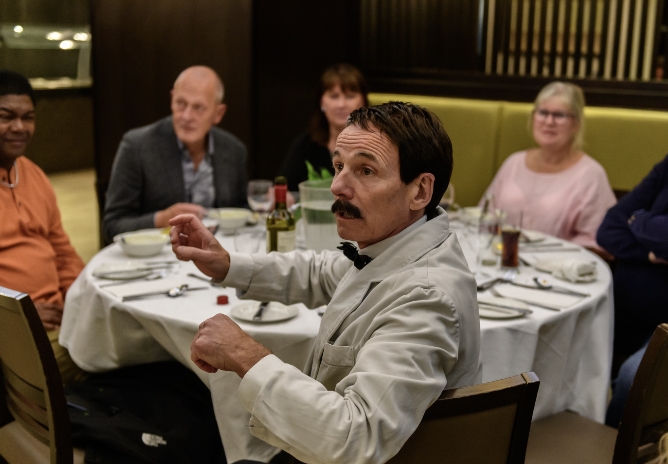
The British are storming back into Kitchener next month to serve up a blend of three-course dining and two hours of volatile comedy. Faulty Towers Live! The Dining Experience returns to the stage following a previous run that saw tickets disappear instantly. This is a high-stakes tribute to the iconic BBC sitcom where the boundary between the audience and the performance dissolves over dinner.

The engagement features five shows only, running from April 28 to May 3 at the Centre In The Square’s Studio Theatre. With over 70% of the show being improvised, the performance relies on the sharp instincts of the cast portraying Basil, Sybil, and Manuel. This spontaneity ensures that no two nights in the dining room are identical.

Expect a relentless pace of mishaps and misunderstandings that Basil will inevitably insist are running perfectly smoothly. The production has earned a reputation for non-stop mayhem and remains one of the wackiest experiences available on the international touring circuit. The energy in the room stays high as the cast maneuvers through the crowd with manic precision.

This is a professional operation that turns chaos into an art form. The previous Kitchener run sold out completely, and current momentum suggests a similar trajectory for these upcoming dates. The show offers a rare opportunity to step inside a legendary comedic world while navigating a service where anything can happen. It is a buoyant, high-impact evening of interactive theater.

2026 Tour Dates: April 28: Kitchener, ON at Centre In The Square April 29: Kitchener, ON at Centre In The Square April 30: Kitchener, ON at Centre In The Square May 1: Kitchener, ON at Centre In The Square May 2: Kitchener, ON at Centre In The Square May 3: Kitchener, ON at Centre In The Square

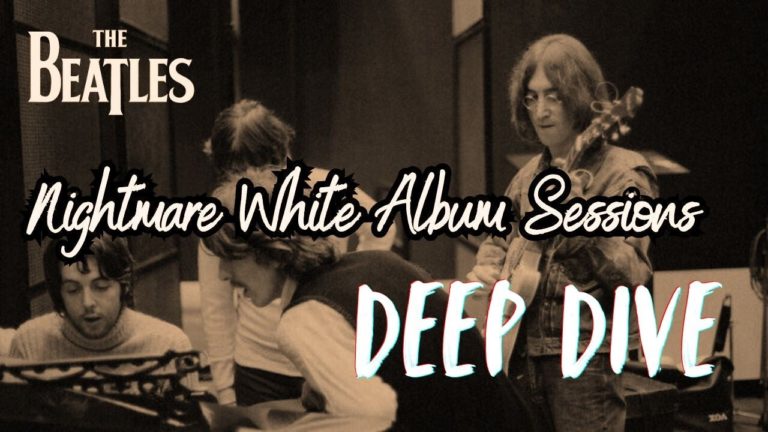
Favorites Film Retrospective Reveal The Fractured History Behind ‘The White Album’

0

Film Retrospective uncovers the dense history of the sessions that defined ‘The White Album’ (formally titled ‘The Beatles’). The narrative begins with the 1968 journey to Rishikesh, India, where the group studied Transcendental Meditation. This period of isolation fueled a massive creative output. The shift from communal living to the rigid walls of the recording studio changed the group dynamic forever.

When a Still Image Becomes Motion: What Actually Happens With AI Video Tools

0

By Mitch Rice

Most people discover image to video AI tools by accident. They’re scrolling through a social feed, see a photo that’s been animated into a short clip, and think: I could do that. Then they open a tool, upload a photo, hit generate, and watch something move on screen for the first time. That moment—between expectation and result—is where the real story begins.

The appeal is straightforward enough. A static image, given motion and depth, can feel more engaging than the original. For social media, product showcases, or concept testing, that shift from still to video has obvious value. But what tends to happen after the first experiment is where most people’s understanding breaks down. The tool works. The question becomes: Now what?

The Gap Between “It Works” and “This Solves My Problem”

Image to video tools do exactly what they claim: they take a photograph and generate motion from it. The mechanics are real. What’s less clear—and what most beginners don’t anticipate—is how much the usefulness of that output depends on factors the tool itself can’t control.

A well-composed photograph with clear subject separation, good lighting, and minimal visual noise tends to animate more predictably. A cluttered background, mixed lighting, or ambiguous depth cues often produce results that feel off-balance or unconvincing. This isn’t a failure of the tool. It’s a reminder that image-to-video generation is still constrained by what’s actually in the source image.

What people often notice after a few tries is that the best results don’t come from uploading whatever photo happens to be handy. They come from either shooting with motion generation in mind, or selecting from existing archives with specific visual characteristics. That’s a workflow decision, not a tool limitation. But it’s also not something most users anticipate before their first upload.

Where the Novelty Wears Off

The first video a user generates from a photo usually feels impressive. Motion where there was none. Depth where the original was flat. By the third or fourth generation, the impression shifts. Users start noticing patterns: the same types of movement, similar pacing, recognizable animation styles.

This isn’t a flaw. It’s just the point where the tool stops feeling like magic and starts feeling like a tool. That transition is important to understand, because it determines whether someone keeps using the platform or sets it aside after a week.

The part that usually takes longer than expected is integration. If you’re a social media manager posting to multiple platforms, or an ecommerce operator testing product videos, the generated clip is only the beginning. It needs to be trimmed, maybe have text or music added, possibly resized for different feeds. The tool generates the video. You still do the finishing work.

Expectations About Speed and Iteration

One legitimate advantage of image-to-video AI is the reduction in friction for early-stage ideation. Instead of filming, editing, or commissioning a video, you can test a visual concept in minutes. That’s genuinely faster than traditional workflows.

But speed is contextual. If you’re generating a single video for a one-off post, the time savings are real. If you’re testing ten different product angles or iterating on a concept, you’re still waiting for each generation to process. You’re still reviewing each output. You’re still making judgment calls about which versions are worth keeping.

The decision is less about the tool itself and more about whether your workflow actually benefits from that particular type of speed. For some use cases—quick social content, rough concept visualization—it does. For others, the iteration cycle might not be materially faster than existing methods.

What Cannot Be Concluded From Limited Information

The product description provided states that Image to Video AI “increases AI photo to video quality” and offers a “free picture to video converter.” Those are factual claims about the tool’s existence and basic function. What’s not stated—and what I cannot responsibly infer—includes specific technical capabilities, processing speed, output resolution limits, quality benchmarks compared to other tools, or what “free” actually covers in practice.

These details matter for real decision-making. A beginner evaluating whether to spend time learning a tool needs to know whether the free tier is genuinely usable or a limited trial. They need to understand what quality to expect and whether it’s consistent. Without that information, any deeper claims about the tool’s performance would be speculation dressed as fact.

This is where personal testing becomes necessary. The tool either works for your specific use case or it doesn’t. That determination requires uploading your own images, generating a few videos, and making a judgment call based on your actual needs—not on marketing language or secondhand reviews.

The Practical Skepticism That Matters

Healthy skepticism about AI image to video tools isn’t about dismissing them. It’s about resisting the assumption that they solve a problem you didn’t know you had.

If you’re a solo creator looking to add motion to static content without hiring a videographer, the tool has clear utility. If you’re a marketer testing whether animated product images perform better than stills, it’s a low-cost experiment worth running. If you’re a designer exploring visual concepts before committing to full production, it’s a reasonable ideation step.

If you’re hoping the tool will replace your understanding of composition, pacing, or visual storytelling, you’ll be disappointed. If you expect it to generate broadcast-quality video from a phone snapshot, the results will feel thin. If you think it eliminates the need for human judgment about what looks good, you’ll find yourself revising more than you anticipated.

The gap between those two sets of expectations determines whether the tool becomes part of your workflow or a curiosity you try once.

The Question That Matters Most

After the initial experiment, the real question isn’t whether the tool works. It’s whether the output actually saves you time or improves your results compared to what you were doing before. That answer is specific to your situation, your content type, and your definition of “better.”

Some people will find that image to video AI fits naturally into their process. Others will realize that the time spent uploading, generating, reviewing, and revising doesn’t actually compress their timeline. Both conclusions are valid. Both come from trying it yourself and paying attention to what actually happens in your workflow, not what the tool promises.

The tool exists. It does what it says. Whether it’s useful to you is a question only you can answer by testing it against your real constraints and needs.


Top 10 Digital Product Design Companies to Consider in 2026

0

By Mitch Rice

The year 2026 brings digital product design to become the primary growth engine which drives development for businesses that create SaaS platforms and mobile applications and web-based systems. Companies now compete with each other through their product features and user experience and product design efficiency. The selection of an appropriate design partner will determine the success and customer retention and business growth of a product. The professional digital product design studio has become the preferred choice for businesses because it provides both UX strategy and UI design and product development services from one location. The top digital product design companies of 2026 help brands create their most effective digital experiences according to this article.

1. Fireart Studio

Fireart Studio ranks among the leading product design agencies globally due to its full-cycle approach and strong UX/UI expertise. The company has completed multiple projects for startups and enterprises since its establishment in 2013 while working with customers such as Google and Atlassian. 

Key Benefits: 

The company provides complete product design services which cover all stages of product development. 

The company specializes in creating minimum viable products through its efficient development processes. 

User research supports the company’s delivery of exceptional user interface and user experience design solutions. 

Clients consistently highlight Fireart’s creativity and responsiveness and ability to deliver high-quality outputs which exceed their expectations.

2. ANODA UX Design Agency

ANODA specializes in conversion-driven UX design, particularly for SaaS and fintech products.

Strengths:

  • Data-driven design decisions
  • Expertise in complex dashboards
  • Focus on usability and performance

3. Mater Agency

Mater Agency blends branding with product design to deliver visually compelling and functional solutions.

Strengths:

  • Strong visual identity integration
  • Modern UI design systems
  • Scalable digital experiences

4. The Story

The Story is known for delivering full-cycle product development alongside design.

Strengths:

  • Agile workflows
  • Product strategy alignment
  • Long-term scalability

5. Rekos Agency

Rekos focuses on clean UI design combined with efficient delivery processes.

Strengths:

  • Fast turnaround
  • Minimalistic design approach
  • Startup-friendly workflows

6. Human Creative

Human Creative emphasizes behavioral design to improve user engagement.

Strengths:

  • User psychology integration
  • Conversion optimization
  • Branding + UX synergy

7. Webalize

Webalize combines technical development with UX design for enterprise-grade solutions.

Strengths:

  • Strong engineering support
  • Scalable infrastructure design
  • Cross-platform expertise

8. BB Agency

BB Agency focuses on digital transformation through strategic design.

Strengths:

  • Branding-focused product design
  • Enterprise consulting
  • High-end digital experiences

9. Halo Lab

Halo Lab offers cost-effective design services without compromising quality.

Strengths:

  • Budget-friendly solutions
  • Fast project execution
  • Wide service range

10. Isadora Agency

Isadora Agency combines storytelling with digital product design.

Strengths:

  • Interactive experiences
  • Creative storytelling approach
  • Innovation-focused design

Key Trends in Digital Product Design (2026)

  • AI-driven UX personalization for adaptive user journeys
  • Design systems for scalable product ecosystems
  • Rapid prototyping & MVP launches to validate ideas faster
  • Cross-platform consistency across devices and channels

Top agencies like Fireart Studio follow a product-first mindset, treating design as a business solution rather than just visual output.

Final Thoughts

Digital product design has become a mandatory requirement because it provides companies with a critical advantage over their competitors. User experience and business growth and development risk from expert design partners can be improved through business investment in these design specialist partners. Fireart Studio demonstrates its ability to develop digital products that can grow through its successful execution of creative and strategic and technical development work. The listed agencies provide distinct advantages that require businesses to select their service according to specific needs which include their operational objectives and product requirements and financial capacity.

Data and information are provided for informational purposes only, and are not intended for investment or other purposes.