Home Blog Page 886

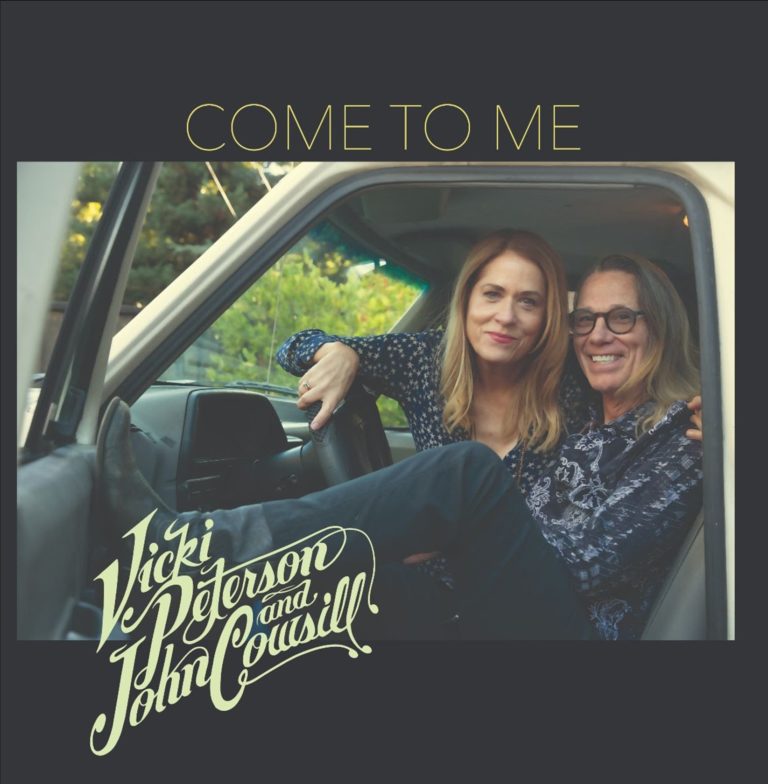
Vicki Peterson and John Cowsill Release “Come to Me” Ahead of Debut Album ‘Long After The Fire’

0

Love is in the air with Vicki Peterson and John Cowsill’s new single, “Come to Me.”  The track is off the married couple’s debut album, Long After The Fire, produced and engineered by Paul Allen and coming out via Label 51 Recordings. Made up of songs written by John’s late brothers, Barry and Bill Cowsill, the LP is set for vinyl release on April 12th, Record Store Day. Magnet gave a sneak peek earlier this week. Check it out here.

Vicki Peterson added, “The first time I heard ‘Come To Me’ was off of the cassette tape recording that John referenced. You could tell the band didn’t really know the song. You can hear Barry on the recording repeatedly saying, “Pick it up!” because the band was dragging the tempo. I think Barry would be so pleased with the atmosphere we created and Paul Allen gets the credit for the 70s-style reprise outro. The Cowsills were the first band I heard do that type of reprise on their song, ‘Contact Mae.’

Vicki Peterson of The Bangles (whose work includes #1 hit “Walk Like An Egyptian” and several other Top 10 songs, such as “Eternal Flame,” which is the biggest single by an all-female band in history) teams up with John Cowsill, drummer/vocalist for The Beach Boys for over 23 years and original member of the platinum-selling family band, The Cowsills to lovingly present their debut Americana album comprised of songs written by John’s late brothers, Barry and Bill Cowsill titled, Long After The Fire.

Vicki is a founding member of the 1980s group The Bangles, one of the most successful bands of that decade, with over 6 million gold and platinum albums sold. Their music has been synced on screen in everything from Austin Powers to Stranger Things and has transcended generations with more than 6 million current monthly listeners on streaming platforms, 390 million views on TikTok, and over half a billion channel views on YouTube as of 2024.

Peterson later wrote and performed with her good friend (and eventual sister-in-law) Susan Cowsill as The Psycho Sisters. The duo soon found themselves absorbed into the critically acclaimed New Orleans songwriters collective The Continental Drifters and remain with them today.

Throughout the 90’s, Vicki stayed active, appearing on albums with Tom Petty, John Doe, Hootie & The Blowfish, and Belinda Carlisle, and also toured with The Go-Go’s on their 1994-1995 reunion tour. The Bangles reunited in the 21st century to release four more albums.

At 7 years old, John began working in clubs, singing and playing drums with his family. The Cowsills became a worldwide sensation in the late 1960s, playing The Ed Sullivan Show and The Johnny Carson Show programs both three times, The Johnny Cash Show twice, and enjoyed several Top 20 hits, including “Hair” (#1 in four countries and #2 on US Billboard) and “The Rain, The Park, & Other Things” (#2 on US Billboard with over 3 million copies sold).

In 1981, John landed on the Tommy Tutone hit, “867-5309 (Jenny).” He also toured with Jan and Dean before becoming a mainstay of the Beach Boys touring band, playing guitar and piano, and finally sitting at the drum kit for over two decades, playing an average of 180 concerts annually. John made many television appearances with the band, including Good Morning America seven times, The Today Show six times, The Tonight Show w/ Jimmy Fallon, The Grand Ole Opry, and The Grammys.

Throughout his career, John has performed live and/or recorded work with Bob Dylan, Mamas & Papas, Harry Chapin, Maroon 5, Hermans Hermits, Mickey Dolenz (The Monkees), and Chuck Berry. John is also currently one of the lead singers for The Smithereens and the touring drummer for Peter Perrett (The Only Ones).

Vicki & John were already gaining attention and turning heads in 2024 with the LA Weekly writing a great review about their performance at The Troubadour, along with a feature about their duo in People Magazine. They were also featured performers at the 30A Songwriter’s Festival and the Vadsø Arts Festival in Norway.

TRACK LISTING
1  Ol’ Timeless
2  When Hearts Collide
3   Downtown
4   Embers
5   A Thousand Times
6   You, In My Mind
7   Don’t Look Back
8   Sound On Sound
9   Is Anybody Here
10  Come to Me
11  Vagabond
12  Fool Is The Last One to Know

TOUR DATES
Apr 3                 San Diego, CA*              Music Box
Apr 12               Poughkeepsie, NY         Darkside Records – Record Store Day
Apr 18               Los Angeles, CA            McCabe’s Guitar Shop
May 4                Nashville, TN*                City Winery
May 9                New York, NY                The Cutting Room
June 1               Pioneertown, CA++        Pappy & Harriet’s
June 3               Los Angeles, CA++        Zebulon
June 5               Southhampton, PA         Stone Turtle House Concerts

* supporting The Smithereens
++ w/The Minus Five
Genesis’ The Lamb Lies Down On Broadway Gets the Ultimate 50th Anniversary Treatment

0

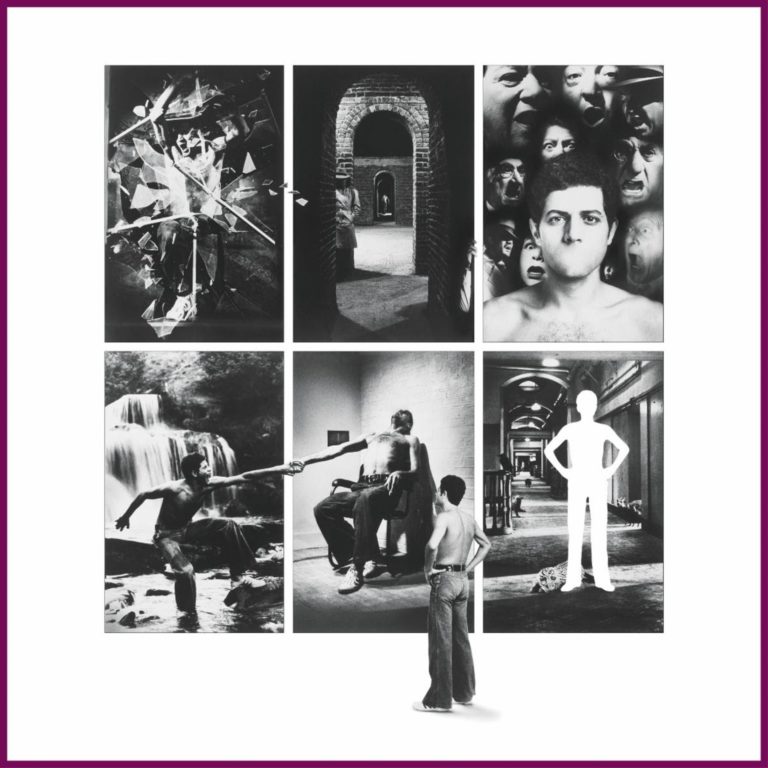
Few albums in the history of progressive rock hold the mythic status of Genesis’ The Lamb Lies Down On Broadway. Now, five decades after its release, the 1974 double album is set to receive a long-awaited Super Deluxe Edition, cementing its place as one of the genre’s most ambitious and enigmatic works. Originally scheduled for March, the deluxe box set will now arrive on June 13 via Rhino/Warner, but fans won’t have to wait to get a taste—Genesis has already released the 2025 remaster of the album’s iconic title track across streaming platforms here.

This expanded reissue promises to be the most definitive version of The Lamb yet, spread across multiple formats, including 5LP/Blu-ray, 4CD/Blu-ray, and a digital release featuring a Dolby ATMOS mix. Overseen by Peter Gabriel and Tony Banks, the new remaster by Miles Showell at Abbey Road Studios is sourced from the original 1974 analog tapes, offering the most faithful and dynamic version of the album to date. The set also includes a full recording of the band’s legendary Lamb tour performance at the Shrine Auditorium in 1975—complete with encore tracks Watcher of the Skies and The Musical Box—marking the first time this entire concert has been officially released.

Beyond the music, the box set offers a treasure trove for Genesis fans. A 60-page book featuring liner notes by acclaimed journalist Alexis Petridis delves into the making of The Lamb, featuring fresh interviews with all five band members—Peter Gabriel, Tony Banks, Phil Collins, Steve Hackett, and Mike Rutherford—something that hasn’t happened since the album’s original release. The book also showcases rare and unseen photographs from Armando Gallo, Richard Haines, and others, alongside a reproduction of the original 1975 tour program, a replica ticket, and a poster. Additionally, three never-before-released demos from the album’s sessions at Headley Grange are included as a digital download, offering deeper insight into the band’s creative process.

Regarded as one of the most intricate and polarizing albums in Genesis’ catalog, The Lamb Lies Down On Broadway marked the end of an era, as it would be the final studio album with Peter Gabriel before his departure from the band. Its sprawling, surreal narrative, filled with cryptic lyricism and genre-defying musical shifts, has inspired debate and analysis for decades. Petridis captures the essence of its legacy in his liner notes, describing it as “a flawed experiment, career highlight, prog masterpiece, and weirdly prescient precursor of punk—all at once.” Whether viewed as the pinnacle of early ’70s progressive rock or an audacious misstep, its influence remains undeniable.

With this Super Deluxe Edition, Genesis offers both longtime devotees and new listeners a chance to immerse themselves in the strange and spectacular world of The Lamb Lies Down On Broadway like never before. As the June 13 release date approaches, one thing is certain—nearly 50 years later, The Lamb continues to fascinate, confound, and inspire.

Mustafa Named Spotify’s Local Spot Ambassador Showcasing Canada’s Musical Landscape

0

Toronto’s storied singer and poet Mustafa is announced as Spotify’s Local Spot playlist ambassador for the month of February.

From Regent Park to the global stage, Mustafa tells an extremely raw and personal tale of resilience through his artistry. Making waves with his latest debut album ‘Dunya,’ Mustafa seamlessly blends the most pivotal themes of his life in his music – love, faith, grief – to tell a tale of his roots as well as his complicated relationship with his hometown Toronto.

Spotify’s Local Spot playlist is a new curated collection of Canadian homegrown heroes spanning decades and genres. We’re so honoured to celebrate the playlist in collaboration with Mustafa, who features his own picks of both emerging and legendary Canadian artists inspiring the Canadian music landscape, including his own artist journey.

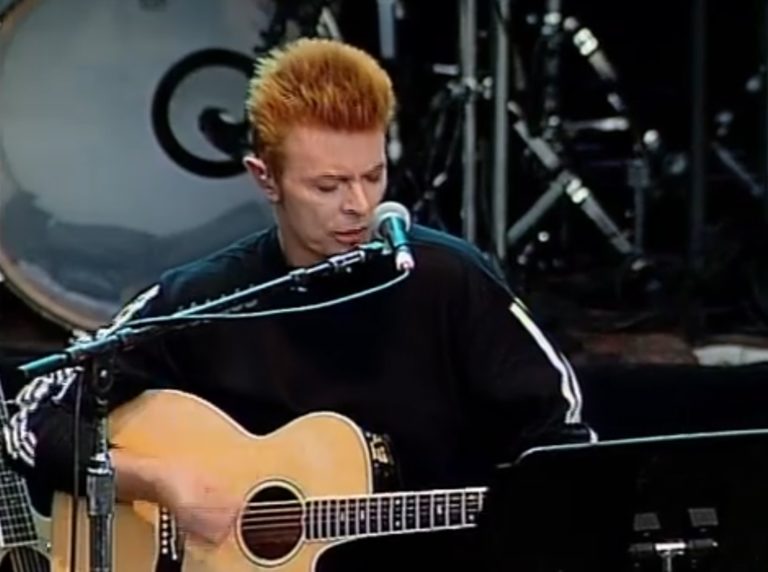
David Bowie Performs An Astonishing Acoustic Version Of ‘Heroes’ At Bridge School Benefit In 1996

0

David Bowie’s 1996 Bridge School Benefit performance of ‘Heroes’ strips the classic down to its raw essence. With just an acoustic guitar, Reeves Gabrels, and Gail Ann Dorsey, he proves that great songs don’t need embellishment—they just need Bowie. Pegi Young recalled his kindness, calling him “an enormously talented yet humble man,” who was content to simply spend time with the kids the benefit supported. “He was an original in every sense of the word,” she wrote, remembering the artist’s generosity and grace.

Jacky Cheung Makes History with 1,000th Concert Milestone

0

Jacky Cheung, known as the “God of Songs” in the Chinese-speaking world, reached a historic milestone on February 23 by completing his 1,000th concert. This performance, held in Haikou as part of the “Jacky Cheung 60+ World Tour,” also marked the 218th show of this current tour. Cheung is now the first Chinese artist ever to surpass the 1,000-concert milestone. To celebrate this momentous occasion, the management team of Universal Music Greater China (UMGC) attended the concert and presented Cheung with a special gift, honoring his remarkable influence and legacy over the past four decades.

Jacky Cheung’s ten world tours represent a legendary musical journey that spans 38 years. Beginning in 1987 with his first solo tour, the “Jacky Cheung 87 Concert” from Hong Kong Coliseum to his 1,000th concert in 2025, his career has taken him to over 100 cities across 18 countries and regions, attracting millions of fans. These performances have not only set unparalleled records in the Chinese music industry but have also witnessed the global rise of Chinese pop music on the world stage.

Although Cheung has always stated that breaking records was never his goal, his tours have consistently set new milestones. In 1995, his “Friends World Tour” reached 100 shows, a record for the most performances by a Chinese artist at the time. In 2010, his “1/2 Century World Tour” attracted over 2 million people within a single year, earning a Guinness World Records™ title for the “largest combined audience for a live act in 12 months.” The “Jacky Cheung A Classic Tour,” which spanned 2 years and 3 months, set the record for the most shows by a Chinese artist in a single tour, with 233 performances. Now, with his ongoing “60+ Concert Tour,” which began in 2023, Cheung has already completed 218 shows, with more performances expected to surpass the records set by his previous tours.

Regarded as one of the most influential Chinese artists worldwide, Jacky Cheung is often celebrated as the “God of Songs” in the Chinese-speaking world. He has won numerous prestigious awards, including the “U.S. Billboard Music Awards – The Most Popular Singer in Asia” (1994), “World Music Awards – World’s Best-Selling Asian Artist” (1995, 1996), and the “Jade Solid Gold Awards – Asia Pacific Most Popular Male Singer” (1994, 1997, 1998), “Golden Melody Award – Best Mandarin Male Singer” (1998), among other top honors, and has had seven albums certified as Hong Kong’s best-sellers by the International Federation of the Phonographic Industry (IFPI).

At his concert on that evening, Jacky Cheung, deeply moved, expressed: “What does 1,000 concerts mean to me? It’s a reflection of the past 40 years, where I’ve spent nearly 3,000 hours standing on this stage. I’ve poured all my sincerity and love into every performance. To every fan who has supported me, whether you’re here with me tonight or not, my journey has been shaped by your unwavering love and encouragement. Without you, I would never have had the chance to do what I love most. These 40 years, these 1,000 shows—they were made possible by you. I am sincerely grateful for your constant presence by my side. Thank you from the bottom of my heart.”

Jacky Cheung’s career began in 1984 when he joined PolyGram Records, which later became a subsidiary of Universal Music Group (UMG). Despite the many changes in the music industry over the years, Cheung has remained with UMG for over four decades, a testament to his enduring relationship with the label. UMG has supported the release of more than 50 of his albums, reinforcing his leadership in the Chinese music scene and helping to propel his international success. To commemorate his 1,000th concert milestone, UMG presented Cheung with a special gift — a three-meter-long traditional Chinese scroll painting that captures his 38-year, ten-tour journey. Each tour’s stage designs, lighting, and iconic looks are intricately depicted, set against a backdrop of fans holding light signs, symbolizing the brilliance of his enduring musical legacy.

How to Recover Your Coinbase Account Without Losing Your Funds

0

By Mitch Rice

Losing access to your Coinbase account can be a stressful experience. Whether it’s due to a forgotten password, account lock, or suspicious activity, the last thing you want is to lose access to your crypto holdings. Fortunately, recovering your Coinbase account without losing your funds is possible, and the process is relatively simple if you follow the right steps. In this guide, we’ll walk you through how to recover your Coinbase account safely and without any loss of funds and for Immediate support you can directly call the official coinbase helpline ( 888 552 0587).

Reasons for Coinbase Account Recovery

Before diving into the recovery process, it’s helpful to understand why you may need to recover your Coinbase account. Some of the most common reasons for account recovery include:

  • Forgotten Password: One of the most frequent issues faced by users is forgetting their account password, which can lock them out of their Coinbase account.
  • Account Lock: Coinbase may lock your account due to suspicious activity or security concerns, such as multiple failed login attempts.
  • Identity Verification Issues: If you’re in the process of verifying your identity or there are issues with your documents, this can lead to account access problems.
  • Hacked Account: In rare cases, if your account has been compromised, you’ll need to recover it and secure it from further breaches.

No matter the cause, it’s important to act quickly and carefully to ensure your funds remain safe.

Steps to Recover Your Coinbase Account

Recovering your Coinbase account without losing funds is easier than you might think. Here’s a simple step-by-step guide to follow:

  1. Go to the Coinbase Login Page

Start by navigating to the official Coinbase login page. Once there, click on the “Forgot Password” option if you can’t remember your password. If you don’t remember your email address associated with the account, try to recall any other emails you may have used.

  1. Enter Your Email Address

Next, Coinbase will ask you to enter your email address associated with your account. If you have access to this email, you’ll receive a link to reset your password. Check your inbox (and spam folder) for the email from Coinbase. This link is valid for a short time, so be sure to act quickly.

  1. Reset Your Password

Once you click on the link in your email, you’ll be directed to a page where you can reset your password. Make sure to choose a strong and unique password that you haven’t used before. This will help prevent your account from being compromised in the future. After resetting your password, you should be able to log into your Coinbase account.

  1. Complete Identity Verification

If your account is locked due to incomplete or failed identity verification, you’ll need to provide the required documents. This usually involves uploading a government-issued ID and proof of residence, such as a utility bill. Ensure your documents are clear and legible to avoid delays. Once you’ve uploaded the necessary information, Coinbase will review your submission and, if everything is in order, unlock your account.

  1. Secure Your Account

Once you’ve regained access, it’s important to secure your Coinbase account to prevent future issues. Here are a few tips:

  • Enable Two-Factor Authentication (2FA): This adds an extra layer of security by requiring a second verification step (like a code sent to your phone) when logging in.
  • Change Your Password Regularly: Even after recovery, it’s a good practice to change your password periodically to ensure your account stays secure.
  • Check for Suspicious Activity: Review your account activity to ensure no unauthorized transactions have been made. If you notice anything unusual, contact Coinbase support immediately.
  1. Contact Coinbase Support

If the above steps don’t resolve the issue, your best bet is to reach out to Coinbase’s support team. Coinbase provides a Help Center with detailed instructions for various problems, but if you’re unable to resolve the issue on your own, contacting coinbase customer support will be necessary. Provide as much detail as possible, such as your account details and the steps you’ve already taken.

Case Study: How Alex Recovered His Coinbase Account Without Losing Funds

Alex, a user from the United States, faced a situation where his Coinbase account was locked after he attempted to log in from a new device. He tried to reset his password, but it wasn’t successful due to the two-factor authentication process being set up on his old phone. Or directly call to helpline ( 888 552 0587).

Alex was worried about losing his funds, but he quickly followed the recovery steps. He first used the “Forgot Password” feature to reset his password. After gaining access, he completed his identity verification by uploading a clear image of his driver’s license. Since his two-factor authentication was linked to his old phone number, Alex contacted Coinbase support to deactivate it and link it to his new device.

Within 48 hours, Alex’s account was fully restored, and he was able to access his funds securely.

What If You Still Can’t Recover Your Coinbase Account?

If you’ve followed all the steps above and still can’t recover your account, there are a few additional things to consider:

  • Double-Check Your Email and Password: Sometimes users forget which email address they used to sign up for Coinbase. Make sure you’re using the correct one.
  • Check Coinbase’s Status Page: If Coinbase is experiencing technical difficulties or undergoing maintenance, it may affect account recovery. Visit their status page to check if any outages are affecting your ability to access your account.
  • Escalate the Issue: If you’re not getting the help you need from customer support, escalate the issue by asking for a supervisor or submitting your request through different channels like social media.
  • Stay Patient: Account recovery can take time, especially if additional verification is needed. Ensure you’re following all the instructions carefully and remain patient while Coinbase works to resolve the issue.

Conclusion: Your Funds Are Safe with Coinbase

Recovering a Coinbase account doesn’t have to be a nightmare. By following these steps, you can regain access to your account and keep your funds safe. Whether you’re recovering from a forgotten password, identity verification failure, or account lock due to suspicious activity, Coinbase provides simple, effective solutions to ensure that your account is restored quickly. The same Problem with Ledger can be resolved with the help of the same steps or direct contact official Ledger Support.

Remember to always secure your account by enabling two-factor authentication and regularly reviewing your account for suspicious activity. If in doubt, don’t hesitate to reach out to Coinbase support to resolve any issues.

Data and information are provided for informational purposes only, and are not intended for investment or other purposes.

5 Surprising Facts About Roberta Flack

There are artists who sing songs, and then there are artists who change the way we feel music. Roberta Flack belongs to the latter. A classically trained pianist with a voice that melts the hardest of hearts, she created moments in time. You know Killing Me Softly with His Song, you’ve felt The First Time Ever I Saw Your Face, but did you know about these five incredible facts that make Roberta Flack’s legacy even more awe-inspiring?

1. She Was a Child Prodigy Who Entered College at 15

Before Roberta Flack was topping the charts, she was a prodigious talent. By the time most kids were figuring out high school, Flack had already secured a full-ride scholarship to Howard University—at just 15 years old! Originally studying classical piano, she later shifted her focus to voice, setting the stage for a genre-defying career that seamlessly blended jazz, R&B, and soul.

2. Her Big Break Came from a One-Take Wonder

Some artists spend days, weeks, even months perfecting an album. Roberta Flack recorded her debut First Take in a mind-blowing 10 hours. But it wasn’t until Clint Eastwood decided to use The First Time Ever I Saw Your Face in his 1971 film Play Misty for Me that the song—and Flack’s career—exploded. The track became the biggest song of 1972 and won the Grammy for Record of the Year. Talk about being in the right place at the right time!

3. She Was Close Friends with John Lennon and Yoko Ono

Ever wonder who lived next door to John Lennon and Yoko Ono at The Dakota in New York City? That would be none other than Roberta Flack. Not only was she a neighbor, but she was also a close friend. Lennon and Ono’s son, Sean, even referred to her as “Aunt Roberta.” Imagine the music history that unfolded within those walls! It’s been said that she and Lennon bonded over their mutual appreciation for blending classical influences with pop music.

4. She Was the First Artist to Win Back-to-Back Grammys for Record of the Year

Winning a Grammy is a career-defining moment. Winning two in a row? That’s legendary. Flack made history as the first artist to win Record of the Year two years in a row—first for The First Time Ever I Saw Your Face (1973) and then for Killing Me Softly with His Song (1974). No pressure for anyone who tried to follow in her footsteps!

5. Her Influence Helped Shape the ‘Quiet Storm’ Genre

R&B radio in the late ’70s and early ’80s was transformed by a sound known as Quiet Storm—a smooth, soulful, jazz-infused take on R&B that set the mood for late-night airwaves. While Smokey Robinson coined the term, Roberta Flack was one of its defining architects. Her rich, velvety vocals and intricate arrangements laid the groundwork for artists like Sade, Anita Baker, and Luther Vandross. The genre still thrives today, proving that Flack’s influence is timeless.

Roberta Flack was as an innovator, a trailblazer, and a storyteller whose music continues to resonate across generations. Whether she was winning Grammys, befriending legends, or shaping entire genres, her impact is undeniable. So the next time you hear Killing Me Softly, take a moment to appreciate not just the song, but the musical genius behind it.

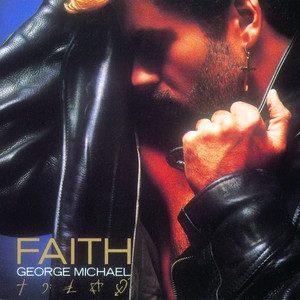
5 Surprising Facts About George Michael’s ‘Faith’

George Michael’s Faith made the former Wham! star one the most innovative and daring artists of the 1980s. Packed with chart-topping hits, genre-bending production, and a fearless approach to songwriting, Faith was one of these records that no matter what style of music you liked – you had to admit that George was peerless. Here are 5 wild facts that will make you go back and listen without prejudice.

1. Faith Was a DIY Masterpiece

George Michael was the one and only mastermind behind Faith. He wrote, produced, and played most of the instruments on the album, crafting a sound that blurred the lines between pop, rock, funk, and R&B. Unlike his Wham! days, where he collaborated with producers, Michael was determined to control every aspect of the record. He even tinkered with drum machines, synthesizers, and bass parts himself, proving that his artistic vision extended far beyond the microphone. The result? A genre-defying album that still sounds fresh decades later.

2. “Father Figure” Was an Accident

“Father Figure” wasn’t originally meant to be a slow, atmospheric ballad. Michael had first envisioned it as an upbeat dance track. But during the mixing process, he spontaneously removed the snare drum from the arrangement, instantly transforming the song’s entire vibe. Instead of an energetic groove, the song became a brooding, intimate confession that oozed sensuality. That unexpected change made it one of the most unique tracks on Faith—and one of Michael’s most beloved songs.

3. It Broke Barriers on the Black Music Charts

In a groundbreaking achievement, Faith became the first album by a white solo artist to hit No. 1 on Billboard’s Top Black Albums chart. At the time, pop and R&B were still seen as largely separate worlds, but Michael’s deep love for soul music—combined with the undeniable groove of songs like “Monkey” and “I Want Your Sex”—made Faith a success across genres. His ability to blend pop, funk, and R&B so seamlessly proved that great music transcends boundaries.

4. “Monkey” Almost Didn’t Make the Album

“Monkey” went through a complete transformation before becoming one of Faith’s four No. 1 hits. Initially recorded as a standard funk-driven track, Michael wasn’t satisfied with its sound. Enter legendary producers Jimmy Jam and Terry Lewis, who had just crafted hits for Janet Jackson. They gave “Monkey” a new jack swing makeover, infusing it with hard-hitting beats and fresh energy. The remix became the official single version and helped Michael conquer the clubs as well as the charts.

5. The Jukebox in the “Faith” Video Was More Than a Prop

The iconic Faith music video—with Michael leaning against a jukebox in a leather jacket, Ray-Ban aviators, and blue jeans—is one of the most recognizable visuals in pop history. But that jukebox wasn’t just for show. It actually played Wham!’s “Freedom” at the beginning of the song—serving as a symbolic nod to Michael’s past before launching into his bold, independent future. It was his way of saying goodbye to his boy-band image and fully stepping into his own artistic identity.

Faith. Good Lord, what a record, shattering history, defied genres, and announced George Michael as a once-in-a-generation artist. Whether it was his fearless songwriting, innovative production, or undeniable star power, Faith remains a high-water mark in pop history. Over 35 years later, its influence can still be heard in pop, R&B, and dance music, proving that when you make music with faith in yourself, the world will listen.

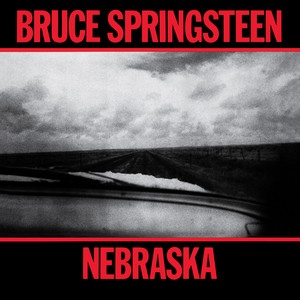
5 Surprising Facts About Bruce Springsteen’s ‘Nebraska’

Bruce Springsteen’s Nebraska is one of the most hauntingly beautiful albums ever recorded—ten stark, lo-fi songs that captured a side of America rarely heard in popular music. With just his voice, a harmonica, and a four-track recorder, Springsteen created an album that stripped away the anthemic rock of Born to Run and The River, leaving only raw storytelling and the echoes of an empty room. But beyond its reputation as one of the greatest DIY recordings in rock history, Nebraska holds some little-known secrets that make its legacy even more fascinating.

1. It Was Never Supposed to Be Released

Imagine a parallel universe where Nebraska never saw the light of day. That was nearly the case. Springsteen originally recorded these tracks as demos in his bedroom, intending to flesh them out with the E Street Band in the studio. However, after several failed attempts to re-record the songs, Springsteen and producer Jon Landau realized the magic was in the raw, unpolished versions. In the end, the cassette Springsteen carried around in his jeans pocket became the master recording—proving that sometimes, imperfection is perfection.

2. The Album Was Almost Unmasterable

Recording a full album on a four-track cassette recorder might seem charmingly lo-fi now, but it nearly derailed Nebraska’s release. The original tape was so quiet and full of hiss that mastering engineers struggled to prepare it for vinyl. Several top engineers—including Bob Ludwig and Greg Calbi—tried and failed before Dennis King at Atlantic Studios finally figured out how to make it work. The end result? An album that sounds like it’s coming from a ghostly highway radio station, which only adds to its eerie power.

3. Flannery O’Connor Was a Huge Influence

Springsteen’s deep dive into American literature played a significant role in shaping Nebraska, and no writer had a greater impact than Flannery O’Connor. The gothic, fatalistic themes of her short stories resonated with Springsteen, inspiring him to craft characters on the margins of society—people whose lives were shaped by violence, despair, and a search for meaning. He later admitted that O’Connor’s ability to find “the unknowability of God” in her stories influenced songs like “Nebraska” and “Highway Patrolman.”

4. There’s a Lost ‘Electric Nebraska’ Album

One of rock’s great mysteries is what happened to Electric Nebraska. Before committing to the stripped-down versions, Springsteen and the E Street Band recorded full-band arrangements of these songs at The Power Station in New York. While a few of those tracks surfaced later—like “Born in the U.S.A.” and “Pink Cadillac” on later albums—the rest remain unreleased. Max Weinberg has described those sessions as “hard-edged and killing,” but Springsteen has suggested they’ll likely never be heard. That hasn’t stopped fans from hoping.

5. The Album’s Cover Is as Stark as Its Music

The black-and-white photograph that adorns Nebraska’s cover wasn’t taken with the album in mind. Instead, it was an existing image by photographer David Michael Kennedy, who had shot it during a winter drive through the American heartland. Springsteen, wanting the album to feel like a desolate road trip through the dark corners of America, picked the photo immediately. The image, paired with the blood-red title font, became one of the most iconic—and chilling—album covers of all time.

Nebraska may have been an accident of history—a happy (or perhaps haunting) mistake that never should have been released in its rawest form. But its power is undeniable. More than 40 years later, its influence can be heard in everyone from indie folk artists to punk bands, proving that great songwriting doesn’t need lush production—just a voice, a guitar, and a story worth telling.

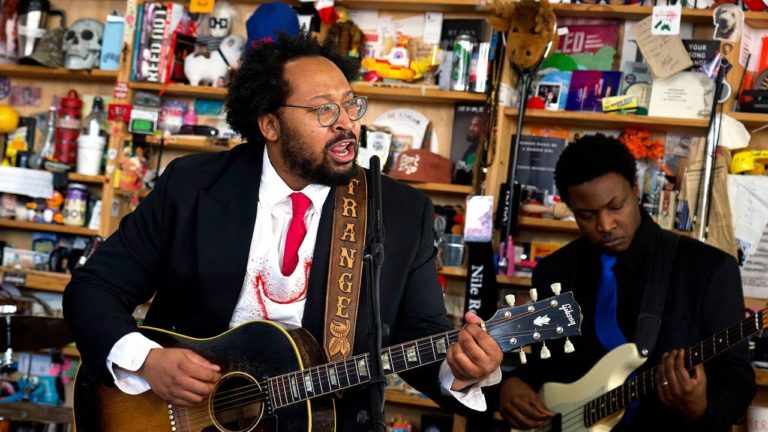
Bartees Strange Delivers Genre-Defying Performance in Powerful NPR Tiny Desk Set

0

You ever hear an artist so unique that their sound becomes its own genre? That’s Bartees Strange. At his Tiny Desk concert, he cranks out rock riffs, raps with swagger, and delivers heart-wrenching ballads—sometimes all in the same song. His latest album Horror refuses to sit still, and neither does his live performance. With every layer of sound, he pulls you into his world—because great music isn’t just heard, it’s felt.