Home Blog Page 898

Five Surprising Facts About Jackson Browne’s Debut Album

When Jackson Browne released his self-titled debut album in 1972, it quietly set the stage for one of the most enduring careers in American songwriting. Packed with deeply personal narratives and poetic lyricism, the album introduced Browne’s signature style—a blend of folk, rock, and introspective storytelling that resonated with a generation. While Doctor, My Eyes became an instant classic and Rock Me on the Water showcased his knack for spiritual themes, this record holds more fascinating secrets than many fans realize. Here are five lesser-known facts about Jackson Browne that will give you a whole new appreciation for this landmark album.

1. The Album Title Confusion Was a Huge Mistake—Even for the Record Label

One of the most persistent myths surrounding Jackson Browne’s debut is its title. Many fans mistakenly refer to it as Saturate Before Using, a phrase that appears prominently on the album cover. The confusion stems from an artistic decision—Browne and his designer, Gary Burden, wanted the cover to resemble an old-fashioned canvas water bag, complete with burlap texture on initial vinyl pressings. Columbia Records executives worried about the misleading design but were assured that no one would mistake it for the album’s actual title. They were wrong. The issue resurfaced when the album was reissued on CD, where the words Saturate Before Using even appeared on the spine! Despite the confusion, the album remains officially self-titled.

2. “Doctor, My Eyes” Was Originally a Dark, Depressing Song

It’s hard to imagine Doctor, My Eyes—a song with such an upbeat, piano-driven hook—being anything other than a breezy radio staple. But Jackson Browne’s original version was drastically different. His early demos of the song were slower and far more melancholy, reflecting the weight of heartbreak and emotional detachment. It wasn’t until producer Richard Sanford Orshoff suggested a more driving arrangement and Graham Nash and David Crosby added their signature harmonies that the song took on its now-iconic sound. The final result? A Top 10 hit that disguised its deep existential pain behind a deceptively cheerful melody.

3. The Byrds Released “Jamaica Say You Will” Before Browne Did

Most people associate Jamaica Say You Will with Jackson Browne, but did you know The Byrds recorded and released it first? The legendary folk-rock band included the song on their 1971 album Byrdmaniax, a full year before Browne’s own version appeared on his debut. While the Byrds’ take added lush instrumentation and harmonies, Browne’s stripped-down approach allowed the song’s wistful storytelling to shine. The track, inspired by a real woman Browne knew, tells the story of a fleeting love and the passage of time, themes that would define much of his career.

4. “Song for Adam” Hints at the Deepest Tragedy of Browne’s Early Life

One of the album’s most haunting tracks, Song for Adam, tells the story of a lost friend. While the lyrics describe Adam “jumping” or “falling,” Browne later admitted the song was about Adam Saylor, a close friend who tragically died in India under mysterious circumstances. The song is more than just an elegy—it’s filled with existential themes about fate and free will, making it one of Browne’s most emotionally complex compositions. The final verse features a chilling moment where Browne becomes too emotional to sing the last line—a raw, devastating silence that makes the song even more powerful.

5. Clarence White’s Guitar Work on the Album Was Legendary—But Underappreciated

While Browne’s songwriting gets most of the attention, the musicianship on this record is next-level, thanks to legends like Jesse Ed Davis, Russ Kunkel, and Leland Sklar. But one unsung hero is Clarence White, best known for his groundbreaking work with The Byrds. White’s intricate, fluid guitar playing elevates Jamaica Say You Will and Rock Me on the Water, adding a subtle but crucial layer to the album’s folk-rock sound. Tragically, White’s life was cut short in 1973 when he was killed by a drunk driver, making his work on Jackson Browne one of his final major contributions to music.

Jackson Browne’s debut album is often overshadowed by his later successes, but it remains one of the most essential singer-songwriter records of all time. Every track brims with poetic depth, and behind every note lies a story waiting to be uncovered. Whether it’s a song that almost wasn’t a hit, a title that wasn’t meant to be, or a tribute to lost friends, this album is filled with surprises. Fifty years later, its influence still ripples through the music world, proving that some albums never stop revealing their magic.


Patti Smith Pays Haunting Tribute to Sylvia Plath with ‘The Moon and the Yew Tree’

0

Patti Smith’s connection to Sylvia Plath runs deep. In M Train, she calls Plath an artist who makes her want to write—and when she reads The Moon and the Yew Tree, you can feel that reverence in every word. It’s a raw, haunting tribute to a poet whose words still cut like glass.

Chris Stapleton & Snoop Dogg Deliver Game-Changing ‘In the Air Tonight’ for Monday Night Football

0

Chris Stapleton and Snoop Dogg redefined what a Monday Night Football anthem can be. Their powerful rendition of “In the Air Tonight” for ESPN/ABC pays tribute to Phil Collins while adding a fresh, electrifying twist. This is how you set the tone for game night!

V from BTS Unveils Mesmerizing Tiny Desk Korea Performance, Debuting Songs from ‘Layover’

0

V from BTS delivered a Tiny Desk Korea performance that proves why he’s one of the most captivating artists in the world. With a stellar session band, he debuted “Love Me Again,” “Slow Dancing,” and “For Us” live for the first time ever. This is music that transcends language—sultry, hypnotic, and unforgettable.

The Untold Influence of Columbia House Records & Tapes

0

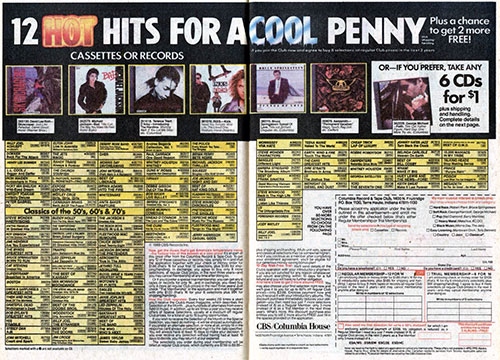
For decades, Columbia House was a dominant force in the music industry, shaping how millions of listeners discovered, purchased, and engaged with music. While its infamous “12 CDs for a penny” deal remains its most recognizable legacy, the company’s impact ran far deeper than most realize. Here are five lesser-known facts about Columbia House’s cultural and industry-shaping power.

1. Columbia House Pioneered the Direct-to-Consumer Music Model

Long before streaming services or even digital downloads, Columbia House revolutionized music distribution by selling directly to consumers. In the 1950s and 60s, this approach provided rural and small-town music fans access to albums that were otherwise difficult to find in local stores. At its peak in the 1990s, Columbia House accounted for over 15% of all CD sales in the United States, demonstrating its massive influence on music consumption trends.

2. It Kept Dying Music Formats Alive for Years

Columbia House wasn’t just a distributor; it also had the power to extend the life of physical music formats. Even as mainstream record labels phased out reel-to-reel tapes, 8-track cartridges, and vinyl LPs, Columbia House continued to produce and sell these formats to a loyal customer base. It was one of the last companies to release new 8-tracks in the late 1980s and vinyl albums in the early 1990s—well after major record stores had stopped stocking them.

3. It Changed How Record Labels Measured Success

The club’s vast membership base meant that an album could ship hundreds of thousands of copies without being sold through traditional retail. Columbia House sales were sometimes not counted toward RIAA certifications or Billboard charts, which meant that many platinum-selling albums were far more successful than their official numbers suggested. Labels frequently pushed artists to participate in Columbia House to boost revenue, even if the sales didn’t show up in the charts.

4. The “Negative Option” Model Became a Blueprint for Subscription Services

Columbia House was infamous for its negative option billing, where subscribers had to opt out of receiving a new album each month. While this practice frustrated many consumers, it was also a brilliant business model that generated billions. The concept influenced countless later subscription services, from mail-order book clubs to modern streaming platforms, which now rely on auto-renewing memberships and passive billing models to retain users.

5. It Played a Key Role in the Music Industry’s Collapse and Rebirth

In the early 2000s, as Napster and digital piracy grew, Columbia House’s model became unsustainable. Many music fans who had once relied on the service to discover new albums turned to file-sharing instead. By 2009, Columbia House shut down its music division, symbolizing the end of an era. However, its influence has resurfaced—its direct-to-fan marketing strategy laid the groundwork for today’s vinyl subscription services, crowdfunding platforms, and artist-driven online stores.

Columbia House was a disruptive force that shaped how people bought and listened to music for nearly five decades. Though its business practices were sometimes controversial, its impact on the industry remains undeniable. Whether through nostalgia or innovation, its influence continues to echo through today’s music marketplace.

Elbow Returns to North America for First Tour Since 2020, Bringing ‘Audio Vertigo’ and More Across the U.S. and Canada

0

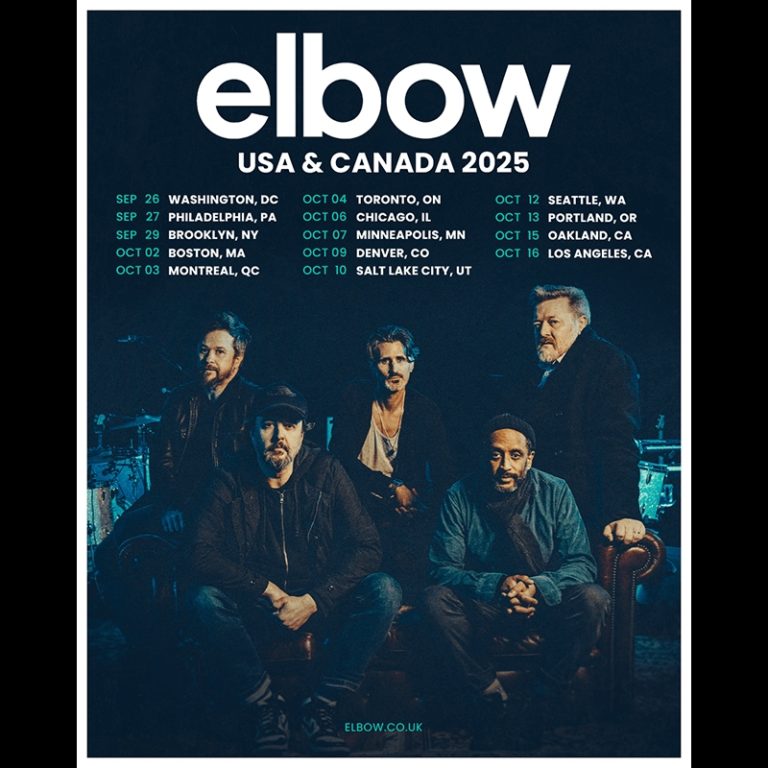
elbow have announced that they are returning to the US for the first time since 2020, and their first East Coast and Canada shows since 2017, bringing their critically acclaimed catalog across North America for a headlining tour announced today.

Starting in Washington, D.C. on September 26, the band will be making 14 stops across the country, winding their way to the west coast and finishing at The Wiltern in Los Angeles on October 16.

Today’s tour announcement follows their latest single release ‘Adriana Again,’ continuing the band’s desire to keep their output upbeat and experimental and follows their most recent album ‘AUDIO VERTIGO’ which earned the band their fourth number 1 in the UK.

elbow are currently working on new music and plan to release a new EP later this year.

NORTH AMERICAN TOUR DATES
09/26 – 9:30 Club – Washington, DC
09/27 – Brooklyn Bowl Philadelphia, Philadelphia, PA
09/29 – Brooklyn Steel – Brooklyn, NY
10/02 – Roadrunner – Boston, MA
10/03 – MTELUS – Montreal, QC
10/04 – HISTORY – Toronto, ON
10/06 – The Riviera Theatre – Chicago, IL
10/07 – First Avenue – Main Room – Minneapolis, MN
10/09 – Summit – Denver, CO
10/10 – The Union Event Center – Salt Lake City, UT
10/12 – The Showbox – Seattle, WA
10/13 – Revolution Hall – Portland, OR
10/15 – Fox Theater – Oakland, CA
10/16 – The Wiltern – Los Angeles, CA

Beck Returns with Orchestral Tour in 2025, Reimagining His Iconic Catalog with Live Symphonies

0

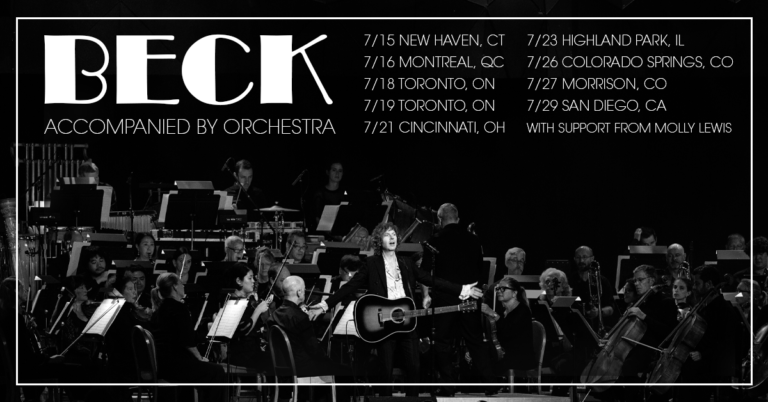
Having dazzled crowds last summer at landmark venues from New York’s Carnegie Hall to the Hollywood Bowl, Beck has confirmed that North American fans will once again have the chance to experience the magic of his live orchestral performances. This summer, Beck will be accompanied by native orchestras for nine shows in eight cities in the U.S. and Canada—as they unite to reimagine a body of work that includes hits and deep cuts from classic Beck works including the multi-platinum Odelay, world-tripping Mutations, somber and reflective Sea Change, and GRAMMY Album of the Year winner Morning Phase, plus a share of surprises.

For tickets, pre-sales and further information, see the full list of dates below or go to Beck.com

July 15, 2025 – Westville Music Bowl – New Haven, CT
With The Westville Philharmonic*
July 16, 2025 – Salle Wilfrid-Pelletier – Montreal, QC
With L’Orchestre Métropolitain*
July 18 + 19, 2025 – Roy Thomson Hall – Toronto, ON
With Toronto Symphony Orchestra *
July 21, 2025 – PNC Pavilion at Riverbend Music Center – Cincinnati, OH
With Cincinnati Symphony Orchestra *
July 23, 2025 – Ravinia Festival – Highland Park, IL
With Chicago Symphony Orchestra *
July 26, 2025 – Ford Amphitheater – Colorado Springs, CO
With Colorado Symphony ^
July 27, 2025 – Red Rocks – Morrison, CO
With Colorado Symphony ^
July 29, 2025 – The Rady Shell at Jacobs Park – San Diego, CA
With San Diego Symphony *
*Conducted by Edwin Outwater
^Conducted by Christopher Dragon

SPACEHOG and EMF join forces for U.S. Tour

0

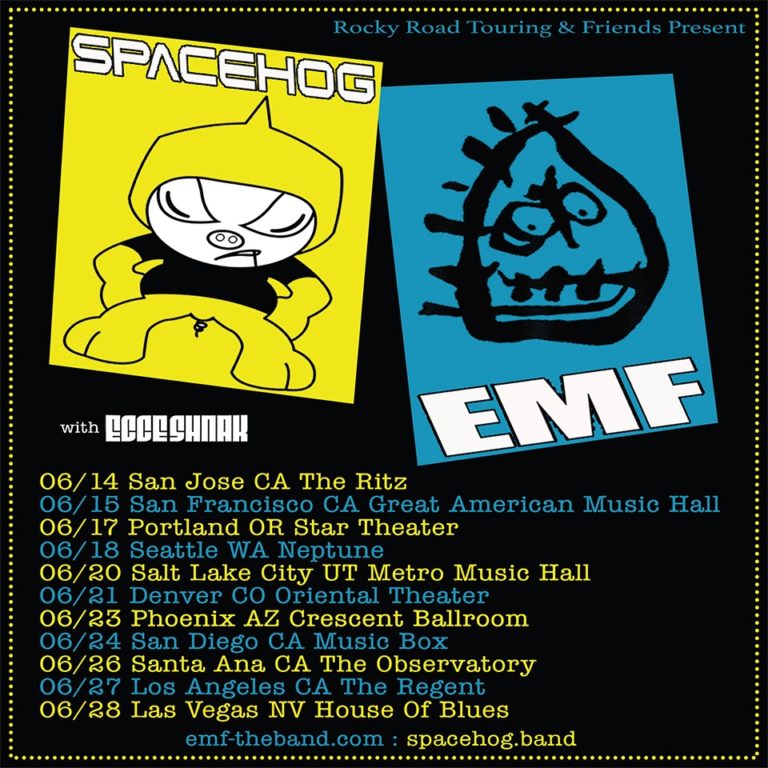
Coming June 2025, two platinum-selling artists will join forces for a co-headline tour – Forest of Dean’s favorite sons EMF and Leeds-by-way-of-NYC’s Spacehog. The tour kicks off on June 14th in San Jose, CA and focuses their routing around the West Coast, including dates in San Francisco, Seattle, Denver, and Los Angeles before wrapping up in Las Vegas, both bands are excited to be combining forces for a perfectly inspired lineup.

“We’re so looking forward to getting back on the road, reconnecting with everyone, and sharing these moments together again,” says Spacehog vocalist/bassist Royston Langdon. “To be out there with EMF makes it all the more special — we can’t wait to see all your faces and feel that energy once more.” Adds drummer Jonny Cragg, “I am personally very excited at the prospect of playing with EMF who were such a big part of my youth in Leeds – both playing in bands and going to the clubs. Sometimes it’s just about waiting for the perfect wave and riding it to the shore.”

Echoes EMF’s vocalist James Atkin, “The fact Spacehog is joining us on this double headline jaunt is just the icing on the cake for EMF.”

A decade since their last show in San Francisco and 30 years since the release of their breakthrough debut Resident Alien, Spacehog took a break from the music realm to focus on life for a spell. A pivotal placement of their massive single “In the Meantime,” however, awoke the itch to get back on the road. “We were all busy doing our big boy jobs in 2023 when ‘In The Meantime’ found a whole new audience in the soundtrack of Marvel’s Guardians of the Galaxy 3,” says Cragg. “The attention got us talking to one another again and resulted in a very kind invitation to rehearse at the legendary Record Plant in Sausalito, CA. Being in a place where so many amazing records were made was magical, and playing together helped us recapture the alchemy that happens when we make music.”

Having had a triumphant return to the U.S. in 2024 for three shows – Milwaukee’s Summerfest, Detroit, and Brooklyn, their first Stateside performances since 1992, EMF was riding on a crest of newfound and rejuvenated popularity. Their fifth album The Beauty and the Chaos (released in January 2024) garnered pages of glowing press including British tome Retropop who hailed that the album “reaffirms EMF’s place in the pop landscape and proves, even three decades later, they’re still capable of delivering material to the standard of their classic recordings.” With dozens of glowing press coverage that extended to the U.S. with features in SPIN, Consequence, Stereogum, Brooklyn Vegan, Rock And Roll Globe, among dozens of others., EMF’s return was heralded with welcoming open arms. “Having had a small taste of being back in the USA last year in Milwaukee, Detroit and NYC, we are thrilled to get a West Coast tour in the diary for June 2025. We can’t wait to see you all again,” replied Atkin excitedly.

Spacehog were formed by natives of Leeds, England in the spring of 1994 in New York City. Guitarist Antony Langdon met drummer Jonny Cragg at a café in the East Village, where Cragg worked killing rats in the basement. The pair agreed to make music and Langdon persuaded his younger brother Royston to move to the States to sing and play bass. The current lineup was finally completed by Craggs’ friend Richard Steel who moved to New York to fill out an all Yorkshire lineup.

The band quickly generated a following and record company interest with their epic live shows and sharp, irreverent and mesmerizing song craft. They signed with Sire Records in the Spring of 1995. Spacehog, with producer Bryce Goggin recorded their platinum debut at Bearsville Studios later that year, scoring a mega-hit single with “In The Meantime” in early 1996. The band’s follow up, The Chinese Album, was released in 1998, taking a more thoughtful and conceptual approach, it consolidated their appeal In Europe and South America, and tours with Red Hot Chili Peppers, Aerosmith and Sex Pistols.

The advent of the new millennium saw more touring with REM and Oasis and a third album The Hogyssey, recorded at Ardent Studios in Memphis with producer Paul Ebersold Spacehog were largely inactive from 2001 until July 2006 when they reformed to play Craggs’ birthday party. The party served as a catalyst for recording their fourth studio LP As It Is on Earth ,again with Goggin and released in 2013.

In 2024 the band contributed to the GRAMMY-nominated soundtrack to Guardians Of The Galaxy 3. And now after this long ride the band has decided to saddle up once again.

Exploding on the U.K. scene in November 1990 with their debut album Schubert Dip, EMF made quite an entrance with their inescapable and irresistibly catchy single “Unbelievable,” which conquered the charts on both sides of the Atlantic, hitting #1 on the Billboard Hot 100 and #3 in the UK. The single was certified gold in May 1991 in the U.S., and it sold over 500k. The song was in such heavy rotation for most of the year in America that it finished as the #6 single overall. Schubert Dip was certified platinum in the U.S. by September of that year, selling over one million.

Their latest album, The Beauty And The Chaos, saw the return of the late Ralph Jezzard (Chapterhouse, Fatima Mansions, Senseless Things) in the producer’s chair (he produced their first two full-length albums, Schubert Dip and Stigma). Said the band of working with Jezzard again, “We produced another set of classic songs about our lives and the world in 2023 inspired by our favorite past, present, and future sounds. We mixed James Atkin’s techno synths and Ian Dench’s punk guitar, heated it to 200 degrees with Stevey Marsh and Aid Todd’s groovy rock rhythms, iced it with Derry Brownson’s maniacal sampling and popped it in a box of Ralph Jezzard’s sonic excellence. Unwrap and enjoy!” The album’s first single, “Hello People,” reestablished the band’s stronghold on the mainstream, with My Global Mind commenting, “I, for one, am overjoyed. Bouncing around the room like it’s 1991-92 all over again and feeling great for it.”

Jun 14 San Jose CA The Ritz (tickets)
Jun 15 San Francisco CA Great American Music Hall (tickets)
Jun 17 Portland OR Star Theater (tickets)
Jun 18 Seattle WA The Neptune (tickets)
Jun 20 Salt Lake City UT Metro Music Hall (tickets)
Jun 21 Denver CO Oriental Theater (tickets)
Jun 23 Phoenix AZ Crescent Ballroom (tickets)
Jun 24 San Diego CA Music Box (tickets)
Jun 26 Santa Ana CA The Observatory (tickets)
Jun 27 Los Angeles CA  The Regent (tickets)
Jun 28 Las Vegas NV House of Blues (tickets)

How do Swiss Taxes and Swiss Foundations Work Together to Optimize Wealth?

0

By Mitch Rice

Switzerland is famend for its sturdy economic device and appealing tax advantages. Many people and businesses are on the lookout for methods to decorate their wealth thru Swiss taxes and foundations. In this newsletter, we’ll explore how those  factors come collectively to assist people efficiently manipulate their price range.

Getting to Know Swiss Taxes

Swiss taxes play a crucial position in the united states’s monetary making plans. Switzerland has a completely unique tax machine that offers a ramification of benefits for each residents and worldwide buyers.

How Swiss Taxes Operate

The Swiss tax device is decentralized, which means taxes are levied at three extraordinary tiers

Tax Level Description
Federal Taxes Imposed by the Swiss federal government
Cantonal Taxes Vary according to each canton (state)
Municipal Taxes City-specific taxes that differ by location


Benefits of Swiss Taxes

Switzerland is well-known for its low tax prices and allowances that help both individuals and groups save money. Some key advantages include:

  • No tax on capital profits in maximum instances
  • Certain varieties of wealth are tax-free
  • Double taxation agreements with many countries

Who Pays Swiss Taxes?

Residents: People residing in Switzerland are taxed on their worldwide earnings.

Non-citizens: Only pay taxes on income sourced in Switzerland.

Companies: Businesses running in Switzerland are problem to company tax primarily based on their place and revenue.

What Exactly is a Swiss Foundation?


A Swiss foundation is a legal entity created to manipulate wealth and assets for a specific cause. Many people and agencies use Swiss foundations to protect their property, plan for inheritance, or aid charitable reasons.

Types of Swiss Foundations

Types of Swiss Foundations

Foundation Type Purpose
Charitable Foundation Supports social, educational, or environmental causes
Family Foundation Preserves family wealth and ensures succession
Corporate Foundation Facilitates corporate social responsibility


Why Form a Swiss Foundation?

Swiss foundations offer numerous benefits, along with

Asset protection: Safeguard your wealth against complaints and creditors.

Tax blessings: Minimize tax liabilities thru legal preparations.

Wealth control: Divide assets correctly among heirs or beneficiaries.

Confidentiality: Switzerland has strict privateness legal guidelines, which make it a popular vacation spot for foundations.

How Swiss Foundations and Swiss Taxes Complement Each Other?

Most people make use of Swiss foundations to maximize their wealth whilst playing Swiss tax blessings. Here’s how they complement each other

1. Tax Efficiency

Swiss foundations can help individuals and organizations in lowering their tax liabilities. Certain foundations are eligible for tax exemptions, which lower the whole tax burden.

2. Inheritance Planning

Swiss inheritance taxes may be heavy, but a Swiss foundation allows households to manipulate their fortunes without being difficulty to excessive taxation.

3. Growth of Business

Businesses hire Swiss foundations to design income that lessen taxation while enabling lengthy-term business increase.

4. Charitable Advantages

Soliciting donations in the form of money through a Swiss basis can also bring about tax deductions, and charitable giving is consequently high quality for each the donor and society.

FAQs About Swiss Taxes and Swiss Foundations

1. Are non-residents eligible to advantage from Swiss taxes?

Yes, non-residents are eligible to benefit from Swiss tax agreements and offshore tax planning in the event that they hold financial interests in Switzerland.

2. Are Swiss foundations taxable for tax planning?

Yes, Swiss foundations are identified by means of regulation and extensively hired for tax-advantaged wealth management.

3. Do Swiss foundations pay tax?

Some Swiss foundations are entitled to tax exemption, even as others pay negligible taxes based totally on cause and shape.

4. How do I begin a Swiss foundation?

To begin a Swiss basis, you want to draft a criminal file, define the cause, and sign in it with Swiss authorities.

5. Can a Swiss foundation own a business?

Yes, a Swiss foundation can own a commercial enterprise and manipulate its operations whilst making the most of tax making plans techniques.

Conclusion

Swiss foundations and Swiss taxes supplement every different to provide powerful wealth control tools. As an person who desires to comfortable your property or a organization that desires to maximize taxes, knowing how these  factors complement every other can help you in making higher economic selections.

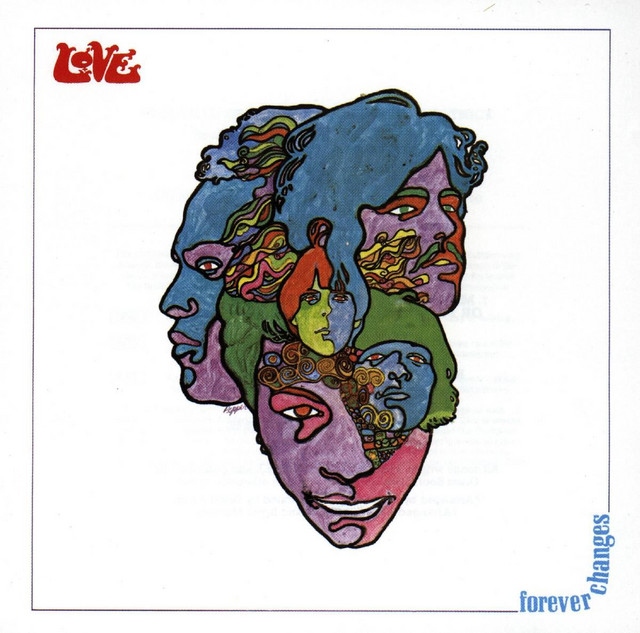
5 Surprising Facts You Didn’t Know About Love’s ‘Forever Changes’

Forever Changes, the 1967 masterpiece from Los Angeles band Love, barely made a dent on the charts when it was first released, but decades later, it’s widely considered one of the greatest albums ever recorded. A swirling mix of folk, baroque pop, and psychedelia, Forever Changes is both hauntingly beautiful and deeply unsettling, capturing the disillusionment of the late ‘60s in ways few other records could. But for all its legendary status, there are still stories hidden within its grooves.

1. The Wrecking Crew Nearly Replaced the Whole Band

Arthur Lee had a vision for Forever Changes, but his band wasn’t delivering. Frustrated with their lack of preparation, producer Bruce Botnick pulled in members of The Wrecking Crew—legendary session musicians who played on everything from The Beach Boys to Frank Sinatra—to record “Andmoreagain” and “The Daily Planet.” When the actual members of Love heard the finished tracks, they snapped into shape, realizing they might be left out of their own album. From that point on, the band tightened up and recorded the rest of the album themselves, but those two songs remain a testament to The Wrecking Crew’s quiet influence.

2. Neil Young Was Supposed to Co-Produce the Album

Arthur Lee wanted Forever Changes to be something completely unique, and he originally enlisted Neil Young to help make that happen. Fresh off Buffalo Springfield Again, Young was tapped to co-produce the album, but before sessions even began, he backed out to focus on his solo career. While Young later denied having any real involvement, some reports claim he arranged the track “The Daily Planet.” Either way, one can only imagine how Forever Changes might have sounded with Young behind the boards.

3. The Album Title Came from a Breakup

The phrase Forever Changes sounds poetic, philosophical, and grand—but its origin is surprisingly mundane. Arthur Lee had a friend who had just broken up with his girlfriend. When she protested, saying, “You said you’d love me forever!” the friend simply shrugged and replied, “Well, forever changes.” Lee was struck by the offhand profundity of that line and decided it would be the perfect title for his band’s magnum opus. It’s a reminder that even the most poetic truths sometimes come from everyday moments.

4. “Alone Again Or” Almost Didn’t Feature Bryan MacLean’s Vocals

Bryan MacLean, Love’s second songwriter, wrote Forever Changes’ opening track, “Alone Again Or,” and originally sang lead. But Arthur Lee, always the dominant force in the band, thought MacLean’s vocals were too weak. Lee remixed the track to bring his own unison vocals to the forefront, burying MacLean’s performance in the background. It was a move that fueled tensions between the two songwriters, and within a year, MacLean was out of the band. Despite the behind-the-scenes friction, the song became Love’s most enduring hit, covered by everyone from The Damned to Calexico.

5. The “Red Telephone” Wasn’t Really Red—Or a Telephone

“The Red Telephone” is one of the most haunting tracks on Forever Changes, full of eerie lyrics and ominous instrumentation. According to legend, Love’s communal house in Los Angeles had a mysterious red telephone that inspired the song. In reality, there was no red phone, and the lyrics had little to do with the supposed object. Instead, the song is a dark meditation on paranoia, mortality, and social unrest, ending with Lee’s chilling spoken outro: “All of God’s children gotta have their freedom.” It was Forever Changes in a nutshell—beautiful, mysterious, and a little bit terrifying.

For an album that was largely ignored upon release, Forever Changes has had an incredible afterlife. It has influenced everyone from The Stone Roses to Radiohead, and it continues to mystify and captivate listeners more than 50 years later. Whether it was the orchestral arrangements, the surreal lyrics, or the studio drama behind the scenes, Forever Changes remains one of rock’s greatest puzzles—one that, no matter how many times you listen, forever changes with each spin.