

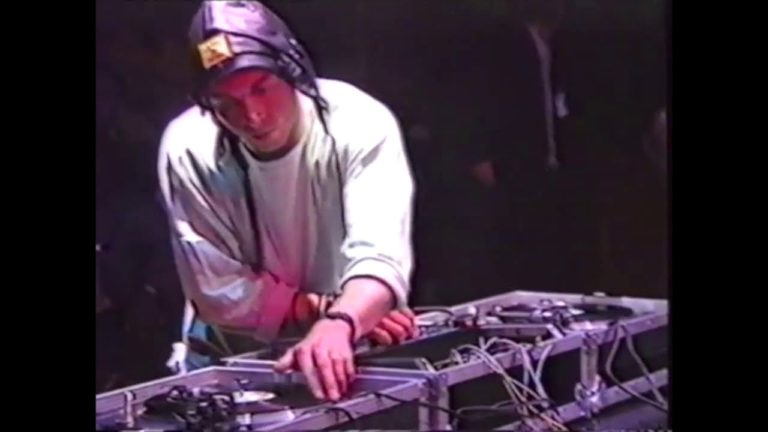
The DMC World DJ Championships, launched in 1985, quickly became the gold standard for competitive DJing. In 1987, DJs from around the world gathered at London’s iconic Royal Albert Hall for six minutes of turntable mastery. Sponsored by Technics, the night belonged to Chad Jackson, who took home the title and cemented his place in DJ history.
The 1995 Infomercial That Tried to Sell Us the Future: The Phillips CD-i Entertainment System

In 1995, the Phillips CD-i entertainment system aimed to revolutionize home entertainment, and what better way to showcase its potential than with an infomercial? Packed with bold claims about interactive gaming, movies, and educational software, this forgotten gem of ’90s marketing dared to ask: “Why settle for less when you can have it all?”
Cass Elliot’s Don’t Call Me Mama Anymore Is The TV Special That Redefined a Legend

In September 1973, Cass Elliot shed the “Mama Cass” image forever with Don’t Call Me Mama Anymore, a groundbreaking television special tied to her live album of the same name. Packed with old standards, fresh songs, and vibrant performances, the special showcased Elliot’s move into the cabaret circuit, proving she was more than a pop icon—she was an unstoppable force of reinvention.
MTV’s 2nd Annual New Year’s Eve Bash With Duran Duran, A Flock Of Seagulls, Debbie Harry And More
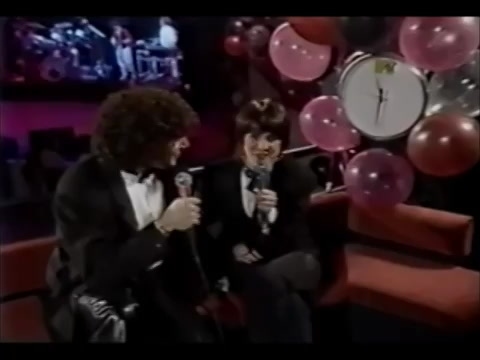
MTV’s 2nd Annual New Year’s Eve Bash on December 31, 1982, was a who’s-who of ‘80s icons and unforgettable performances. From Duran Duran to Debbie Harry, Ronnie Wood to A Flock of Seagulls, it was the ultimate celebration of music, glam, and rock ‘n’ roll as MTV rang in the new year in epic style.
New Year’s Rockin’ Eve 1979: A Star-Studded Celebration With Chuck Mangione, Village People, Tanya Tucker, Rick James, Barry Manilow
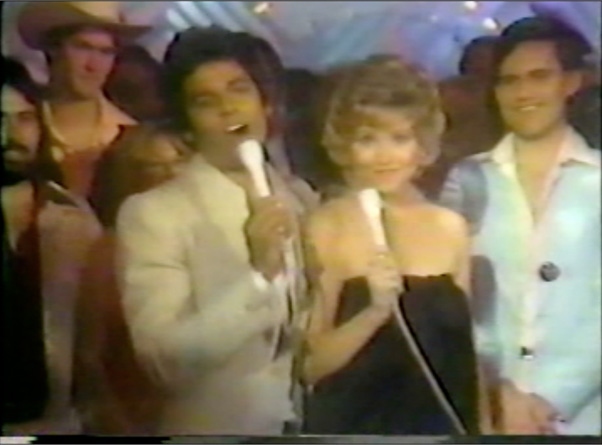
New Year’s Eve, 1979. The world danced its way into a new decade with Dick Clark’s New Year’s Rockin’ Eve, showcasing Chuck Mangione, Village People, Tanya Tucker, Rick James, Barry Manilow, and Erik Estrada. The music, the vibes, the energy—it was the perfect way to say goodbye to the ’70s in style!
Chicago, The Beach Boys, and More: The Star-Studded Lineup That Rocked New Year’s Eve 1974

On December 31, 1974, Dick Clark’s New Year’s Rockin’ Eve brought the ultimate lineup to ABC’s late-night block: Chicago, The Beach Boys, The Doobie Brothers, Herbie Hancock, and Olivia Newton-John. Chicago’s “Wishing You Were Here” was still climbing the charts, and the Beach Boys joined them for an unforgettable live moment. The night also gave us The Beach Boys’ iconic “Good Vibrations” and “Darlin'”—with Chicago’s horn section adding even more magic. What a way to ring in the new year!
How to Get the Best Hits From Your Weed Vape
By Mitch Rice
Vaporizing cannabis offers a smoother and more efficient way to consume THC and CBD compared to traditional smoking methods. However, achieving the best hits from a weed vape requires an understanding of vaporizer mechanics, optimal temperature settings, inhalation techniques, and proper maintenance.
For those who prefer a disposable vaping option with convenience, Best 1500 Puff Disposable Vape provides a great alternative. While dry herb vaporizers offer enhanced control over temperature and vapor quality, disposable vapes are hassle-free and ideal for on-the-go use.
This guide provides an in-depth approach to maximizing vapor production, flavor, and potency while ensuring a premium vaping experience.
Understanding How a Weed Vape Works
A weed vape heats cannabis to a specific temperature, turning cannabinoids and terpenes into inhalable vapor without combustion. Unlike smoking, which burns plant material at high temperatures, vaporization preserves the chemical integrity of cannabis compounds, resulting in a cleaner and more controlled experience.
Types of Weed Vaporizers
- Conduction Vaporizers: Heat the material through direct contact with a heated surface. These devices offer fast heating but require precise packing and stirring to prevent uneven vaporization.
- Convection Vaporizers: Use hot air to evenly heat cannabis, providing smoother and more flavorful vapor. These devices tend to be more efficient but require longer heat-up times.
- Hybrid Vaporizers: Combine both conduction and convection heating methods to balance efficiency, vapor quality, and ease of use.
Choosing the right type of vaporizer impacts the strength, density, and consistency of vapor production.
Selecting the Best Cannabis for Vaporization
The quality and composition of cannabis play a significant role in determining vapor potency. Certain strains, moisture levels, and grind consistencies enhance the overall experience.
Key Factors for Optimal Vapor Production
- Cannabis Strain: High-THC strains, such as Gorilla Glue or Girl Scout Cookies, produce stronger psychoactive effects, while CBD-rich strains offer therapeutic benefits.
- Moisture Content: Cannabis that is too dry burns quickly and produces harsh vapor, while overly moist material may not vaporize efficiently. Ideal moisture levels range between 8-12%.
- Grinding Consistency: A medium to fine grind increases the surface area, ensuring even vaporization. Overly fine grinding can restrict airflow, leading to poor vapor production.
Optimizing Temperature Settings for Maximum Hits
Temperature settings significantly affect the extraction of cannabinoids and terpenes, impacting both potency and flavor.
Ideal Temperature Ranges for Vaporization
- Low Temperature (320–350°F / 160–177°C): Preserves terpenes, providing enhanced flavor and a mild psychoactive effect.
- Medium Temperature (350–390°F / 177–199°C): Balances flavor and potency, producing dense clouds and strong effects.
- High Temperature (390–430°F / 199–221°C): Maximizes THC extraction, generating intense hits with fewer terpene flavors.
Adjusting the temperature according to preference enhances the vaping experience by balancing vapor smoothness and cannabinoid effectiveness.
Properly Packing and Loading the Vape Chamber
How cannabis is packed into the vaporizer chamber influences airflow, heat distribution, and vapor density.
Best Practices for Packing a Vape
- Loosely Packed Material: Ensures proper airflow and even heat exposure, preventing excessive draw resistance.
- Moderate Packing Density: Creates a balance between airflow and heat retention, allowing for optimal vapor production.
- Avoid Overpacking: Compressing the material too tightly restricts airflow, reducing vapor output and causing uneven heating.
Some vaporizers, especially convection models, benefit from occasional stirring to maintain consistent heating throughout the session.
Inhalation Techniques for Stronger Vapor Production
Proper inhalation techniques optimize the amount of vapor produced and enhance cannabinoid absorption.
Effective Draw Methods
- Slow, Steady Draws: Gradually pulling vapor allows more cannabinoids to be absorbed into the lungs, producing smoother and more potent hits.
- Direct-Lung Hits: Inhaling deeply and directly into the lungs maximizes vapor intake, resulting in stronger effects.
- Mouth-to-Lung Technique: Holding vapor in the mouth before inhaling enhances flavor but may produce lighter hits.
Experimenting with inhalation methods helps refine personal vaping preferences for an optimal experience.
Maintaining a Vaporizer for Consistent Hits
Regular maintenance prevents residue buildup, which can restrict airflow, alter flavor, and reduce vapor quality.
Cleaning and Maintenance Tips
- Chamber Cleaning: Remove residue after each session using a brush or cotton swab with isopropyl alcohol.
- Mouthpiece Cleaning: Prevent airflow obstructions by soaking removable parts in warm water or alcohol solution.
- Filter and Screen Replacement: Ensure smooth airflow by replacing clogged or worn-out filters.
Neglecting maintenance can cause a decline in vapor quality, making frequent cleaning essential for sustained performance.
Troubleshooting Weak Vapor Production
Several factors can affect the strength and density of vapor. Identifying and resolving these issues enhances the vaping experience.
Common Causes and Solutions
- Low Battery Power: Ensure the vaporizer is fully charged or replace depleted batteries.
- Improper Packing: Adjust the grind consistency and chamber loading to optimize airflow.
- Clogged Airflow Path: Clean the mouthpiece, screens, and vapor path regularly.
- Temperature Misconfiguration: Experiment with different temperature settings to find the optimal range for vapor production.
Understanding these troubleshooting methods ensures a consistently powerful vaping session.
Advanced Techniques to Enhance Vapor Hits
For users seeking to maximize vapor intensity and potency, advanced methods can further enhance performance.
One popular approach among vape enthusiasts is using high-capacity devices that offer extended sessions. For instance, if you enjoy long-lasting vaping experiences, the Hayati Shisha Vape 15000 is an ideal option. It provides a smooth and flavorful experience, similar to high-quality dry herb vaporizers but with added convenience.
Conclusion
Optimizing a weed vape requires selecting high-quality cannabis, adjusting temperature settings, employing proper inhalation techniques, and maintaining the device for consistent performance. By understanding the intricacies of vaporization, users can achieve more potent and flavorful hits, ensuring a superior vaping experience.
Data and information are provided for informational purposes only, and are not intended for investment or other purposes.
Global Live Music Market to Grow by $17.99 Billion by 2029, Driven by Demand for Hybrid Events

The global live music market size is estimated to grow by USD 17.99 billion from 2025-2029, according to Technavio. The market is estimated to grow at a CAGR of 11.2% during the forecast period. Growing demand for live music experiences is driving market growth, with a trend towards rise in adoption of virtual and hybrid live music experiences. However, privacy and security concerns over online ticket booking platforms poses a challenge. Key market players include Alliance Tickets, Bassett Events Inc., Coast To Coast Tickets LLC, CTS Eventim AG and Co. KGaA, Event.com Inc., Eventbee Inc., Eventbrite Inc., Live Nation Entertainment Inc., Lyte Inc., SeatGeek Inc., Sunrise Records Ltd., The Ticketline Network Ltd., Ticket City Inc., TicketNetwork Inc., TickPick LLC, TiqIQ LLC, TodayTix Inc., Viagogo Entertainment Inc., Vivendi SE, and Vivid Seats Inc..
Live music market is a thriving industry that caters to the worldwide demand for authentic and musical experiences. Trends in this market include live music concerts, mobile apps, and the rise of DJs. Genres such as Blues, Pop, Rock, Metal, Electronica, and more continue to attract diverse audiences. Urbanization and industrial developments have led to an increase in music events, from small clubs to arena shows and stadiums. Customer preferences drive emerging trends like interactive activities, local talent, and food vendors at music festivals. Technology adoption, including automation and production lines, enhances the live music experience. Industrial developments and macroeconomic factors impact ticket sales for B2C enterprises, with gross merchandise value and user metrics key performance indicators. Social media and online purchase platforms have changed how fans engage with artists, managers, agents, promoters, ticketing companies, contractors, record companies, music publishers, corporate brands, and sponsors. Virtual online platforms, holograms, and fan bases continue to shape the live music landscape. Representativeness, social outlook, and disposable incomes influence the success of live music events. Favorable weather conditions, outdoor music events, and passionate audiences create memorable experiences. Risk-taking promoters and production specialists ensure a successful show, managing logistics like lights, audio equipment, stages, transport, insurance, and security. Goldman Sachs predicts that the live music market will continue to grow over the next decades, providing livelihoods for musicians, tours, and festivals. The cornerstone of this industry remains the live performance, connecting like-minded individuals through their shared passion for music.
The live music industry has experienced a notable shift towards virtual and hybrid events due to the impact of technology and the COVID-19 pandemic. With large-scale in-person gatherings becoming difficult or impossible, artists and event organizers have embraced innovative solutions to deliver live music experiences to global audiences. The pandemic disrupted traditional live music landscapes, leading in the adoption of virtual and hybrid formats. These approaches enable musicians and artists to connect with fans despite the challenges posed by the current situation. The use of technology in live music events is now a necessity, allowing for more accessible and inclusive experiences for fans around the world.
Live music market is a dynamic and ever-evolving industry, encompassing various elements such as concerts, mobile apps, DJs, artists, and genres like Blues, Pop, Rock, Metal, and Electronica. Challenges in this sector include urbanization, production lines, automation, and technology adoption. Industrial developments and macroeconomic factors impact customer preferences and emerging trends, with local special circumstances and social outlook also playing a role. Live music events offer social interaction for like-minded individuals, particularly the younger generation, seeking experiences rather than material possessions. Music festivals cater to diverse genres and audiences, featuring art installations, food vendors, and interactive activities. Local talent thrives in small clubs and theatre-sized venues, while international stars perform in arenas and stadiums. Event organizers, ticket sales, and B2C enterprises drive the industry’s Gross Merchandise Value. Consumer behavior, user metrics, and online purchase trends are crucial for modeling approaches. Internet connection speed, representativeness, and social media influence the S-curve function and exponential trend smoothing of internet users and urban population. Live music market players include artists, managers, agents, promoters, ticketing companies, contractors, record companies, music publishers, corporate brands, sponsors, and fan bases. Risk-taking entrepreneurs manage fees, shows, festival dates, tours, and promotional campaigns. Production specialists provide lights, audio equipment, stages, and video screens, while transport, insurance, and security ensure smooth events.
In the dynamic live music market, businesses utilize online tools to understand customer preferences and deliver customized offerings. Cookies are tracked to gather data, enabling interaction through targeted communications. This data includes customer profiling, behavior, and data mining. However, the indiscriminate use of such information may infringe on customer privacy. Location-based services, which require geo-location data, also raise privacy concerns. As the IT industry fosters a competitive electronic marketplace, it’s crucial to ensure secure and reliable transfer and integration of critical information.
The ticketing segment is a pivotal component of the global live music market, facilitating fan access to various music events through ticket sales and distribution. It encompasses concert, festival, and other live music performance tickets. Technology advancements and evolving consumer preferences have significantly transformed the ticketing segment. Online platforms, such as Ticketmaster and StubHub, offer a convenient ticket-purchasing experience with user-friendly interfaces and secure payment gateways. Blockchain ticketing systems, like mobile ticketing, provide secure digital tickets and eliminate the need for physical tickets, enhancing the overall experience and reducing counterfeit risks. Secondary ticketing platforms, including Viagogo and SeatGeek, offer an alternative for fans to buy and sell tickets to sold-out events, despite concerns regarding scalping and inflated prices. Data analytics and personalized marketing strategies are also emerging trends, enabling ticketing companies to provide targeted recommendations and campaigns based on customer preferences and demographics. These factors are expected to boost ticketing segment growth in the live music market.
Download a Sample of our comprehensive report today to discover how AI-driven innovations are reshaping competitive dynamics
Live music concerts continue to captivate audiences worldwide, offering unique experiences for fans of various genres including Blues, Pop, Rock, Metal, Electronica, and more. Mobile apps have revolutionized the way we discover and access live music events, allowing users to stay updated on their favorite artists’ tours and festivals. DJs and musicians bring energy and innovation to live performances, keeping the genre fresh and evolving. Customer preferences and emerging trends shape the live music landscape, with local special circumstances and macroeconomic factors also playing a role. Decades-old traditions and newer virtual online platforms coexist, offering livelihood opportunities for musicians and providing opportunities for like-minded individuals to connect. Live music events offer social interaction and a sense of community, with younger generations embracing the cornerstone role of live performance in music culture. Innovations such as holograms and virtual reality further enhance the live music experience, blurring the lines between reality and imagination.
Live music concerts have seen a significant transformation in recent decades, with the integration of technology and mobile apps playing a pivotal role. From DJs spinning tracks at parties to artists performing genres ranging from Blues to Electronica, Rock to Metal, the live music scene is a diverse and thriving industry. Urbanization and industrial developments have led to the automation of production lines, enabling larger music events to take place worldwide. Customer preferences and emerging trends shape the landscape, with local special circumstances and macroeconomic factors also influencing the industry. Live music events offer unique experiences for like-minded individuals, particularly the younger generation. Social media has become a powerful tool for event organizers, driving ticket sales and increasing the reach of B2C enterprises. The Gross Merchandise Value generated from these events is substantial, with user metrics and online purchase data providing valuable insights for modeling approaches. The S-curve function and exponential trend smoothing help illustrate the exponential growth of internet users and the urban population, leading in demand for live music experiences. Representativeness, social outlook, and the livelihood of musicians are all interconnected, with tours, festivals, and virtual online platforms providing opportunities for artists to reach their fan base. Contractors, record companies, music publishers, corporate brands, and sponsors all play a role in the live music ecosystem, with promoters and agents facilitating the performance schedule and territories. Local knowledge and risk-taking are essential for successful events, with fee, show, festival date, and tour all impacting the bottom line. Production specialists ensure the delivery of lights, audio equipment, stages, and video screens, while transport, insurance, and security are crucial logistical considerations. Gigs and entertainment sectors continue to evolve, with holograms and fan bases driving innovation in the industry.
Roc Nation Partners with Musicow to Empower Fans and Artists Through Music Royalties

Roc Nation has partnered with South Korean fintech company Musicow, a Music Equity Service Provider (MESP) that enables music rights owners to buy, sell, and trade shares in music royalty revenue with public investors.
This partnership embodies a shared vision of empowering superfans to earn revenue alongside their favorite artists by introducing music royalties as an alternative asset class. In addition to enabling distribution of Musicow’s assets through Roc Nation, this collaboration will allow creators to securely fractionalize royalty revenue from their songs and sell shares, enabling fans to earn alongside them.
“The music industry is evolving into a shared ecosystem where fans and creators can earn together,” remarked Roc Nation Vice Chairman Jay Brown. “Our mission is not only to support and empower artists by providing the tools and services they need to build a better music ecosystem but also to give everyone access to the financial opportunities the music industry offers.”
Woo Rhee, CEO of Musicow US commented, “Partnering with Roc Nation is an incredible opportunity to drive innovation and redefine the future of our industry. I’m confident that together, we have the vision, expertise, and enthusiasm to create transformative progress and unlock limitless potential.”
With a projected launch in the U.S. during the first quarter of 2025. Early users can sign up now to receive $10 in their Musicow wallet and be the first to earn music royalties with their favorite artists.
Artists that are interested in partnering with Musicow, send your contact information to submissions@musicow.io and one of their representatives will contact you.
Musicow stands as the unrivaled pioneer in the realm of artist-to-fan music asset ownership on a global scale. As the foremost Music Equity Service Provider™ in South Korea, our primary objective is to extend the same exceptional experience to the world. Since its establishment in 2017, Musicow has been dedicated to constructing a superior music ecosystem, forging an extraordinary bond between fans and their beloved artists. Today, our aspirations reach far beyond mere transformation—we aim to revolutionize the music industry permanently!
Rockford Fosgate Unveils 2025 Harley-Davidson Stage III Speakers with Next-Level Performance
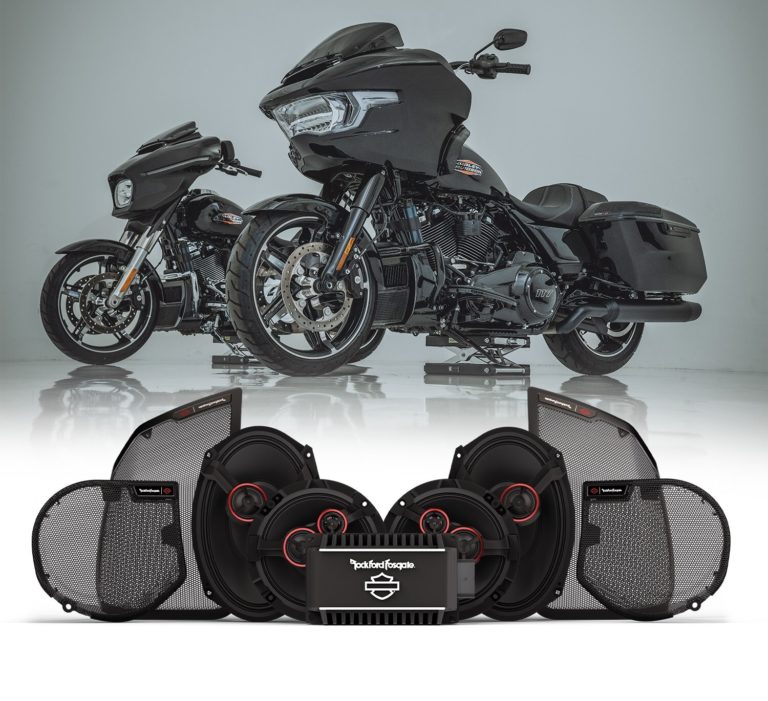
Rockford Fosgate, the industry leader in high-performance audio systems, is excited to introduce the 2025 lineup of Harley-Davidson powered by Rockford Fosgate Stage III speakers. Purpose-built for the 2023.5 and newer Street and Road Glide models.
New this year are the 6.5-inch fairing speakers and 6×9 saddlebag speakers, both designed with a 3-way bridge-mounted system to deliver next level performance. The 6.5-inch fairing and 6×9 saddlebag speakers offer an impressive 250 watts per speaker. Additionally, we’ve introduced notable design updates, including Hot Rod Red trim rings and matching red badging on the grilles.
To achieve class-leading sound clarity, every speaker is precisely engineered to align with rider positioning, ensuring music cuts through wind, road, and exhaust noise. Built to withstand the elements, these speakers are Element Ready, performing flawlessly in any weather conditions, including exposure to water, dust, and dirt.
Harley-Davidson will offer Stage III in complete audio kits. comprised of 6.5-inch fairing speakers, the 6×9 saddlebag speakers, the 500-watt primary amplifier and the saddlebag installation kit, all in a single box.
These all-new Stage III systems will be available through Harley-Davidson® dealerships and on-line at harley-davidson.com.