Home Blog Page 938

Bud Light Brings the Party to the Cul-De-Sac with Post Malone, Shane Gillis & Peyton Manning for Super Bowl LIX

0

It’s a party at the ‘sac! For Super Bowl LIX, Bud Light, the Official Beer Sponsor of the NFL, is back for football’s biggest weekend with a brand new campaign that is bound to be the talk of every cul-de-sac. The campaign’s new ad introduces music superstar Post Malone, actor and comedic powerhouse Shane Gillis, and NFL Hall of Famer Peyton Manning as BMOCs, otherwise known as “Big Men on Cul-De-Sac,” who are the neighbors everyone relies on to level-up a party with their entertaining expertise, state-of-the-art gadgets, and fully stocked coolers of Bud Light.

“For over forty years Bud Light has been at the center of every great backyard hang with the help of BMOCs. For Super Bowl LIX, we’re celebrating the neighbors that can turn up a party and are always on-hand to lend a few cold ones when your cooler runs dry,” said Todd Allen, SVP of Marketing for Bud Light. “For the campaign, we tapped three of our favorite partners in Post Malone, Shane Gillis and Peyton Manning who all undoubtedly deliver BMOC energy in their everyday lives and shared it on screen in hilarious fashion for Super Bowl LIX.”

The :60 second spot, “BMOC,” sees best buddies Post Malone and Shane Gillis enjoying the view from their lawn chairs when a neighbor asks for some help in turning up the vibes at his backyard party. Post and Shane jump into action, launching Bud Lights as party invitations to neighbors on the cul-de-sac as the party starts to heat up. Peyton Manning enters the party in a classic BMOC fit, consisting of jorts and a fanny-pack, as the whole cul-de-sac assembles for a good time where ice-cold Bud Lights are cracking, the meats are smoking, and the vibes are easy.

“The best way to describe how I feel about being in my fourth Bud Light Super Bowl commercial? HELL YEAH,” said Post Malone. “From being on set with Shane flinging Bud Lights with our leaf blowers, to Peyton in jorts – it’s always easy with Bud Light.”

“Being in a Super Bowl commercial with Post and Peyton is cool,” said Shane Gillis. “The sketches with Bud Light last year were fun so being able to do this with these guys was great.”

“It was easy getting into the BMOC role when I found out I’d be grilling steaks, drinking Bud Lights, and hanging out with Post Malone and Shane Gillis,” said Peyton Manning. “Getting to team up once again with Bud Light for Super Bowl LIX is an incredible honor – they always bring the good times and laughs, and this spot will definitely have fans wishing they could join this cul de sac.”

Post Malone isn’t just starting the party on the cul-de-sac, he will also be taking over New Orleans with Bud Light to kick off Super Bowl LIX weekend for the one-night only ‘Bud Light Backyard Presents Post Malone‘ show. On Friday, February 7, the 9x RIAA diamond-certified GRAMMY Award-nominated superstar Post Malone will hit the stage to perform his country croons and classic hits for fans 21+.
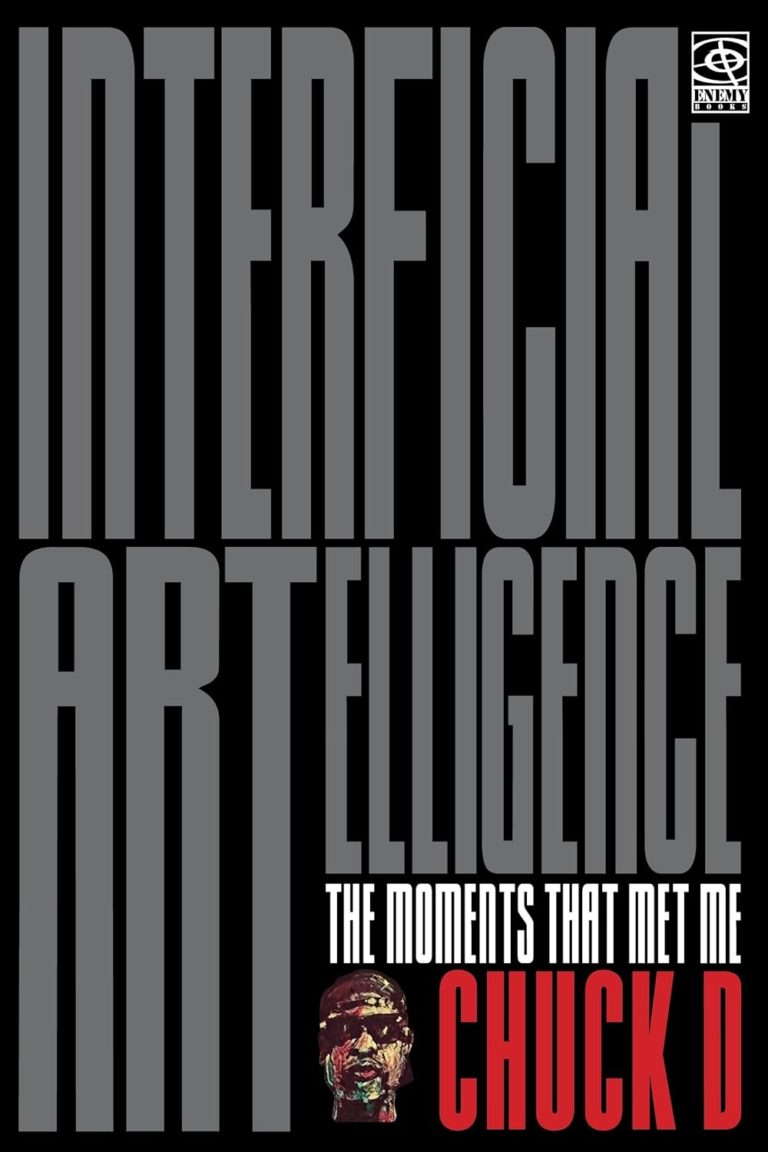
‘Interficial ARTelligence’ by Chuck D Chronicles His Iconic Encounters in Music, Politics, and Culture

0

Legendary hip-hop artist Chuck D (Public Enemy, Prophets of Rage) details and illustrates his encounters with some of society’s most influential musicians, entertainers, politicians, athletes, and public figures in Interficial ARTelligence: Moments That Met Me.

Chuck D presents his encounters with some of his greatest heroes and other public figures. These seminal moments in Chuck D’s life include: an editorial meeting with John F. Kennedy Jr.; presenting an award to Davie Bowie; being recruited by Will Ferrell and Adam McKay to act in a film; eating chips and guac with Quincy Jones; being inducted into the Rock & Roll Hall of Fame by Harry Belafonte; lobbying on Capitol Hill with Anita Baker; musical collaborations with Prince, Sheryl Crow, Janet Jackson, Erykah Badu, and John Mellencamp; and visiting Mumia Abu-Jamal in prison.

Chuck D says, “For a PErson like myself―an aged distance beyond a half century of life on Earth―I have experienced a vast array of PEople, PlacEs & Things. The memories are always a looping swirl in my mind. I’m often asked about them and I consider myself a decent storyteller. As an illustrator, I’m able to recreate that point of view as I saw it. So Interficial ARTelligence: Moments That Met Me is a tale with images from my PErspective in a time when so many people listen with their eyes.”

Chuck’s beautiful illustrations and remarkable commentary also include his cross-pollinations with: music industry titans like Berry Gordy and Ahmet Ertegun; musical icons Madonna, the Notorious B.I.G., the Rolling Stones, Gladys Knight, Smokey Robinson, Mavis Staples, Michael Stipe, Ice Cube, Patti LaBelle, Lenny Kravitz, and LL Cool J; athletes Michael Jordan, Shaquille O’Neal, Julius Erving, Barry Bonds, and Barry Sanders; entertainers/actors Oprah Winfrey, Joan Rivers, Jeremy Piven, Dick Gregory, Robin Williams, Warren Beaty, Alec Baldwin, Eddie Murphy, Jamie Foxx, and Spike Lee; political figures like Angela Davis and Jesse Jackson; and many more.

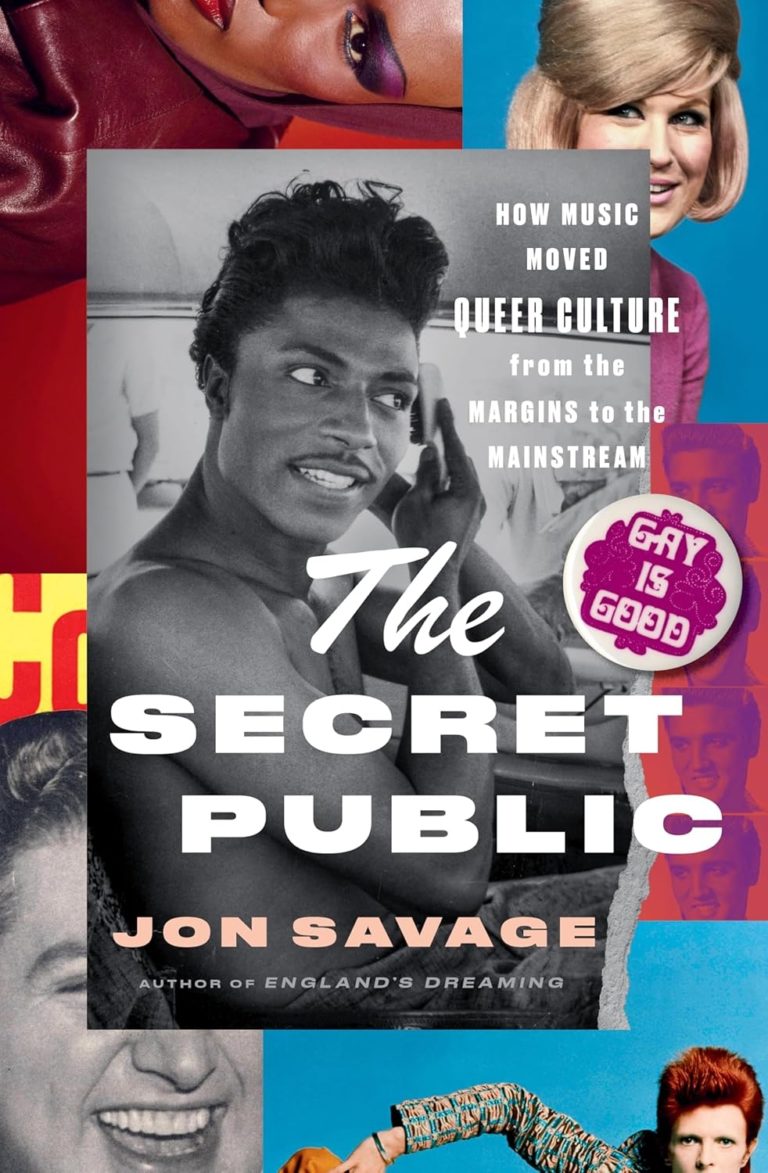
‘The Secret Public’ by Jon Savage Explores How Queer Artists Shaped Pop Music from 1955 to 1979

0

A monumental history of the gay influence on popular culture, from the rise of Little Richard to the collapse of disco in 1979: award-winning author Jon Savage takes us on a fast and captivating journey through the history of pop music as seen through the eyes of queer artists in ‘The Secret Public: How Music Moved Queer Culture From the Margins to the Mainstream.’

Jon Savage, the author of the canonical England’s Dreaming, explodes new ground in this electrifying history of pop music from 1955 through 1979. In demonstrating that gay and lesbian artists were responsible for many of the greatest cultural breakthroughs in the last half of the twentieth century, he shows that it was their secretly encoded music―appealing to a closeted but greatly oppressed public―which led to the historic dismantling of discriminatory gay laws and the fusion of queer and straight culture.

Fittingly, Savage’s kaleidoscopic work begins with the pomp-and-pompadour appearance of Little Richard, whose relentlessly driving sound, replete with gospel shrieks and sexual contortions, enthralled a generation of 1950s stultified white teenagers. Things soon went mainstream, as Elvis enthralled a nation with his seductive low moans and bump-and-grind twists, heavily derivative of Black music, while James Dean and Rock Hudson became the face of 1950s Hollywood; yet this explosion of queer expression remained covert and could not be accepted for what it was.

While music, with supporting roles from cinema and fashion, became the key medium through which homosexuality could be clandestinely enacted, overt expressions of gay behavior were met with arrests and crackdowns. While hippies reveled in 1967’s “Summer of Love,” gays remained “harassed by police, demonized by the media and politicians, imprisoned simply for being who they were.” J. Edgar Hoover, himself a closeted homosexual, continued to spy on homosexual deviants; CBS’s Mike Wallace aired an invidious show about homosexuality; and the New York police continued to raid gay bars.

Yet the music itself produced a cultural eruption that simply could not be stanched. While Bette Midler sang “Boogie Woogie Bugle Boys” to a Continental Baths audience of 600 gay men, all naked except for towels, David Bowie “blew the whole topic wide open” and “became the most totemic pop star of his generation.” Even though roadblocks remained, the gear-grinding crunch of the music signaled that the gay civil rights movement could no longer be suppressed.

Ending the narrative with the sudden collapse of disco, The Secret Public asserts then that the genie was out of the bottle, that queer culture had finally entered the mainstream, producing a transcendent vision of pop culture that could never be marginalized again.

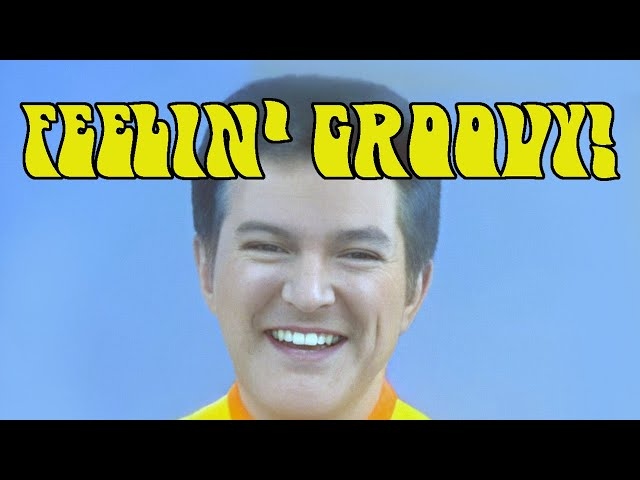
Liberace Gets Groovy with the Young Folk on The Red Skelton Hour In 1968

0

In a dazzling display of showmanship, Liberace joins forces with the Young Folk for a groovy, genre-blending rendition of Feelin’ Groovy on The Red Skelton Hour in 1968 — where classical flair meets ’60s folk-pop charm.

Own a Piece of AC/DC’s Legacy with This Exclusive Stamp Collection Souvenir

0

For five electrifying decades, AC/DC has been delivering high-voltage rock and roll to fans worldwide. Now, you can celebrate their legendary legacy in a whole new way with a fact-packed foldout souvenir featuring all 12 official AC/DC stamps from The Royal Mail — a must-have for any die-hard fan or collector.

This beautifully designed Presentation Pack captures the band’s meteoric rise, from their hard-hitting early days to their status as global rock icons. Featuring eight stamps from the main set and the Albums Miniature Sheet, this collection pays homage to some of the most iconic moments and albums in rock history.

Inside, you’ll find expert insights from music journalist Jason Draper, alongside stunning visuals of AC/DC’s powerhouse performances and career-defining hits. Whether you’re a long-time follower of the band or a stamp collector with a passion for music, this souvenir is a one-of-a-kind tribute to one of the greatest rock bands of all time.

The AC/DC Stamp Collection Souvenir is available starting February 18 for £22.10—don’t miss your chance to add this collector’s item to your rock and roll memorabilia!

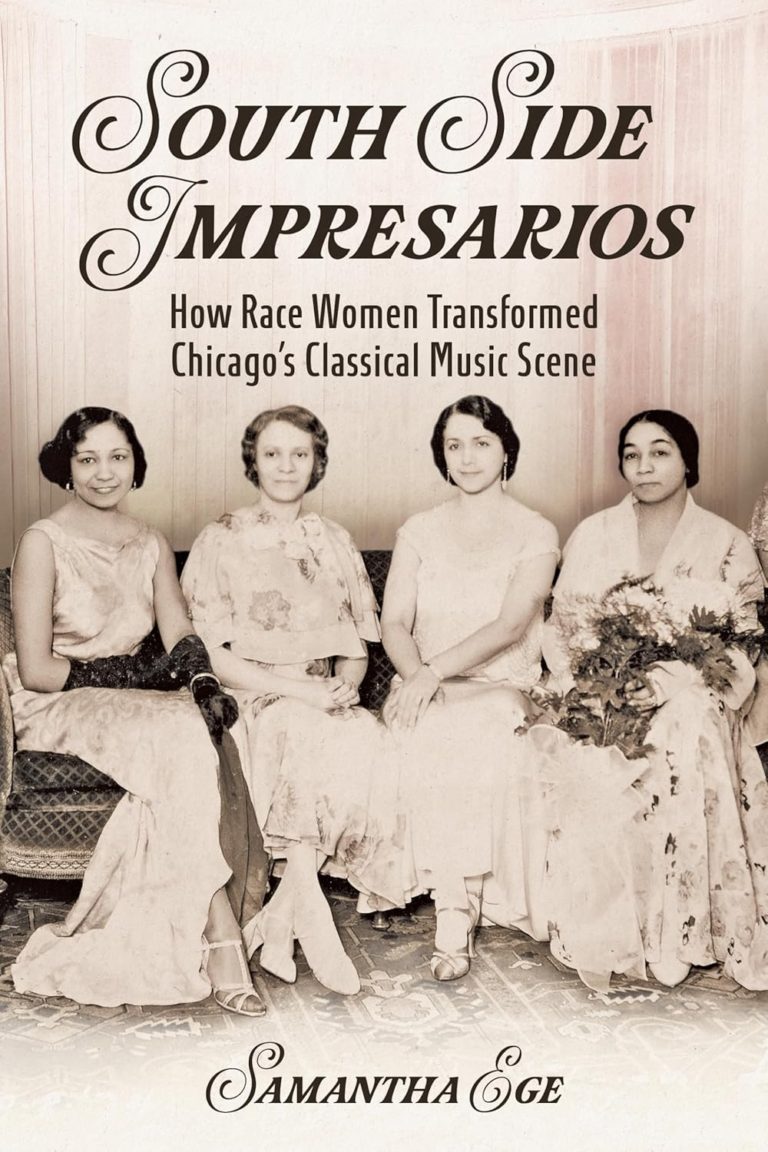
‘South Side Impresarios’ by Samantha Ege Unveils the Black Women Who Transformed Chicago’s Classical Music Scene

0

Between the world wars, Chicago Race women nurtured a local yet widely resonant Black classical music community entwined with Black civic life. In ‘South Side Impresarios How Race Women Transformed Chicago’s Classical Music Scene,’ Samantha Ege tells the stories of the Black women whose acumen and energy transformed Chicago’s South Side into a wellspring of music making.

Ege focuses on composers like Florence Price, Nora Holt, and Margaret Bonds not as anomalies but as artists within an expansive cultural flowering. Overcoming racism and sexism, Black women practitioners instilled others with the skill and passion to make classical music while Race women like Maude Roberts George, Estella Bonds, Neota McCurdy Dyett, and Beulah Mitchell Hill built and fostered institutions central to the community. Ege takes readers inside the backgrounds, social lives, and female-led networks of the participants while shining a light on the scene’s audiences, supporters, and training grounds. What emerges is a history of Black women and classical music in Chicago and the still-vital influence of the world they created.

A riveting counter to a history of silence, South Side Impresarios gives voice to an overlooked facet of the Black Chicago Renaissance.

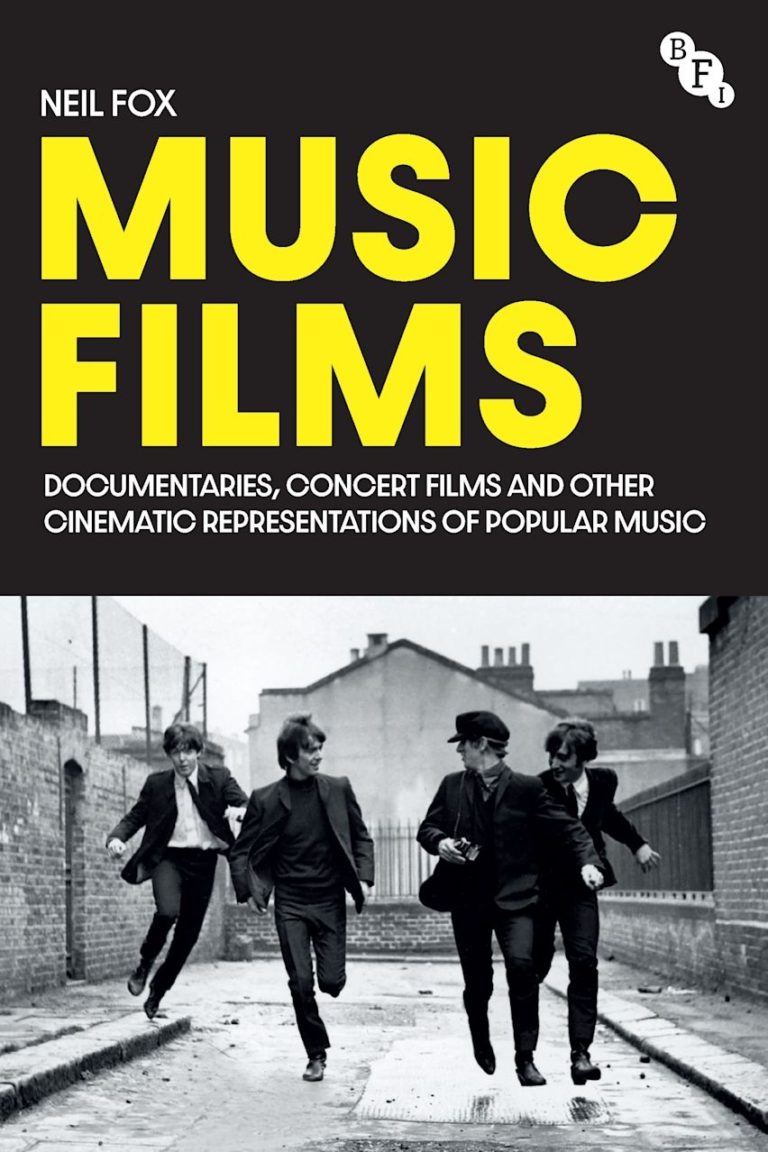
“Music Films” by Neil Fox Explores the Cultural and Cinematic Impact of Music Documentaries

0

In Music Films, Neil Fox considers a broad range of music documentaries, delving into their cinematic style, political undertones, racial dynamics, and gender representations, in order to assess their role in the cultivation of myth.

Combining historical and critical analyses, and drawing on film and music criticism, Fox examines renowned music films such as A Hard Day’s Night (1964), Dig! (2004), and Amazing Grace (2006), critically lauded works like Milford Graves Full Mantis (2018) and Mistaken for Strangers (2013), and lesser-studied films including Jazz on a Summer’s Day (1959) and Ornette: Made in America (1985). In doing so, he offers a comprehensive overview of the genre, situating these films within their wider cultural contexts and highlighting their formal and thematic innovations.

Discussions in the book span topics from concert filmmaking to music production, the music industry, touring, and filmic representations of authenticity and truth. Overall, Music Films traces the evolution of the genre, highlighting its cultural significance and connection to broader societal phenomena.

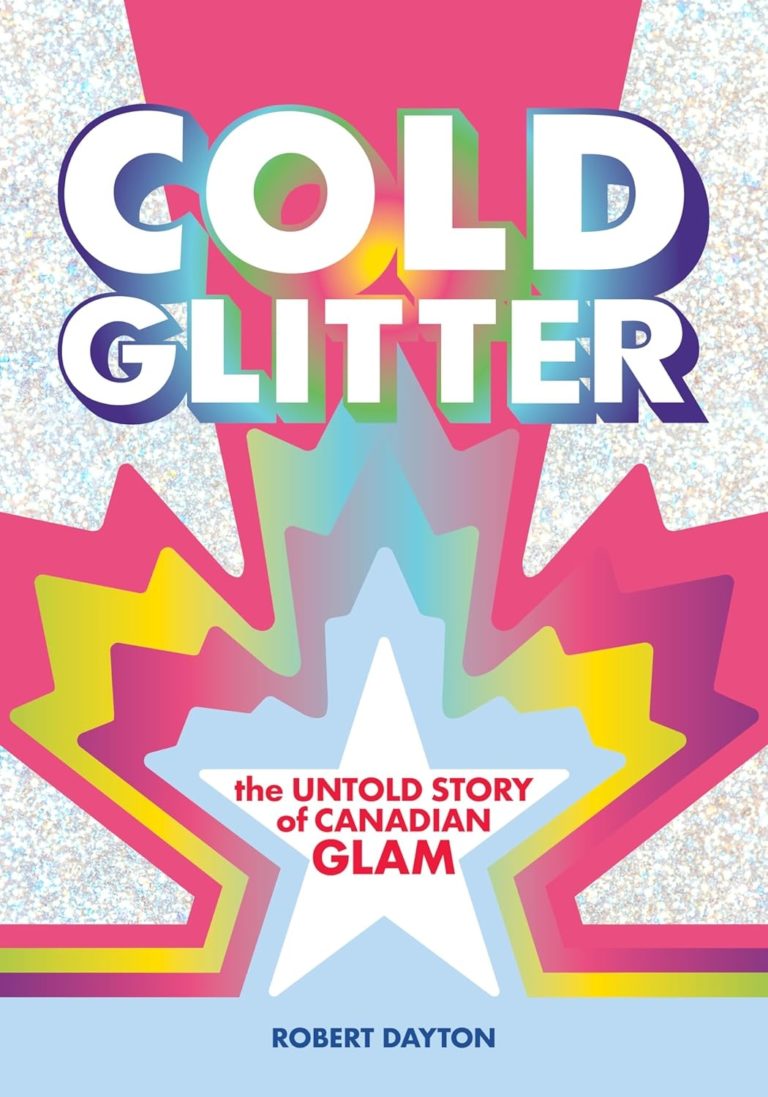
“Cold Glitter: The Untold Story of Canadian Glam” Uncovers a Forgotten Chapter in Rock History

0

Cold Glitter: The Untold Story of Canadian Glam uncovers a forgotten yet fascinating chapter on glam rock music and culture…from Canada.

Multi-disciplinary artist Robert Dayton taps his Canadian roots to reveal mind-blowing stories of musicians fighting to be heard. It’s a universal story of determined creators striving to make their voices heard. Dayton has spent years researching and interviewing these ground-breaking musicians trapped by geography, colonial mindsets, and the difficulties of penetrating the cultural behemoth that is the United States.

There’s no denying that glam rock was marginalized in Canada. In fact, RCA almost didn’t release the 1973 Bowie-produced Lou Reed album “Transformer” in Canada because they didn’t see a market for it. Of course, they were wrong! Cold Glitter gets at the reasons why: nature vs. artifice, old world values vs. new freedoms, and how transgressive actions—including gender play, as well as intense stories from these top acts on how they were run out of town for appearing outrageous.

Filled with stories from musicians about what they did to build a career and fight against the old guard controlling the airwaves and stages. Readers everywhere will find solidarity with the all-too-familiar story of artists who were attacked for appearing outrageous and daring to be different. Within the struggle to be fabulous are anecdotes of fun and mayhem. Readers will be taken back to the seventies as they meet the unknown and infamous musicians and artists who dared to be glamorous. Familiar names like magician Doug Henning, Vancouver band Sweeney Todd and their lead singer Nick Gilder, and his replacement, Bryan Adams, to underground heroes like The Dishes, to hundreds of musicians who put away their mascara and left their glamorous wild days behind.

Cold Glitter is filled with rare (and sometimes outrageous) images throughout and additional chapters on glam fashion, film, and comedy in Canada. You’ll be amazed to discover how many of their favorite artists were and are secretly Canadian.

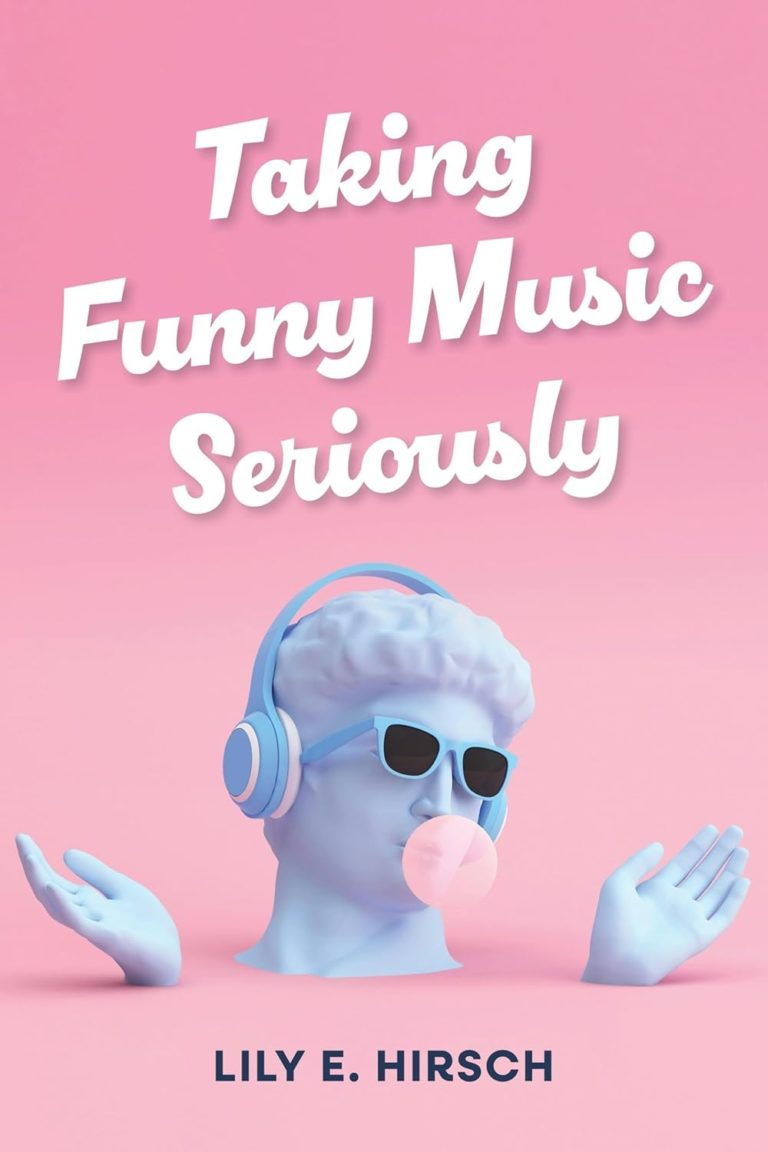
‘Taking Funny Music Seriously’ by Lily E. Hirsch Explores the Art and Impact of Musical Comedy

0

Take funny music seriously! Though often dismissed as silly or derivative, funny music, Lily E. Hirsch argues, is incredibly creative and dynamic, serving multiple aims from the celebratory to the rebellious, the entertaining to the mentally uplifting.

Music can be a rich site for humor, with so many opportunities that are ripe for a comedic left turn. Taking Funny Music Seriously by Lily E. Hirsch includes original interviews with some of the best musical humorists, such as Tom Lehrer, “the J. D. Salinger of musical satire”; Peter Schickele, who performed as the invented composer P. D. Q. Bach, the supposed lost son of the great J. S. Bach; Kate Micucci and Riki Lindhome of the funny music duo Garfunkel and Oates; comedic film composer Theodore Shapiro; Too Slim of the country group Riders in the Sky; and musical comedian Jessica McKenna, from the podcast Off Book, part of a long line of “funny girls.” With their help, Taking Funny Music Seriously examines comedy from a variety of genres and musical contexts—from bad singing to rap, classical music to country, Broadway music to film music, and even love songs and songs about death.

In its coverage of comedic musical media, Taking Funny Music Seriously is an accessible and lively look at funny music. It offers us a chance to appreciate more fully the joke in music and the benefits of getting that joke—especially in times of crisis—including comfort, catharsis, and connection.

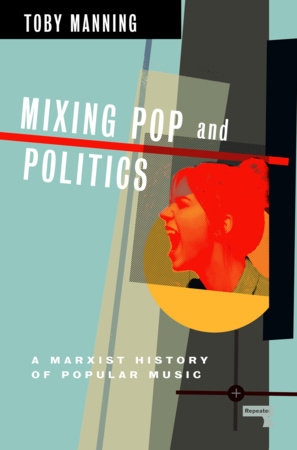
‘Mixing Pop and Politics’ by Toby Manning Explores 70 Years of Music Through a Radical Political Lens

0