Home Blog Page 97

Tim McGraw, Paul Overstreet and The Stanley Brothers Named Country Music Hall of Fame Class of 2026

0

The Country Music Association has named its Hall of Fame class of 2026, and it is a significant one. Tim McGraw, Paul Overstreet, and The Stanley Brothers will be inducted this year, representing the Modern Era Artist, Songwriter, and Veterans Era Artist categories respectively. The announcement was made today at the Rotunda at the Country Music Hall of Fame and Museum in Nashville, hosted by Hall of Fame member Marty Stuart and streamed live on CMA’s YouTube channel.

Overstreet will be inducted in the Songwriter category, which is awarded every third year in rotation with the Non-Performer and Recording and/or Touring Musician categories. The Stanley Brothers will be inducted in the Veterans Era Artist category and McGraw in the Modern Era Artist category.

“Each year, this moment serves as a powerful reminder of the people whose passion and dedication have defined Country Music at its very best,” said Sarah Trahern, CMA CEO. “As we welcome Tim McGraw, Paul Overstreet and The Stanley Brothers into the Country Music Hall of Fame, we celebrate not only their extraordinary achievements, but the lasting influence their music will have on future generations.”

“The new inductees each followed their own distinctive career paths, but they have one critical commonality: they have left an indelible mark on Country Music,” said Kyle Young, Country Music Hall of Fame and Museum CEO. “Louisiana native Tim McGraw has built a catalog of hits defined by emotionally resonant, thought-provoking songs, achieving more than 60 Top 10 Country hits, nearly 30 No. 1 Country singles, and a formidable acting career. Raised in Mississippi, hit songwriter Paul Overstreet has penned modern Country classics for numerous Country Music Hall of Fame members, as well as embarking on a successful recording career of his own. Hailing from mountainous southwestern Virginia, the Stanley Brothers, Ralph and Carter, were a foundational act in bluegrass whose music has influenced generations of artists in a variety of genres. Now, they will permanently be enshrined in the Country Music Hall of Fame alongside their esteemed peers and fellow pioneers.”

Paul Overstreet, Songwriter Category:

Paul Overstreet was born March 17, 1955, in Newton, MS. Connected to music through the church from an early age, his songwriting instinct arrived early. As a small child he would listen to Country radio while his mother ironed, hearing the architecture of songs before he could read. He loved Hank Williams Sr., Marty Robbins, Johnny Horton, and Elvis Presley.

Overstreet left Mississippi at 18, eventually landing in Nashville after seeing Tanya Tucker and Johnny Rodriguez perform in Waco, TX. He arrived with little money and few resources, sleeping in his car, on church pews, and cleaning up at gas stations. His persistence paid off. He secured a publishing deal and earned his first charting single in 1982 when George Jones recorded his “Same Ole Me,” taking it to No. 5 on the Billboard Country chart.

That momentum led to his first No. 1, “I Fell in Love Again Last Night,” recorded by The Forester Sisters. Then Don Schlitz asked Overstreet to write with him. Their partnership produced “On the Other Hand,” Randy Travis’ first No. 1, earning the CMA and ACM Award for Song of the Year and launching one of the most important careers of the neotraditional era. They followed it with “Diggin’ Up Bones,” “Forever and Ever, Amen,” and “Deeper Than the Holler,” giving Travis four No. 1 singles across three albums. “Forever and Ever, Amen” spent three weeks atop the Billboard Country chart in 1987, won a CMA Award for Song of the Year, and took the GRAMMY for Best Country Song.

Then came “When You Say Nothing at All.” Keith Whitley took it to No. 1 in 1988. Alison Krauss revived it to the Country Top 5 in 1995 and won CMA Single of the Year. Ronan Keating rode it to No. 1 in the United Kingdom, Ireland, and New Zealand four years later, certified double Platinum in the U.K., and featured on the “Notting Hill” soundtrack. Three decades, three versions, three hits.

From 1987 to 1991, BMI named Overstreet its Country Songwriter of the Year five consecutive years. No one had done it before. No one has done it since. He topped the Country charts with The Forester Sisters, Tucker, Marie Osmond, Paul Davis, Michael Martin Murphy, Ronnie Milsap, Kathy Matthea, and The Judds, whose “Love Can Build a Bridge” earned him a second GRAMMY. As part of S-K-O, he earned a No. 1 with “I Won’t Take Less Than Your Love,” recorded alongside Tucker and Davis.

As a solo artist on RCA Nashville, four of five singles from his 1989 album ‘Sowin’ Love’ reached the Top 5 on the Billboard Country chart. His follow-up ‘Heroes’ delivered three more Top 5 hits, including his solo No. 1, “Daddy’s Come Around.” He earned three Dove Awards and extended his range well beyond earnest balladry, co-writing Kenny Chesney’s double-Platinum “She Thinks My Tractor’s Sexy” in 1999 and Blake Shelton’s first No. 1, “Some Beach,” in 2004, which held the top spot for four weeks and spent 30 weeks on the Billboard Hot Country Songs chart.

Overstreet was inducted into the Nashville Songwriters Hall of Fame in 2003. His songs have amassed more than 50 million U.S. broadcast performances. He continues to write from his home studio outside Nashville, with three cuts on Billy Currington’s latest album ‘King Of The Road’ and two songs on each of Zach Top’s last two projects, ‘Cold Beer And Country Music’ and ‘I Ain’t In It For My Health’.

“First of all, as a writer, sometimes we’re faced with the task of putting into words something there aren’t really words for,” Overstreet said upon learning of his induction. “But in this case, my writer instinct didn’t have the words at all. I was in a bit of shock, total surprise. What an honor it is to be recognized for my work by such an iconic institution as the Country Music Hall of Fame.”

The Stanley Brothers, Veterans Era Artist Category:

Carter Stanley was born Aug. 27, 1925, in Dickenson County, VA. His younger brother Ralph was born Feb. 25, 1927. The brothers grew up on Smith Ridge in the Clinch Mountains, where their father sang old ballads without instrumental accompaniment and their mother played clawhammer banjo. They absorbed both traditional mountain music and the new style that would come to be called bluegrass through the Monroe Brothers, the Grand Ole Opry, and the Carter Family on radio.

After Ralph returned from Army service in 1946, the brothers formed the Clinch Mountain Boys and landed a spot on WCYB-AM radio in Bristol, VA. They cut their first records in 1947 for the Rich-R-Tone label, then moved to Columbia Records, Mercury, and King. Their sound set them apart from Bill Monroe’s from the start, building on a trio harmony structure rooted less in professional performance than in shape-note church singing. Carter sang lead with plainspoken directness. Ralph’s tenor rode above it, high and keening.

In 1958, as rock ‘n’ roll gutted the market for traditional Country Music, the brothers moved to Live Oak, FL, to headline the weekly Suwannee River Jamboree. In July 1959, they appeared at the inaugural Newport Folk Festival. That September, they recorded a new version of “I Am a Man of Constant Sorrow,” with Carter’s arrangement adding a distinctive vocal refrain around the verses. That arrangement planted the song in cultural soil where it would take root for decades.

Carter Stanley died of liver failure on Dec. 1, 1966. He was 41. Ralph kept the Clinch Mountain Boys going for another 50 years, mentoring successive generations of bluegrass musicians. Among those who passed through the group as teenagers were Ricky Skaggs and Keith Whitley, both of whom went on to reshape Country Music in the 1980s.

The biggest stage of Ralph’s career arrived unexpectedly. His a cappella performance of “O Death” on the soundtrack to the 2000 Coen Brothers film ‘O Brother, Where Art Thou?’ introduced his voice to millions. The album won the CMA Award and GRAMMY for Album of the Year, while Ralph’s solo won Best Male Country Vocal Performance, making him, at 75, one of the oldest artists ever to receive the honor. Ralph Stanley died June 23, 2016, at 89.

“This moment is deeply personal for our entire family,” said the family of The Stanley Brothers. “Seeing Ralph and Carter inducted into the Country Music Hall of Fame is an extraordinary honor, and something we know would have meant so much to them. Carter’s emotional lead combined with Ralph’s haunting tenor created a sound that was truly special. To see The Stanley Brothers recognized together, side by side, is incredibly meaningful for our family and a testament to a legacy that continues to live on through their music.”

Tim McGraw, Modern Era Artist Category:

For three decades, Tim McGraw has been one of the surest bets in Country Music. More than 49 No. 1 Country singles, 106 million records sold worldwide, and 13 studio albums at the top of Billboard’s Country Albums chart. Three singles, “It’s Your Love,” “Just to See You Smile,” and “Live Like You Were Dying,” were named Billboard’s top Country song of their respective years. “Something Like That” was the most played song of the decade across every single genre. His “Soul2Soul” tours with Faith Hill rank among the highest-grossing concert packages in Country Music history.

Samuel Timothy McGraw was born May 1, 1967, in Delhi, LA, and raised in nearby Start. At 11, he discovered a birth certificate revealing his biological father was Tug McGraw, a relief pitcher for the Philadelphia Phillies. Tug denied parentage for seven years. When they finally connected, Tim changed his surname, and the identity he built became inseparable from the name he claimed. Finding that name, McGraw has said, gave him the confidence that he could accomplish bigger things.

McGraw attended Northeast Louisiana University on a baseball scholarship, but a knee injury ended those plans. He traded his high school ring for a guitar at a pawn shop and started teaching himself to play. He arrived in Nashville on a Greyhound bus on May 9, 1989, the same day Keith Whitley died. Two years playing Printers Alley followed, then a meeting at Curb Records and a record deal. His self-titled 1993 debut produced no Top 40 Country singles. McGraw often jokes it didn’t go Platinum, it went “wood.”

He trusted his gut on album two. He pulled out “Indian Outlaw” and other songs he believed in. ‘Not a Moment Too Soon’ topped both the Country and pop charts in 1994 and became the year’s best-selling Country album. His performance at Country Radio Seminar’s “New Faces” event proved he could hold an audience. He married fellow “New Faces” performer Faith Hill on Oct. 6, 1996. Their duet “It’s Your Love” stormed to No. 1 and reached the pop Top 10. Back-to-back CMA Album of the Year awards followed in 1998 and 1999.

In 2002, McGraw broke convention by recording ‘Tim McGraw and the Dancehall Doctors’ with his road band rather than Nashville session musicians, featuring an Elton John cover and vocals from Kim Carnes, Timothy B. Schmidt, and Don Henley. Then came the record that redefined his career. Tug McGraw died of brain cancer on Jan. 5, 2004, at 59. McGraw had spent the final weeks at a cabin on his farm keeping vigil. Later that year, he recorded “Live Like You Were Dying,” cutting the vocal at three in the morning, with Tug’s brother Hank weeping on a couch nearby.

The song spent seven weeks at No. 1, won GRAMMYs for Best Country Song and Best Male Country Vocal Performance, the CMA Award for Single of the Year, and the ACM Award for Single and Song of the Year. Its video closed with footage of Tug recording the final out of the 1980 World Series. That song marked a permanent shift. The albums that followed leaned into songs about time, family, and reckoning, and McGraw’s audience followed him every step of the way. His groundbreaking duet with Nelly, “Over and Over,” topped the pop charts for 11 weeks, paving the way for other Country artists to cross musical barriers.

He moved from Curb Records to Big Machine Records in 2012. “Humble and Kind,” a Lori McKenna-penned song, became a cultural moment in 2016. He built a parallel career in film, with roles in “Friday Night Lights,” “The Blind Side,” “Country Strong,” and “1883” alongside Hill and Sam Elliott. He co-wrote “Songs of America” with presidential historian Jon Meacham, which made The New York Times bestseller list.

His career totals, 11 CMA Awards and three GRAMMYs, tell the story of someone who stayed relevant without chasing trends. “Everything good in my life has come from Country Music,” McGraw said. “To represent Country Music at the highest level is the greatest honor anyone could bestow on me. I’m only worthy of it because it’s not mine alone. It also belongs to my family, to my team on and off the road, to the songwriters who trust me with their songs, to the musicians, the actors, the co-authors and to the many, many greats that came before me and taught me how it’s done.”
The Black Keys Drop “Where There’s Smoke, There’s Fire” Ahead of New Album ‘Peaches!’

0

Fourteen albums in and The Black Keys are still operating on their own terms. The GRAMMY award-winning Akron rock duo have released “Where There’s Smoke, There’s Fire,” the latest single from their forthcoming album ‘Peaches!’, due May 1 via Easy Eye Sound/Warner Records. An official music video is out now, shot at the band’s recent surprise show at Lucinda’s in New York City, where fans lined the streets for an up-close performance that captured exactly what makes this band worth following.

‘Peaches!’ is the band’s fourteenth studio album, a raw and visceral 10-song collection that Dan Auerbach describes as their most natural record since their 2002 debut ‘The Big Come Up’. The project was born during a deeply personal period, with Auerbach’s father in rapid decline from esophageal cancer while staying in Dan’s Nashville home. Patrick Carney, Auerbach’s oldest and closest friend, knew without asking that getting back into the studio was the right move.

The songs on ‘Peaches!’ draw directly from the duo’s obsessive record-collecting habit, which has evolved into an ongoing series of Record Hang DJ-set dance parties. Those sessions sent both men deep into musical archaeology. “I’d look for 45s specifically to play at the record hangs,” Dan says, “but sometimes I’d find a song and think, ‘This might be fun for Pat and me to play live.'” That instinct drives the whole record.

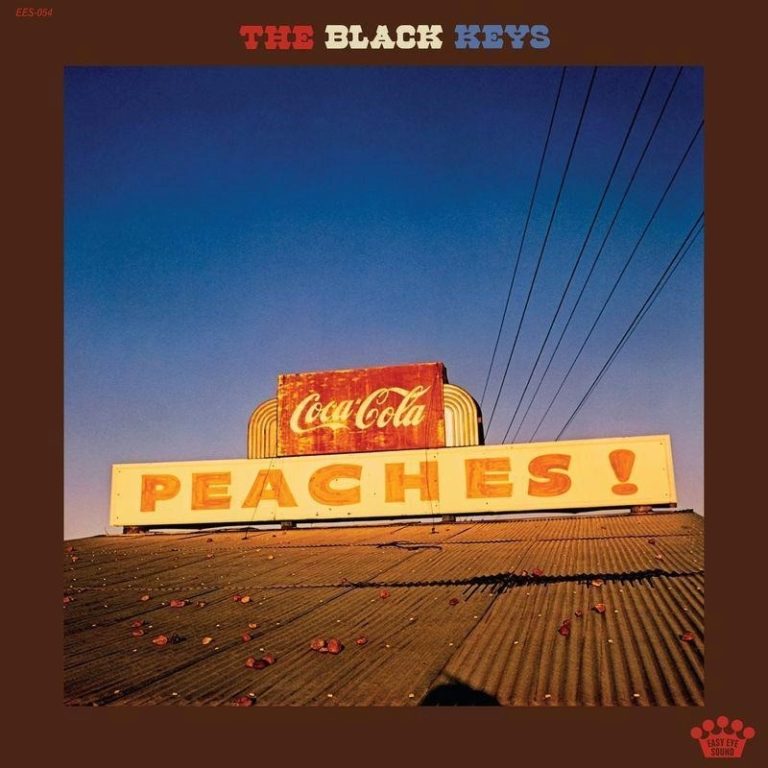
The album’s cover art features an image by iconic Memphis-born photographer William Eggleston, a hero of the band’s who also provided the cover shot for their 2021 album ‘Delta Kream’. Patrick’s brother Michael Carney returns to design and art-direct the package, a role he held on early Black Keys albums, including the GRAMMY-winning ‘Brothers’ cover. “Where There’s Smoke, There’s Fire” follows the previously released single “You Got To Lose” and keeps the momentum building.

The PEACHES ‘N KREAM WORLD TOUR kicks off April 24 in Fort Lauderdale, running through North America and into Europe before wrapping in Canada in October. All supporting acts come from the roster of Auerbach’s own Easy Eye Sound label, with lineups varying by city. Tickets are on sale now.

‘Peaches!’ Tracklist:

  1. Where There’s Smoke, There’s Fire
  2. Stop Arguing Over Me
  3. Who’s Been Foolin’ You
  4. It’s a Dream
  5. Tomorrow Night
  6. You Got To Lose
  7. Tell Me You Love Me
  8. She Does It Right
  9. Fireman Ring the Bell
  10. Nobody But You Baby

PEACHES ‘N KREAM WORLD TOUR Dates:

Apr. 24 – Fort Lauderdale, FL – Seminole Hard Rock Hotel & Casino (w/ Miles Kane)

Apr. 26 – Atlanta, GA – Tabernacle (w/ Miles Kane)

Apr. 27 – Atlanta, GA – Tabernacle (w/ Miles Kane)

May 01 – New Orleans, LA – New Orleans Jazz Fest

May 03 – Louisville, KY – The Louisville Palace Theater (w/ Miles Kane)

May 04 – Columbus, OH – Mershon Auditorium (w/ Miles Kane)

May 05 – Columbus, OH – Mershon Auditorium (w/ Miles Kane)

May 07 – Port Chester, NY – The Capitol Theatre (w/ Miles Kane)

May 08 – Niagara Falls, ON – Fallsview Casino Resort Grand Ballroom (w/ Miles Kane)

May 09 – Philadelphia, PA – Franklin Music Hall (w/ Miles Kane)

May 11 – Brooklyn, NY – Brooklyn Paramount (w/ Miles Kane)

May 12 – Brooklyn, NY – Brooklyn Paramount (w/ Eddie 9V)

May 27 – Troutdale, OR – Edgefield Amphitheater (w/ Fai Laci)

May 29 – Carnation, WA – Remlinger Farms (w/ Fai Laci)

May 30 – Carnation, WA – Remlinger Farms (w/ Fai Laci)

May 31 – Vancouver, BC – Pepsi Live at Rogers Arena (w/ Jeremie Albino)

Jun. 03 – Edmonton, AB – Rogers Place (w/ Jeremie Albino)

Jun. 05 – Calgary, AB – Spruce Meadows ATCO Field (w/ Jeremie Albino) [SOLD OUT]

Jun. 06 – Calgary, AB – Spruce Meadows ATCO Field (w/ Jeremie Albino) [SOLD OUT]

Jun. 08 – Jackson, WY – Snow King Resort (w/ Fai Laci) [SOLD OUT]

Jun. 09 – Ogden, UT – Ogden Amphitheater (w/ Fai Laci)

Jun. 11 – Stateline, NV – Harveys Lake Tahoe (w/ Fai Laci)

Jun. 12 – Las Vegas, NV – Virgin Hotels Las Vegas The Theater (w/ Fai Laci)

Jun. 13 – Santa Barbara, CA – Santa Barbara Bowl (w/ Fai Laci)

Jul. 16 – Chicago, IL – The Salt Shed Fairgrounds (w/ Eddie 9V)

Jul. 17 – Saint Paul, MN – Minnesota Yacht Club Fest

Jul. 19 – Chesterfield, MO – The Factory (w/ Eddie 9V)

Jul. 20 – La Vista, NE – The Astro Outdoor Amphitheater (w/ Eddie 9V)

Jul. 21 – Oklahoma City, OK – The Zoo Amphitheatre (w/ Eddie 9V)

Jul. 23 – Dallas, TX – Bomb Factory (w/ Eddie 9V)

Jul. 24 – Houston, TX – Lawn at White Oak Music Hall (w/ Eddie 9V)

Jul. 25 – New Braunfels, TX – Whitewater Amphitheatre (w/ Eddie 9V)

Jul. 28 – Clearwater, FL – Coachman Park BayCare Sound (w/ Eddie 9V)

Jul. 29 – St. Augustine, FL – The Saint Augustine Amphitheatre (w/ Eddie 9V)

Jul. 30 – North Charleston, SC – Firefly Distillery Lawn (w/ Eddie 9V)

Aug. 01 – Richmond, VA – Allianz Amphitheater at Riverfront (w/ Eddie 9V)

Aug. 02 – Pittsburgh, PA – Stage AE (w/ Eddie 9V)

Aug. 04 – Newport, KY – MegaCorp Pavilion (w/ Eddie 9V)

Aug. 06 – Nashville, TN – The Pinnacle (w/ Eddie 9V)

Aug. 07 – Nashville, TN – The Pinnacle (w/ Eddie 9V)

Aug. 28 – Paris, FR – Rock En Seine

Aug. 29 – Portsmouth, UK – Victorious Festival

Aug. 31 – London, UK – Eventim Apollo (w/ Robert Finley)

Sep. 01 – London, UK – Brixton Academy (w/ Robert Finley)

Sep. 04 – Amsterdam, NL – AFAS (w/ Robert Finley) [SOLD OUT]

Sep. 05 – Amsterdam, NL – AFAS (w/ Robert Finley) [SOLD OUT]

Sep. 06 – Cologne, DE – Palladium (w/ Robert Finley)

Sep. 07 – Bern, CH – Festhalle (w/ Robert Finley)

Sep. 09 – Munich, DE – Zenith (w/ Robert Finley)

Sep. 10 – Milan, IT – Alcatraz (w/ Robert Finley)

Sep. 13 – Madrid, ES – Movistar Aena (w/ Robert Finley)

Sep. 15 – Istanbul, TR – KüçükÇiftlik Park (w/ Robert Finley)

Oct. 10 – Verona, NY – Turning Stone Resort & Casino (w/ Jeremie Albino)

Oct. 11 – Portland, ME – Cross Insurance Arena (w/ Jeremie Albino)

Oct. 13 – Moncton, NB – Avenir Centre (w/ Jeremie Albino)

Oct. 14 – Halifax, NS – Scotiabank Centre (w/ Jeremie Albino)

Oct. 16 – Laval, QC – Place Bell (w/ Jeremie Albino)

Oct. 17 – Ottawa, ON – Canadian Tire Centre (w/ Jeremie Albino)

Oct. 18 – Windsor, ON – Caesars Windsor (w/ Jeremie Albino)

Klive Walker Traces Five Decades of Caribbean Music’s Impact on Toronto

0

Toronto’s musical identity did not build itself. On Tuesday, March 24, author, music historian, and cultural critic Klive Walker presents a sweeping overview of how Canadians with Caribbean heritage have shaped this city through music, from the 1950s straight through to the 2000s. The free event runs from 6pm to 7pm at the Malvern Branch of the Toronto Public Library, 30 Sewells Road.

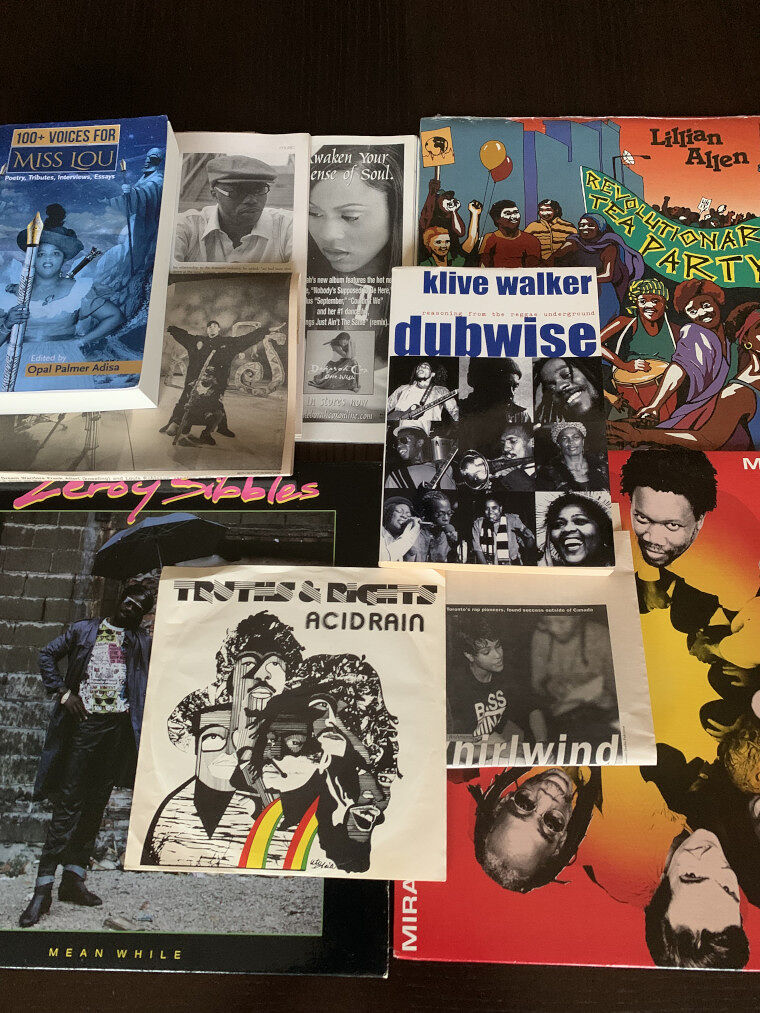
Walker is the author of ‘Dubwise: Reasoning from the Reggae Underground’, and brings serious scholarly weight to a subject that deserves it. His presentation covers reggae, calypso, hip-hop, and rhythm-and-blues, tracing the key personalities and landmark events that drove Caribbean-Canadian music from community roots into the mainstream. This is not a casual survey. It is a focused, informed look at cultural history that shaped a city.

The scope here is significant. Five decades of music, multiple genres, and the through-line connecting Caribbean heritage to Toronto’s broader sonic identity. Walker maps both the community importance of this music and its powerful outward influence, making the case that these contributions are central, not peripheral, to the story of music in this city.

This is a free public event, with registration available here. For anyone serious about Toronto’s music history, this is not one to miss.

Tuesday, March 24:

6:00 PM – Malvern Branch, 30 Sewells Road, Toronto, ON

Post-Punk Revivalists Cassius Wolf & Das Abs Surface With Urgent New Single “I Can’t Reply”

0

Some records take decades to find their audience. Cassius Wolf & Das Abs are proof that the wait can be worth it. The Liverpool post-punk project, formed in 1978 by Cassius Wolf and Don Watson, has released “I Can’t Reply,” the lead single from their forthcoming album ‘An Afternoon in Bedlam’, due May 29, 2026. Built around a throbbing bassline, urgent drum rhythms, and sharp melodic guitar work, the track channels the unmistakable tension of 80s post-punk while feeling immediate and wholly alive.

The song traces the moment a relationship tips from conflict into silence, where communication doesn’t just break down but locks up completely. The repeated refrain of “I can’t reply” is not avoidance. It is paralysis. Lyrically precise and emotionally loaded, it is the kind of track that earns its runtime.

Wolf and Watson’s origin story runs deep. The two met at school at age 11, later worked together at Liverpool’s legendary club Eric’s, and came of age surrounded by Echo & the Bunnymen, OMD, and The Teardrop Explodes. “I Can’t Reply” was originally written during those early years, then rediscovered through cassette archive recordings and reworked using modern digital production tools. That tension between past and present is the band’s defining quality.

‘An Afternoon in Bedlam’ draws from the darker romantic textures of The Cure and Depeche Mode, alongside the experimental drive of Can and Velvet Underground. Recorded largely from a home studio, the band maintains full creative control across songwriting, production, and visual presentation. The result is a record that sounds rooted in a specific era without being trapped by it.

Wolf and Watson also align themselves with “PCore,” a movement celebrating artists who continue pursuing creative ambitions later in life. Their return is a direct challenge to the idea that artistic relevance has an expiry date. ‘An Afternoon in Bedlam’ arrives May 29.

Nessa Barrett Drops Eight-Track EP ‘Jesus Loves a Primadonna’ With Jesse Rutherford in Tow

0

Nessa Barrett does not ease you in. The rising dark-pop force has released her new eight-track EP ‘Jesus Loves a Primadonna’ today on Warner Records, and it lands fully formed, immersive, and uncompromising. Alongside the EP comes the music video for “Buffalo 66,” a cinematic dark-fantasy love story starring The Neighbourhood’s Jesse Rutherford. Noirish rock, trip-hop textures, and Barrett’s deeply haunting vocals make this one of the most compelling releases of the year so far.

Barrett is clear about what drives the project. “Jesus loves a primadonna is all about love,” she says. “It’s beauty and demise. The villain origin story of every woman who has loved until she cannot love anymore.” That framing holds across all eight tracks, from the Western-tinged opener “West Coast Prayer” through the grunge-y surge of lead single “High On Heaven” to the heavy, bruised closer “Stay With Me.”

“Buffalo 66,” named after the 1998 cult film, sits at the project’s emotional core. Barrett wrote it after connecting with the film’s themes of Stockholm syndrome and toxic attachment. Over swooning guitars and searing strings, she captures the pull of a romance she knows she should leave. It is one of the EP’s most arresting moments, and there are several.

The EP was produced and co-written with Barrett’s go-to collaborators CJ Baran and Arthur Besna, the same team behind her celebrated second album ‘AFTERCARE’, which launched a 50-city world tour. Barrett has nearly 3 billion global streams to her name and over 27 million followers across social platforms. ‘Jesus Loves a Primadonna’ is the next chapter from one of music’s most fascinating emerging voices.

To celebrate the release, Barrett is playing a series of intimate shows in Los Angeles, Chicago, Brooklyn, and Toronto. The Los Angeles and Brooklyn dates are already sold out. Tickets for Chicago and Toronto are available now.

Jesus Loves a Primadonna Tracklist:

  1. “West Coast Prayer”
  2. “Moulin Rouge”
  3. “Black Haired Madonna”
  4. “Venom”
  5. “Buffalo 66”
  6. “High On Heaven”
  7. “Special To You”
  8. “Stay With Me”

Live Dates:

Apr. 03 – Los Angeles, CA – Hollywood Forever Cemetery Masonic Lodge [SOLD OUT]

Apr. 04 – Los Angeles, CA – Hollywood Forever Cemetery Masonic Lodge [SOLD OUT]

Apr. 07 – Chicago, IL – Thalia Hall

Apr. 09 – Brooklyn, NY – St. Ann & the Holy Trinity Church [SOLD OUT]

Apr. 11 – Toronto, ON – Winter Garden Theatre

Seether Unveil New EP ‘Beneath the Surface’ and Hit the Road With Staind This Fall

0

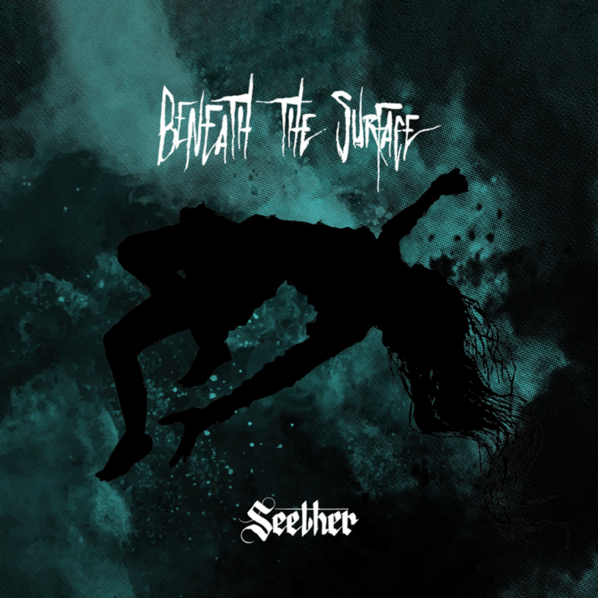
Seether have something worth your attention. The multi-platinum hard rockers have announced ‘Beneath The Surface’, a new EP available for preorder now via Concord Records. The digital-only release drops April 17th, and the first single, “Into the Ground,” is out today with a lyric video. This is Seether adding a final, resonant chapter to the campaign surrounding their acclaimed album ‘The Surface Seems So Far’.

The EP runs four tracks deep. Two previously unreleased studio cuts, “Into the Ground” and “Proud Daddy,” were pulled directly from the original album sessions, dark and melodic and unflinchingly honest. “Into the Ground” hits with the kind of punishing groove Seether does better than almost anyone in the format right now.

Rounding out ‘Beneath The Surface’ are live recordings of “Lost All Control” and “Judas Mind,” both captured during a SiriusXM Octane session. The performances are raw and immediate, translating introspective songwriting into something visceral and direct. Seether’s chemistry as a live unit comes through without compromise.

Bassist Dale Stewart is enthusiastic about the release. “I’m really stoked about our new EP,” he said. “‘Into the Ground’ really gets me pumped and ‘Proud Daddy’ is one of my favorite songs from the last sessions we did.” That kind of enthusiasm from the band translates directly into the material.

On top of the EP, Seether’s fall tour with Staind, Hoobastank, and Hinder is on sale now, running from September through October across amphitheatres coast to coast. Tickets are available now.

Beneath The Surface Tracklist:

  1. Into the Ground
  2. Proud Daddy
  3. Lost All Control (Live at SiriusXM Octane)
  4. Judas Mind (Live at SiriusXM Octane)

2026 Tour Dates:

Sep. 08 – Atlanta, GA – Lakewood Amphitheatre

Sep. 10 – Charlotte, NC – Truliant Amphitheater

Sep. 11 – Raleigh, NC – Coastal Credit Union Music Park at Walnut Creek

Sep. 13 – Virginia Beach, VA – Veterans United Home Loans Amphitheater

Sep. 14 – Wantagh, NY – Northwell at Jones Beach Theater

Sep. 16 – Camden, NJ – Freedom Mortgage Pavilion

Sep. 18 – Mansfield, MA – Xfinity Center

Sep. 19 – Darien Center, NY – Darien Lake Amphitheater

Sep. 21 – Toronto, ON – RBC Amphitheatre

Sep. 23 – Tinley Park, IL – Credit Union 1 Amphitheatre

Sep. 24 – Shakopee, MN – Mystic Lake Amphitheater

Sep. 26 – Noblesville, IN – Ruoff Music Center

Sep. 27 – Clarkston, MI – Pine Knob Music Theatre

Sep. 29 – Franklin, TN – FirstBank Amphitheater

Oct. 01 – Ridgedale, MO – Thunder Ridge Nature Arena

Oct. 07 – Salt Lake City, UT – Utah First Credit Union Amphitheatre

Oct. 09 – Wheatland, CA – Toyota Amphitheatre

Oct. 10 – Ontario, CA – Toyota Arena

Oct. 13 – Phoenix, AZ – Talking Stick Resort Amphitheatre

Oct. 14 – Albuquerque, NM – Isleta Amphitheater

Oct. 16 – Tulsa, OK – BOK Center

Oct. 17 – Houston, TX – The Cynthia Woods Mitchell Pavilion

Oct. 19 – Austin, TX – Moody Center

Ontario Wants to Cap Ticket Resale Prices. Here’s Why It Matters and Why It’s Hard to Fix.

0

You’ve been there.

You log on the second tickets go on sale. You wait in the queue. You refresh. You do everything right. And then they’re gone. Minutes later, the same seats are back online for five times the price.

That’s the moment people feel it. Not just frustration, but something deeper. Like the system was never really built for them. Like access to a concert or a ballgame has quietly become a privilege rather than a reasonable night out.

Ontario is stepping back into this fight. Premier Doug Ford’s government is proposing amendments to the 2017 Ticket Sales Act that would cap resale ticket prices at their original face value. The proposal would apply to anyone reselling a ticket and any platform facilitating the exchange, including Ticketmaster, StubHub, and SeatGeek. On paper, it sounds like a solution. In reality, it is more complicated than that.

Here is why the move matters. At its core, this is about access. When Blue Jays World Series tickets hit thousands of dollars and Taylor Swift seats go for multiples of their face value, live events stop being something ordinary people can plan around. A cap brings things closer to reality. It gives the average fan a genuine shot. It also respects what artists and teams set out to do in the first place. Ticket prices are set with intention. When resellers capture the upside, that value does not flow back to the people who made the event worth attending. And those scalpers have put absolutely nothing into the investment of the careers they’re profiting from. That’s a problem.

The history here is worth knowing. This is not a new conversation for Ontario. The original Liberal government introduced a 50% resale cap in 2017. Ford’s government scrapped it in 2019, with then-minister Bill Walker calling it “unenforceable” and “just a nice soundbite.” That decision aged poorly. The 2025 Blue Jays World Series exposed exactly what an unregulated market looks like, with resale prices drawing widespread criticism and Ford himself calling it gouging. Ontario is now following Quebec’s proposed legislation and a ban the U.K. introduced last year.

But here is the part politicians do not always say out loud. The market does not sit still. This is a global, digital marketplace. Tickets move across platforms, across borders, and through private networks that no provincial law can easily reach. When caps go into place, activity does not disappear. It shifts. Group chats, social media, and back-channel deals become the new marketplace. Fraud risk goes up. Transparency goes down. Fans end up navigating a space with fewer protections than the regulated platforms they left behind. A cap will push resellers toward unregulated platforms and drive primary ticket prices higher if resale competition disappears entirely.

That last point gets at the real issue. The scalper is not the root of the problem. The root is supply, demand, and the concentration of power in primary ticketing. A small number of companies control how tickets are sold, where they go, and at what price – and the artist has every right to charge what they think the market will bear – this is fine. But until that structure changes, the pressure does not go away. It finds a new outlet. So yes, this proposal matters. It signals that someone is paying attention and that pricing ordinary fans out of live events is not acceptable. Ford’s government also says it will strengthen protections against fake tickets and address unfair service charges, both of which are long overdue, except the latter is how platforms and ticketing agencies make their money to run the complex systems, so that’s a gimme.

But this is not a silver bullet. It is one move in a much larger game. The fans who log on at the right moment, do everything right, and still get shut out deserve better than a partial fix. They deserve a system that was designed with them in mind from the beginning.

25 Things You Probably Never Knew About Chuck Norris

0

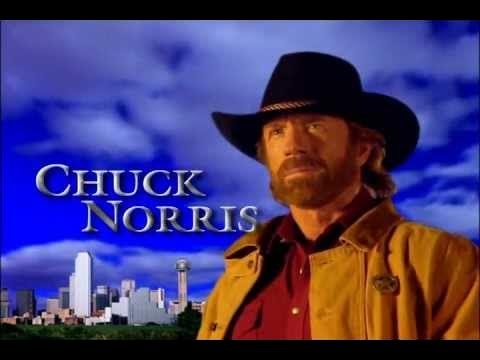
The world lost Chuck Norris on March 19, 2026. He was 86. In the days since, tributes have poured in from fans who grew up watching him fight his way through action films and eight seasons of Walker, Texas Ranger. But behind the legend, the memes, and the roundhouse kicks, there was a life full of details most people never knew. Here are 25 of them.

1. He was born Carlos Ray Norris. He picked up the nickname “Chuck” while stationed at Osan Air Base in South Korea during his United States Air Force service in the late 1950s.

2. He described himself as nonathletic as a kid. Shy, scholastically mediocre, and deeply introverted, his transformation into one of the world’s most feared martial artists was anything but inevitable.

3. His father was largely absent. Ray Norris went on drinking binges that lasted months at a time, leaving Chuck to grow up with his Irish-Cherokee mother raising three boys largely on her own.

4. He lost his first two martial arts tournaments. Before becoming a champion, he dropped decisions to Joe Lewis and Allen Steen. He used those losses to get better.

5. He held the Professional Middleweight Karate championship for six consecutive years. He won the title in 1968 by avenging an earlier defeat to Louis Delgado, and never looked back.

6. He won Black Belt magazine’s Fighter of the Year award in 1969. That same year he won karate’s triple crown for most tournament wins. He retired from competition undefeated.

7. Bruce Lee personally invited him to appear in Way of the Dragon (1972). The two developed a genuine friendship and working relationship while Norris was still primarily known as a martial arts competitor.

8. Steve McQueen told him to take acting seriously. McQueen was one of Norris’s martial arts students. He saw potential in his instructor and encouraged him to start classes at MGM.

9. His celebrity karate clients included Bob Barker, Priscilla Presley, and Donny and Marie Osmond. While building his film career, he ran a chain of karate schools and trained some famous names.

10. Good Guys Wear Black (1978) was self-distributed. No studio would touch it. Norris and his producers rented the theaters themselves, took the box office receipts directly, and turned a $1 million budget into over $18 million in ticket sales.

11. He was the first successful homegrown American martial arts film star. Before Norris, American cinema had relied on Hong Kong imports. Good Guys Wear Black changed that equation permanently.

12. Code of Silence (1985) genuinely surprised the critics. Vincent Canby of The New York Times called it a potential breakout picture, praising Norris’s restrained performance as a departure from his earlier work. It opened at number one.

13. By 1990, his films had collectively grossed over $500 million worldwide. He was regularly compared to both Bruce Lee and Clint Eastwood during this period.

14. Lone Wolf McQuade (1983) directly inspired Walker, Texas Ranger. Roger Ebert gave the film 3.5 stars and predicted the character of J.J. McQuade would become a future classic. He was right.

15. Walker, Texas Ranger ranked in the Top 20 on CBS for two separate seasons. The show ran eight seasons, continued in syndication on the Hallmark Channel, and remains one of the most-watched action dramas in American television history.

16. He was the special outside enforcer at the WWF’s 1994 Survivor Series. During the Casket Match between The Undertaker and Yokozuna, he delivered a roundhouse kick to an interfering Jeff Jarrett. In character. At a wrestling event.

17. The Chuck Norris Facts meme was created by someone else entirely. Ian Spector launched the satirical facts in 2005. Norris himself said he found some of them funny, and named his personal favorite: that they wanted to add his face to Mount Rushmore, but the granite was not hard enough for his beard.

18. The meme phenomenon produced six books, two video games, and multiple television appearances. Norris leaned into it publicly, reading the facts on Late Night with Conan O’Brien and visiting troops in Iraq partly on the strength of the cultural phenomenon.

19. He founded Kickstart Kids in 1990. The program uses martial arts training to build discipline and self-esteem in at-risk middle and high school students, keeping them away from drug-related pressure. He supported it actively for the rest of his life.

20. He was made an honorary United States Marine in 2007. Commandant General James T. Conway presented the honor during a dinner at the commandant’s residence in Washington, D.C.

21. Texas Governor Rick Perry named him an honorary Texas Ranger in 2010. His brother Aaron received the same honor alongside him.

22. He was a New York Times bestselling author multiple times over. His books ranged from martial arts instruction to autobiography to Christian western fiction to political commentary.

23. He had a daughter he did not know about for decades. Dina, born in 1962, was the result of a relationship during his Air Force years. The two met for the first time in 1990. He publicly acknowledged her in his 2004 memoir, Against All Odds: My Story.

24. His younger brother Wieland was killed in Vietnam in 1970. He was a private in the 101st Airborne Division, killed on patrol in the defense of Firebase Ripcord. Norris dedicated his Missing in Action films to his memory.

25. Days before his death, he posted video of himself sparring with a trainer. He turned 86 on March 10, 2026. He was still training. That was Chuck Norris.

Chuck Norris, Martial Arts Icon and Walker, Texas Ranger Star, Dead at 86

0

Chuck Norris has died at the age of 86. His family confirmed the news in a statement posted to his official Instagram account, saying he passed surrounded by family and at peace. The nature of the medical emergency, which occurred in Kauai, Hawaii, was not disclosed. Earlier in the week, he had been training with friends, and by multiple accounts was in good spirits right up until the end.

Born Carlos Ray Norris on March 10, 1940, in Ryan, Oklahoma, he grew up in modest circumstances, describing his childhood as difficult and marked by an absent, alcoholic father. He joined the United States Air Force in 1958, was stationed in South Korea, and it was there that he began training in Tang Soo Do. That decision changed everything. By the late 1960s, he had won the Professional Middleweight Karate championship, held it for six consecutive years, and earned Black Belt magazine’s Fighter of the Year award.

His path to Hollywood came through Bruce Lee. The two developed a friendship and working relationship, and Lee cast Norris as the villain in 1972’s Way of the Dragon. The film grossed an estimated $130 million worldwide and launched Norris toward mainstream stardom. Friend and student Steve McQueen pushed him to take acting seriously, and Norris made good on that advice. Good Guys Wear Black (1978), shot on $1 million, made over $18 million at the box office and established him as the first successful homegrown American martial arts film star.

Through the late 1970s and 1980s, Norris built one of the most consistent box office careers in action cinema. He became the leading star of Cannon Films, headlining Missing in Action (1984), Invasion U.S.A. (1985), The Delta Force (1986), and Code of Silence (1985), widely regarded as one of his strongest performances. By 1990, his films had collectively grossed over $500 million worldwide.

In 1993, he took on the role that would define him for a generation of television viewers. Walker, Texas Ranger ran for eight seasons on CBS, ranked among the Top 30 programs from 1995 to 1999, and continued in syndication long after its run ended. He reprised the role in a 2005 television film and remained closely associated with the character for the rest of his life. His final major film appearance came in The Expendables 2 (2012).

In 2005, Norris found an entirely new audience when the Chuck Norris Facts internet meme exploded in popularity. The satirical “facts,” exaggerating his physical toughness and larger-than-life persona, resulted in six books, two video games, and widespread cultural reach he embraced with good humor. He was photographed reading the facts on Late Night with Conan O’Brien and repeatedly leaned into the phenomenon rather than distancing himself from it.

Beyond film and television, Norris was a prolific author, a New York Times bestselling writer of books on martial arts, philosophy, Christian western fiction, and autobiography. In 1990, he founded Kickstart Kids, an organization using martial arts training to build discipline and self-esteem in at-risk youth, a cause he supported actively for the rest of his life. He was named an honorary United States Marine in 2007 and an honorary Texas Ranger in 2010.

His family’s statement captured the man behind the legend plainly: “To the world, he was a martial artist, actor, and a symbol of strength. To us, he was a devoted husband, a loving father and grandfather, an incredible brother, and the heart of our family.” Chuck Norris is survived by his wife Gena O’Kelley, his children Mike, Eric, Dakota, Danilee, and Dina, and 13 grandchildren.

5 Movies That Rock

You don’t watch these movies. You feel them.
They get in your bones, your speakers, your memory. You don’t just hear the music, you remember where you were when it hit.

There are a lot of music movies. Biopics, documentaries, concert films. Some are fine. Some are forgettable. A few stay with you. The ones that get it right understand that music isn’t background. It’s the story.

Here are five that rock.

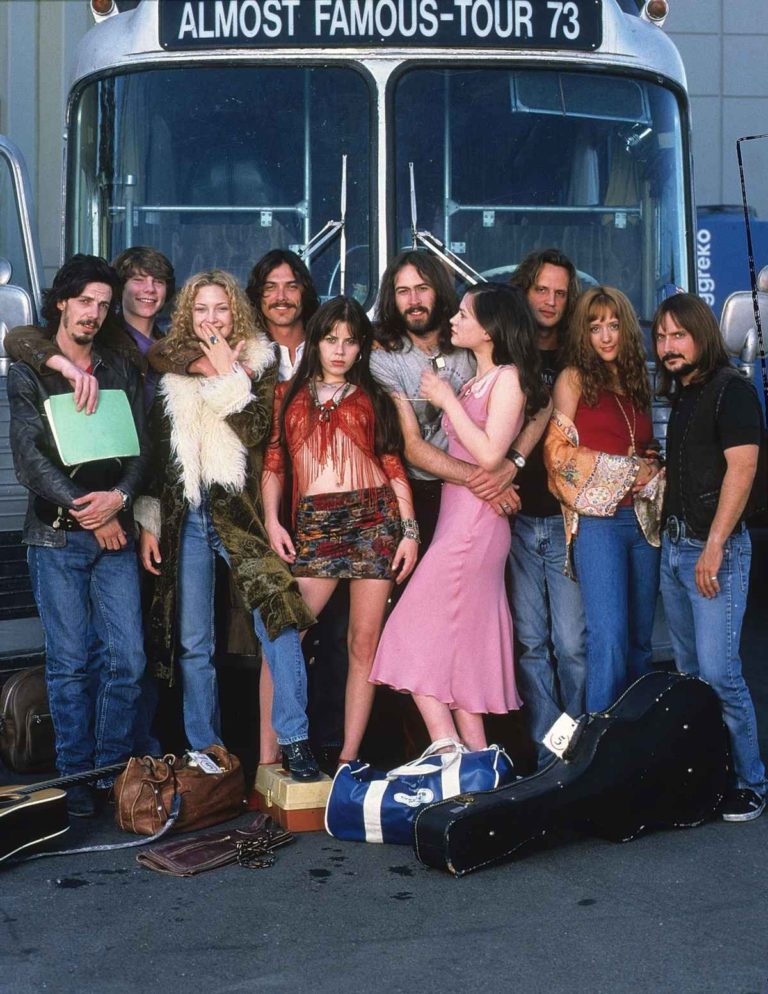
Almost Famous
This is the one people come back to. Not because of the plot, but because of the feeling. The bus scene. The chaos. The quiet moments when a kid realizes the world he dreamed about isn’t quite what he thought. It captures the space between fandom and reality. That space is where a lot of people live.

Stop Making Sense
You put this on and suddenly you’re in it. No distractions. No gimmicks. Just performance, building piece by piece. It shows what happens when a band is completely locked in. There’s no distance between the stage and the audience. That’s the point.

Purple Rain
This one is bigger than the screen. The songs carry the story. The attitude carries everything else. It’s messy, emotional, loud, vulnerable. You don’t separate the music from the movie. You can’t. That’s why it works.

School of Rock
People underestimate this one. They think it’s just fun. It is fun. But it’s also about discovery. About what happens when someone finally hears themselves and believes it. It reminds you that music isn’t reserved for a few people. It’s there for anyone willing to pick it up.

This Is Spinal Tap
It’s funny until you realize how real it feels. Every band has lived some version of this. The small gigs, the ego, the confusion, the moments that go completely off the rails. It gets the absurdity right. That’s why it lasts.

These movies don’t just show music. They understand it.

They understand the hunger. The joy. The awkwardness. The late nights. The idea that somewhere, somehow, a song can change everything.

That’s what makes them rock.