Home Blog Page 971

5 Surprising Facts About R.E.M.’s “Murmur”

Some albums – like, once a generation, don’t just define a moment in time; they create a whole new language for music. Murmur, R.E.M.’s debut studio album, released on April 12, 1983, did just that. The mysterious lyrics, jangly guitars, and haunting melodies set a benchmark for alternative rock that still resonates today. Critics lauded its originality, Rolling Stone named it the Best Album of 1983, and even 40 years later, it remains a blueprint for indie music success.

But beyond its acclaim, Murmur has a treasure trove of stories, quirks, and hidden gems that make it even more fascinating. Here are five lesser-known facts about this iconic album:

1. “Talk About the Passion” Speaks to Hunger
Michael Stipe revealed that “Talk About the Passion” is a song about hunger, though its lyrics are deliberately ambiguous. The haunting line “empty mouths” is the closest the song comes to a direct reference. A later music video in 1988 made this theme explicit, juxtaposing images of homelessness with the staggering costs of military spending. Interestingly, the cello part in the song was played by an uncredited member of the Charlotte Symphony.

2. The Origin of “Radio Free Europe”
Before Murmur, “Radio Free Europe” was released as a single on Hib-Tone Records in 1981. The initial recording was raw and lo-fi, but it gained traction on college radio, earning R.E.M. a deal with I.R.S. Records. For Murmur, the band re-recorded it with producers Mitch Easter and Don Dixon, resulting in a cleaner, more polished version that became their first Billboard-charting single, peaking at #78.

3. The Kudzu Mystery
The album cover of Murmur features a dense tangle of kudzu, a fast-growing vine notorious in the South for overtaking landscapes. While it’s often interpreted as a metaphor for growth and decay, the image was chosen primarily for its aesthetic appeal. The train trestle on the back cover, now a local landmark in Athens, Georgia, has its own tale—it was saved from demolition after public outcry and is now part of the Firefly Trail.

4. A Reluctant Collaboration
R.E.M. initially clashed with their label’s choice of producer, Stephen Hague, whose polished style didn’t align with their vision. After a difficult trial session, the band pushed to work with Mitch Easter and Don Dixon, who took a hands-off approach, capturing the band’s live energy. This decision was pivotal in preserving the raw, timeless quality that defines Murmur.

5. The Ghost of Neil Bogan
In one of the rare instances of R.E.M. co-writing, Michael Stipe asked his friend Neil Bogan to contribute lyrics to “West of the Fields.” This collaboration is an anomaly in the band’s discography, adding a layer of mystique to the album’s already enigmatic lyrics.

5 Surprising Facts About The Police’s “Synchronicity”

Few albums capture the essence of an era like Synchronicity, the fifth and final studio masterpiece by The Police. Released in 1983, it defined a generation with hits like “Every Breath You Take” and “King of Pain.” While the album is widely celebrated, here are five lesser-known facts that add depth to its legacy.

1. “Every Breath You Take” Almost Tore the Band Apart

While recording their biggest hit, tensions between Sting and Stewart Copeland reached an all-time high, with verbal and physical altercations threatening to derail the project. The song ultimately had to be pieced together from overdubs after multiple failed takes, proving that behind the polished final product lay a stormy creative process.

2. The Symbolism of “King of Pain”

Written by Sting after his separation from his first wife, “King of Pain” is filled with poetic imagery symbolizing heartbreak and existential dread. The song underwent significant reworking during the mixing process, stripping back layers to highlight its emotional depth.

3. A Record-Breaking Number of Album Covers

Synchronicity was released with 36 different album covers, each featuring a unique arrangement of color stripes and band member photos. This creative marketing move turned the vinyl into a collector’s dream and added to the album’s mystique.

4. Carl Jung and Arthur Koestler’s Influence

The album’s title and many themes were inspired by Carl Jung’s concept of synchronicity and Arthur Koestler’s book The Roots of Coincidence. Sting, an avid reader, infused the record with philosophical depth, making it as much a literary exploration as a musical one.

5. Innovative Recording Techniques

To achieve the best sound, the band recorded their parts in separate rooms at AIR Studios in Montserrat, connected by video links. This unconventional setup helped maintain sonic clarity while also reflecting the personal tensions within the group.

10 Hit Songs That Were Originally Meant for Someone Else

0

Music history is filled with incredible stories of songs that almost went to a completely different artist. Imagine a world where Elvis didn’t sing “Hound Dog” or Whitney Houston didn’t belt out “I Will Always Love You.” From last-minute swaps to surprising handoffs, here are 10 iconic songs that were originally written for or given to someone else.

1. “Nothing Compares 2 U” – Sinead O’Connor

Prince wrote “Nothing Compares 2 U” in the mid-‘80s for his side project, The Family. While their version went largely unnoticed, Sinead O’Connor’s haunting rendition in 1990 became a global hit, turning the song into a modern classic.

2. “I Will Always Love You” – Whitney Houston

Dolly Parton wrote this heartfelt ballad in 1973, but it became Whitney Houston’s signature song in 1992. Parton originally intended it as a farewell to her business partner, Porter Wagoner, before it was reimagined for The Bodyguard soundtrack.

3. “Umbrella” – Rihanna

“Umbrella” was originally written for Britney Spears, but her team passed on it. Rihanna’s powerhouse delivery turned it into a career-defining smash in 2007, cementing her status as a global pop icon.

4. “Yesterday” – The Beatles

Paul McCartney famously wrote “Yesterday” in a dream, but he initially considered giving it to another artist. At one point, it was almost recorded by Marianne Faithfull before The Beatles decided to keep it.

5. “Manic Monday” – The Bangles

Prince strikes again! He wrote “Manic Monday” under the pseudonym Christopher and originally intended it for his side project Apollonia 6. Instead, he gifted it to The Bangles, and it became one of their biggest hits.

6. “We Found Love” – Rihanna

Calvin Harris wrote this EDM anthem and initially planned to release it with Leona Lewis. However, Rihanna got her hands on it, and the song became a global phenomenon, dominating charts worldwide in 2011.

7. “You’re My Best Friend” – Queen

John Deacon wrote this heartfelt track for his wife, but Freddie Mercury’s emotional delivery brought it to life. While not technically intended for another artist, the song’s personal roots make it feel like a gift given to listeners.

8. “Don’t You (Forget About Me)” – Simple Minds

Written by Keith Forsey and Steve Schiff, this iconic Breakfast Club anthem was originally offered to Billy Idol and Bryan Ferry, who both turned it down. Simple Minds reluctantly agreed to record it, and it became their biggest hit.

9. “Rock Your Body” – Justin Timberlake

Before Justified launched Justin Timberlake’s solo career, “Rock Your Body” was intended for Michael Jackson’s Invincible album. Timberlake’s slick vocals made it a standout track, proving it was a perfect fit for him.

10. “Happy” – Pharrell Williams

Pharrell originally wrote “Happy” for CeeLo Green, but it ended up being his own signature hit. While CeeLo recorded a version, his team passed on releasing it, leaving Pharrell to turn it into a worldwide sensation.

10 Of The Greatest Music Supergroups That Redefined Collaboration

0

What happens when you take the biggest talents from multiple bands and put them together? You get a supergroup—a musical force so electrifying that their combined star power creates something truly special. From rock legends to genre-bending collaborations, these supergroups didn’t just push boundaries; they shattered them. Here are 10 of the greatest music supergroups that redefined what it means to make music together.

1. Cream

Cream set the blueprint for supergroups with Eric Clapton, Ginger Baker, and Jack Bruce joining forces in 1966. Known for their blues-infused rock and extended jams, tracks like “Sunshine of Your Love” and “White Room” showcased their unparalleled musicianship and chemistry.

2. Traveling Wilburys

When George Harrison, Bob Dylan, Roy Orbison, Tom Petty, and Jeff Lynne formed the Traveling Wilburys in the late ’80s, it was a dream team of songwriting legends. Their debut album Traveling Wilburys Vol. 1 was a masterclass in timeless, feel-good rock.

3. Crosby, Stills, Nash & Young

David Crosby, Stephen Stills, Graham Nash, and Neil Young blended their folk and rock sensibilities into harmonies that defined a generation. Albums like Déjà Vu and performances at Woodstock turned them into the voice of the late ‘60s counterculture.

4. Audioslave

When members of Rage Against the Machine teamed up with Soundgarden’s Chris Cornell in 2001, Audioslave was born. Their mix of politically charged instrumentation and Cornell’s powerhouse vocals gave us hits like “Like a Stone” and “Cochise.”

5. The Highwaymen

Country legends Johnny Cash, Willie Nelson, Waylon Jennings, and Kris Kristofferson came together in the ‘80s to form The Highwaymen. Their blend of outlaw country storytelling made tracks like “Highwayman” enduring classics.

6. Them Crooked Vultures

This powerhouse trio of Josh Homme (Queens of the Stone Age), Dave Grohl (Foo Fighters, Nirvana), and John Paul Jones (Led Zeppelin) created one of the most dynamic supergroups of the 2000s. Their self-titled album is packed with gritty riffs and mesmerizing grooves.

7. The Postal Service

Ben Gibbard (Death Cab for Cutie), Jimmy Tamborello (Dntel), and Jenny Lewis created indie magic with Give Up in 2003. Songs like “Such Great Heights” blended electronica with heartfelt lyricism, cementing their place in indie music history.

8. Velvet Revolver

Formed by members of Guns N’ Roses and Stone Temple Pilots’ Scott Weiland, Velvet Revolver brought hard rock swagger back to the early 2000s. Their debut album Contraband gave us hits like “Slither” and “Fall to Pieces.”

9. The Raconteurs

Jack White joined forces with Brendan Benson, Jack Lawrence, and Patrick Keeler to form The Raconteurs. Their mix of bluesy rock and sharp storytelling, especially on tracks like “Steady, As She Goes,” turned them into modern rock heroes.

10. Asia

With members from Yes, King Crimson, and Emerson, Lake & Palmer, Asia created arena-ready progressive rock in the ‘80s. Their debut album, featuring hits like “Heat of the Moment,” was a commercial juggernaut that proved prog rock could dominate the charts.

10 of the Greatest Rock Opera Albums That Changed Storytelling in Music

0

Rock operas tell sweeping stories, blending theatricality with raw musical power. These albums transport listeners to vivid worlds, showcasing the artistry and ambition of rock at its best. Here are 10 rock opera albums that redefined storytelling and left an indelible mark on music history.

1. The Who – Tommy

Was there any doubt? The granddaddy of them all. Released in 1969, Tommy follows the story of a deaf, dumb, and blind boy who becomes a pinball champion and spiritual leader. This groundbreaking album by The Who laid the foundation for the rock opera genre, combining Pete Townshend’s visionary songwriting with the band’s explosive energy.

2. Pink Floyd – The Wall

Pink Floyd’s The Wall (1979) is a haunting exploration of isolation and self-destruction. Chronicling the descent of its protagonist, Pink, the album’s seamless storytelling and iconic tracks like “Comfortably Numb” make it a masterpiece of psychological drama and musical innovation.

3. The Who – Quadrophenia

The Who struck gold again with Quadrophenia (1973), a tale of teenage angst and self-discovery. Centered around Jimmy, a mod navigating 1960s Britain, this album blends autobiographical touches with Townshend’s layered compositions and the band’s visceral performances.

4. Green Day – American Idiot

Green Day reinvented themselves in 2004 with American Idiot, a politically charged rock opera. Chronicling the life of the “Jesus of Suburbia,” it’s a bold statement against apathy and conformity, with unforgettable anthems like “Boulevard of Broken Dreams.”

5. Meat Loaf – Bat Out of Hell

Though not a traditional rock opera, Bat Out of Hell (1977) is a theatrical epic that tells tales of youthful rebellion and doomed romance. Jim Steinman’s grandiose compositions and Meat Loaf’s soaring vocals make this album a larger-than-life experience.

6. David Bowie – The Rise and Fall of Ziggy Stardust and the Spiders from Mars

David Bowie’s 1972 classic chronicles the rise and tragic fall of Ziggy Stardust, a glam rock messiah. Through otherworldly tracks like “Starman” and “Rock ‘n’ Roll Suicide,” Bowie weaves a narrative that’s as enigmatic as it is unforgettable.

7. Pink Floyd – Animals

Inspired by George Orwell’s Animal Farm, Animals (1977) is a scathing critique of societal divisions. Pink Floyd uses the metaphor of pigs, dogs, and sheep to create a dark and immersive tale, backed by some of the band’s most intricate instrumentation.

8. The Moody Blues – Days of Future Passed

This 1967 concept album blends rock and orchestral arrangements to explore the arc of a single day. While not a traditional opera, its seamless narrative and symphonic grandeur make it a trailblazer in musical storytelling.

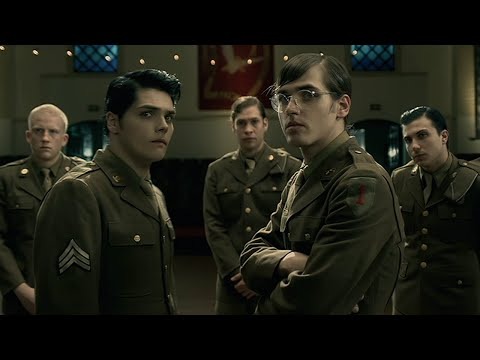
9. My Chemical Romance – The Black Parade

The Black Parade (2006) is a gothic rock opera about life, death, and redemption. My Chemical Romance crafts a theatrical journey through grief and hope, with bombastic tracks like “Welcome to the Black Parade” leaving a lasting impact.

10. Rush – 2112

Rush’s 2112 (1976) tells a dystopian tale of individuality suppressed by an authoritarian regime. With its sprawling title suite, this album showcases the band’s technical prowess and visionary storytelling, cementing its place as a prog-rock classic.


5 Surprising Facts About Genesis’ “Selling England by the Pound”

Selling England by the Pound is still a roadmap of English culture, progressive rock mastery, and the creative dynamics of Genesis. Released in 1973, it’s become a cornerstone of prog rock, mixing intricate musicianship with vivid storytelling. While the album is celebrated for tracks like “I Know What I Like” and “Firth of Fifth,” there are plenty of fascinating details that even devoted fans might not know. Let’s dig into five lesser-known facts about this iconic record.

1. The Title Came From a Political Slogan

The album’s title was inspired by a Labour Party slogan from the time, which emphasized preserving English identity amidst growing American influence. Peter Gabriel suggested it to underline the band’s exploration of “Englishness” on the record, offering both a critique and celebration of their cultural roots.

2. Gabriel Wrote His Lyrics in Just Two Days

Peter Gabriel managed to write all his lyrical contributions for the album in a whirlwind two-day session. Despite the tight timeline, his vivid storytelling shines through, with references to British supermarkets, cultural icons, and fictional gang wars in tracks like “The Battle of Epping Forest.”

3. A Family Complained About the Noise During Rehearsals

The band rehearsed much of the album at a house in Chessington, where their loud sessions prompted complaints from neighbors. Ironically, this amateurish, impromptu environment added a playful charm to the album’s creative process.

4. Steve Hackett’s Nylon Guitar Was a First for Genesis

“After the Ordeal” marked the first Genesis track to feature Steve Hackett’s nylon-string guitar. While Hackett championed the track’s inclusion, Tony Banks and Peter Gabriel were initially against it, making its presence on the album a rare compromise within the band.

5. The Lawn Mower on the Cover Was Added Later

The iconic album cover, painted by Betty Swanwick, didn’t originally feature a lawn mower. The band asked Swanwick to add one to reference “I Know What I Like (In Your Wardrobe),” a request she fulfilled instead of creating an entirely new painting.

10 Songs About Baseball That Show It’s More Than Just a Game

0

Baseball is still America’s pastime; it’s a deep well of inspiration for musicians across genres. From the crack of the bat to the roar of the crowd, the sport has found its way into our collective cultural consciousness—and our playlists. These 10 songs show how the sport transcends the diamond to inspire music that hits home, whether you’re a lifelong fan or just love the idea of stepping up to the plate.

1. “Centerfield” – John Fogerty

John Fogerty’s Centerfield is the ultimate baseball anthem, filled with nostalgia and excitement. With its iconic opening riff and lyrics like “Put me in, coach! I’m ready to play,” the song perfectly encapsulates the spirit of every kid (and adult) who dreams of being on the field.

2. “Take Me Out to the Ball Game” – Jack Norworth and Albert Von Tilzer

A classic sing-along heard in ballparks for over a century, this timeless tune is synonymous with the seventh-inning stretch. It’s a celebration of everything that makes baseball great—hot dogs, peanuts, Cracker Jack, and the thrill of the game.

3. “Glory Days” – Bruce Springsteen

Springsteen’s nostalgic tale of a former baseball star looking back on his glory days hits home for anyone who’s ever loved the game. With its upbeat tempo and poignant lyrics, it reminds us how baseball memories can stay with us long after we leave the diamond.

4. “Joltin’ Joe DiMaggio” – Les Brown and His Orchestra

This big-band ode to the Yankee Clipper captures the awe and admiration Joe DiMaggio inspired during his legendary career. Its catchy refrain, “Where have you gone, Joe DiMaggio?” is a nod to the lasting legacy of one of baseball’s greatest heroes.

5. “Cheap Seats” – Alabama

This country anthem celebrates the joy of watching baseball from the cheap seats, where the beer is cold, the hot dogs are warm, and the camaraderie is unbeatable. It’s a love letter to small-town games and the sense of community that baseball creates.

6. “Say Hey (The Willie Mays Song)” – The Treniers

This upbeat, jazzy tune pays tribute to the Say Hey Kid himself, Willie Mays. With its infectious rhythm and playful lyrics, it’s a fitting homage to one of baseball’s most electrifying players.

7. “Catfish” – Bob Dylan

Dylan’s tribute to legendary pitcher Jim “Catfish” Hunter highlights the grace and grit of the baseball diamond. The song paints a vivid picture of Catfish’s career and the larger-than-life aura that surrounded him on and off the field.

8. “A Dying Cub Fan’s Last Request” – Steve Goodman

Goodman’s humorous yet heartfelt ballad is a tribute to the eternal hope (and heartbreak) of being a Chicago Cubs fan. It’s a reminder that baseball fandom is about more than wins and losses—it’s about loyalty and love for the game, no matter what.

9. “Right Field” – Peter, Paul and Mary

This whimsical folk tune captures the perspective of a young player relegated to right field. Its charming lyrics and gentle melody remind us that every position on the team matters, even if it feels like you’re stuck where the ball never goes.

10. “All the Way” – Eddie Vedder

Pearl Jam’s Eddie Vedder pours his heart into this ode to the Chicago Cubs, capturing the joy of unwavering fandom. Written in honor of the Cubs’ die-hard supporters, it’s a rallying cry for anyone who dreams of their team going “all the way.”


13 Songs About Bad Luck That Prove Misfortune Can Be Musical Gold

0

Sometimes, music feels like a four-leaf clover in a world full of black cats and broken mirrors. From tales of heartbreak to downright ominous vibes, songs about bad luck resonate with anyone who’s ever felt like the universe had it out for them. Whether it’s superstition or just a rough day, these 13 tracks turn life’s misfortunes into unforgettable melodies.

1. “Superstition” – Stevie Wonder

Stevie Wonder’s funky anthem takes on the power of belief in bad luck. With lyrics like “When you believe in things that you don’t understand, then you suffer,” it’s a soulful reminder that fear of bad luck might bring the worst kind of misfortune—paralysis by superstition.

2. “Bad Luck” – Harold Melvin & The Blue Notes

This disco-infused classic captures the spiraling chaos of bad luck, from losing love to financial woes. With an irresistible groove, it’s the perfect track to dance away life’s misfortunes, even as the lyrics hit close to home for anyone feeling like they just can’t catch a break.

3. “Born Under a Bad Sign” – Albert King

Blues legend Albert King delivers a tale of relentless bad fortune with a voice that feels like a storm cloud rolling in. The line “If it wasn’t for bad luck, I wouldn’t have no luck at all” has become the ultimate anthem for anyone who feels the weight of perpetual misfortune.

4. “Black Cat” – Janet Jackson

This rock-leaning hit from Janet Jackson warns of the consequences of risky behavior, likening it to crossing paths with a bad omen. The electrifying guitar riffs amplify the tension, making it a thrilling anthem about living on the edge of disaster.

5. “The Luckiest Guy on the Lower East Side” – The Magnetic Fields

Stephen Merritt flips the idea of bad luck on its head with this quirky track. While the protagonist laments his situation, his hopeless optimism shines through, proving that even in bad luck, there’s a glimmer of charm—or at least humor.

6. “Bad Moon Rising” – Creedence Clearwater Revival

With its catchy melody and ominous lyrics, this CCR classic feels like a storm brewing on the horizon. It warns of impending doom, making it the go-to anthem for those moments when it feels like everything that can go wrong will go wrong.

7. “13 Steps to Nowhere” – Pantera

Pantera brings bad luck into the world of heavy metal with this raw, aggressive track. It’s a no-holds-barred expression of frustration, channeling the chaos and fury that come with feeling like life is spinning out of control.

8. “Unlucky” – Radiohead

Radiohead’s hauntingly beautiful song feels like the soundtrack to a streak of bad luck. Its moody atmosphere and Thom Yorke’s ethereal vocals encapsulate the fragility and melancholy of those moments when nothing seems to go your way.

9. “Misfortune” – The National

The National’s poetic lyricism captures the quiet despair of bad luck. With brooding melodies and introspective lyrics, it’s a poignant reminder that misfortune can sometimes feel as heavy as the world on your shoulders.

10. “Man of Constant Sorrow” – Traditional (Popularized by The Soggy Bottom Boys)

This timeless folk tune, immortalized by O Brother, Where Art Thou?, tells the story of a man plagued by endless bad luck. Its haunting melody and heartfelt lyrics make it a poignant anthem for anyone who’s felt like they were born under a bad sign.

11. “Thirteen” – Big Star

Big Star’s bittersweet track explores youthful longing and heartache, set against the backdrop of unlucky love. Its simple yet poignant lyrics remind listeners that sometimes, bad luck is just the feeling of unrequited teenage romance.

12. “Friday the 13th” – The Damned

Punk rock legends The Damned dive straight into the heart of superstition with this edgy track. With dark humor and high energy, they make bad luck feel like a rebellious badge of honor rather than a curse.

13. “Ironic” – Alanis Morissette

While not directly about bad luck, Alanis Morissette’s iconic track is full of unfortunate situations that feel like cosmic jokes. From rain on your wedding day to a traffic jam when you’re already late, it’s a perfect anthem for life’s cruel twists of fate.

Sue Foley Receives GRAMMY Award Nomination

0

The Recording Academy has announced the 2025 GRAMMY Award nominees, and acclaimed guitarist and vocalist Sue Foley has earned a nomination for Best Traditional Blues Album for her remarkable solo acoustic project, ONE GUITAR WOMAN (Stony Plain Records).

On this groundbreaking album, Foley steps away from her signature pink Fender Telecaster, affectionately known as “Pinky,” and delivers a soul-stirring collection of twelve tracks accompanied solely by her expressive voice and a single nylon-string Flamenco guitar. ONE GUITAR WOMAN is a heartfelt homage to the trailblazing female guitarists who have shaped her artistry and inspired generations of musicians. Foley honors legends such as Elizabeth Cotten, Memphis Minnie, Sister Rosetta Tharpe, French classical guitarist Ida Presti, Southern blues icons Geeshie Wiley and Elvie Thomas, Tejano star Lydia Mendoza, the flamboyant and dynamic Charo, and the cornerstone of country music, Maybelle Carter.

The album has garnered widespread acclaim:

  • “A lush, brilliantly performed salute to women who helped forge the history of the guitar.” ⁠— Living Blues Magazine
  • “The kind of album that will live forever.” — Americana Highways
  • “Confirms her new status as a major guitar talent.” — Soul Bag Magazine
  • “Fabulous.” — Guitar Player Magazine
  • “A sonic tapestry.” — Guitar Girl Magazine

Voting for the final round of the GRAMMY Awards is open to Recording Academy members through January 3, 2025. The winners will be announced during the annual GRAMMY Awards ceremony, broadcast live from the Crypto.com Arena in Los Angeles, California, on February 2, 2025, on CBS.

For more information about Sue Foley and her nominated album ONE GUITAR WOMAN, please visit www.suefoley.com

10 Tips for Musicians on Writing a Press Release That Gets Noticed

A press release is your chance to tell your story to the world. It’s the bridge between your music and the people who can help amplify it, from journalists to bloggers to fans waiting for something exciting to share. Think of it as a snapshot of your passion, crafted to grab attention and spark curiosity. When done right, it becomes a cornerstone of your promotional strategy, helping your music reach the people who need to hear it. Ready to make yours unforgettable? Let’s go!

1. Start Strong with a Killer Hook
Your headline is the gateway to your story, and it needs to be as compelling as your best song’s opening riff. A strong headline grabs attention and makes the reader want to dive into the details. Follow it with an opening sentence that delivers the key info: What’s happening, why it matters, and why people should care. The why is the most important part. This is your first chance to make an impression—so make it count. The goal? Hook them in 10 words or less.

2. Get to the Point Quickly
Journalists and editors don’t have time to wade through fluff—they need the “who, what, when, where, and why” upfront. Start your press release with a succinct summary of what’s new: Are you releasing a groundbreaking album? Announcing a tour? Celebrate a key milestone? Lay out the most important facts in the first paragraph. Save the storytelling and background for later, once you’ve got their attention.

3. Add a Quote That Pops
A good quote adds personality and depth to your press release. Whether it’s from you, a bandmate, or a collaborator, it should give a sense of excitement, purpose, or inspiration. Don’t settle for generic lines like “We’re so excited to release this song.” Instead, dig deeper: What does this release mean to you? How does it reflect your journey or your vision? Quotes are a chance to speak directly to the audience, so make it memorable.

4. Highlight What’s Unique
Ask yourself: Why should someone care about this release over the hundreds of others they’ll see today? Maybe it’s a collaboration with a dream artist, an innovative new sound, or a meaningful personal milestone. Be specific about what sets you apart. Journalists are always on the lookout for unique angles, so make it easy for them to spot what makes your story newsworthy.

5. Make It Look Professional
Even the most compelling story can fall flat if it’s poorly presented. Format your press release with clear headings, short paragraphs, and plenty of white space to make it easy to read. Include all the essentials: Your contact info, links to your website and social media, and where people can find your music. If you’re emailing it, make sure your subject line is concise and attention-grabbing—it’s the first thing they’ll see!

6. Speak to the Right People
The best press release in the world won’t matter if it’s sent to the wrong audience. Research outlets and journalists who cover your genre or have shown interest in artists like you. Tailor your pitch to each recipient, referencing their past coverage or interests to show you’ve done your homework. A well-targeted press release is far more effective than a mass email blast.

7. Add Visuals for Impact
A picture is worth a thousand words, and in today’s visual world, multimedia can be a game-changer. Include links to high-quality photos, album art, or music videos to make your story more appealing. Visuals aren’t just eye-catching—they’re essential for journalists who may need ready-to-use assets for their stories. And don’t forget to label your files clearly with your name and the project title.

8. Keep SEO in Mind
If your press release will live online, think like a search engine. What keywords might your audience or the media use to find your music? Incorporate those terms naturally into your headline and body text. This not only helps journalists find your release but also ensures fans can discover it when they’re searching for new music or news about you.

9. Proofread Like a Pro
Nothing undermines a great press release like a typo or grammatical error. Before you hit send, read it out loud to catch awkward phrasing or mistakes. Then read it again. Better yet, have a trusted friend or colleague review it with fresh eyes. A polished press release not only looks professional but also shows you care about the details—just like you do with your music.

10. Follow Up, Don’t Give Up
Sending the press release is just the first step. Journalists get hundreds of emails daily, so a polite, well-timed follow-up can make all the difference. Wait a few days before reaching out, and keep your follow-up brief: Mention the press release, express your enthusiasm, and offer any additional materials they might need. Be persistent but respectful—relationships take time to build.

11. OK, There’s 11.
A great press release is more than just a way to share news—it’s a tool to build relationships, spark interest, and invite the world to be part of your life and release. If you’re still looking for help, or have any questions, or looking for more information, email me, I’ll be happy to chat – Eric@ThatEricAlper.com and talk soon!