

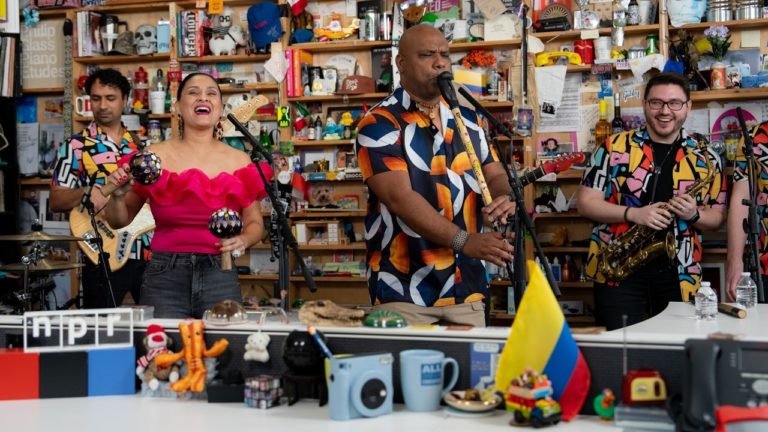
With soaring vocals, fiery percussion, and a groove that blends Colombia’s Caribbean traditions with reggae and funk, REBOLU turned NPR’s Tiny Desk into a celebration. Led by Johanna Castañeda and Ronald Polo, the band’s infectious energy had the room moving from the first note. It’s music that feels like a party, a history lesson, and a love letter to heritage all at once.
‘Kimberly Akimbo’ To Make Canadian Premiere In Montreal And Toronto With Star-Studded Cast
The multi-Tony award winning musical Kimberly Akimbo will make its highly anticipated Canadian Premiere beginning this November in a co-production with the Segal Centre for Performing Arts and David and Hannah Mirvish. Kimberly Akimbo will play Montreal’s Segal Centre from November 23 – December 21, 2025 before transfer to Toronto’s CAA Theatre from January 15 – February 8, 2026.
Tickets for the Toronto engagement will be available at 10AM on Friday September 19 at mirvish.com or by calling 1.800.461.3333
The cast:
The legendary Louise Pitre — who originated the role of Fantine in the Canadian premiere of Les Misérables, Donna in the North American and Broadway premieres of MAMMA MIA!, and Edith Piaf in Piaf/Dietrich and performed in dozens of other productions across Canada, in the U.S. and internationally, including originating Fantine in the Paris premiere of Les Misérables — stars as the title character in this deeply moving and wildly funny musical. Louise is the winner of four Dora Mavor Moore Awards, a National Broadway Touring Award, a New York Theatre World Award, a San Francisco Theatre Critics’ Award and a Betty Mitchell Award, all for best performance by a leading actress in a musical.
Tess Benger stars as Kimberly’s mom Pattie. Tess played Carole King in the Segal Centre’s production of Beautiful: The Carole King Musical. She performed three seasons at the Shaw Festival, performing in Top Girls, Cabaret, Philadelphia Story and Sweeney Todd. She also starred in a different Sweeney Todd production for Talk is Free Theatre, for which she received a Dora nomination.
Cyrus Lane stars as Buddy, Kimberly’s dad. Cyrus’s stage credits include Twelve Angry Men (Soulpepper Theatre), Minotaur (YPT), RIFLES (Praxis Theatre), Passion Play (Sheep No Wool, Convergence, Outside the March); Cymbeline, Wanderlust, Titus Andronicus, Richard III, Peter Pan (Stratford Festival). He plays recurring character Roger Newsome in the popular TV series Murdoch Mysteries.
Kristen Peace stars as Kimberly’s Aunt Debra. Kristen starred as Bonnie in the Canadian production of Come From Away, performing the show from 2018 to 2024. For Mirvish productions, she also starred in The Producers, The Boys in the Photograph, Les Misérables and Kinky Boots.
Thomas Winiker plays Seth, a fellow student who becomes Kimberly’s close friend. Thomas graduated from The Etobicoke School of the Arts and is enrolled in the BFA Musical Theatre program at Carnegie Mellon University, class of 2030. His professional credits include The Music Man (Stratford Festival), and Michael Hobbs in Elf: The Musical, Les in Disney’s Newsies and Benji in Priscilla, Queen Of The Desert (Drayton Entertainment).
Jake Cohen plays Aaron, one of the students who hangs out with Kimberly in high school. Jake studied at theatre Dawson College and acting at the National Theatre School of Canada. He previous appeared at the Segal Centre in the Dale Wasserman Yiddish Theatre production of The Sages of Chelm.
Taylor Lovelace plays Teresa, another of the students who hangs out with Kimberly in high school. Taylor’s credits include Waitress, A Year with Frog and Toad and Little Shop of Horrors (Cameco Capitol Arts Centre), Be Kind Rewind (Deirdre – Edge of the Sky Production), and Memory of Dr. Gordon P. Silver (Outside the March / Musical Stage Company).
Luca McPhee plays Delia, another of the students who hangs out with Kimberly in high school. Currently in their fourth year in Sheridan College’s Musical Theatre Program, Luca’s credits include Iris (says goodbye) (Mixtape Projects), Hedwig and the Angry Inch, Falsettos (Bowtie Productions), Alice by Heart (Thaumatrope Theatre) Levels the Play (Capitol Sound Collective) The Calling (Makeshift Theatre).
Kyle Jonathon plays Martin, another of the students who hangs out with Kimberly in high school. A graduate of the Sheridan College’s famed Musical Theatre Program, Seth starred in the college’s productions of Head Over Heels and Casimir and Caroline.
Tracy Michailidis (Kimberly Akimbo Standby) is a Dora-award winning actor whose work has taken her across Canada (in both regional theatres and at the Stratford, Shaw, and Charlottetown Festivals), the U.S. (both off and on Broadway and on U.S National Tours and in regional theatres), and internationally. Favourite roles include: Harper in Angels in America (WJT), Sarah in Guys and Dolls (Segal Centre), Aurora in Kiss of the Spider Woman (Eclipse Theatre, Dora nomination), Beth in Life After (Canadian Stage/Musical Stage/Yonge St. Theatricals, Dora award), Mary’s Wedding (Magnus Theatre), Fiddler on the Roof (Stratford Festival), The Ugly One (Thousand Islands Playhouse), Into the Woods (TIFT, Dora nomination), and Indecent (Studio 180/Mirvish).
About the show
Kimberly Akimbo is the most Tony Award-winning show of the 2022-2023 season – including Best Musical – and features a Tony Award-winning book and lyrics by David Lindsay-Abaire (Rabbit Hole, Shrek the Musical) and a Tony Award-winning score by Jeanine Tesori (Fun Home; Caroline, or Change; Shrek, The Musical).
Kimberly is about to turn 16 and recently moved with her family to a new town in suburban New Jersey. In this “howlingly funny heartbreaker of a show” (The New Yorker), she is forced to navigate family dysfunction, a rare genetic condition, her first crush…and possible felony charges. Ever the optimist, she is determined to find happiness against all odds and embark on a great adventure.
Book and Lyrics by David Lindsay-Abaire
Music by Jeanine Tesori
Directed by Robert McQueen
Choreography by Allison Plamondon
Music Direction by Chris Barillaro Kimberly Akimbo is presented through a special arrangement with Music Theatre International (MTI). www.mtishows.com
Paul McCartney Announces Intimate One-Night-Only Show At Santa Barbara Bowl September 26
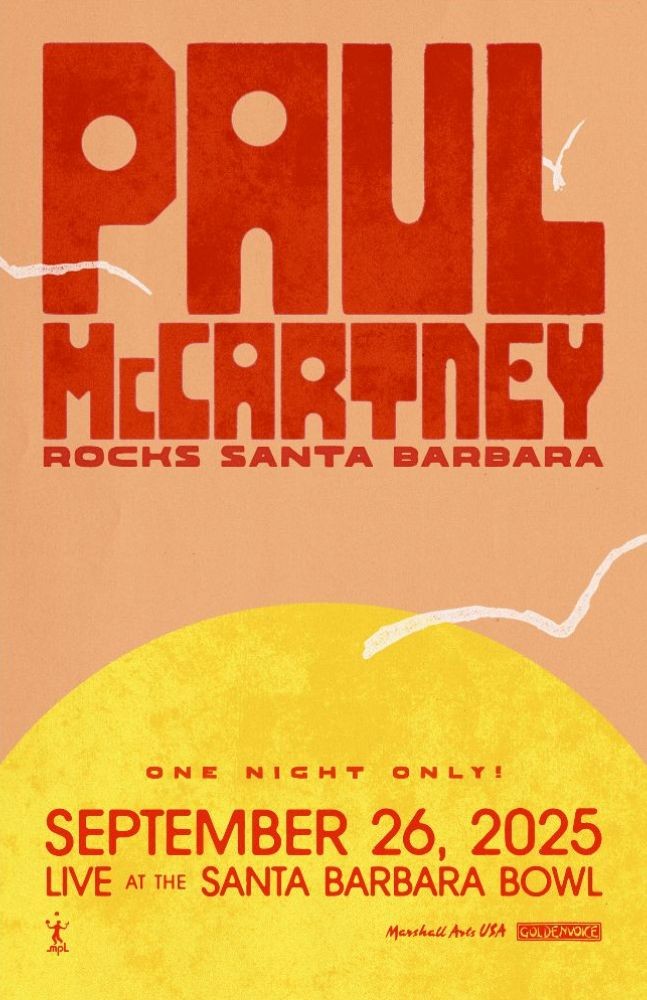
Just three days before the kick-off of his wildly anticipated Got Back Tour 2025 run of North American arena and stadium dates, Paul McCartney will rock the central California coast with an intimate one-night-only show Friday, September 26th at the Santa Barbara Bowl.
Registration for tickets begins Monday, September 15th at 8am local time. For information on registration and ticket sales, go to PaulMcCartneyGotBack.com.
No tickets will be sold at the Santa Barbara Bowl box office.
You must register in advance to purchase.
First come, first served. Two tickets per customer. Extremely limited tickets available.
Avoid purchasing tickets from third-party vendors. Fake tickets will not be honored and entry will be denied.
This show will be a phone-free experience. Phones will be secured in Yondr pouches. Guests maintain possession of their phones at all times.
Register Monday, September 15 8am through Tuesday September 16 10pm for the chance to buy tickets. Tickets to this event are limited and available on a first come first serve basis to fans who are randomly selected through Fair AXS Registration. You must register in advance for a chance to purchase tickets to this show. Registering does not guarantee the ability to purchase tickets.
Middle Aged Dad Jam Band Rocks ‘Time Warp’ With Star-Studded Twist
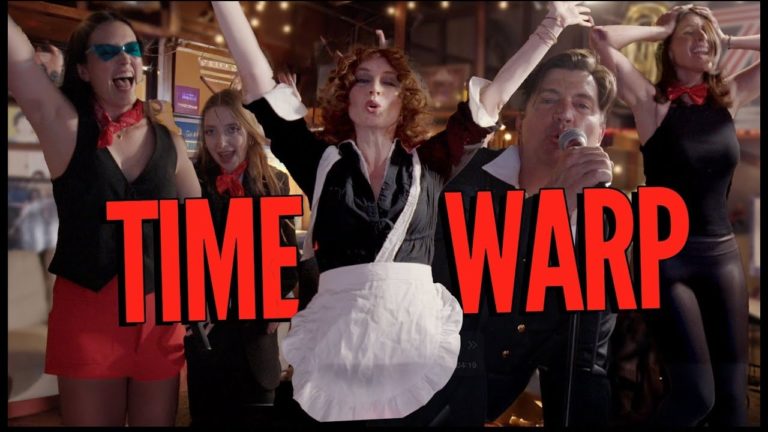
The Middle Aged Dad Jam Band brought Rocky Horror to life with a wild, costume-filled take on “Time Warp.” Kestrin Pantera stole the spotlight as Magenta, joined by Ken Marino as Riff-Raff and Beth Dover as Columbia. What began as a Halloween driveway jam in Pasadena turned into a serendipitous moment that made Kestrin part of the band’s story forever.
Zar Electrik Bring Gnawa’s Ancient Spirit And Modern Energy To NPR Tiny Desk
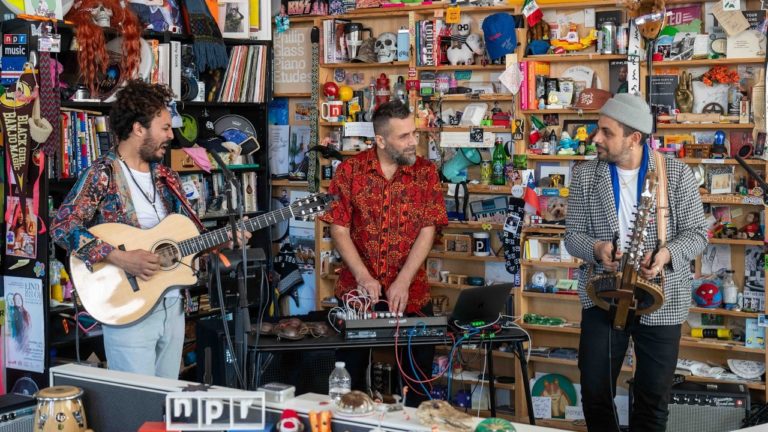
At NPR’s Tiny Desk, Zar Electrik turned the office into a midnight trance. With Anass Zine’s soaring vocals, Arthur Péneau’s electric kora, and Didier Simione’s beats, their mix of Gnawa tradition and modern energy felt both timeless and thrilling. Singing in Arabic, French, Darija, and even English, they connected cultures and hearts in one ecstatic moment.
Andy Cohen Extends SiriusXM Deal As Radio Andy Celebrates 10 Years Of Pop Culture Magic
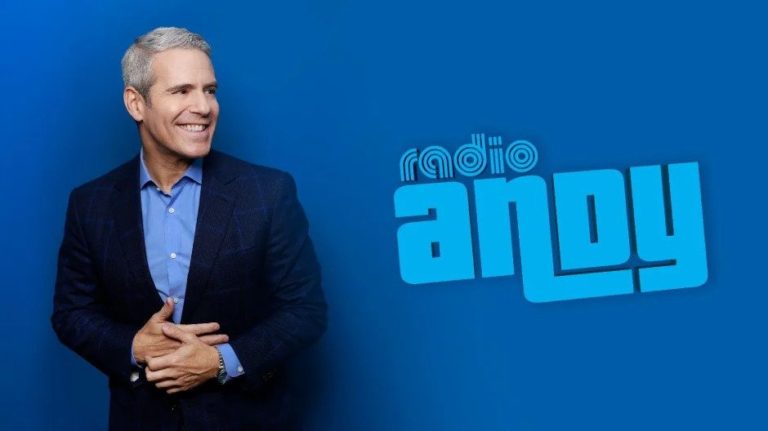
SiriusXM announced today that producer, television and radio host Andy Cohen has signed a three-year contract extension with SiriusXM, where his exclusive Radio Andy channel will continue to serve as the platform’s definitive home for pop culture. Andy Cohen will continue to be joined by co-host John Hill on his daily live show Andy Cohen Live weekdays at 10:00 am ET.
September also marks the official 10-year anniversary of the Radio Andy channel and his signature Andy Cohen Live show that has grown into a decade-strong entertainment radio empire.
“I feel incredibly lucky to have a home at SiriusXM that’s allowed me to build a destination for pop culture and fun, featuring talent that I love and admire,” said Andy Cohen. “SiriusXM appreciates talent, and I appreciate them!”
“We’re incredibly proud to celebrate 10 years of Radio Andy and even more excited that Andy will continue to be a vital part of the SiriusXM family,” said Scott Greenstein, SiriusXM President and Chief Content Officer. “Over the past decade, the channel has evolved into a truly unique destination—a vibrant home for pop culture enthusiasts who come for the bold, live, and unfiltered energy that only Radio Andy delivers.”
Ten years ago, Andy Cohen first brought his signature sass, pop culture obsession, and news-making celebrity interviews to SiriusXM. Since then, Radio Andy has grown into the go-to channel for live, candid convos all day long, with the kind of chaos only Andy can deliver. Radio Andy is truly unlike anything else, from honest conversations about dad duty to the latest Bravo gossip and fielding calls from fans, no topic is off-limits.
Radio Andy has become a true cultural staple, with a devoted audience, top-tier guests, and a rotating cast of bold, authentic voices — including John Hill, Jeff Lewis, Tinx, Bevy Smith, Dorinda Medley, Kiki Monique, Julia Cunningham, The Smith Sisters, Sandra Bernhard and more — hosting their own shows on the channel alongside Andy. With candid advice, pop culture hot takes, live updates on the buzziest resort shows and so much more, all of Radio Andy’s programming features the channel’s signature flair and personality.
To celebrate the milestone, Andy will be hosting a special broadcast live from the Radio Andy anniversary party in NYC this fall. Additionally, throughout the month, Radio Andy will be rewinding through the years with replays of all the best throwback moments of Andy Cohen Live so listeners can relive all the chaos and laughs.
Over the past decade, Andy Cohen has sat down with a variety of special guests for exclusive, news-making conversations on his SiriusXM channel. Previous star-studded interviews include Pamela Anderson, Robert De Niro, Sarah Jessica Parker, John Mayer, Nicole Kidman, Lizzo, Ed Sheeran, Jonas Brothers, Dave Franco, Alison Brie, Snoop Dogg, Colman Domingo, Luke Bryan, Dolly Parton, Jon Bon Jovi, Ralph Fiennes, Elton John, Stephen Colbert and many, many more.
Andy Cohen will also continue to curate his exclusive SiriusXM music channel, Andy Cohen’s Kiki Lounge. The channel features a personally crafted eclectic mix of music, reflecting Andy’s musical palette across a variety of moods and occasions enjoyable for his loyal fans and worthy of music lovers. Subscribers will hear music from Madonna, John Mayer, Cher, U2, Diana Ross, B-52s, Aretha Franklin and many more.
Eligible customers can get their first three months of SiriusXM for free. Click here to sign up and experience all that SiriusXM has to offer. See Offer Details.
10 Festival Sets That Made History

Festival stages have long been sites of cultural upheaval, artistic reinvention, and generational expression. From muddy fields in upstate New York to high-tech spectacles in the California desert, some performances have not only thrilled audiences but shifted the very course of music history. Here are 10 festival sets that changed everything.
1. Janis Joplin – Monterey Pop Festival (1967, Monterey, California, USA)
Janis Joplin’s breakout performance with Big Brother and the Holding Company at the Monterey Pop Festival was nothing short of volcanic. Her raw, unfiltered rendition of “Ball and Chain” stunned audiences and industry execs alike, launching her into instant stardom. Joplin’s fierce vocal power and unrestrained emotion defined a new era for women in rock, making this set one of the most unforgettable debuts in festival history.
2. Jimi Hendrix – Woodstock (1969, Bethel, New York, USA)
In the early morning haze of the final day of Woodstock, Jimi Hendrix delivered an electrifying set to a dwindling but awe-struck crowd. His searing rendition of “The Star-Spangled Banner” became an anti-war anthem, blending distortion and feedback into a radical sonic protest. Technically daring and politically potent, it cemented Hendrix as a generational icon.
3. Fela Kuti – Berlin Jazz Festival (1978, Berlin, Germany)
Bringing Afrobeat to a global stage, Nigerian legend Fela Kuti’s performance was a thunderous blend of political fury, hypnotic rhythms, and charismatic showmanship. As he railed against military oppression and imperialism, Kuti transformed a jazz festival into a forum for Pan-African resistance. It marked a crucial moment in world music’s mainstream emergence.
4. Nirvana – Reading Festival (1992, Reading, England)
Kurt Cobain was wheeled onstage in a hospital gown—a sardonic response to rumors of his decline. What followed was one of Nirvana’s most ferocious and cathartic sets. Mixing punk intensity with ironic detachment, their Reading appearance proved grunge wasn’t a fad but a seismic shift in rock music’s DNA.
5. Daft Punk – Coachella (2006, Indio, California, USA)
With a towering LED pyramid, synchronized visuals, and a seamless live mix of their hits, Daft Punk redefined the festival performance. Their Coachella set ushered in a new era of electronic music’s mainstream dominance and set the gold standard for live EDM production. A turning point not just for the duo, but for the entire festival economy.
6. Manu Chao – Festival Internacional de Benicàssim (2007, Benicàssim, Spain)
Blending ska, punk, reggae, and Latin rhythms, Manu Chao’s explosive multilingual set was a masterclass in cross-cultural unity. Singing in Spanish, French, Arabic, and beyond, he turned the stage into a global dance floor. His set reflected the growing influence of borderless, diasporic music in the 21st century.
7. Radiohead – Glastonbury (1997, Somerset, England)
Coming just after the release of OK Computer, Radiohead’s headlining Glastonbury set was a triumphant, emotionally raw experience. Despite technical issues, Thom Yorke delivered a spine-tingling performance that elevated the band’s status to global rock deities. Widely regarded as one of Glastonbury’s greatest sets ever.
8. Jay-Z – Glastonbury (2008, Somerset, England)
When Jay-Z was announced as a headliner, critics claimed hip-hop didn’t belong at Glastonbury. He responded by opening with a tongue-in-cheek cover of Oasis’ “Wonderwall” and delivered a blistering set that shattered genre boundaries. His performance redefined what a festival headliner could be and opened the door for future hip-hop acts.
9. Tupac Shakur (Hologram) – Coachella (2012, Indio, California, USA)
When a digital hologram of Tupac appeared beside Snoop Dogg and Dr. Dre, the crowd was stunned. Though controversial, the performance sparked a global conversation about digital resurrection, legacy, and the ethics of posthumous performance. It marked a new frontier in the intersection of music and technology.
10. Beyoncé – Coachella (2018, Indio, California, USA)
Dubbed “Beychella,” this performance was the first Coachella headline by a Black woman—and it made history. With a full HBCU-style marching band, dancers, and radical choreography, Beyoncé celebrated Black culture, feminism, and excellence on a scale rarely seen at music festivals. It was live performance as cultural reclamation.
These 10 sets prove that music festivals are more than just entertainment—they’re moments of transformation, protest, innovation, and cultural memory. Whether through political defiance, technical marvel, or emotional resonance, these performances continue to inspire generations. In the ever-evolving world of live music, the next historic moment could be just one set away.
How to Pitch Yourself to Spotify, Apple Music, and Playlists in 2025: The Ultimate Guide for Independent Artists

The music streaming landscape in 2025 is smarter, more competitive, and more artist-friendly than ever. With AI-powered curation, regional and niche playlists growing in influence, and listener habits shifting rapidly, getting your music in front of the right ears is no longer just about luck—it’s about strategy. Spotify and Apple Music have doubled down on editorial and algorithmic playlists, while third-party curators now act as vital tastemakers in an oversaturated market.
For independent musicians, this evolution presents an incredible opportunity: your song doesn’t need a major label budget to go viral. But you do need to know how to pitch yourself properly.
Here’s your step-by-step guide to navigating the playlist pitching world in 2025.
Step 1: Optimize Your Artist Profiles for Algorithm Discovery
Before pitching anything, make sure your foundation is rock solid. In 2025, both Spotify and Apple Music are using enhanced machine learning algorithms to surface music based on profile metadata, listening trends, and user engagement.
Spotify:
- Claim and verify your Spotify for Artists profile.
- Upload high-quality press photos and update your bio with searchable keywords (genre, location, collaborators).
- Link to social media and upcoming tour dates.
- Use Spotify Canvas videos for visual engagement.
- Tag mood and genre metadata accurately when distributing your music.
Apple Music:
- Use Apple Music for Artists to manage your profile.
- Upload a compelling artist image and keep bios up-to-date.
- Add lyrics via Musixmatch or LyricFind.
- Encourage fans to use Shazam and Siri queries (which now heavily influence discovery).
2025 Tip: Platforms now reward artist consistency. Releasing music on a regular basis (every 6-8 weeks) keeps you in algorithmic rotation.
Step 2: Craft a Compelling Pitch That Tells a Story
Editorial teams and curators aren’t just looking for great music—they’re looking for context. Your pitch needs to answer two questions: Why this song? Why now?
Essentials of a Great Pitch:
- Song title + release date
- Genre and mood (use precise language: “dark alt-pop,” “nostalgic surf rock”)
- Inspiration and story behind the track
- Why it matters now (tie it to cultural moments, seasons, or trends)
- For fans of (reference similar artists or sounds)
- Any press, syncs, tour dates, or notable milestones
Step 3: Understand the Submission Process (Platform-Specific)
Spotify:
- Submit via Spotify for Artists at least 7 days before release.
- Only unreleased tracks are eligible.
- Fill out every detail: genre, sub-genre, mood, instrumentation, language, culture tags.
- Editorial playlists may pick it up early; algorithmic playlists (like Release Radar, Radio, Discover Weekly) rely on metadata + engagement.
Apple Music:
- No formal pitch portal. Leverage your distributor (e.g., DistroKid, AWAL, Tunecore) to pitch on your behalf.
- Build relationships with your distributor’s editorial team.
- Shazam and Siri engagement matter: ask fans to search your music vocally.
2025 Tip: New AI-generated playlist features now use biometric and mood-tracking data from wearables. Make sure your track metadata includes emotional tone tags like “uplifting,” “moody,” or “introspective.”
Step 4: Leverage Your Data and Streaming Metrics
Streaming platforms reward engagement. Use your data to improve your pitch strategy and song performance.
Key Metrics to Track:
- Save Rate (saves/listens ratio)
- Skip Rate (lower = better)
- Playlist Adds
- Completion Rate
- Geographic & demographic trends
Tools to Use:
- Spotify for Artists
- Apple Music for Artists
- Chartmetric
- Soundcharts
- Viberate
2025 Trend: AI platforms like Beatseek and Tracchain are giving predictive insights on which of your unreleased songs have the best playlist potential. Use this data to choose singles more strategically.
Step 5: Time Your Pitch for Maximum Impact
Timing can make or break a pitch.
- Best day to pitch: Tuesday or Wednesday mornings (editorial teams prep playlists by Thursday).
- Lead time: Submit at least 7–10 days before release.
- Frequency: Release new music every 6–8 weeks to stay visible without overwhelming your audience.
- Coordinate launches with holidays, seasonal vibes, or cultural events.
Pro Tip: Use a calendar to align releases with high-streaming seasons (e.g., summer for dance tracks, fall for introspective indie).
Step 6: Go Beyond the Platforms
Spotify and Apple are just part of the equation. Successful indie artists amplify playlist placements with strategic promotion.
- Announce playlist adds on socials (tag the playlist/curator!)
- Run smart ads targeting listeners of similar artists
- Collaborate with playlisted artists for remix drops or co-promo
- Email your fanbase with playlist links
- Embed playlists on your website or Linktree
2025 Tip: TikTok’s new “StreamSync” feature now allows creators to pin Spotify/Apple Music links under music-related content—capitalize on this integration.
In 2025, playlist success isn’t about luck—it’s about smart planning, authentic storytelling, and using every tool at your disposal. Whether you’re just starting out or refining your next release strategy, the path to playlist success is wide open for indie artists who do the work.
Trust your music, track your data, build real relationships, and pitch with purpose. The stream is yours to ride.
Now go pitch it like you mean it.
The Impact of Technology on Online Casino Games
By Mitch Rice
The rapid advancement of technology has dramatically transformed many industries, and the world of casino gaming is no exception. Online casinos have evolved from simple digital versions of traditional games to sophisticated platforms offering a wide range of innovative features. As technology continues to advance, it has reshaped the way players engage with casino games, providing enhanced experiences and new opportunities. One such online casino that exemplifies the integration of cutting-edge technology with gaming is Boomerang Bet. Known for its extensive selection of games and user-friendly interface, Boomerang Bet provides players with a seamless and secure gaming environment. The casino’s commitment to leveraging the latest technological advancements ensures an immersive experience for all its users.
Technological Advancements in Online Casino Games
Graphics and User Interface
The visual appeal of online casino games has significantly improved with advancements in graphics technology. High-definition displays and 3D graphics have made games more engaging and visually stunning. This level of detail not only enhances the player experience but also makes games feel more realistic, bridging the gap between digital and physical gaming environments.
Mobile Gaming
The proliferation of smartphones and tablets has made mobile gaming one of the most significant trends in the casino industry. Players can now enjoy their favorite casino games on the go, thanks to responsive design and dedicated mobile applications. Boomerang Bet, for instance, offers a mobile-optimized platform that retains the full functionality of its desktop site, allowing players to enjoy games anytime and anywhere.
Live Dealer Games
Live dealer technology has revolutionized the online casino experience by bringing the social aspect of traditional casinos into the digital space. Players can interact with real dealers and other players in real-time through high-quality video streaming. This innovation has increased the popularity of games like blackjack, roulette, and baccarat in online formats, providing a more authentic casino experience.
Virtual Reality (VR) and Augmented Reality (AR)
Virtual reality and augmented reality are at the forefront of technological innovation in online casinos. VR creates a fully immersive environment where players can explore virtual casinos and interact with games in a three-dimensional space. AR enhances the gaming experience by overlaying digital elements onto the real world. While still in the early stages, VR and AR promise to redefine how players experience online casino games.
Artificial Intelligence (AI) and Machine Learning
AI and machine learning are being utilized to personalize the gaming experience and improve customer service. AI algorithms analyze player behavior and preferences to suggest games and tailor promotions. Additionally, AI-powered chatbots provide instant customer support, enhancing player satisfaction and engagement.
Blockchain and Cryptocurrency
Blockchain technology and cryptocurrency are becoming increasingly popular in online casinos. Transactions made using cryptocurrencies like Bitcoin are secure, fast, and anonymous, appealing to privacy-conscious players. Blockchain technology also ensures the fairness and transparency of games by recording all transactions and game outcomes on a public ledger.
The Benefits of Technological Integration
The integration of technology into online casinos offers numerous benefits for both players and operators. For players, technology enhances the gaming experience by providing greater convenience, improved graphics, and new gameplay options. It also ensures the security and fairness of games, fostering trust and confidence among users. For operators, technology opens up new revenue streams and opportunities for innovation. It enables casinos to reach a global audience, optimize operations, and gather valuable insights into player behavior. This data-driven approach allows operators to refine their offerings and create more engaging and personalized gaming experiences.
The impact of technology on online casino games is profound and far-reaching. As technology continues to evolve, it will undoubtedly bring new possibilities and challenges to the industry. Online casinos like Boomerang Bet are at the forefront of embracing these technological advancements, ensuring that players have access to the most cutting-edge and enjoyable gaming experiences. As we look to the future, the fusion of technology and casino gaming promises an exciting and dynamic landscape for both players and operators alike.
Data and information are provided for informational purposes only, and are not intended for investment or other purposes.