

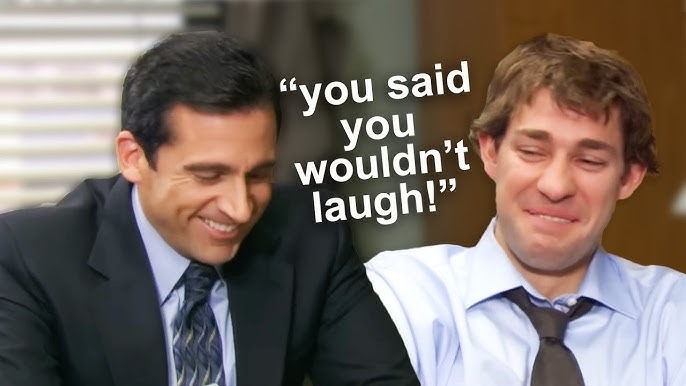
Here is eight minutes of comedy chaos straight from The Office vault. In this blooper reel, Steve Carell repeatedly sends John Krasinski into uncontrollable laughter while cameras roll. Carell’s improvised Michael Scott energy crashes directly into Krasinski’s Jim Halpert reactions, and the result is pure sitcom gold.
Bob Dylan Gets Passionate Defense From Penn Jillette On The Magnificent Others with Billy Corgan Podcast
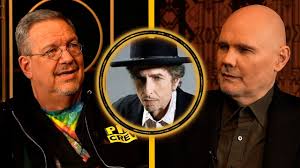
Bob Dylan has heard every argument about his voice for decades. Penn Jillette has an answer. Speaking with Billy Corgan on The Magnificent Others podcast, Jillette stepped in with a direct defense of the legendary songwriter. His point is simple. Dylan is not chasing pop perfection. He delivers character, phrasing, and narrative weight.
Men At Work Bring Classic “Who Can It Be Now?” To Jimmy Kimmel Live
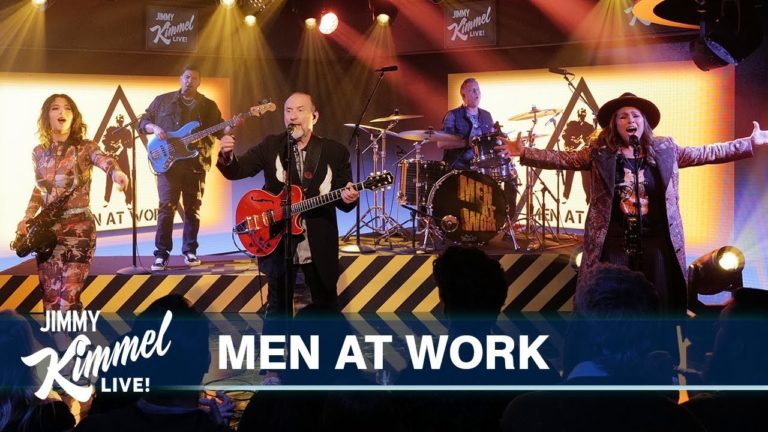
Men At Work delivered a sharp reminder of one of the great new wave hooks when they performed “Who Can It Be Now?” on Jimmy Kimmel Live. The song first arrived in 1981 and quickly climbed to #1 on the Billboard Hot 100, powered by Colin Hay’s anxious vocal delivery and Greg Ham’s unforgettable sax line. Decades later, the performance still carries the same tight groove and offbeat charm that made it a global radio staple. The track remains one of the defining songs of early 1980s pop-rock, instantly recognizable and still bursting with melodic punch.
Trailblazing Actress Judy Pace Remembered After Her Passing at 83
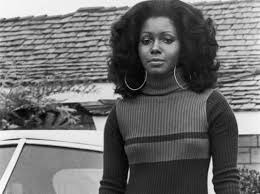
The entertainment world is remembering Judy Pace, a pioneering actress whose presence on screen helped expand opportunities for Black performers in television and film. Pace died peacefully in her sleep on March 11 at the age of 83 while visiting family in Marina Del Rey. Her passing marks the loss of a performer whose work opened doors and whose legacy continues to inspire generations of artists.
Born in Los Angeles on June 15, 1942, Pace first found success as a model before stepping into acting. She made her film debut in the 1963 Cold War spy movie “13 Frightened Girls,” beginning a career that soon brought her to television screens across America. In the 1960s she appeared in popular series including “Batman,” “Bewitched,” “I Spy,” “Days of Our Lives,” “The Flying Nun,” and “The Mod Squad,” becoming a familiar face during a transformative era in television.
Pace reached new heights when she portrayed Pat Walters on the ABC drama “The Young Lawyers,” a role that earned her an NAACP Image Award for Outstanding Actress in a Drama Series. She also appeared in the beloved television movie “Brian’s Song,” portraying Linda Sayers alongside Billy Dee Williams and James Caan. On the big screen she became a memorable presence in films such as “Cotton Comes to Harlem,” “The Slams,” and “Frogs,” helping shape the cultural landscape of 1970s cinema.
Beyond her work on screen, Pace was dedicated to lifting others up. In 1971 she co-founded the Kwanza Foundation with Nichelle Nichols, an organization that supported Black women working in film and provided scholarships to minority students pursuing careers in the arts. Through this work she helped encourage new voices and expand representation within the entertainment industry.
Judy Pace leaves behind a rich legacy carried forward by her daughters Shawn Pace Mitchell and actress Julia Pace Mitchell, her grandson Stephen Lamar Hightower III, and many loved ones. Her career stands as a testament to talent, resilience, and generosity, and her contributions to television, film, and the arts will continue to be remembered for years to come.
Watch Bill Hader Leave Hollywood Stars Speechless With Legendary Celebrity Impressions
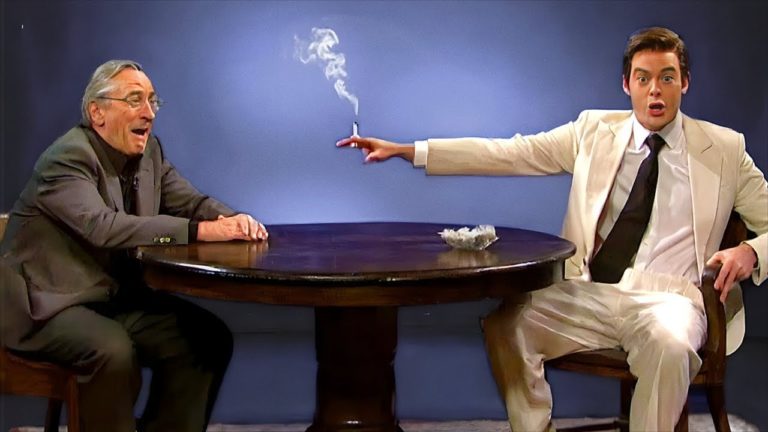
Bill Hader’s impression skills take center stage in a compilation of unforgettable talk show moments where some of Hollywood’s biggest names struggle to keep a straight face. The comedy favorite runs through spot-on takes of stars including Arnold Schwarzenegger, Al Pacino, and more, delivering each character with uncanny timing and improvisational brilliance. The reactions from celebrities like Robert De Niro, Seth Rogen, and Tom Cruise add to the fun as Hader shifts voices and mannerisms effortlessly.
Coheed And Cambria Drummer Josh Eppard Tackles Black Sabbath Classic “After Forever”
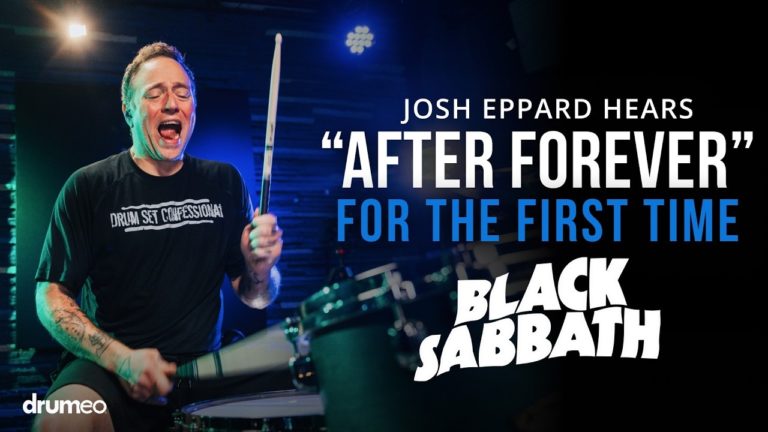
Coheed And Cambria drummer Josh Eppard steps into the Drumeo studio for a fascinating challenge: hearing Black Sabbath’s “After Forever” for the very first time and immediately crafting a drum performance to match. The video offers a rare look inside Eppard’s creative instincts as he listens closely, breaks down the groove, and builds his own approach in real time. The result is a sharp demonstration of musical intuition, showing how a seasoned drummer analyzes rhythm, structure, and feel on the fly while honoring the weight of a classic metal track.
Ed Sheeran And John Mayer Break Down “Drive” From ‘F1: The Movie’
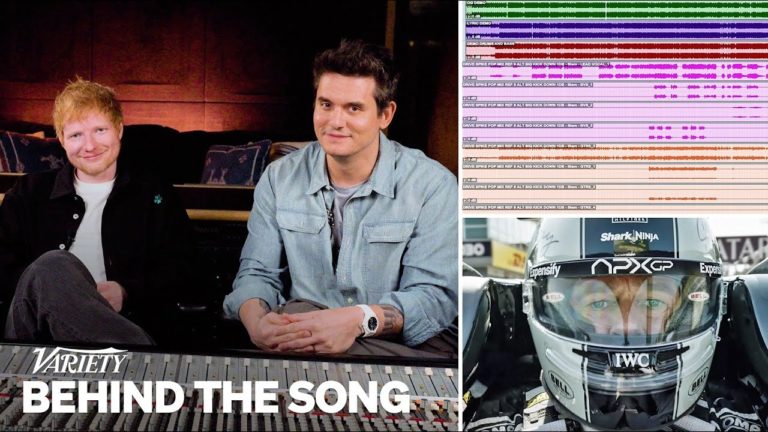
Ed Sheeran and John Mayer pull back the curtain on “Drive,” their collaboration from the soundtrack to ‘F1: The Movie.’ In a behind-the-song feature, the two hitmakers join producer Blake Slatkin to walk through the writing, recording, and creative choices that shaped the track. The conversation captures the chemistry between three seasoned musicians working at full speed inside the studio.
Hollywood Icon Jodie Foster Reveals Favorite Films In Criterion Closet Picks
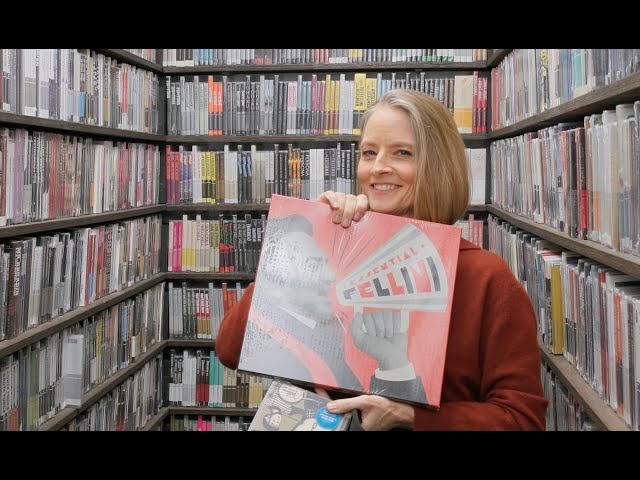
Jodie Foster steps into the Criterion Closet to share a personal selection of films that shaped her cinematic perspective. The Oscar-winning actor and director highlights the work of Céline Sciamma, reflects on the Olympic documentary ‘Visions Of Eight,’ and recalls watching ‘Berlin Alexanderplatz’ with her mother. The conversation moves through Foster’s lifelong relationship with film, offering thoughtful insight into the directors, stories, and viewing experiences that continue to inspire her.
10 Artists Who Quietly Shaped Modern Music More Than Most People Realize
Music history loves its giants. The names everyone recognizes. The chart-toppers, the arena-fillers, the icons who dominate documentaries and playlists. But behind those legends are the architects. The artists who influenced entire movements, inspired generations of musicians, and quietly reshaped the sound of popular music. Their fingerprints are everywhere, even if their names are not always front and center.
Here are 10 artists whose influence runs deeper than most people realize.
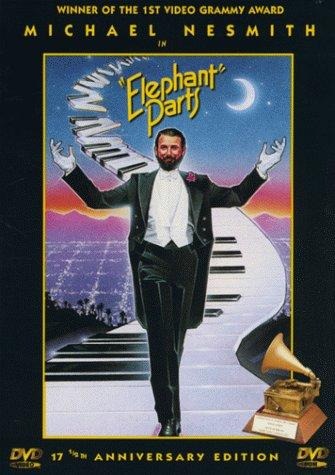
Michael Nesmith
Before country-rock was a genre, Michael Nesmith was already blending twang, folk, and rock in ways that would influence artists like The Eagles and Linda Ronstadt. After The Monkees, he also helped pioneer music video storytelling with his show “PopClips,” which later inspired the creation of MTV.
Bob Mould
With Hüsker Dü in the 1980s, Bob Mould helped bridge the gap between punk and what would become alternative rock. Loud guitars, emotional songwriting, and melodic hooks that later echoed through bands like Pixies, Nirvana, and Foo Fighters.
Cheap Trick
At first glance, Cheap Trick looks like classic rock radio comfort food. But their fusion of Beatles melodies and hard rock guitars became a blueprint for power-pop, influencing everyone from Nirvana to Weezer and much of the 1990s alternative rock explosion.
Todd Rundgren
Producer, songwriter, engineer, and studio wizard. Todd Rundgren’s fingerprints are on albums by Meat Loaf, The New York Dolls, and countless others, while his own work experimented with studio technology and pop structure long before it became common.
Alex Chilton
As leader of Big Star, Alex Chilton created some of the most influential power-pop albums ever made. They did not sell much at the time, but their jangly guitars and emotional songwriting became essential inspiration for bands like R.E.M., The Replacements, and Teenage Fanclub.
T. Rex
Marc Bolan’s T. Rex helped ignite glam rock and redefine how rock stars looked, sounded, and moved onstage. The swagger and riff-driven simplicity of songs like “Get It On” would echo through later rock bands from AC/DC to Oasis.
Lou Reed
With The Velvet Underground, Lou Reed rewrote the rules of what rock lyrics could talk about. Art, street life, vulnerability, darkness. The band’s early records sold modestly, but their influence spread through punk, indie rock, and alternative music for decades.
Allan Holdsworth
Often called “your favorite guitarist’s favorite guitarist,” Allan Holdsworth transformed jazz-fusion guitar playing. His complex chord voicings and fluid technique influenced generations of guitarists across jazz, rock, and progressive music.
Robert Fripp
As the mastermind behind King Crimson, Robert Fripp helped define progressive rock while pushing guitar sound design into new territory. His experimental playing and production techniques shaped artists from David Bowie to Talking Heads.
Tangerine Dream
German pioneers of the Berlin School of electronic music, Tangerine Dream helped establish the sonic vocabulary of ambient and electronic music. Their work with synthesizers and sequencers influenced everything from film scores to modern electronic and trance music.
The biggest impact in music is not always measured in chart positions.
Sometimes it is measured in the number of future artists who listened, learned, and started a band because of what they heard.
5 Of The Biggest Media Mistakes Artists Make Before An Interview

You want coverage. You want attention. You want the headline, the quote, the viral moment. But then the interview comes along and suddenly everything slows down. Artists spend months crafting a song, years building a career, and then treat the interview like an afterthought. That is where things start to fall apart. The media moment is not separate from the music. It is the amplifier. And when artists walk into interviews unprepared, distracted, or worse, guarded, the story never reaches the audience it could have. The music business runs on stories. If you cannot tell yours, someone else will.
Here are five of the biggest media mistakes artists make before an interview.
- Showing Up Without Knowing Who Is Interviewing You
This happens more than you think. Artists walk into interviews without reading a single article by the journalist, without knowing the publication, and without understanding the audience. That is like stepping onstage without knowing which city you are playing. Every outlet has a different voice, a different readership, and a different way of telling stories. When artists take five minutes to understand that, the conversation becomes smarter, deeper, and more memorable. - Treating Every Interview Like A Promotion
Journalists are not megaphones. They are storytellers. When an artist only repeats the same release date, tour plug, or talking point, the interview dies instantly. Audiences already know the facts. What they want is the story behind the music. Where it came from. Why it exists. What changed in the artist’s life. Promotion without personality turns a conversation into a commercial. - Being Afraid To Be Human
Some artists think they have to sound perfect. Safe answers. Neutral responses. No opinions. No personality. But interviews are where fans meet the person behind the music. The most memorable interviews are not rehearsed. They are honest. Imperfect. Curious. When artists open up about the real experiences behind the songs, that is when listeners lean in. - Ignoring The Moment They Are In
Every interview happens in a cultural context. Maybe the artist is touring. Maybe they just won an award. Maybe they are coming off a viral moment. Maybe the world itself is in a completely different mood than it was when the record was written. Artists who recognize the moment they are in create relevance. Those who ignore it sound like they are speaking into a vacuum. - Forgetting That Interviews Live Forever
The internet does not forget. Quotes travel. Headlines spread. Clips get reposted. A single offhand comment can follow an artist for years. That does not mean being afraid to speak. It means understanding that every interview is part of a permanent record. The smartest artists think about the message they want to leave behind.
Because here is the truth.
Music gets people in the door. Stories keep them there.
And the artists who understand that are the ones who turn a simple interview into something that people remember long after the record stops playing.