Home Blog Page 987

Philomena Cunk Is Back With “Cunk On Life”

0

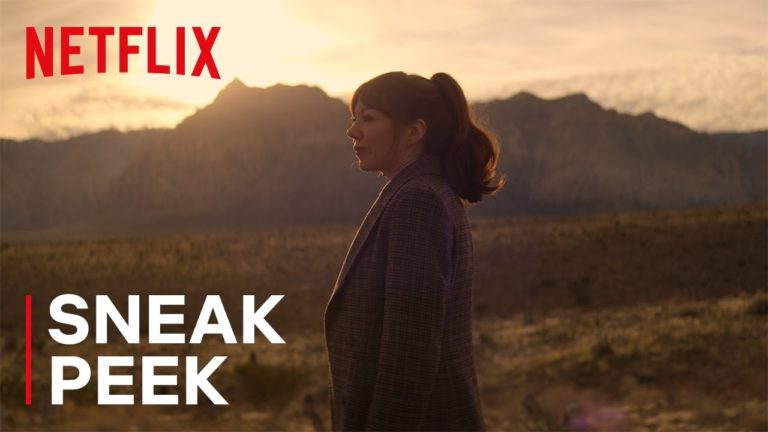
She’s back and ready to take on life. Diane Morgan is Cunk On Life, premiering January 2 on Netflix!

Deadpan documentarian Philomena Cunk confounds philosophers and academics in her quest to understand the meaning of life in this feature-length special.

Timothée Chalamet Brings His A-Game to Nardwuar Interview

0

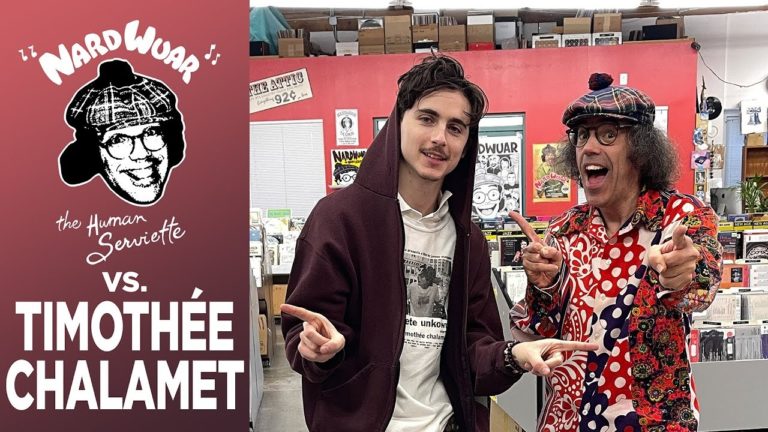
Timothée Chalamet went from rapping as “Timmy Tim” to embodying Bob Dylan. In a new Nardwuar interview, he dives into hip-hop love, Dylan lore, and even being friends with Lil B.

20 Must-Listen Albums for Indie Music Lovers

0

Indie music is where heart and soul collide with daring creativity, producing some of the most memorable and influential albums of the modern age. From raw bedroom recordings to intricately crafted masterpieces, the indie scene has always pushed boundaries. For fans of authentic sounds and boundary-pushing artistry, we’ve compiled this essential guide to 20 must-hear indie albums. These records will take you on a journey through indie’s rich history and its brightest stars.

Indie music thrives on innovation, passion, and authenticity, and these albums embody the very best of the genre. Whether you’re a longtime fan revisiting favorites or a newcomer discovering these gems for the first time, each record offers something truly special.

Arcade Fire – Funeral
Few debuts have landed with such emotional impact. Funeral channels grief into soaring anthems, from the life-affirming “Wake Up” to the bittersweet “Neighborhood #1 (Tunnels).” Grand, orchestral, and deeply personal, it’s an album that defined a generation.

Beach House – Teen Dream
Dream-pop doesn’t get more immersive than this. Victoria Legrand’s smoky vocals and Alex Scally’s shimmering guitars create an otherworldly sound on tracks like “Norway” and “Take Care.” Ethereal, emotional, and unforgettable.

Bon Iver – For Emma, Forever Ago
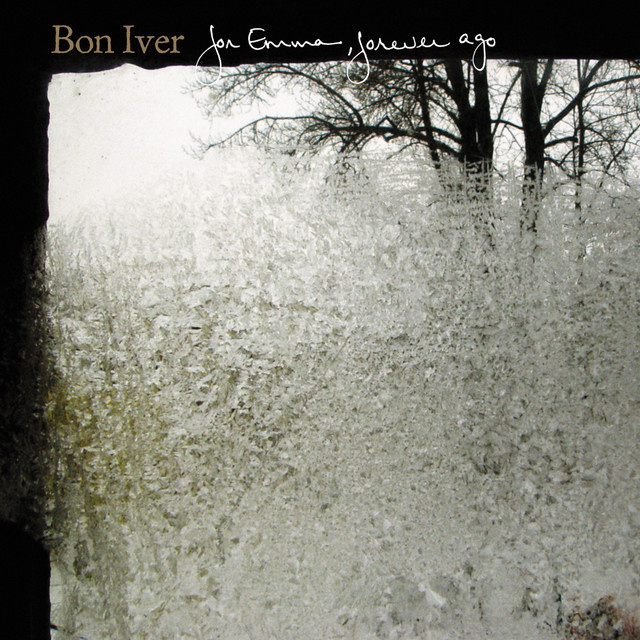
A frozen heart laid bare in a snowy Wisconsin cabin, Justin Vernon’s debut is the ultimate catharsis. With delicate falsetto vocals and sparse acoustic arrangements, this record feels like eavesdropping on a heartbreak in real time. Raw, honest, and utterly captivating.

Bright Eyes – I’m Wide Awake, It’s Morning
Conor Oberst’s confessional songwriting is at its peak on this acoustic gem. Tracks like “First Day of My Life” and “Lua” are heartbreakingly raw, delivering an intimate portrait of vulnerability and hope.

Car Seat Headrest – Teens of Denial
A cathartic deep dive into youth and identity, Teens of Denial is lo-fi indie rock at its most anthemic. Tracks like “Drunk Drivers/Killer Whales” balance introspection with raw, unfiltered energy.

Death Cab for Cutie – Transatlanticism
Few albums capture longing and distance as poignantly as Transatlanticism. Ben Gibbard’s tender vocals shine on tracks like the title song and “The Sound of Settling,” making this a cornerstone of indie heartbreak.

Father John Misty – I Love You, Honeybear
A barbed-wire bouquet of satire and romance, this album mixes lush orchestration with biting wit. Tracks like “Chateau Lobby #4” and “Bored in the USA” showcase Josh Tillman’s sharp tongue and even sharper songwriting.

First Aid Kit – The Lion’s Roar
With pitch-perfect harmonies and timeless melodies, this Swedish duo’s breakthrough album is a folk gem. Songs like “Emmylou” and the title track radiate warmth, heartbreak, and sincerity.

Fleet Foxes – Fleet Foxes
Fleet Foxes’ self-titled debut is pure magic, a lush folk journey through pastoral landscapes. Harmonies soar on tracks like “White Winter Hymnal” and “Blue Ridge Mountains,” evoking a timeless, almost sacred beauty.

Mac DeMarco – Salad Days
Effortlessly cool and endlessly charming, Salad Days captures the malaise of early adulthood. With jangly guitars and breezy vocals, songs like “Chamber of Reflection” cement DeMarco’s reputation as indie’s laid-back king.

Mitski – Be the Cowboy
With razor-sharp lyrics and genre-hopping brilliance, Mitski’s Be the Cowboy is indie-pop perfection. Tracks like “Nobody” and “Two Slow Dancers” are devastating in their simplicity, delivering gut-punch after gut-punch.

Modest Mouse – The Moon & Antarctica
A sprawling, existential journey, this album takes indie rock to cosmic heights. With tracks like “3rd Planet” and “Gravity Rides Everything,” Modest Mouse marries philosophical musings with unpredictable, textured soundscapes.

Neutral Milk Hotel – In the Aeroplane Over the Sea
A cult classic with an aura of mystery, this album’s surreal lyrics and lo-fi production create an unforgettable experience. Tracks like “Holland, 1945” blend raw emotion with otherworldly beauty, cementing its place in indie folklore.

Phoebe Bridgers – Punisher
Haunting and deeply introspective, Bridgers’ sophomore album is a slow-burn triumph. From the wistful “Kyoto” to the apocalyptic “I Know the End,” her songwriting cuts to the bone. A stunning showcase of vulnerability and artistic growth.

St. Vincent – Strange Mercy
Annie Clark’s boldest statement, Strange Mercy blends art rock with confessional lyricism. Tracks like “Cruel” and “Surgeon” showcase her unparalleled guitar skills and fearless creativity. A genre-defying triumph.

Sufjan Stevens – Illinois
Ambitious doesn’t begin to describe this orchestral folk-pop opus. From the triumphant “Chicago” to the fragile “John Wayne Gacy, Jr.,” Stevens paints an intricate, heartfelt portrait of the American Midwest. A dazzling mix of intimacy and grandeur.

Tame Impala – Currents
Kevin Parker’s kaleidoscopic exploration of change and self-discovery is an indie-psych masterpiece. From the sprawling “Let It Happen” to the groove-laden “The Less I Know the Better,” Currents is as infectious as it is introspective.

The National – Boxer
Boxer captures the quiet despair of adulthood like no other. Matt Berninger’s deep baritone anchors understated yet powerful tracks like “Fake Empire” and “Mistaken for Strangers.” It’s the sound of a late-night whiskey, reflecting on life’s bittersweet moments.

The War on Drugs – Lost in the Dream
A sprawling, atmospheric masterpiece, Lost in the Dream pairs heartland rock with ambient textures. Tracks like “Red Eyes” and “Under the Pressure” capture a longing that’s as universal as it is deeply personal.

Vampire Weekend – Vampire Weekend
Witty, vibrant, and impossibly catchy, Vampire Weekend’s debut brought Afrobeat rhythms to indie rock with joyous results. Tracks like “A-Punk” and “Mansard Roof” are instant earworms, bursting with youthful energy and razor-sharp lyrics.


5 Surprising Facts about Neil Young’s ‘Harvest’

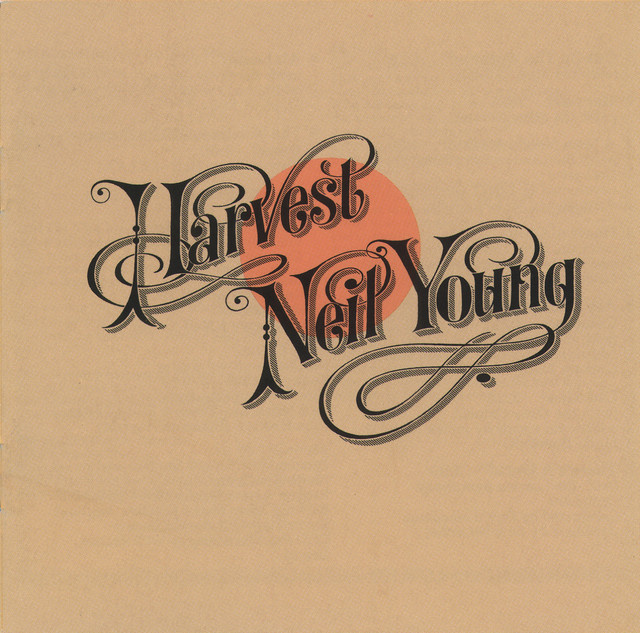
Neil Young’s Harvest still a cornerstone of music history. Released on February 1, 1972, it’s a record that defined a generation with its blend of heartfelt lyrics, acoustic melodies, and poignant storytelling. From “Old Man” to “Heart of Gold,” every track seeps with sincerity and raw emotion, making it one of the most celebrated albums of all time.

But there’s more to Harvest than its chart-topping success. Here are five unknown facts about this legendary album that reveal the stories behind the music and the man who created it.

1. The Caretaker Who Inspired a Hit

The song “Old Man” was written for Louis Avila, the caretaker of Neil Young’s Broken Arrow Ranch. Young purchased the ranch in 1970, and during a ride around the property, Avila asked, “How does a young man like yourself have enough money to buy a place like this?” That question, paired with Avila’s leathery wisdom and quiet demeanor, sparked the poignant lyrics. Featuring James Taylor on banjo and Linda Ronstadt on backing vocals, the song became a timeless reflection on the shared needs of youth and age.

2. The Accidental Ditch Diver

While recording Harvest, Neil Young was at a crossroads in his career. The album’s success—especially the number-one single “Heart of Gold”—catapulted him into the mainstream. But Young wasn’t interested in being a commercial darling. He later wrote that the album “put me in the middle of the road,” which led him to veer into the rougher, more experimental terrain of his so-called “ditch trilogy.” Success, for Young, wasn’t about comfort—it was about exploration.

3. “Heart of Gold” Almost Didn’t Happen

Neil Young’s only U.S. number-one hit, “Heart of Gold,” was born out of physical necessity. After injuring his back, Young couldn’t stand long enough to play his electric guitar and had to turn to acoustic sessions. Recorded in Nashville with Linda Ronstadt and James Taylor, the track became an instant classic, its simplicity capturing hearts worldwide. Yet, its popularity irked Bob Dylan, who once remarked, “That’s me… if it sounds like me, it should as well be me.”

4. The London Symphony Sessions

The lush orchestration on tracks like “A Man Needs a Maid” and “There’s a World” was recorded with the London Symphony Orchestra in Barking Town Hall. Producer Jack Nitzsche’s arrangements added a dramatic flair to these tracks, which Young later admitted were “overblown.” Despite this, the grandeur of these songs offered a striking contrast to the album’s otherwise stripped-down aesthetic, showcasing Young’s willingness to experiment.

5. The Legendary “More Barn” Moment

Mixing Harvest was no ordinary process. Young famously invited Graham Nash to his ranch to review the album. Instead of studio monitors, Young used his entire house as the left speaker and his barn as the right speaker, playing the record from a makeshift setup. After the playback, when producer Elliot Mazer asked for feedback, Young shouted back, “More barn!” This quirky request became emblematic of Young’s unorthodox approach to music production.

Fifty years later, Harvest remains a touchstone for music lovers around the world. Its blend of personal introspection, rich instrumentation, and unforgettable melodies make it as vital today as it was in 1972. Whether you’re rediscovering its tracks or hearing them for the first time, Harvest is more than an album—it’s a piece of Neil Young’s soul.

5 Surprising Facts about Beyoncé’s “Renaissance”

If there’s one thing Beyoncé knows how to do, it’s craft an experience. From the explosive visual storytelling of Lemonade to the deeply personal and celebratory themes of Renaissance, Queen Bey continuously redefines artistry, empowering her fans while setting trends in music and culture. Released on July 29, 2022, Renaissance’s seamless blend of disco, house, and electronic beats—paired with an unapologetic celebration of Black and queer pioneers—has carved a unique space in the music world.

While the accolades, chart records, and critical acclaim are well-documented, here are five unknown facts about Renaissance that may surprise you—and make you want to hit the dance floor all over again.

1. “Thique” Took Nearly a Decade to Complete

While many tracks on Renaissance were conceived during the pandemic, “Thique” has a much longer history. Beyoncé initially started working on the song in 2014 during sessions for her self-titled album. Eight years later, she revisited and revamped it, giving it the polished and infectious groove we hear today. This long incubation period showcases her relentless pursuit of perfection.

2. The Album’s Title Horse Has a Name

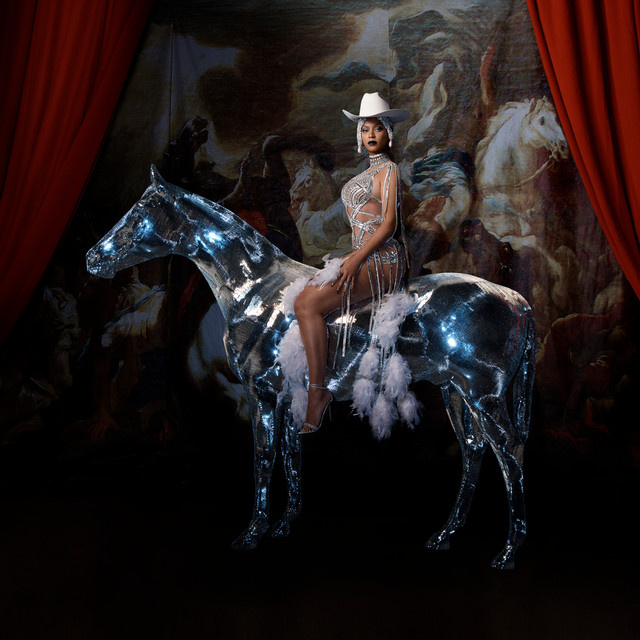
The mirrored disco ball horse featured on the album’s iconic cover wasn’t just a stylistic choice; it has a name—“Reneigh.” Fans lovingly christened the equine centerpiece, drawing connections to the album’s homage to Studio 54 and disco’s glamorous heyday. The imagery ties into the album’s themes of freedom, escapism, and indulgent joy.

3. No Music Videos? No Problem!

Despite being one of the most visual artists of our time, Beyoncé took a bold step with Renaissance by delaying music videos to let the music take center stage. Her intention? To encourage fans to focus solely on the intricate production, rich vocals, and layered messages. When fans clamored for visuals during her world tour, she famously declared, “You are the visuals, baby.”

4. Inspired by a Personal Hero

Beyoncé’s late “Uncle” Jonny, who introduced her to Black ball culture and dance music, served as a deep source of inspiration for the album. By channeling his legacy and the liberation he found in these spaces, Beyoncé created a love letter to the LGBTQ+ community and the overlooked pioneers of house and disco music.

5. A Sneaky Fashion First

Renaissance inspired a groundbreaking collaboration between Beyoncé and Balmain’s Olivier Rousteing, resulting in the Renaissance Couture collection. This project made history as Beyoncé became the first Black woman to oversee a couture collection with a Parisian fashion house. Each of the 16 designs corresponds to a track from the album, blending high fashion with music like never before.

Renaissance is a vibrant reimagining of music’s most freeing and rebellious genres, brought to life by one of the most influential artists of our time. Whether you’re breaking a sweat to “Break My Soul” or marveling at the intricate layers of sound, Renaissance stands as a testament to Beyoncé’s unparalleled ability to evolve while staying true to her roots.

Robert Plant Reflects on the Loss of His Son and the Creation of “All My Love”

0

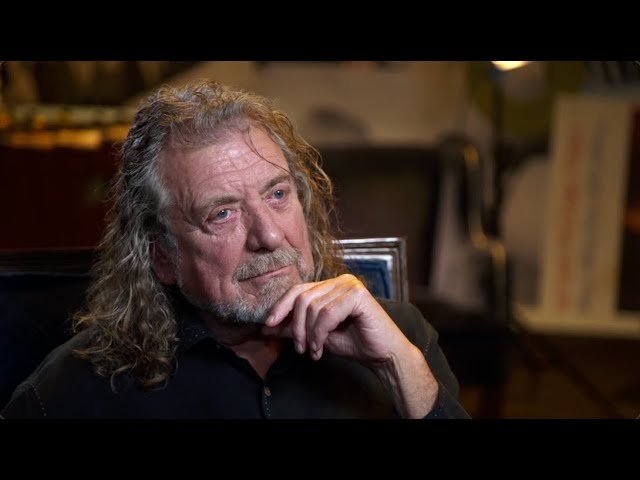
Robert Plant gets deeply personal in an emotional conversation with Dan Rather on The Big Interview, opening up about the heartbreaking loss of his son Karac in 1977. Plant reveals how “All My Love” was written as a tribute to his son, showcasing the immense support from his Led Zeppelin brothers during his grief. A raw and powerful moment in rock history.

Slot Machines From 19th Century Novelty to Modern Casino Staple

0

By Mitch Rice

The unmistakable sights and sounds of slot machines are an iconic part of the casino experience. But long before casinos housed rows of brightly lit, loudly chiming games, the first slot machines were rudimentary novelty devices offering chewing gum as prizes. Over 200 years, continuous technological innovations transformed these quaint single-reel curiosities into the immersive, multisensory digital attractions that earn modern platforms like SlotLounge online casino billions in annual revenue today.

Liberty Bell Sets the Reels in Motion

The progenitor of all modern slot machines, the Liberty Bell consisted simply of three reels each adorned with ten symbols of playing card suits, plus a cracked liberty bell symbol that provided the machine’s name. Invented in 1895 by Charles Fey in San Francisco, the Liberty Bell cost a nickel to play and dealt with winning combinations in the form of lined-up matching symbols. Payouts came not in money, but in the form of chewing gum and other novelties.

Despite its humble form and prizes, the Liberty Bell’s engaging gameplay made it immensely popular. Soon, imitator machines from rival manufacturers spread across saloons and bowling alleys, the era’s gambling venues of choice. This first generation of slots confirmed a market but lacked technology for automatic payouts. Wins required proprietors to provide prizes manually, keeping jackpots small. Still, the exciting chance-based gameplay hooked customers, planting seeds for an enduring pastime.

Electromechanics Power Bigger Payouts

In the first decades of the 20th century, slot machines adopted more advanced components that paved the way for higher payouts. In 1902, the Mills Novelty Company incorporated springs and levers into their machines to automatically dispense money prizes. Six years later, the Mills Liberty Bell standardized three reels and 20 symbols, including an iconic liberty bell symbol.

Soon, slot makers incorporated electromechanical parts like motors and brakes for internal controls and automatic payout systems. Machines could now feature larger jackpots thanks to these enhanced capabilities. By the 1920s and ’30s, flashy slot machines produced by the Mills Novelty Company, Watling Manufacturing Company and Jennings & Company became staples of gambling halls and saloons across the United States. Despite more complex workings, these machines retained straightforward gameplay — pull a handle and watch spinning reels line up for cash winnings.

Slot Revenue Statistics 1925-1935

Year Total Slots Revenue Top Jackpot
1925 150,000 $8 million $500
1930 200,000 $30 million $1,500
1935 250,000 $58 million $5,000

New Technologies Set the Stage for Slots Takeover

Following World War II, slot machine technology accelerated rapidly to set the stage for national expansion. Bugsy Siegel’s Flamingo Hotel & Casino opened in Las Vegas in 1946, signaling the rise of modern casinos, specifically embracing slot machines as profit drivers. Companies like Bally Manufacturing pioneered electromechanical systems that allowed multi-coin play and larger jackpots. Replacing physical reel stops with virtual mappings paved the way for the pure computerized slots to come.

The following decades brought video screens, random number generators for setting reel outcomes and the first themed games driven by creative graphics and audio. When the first electronic slot, Fortune Coin, debuted in 1975, it introduced digital operation, multiple pay lines and new bonus features that vastly expanded gameplay potential. Suddenly slots could support more symbols, reel configurations, pay lines and jackpots far exceeding electromechanical standards. These digital machines spread widely by the 1990s, aided by computer programming that allowed game developers to rapidly test and implement innovative features.

Online Revolution

Just as electronic gaming paved the way for slots to become casino profit mainstays starting in the late 20th century, online platforms sparked the next major evolutionary leap in the 2000s. Following the internet’s widespread adoption, developers raced to create virtual slot machines for desktop and mobile play. No longer confined by physical footprint, online video slots shattered limits on reels, pay lines, bonuses, progressives and more thanks to infinitely flexible digital programming.

By 2010, dazzling video slots streamed across the web offered cinematic animation, 3D graphics, surround sound and lucrative networked jackpots from leading developers like International Game Technology and Aristocrat. As smartphones took hold, compact touchscreen apps allowed instant access to thousands of creatively themed slots for free or real money play. Fast, convenient and captivating, online video slots now generate over 60% of casino profits in legal jurisdictions globally.

In a Nutshell

In 2025, advancing technologies point toward slots becoming even more immersive and personalized playgrounds. Virtual reality hardware promises to surround players in cinematic 3D worlds synced to game action. Machine learning and artificial intelligence will enable slots to learn player preferences and customize bonus features for heightened engagement. Some predict brain-computer interfaces may one day allow players to control slots with their thoughts.

Data and information are provided for informational purposes only, and are not intended for investment or other purposes.

ROSÉ’s Isolated Vocals For “toxic till the end”

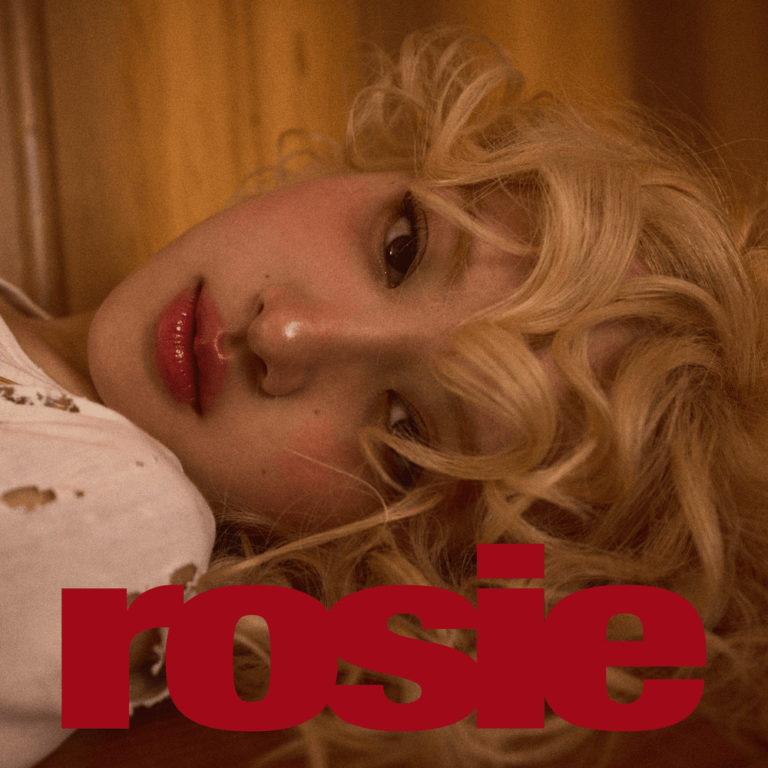
“toxic till the end,” the third single from ROSÉ’s debut studio album rosie, delves into the complexity of a love-hate relationship. Teased during her global listening parties, the track captures her raw emotions and vulnerability as she grapples with the pull of a toxic connection. Originally titled “the x,” ROSÉ revealed on the Zane Lowe Show how the song evolved to reflect her deepest feelings.

Why Choose a Private Shuttle from Denver to Breckenridge?

0

By Mitch Rice

However, we can make the journey to your accommodations more flexible and as comfortable as possible. Imagine arriving at Denver Airport after a long flight. Instead of rushing to fit into the rigid schedule of a bus or train, a Denver to Breckenridge car service allows you to set your own timeline. Need a quick stop for coffee, or want to stretch your legs and take in a scenic overlook? Your driver can accommodate those spontaneous moments, turning the ride into part of your vacation experience.

Another example of flexibility in travel is adjusting plans to make the most of your day. Perhaps your flight was delayed, or you decide last minute to explore a local attraction en route. A private shuttle provides the adaptability you need to fit in these changes without worrying about missed connections or additional stress. This level of service ensures that your trip is tailored to your needs, giving you the freedom to focus on what matters most – enjoying your time in the mountains.

Breckenridge. Navigating Local Roads and the Importance of Trusting Local Companies

Driving in Breckenridge comes with challenges that make it necessary to rely on local driving experience. The town’s location in the heart of the Colorado Mountains means that not only will there be beautiful snow-capped mountains all around, but also snowy roads under your wheels, especially during the winter months. Snow storms and ice are common, and the high altitude can affect driving performance, especially for those unfamiliar with driving in these conditions. 

Local companies with years of experience in the area understand these challenges better than anyone. Their drivers are trained to navigate snowy switchbacks, narrow mountain passes, and sudden changes in weather. They know which routes to avoid during peak traffic or icy conditions and can adapt quickly to road closures or detours. For example, if Loveland Pass becomes impassable due to snow, a local driver will already have an alternate plan to get you to your destination safely and on time.

Moreover, local companies equip their vehicles specifically for mountain travel, with features like snow tires, chains, and advanced safety systems. This specialized preparation, combined with their deep knowledge of the terrain, ensures a safer, smoother journey for visitors. Trusting a local company not only guarantees peace of mind but also allows you to fully enjoy the breathtaking scenery and charm of Breckenridge without worrying about the road ahead.

Denver to Breckenridge. What to See Along the Way with a Private Transport Company

Traveling from Denver to Breckenridge with a private transport company isn’t just about getting to your destination—it’s an opportunity to turn the journey into an unforgettable experience. With a flexible schedule and knowledgeable drivers, you can make stops at some of Colorado’s most stunning landmarks and attractions.

  1. Red Rocks Amphitheatre
    Just outside Denver, this iconic open-air venue is worth a quick visit. Even if there isn’t a concert, you can walk the amphitheater, explore the visitor center, and take in breathtaking views of the surrounding red sandstone formations.
  2. Dillon Reservoir
    Known as the “crown jewel” of Summit County, this massive lake offers stunning views, especially in winter when the surrounding peaks are blanketed in snow. A private transfer allows you to pause for a photo op or even a quick walk along the shore.
  3. Loveland Pass
    If the weather permits, your driver can take the scenic route through Loveland Pass, which climbs to an elevation of 11,990 feet. This detour offers panoramic views of the Rockies and a chance to experience the Continental Divide up close.
  4. Frisco Main Street
    Before arriving in Breckenridge, you might stop in the charming mountain town of Frisco. With its quaint shops, local eateries, and friendly vibe, it’s a perfect spot for a quick coffee or a bite to eat before continuing your journey.

Choosing a private transport company gives you the flexibility to explore these highlights at your own pace, ensuring your trip to Breckenridge is as memorable as the destination itself. With a professional driver taking care of the logistics, you can sit back, enjoy the scenery, and fully immerse yourself in the beauty of Colorado.

Private Shuttle vs. Car Rental. Choosing the Best Option for Your Mountain Adventure

When deciding between a private shuttle and renting a car for your trip to the mountains, both options come with their own set of advantages and drawbacks. A private shuttle offers unmatched convenience, with door-to-door service that removes the stress of navigating mountain roads or finding parking. It’s particularly appealing for travelers unfamiliar with steep inclines, sharp curves, or icy conditions, as professional drivers handle these challenges with ease. However, shuttles may lack the independence some travelers seek, limiting spontaneous detours or stops along the way. While ideal for groups or those prioritizing safety and comfort, they can feel restrictive for solo adventurers who enjoy flexibility. 

Renting a car, on the other hand, offers complete freedom and control over your itinerary. You can explore side roads, stop for scenic views, or take detours to attractions without constraints. For longer stays, a rental may even be more cost-effective. That said, driving in the mountains comes with its challenges. Navigating snow-covered roads, dealing with traffic, and ensuring the vehicle is properly equipped for winter conditions add significant responsibility to your trip. For those inexperienced with mountain terrain, the risks and added stress might outweigh the benefits of independence. 

Ultimately, your choice should align with your priorities. If you value a hassle-free, safe, and relaxing journey, especially in challenging winter conditions, a private shuttle is the way to go. On the other hand, if freedom to explore at your own pace is your top priority and you’re confident in your driving abilities, renting a car might better suit your travel style. Both options can lead to a memorable trip—it’s all about finding what works best for you.

Data and information are provided for informational purposes only, and are not intended for investment or other purposes.

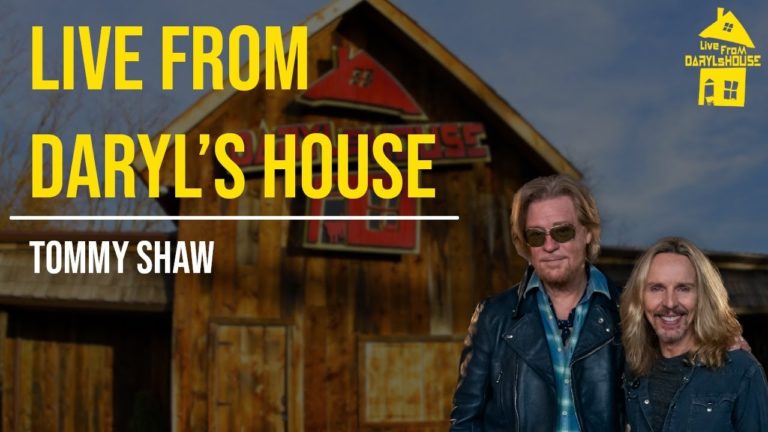
Tommy Shaw and Daryl Hall Bring Styx Magic to ‘Live From Daryl’s House’

0

Tommy Shaw of Styx joins Daryl Hall for an unforgettable session on Live From Daryl’s House! Together, they deliver powerful renditions of Styx classics like “Blue Collar Man” and “Renegade,” plus some Daryl Hall & John Oates gems. Watch the full episode here: