

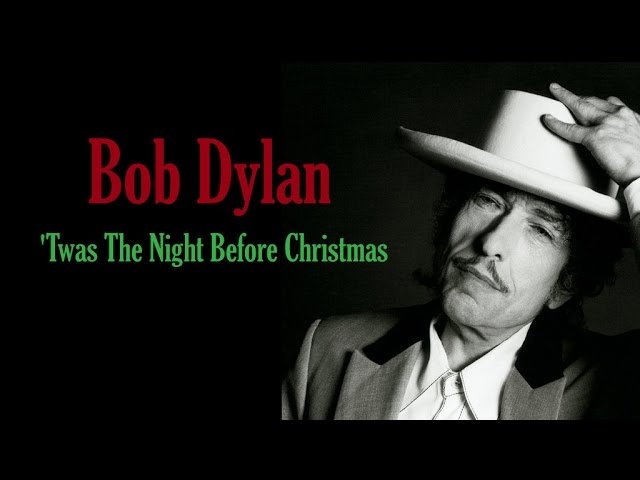
In 2006, Bob Dylan brought his unique, gravelly charm to the holiday season, reciting the classic “Twas the Night Before Christmas” on his Theme Time Radio Hour. The iconic poet of rock ‘n’ roll spun the timeless tale with a voice full of whimsy and wonder, proving once again that Dylan can turn even a holiday tradition into a masterclass in storytelling.
The most unusual online casino bonuses: from cashback to free spins
By Mitch Rice
Online casino bonuses are rewards given to attract and keep players. They include free spins, cashback on losses, and other offers. These bonuses help players increase their chances of winning without extra spending. Most bonuses, like deposit matches, are common. However, some casinos offer unusual bonuses that can provide more value. These unique offers often have special conditions and surprises. They are worth checking out. Let’s look at some of the most unusual online casino bonuses available today.
No Deposit Free Chips
Free chips are used as no deposit bonus codes in Australian casinos. These bonuses enable the players to take free chips without contributing through money depositing. Many casinos offer free chips as part of their welcome promotions to attract new players. To claim these offers, players often need to enter no deposit bonus codes free chip during registration. When redeemed, the free chips are credited into their account and they get to practice several games using the platform without actual deposit.
New players can also take advantage of free chips to explore a certain casino they want to try and at the same time increase their balance. The regular players can therefore use these bonuses to play even more games and win real money prizes. However, most free chip winnings enjoy certain conditions placed on them. The bonus must be wagered and only then money that users put in when betting is withdrawn. These requirements vary from one casino to another, therefore it is advisable to read the terms and conditions whenever undertaking this promotion.
Cashback Bonuses
Cashback bonuses let players get back a percentage of their losses. Unlike deposit bonuses, cashback focuses on giving a safety net for losses. For example, if a player loses $100 in a week, a 10% cashback bonus would return $10 to their account.
These bonuses often have rules. Players may need to make a minimum deposit or place qualifying bets. Cashback usually applies only to net losses, after winnings are deducted. Some casinos also limit how much money can be refunded.
The main appeal of cashback bonuses is the sense of security they provide. Players know they will get back part of their losses, even if luck isn’t on their side. This allows them to keep playing without feeling completely defeated. Cashback bonuses act as a backup, helping players feel more confident with their bets.
No Wagering Bonuses
“No wagering requirement” bonuses let players keep their winnings without extra betting. With regular bonuses, players must meet a wagering limit, like betting the bonus 30 times, to withdraw winnings. No wagering bonuses skip this step. Any winnings are available for withdrawal right away. This gives players more control over their money.
These bonuses are rare and highly valued. They remove the usual rules and limits of regular bonuses. Players don’t have to meet high wagering requirements or wait to access their winnings. This makes no wagering bonuses perfect for those who want simple terms. The biggest benefit is simplicity. Players can enjoy the bonus without dealing with complicated rules. These bonuses are a great way to grow your bankroll with less hassle.
Free Spins with a Twist
In most online casinos, there are different bonuses, such as the free spin bonus. These bonuses allow players to play slot machines with an opportunity to win real money. Free spins are usually awarded following a deposit or during a promotion offer.
Free spins’ winnings usually are followed by wagering that must be completed before the money can be cashed out. Free spins can be quite colourful – hence their interesting variations. One of the most common kinds connects free spins with particular slots, therefore. This means players can only use them on specific games since some of them have extra features or bonus payouts. For instance, a casino can use free spins on the new slot game and make the players play the game first before they can be awarded the bonus.
The second type is obtained when free spins are combined with multipliers. In these cases, the winnings are then multiplied by a selected number such as 2 or 3 times. This can significantly add to the worth of the incentive, particularly for those assigned to the high-revenue lanes. Often free spins are used together with other bonuses such as cashback or deposit bonuses.
For instance, a casino offers a deposit match bonus and free spins to customers. This is much more valuable because it not only provides additional cash but also additional attempts to win. Such distinctions make free spins more interesting. They increase the number of opportunities players have to get a favourable result and bring some intrigue into the process.
Reload Bonuses
Reload bonuses are rewards for returning players. They encourage players to keep making deposits. Unlike welcome bonuses for new players, reload bonuses are for loyal players. These bonuses usually match a percentage of the player’s deposit, giving extra money to play with.
Some reload bonuses include extra perks like free spins, multipliers, or bonus credits. For example, a reload bonus might give a 50% match on your deposit and 20 free spins on a slot game. These extras make reload bonuses more exciting and offer more chances to win.
Reload bonuses are great for loyal players. They provide benefits beyond the welcome offer and reward ongoing deposits. These bonuses also keep players interested in the casino over time.
VIP and Loyalty Bonuses
VIP and loyalty bonuses reward players who often return to a casino. These bonuses include special perks like faster withdrawals, personal account managers, and higher deposit limits. Some casinos also give VIP players custom rewards, like special bonuses or invites to exclusive events.
Loyalty programs can offer creative rewards. Players may earn points to exchange for items like holidays, electronics, or luxury gifts. These programs are often for high-rollers or long-term players. They provide bigger bonuses and rewards based on the player’s preferences.
Refer-a-Friend Bonuses
Refer-a-friend bonuses reward players who invite others to join an online casino. When the invited friend signs up and makes a deposit, the referring player gets a bonus. This bonus can include cash, free spins, or bonus credits.
Some casinos offer special versions of this bonus. They may combine cash with free spins or give extra perks like loyalty points. These bonuses reward the referring player and help the casino get new members.
Summary
Different types of casino bonuses are available to play in online casinos, all having a different playing style. Starting from the cashback bonuses, which serve as a kind of insurance, or no-wagering bonuses which let the players withdraw the money right away, these and other promotions offer new possibilities and value. Free spins with extra advantages, cashback bonuses for regular clients, no-deposit bonuses for new players and VIP clubs with privileged bonuses also matter creative ideas. This is because a referral bonus does a good job of growing the pool while giving people incentives.
Data and information are provided for informational purposes only, and are not intended for investment or other purposes.
The 1978 Star Wars Parody Hardware Wars Now in HD: A Hilarious Blast from the Past
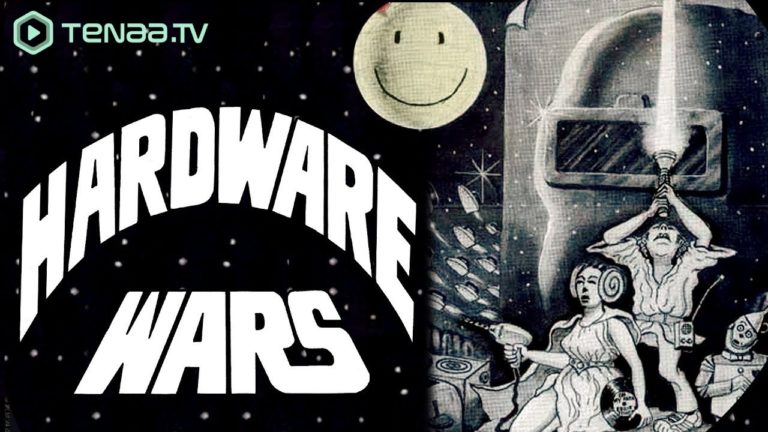
Experience the original Star Wars parody from 1978 called Hardware Wars, featuring Fluke Starbucker, Arty Deco, and Ham Salad in this hilariously ahead-of-its-time spectacle. Now available in High Definition for the first time, this classic spoof is a must-see for fans of both Star Wars and vintage comedy.
Exploring the Origins of Electronic Music with the BBC Radiophonic Workshop In 1969
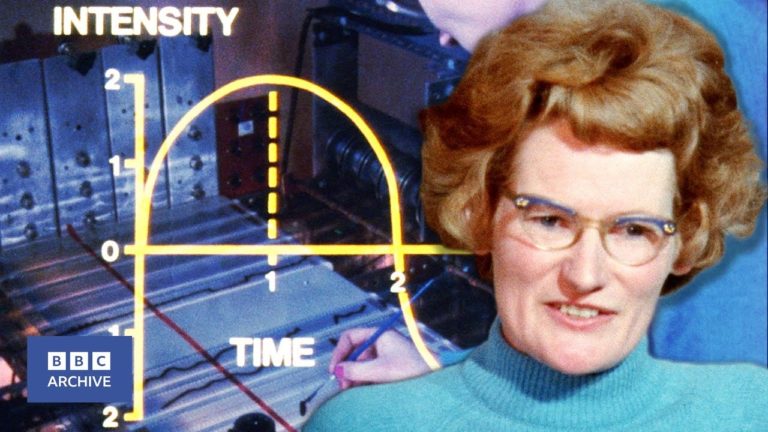
In this 1969 video, Desmond Briscoe, along with Daphne Oram, David Cain, and John Baker, delves into the basics of electronic music and the art of synthesizing sound. Originally broadcast as part of Workshop: The Same Trade As Mozart, the clip offers a fascinating look at the pioneers behind the BBC Radiophonic Workshop and their innovative approach to music production.
1949 Radio Drama Brings George Orwell’s Nineteen Eighty-Four to Life with David Niven and James Hilton
In 1949, a radio drama adaptation of George Orwell’s Nineteen Eighty-Four aired on NBC’s University Theater, starring David Niven and featuring commentary by James Hilton. The broadcast, opening with a warning about its disturbing content, resonated deeply in a world still reeling from WWII and the threat of Soviet Communism. Orwell’s chilling tale of government surveillance and totalitarianism was as haunting then as it remains today.
Browse Through 70 Years Of Radio Shack Catalogs
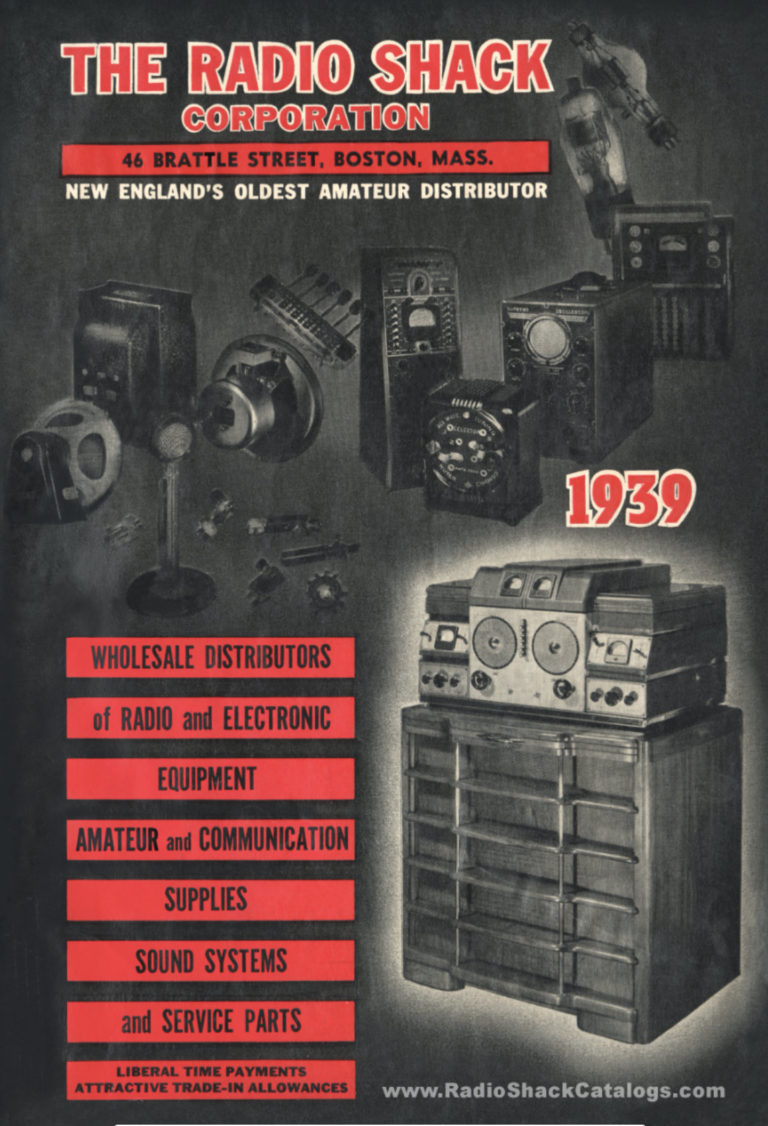
RadioShackCatalogs.com is a digital time capsule, preserving over 70 years of RadioShack’s rich history through its iconic catalogs, spanning from 1939 to 2011. Offering a page-flipping journey through decades of innovation, the site showcases everything from hi-fi stereos to early computers, highlighting the brands and gadgets that helped shape the tech world. It’s a nostalgic, immersive look at how one retailer influenced generations of tech enthusiasts.
James Earl Jones Reads Kurt Vonnegut’s Inspirational Letter to Students
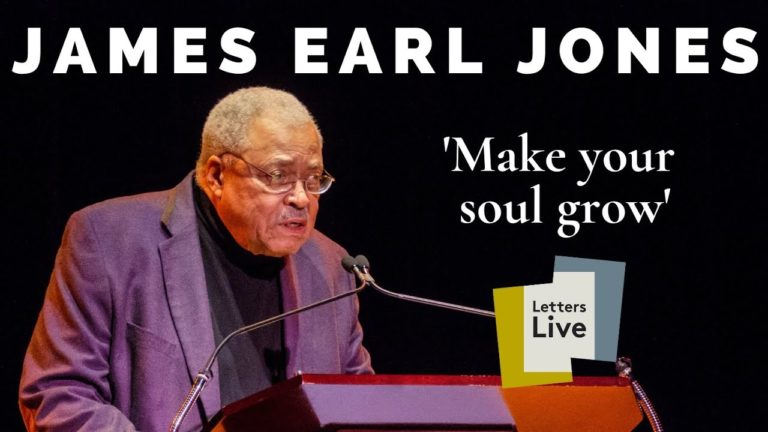
In 2006, a group of Xavier High School students wrote to their favorite authors for a persuasive writing assignment. Kurt Vonnegut, the only author to respond, never visited, but instead sent an unforgettable letter. In 2018, James Earl Jones brought Vonnegut’s inspirational words to life at Letters Live in New York, delivering them with his signature gravitas.
‘Sound Effects No. 13 – Death & Horror’: The LP That Shook the BBC and Haunted the Charts
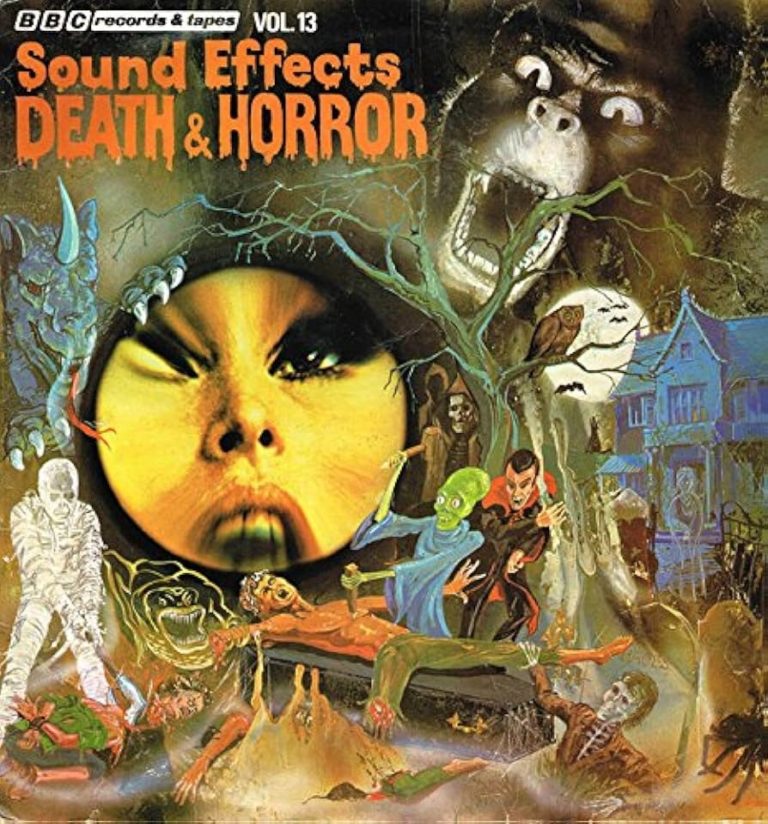
In the late ’70s, the world was introduced to an album that would forever alter the landscape of sound effects records. Sound Effects No. 13 – Death & Horror, produced by Mike Harding of the BBC Radiophonic Workshop, wasn’t just an eerie collection of spine-chilling sounds—it was a phenomenon. Released in 1977 by BBC Records & Tapes, it was the thirteenth installment in the label’s Sound Effects series and an album that would both terrify and delight listeners, as well as ignite a fierce moral debate. Drawing upon the deep well of the BBC’s renowned Effects Library, the record delivered an unsettling range of sound effects tied to death and horror, with over 80 noises meticulously crafted for amateur filmmakers and theater productions. But it wasn’t just the sounds that made Death & Horror so unforgettable—it was the controversy that followed its release.
The creation of Death & Horror was a labor of both artistry and madness. In the hands of Mike Harding and Ian Richardson, the album’s sounds were crafted with a sense of dark humor and experimental zeal. The duo used everything from large white cabbages (which were “mistreated” in horrific ways) to metal bars sliding down coat racks to create their disturbing effects. These unconventional techniques produced an authentically grim experience, from the sound of a neck snapping to the chilling thud of a head being chopped off. As Harding noted, “The results were highly realistic and we even had some coleslaw left for dinner.” This creativity would mark the record as one of the most unique and memorable in the history of BBC Records.
The record was divided into six sections—Execution and Torture, Monsters and Animals, Creaking Doors and Grave Digging, Musical Effects and Footsteps, Vocal Effects and Heartbeats, and Weather, Atmosphere and Bells—each designed to evoke a specific facet of horror. It was as if the album was an eerie soundtrack for the darkest parts of the human imagination.
Upon its release, the Death & Horror album quickly stirred the pot. The unflinching nature of the sounds within, combined with the themes of torture, execution, and death, drew sharp criticism from moral watchdogs like Mary Whitehouse, who accused the BBC of an “utter lack of responsibility” for releasing such material. Whitehouse’s condemnation only fueled the album’s notoriety, causing it to be briefly pulled from sale. But the damage (or rather, the marketing genius) was done—sales soared, with the album quickly flying off the shelves. In fact, Death & Horror went on to become the first sound effects album to chart in the UK Albums Top 100, and its popularity only continued to rise, spurred by its forbidden nature. It would eventually sell around 100,000 copies a week, making it a surprising success in the realm of niche records.
As Roy Tempest, the managing director of BBC Records, quipped, the controversy worked in their favor, saying, “We had many requests for eerie and horrific effects for stage thrillers.” Despite accusations of wasting public money, Death & Horror proved that there was a market for truly unsettling sound experiences, and the album quickly became a cult favorite.
The legacy of Death & Horror didn’t end with its original release. In the years following, two sequels—More Death and Horror (1978) and Even More Death and Horror (1981)—further cemented the album’s place in sound effects history. The original LP itself was re-released in 2016 by Demon Records, this time as a limited-edition “blood-splattered” vinyl, drawing in a new generation of collectors and horror aficionados.
Today, Death & Horror remains one of the most memorable and influential releases in the BBC Records catalog. Its visceral sounds, which manage to sound both realistic and grotesque, have become iconic in the world of sound design. Critics have even drawn comparisons between the record and modern horror films like Berberian Sound Studio, with its themes of foley artistry and the unsettling power of sound. Death & Horror is a reminder of the power of sound to evoke visceral reactions and the role that atmosphere plays in creating a truly terrifying experience.
Whether you’re a fan of horror, a sound designer looking for inspiration, or just curious about one of the strangest and most unique albums in history, Sound Effects No. 13 – Death & Horror stands as a testament to the eerie artistry that can be achieved through sound.
10 of the Most Valuable Music Memorabilia

Music history is filled with iconic moments, groundbreaking albums, and legendary performances. For fans, owning a piece of that history can be a dream come true, and for collectors, some pieces of music memorabilia are worth astronomical amounts. Whether it’s a rare instrument, a signed album, or an iconic outfit worn by a superstar, certain items have become priceless treasures in the world of music. In this blog post, we’ll take a look at 10 of the most valuable music memorabilia ever sold, along with their jaw-dropping prices.
1. John Lennon’s “Bed-In” Piano – $2.1 Million
In 2019, John Lennon’s upright piano, which was used during the famous “Bed-In for Peace” with Yoko Ono in 1969, was sold for a record-breaking $2.1 million. The piano became an iconic symbol of the couple’s peaceful protest, and its sale highlighted the immense value of Lennon’s personal artifacts. The piano, which was used to write several famous songs, is now considered a historical treasure.
2. Elvis Presley’s 1969 Stutz Blackhawk – $1.5 Million
Elvis Presley’s 1969 Stutz Blackhawk is one of the King of Rock’s most iconic cars. The vehicle, which Elvis drove during the height of his fame, was auctioned off for $1.5 million in 2017. The car, complete with personalized features and a rich history, remains one of the most expensive pieces of Elvis memorabilia.
3. Jimi Hendrix’s 1968 Fender Stratocaster – $2 Million
Jimi Hendrix’s legendary 1968 Fender Stratocaster guitar, which he used at Woodstock in 1969, sold for an astounding $2 million in 1998. The guitar is widely considered one of the most important in rock history, and it continues to be a symbol of Hendrix’s groundbreaking contribution to music. This iconic instrument remains one of the highest-priced pieces of music memorabilia ever sold.
4. Michael Jackson’s “Bad” Jacket – $400,000
Michael Jackson’s iconic red leather jacket, worn during his “Bad” tour in the late 1980s, fetched $400,000 at an auction in 2011. The jacket, adorned with zippers and studs, was one of the most recognizable pieces of Jackson’s wardrobe. Its sale reflects the lasting impact of Jackson’s music and image, as well as the enduring appeal of his stage costumes.
5. The Beatles’ “Butcher” Album Cover – $125,000
The Beatles’ “Butcher” album cover, famously pulled from circulation due to its controversial design, is one of the most sought-after and valuable pieces of Beatles memorabilia. An original, unpeeled copy of the album can sell for over $125,000 at auction. The cover, which depicted the band dressed in butcher smocks with doll parts and raw meat, remains one of the most iconic and rare images in music history.
6. Kurt Cobain’s “Unplugged” Sweater – $334,000
The sweater Kurt Cobain wore during Nirvana’s legendary MTV Unplugged performance in 1993 was sold at auction for a staggering $334,000 in 2019. Cobain’s unplugged performance, often considered one of the greatest in the show’s history, made the sweater an invaluable piece of rock history. Its high auction price reflects Cobain’s lasting influence and the massive popularity of Nirvana.
7. Madonna’s 1984 “Like a Virgin” Dress – $81,250
The wedding dress Madonna wore in the music video for her hit song “Like a Virgin” became a piece of pop culture history. In 2017, the dress was auctioned for $81,250. The dress represents a defining moment in Madonna’s career, helping solidify her status as a pop icon in the 1980s.
8. Bob Dylan’s “Like a Rolling Stone” Handwritten Lyrics – $2 Million
In 2014, a set of handwritten lyrics for Bob Dylan’s groundbreaking song “Like a Rolling Stone” sold for $2 million at auction. The lyrics, which are considered one of the most influential songs in rock history, were written by Dylan in 1965. The sale marked a new milestone in the world of music memorabilia, as it became one of the most expensive pieces ever sold.
9. Bruce Springsteen’s “Born to Run” Guitar – $1.5 Million
Bruce Springsteen’s 1957 Fender Esquire guitar, famously used to record the iconic album Born to Run, sold for $1.5 million in 2017. The guitar is symbolic of the album’s cultural impact, and its sale to a private collector further solidified its place in music history. The guitar was a defining instrument of Springsteen’s sound and career.
10. The Rolling Stones’ “Sticky Fingers” Zipper Jeans – $10,000
The infamous zipper jeans worn by the Rolling Stones on the cover of their album Sticky Fingers were sold for a staggering $10,000 at auction in 2013. The jeans were designed by artist Andy Warhol and became an iconic symbol of rock ‘n’ roll fashion. Although not as expensive as some of the other items on this list, the jeans are still considered a valuable piece of rock history.
Music memorabilia offers a fascinating glimpse into the history of music and the artists who shaped it. From guitars and cars to jackets and lyrics, the items on this list reflect the lasting impact these artists have had on pop culture. While many fans can only dream of owning such valuable pieces, their prices reflect the profound connection between music, history, and the people who love it. Whether you’re a collector or simply a fan of music, these iconic items serve as reminders of the incredible legacy left by some of the world’s most influential musicians.
10 Popular Rock Songs That Mention Real People
Rock music is known for its emotional intensity, raw energy, and rebellious spirit. Often, the lyrics tell powerful stories, sometimes even referencing real-life figures who have inspired or impacted the artists. These songs have immortalized names from history, pop culture, and personal experiences, making them a unique window into the world of rock music and its connection to the people who shape it. From politicians to musicians, and from actors to everyday individuals, these 10 popular rock songs mention real people and tell their stories in unforgettable ways.
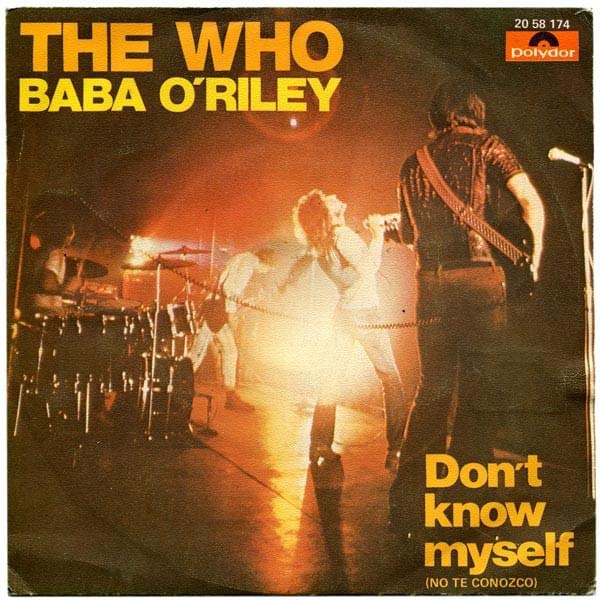
1. “Baba O’Riley” by The Who
The iconic opening synthesizer riff of “Baba O’Riley” is instantly recognizable, but many don’t know the song references two real people: Meher Baba, an Indian spiritual master, and Terry Riley, an American composer. The song was influenced by Pete Townshend’s exploration of both figures, blending spirituality and the freedom of youth in a timeless anthem.
2. “Candle in the Wind” by Elton John
Originally written about Marilyn Monroe in 1973, “Candle in the Wind” became even more famous when Elton John rewrote it in 1997 to mourn the death of Princess Diana. The emotional tribute to both women became one of the best-selling singles of all time, with its lyrics poignantly addressing the fleeting nature of fame and life.
3. “American Woman” by The Guess Who
This classic rock anthem is often interpreted as a critique of American culture during the late 1960s, but it was inspired by real interactions with women. The Guess Who recorded the song while on tour in the U.S., and it expresses the band’s frustration with the American way of life, offering a rebellious message about independence and identity.
4. “Mrs. Robinson” by Simon & Garfunkel
“Mrs. Robinson” became one of the defining songs of the 1960s and was famously featured in the film The Graduate. While the song doesn’t directly reference a specific real person, the name “Mrs. Robinson” was reportedly inspired by a real person who was part of the filmmakers’ circle. It became a cultural touchstone, symbolizing the post-war generation’s complex relationships with conformity, rebellion, and desire.
5. “Johnny B. Goode” by Chuck Berry
One of the most famous rock songs ever written, Chuck Berry’s “Johnny B. Goode” is a fictional tale about a young, talented musician named Johnny who dreams of making it big. While Johnny is not a real person, the song’s connection to Chuck Berry’s own experiences growing up and his rise to fame is deeply personal. It also helped cement Chuck Berry’s place as one of the architects of rock ‘n’ roll.
6. “Sweet Caroline” by Neil Diamond
“Sweet Caroline” was inspired by Caroline Kennedy, the daughter of President John F. Kennedy. Neil Diamond wrote the song after seeing a picture of Caroline riding her pony, and it quickly became a classic, played at sporting events, parties, and weddings. The song’s catchy refrain and heartfelt lyrics have made it a timeless favorite.
7. “Viva La Vida” by Coldplay
While “Viva La Vida” is not about one specific person, its lyrics reference historical figures, most notably Napoleon Bonaparte. The song narrates the perspective of a fallen ruler reflecting on their rise and fall from power. Coldplay drew inspiration from history and the concept of fame and power, using the character of a monarch to reflect on the idea of loss and redemption.
8. “Benny and the Jets” by Elton John
“Benny and the Jets” tells the story of a fictional band led by a character named Benny. While not a real person, the song was inspired by the world of music industry excess and glam, and it parodies the rock scene. The song’s success was fueled by its satire of the artificial nature of fame and the commercialization of rock music.
9. “Janie’s Got a Gun” by Aerosmith
Aerosmith’s “Janie’s Got a Gun” is a narrative song inspired by real events involving abuse and survival. The lyrics tell the story of a girl named Janie who takes matters into her own hands after suffering abuse. While Janie is a fictional character, the song was inspired by the real-life struggles many people face in abusive relationships and became an anthem for empowerment.
10. “The Ballad of John and Yoko” by The Beatles
This song by The Beatles is an autobiographical account of John Lennon and Yoko Ono’s life and their relationship. It touches on key moments in their lives, from their wedding to their peace protests, and gives insight into their personal experiences. John and Yoko are real people whose love story was famously documented through their music.
Rock music has a rich tradition of storytelling, and many of the most famous songs are inspired by real people—whether they’re public figures, personal friends, or even fictionalized characters. These songs have gone beyond just being melodies; they’ve become anthems of social commentary, tributes, and expressions of personal experiences. As we listen to these iconic tracks, we are reminded of the deep connection between music and the real lives that shape it.