Home Blog Page 999

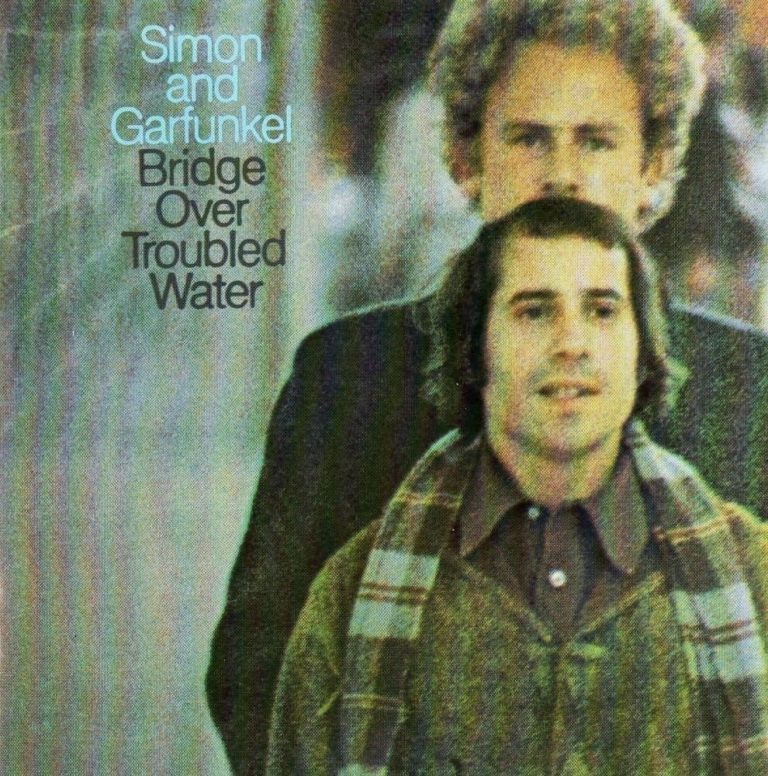
5 Surprising Facts About Simon & Garfunkel’s ‘Bridge Over Troubled Water’

When Simon & Garfunkel released Bridge Over Troubled Water on January 26, 1970, they delivered a cultural touchstone. From its gospel-inspired title track to the Peruvian sounds of “El Cóndor Pasa,” the record cemented their place in music history. Yet, beneath its polished surface lies a treasure trove of untold stories and fascinating details. Here are five little-known facts about this iconic album that will deepen your appreciation for its brilliance.

1. The Song That Almost Wasn’t
“Bridge Over Troubled Water” was initially written with just two verses. Art Garfunkel, sensing its potential, pushed for a third. Session musician Larry Knechtel’s gospel-infused piano work helped inspire Paul Simon to complete the final lyrics. What began as a simple tune evolved into one of the most powerful ballads of all time.

2. The Forgotten Peruvian Lawsuit
“El Cóndor Pasa (If I Could)” was based on a melody Simon thought was in the public domain. However, it was later revealed to have been copyrighted by Peruvian composer Daniel Alomía Robles. A successful lawsuit ensured proper credit—and royalties—were eventually given to Robles’ family.

3. The Echo of Friendship
“The Only Living Boy in New York” is a heartfelt expression of Paul Simon’s loneliness while Garfunkel was filming Catch-22 in Mexico. The song’s layered vocal harmonies, recorded with up to 15 overdubbed voices, capture the longing of a friend left behind.

4. The Saint Who Inspired “Cecilia”
Saint Cecilia, the patron of music, lent her name to one of the album’s most joyful tracks. Created during an experimental session in a rented house, the song features Paul Simon playing xylophone for the first time and incorporates unconventional sounds like falling drumsticks for its irresistible rhythm.

5. Reggae’s First Steps into Mainstream Rock
Paul Simon’s experimentation with reggae on “Why Don’t You Write Me” marked his first foray into the genre, foreshadowing hits like “Mother and Child Reunion” in his solo career. The playful track hinted at the musical diversity that Simon would explore post-Simon & Garfunkel.

Bridge Over Troubled Water was a masterpiece that showcased the genius of Simon & Garfunkel at their peak. With its mix of gospel, folk, and world music, the album transcended genres and generations. Every listen feels like discovering it for the first time, reminding us of the duo’s unmatched legacy.

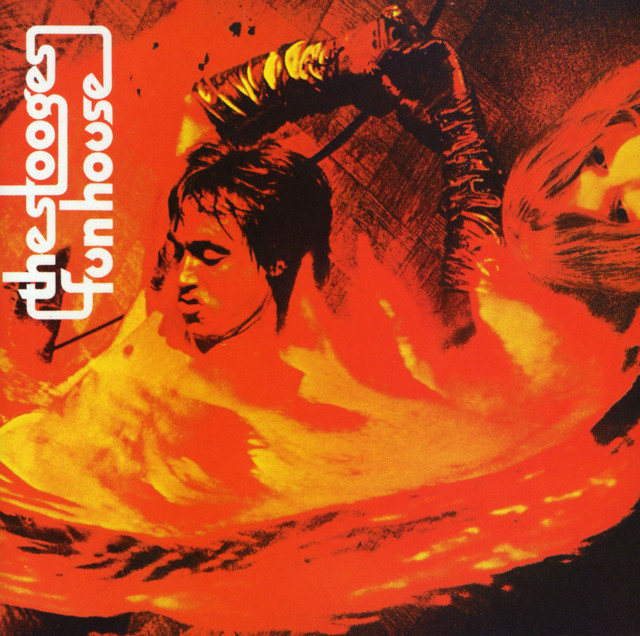
5 Surprising Facts About The Stooges “Fun House”

What happens when you strip away soundproofing, turn up the amplifiers, and let the chaos of Detroit in the 1970s spill into a recording studio? You get Fun House, the raw, primal second album by The Stooges. Released on July 7, 1970, this misunderstood masterpiece was initially deemed too wild for mainstream audiences, but time has revealed it as one of the most influential records in rock history. Often hailed as the blueprint for punk rock, Fun House is more than an album—it’s a visceral experience that feels as alive and untamed as the band that created it.

  1. No Baffles, Just Mayhem: Producer Don Gallucci initially set up the studio traditionally, but the band hated the sterile sound. They tore out soundproofing, set up like a live show, and recorded with raw energy—bass vibrations even rattled the snare drum audibly on some tracks.
  2. Howlin’ Wolf’s Influence: Iggy Pop cited blues legend Howlin’ Wolf as a major inspiration for the album’s gritty sound, calling it his way of channeling the blues through the chaos of The Stooges.
  3. A Misheard Name Led to Radio Birdman: Australian punk band Radio Birdman named themselves after mishearing a lyric from “1970” (“radio burnin’ up above”). Talk about punk serendipity!
  4. A Single Nobody Expected: Elektra Records insisted on a Doors-style organ overdub for “Down on the Street,” which was released as a single. The band wasn’t thrilled, but the track has since become a classic.
  5. Cult to Classic: Initially dismissed, Fun House has grown into a legend, praised by Jack White as “the greatest rock ’n’ roll record ever made” and inspiring everyone from Joey Ramone to Henry Rollins.

Fun House is a statement, a riot, and a force of nature that reminds us what rock ’n’ roll was meant to be. Whether it’s Iggy Pop’s feral vocals, Steve Mackay’s anarchic saxophone, or the sheer unrelenting energy of the band, Fun House captures the sound of abandon like nothing before or since. If you haven’t heard it yet, do yourself a favor—turn it up loud, and let it take you back to the raw, untamed heart of rock. It’s not just music; it’s history.

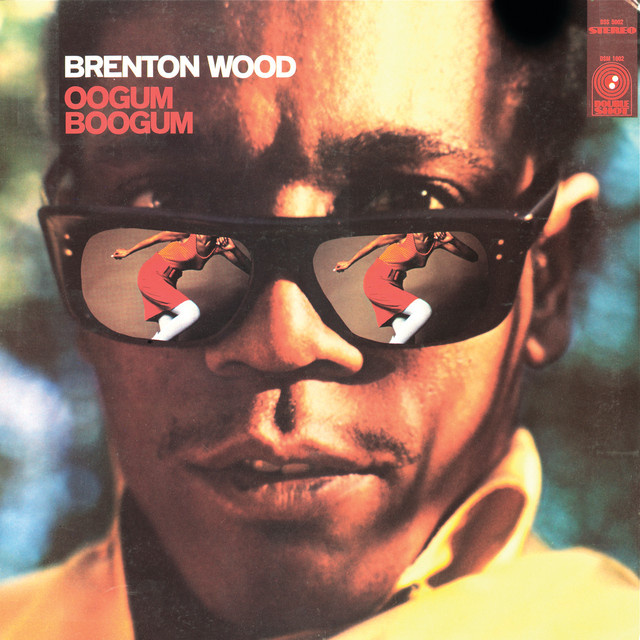
Remembering Brenton Wood, A Soul Pioneer Who Gave Us RnB Hits And A Pioneering Indie Label

0

Did you know Brenton Wood almost walked away from “The Oogum Boogum Song”? He didn’t like it at first, but after six weeks of reworking, it became a soulful anthem that defined an era. Brenton Wood, born Alfred Jesse Smith, was a musical innovator who gave us timeless hits like “Gimme Little Sign” and “Baby You Got It.” He passed away on January 3, 2025, at the age of 83, leaving behind a legacy of smooth grooves and unforgettable melodies. Let’s celebrate the man who made us sway, smile, and fall in love with soul music all over again.

  1. Track Star Before Soul Star: Before music claimed his heart, Brenton was a standout athlete on Compton High School’s track team, earning accolades for his speed and dedication.
  2. The Name Behind the Fame: He chose the stage name Brenton Wood, possibly inspired by the affluent Los Angeles neighborhood of Brentwood—a name that symbolized his ambition and dreams.
  3. Soulful Independence: In 1972, Brenton Wood launched Prophesy Records, becoming an early example of an artist owning his creative journey and entrepreneurial future.
  4. The Reluctant Classic: Brenton didn’t initially love “The Oogum Boogum Song” when it was presented to him, but his persistence turned it into a hit that’s been featured in films like Almost Famous and Don’t Worry Darling.
  5. A Farewell with Heart: In 2024, he embarked on his final tour, Catch You On The Rebound: The Last Tour, named after his 1967 classic. His heartfelt message to fans? “Catch you on the rebound.”

Brenton Wood was a musical magician who cast a spell with every note. From his chart-topping hits to his entrepreneurial spirit, Brenton Wood showed us that soul music isn’t just heard—it’s felt. As we say goodbye to this legend, let’s remember his legacy not with sadness but with the joy his music continues to bring. Rest easy, Brenton. We’ll always hear your little signs.

Photo Gallery 2024 Recap: Some of my favourite photos of 2024

0

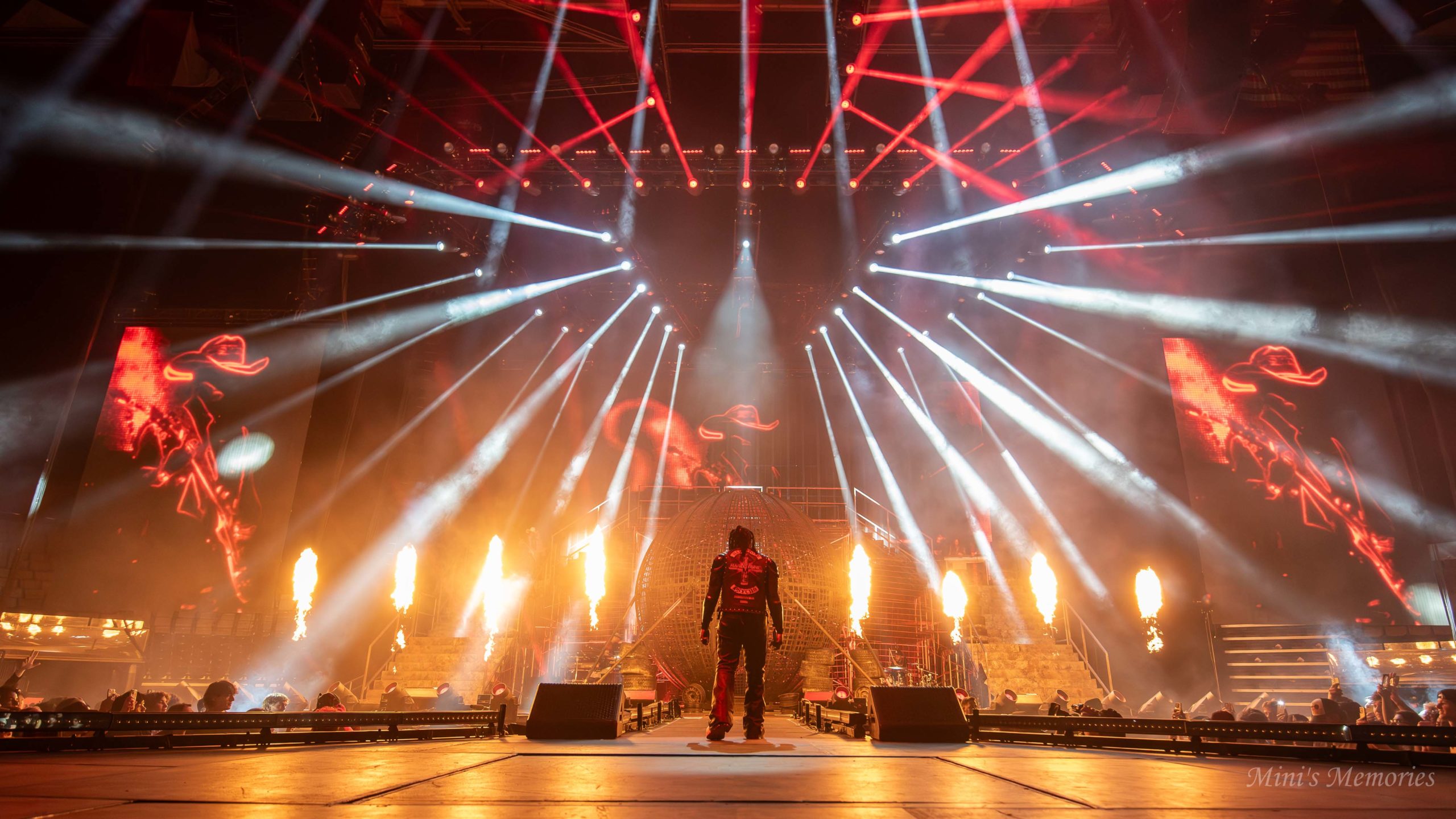
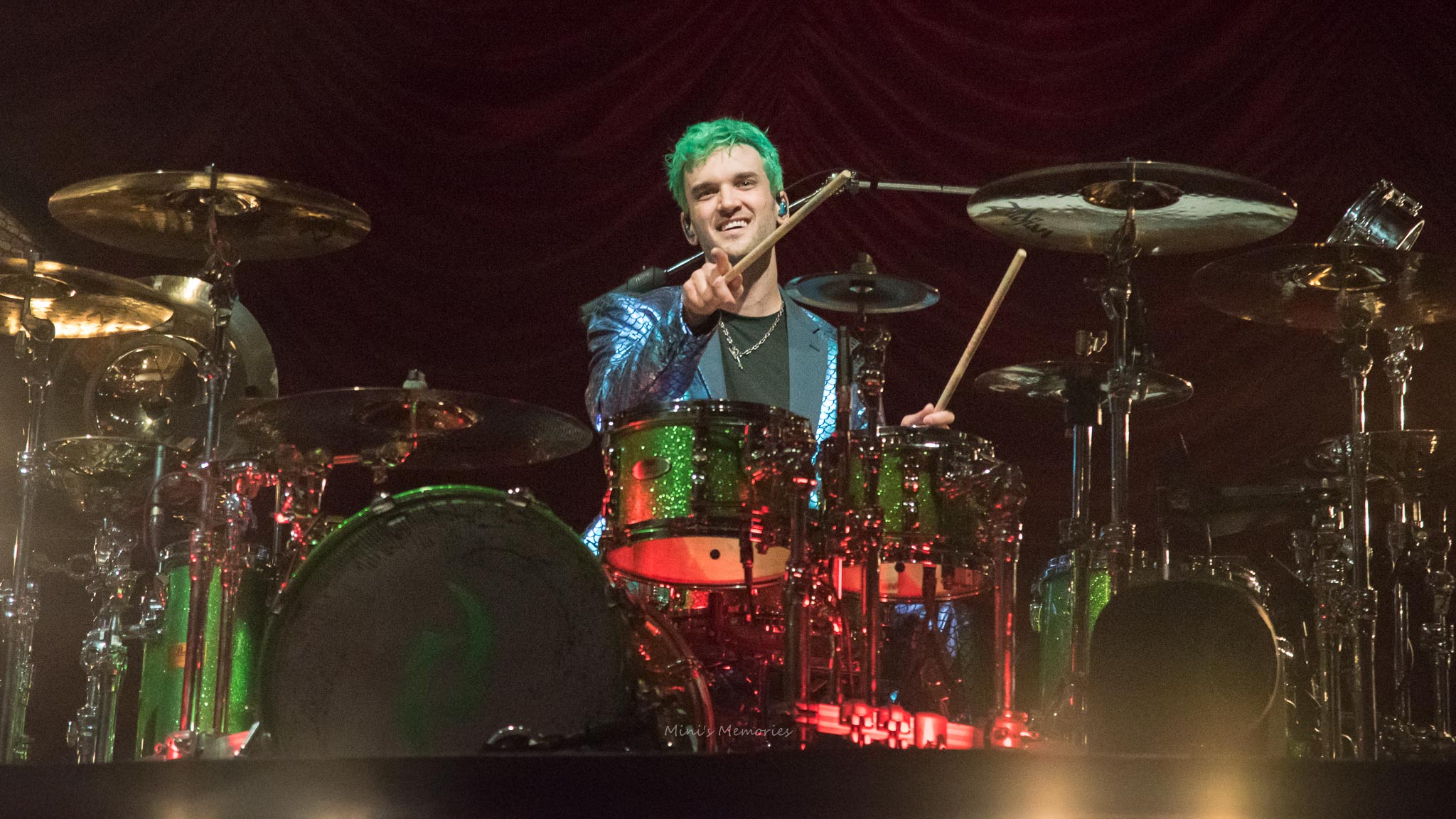
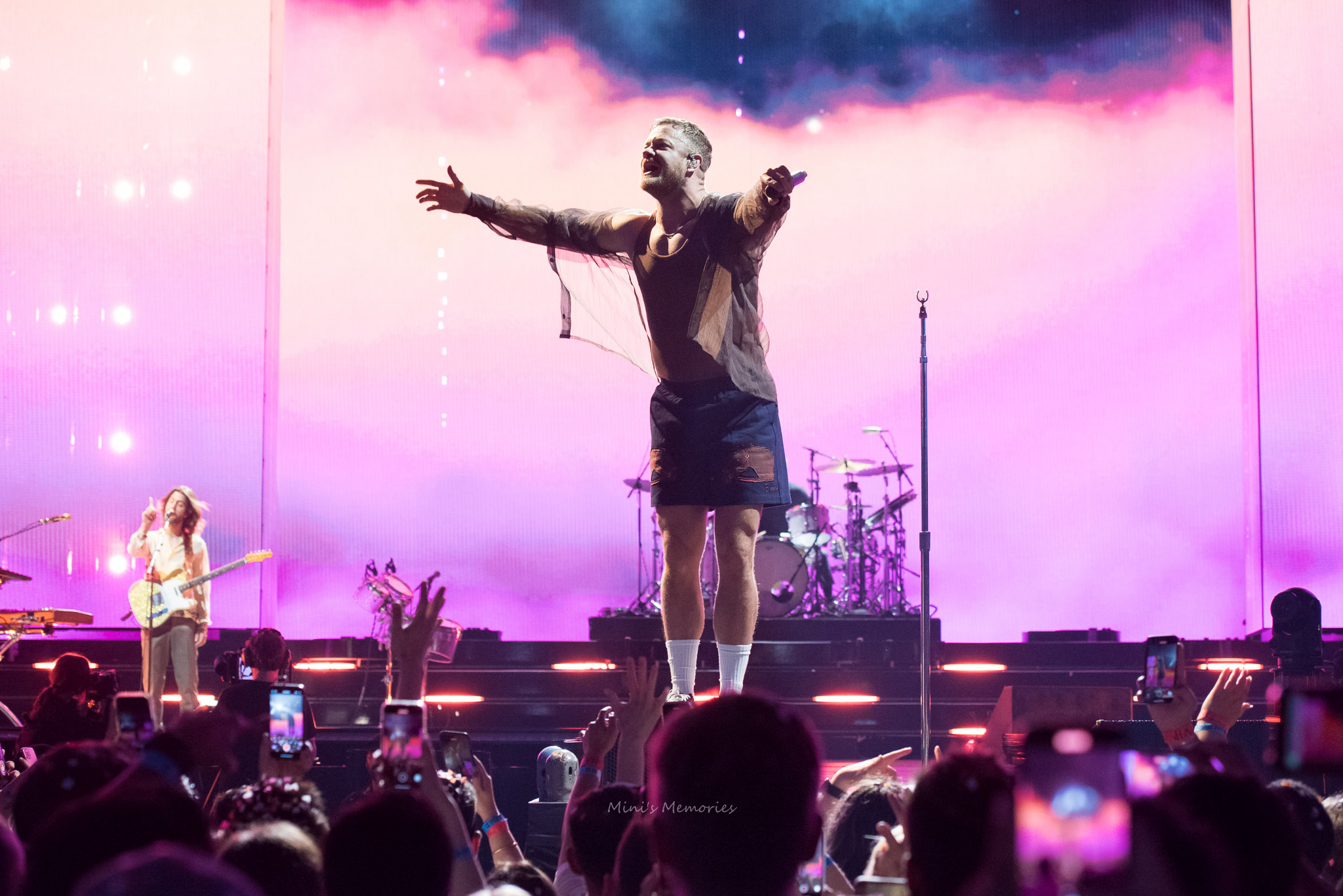
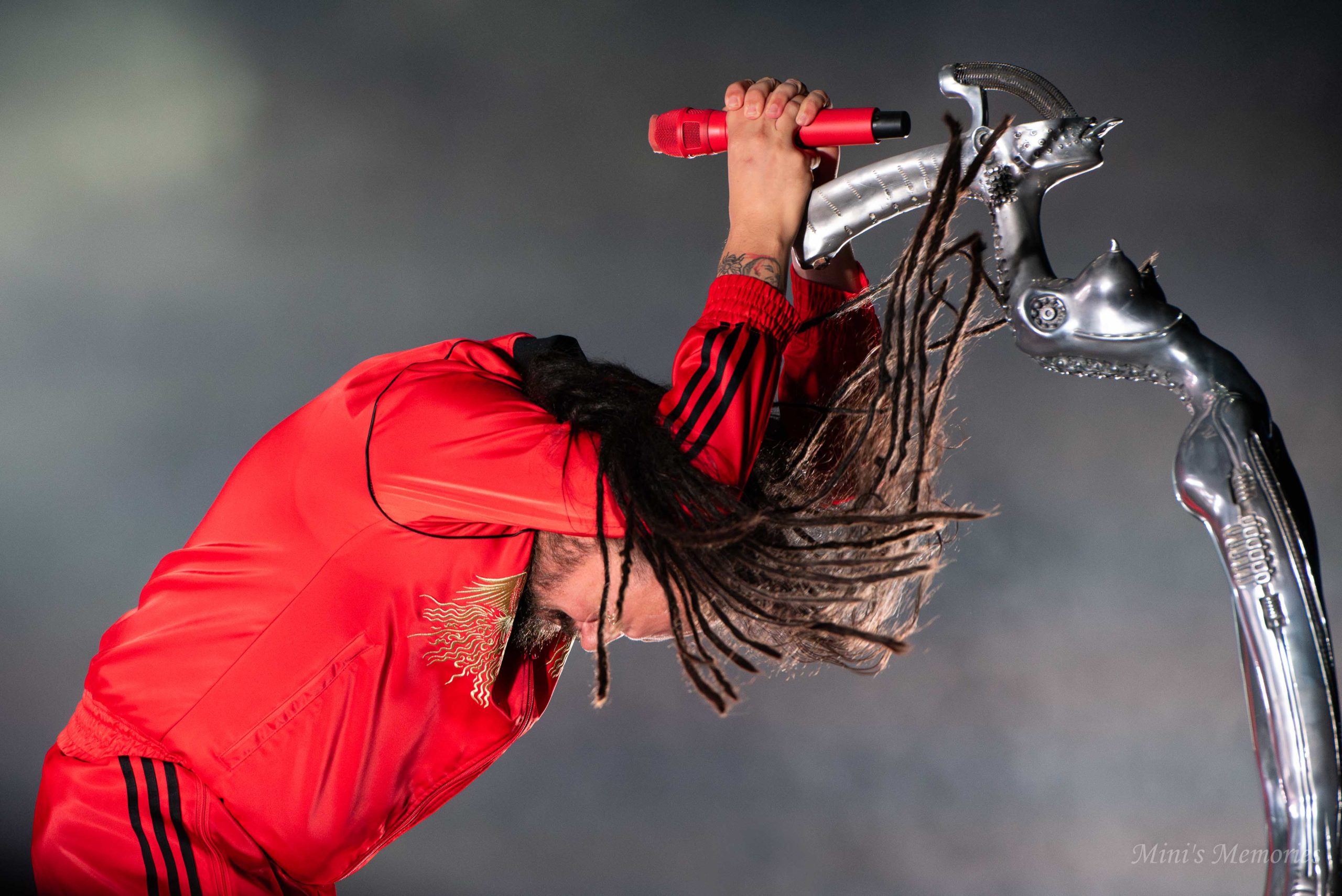
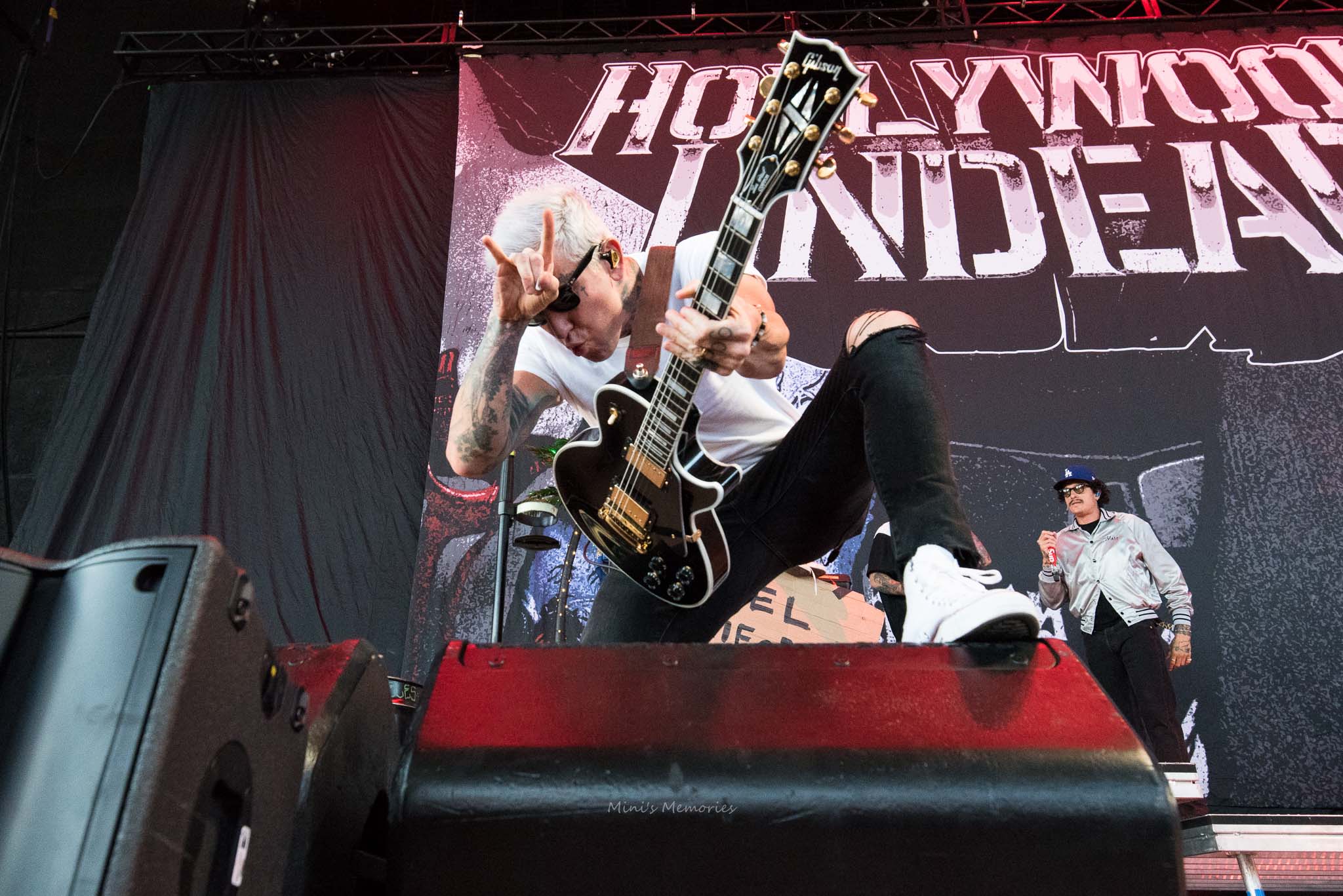
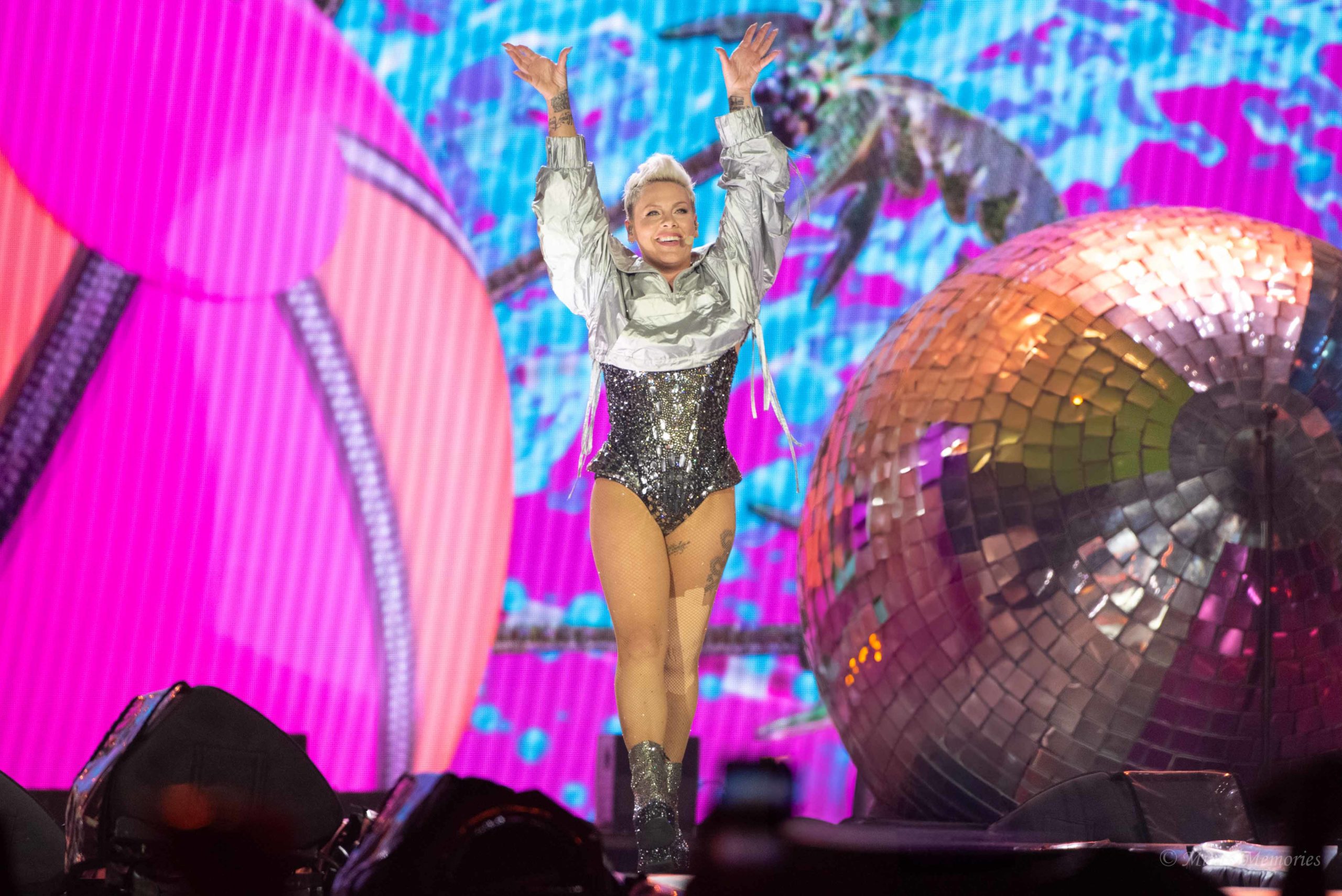
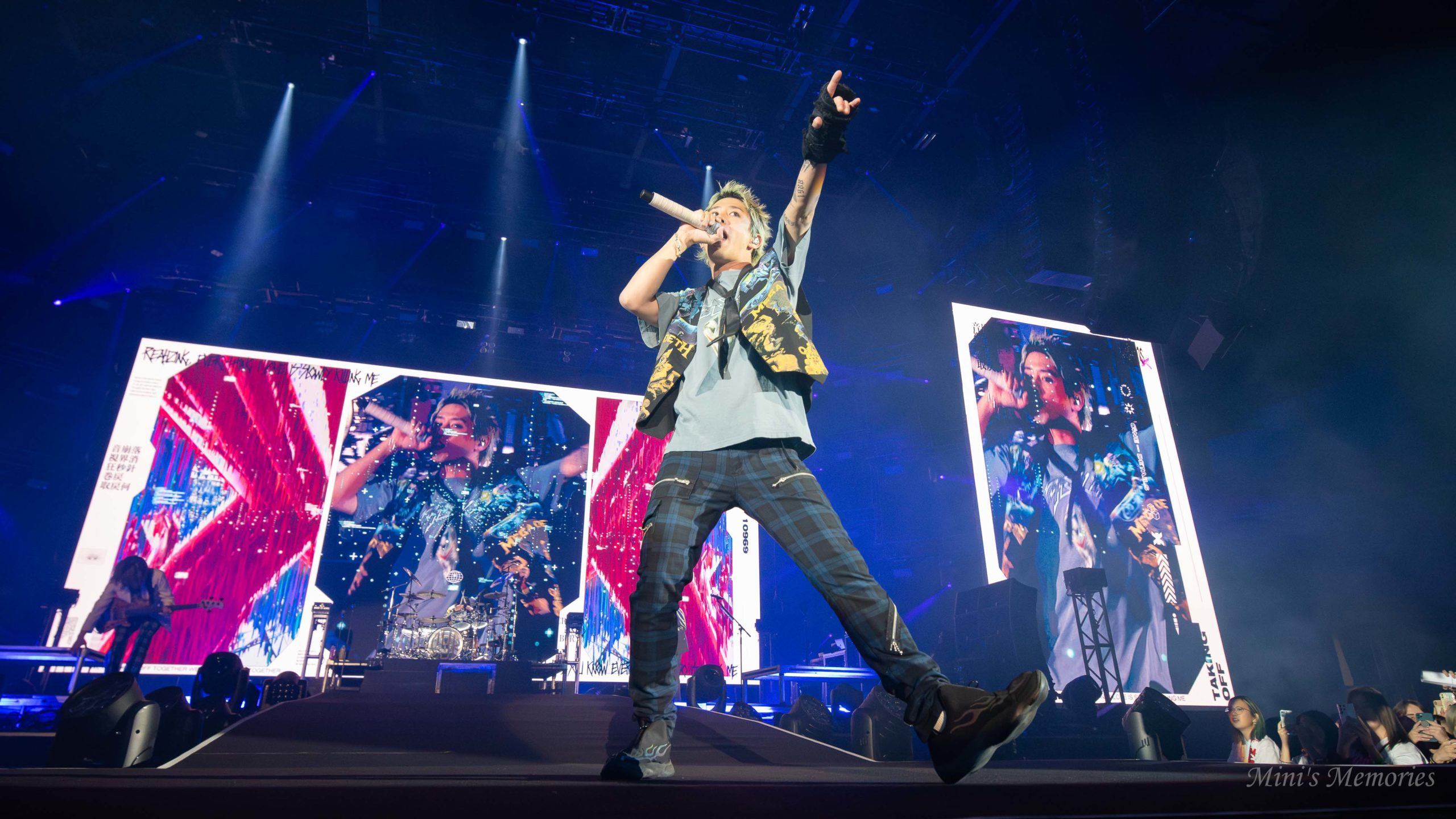
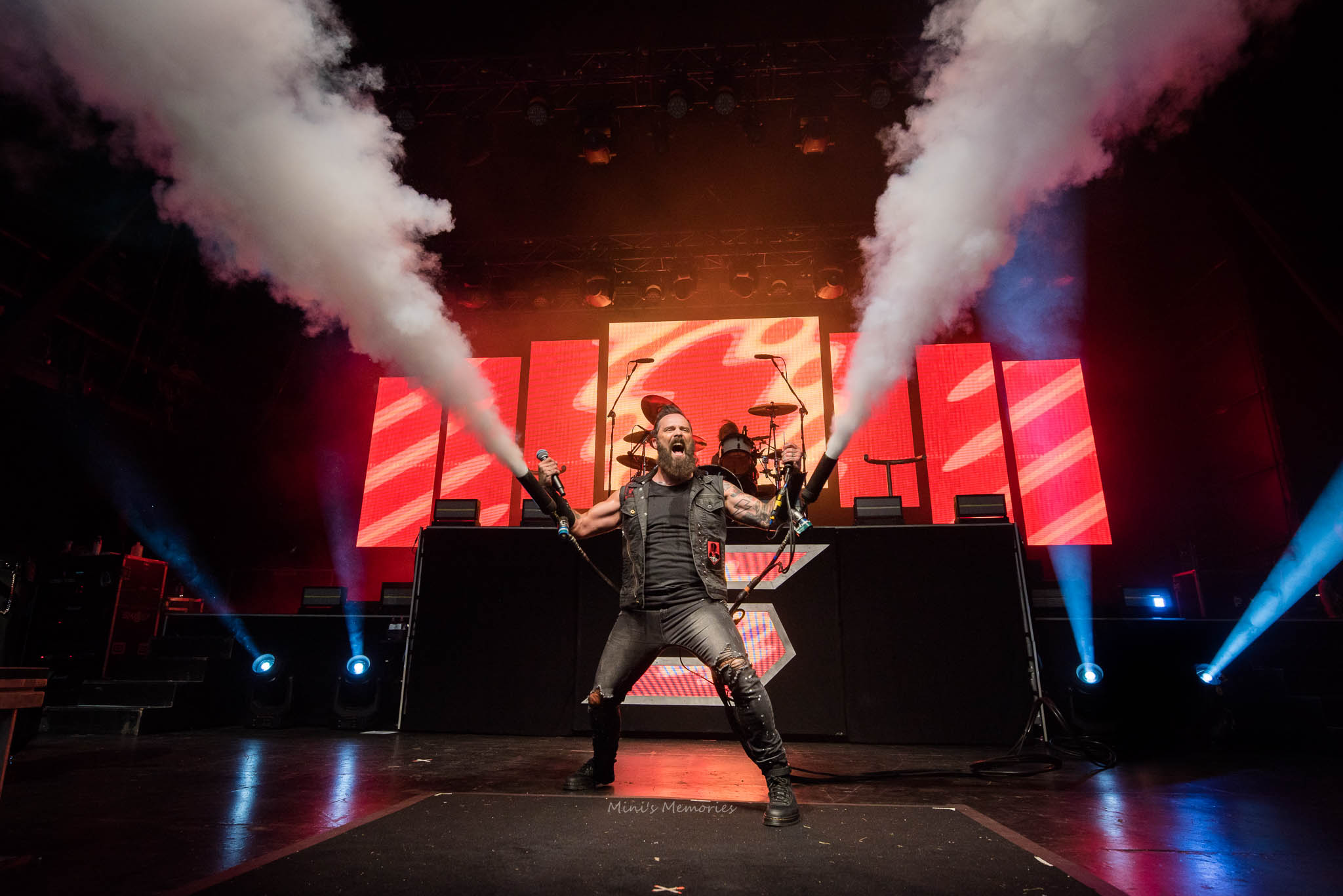
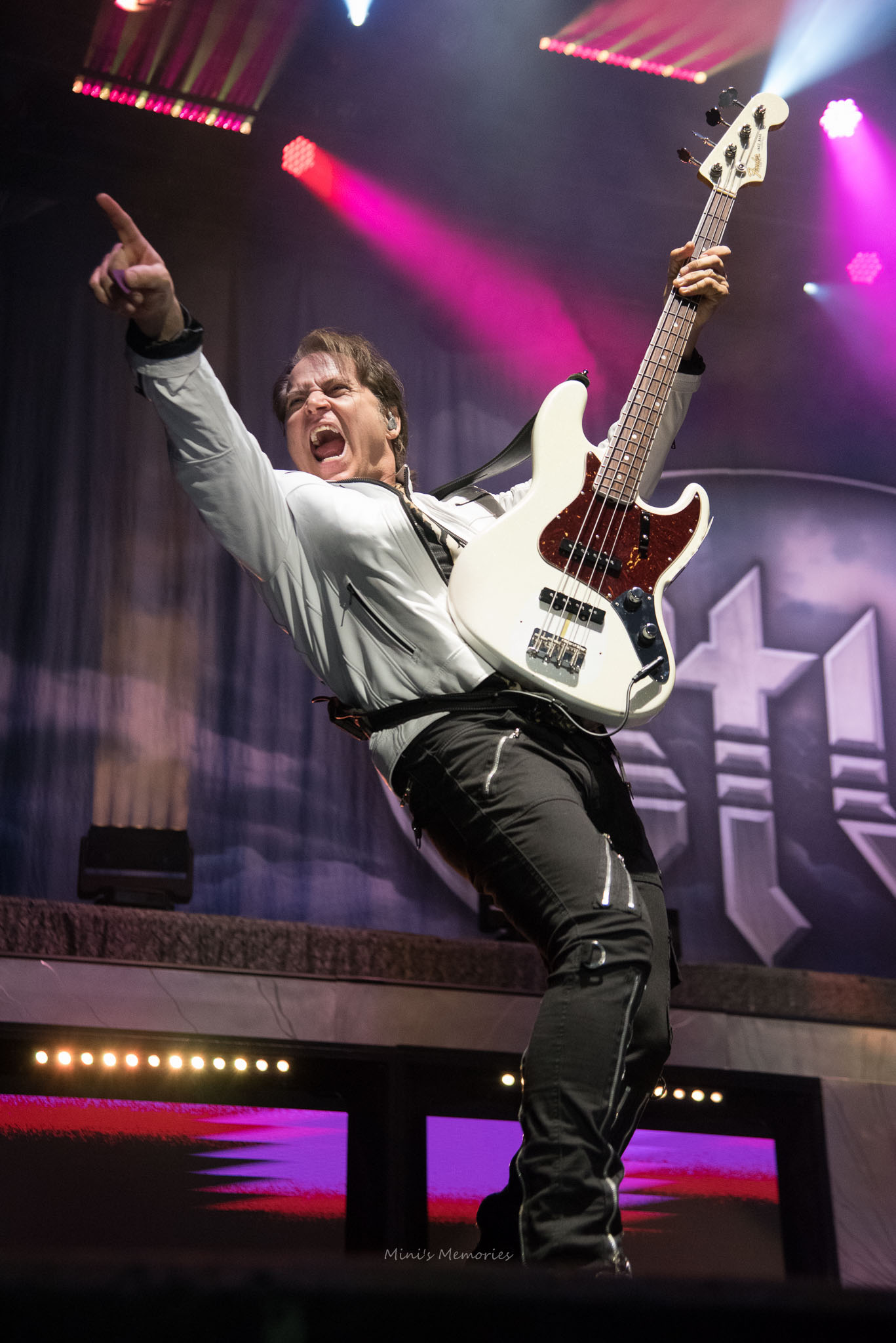
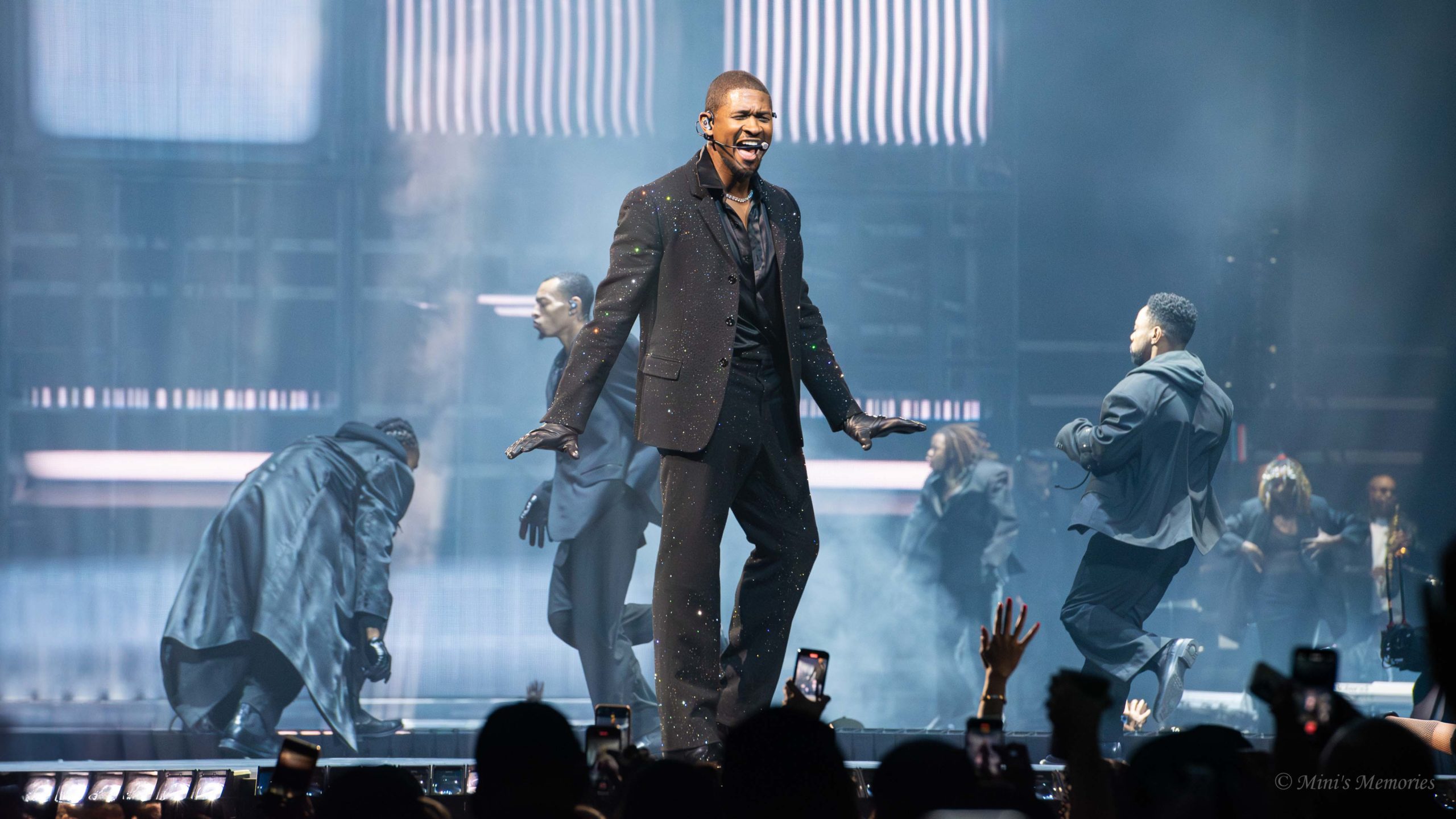
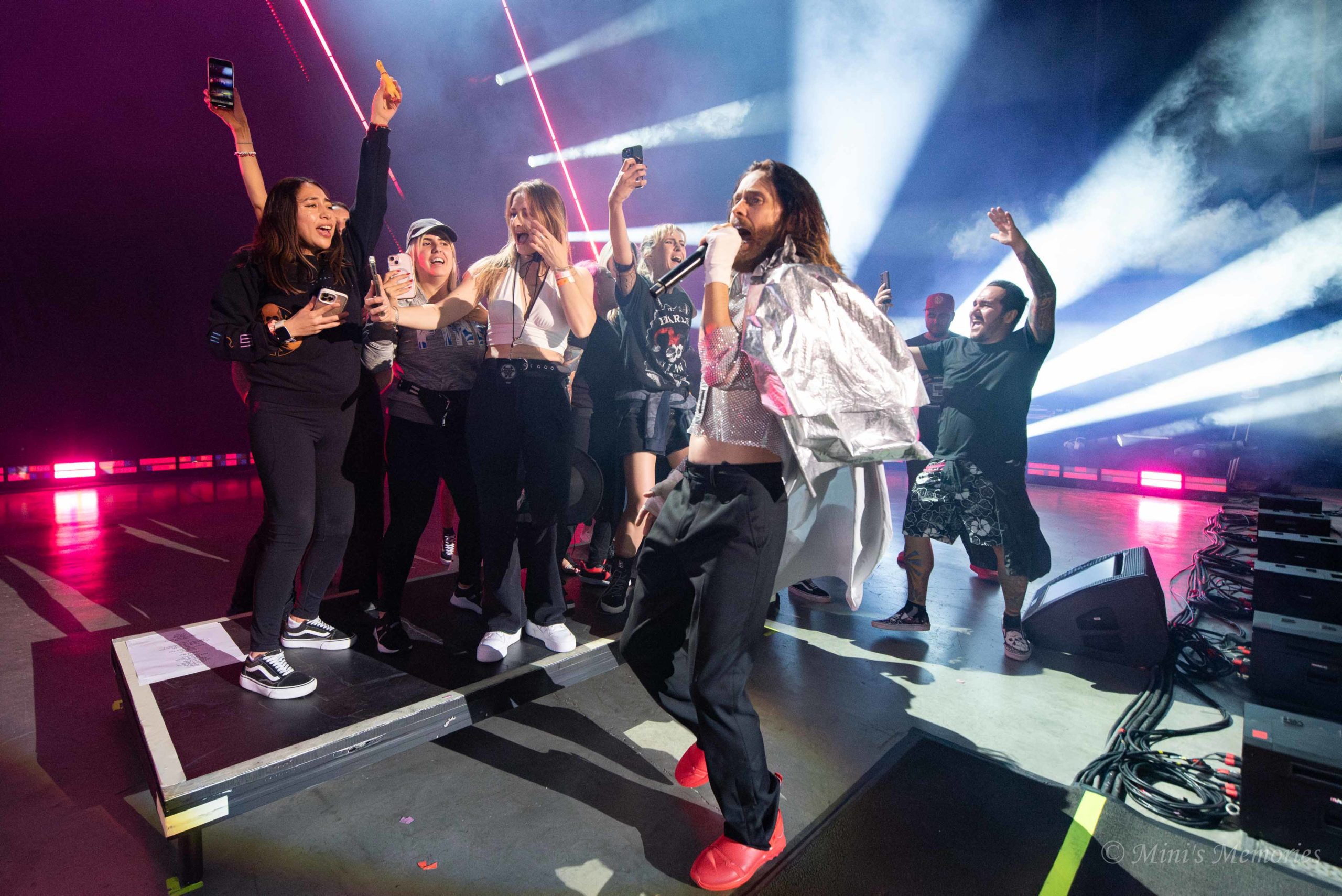
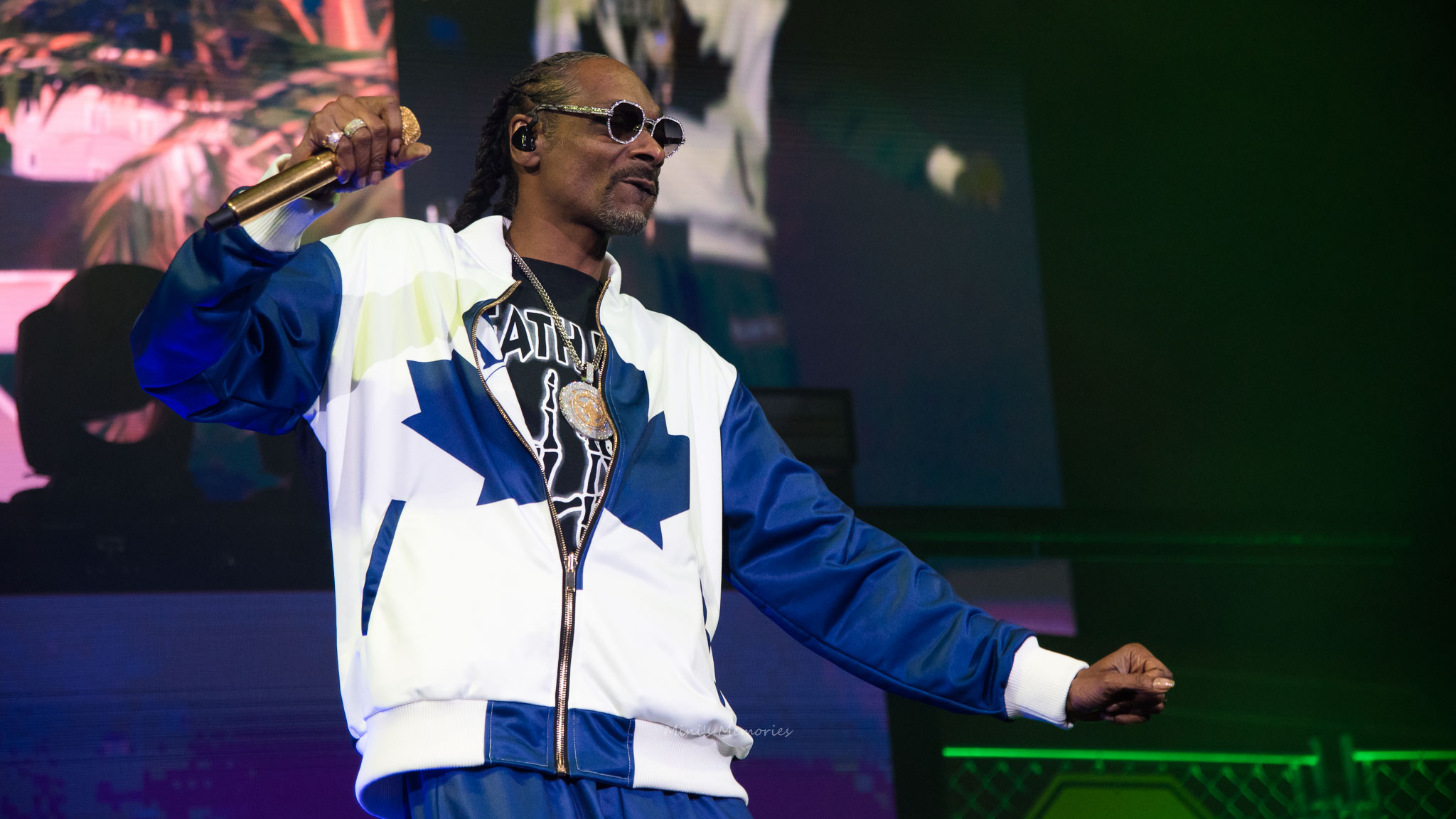
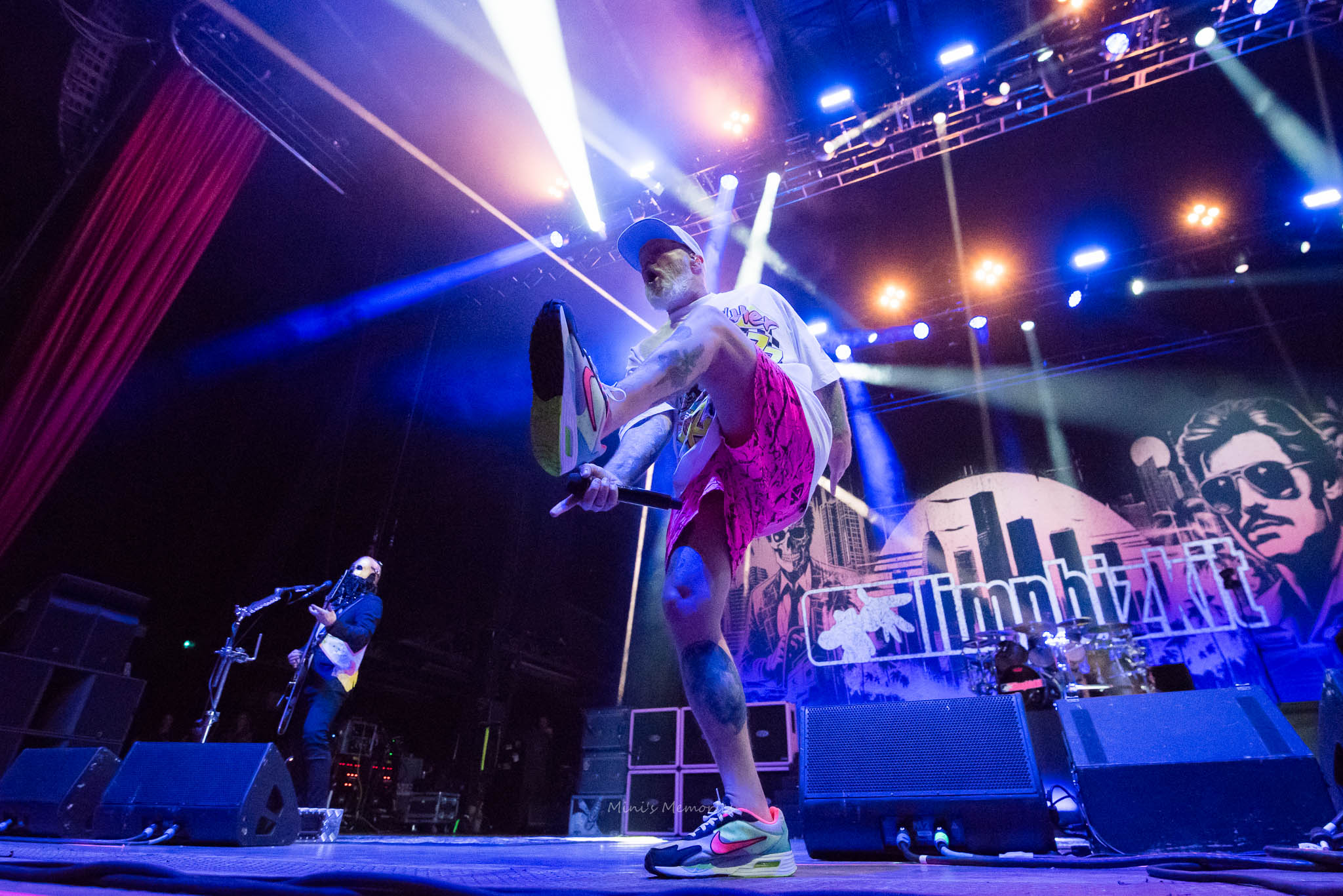
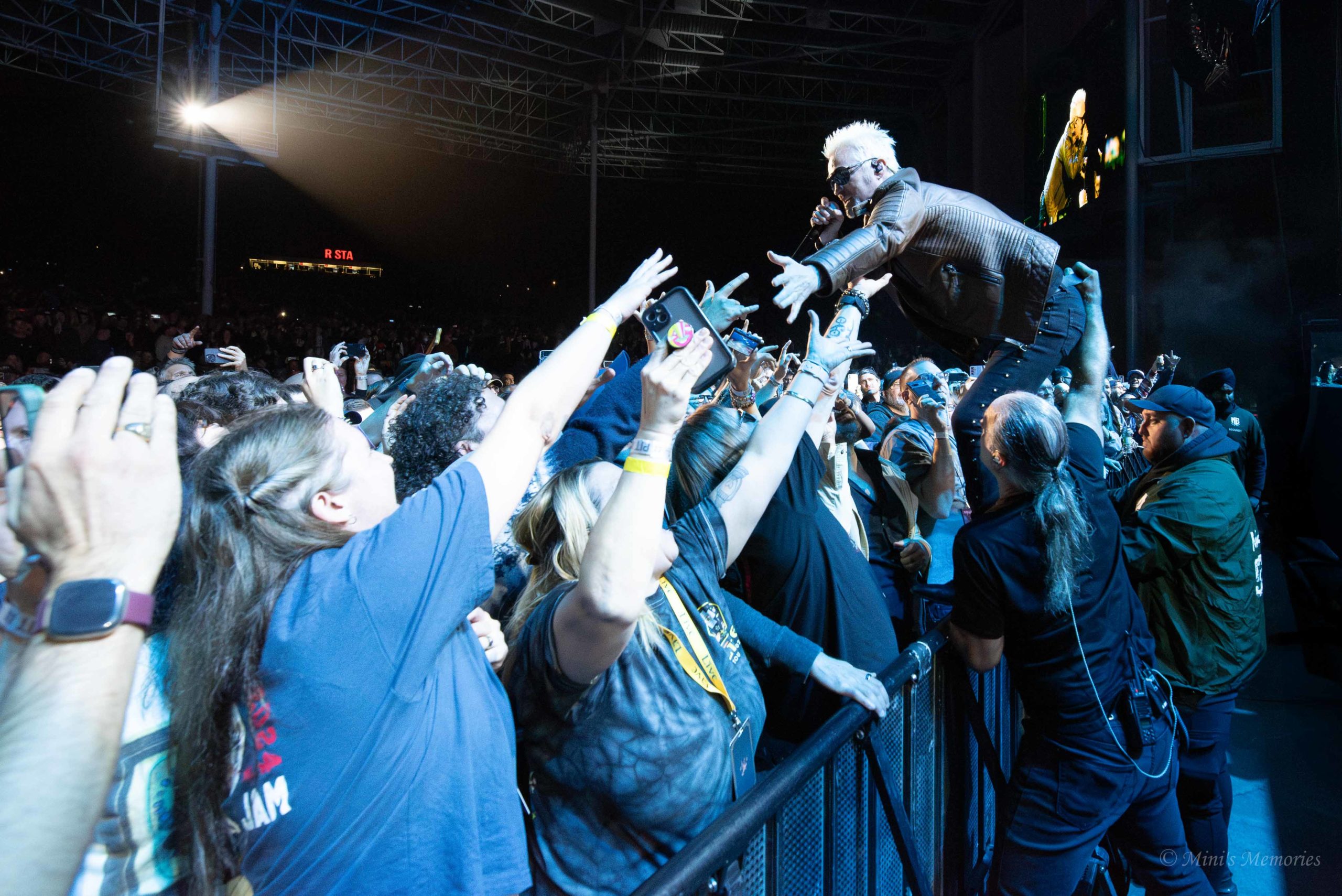
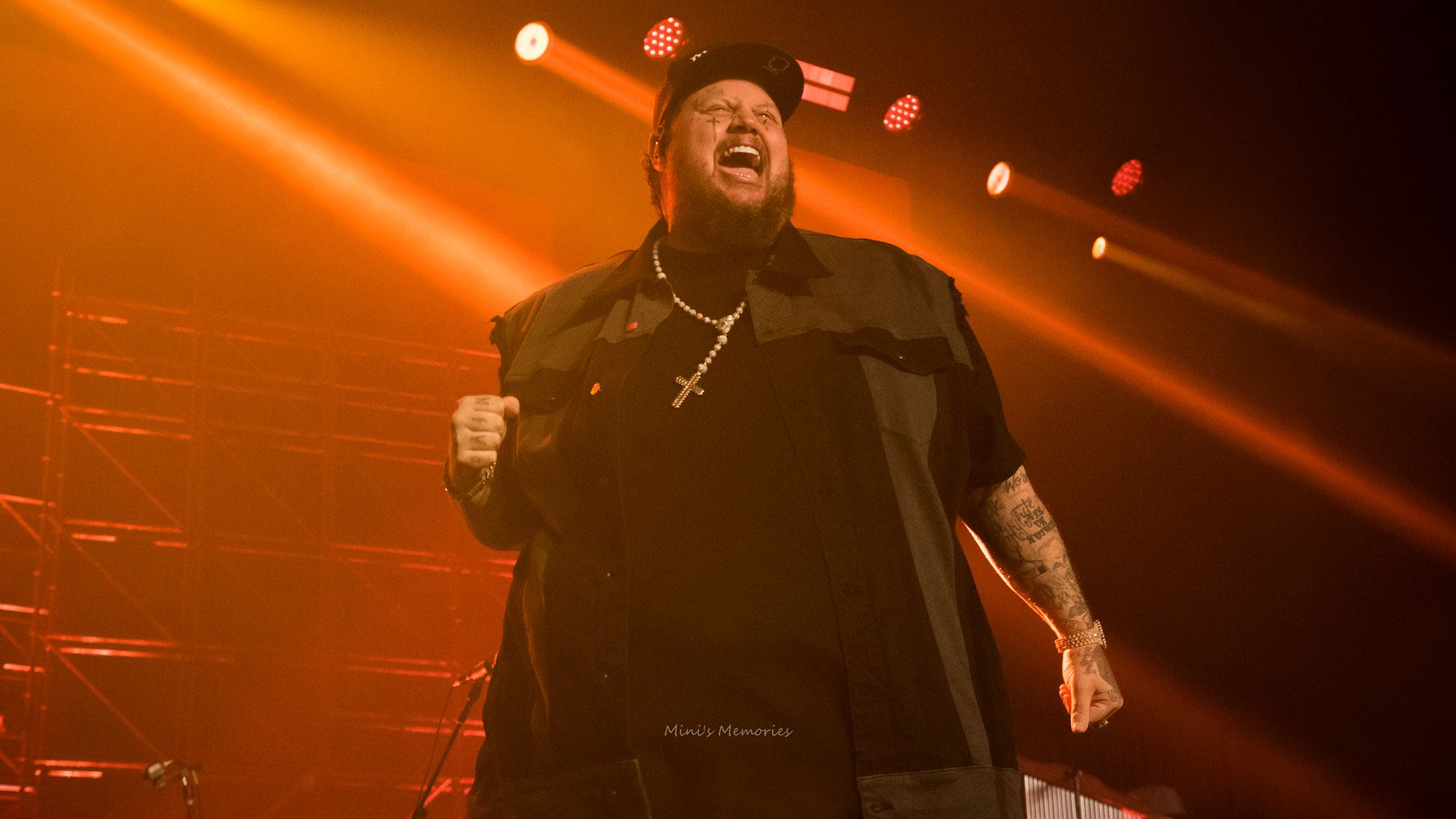
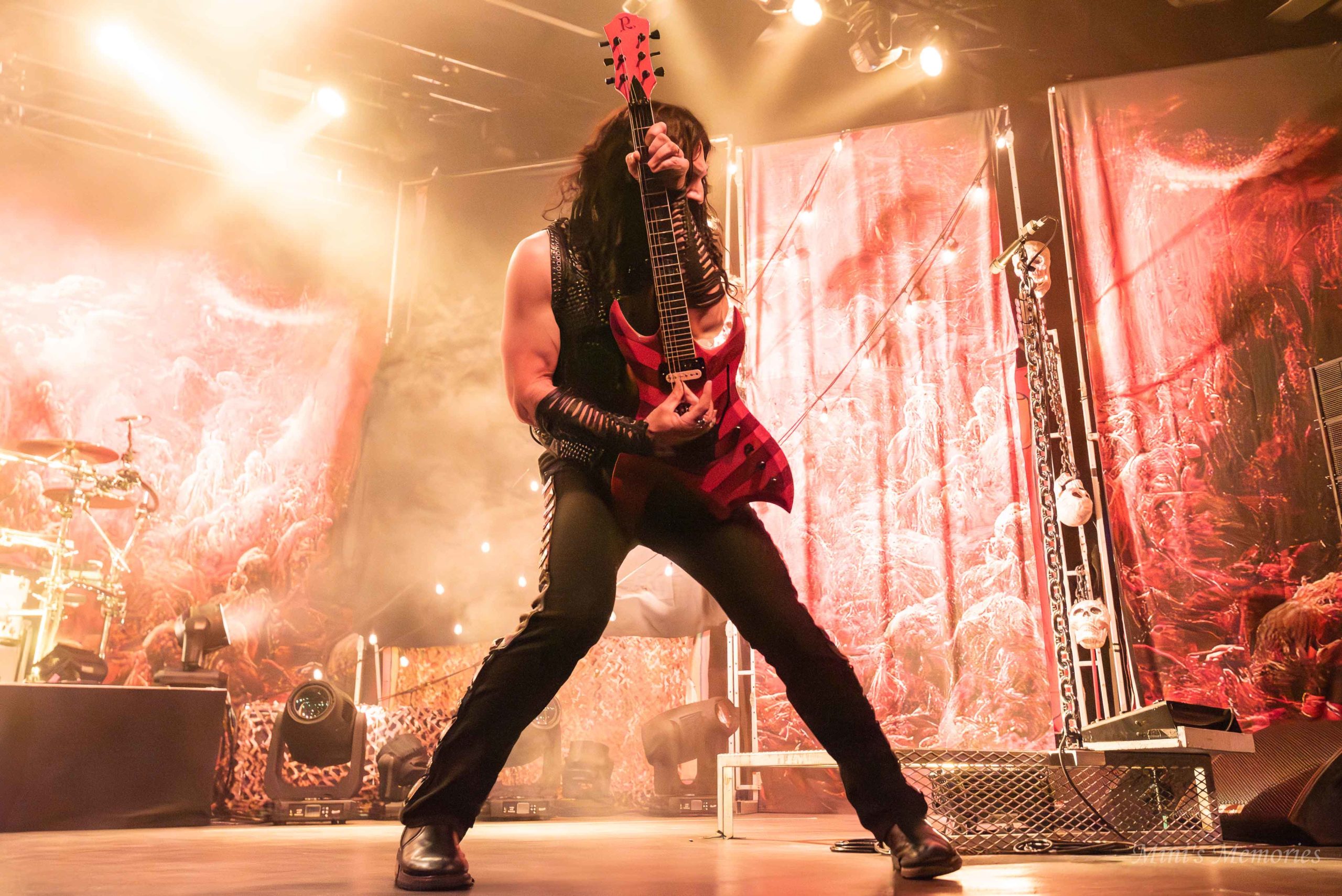
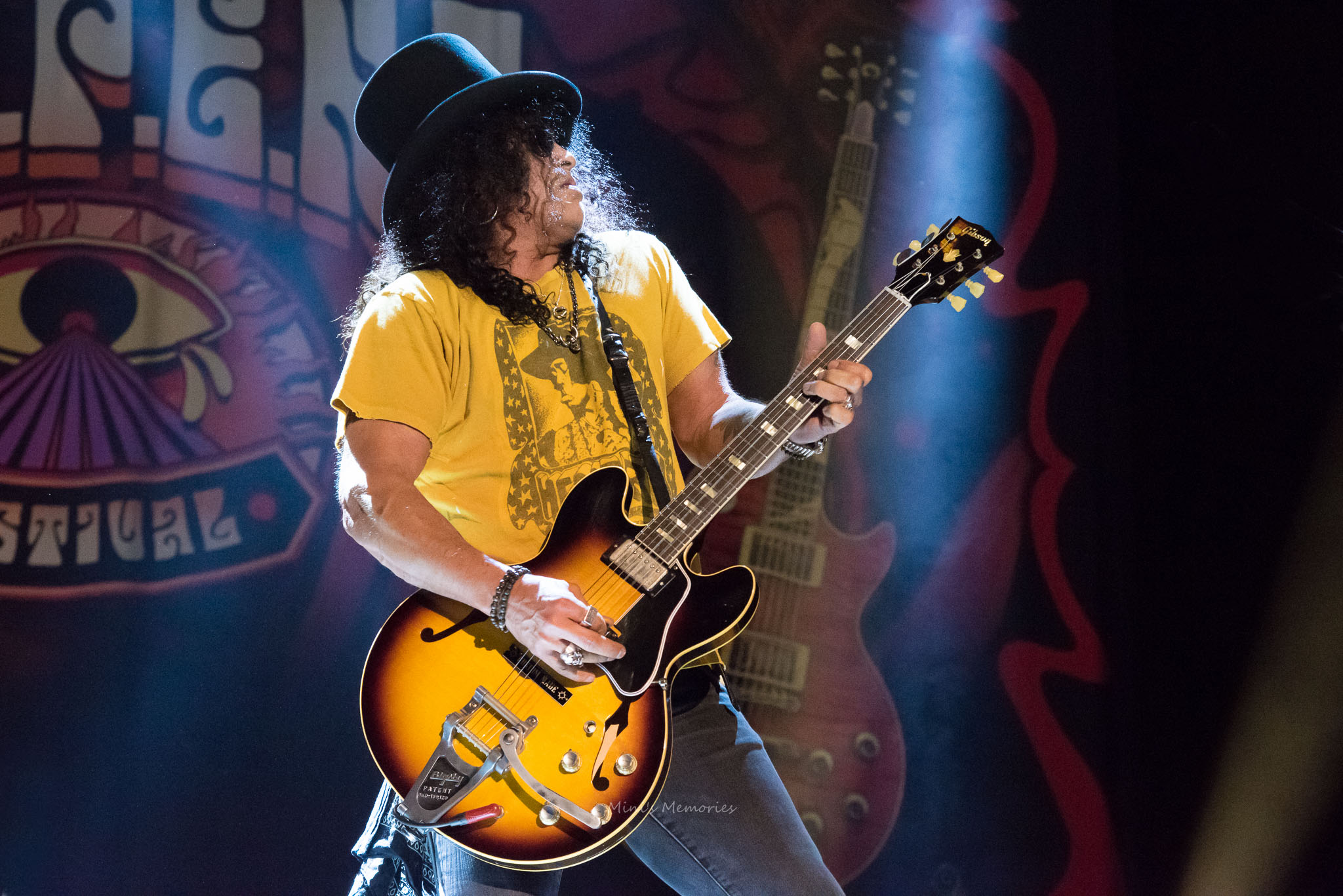
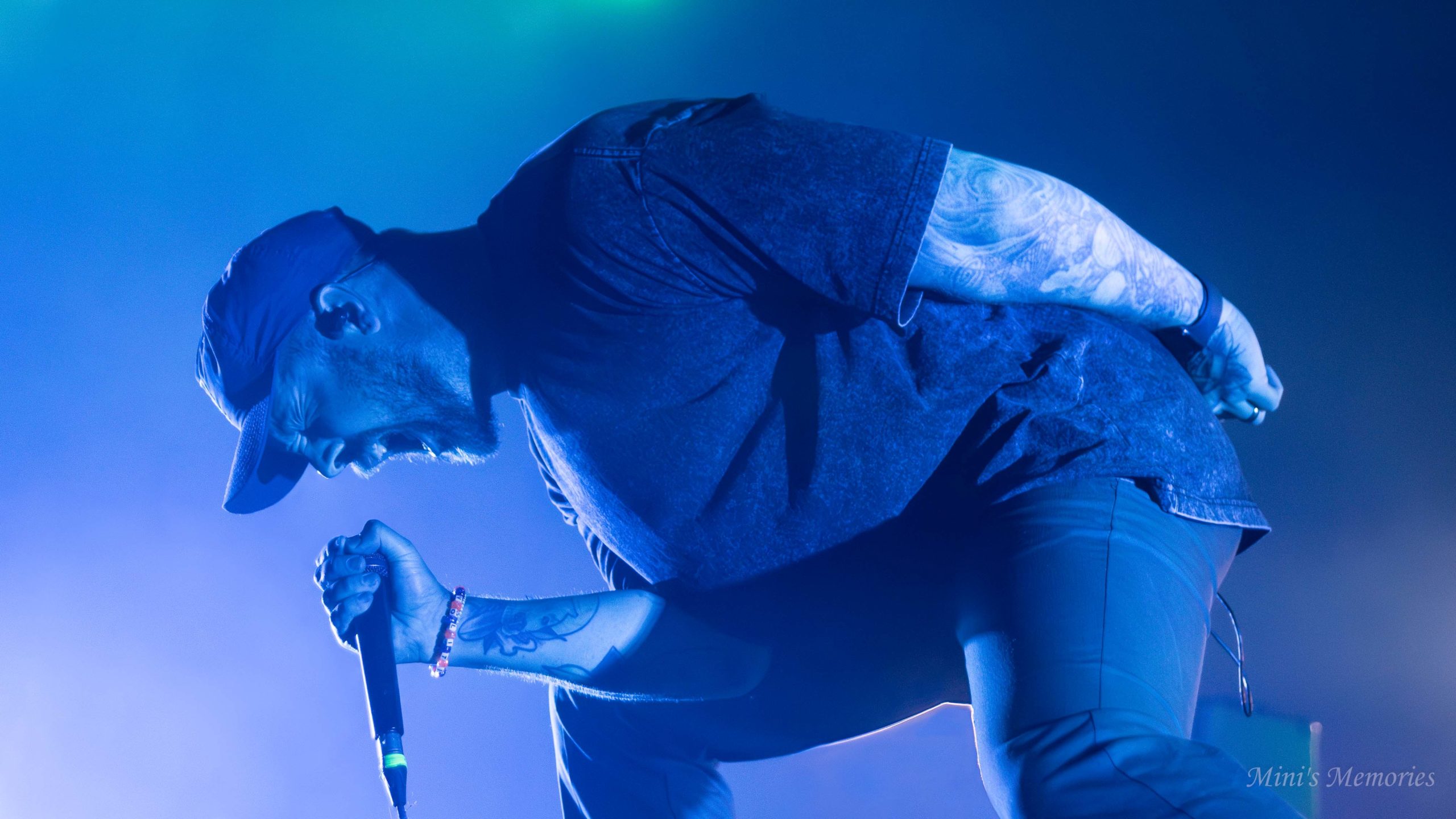
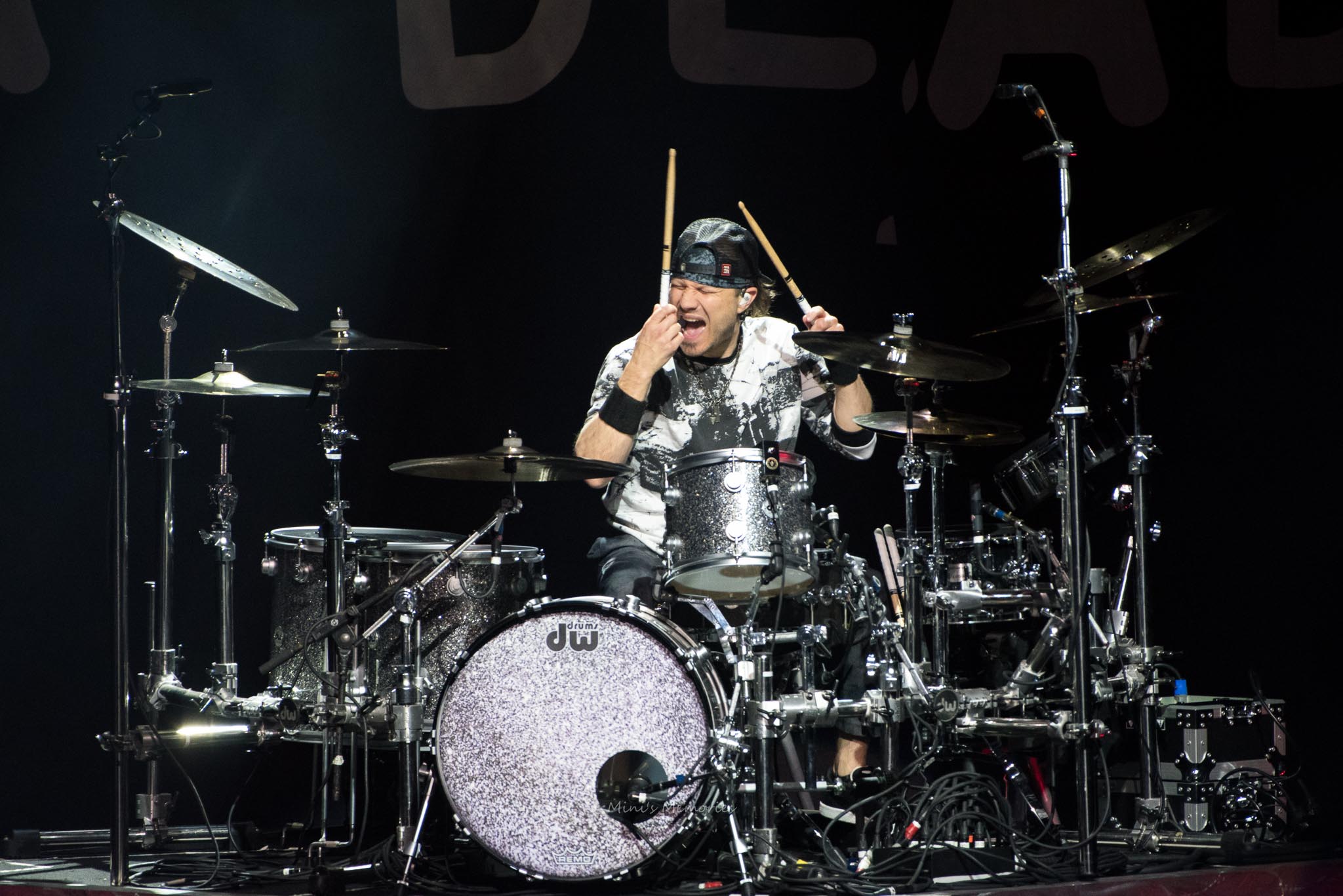
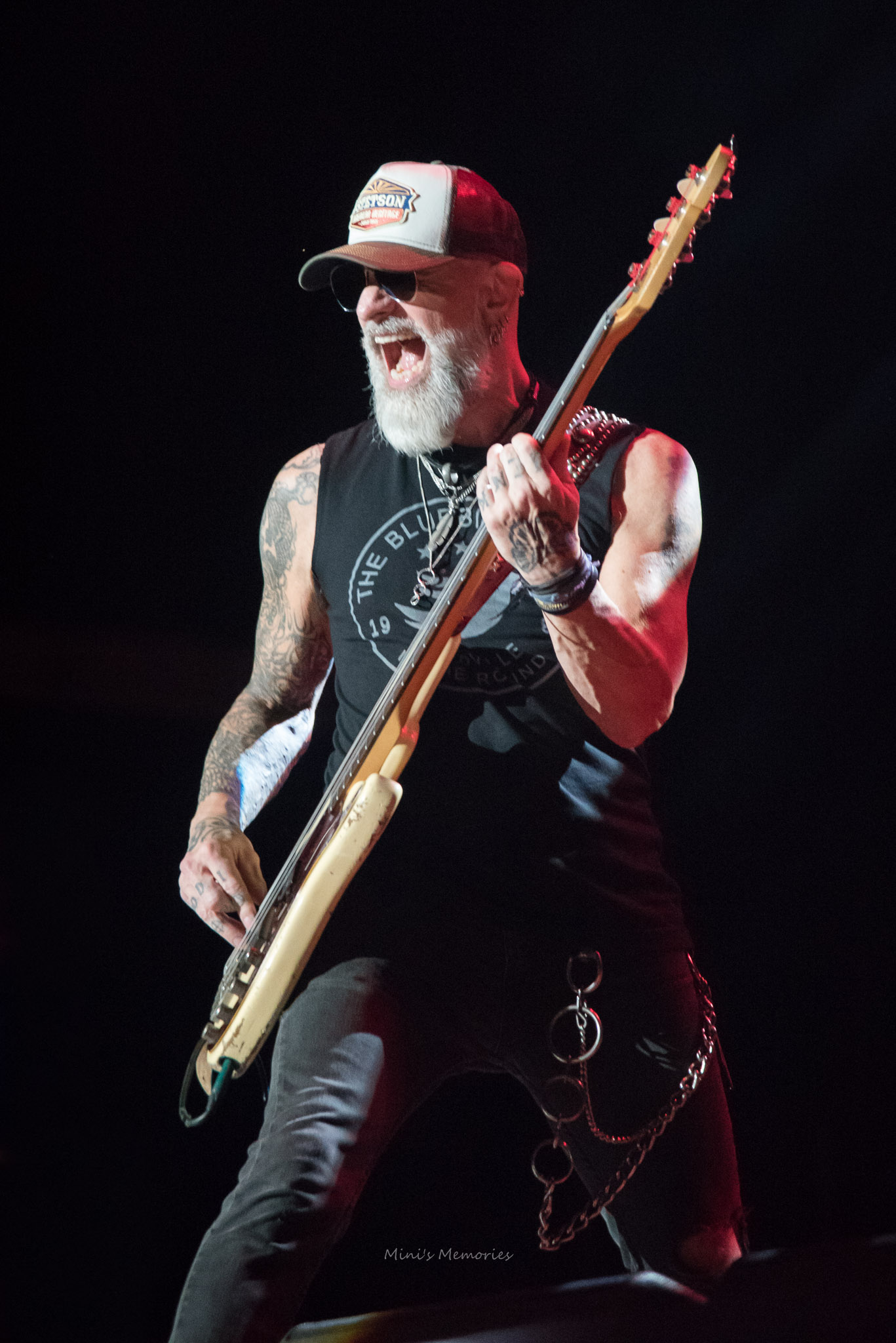
Here is a look back at my 2024, featuring some of my favourite bands and the unforgettable moments I captured across the Greater Toronto Area. From epic live performances to the images that tell the story behind them. This year has been filled with amazing music and powerful visuals. I’m thrilled to share the bands that left a lasting impression and the locations that provided the perfect setting for it all.

All photos by Mini’s Memories. You can contact her through Instagram or Facebook.

Don Toliver
Halestorm
Imagine Dragons
Korn
Hollywood Undead
Pink
One Ok Rock
Shawn Desman
Skillet
Styx
Usher
Thirty Seconds To Mars
Snoop Dogg
Limp Bizkit
Stone Temple Pilots
Jelly Roll
W.A.S.P.
Slash
Protest The Hero
Theory Of A Deadman
Slash
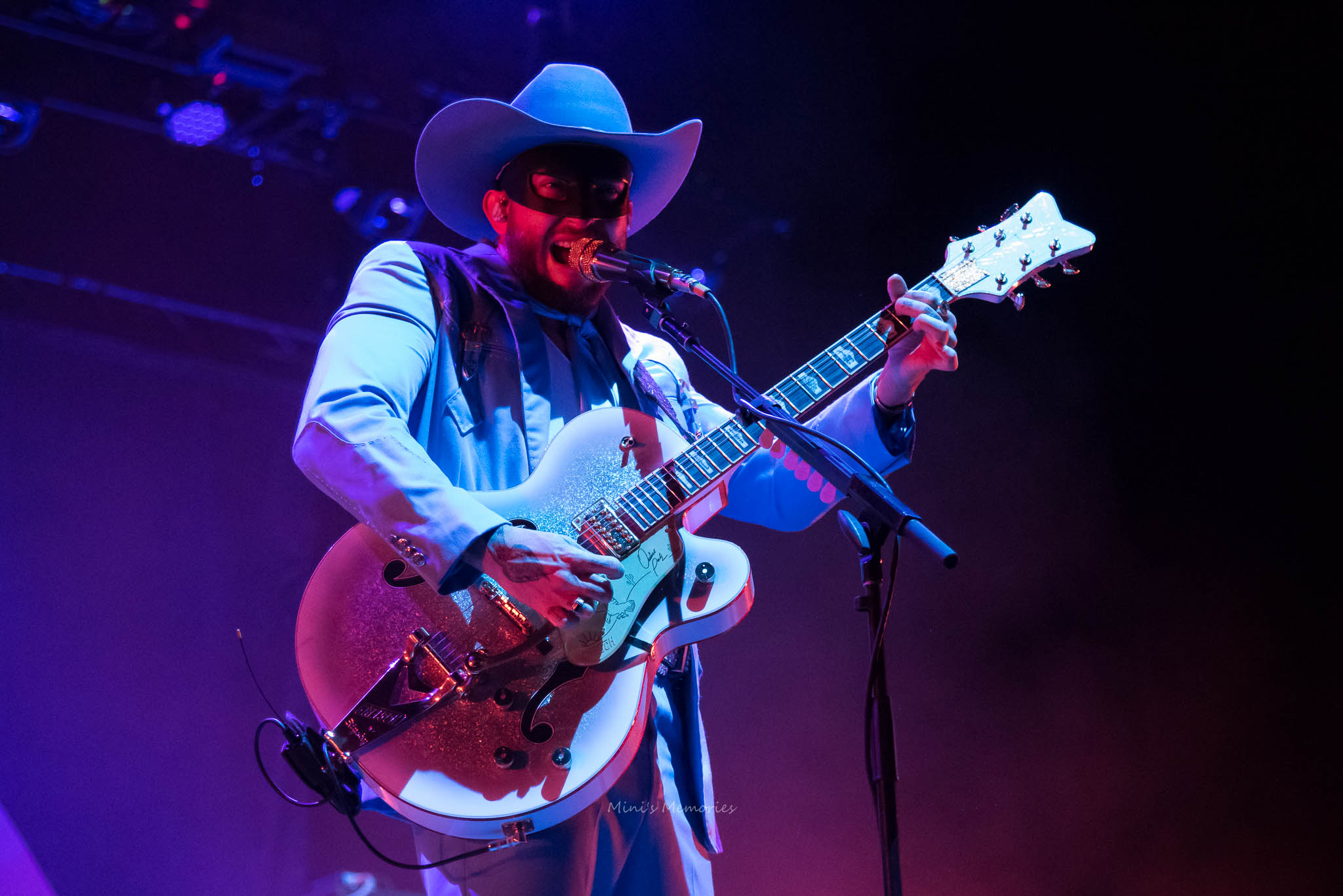
Orville Peck
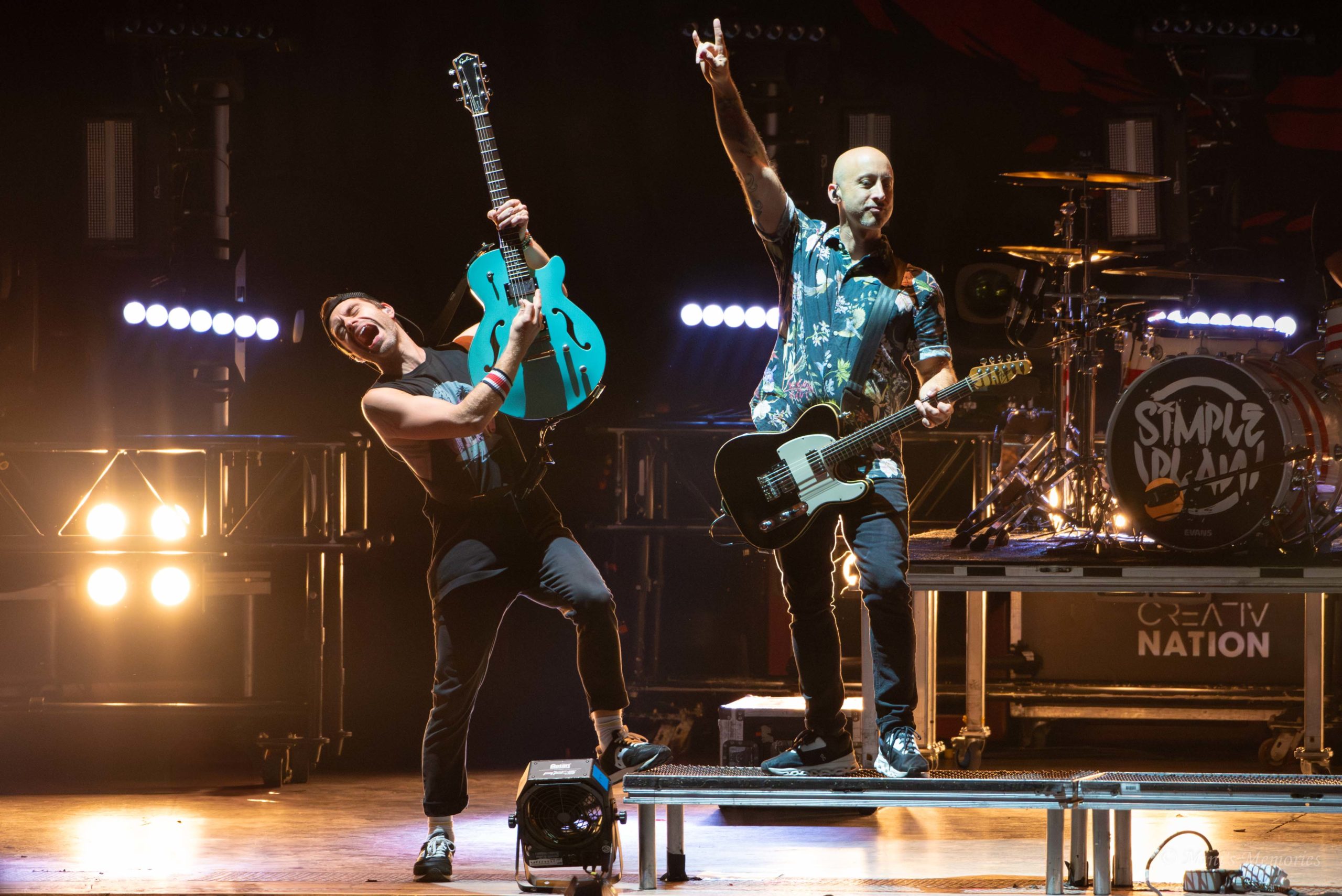
Simple Plan
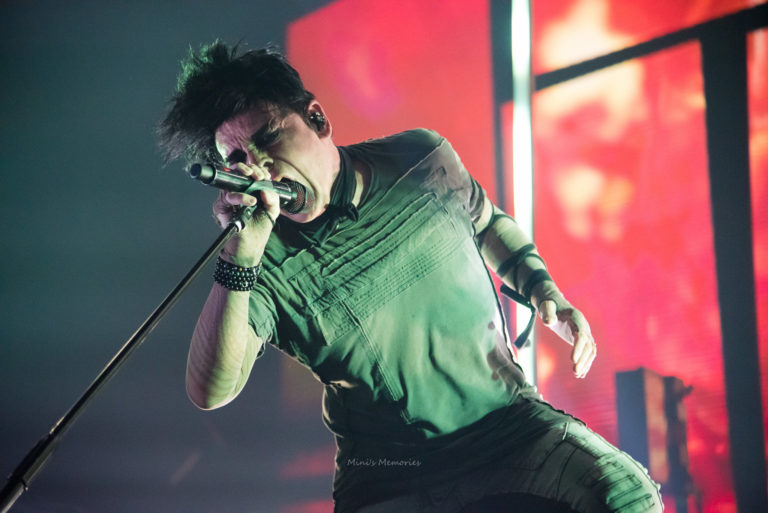
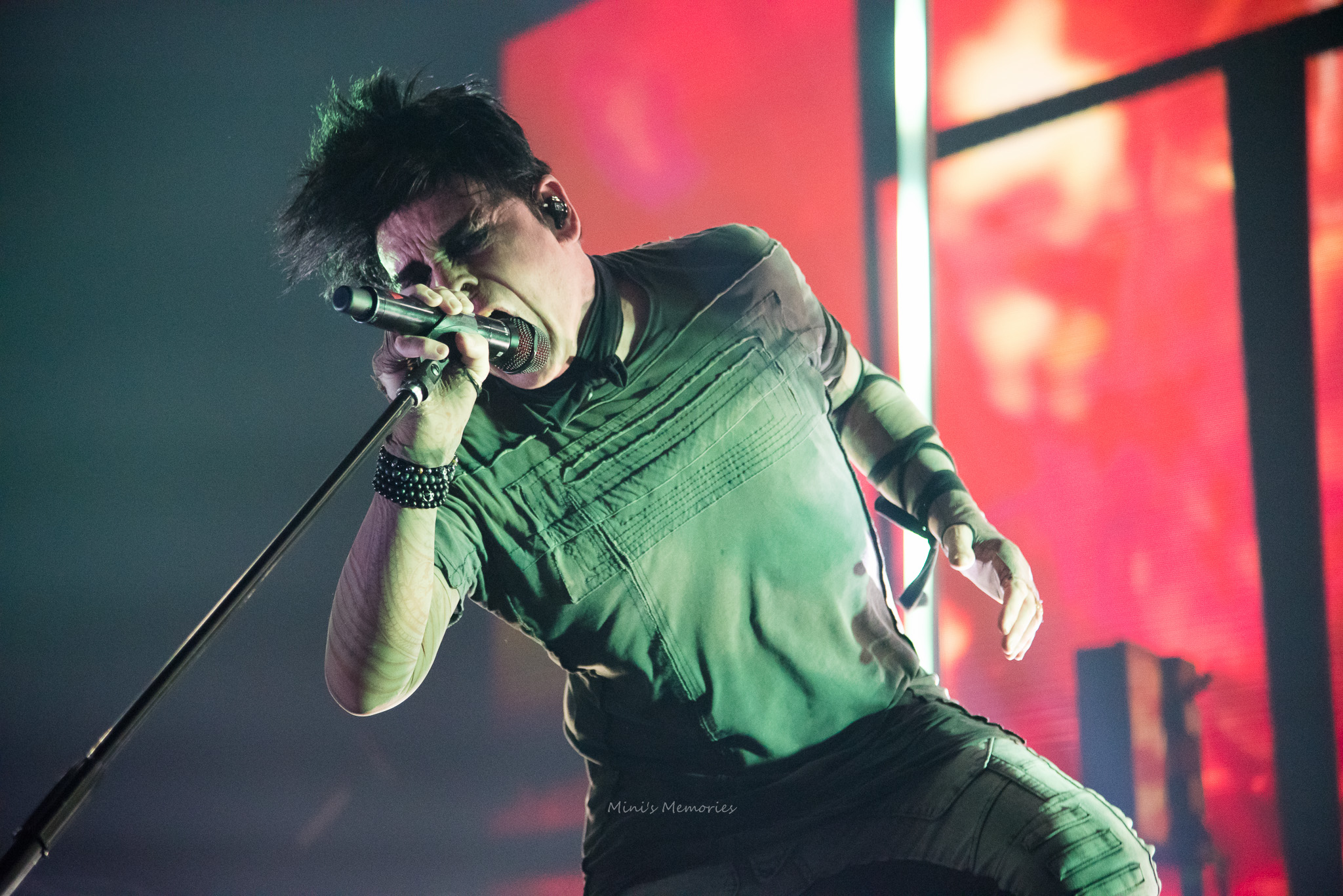
Gary Numan


Choose the right jewelry to wear with your wedding dress

0

By Mitch Rice

Choosing the right jewelry for your dress is key for your wedding. It will make it look even more beautiful somehow. Be careful because it’s a once-in-a-lifetime event.

Jewelry highlights your style and adds sparkle. The pieces will accentuate the bridal look, whether it’s a necklace, bracelet, or earrings. You can even explore stunning options at https://www.vrai.com/jewelry/earrings to find a pair that perfectly matches your look.Jewelry has a big impact on the day. The right pieces will elevate your dress and finish you off. Don’t forget the dress you’re wearing, the neckline, and your style when choosing the jewelry. It is appropriate to wear subtle embellishments with elegant gowns, and bold jewelry with more minimalistic outfits.

Your wedding day is the day you want everybody to notice you and the right jewelry will surely help achieve that purpose. For instance, a nice set of Pearl necklace that go nicely with your gown, think of wearing pearl necklaces. Because they are perfect for a lot of brides, pearls add a bit of classic glamour. Pearls won’t let you down on your big day regardless of whether you prefer a classically styled bride or a bride who prefers to wear something different.

Choose Your Dress First

Jewelry can be picked after you’ve settled on a wedding dress style. In case you wear a lace-covered dress, consider a necklace or earrings but on a simple dress leave the neck bare. Adding a necklace can completely change the look a dress has so keep that in consideration as well.

Jewelry selection is also based on the design of your wedding dress. For example, A pearl choker can be suitable if the wedding dress is a bustier or sweetheart neckline as it softens and feminizes the outfit. For higher-cut dresses or long-sleeved dresses, the focus can be put on the face and the design of the dress by adding long earrings or a simple bracelet instead of a necklace. Ensuring that the jewelry complements the dress design aids in perfecting the overall look.

Pearl Necklaces: A Classic Choice for Brides

If there is one adornment that would perfectly blend in with your wedding gown without looking out of place, it would be wearing pearl necklaces, immensely recommend them. Be it a gown or a dress, wedding pearls go well with all of them and lend that beautifully polished look. Akoya pearls are the best for a wedding day since they reflect light beautifully and have a smooth finish. They can be worn with both simple and intricate wedding gowns without any issues.

Why Choose Akoya Pearls for Your Wedding Day?

With their perfect luster and sleek texture, Akoya pearls are the ideal option for your wedding day. These pearls enhance any wedding dress, be it plain or elaborate. Their lack of pattern fits perfectly, which enhances the wedding gown.


HELAS Jewelry: Adding A Sense Of Class And Luxury To Your Demeanor

HELAS Jewelry effortlessly enhances the aesthetics of any attire with its timeless designs. Each of these pieces is made with great care with the use of quality materials to ensure their worth over time. Ranging from light neckpieces to hefty bangles, Helas Jewelry is made to Godstyle your aura and emphasize its importance.

It is ideal for any event whether it is a formal one or an ordinary one. Helas Jewelry provides a variety of options. The amalgamation of the classic with charm adds sophistication to the pieces which will be worn for years. Helas jewelry makes you feel classy and effortlessly enjoy wearing it.

FAQ

Am I supposed to don a necklace alongside a wedding dress?

That depends on the design of your dress. If the design is a high neck then opt for earrings and a bracelet instead of a necklace. For fitting gowns that have a deep neckline, a simple necklace is a great addition.

With what kind of choker should I pair a dress?

When picking a necklace for your wedding dress, always factor in your dress’s neckline. During strapless events, a choker or pendant necklace may be needed, but a longer necklace works better with sweetheart dresses instead.

Conclusion

It is evident that almost every detail counts when dressing up for a wedding or wearing a wedding dress, and so doing any of those two tasks wrong can affect one’s splendid bridal look and feel. Consider the pattern, cut, and all features of your gown, including your preferences, if you want to achieve that balance. The accessories that you selected, whether they be bold pieces or delicate details, as well as the way they are worn, can complete the overall look and add elegance to the momentous occasion. Women in Akoya pearls can give an impression of elegance.

Data and information are provided for informational purposes only, and are not intended for investment or other purposes.

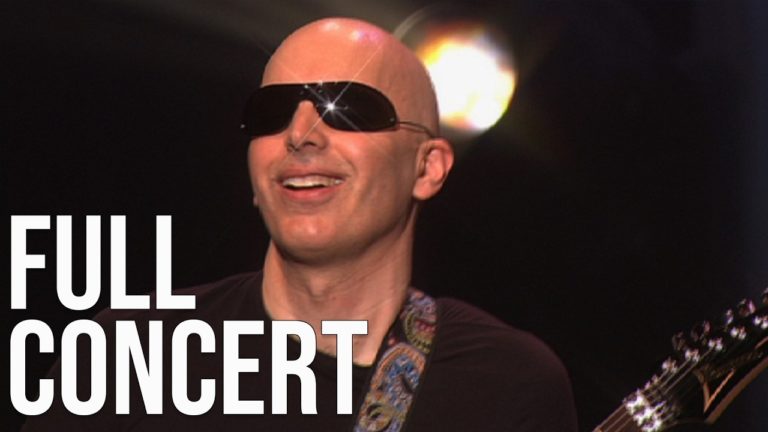
Joe Satriani’s Epic 2006 Show, “Satriani Live!”, Now on YouTube

0

Guitar virtuoso Joe Satriani’s unforgettable 2006 performance at The Grove in Anaheim, CA, is now available for fans to relive in its full glory. Thanks to Front Row Music, Satriani Live! has been shared on YouTube, offering a front-row experience for anyone who missed it or wishes to dive back into this legendary night.

This electrifying live DVD captures Satriani at his best, with a setlist that’s a dream come true for fans. The show kicks off with the iconic “Flying in a Blue Dream” and takes listeners on a sonic journey through classics like “Satch Boogie”, “The Extremist”, and “Surfing with the Alien.” It also showcases tracks from his Super Colossal album, such as “Just Like Lightnin” and “Ten Words.”

Here’s the full setlist for your enjoyment:

“Flying in a Blue Dream”
“The Extremist”
“Redshift Riders”
“Cool #9”
“A Cool New Way”
“Satch Boogie”
“Super Colossal”
“Just Like Lightnin”
“Ice 9”
“One Robot’s Dream”
“Ten Words”
“The Mystical Potato Head Groove Thing”
“The Meaning of Love”
“Made of Tears”
“Circles”
“Always With Me, Always With You”
“Surfing with the Alien”
“Summer Song”

Paul Stanley shows Mark Agnesi his “Cracked Mirror” & PS-10 guitars

0

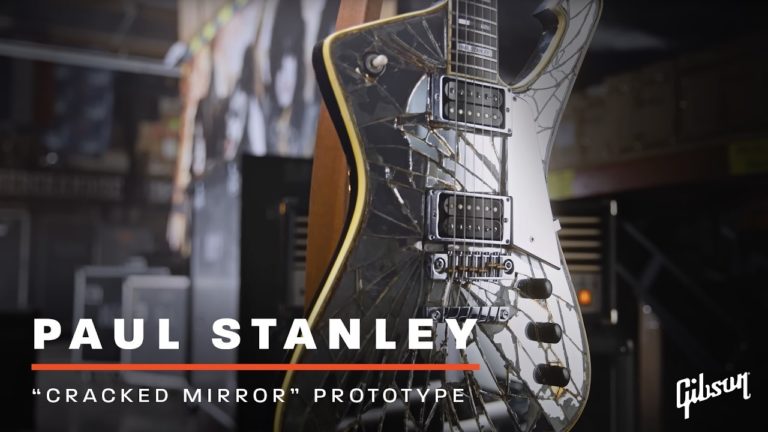
Watch Paul Stanley talk about the history of his Ibanez PS-10 prototypes and the iconic “Cracked Mirror” Ibanez he used in KISS.

Paul Stanley is a Gibson icon, with his name forever etched in rock history with a Gibson guitar in his hands. But while he’s been known to play Gibson guitars on stage and in the studio, he’s also famous for playing one of the most unique instruments in rock: the Ibanez “Cracked Mirror” guitar, aka the Iceman. A real showstopper, this glass-covered guitar with its cracked mirror design was the visual and sonic centerpiece of KISS shows, reflecting the spotlight and the energy of the band’s legendary performances.

In this episode of The Collection, Paul Stanley of KISS sits down with Mark Agnesi to talk about some of the most famous guitars of his career, including the legendary Ibanez PS-10 prototypes, which would eventually give way to the design of the “Cracked Mirror” guitar–his most used stage guitar.

Paul gets into the details of the Ibanez PS-10 prototypes made for him in 1977, from knob placement to the toggle switch design. He even tells the story of the poker chip in his design, which was misinterpreted and resulted in a recessed toggle. He also talks about the brass-and-bone nut and the theory behind its brightness and warmth.

Of course, Mark had to ask about the “Cracked Mirror” guitar, a real showstopper that’s part of his stage persona. From the beveled edges to the abalone trim, Paul talks about how this heavy, glass-covered guitar became one of the most iconic instruments in rock. With years of road use, the mirror guitar has blood, sweat, and DNA on it–so much so that Paul jokes it could be used to clone him.

Whether talking about the evolution of the Ibanez Iceman or the wear and tear of guitars that have seen hundreds of shows, Paul’s love for his instruments is reflected in their use. This clip is a behind-the-scenes look at the guitars that KISS fans will instantly recognize.

Neil Young to Release Unheard Album ‘Oceanside Countryside’ on February 14

0

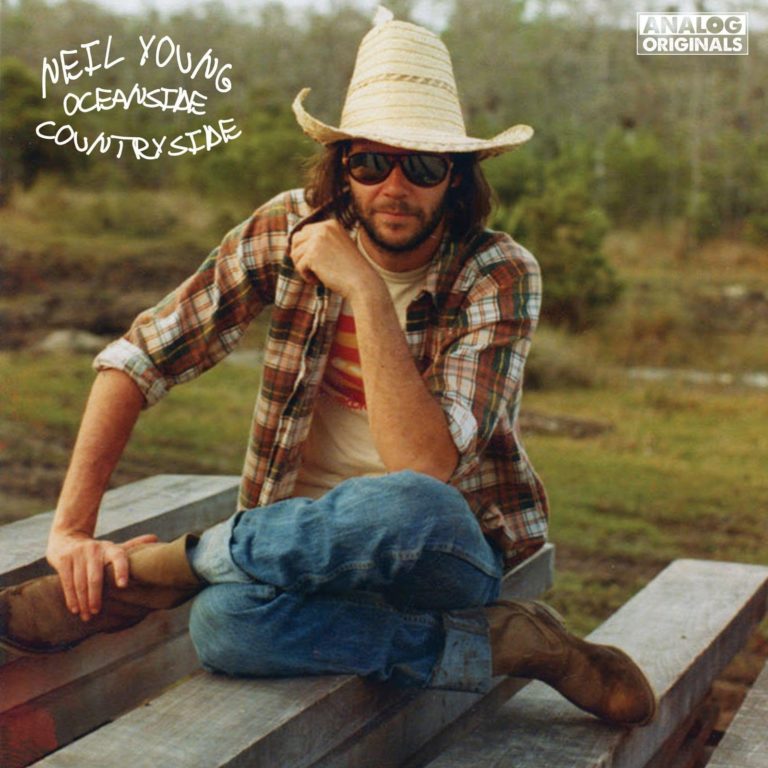
Oceanside Countryside is the latest of Neil Young’s great “lost” albums to be released as part of his Analog Original Series (AOS). The album was recorded from May to December 1977, preceding the release of Comes A Time in 1978. The two albums share the same country/folk sound, and three songs (“Goin’ Back,” “Human Highway” and “Field of Opportunity”) appear on both albums.

The vinyl release of Oceanside Countryside includes some tracks that are on the CD of the same name in Neil Young’s Archives Vol. III. However, this track list is how Oceanside Countryside was originally planned to be released and finally will be made available on vinyl for the first time ever. Recorded on tape, these are the original mixes done at the time of recording. Click HERE to pre-order.

As Young states, “This analog original album, recorded in 1977, was unreleased at the time. These songs are the original mixes done at the time of the recordings. I sang the vocals and played the instruments on Oceanside, in Florida at Triad studios and Malibu, at Indigo studio. I sang the vocals and recorded with my great band of friends at Crazy Mama’s in Nashville on Countryside. I hope you enjoy this treasure of an Analog Original recording as much as I do.”

– Neil

Side One: Oceanside
1 Sail Away
2 Lost In Space*
3 Captain Kennedy*
4 Goin’ Back
5 Human Highway
Side Two: Countryside
1 Field Of Opportunity**
2 Dance Dance Dance**
3 The Old Homestead*
4 It Might Have Been**
5 Pocahontas***

Produced by: Neil Young
*Produced by: David Briggs, Tim Mulligan & Neil Young
**Produced by: Neil Young & Ben Keith
***Produced by: David Briggs, Overdubs Produced by Neil Young

Mastered by: Chris Bellman at Bernie Grundman Mastering

Please note that while the songs on Oceanside Countryside appear on Archives Vol.III, the versions are not always the same and the track list is the running order for the original Oceanside Countryside album. On this analog original vinyl release, the versions of “Lost in Space,” “Captain Kennedy” and “The Old Homestead” are from Hawks & Doves in 1980. “Sail Away”, “Goin’ Back”, “Human Highway”, “It Might Have Been”, and “Pocahontas” are the same versions as on Archives Vol. III in digital. “Field of Opportunity” and “Dance Dance Dance” are original versions that have Young on backing vocals instead of Nicolette Larson as they appeared on Archives Vol.III.

All the songs on the Oceanside are performed solo by Neil Young. On Countryside Young is joined by a band of his friends: Ben Keith (Steel Guitar), Rufus Thibodeaux (fiddle), Karl T. Himmel (drums), Joe Osborne (bass). On “The Old Homestead” Tim Drummond plays bass and Levon Helm plays drums. “Pocahontas” is Young solo.

Oceanside Countryside will be available on black vinyl, limited edition clear vinyl via the Greedy Hand Store at NYA and indie retail stores and digitally including in Atmos via the NYA Download Store and most digital retailers. All Greedy Hand Store purchases cme with free hi-res digital audio downloads from the NYA Download Store.

Side One: Oceanside credits:
1. Sail Away
Produced by Neil Young
Recorded at Triad Studios, Ft. Lauderdale, FL, September 12, 1977 with Michael Laskow and Paul Kaminsky.
Neil Young: Guitar, Vocals
2. Lost In Space
Produced by Neil Young
Recorded at Triad Recording Studios, Ft. Lauderdale with Michael Laskow and Paul Kaminsky.
Neil Young: Guitar, Vocals
3. Captain Kennedy
Produced by David Briggs, Tim Mulligan & Neil Young
Recorded at Indigo Ranch Studios, Malibu with Richard Kaplan
Neil Young: Guitar, Harmonica, Piano, Vocals
Greg Thomas: Drums
Dennis Belfield: Bass
Ben Keith: Steel Guitar & Dobro
Rufus Thibodeaux: Fiddle
4. Goin’ Back
Produced by Neil Young
Recorded at Triad Studios, Ft. Lauderdale, FL, September 16, 1977 with Michael Laskow and Paul Kaminsky
Neil Young: Guitar, Stringman, Vocals
Human Highway
Produced by Neil Young
Recorded at Triad Studios, Ft. Lauderdale, FL, September 14, 1977 with Michael Laskow and Paul Kaminsky
Neil Young: Guitar, Vocals
Side Two: Countryside credits:
1. Field Of Opportunity
Produced by: Neil Young & Ben Keith
Recorded at: Crazy Mama’s, Nashville, TN, May 3, 1977
Neil Young: Guitar, Vocals
Ben Keith: Pedal Steel Guitar
Rufus Thibodeaux: Fiddle
Joe Osborn: Bass
Karl T. Himmel: Drums
2. Dance Dance Dance
Produced by: Neil Young & Ben Keith
Recorded at: Crazy Mama’s, Nashville, TN, May 3, 1977
Neil Young: Guitar, Vocals
Ben Keith: Dobro
Rufus Thibodeaux: Fiddle
Joe Osborn: Bass
Karl T. Himmel: Drums
3. The Old Homestead
Produced by: David Briggs, Elliot Mazer, Tim Mulligan & Neil Young
Recorded at: Quadrafonic Sound Studio, Nashville and Broken Arrow Studio, Redwood City, CA with Elliot Mazer
Neil Young: Guitar, Harmonica, Piano
Levon Helm: Drums
Tim Drummond: Bass
Ben Keith: Steel Guitar, Dobro
Rufus Thibodeaux: Fiddle
Tom Scribner: Saw Player
Levon Helm appears courtesy of MCA Records Inc.
4. It Might Have Been
Produced by: Neil Young & Ben Keith
Recorded at: Crazy Mama’s, Nashville, TN, May 3, 1977
Neil Young: Guitar, Vocal
Ben Keith: Pedal Steel Guitar
Rufus Thibodeaux: Fiddle
Joe Osborn: Bass
Karl T. Himmel: Drums
5. Pocahontas
Produced by: David Briggs and Neil Young
Recorded at: Indigo/Triad, Ft. Lauderdale, FL, September 4, 1977 with Michael Laskow and Paul Kaminsky.
Neil Young: Guitars, Vocals


5 Surprising Facts About Van Morrison’s ‘Moondance’

Van Morrison’s Moondance, released on January 27, 1970, is one of those rare albums that transcends time, seamlessly blending jazz, soul, pop, and Irish folk into something truly magical. But even the most loyal fans might not know these intriguing facts about the record that cemented Morrison as a musical legend.

  1. A Move to the Mountains Sparked Inspiration
    After the commercial failure of Astral Weeks, Morrison retreated to a mountaintop home in the Catskills with his wife, Janet Planet. Surrounded by nature and artistic neighbors (including Bob Dylan), Morrison wrote the majority of Moondance’s tracks, blending his love for nature with a yearning for redemption.
  2. Goodbye, Jazz Band – Hello, Horn Section
    Unlike Astral Weeks, which featured jazz musicians, Morrison handpicked a new set of collaborators from Woodstock for Moondance. This included guitarist John Platania, saxophonist Jack Schroer, and keyboardist Jef Labes. The addition of a horn section brought a fresh and lively rhythm-and-blues vibe to the album.
  3. Recording Without Musical Charts
    Morrison recorded Moondance at New York’s A & R Studios with only the basic song structures in his head. He relied on the spontaneity of his band to develop the compositions, creating an atmosphere that allowed for “tasteful frills” to emerge organically.
  4. An Accidental Cover Shoot
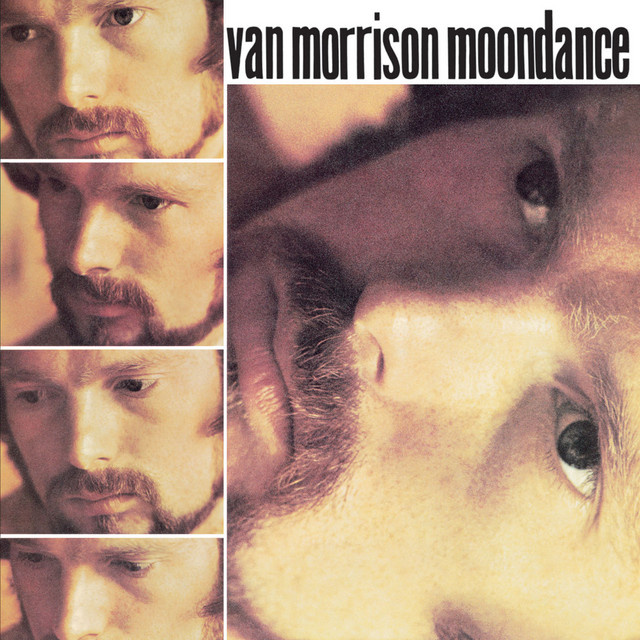
    The album’s cover photo, captured by Elliot Landy at Morrison’s home, was carefully framed to hide a large pimple on the singer’s forehead. The result is an intimate portrait that perfectly mirrors the album’s personal and introspective nature.
  5. “Into the Mystic” Almost Had a Different Name
    One of the album’s most beloved tracks, “Into the Mystic,” was originally untitled during its development. It wasn’t until Morrison heard the final mix that he realized the name needed to evoke the spiritual journey at the heart of the song.

Moondance is a mood, a moment, and a masterpiece that continues to resonate over five decades later. Whether you’re losing yourself in the haunting beauty of “Into the Mystic” or dancing to the upbeat joy of “Caravan,” Moondance proves that Van Morrison’s genius lies in his ability to turn the ordinary into the extraordinary.

5 Surprising Facts About Derek and the Dominos’ “Layla and Other Assorted Love Songs”

Eric Clapton’s Layla and Other Assorted Love Songs, released on November 9, 1970, is one of rock’s most celebrated albums. Known for its iconic title track, “Layla,” the album showcases Clapton’s passion, heartbreak, and artistry at a peak moment in his career. But beyond the music lies a treasure trove of untold stories. Here are five lesser-known facts about this legendary album.

  1. A Band Born from Frustration
    Derek and the Dominos emerged from Eric Clapton’s desire to escape the spotlight. Frustrated by the fame associated with Cream and Blind Faith, Clapton sought to create a band that prioritized music over celebrity. Even the name “Derek and the Dominos” was chosen to avoid his name overshadowing the group.
  2. Duane Allman’s Slide into History
    Guitarist Duane Allman’s contributions to the album are monumental. Allman and Clapton first met during an Allman Brothers concert, bonding immediately. Allman’s slide guitar brilliance defined tracks like “Layla,” cementing the song’s iconic status.
  3. A Spontaneous Recording Moment
    The recording of “Key to the Highway” wasn’t planned. The band overheard another artist playing the song in a neighboring studio and began jamming on it. Producer Tom Dowd rushed to capture the moment, which begins with the song’s signature fade-in.
  4. The Hidden Inspiration for “Layla”
    The album’s centerpiece was inspired by Clapton’s unrequited love for Pattie Boyd, who was then married to his friend George Harrison. Clapton found further inspiration in the Persian love story Layla and Majnun, a tale of unattainable love that mirrored his own feelings.
  5. An Album Cover with a Story
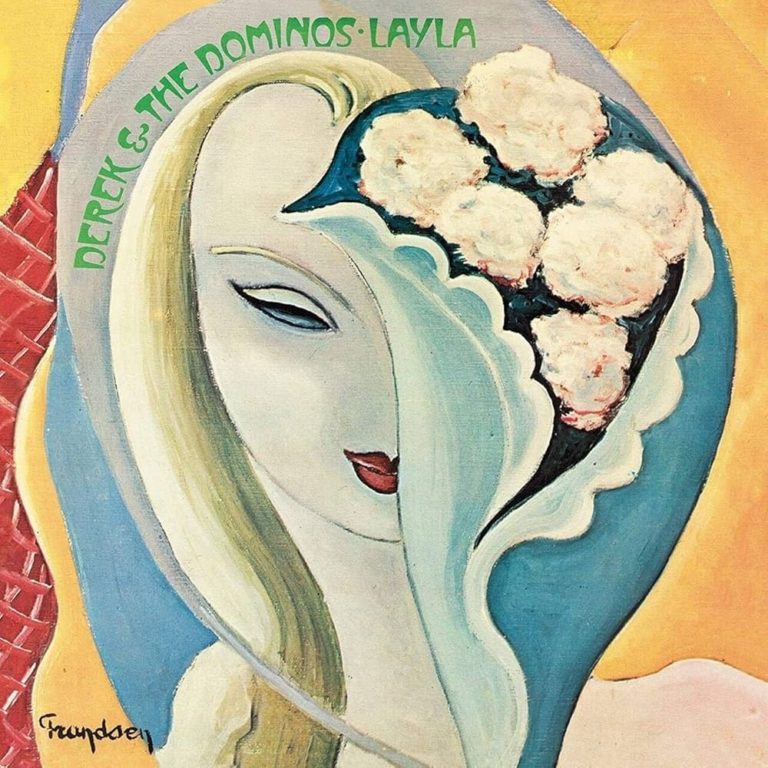
    The cover art features a painting by French artist Émile-Théodore Frandsen de Schomberg, chosen by Clapton for its resemblance to Boyd. The painting, titled La Fille au Bouquet, was later sold at auction in 2024 for nearly £2 million

Though initially met with lukewarm reception, Layla and Other Assorted Love Songs has stood the test of time, evolving into a revered classic. It’s more than an album—it’s a raw, emotional journey of love, loss, and redemption. Every riff, lyric, and note is a testament to the power of music to transcend personal pain and connect with the universal human experience.