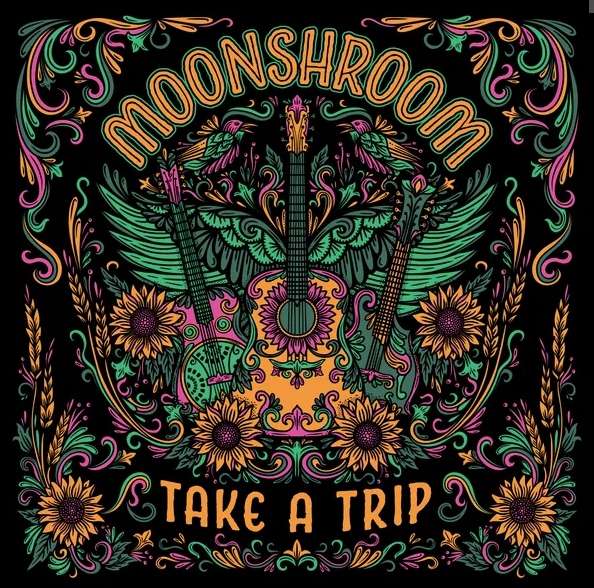
Like the great cross-over acts who’ve come before them, rising Kansas City quartet MoonShroom have fine-tuned an eclectic mix of influences, churning out a funky, Americana-drenched sound rooted in both the nostalgic and the cosmic unknown. The band—Lily B Moonflower on guitar and vocals, Jake Keegan on dobro and vocals, Zach Bozeman on upright bass, and Colby Allen Walter on mandolin, electric guitar, and vocals—create a unique sonic tapestry utilizing each member’s background and specialty to a tee, and today, MoonShroom shared a tune drenched in their bluegrass upbringing, “Somewhere on a Mountain.”
The latest single from their upcoming debut album, Take a Trip, “Somewhere on a Mountain” was born amidst a major change in dobro player Jake Keegan’s life. “I wrote this song amidst a past music project of mine falling apart during the pandemic,” he recalls. “We had hit the road hard for five years building, only for it to end abruptly due to several factors out of our control.” While unfortunate, the long-belabored project coming to an end, Keegan eventually recognized the demise as a stepping stone into something exciting and different. “Ultimately, the universe had a weird way of shaking up my life in order to make way for the new,” he says. “Now, I couldn’t be happier with the music we are creating with MoonShroom.”
The energy, fueled by this next chapter, is palpable on the multiple dobro breaks Keegan plays throughout “Somewhere on a Mountain.” While mostly a bluegrass-with-drums setup, the wildly-experimentative group twist and turn along the way, building tension musically to release at exactly the right time, jumping between half-time and train beat feels and ripping solos and verses. Like the rest of Take a Trip—out now —“Somewhere on a Mountain” feels like a band feeding off of the energy of the crowd in real time; the MoonShroom way shining just as bright in the studio as it does on stage.
Take a Trip Tracklist:
Sunflower State of Mind
More with the Miles
Take a Trip
Somewhere on a Mountain
Drivin’ Through the Night
Waves of Love
Do the Damn Thing
Livin’ the Dream
Weekend with Me
Party on the Moon
MoonShroom takes the Americana art form to the Moon! Formed in 2022 by Kansas City Songwriters Lily B Moonflower and Jake Keegan, the group quickly established itself as an act to keep your eye on, performing alongside the likes of Yonder Mountain String Band and Leftover Salmon at a variety of festivals and venues across the country with their bandmates: Colby Allen Walter (electric guitar/mandolin) and Zach Bozeman (bass). Expanding upon Americana, bluegrass, country, folk, and rock stylings by blending genuine lyrics, tight vocal harmonies, and intricate instrumental conversation, their signature “Grassadelic Twang” shines through on their debut album, Take A Trip. Due out June 27, 2025, and touring across the country to celebrate, hop on the cosmic train, and come join the PARTY ON THE MOON!
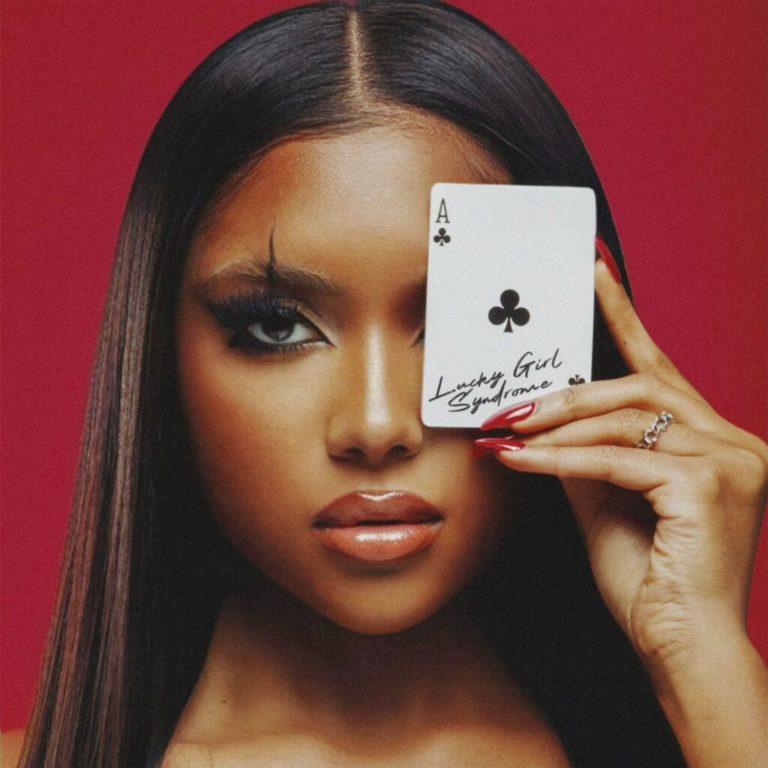
Continuing the momentum from her breakthrough debut album Lucky Girl Syndrome, R&B star Journey Montana has released the official music video for fan-favorite single “Hollywood” – out now via 10K Projects.
Produced by Grammy Award-winner DJ Camper, “Hollywood” is a standout from Lucky Girl Syndrome, Journey’s deeply personal and empowering full-length debut released on January 31st. The track blends smooth R&B grooves with introspective lyrics about chasing fame and finally stepping into the spotlight. The new visual brings those themes to life told through a different lens that captures the essence and allure of the track.
The video opens in a high-pressure audition room, where Journey Montana performs for a panel of different judges. It is a nod to the harsh realities behind the glitz of Hollywood. As the story unfolds, the video shifts to a symbolic scene of Journey Montana immersed in water, representing a moment of shedding expectations and embracing transformations. From there, we see her rise from the uncertainty of those early moments to confidently moving through Los Angeles, transformed and fully claiming her place in the city of dreams
Speaking on her single, Journey Montana says: “I wrote Hollywood while I was in L.A. working on my album, inspired by everything I saw and the people I met,” Journey shares. “Everyone was chasing something, but no one really knew what it was. It was intense, but also kind of hollow. With the video, I wanted to show that exact feeling. It moves from the audition, to the water as a symbol of transformation, to that elusive ‘I made it’ moment. It’s like you leave pieces of yourself behind along the way, and that’s exactly the point.”
“Hollywood” follows the previously released video for “Always Knew” featuring Maleigh Zan With over 20 million streams across platforms and co-signs from industry heavyweights, Journey Montana continues to prove she’s not just a star on the rise, she’s here to stay.
Stream “Hollywood,” a standout from her debut album Lucky Girl Syndrome, and keep an eye on Journey Montana as she continues her unstoppable rise in 2025.
Mariah Carey, the best-selling female artist of all time with over 200 million records sold, has just released a 20th anniversary suite of definitive, expanded deluxe releases of her iconic, multi-platinum 10th album, The Emancipation of Mimi, in celebration of two decades of the modern classic.
The album’s era-defining hit “We Belong Together” has also now just been certified 7x Platinum by the RIAA while “It’s Like That” has just been certified Platinum. The Emancipation of Mimi has sold more than 15 million copies worldwide, making it both the best-selling album of 2005 and one of the best-selling albums of the 21st century.
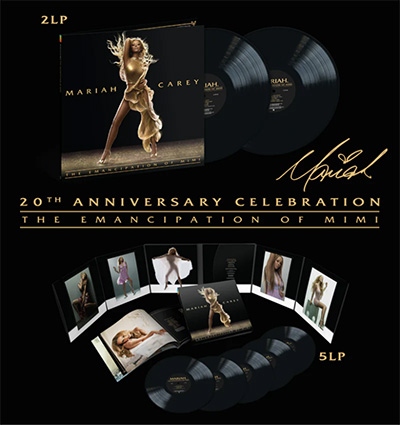
Available now via Def Jam/UMe as a lavish 45-track 5LP box set, as well as 40-track Digital Deluxe Edition, The Emancipation of Mimi (20th Anniversary Edition) combines the original album, featuring the era-defining R&B hits “It’s Like That,” “We Belong Together,” “Shake It Off,” “Say Somethin’,” “Fly Like A Bird,” and “Get Your Number,” along with beloved tracks from the Ultra Platinum Edition, with the hit singles “Don’t Forget About Us,” “Makin’ It Last All Night (What It Do),” “Secret Love,” and “Sprung,” plus dozens of bonus tracks, spanning from Emancipation era dance remixes, artist collabs, instrumentals, acapellas, and edits, culled from various CD singles and maxi singles, to brand new remixes by the likes of KAYTRANADA and Esentrik. The Digital Deluxe Edition has been specially curated by Mariah to offer a unique listening experience.
The centerpiece of The Emancipation of Mimi (20th Anniversary Edition) is the long-awaited, fan-requested official release of “When I Feel It,” a standout song produced by Mahogany Beatz that was originally intended for The Emancipation of Mimi but ultimately unreleased due to clearance issues with its sample of The Dynamic Superiors’ “Here Comes That Feeling.”
Housed in a beautiful slipcase, the expansive 5LP vinyl collection features exclusive packaging with a 28-page booklet with stunning photos of Mariah as well as a personal letter from the legendary singer to her fans about the significance of this unprecedented album in her extraordinary career. A Deluxe 2LP vinyl set is also available.
“Twenty years ago, I was facing a crossroads in my career,” Mariah writes in the liner notes about the years leading up to her landmark “comeback” album. The Emancipation Of Mimi was more than just an album title; it was a declaration of artistic freedom. Twenty years later, I celebrate this album with all of you. Thank you for embracing this chapter of my story, for believing in the music, and for always allowing me to be me.”
Some of the many highlights of the anniversary edition include Mariah’s 2021’s inspired late night jam session, “We Belong Together (Mimi’s Late Night Valentine’s Mix), her unforgettable performance of “Don’t Forget About Us” / “We Belong Together” from the 2024 American Music Awards 50th Anniversary Special, the first of many 20th anniversary festivities around The Emancipation of Mimi, and the unreleased treasures “We Belong Together (Instrumental),” “Shake It Off (Acapella),” and “Circles (Acapella).”
Mariah will talk about the making of The Emancipation of Mimi and dive deep into the 20th Anniversary Edition in an exclusive Spotify Listening Party this Monday, June 2 at 2 pm PT/5 ET. The event will be hosted and moderated by radio personality and TV host, Nessa, of NYC’s Hot 97 and her nationally syndicated show, Nessa On Air. Fans will have the opportunity to submit questions while listening to the album together with Mariah. For more information, visit: MariahCarey.lnk.to/ListeningParty
Mariah has been celebrating the 20th anniversary of The Emancipation of Mimi all year long, including with a sold out 24-show Las Vegas Residency, “The Celebration of Mimi,” which continues as a worldwide tour this year with stops in England, Brazil, Japan, Thailand, and the Philippines. Most recently she performed three sold out stadium shows in Shenzhen and Shanghai, China.
Mariah is also currently offering special 20th anniversary merch on the Mariah Carey Amazon Store. Additionally, Mariah has launched a new site, Mimi20.com, where she has been posting voice memos and other personal missives to the Lambs. The site is a nod to Mariah’s old fanclub website honeybfly.com.
An overwhelming triumph on both a personal and professional level, The Emancipation of Mimi marked Mariah’s reclamation of her throne as the reigning queen of pop and R&B. From the bass-rattling beats and sparkling vocals in opener “It’s Like That” to the slinky mid-tempo “Shake It Off” and the all-time romantic ballad “We Belong Together” (which topped the Billboard Hot 100 for a whopping 14 weeks – the longest of any song during the 2000s – and was later declared by the magazine “song of the decade”), The Emancipation of Mimi was not so much about recounting her industry struggles as it was a pop icon doing what she does best. In that way, The Emancipation of Mimi was a masterclass in “show, don’t tell,” as Mariah and a trusted group of peers rolled out 14 tracks with breezy beats, soaring powerhouse vocals, and of-the-moment production that sounds as fresh in 2025 as it did in 2005.
Soaring to No. 1 with more than 404,000 copies sold in its first week of release, The Emancipation of Mimi was Mariah’s first album since 1997’s Butterfly to debut at the top of the Billboard 200 chart, ultimately becoming the best-selling album of 2005 in the U.S with nearly five million units sold. Globally, it was the world’s second best-selling album of the year and it reached the top five in Canada, Denmark, France, and Japan. The Ultra Platinum Edition, released in November 2005 with several new tracks, including the towering “Don’t Forget About Us,” would keep the album in the top 5 for many more months and give Mariah her 17th No. 1 hit, trying her with Elvis Presley for the most No. 1 singles by a solo artist (a record she’d eventually surpass). Collectively, the two albums would earn her ten GRAMMY Award nominations: eight in 2006 for the original release (the most received by Mariah in a single year), including the big three: Album of the Year, Record of the Year and Song of the Year (“We Belong Together); and two in 2007 for the Ultra Platinum Edition. In 2006, Mariah took home trophies for Best Contemporary R&B album and Best R&B Song and Best Female Vocal Performance for “We Belong Together.”
The Emancipation of Mimi continues to remain as relevant and vital two decades after the legendary Mariah Carey freed herself from the constrictions and expectations of the industry and listened to her heart to create a timeless masterpiece filled with heart, soul and her incredible, peerless vocals.
Wyoming’s Jackson Hole isn’t exactly the first place that comes to mind when you think of must-visit music destinations. But here’s the thing, this mountain paradise has quietly developed one of America’s most distinctive and surprisingly robust musical offerings. From world-class classical performances at 8,000 feet to legendary house bands that have been playing for five decades, Jackson Hole rewards music lovers who venture beyond the obvious.
Why should the music industry care about Jackson Hole? Simple: it’s where authentic Western culture meets serious musical programming, creating experiences you literally cannot find anywhere else. Jason Ziernicki, founder of local news site Antlers Arch and Jackson Hole insider, puts it perfectly: “What makes Jackson special isn’t just the landscape, but the community that calls it home. The music scene here reflects that same authentic, uncompromising spirit.”
Running July 3-August 23, this 64th-season festival brings 250+ musicians from world-renowned orchestras to Walk Festival Hall in Teton Village. Under Music Director Sir Donald Runnicles, it’s genuinely “one of America’s most impressive music festivals.” The acoustics are superb, but it’s the setting that makes this unforgettable – imagine hearing Beethoven with the Grand Tetons as your backdrop.
This is where things get properly mental (in the best way). A scenic gondola whisks you up to an 8,000-foot concert venue with Teton views that’ll make you forget whatever act you came to see. The 2025 lineup includes Thievery Corporation, Modest Mouse, De La Soul, Wilco, and Rainbow Kitten Surprise. VIP packages get you priority gondola access and stage-side viewing. It’s concert-going as adventure sport.
Here’s your deep cut: The Stagecoach Band in nearby Wilson has been playing Sunday nights for over 50 years, making them possibly America’s longest continuously-running house band. It’s called “Sunday Church” for good reason: there’s something genuinely spiritual about this community-minded tradition that’s outlasted most of the acts currently topping the charts.
The Wort Hotel’s showroom features thousands of real 1921 Morgan Silver Dollars embedded in the bar top, but the music history is the real treasure. This 1950s-era venue has hosted everyone from Willie Nelson to current local favorites. Tuesday bluegrass with One Ton Pig, plus Thursday-Saturday evening performances with zero cover charge. Ziernicki notes: “It’s authentic Wyoming atmosphere without the tourist trap feeling.”
April’s multi-day festival spans Jackson Hole Mountain Resort and downtown venues, featuring rock, country, and Americana acts across multiple stages. The timing is genius, pairing serious music programming with spring skiing conditions. It’s shoulder season programming done right.
Every Sunday from July through August, Teton Village hosts free outdoor concerts at 5 PM. Local, regional, and national acts perform in a gorgeous outdoor setting where dancing by the stage isn’t just encouraged – it’s expected. Zero admission cost, maximum mountain charm.
Running since 1987, this August festival combines headlining acts with music camp workshops and artisan demonstrations. The mountain setting provides natural amphitheater acoustics, and the family-friendly atmosphere includes proper kids’ activities. It’s bluegrass programming that respects both the music and the setting.
Data and information are provided for informational purposes only, and are not intended for investment or other purposes.
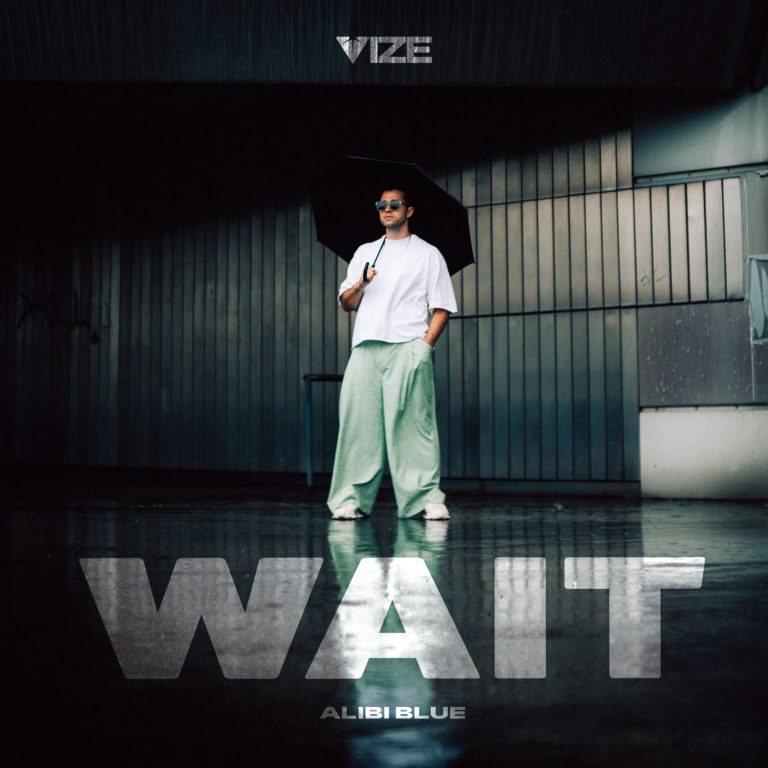
This is what the reunion after the summer break sounds like: VIZE presents his new single “Wait (Alibi Blue)” from Epic Germany.
Having once again performed at the biggest EDM festivals in recent weeks (including Airbeat One, Parookaville, Beatparade, Tomorrowland), VIZE follows up his latest collaboration with British pop hitmaker Tom Gregory (“Make It Right”) with a highly emotional late-summer anthem – and deliberately keeps his fans in suspense a bit: “Wait (Alibi Blue)” sounds like longing and anticipation, late summer vibes and the last long nights of the year.
As VIZE’s soundtrack for a reunion after the long summer break, “Wait (Alibi Blue)” lands on playlists on September 5th. At the same time, the acclaimed producer, who now boasts over three billion combined streams, is shortening the wait for his big live home performance in Berlin, which takes place the weekend after the single’s release (September 6th) at the Uber Eats Music Hall.
Waiting can be so beautiful, a sweet, absolutely intense feeling – when you’re waiting for someone you love: That’s the emotional essence of the latest VIZE track, in which the Berlin native reveals his flair for big emotions and gripping stories. Celebrated for his high-profile collaborations with various pop acts, VIZE relies on catchy melodies, hypnotic repetitions, and emotional storytelling for “Wait (Alibi Blue)”: “I’ll wait right here/till you come back around,” the longing wait begins. Initially subtly melancholic, the mood lightens with the first beat drop – with VIZE perfectly exploring the sweet spot between emotionality and euphoria, anticipation and feel-good vibes.
“… won’t be long now, till you come back around!“
“‘Wait (Alibi Blue)’ is about holding on to someone, even if that person isn’t with you right now,” says VIZE about his latest solo single, which makes waiting sound absolutely carefree and summery. “The song is calm, dreamy, and full of hope – like that feeling when you know someone will find their way back to you someday.”
Celebrated since 2018 for various groundbreaking house innovations (from slap house to prock house), Berlin-based EDM sensation VIZE has now racked up more than three billion combined streams. He has already collected over 75 gold and platinum awards in 18 countries and sold over 1.3 million albums, making VIZE easily one of the biggest EDM acts in Europe. Equally dominant on playlists like “Glad You Came,” “Stars,” “Ghost Town,” and “Never Let Me Down,” recorded with Tom Gregory, were the countless remixes/productions for/with colleagues such as Felix Jaehn (“Close Your Eyes”), Zara Larsson, Sam Feldt, Afrojack, Leony, R3HAB, Dimitri Vegas & Like Mike, Papa Roach, Capital Bra (#1!), Mark Forster, Imanbek, Alan Walker, and Tokio Hotel. VIZE has long been one of the biggest live acts in his field: On the road virtually nonstop for years, VIZE has performed at all the major festivals of his time, including Tomorrowland, Parookaville, Creamfields, Lollapalooza Berlin, Electric Love, Airbeat One, SonneMondSterne, and more. He will round off this year’s summer tour, which includes trips to Denmark and Italy as well as a Formula 1 pit stop in Austria, with an XXL home performance on September 6th at Berlin’s Uber Eats Music Hall.
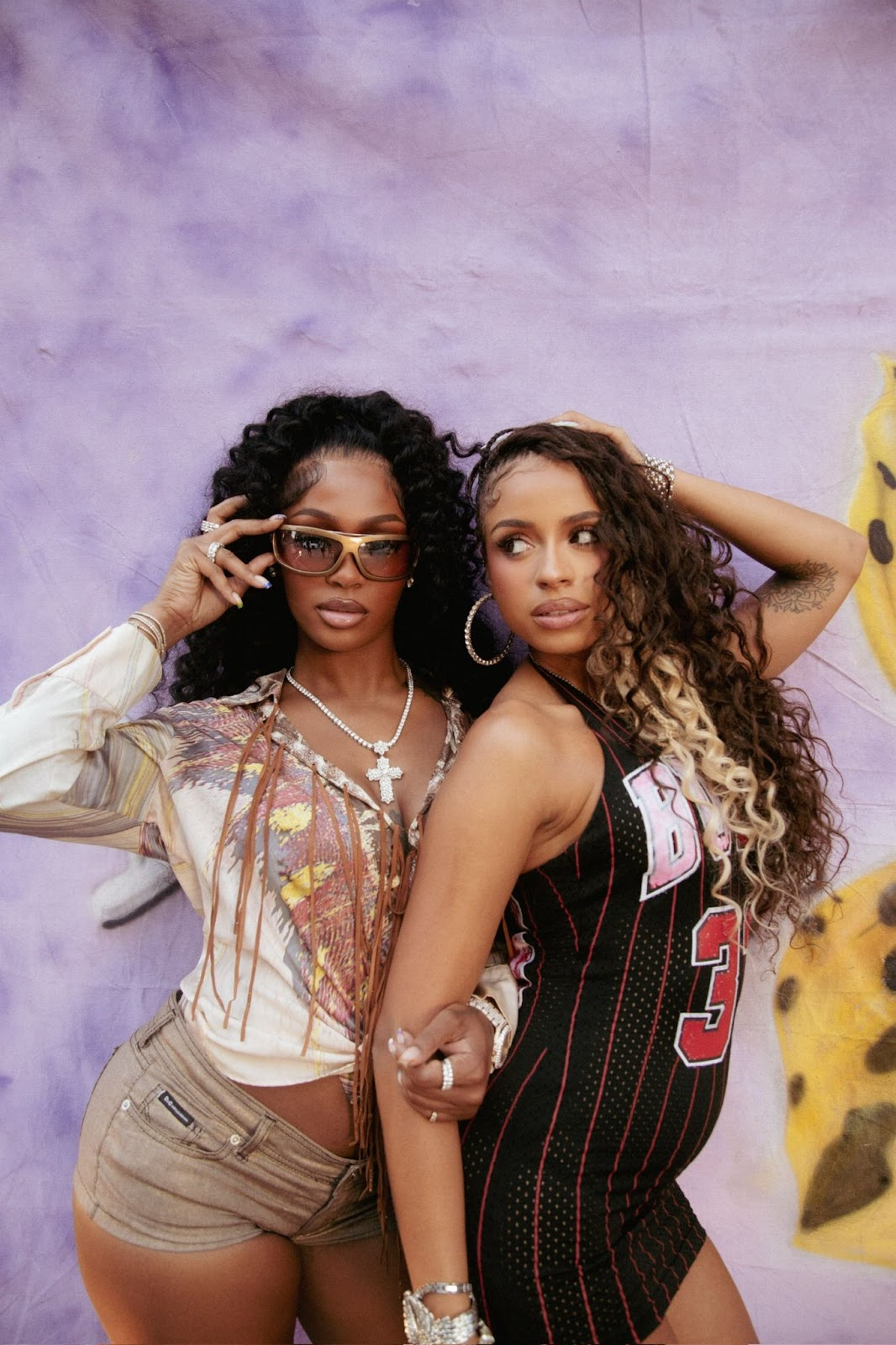
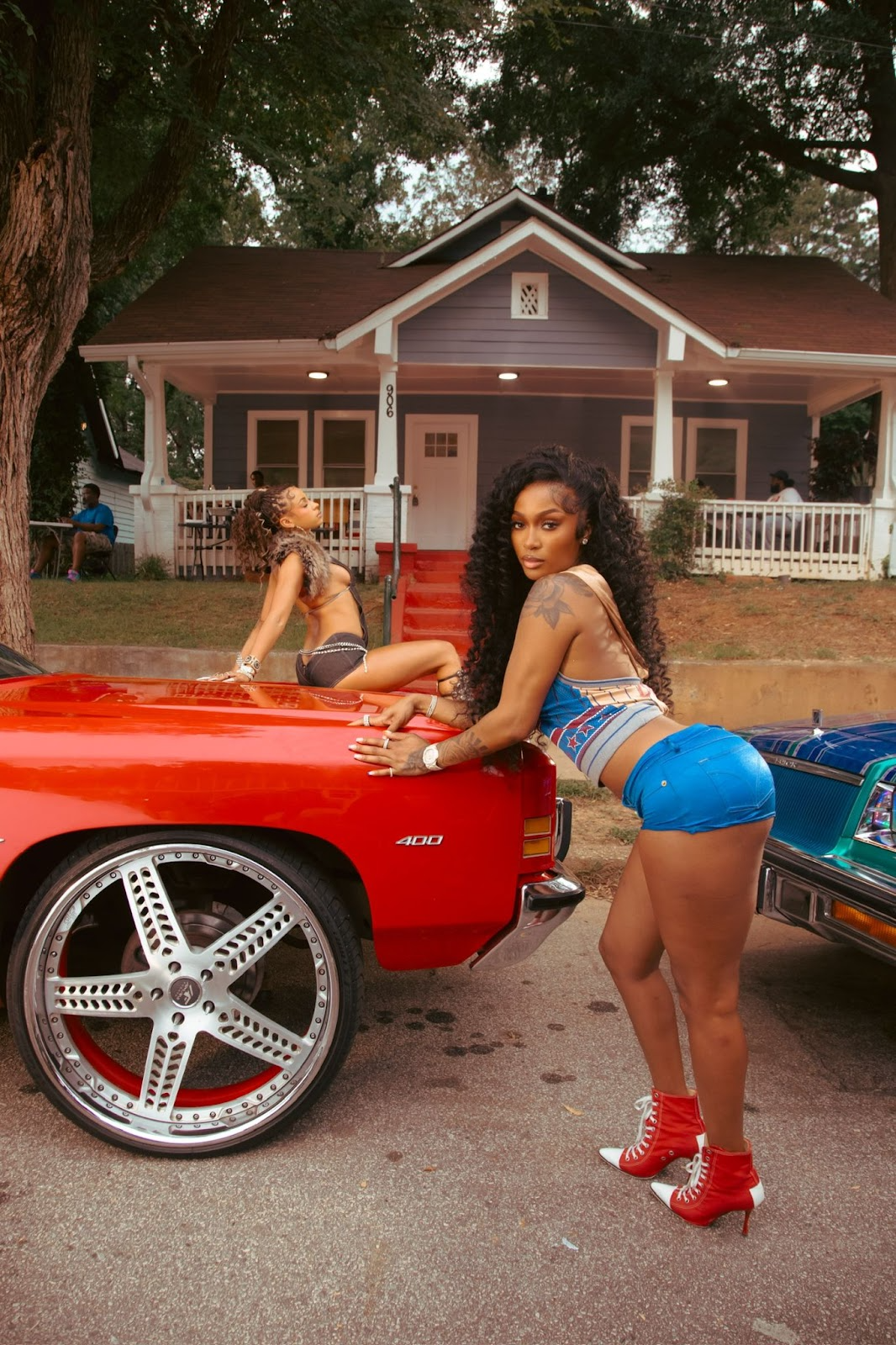
Atlanta’s reigning “It Girl,” Dess Dior, returns today with her latest single, “IDC” featuring R&B singer-songwriter BJRNCK. The track delivers a fierce reinterpretation of Field Mob’s 2006 hit “So What” (featuring Ciara), blending nostalgia with a fresh, fearless energy. The result is a bold, female-led anthem about empowerment, self-worth, and walking away from anything that no longer serves you.
Produced by veteran ATL hitmaker OG Parker, “IDC” taps into the ongoing resurgence of sample-driven music, standing out as a confident, modern take on love, detachment, and resilience. Set against a hard-hitting beat and layered with BJRNCK’s smooth, soulful vocals, Dess Dior delivers razor-sharp verses with her signature Atlanta flair, asserting independence and emotional clarity in a digital age.
“This record is about standing on business and knowing exactly who you are,” says Dess Dior. “I didn’t want it to sound soft or passive. I wanted it to feel powerful. BJRNCK brought that same fearless energy to the song. Her voice gave it soul and a sense of control. Together, we made a track that says, ‘I’m not stressing over you. I’m elevating.’”
“IDC” adds another standout to Dess Dior’s growing catalog, solidifying her place as both a music and fashion force. With over 4.5 million followers across platforms, she’s built a loyal fanbase by staying true to her roots while pushing boundaries. Her authenticity, style, and cultural impact continue to set her apart.
The release arrives at a pivotal moment for women in music, as more artists are reclaiming and reimagining samples from the early 2000s to tell their own stories. “IDC” is not just a song, it’s a statement.
A dynamic force in music, fashion, and culture, Savannah, Georgia, native Dess Dior, born Destiny Bailey, is a standout voice in hip-hop’s new generation. Known for her signature style and undeniable presence, she has built a devoted audience of more than 4.5 million followers, including over 2 million on Instagram alone.
Since launching her music career in 2020, Dess has delivered confident and infectious records that empower and inspire, including collaborations such as “Stone Cold” with Mariah the Scientist and “Favourite Girl” with Darkoo. As a standout star of BET+’s The Impact Atlanta, she brings her influence, drive, and authenticity to the screen, forging deeper connections with fans across every medium she touches.
Now, Dess Dior is preparing to release her highly anticipated debut project, marking a major milestone in her evolution as a recording artist. Whether she’s setting trends or setting the tone, Dess continues to shape culture through her sound, style, and vision.
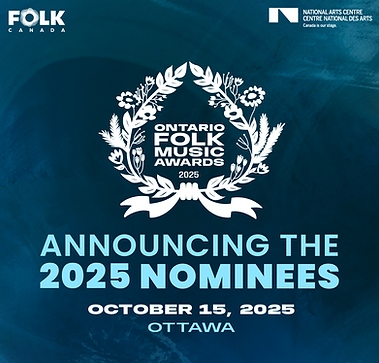
Folk Canada is pleased to announce the nominees for the 2025 Ontario Folk Music Awards, in recognition of the outstanding work and contributions of Folk artists and musicians from across the province of Ontario.
Presented in partnership with the National Arts Centre, the 31st annual Ontario Folk Music Awards will take place on Wednesday, October 15, 2025 at the National Arts Centre and will formally launch the Folk Music Ontario Conference. The event will feature performances by a select number of nominated artists and special guests, and for the first time in 2025 will include two brand new categories, Music Video of the Year and the Culture in Climate Award, which recognizes an individual, organization, or company in Canada’s Folk music sector that has demonstrated outstanding commitment to climate action and environmental responsibility. Still to be announced are the Estelle Klein Award recipients, the first ever Culture in Climate recipient, the laureate for the Colleen Peterson Songwriting Award and the Taylor Mitchell Bursary recipient.
The 2025 nominated artists come from all across Ontario, including Ottawa, Kingston, Toronto Mississauga, Guelph, Windsor, Peterborough and more.
Established in 1987 and now in its 38th year, the 2025 Folk Music Ontario Conference will take place October 15-19 in Ottawa, Ontario at the Delta Hotels Ottawa City Centre and welcomes attendees from across the country to the event.
To learn more, Folk Canada invites interested parties to visit the website and sign up for their newsletter. You can also register for the 2025 Folk Music Ontario Conference here.
The 2025 Ontario Folk Music Award Nominees are:
Song of the Year
“Weighing Down” by Julian Taylor (Julian Dean Taylor, Tyler James Ellis)
“There is a Power” by Larry Folk (Lawrence J Folk)
“Just A Little Bit” by Lynne Hanson (Lynne Hanson, Blair Michael Hogan)
“Only the Strong Survive” by Sam Drysdale (Sam Drysdale, Ally Sou, Tal Vaisman)
“Best Remembered” by Savannah Shea (Savannah Shea)
“Train Coming” by The Angelique Francis Band (Angelique Francis, Kiran Francis)
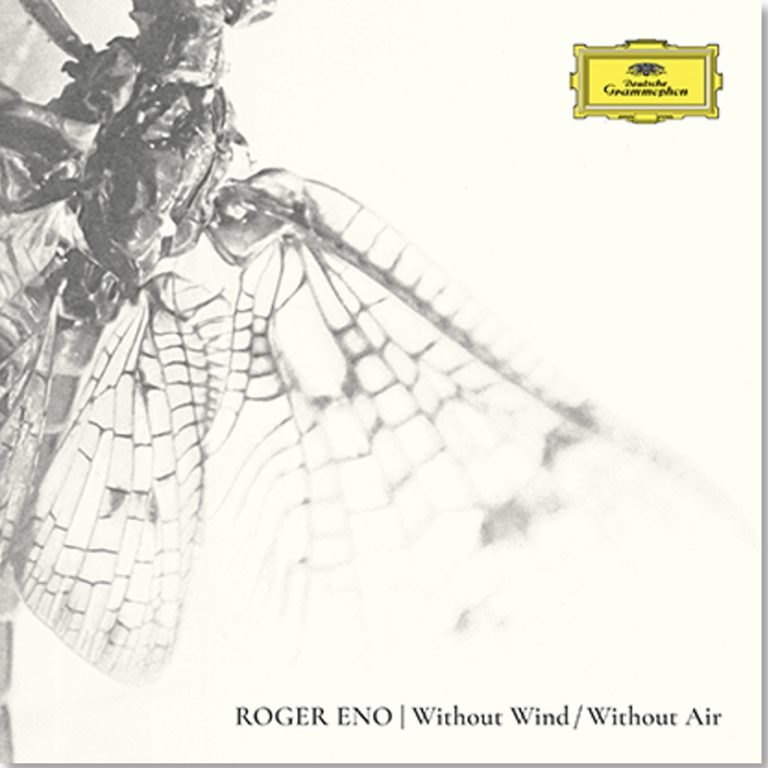
British composer and multi-instrumentalist Roger Eno has recorded Without Wind / Without Air, his third solo album for Deutsche Grammophon. Following on from the success of TheTurning Year (2022) and the skies, they shift like chords (2023), the new album includes both solo piano pieces and tracks orchestrated for various combinations of clarinet, guitar, bass, strings, synths, percussion and electronics. There are guest vocal appearances from soprano Grace Davidson and Roger’s daughters Cecily Eno and Lotti Eno, with Roger himself singing on The Moon And The Sea. Jonathan Stockhammer conducts the Scoring Berlin strings on three tracks, while Eno’s friend and producer Christian Badzura arranged and plays on several tracks as well as having co-written the opening and closing numbers, Forgiveness and After Rain.
Without Wind / Without Air will be released digitally and on vinyl on 31 October 2025. A first digital single, Forgiveness, will be shared on 5 September, with Alembic Distillation out on 19 September and There Was A Ship on 10 October. A limited-edition LP version includes a signed artcard of an image created by Roger Eno. Though abstract in origin, an experiment with pen and ink, it suggests insects in flight or mayflies dancing above water. The mayfly, long a symbol for the brevity of life, also features on the album cover, designed by Cecily Eno.
The album title comes from the lyrics of Doubled by the Sun, by Italian band The Doubling Riders. “My friend Pier Luigi Andreoni and I worked on various projects together in Italy in the 1990s,” says Eno. “He kindly gave me permission to use this line, which has a wonder-filled, late-summer atmosphere of almost motionlessness and peace.”
The sheer poetry of the lyric was enough for him at first, but has recently taken on a new meaning, as he explains: “I was forced to look at the fragility of species and climate, and their dependence on ‘turns of chance’ and carelessness. This alters ‘without wind, without air’ into a warning, a vision of a terribly bleak future – if any future at all.”
That shift of meaning is audible in the dissonances of the title track, which call to mind an impending storm. Roger’s subtle, slowly moving piano line is joined by the dark sounds of low strings, synths and electronics; high, wordless vocals from Grace Davidson; and the piercing wail of Alexander Glücksmann’s clarinet. There is a similar feel to The Final Year Of Blossom, again featuring the pure tones of Davidson’s voice, a track inspired by the fear that one day the Japanese cherry trees will fail to bloom.
Happier days are conjured by There Was A Ship, a folk ballad about reunited lovers, sung by Cecily Eno. She performed this song with both her father and her uncle in the amphitheatre of Herodes Atticus in Athens, as part of the acclaimed and first-ever joint concert given by Roger and Brian Eno (available to stream on STAGE+). In There Was A Ship’s mournful counterpart, The Moon And The Sea, Roger tells a tale of unrequited love – his poignant vocal line was captured in one take.
Without Wind / Without Air is punctuated by three magical tracks for Roger’s solo piano. Spell offers another folk-influenced flowing melody, in contrast to the more classical Alembic Distillation, with its echoes of the keyboard music of Bach and Scarlatti, while the softly resonating Saudade (“Nostalgia”) lives long in the memory
Six years after the release of his celebrated Piano Book album, Lang Lang returns with Piano Book 2. Set to be released on digital and physical formats on 17 October 2025 via Deutsche Grammophon, this new volume of short and accessible piano works offers a fresh selection that ranges from iconic classical compositions and contemporary pieces to music from TV, film, and gaming soundtracks. Liszt’s Consolation No. 2 is the first track from the album to be released, out on 5 September and available to stream/download on all platforms.
Lang Lang’s Piano Book has become his highest-streaming album to date, surpassing one billion streams worldwide, and remains one of the biggest-selling classical albums from 2019. It went platinum in China, charted in the Top 10 in the German pop charts, and peaked at No. 1 in the classical charts across the US, UK, France, Germany, Japan, and Australia.
The release of Piano Book 2 is further proof of Lang Lang’s commitment to inspire pianists of all ages, levels and backgrounds, amplifying the message that classicalmusic is for everyone. It continues the vision established by Piano Book, his efforts led by the Lang Lang International Music Foundation (LLIMF), and his engagement with the millions of fans who follow him on social media. The so-called “Lang Lang effect” has already encouraged tens of millions of children in China and beyond to learn the piano and other instruments, supported by the LLIMF’s unique educational programmes, masterclasses, mentoring schemes, and additional initiatives.
Lang Lang refers to the 32 tracks on his new album as “miniature masterpieces”. They were carefully selected based on messages from fans, school syllabus content, and his own teaching experience – as well as works especially close to his heart – with subtle nods to modern media and streaming culture.
Famous works by Bach, Mozart, Satie, Debussy & co. sit alongside new arrangements of themes from the anime TV series Naruto, films La La Land, Amélie, and Cinema Paradiso, and the video game Black Myth: Wukong. Aware that gaming is a key source of inspiration for younger listeners, composers, and performers today, Lang Lang also plays excerpts from Nobuo Uematsu’s score for Final Fantasy X and Yu-Peng Chen’s Genshin Impact soundtrack.
His program also embraces internet-born favorites: Andrew Wrangell’s Rush E and Tony Ann’s Icarus, which he and the composer perform in a brand-new four-hands version created by Ann for Piano Book 2.
Other tracks in this wide-ranging mix include jazz standard I’m Confessin’, popularised by Thelonious Monk, and numbers from two of today’s best-known pianist-composers, Joe Hisaishi (Spring) and Ludovico Einaudi (Fly).
There is something for everyone in Lang Lang’s latest thoughtfully curated anthology. He concludes a message to his fans by saying, “I hope this collection helps you discover new favourites, reconnect with familiar melodies, and find renewed inspiration at the piano.”
Piano Book 2 will be available digitally and on 2 CD and 2 LP formats, including a marbled vinyl edition and CD/LP versions with signed art cards available from the DG Store. A limited-edition CD offers access to downloadable sheet music and select tutorials via an NFC chip.
Lang Lang starts the 2025-26 season with tour dates in Canada/the USA (19-29 September & 4/7 December), the UK (3-10 October), Germany (13 October-8 November), France (11 November) and Hong Kong (11/13 December) – full details here.
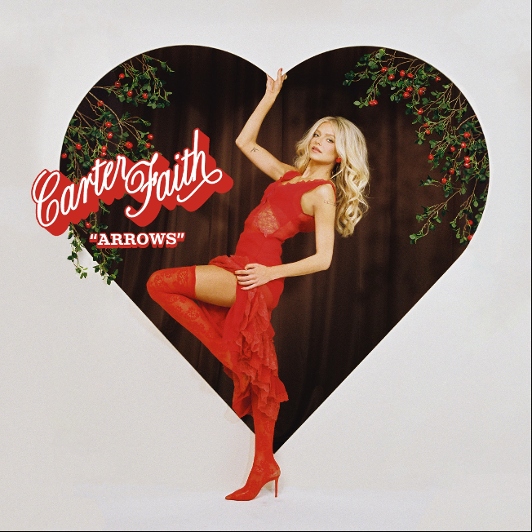
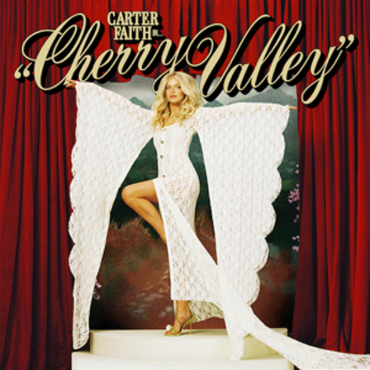
Rising Nashville star Carter Faith, who was named Music Row’s 2025Breakthrough Artist of the Year earlier this week, shares her new song “Arrows (Die For That Man)” today—listen here and watch the visualizer here. Her highly anticipated debut album, Cherry Valley, is set for release October 3 via Gatsby Records/MCA—pre-order/pre-save here.
“I wrote ‘Arrows’ after meeting a man for five minutes and developing an unhealthy and delusional crush on him,” says Carter. “As the song goes, I truly felt like I would die for that man. I’ve said before that I’m a girl who’d die for love but would never let it kill me. That’s what this song is about.”
“Arrows (Die For That Man)” follows the release of “Bar Star” and its music video starring Academy Award-winner Billy Bob Thornton – watch here. The video, which debuted last week, received enthusiastic acclaim from Rolling Stone,Billboard and Entertainment Tonight, among many more.
The track continues a string of previously unveiled songs, including “If I Had Never Lost My Mind…,” “Grudge,” “Sex, Drugs and Country Music,” Together, these songs have helped tide fans over since the arrival of The Aftermath EP last fall, which featured a duet with Alison Krauss and debuted to praise from Billboard, The Tennessean, American Songwriter, and others.
Cherry Valley is a document of Carter’s time in Nashville, working chronologically through her breakout successes and gut-punching breakups, new loves and family dustups. It’s named for an imagined place, a road sign Carter once saw that came to signify her creative home, a sweet spot where her old school influences like Tammy Wynette, Nancy Sinatra, Pet Sounds and Revolver meet today’s country. The album synthesizes all that into a signature Carter Faith sound.
The songs on Cherry Valley span Carter’s journey from her North Carolina hometown to Nashville, with all the heartbreak, triumph and hazy nights in between. Carter and longtime producer Tofer Brown spent two years crafting tracks for the album before finally entering the studio in 2024 to lay it down. All the while, Carter was working relentlessly to climb the ranks of country music, signing to MCA and Universal Music Publishing Group, gracing the Opry stage a dozen times, sharing stages with idols like Willie Nelson, and racking up hundreds of millions of streams.
Her time on the road with Little Big Town draws to a close tomorrow, following her Stagecoach debut and runs with Ella Langley and Carly Pearce. Carter recently joined Little Big Town’s Karen Fairchild on the stage of the 18th Academy of Country Music Honors for a duet of “Lies Lies Lies” written by ACM Songwriter of the Year, Jessie Jo Dillon. She’ll head back out to join Noah Cyrus next week and will finish off the year supporting Marcus King and Kelsea Ballerini this winter. See below for full routing.
CARTER FAITH—CHERRY VALLEY
1. Cherry Valley 2. Sex, Drugs, and Country Music 3. Arrows (Die For That Man) 4. Bar Star 5. Betty 6. Grudge 7. Six-String 8. If I Had Never Lost My Mind… 9. Misery Loves Company 10. Drink Up, Baby 11. Burn My Memory 12. Sails 13. So I Sing 14. Changed 15. Still A Lover
CARTER FAITH LIVE
September 5—Chula Vista, CA—North Island Credit Union Amphitheater* September 6—Mountain View, CA—Shoreline Amphitheater* September 12—Santa Ana, CA—Observatory† September 13—San Diego, CA—House of Blues† September 15—San Francisco, CA—The Regency Ballroom† September 18—Vancouver, B.C.—Queen Elizabeth Theatre† September 19—Seattle, WA—Showbox SoDo† September 20—Spokane, WA—Knitting Factory† September 21—Portland, OR—McMenamins Crystal Ballroom† September 23—Salt Lake City, UT—The Union Event Center† September 24—Denver, CO—Fillmore Auditorium† September 26—Kansas City, MO—Uptown Theater† September 27—Minneapolis, MN—The Fillmore Minneapolis† September 29—St. Louis, MO—The Pageant† September 30—Chicago, IL—Riviera Theatre† October 2—Detroit, MI—Masonic Temple Theatre† October 4—Montreal, QC—MTELUS† October 7—Boston, MA—Citizens House of Blues† October 8—Brooklyn, NY—Brooklyn Paramount† October 10—Philadelphia, PA—The Fillmore Philadelphia† October 11—Silver Spring, MD—The Fillmore† October 13—Charlotte, NC—The Fillmore Charlotte† October 15—Nashville, TN—Ryman Auditorium† October 17—Atlanta, GA—Tabernacle† October 18—St Petersburg, FL—Jannus Live† October 20—Houston, TX—House of Blues Houston† October 21—Dallas, TX—House of Blues Dallas† October 22—Austin, TX—Emo’s Austin† October 24—Phoenix, AZ—The Van Buren† October 31—Little Rock, AR—The Hall‡ November 2—Corpus Christi, TX—Concrete Street Amphitheater‡ November 5—Lubbock, TX—Cook’s Garage‡ November 6—Albuquerque, NM—Revel‡ December 6—Sydney, AU—ICC Sydney Theatre§ December 7—Melbourne, AU—Margaret Court Arena§ December 11—Melbourne, AU— Margaret Court Arena§ December 13—Brisbane, AU—Brisbane Entertainment Centre§ *with Little Big Town †with Noah Cyrus ‡with Marcus King §with Kelsea Ballerini