


Let’s get one thing straight: you don’t need a million-dollar room to make million-dollar music. Some of the best tracks I’ve ever heard came out of bedrooms, basements, and closets lined with towels. But if you want your home studio to sound pro—even if it doesn’t look like Abbey Road—there are a few things you can do right now to level up.
Here are 10 tips I’ve picked up producing everything from indie folk to industrial noise, all of which will get your sound tighter, cleaner, and way more “release-ready.”
1. Treat Your Room Before You Buy That Mic
I’ve said it a thousand times: don’t drop $1,000 on a condenser mic if you’re recording in a kitchen. Invest in acoustic panels, bass traps, or even thick blankets and rugs. Kill flutter echo and standing waves first—your mic will thank you later.
2. Monitor at Low Volumes
If you have to crank your monitors to hear detail, your room isn’t doing you any favors. Pro engineers mix at around 70–75 dB for a reason: it reduces fatigue and helps you hear more accurately. Your ears are your most valuable gear—protect them.
3. Learn Your Room Like You Learn Your Instrument
Whether you’re mixing in a shoebox or a spare bedroom, know your space. A/B your mixes on car speakers, cheap earbuds, and smart TVs. Take notes on what translates and what doesn’t. Experience is the best plugin you’ll ever download.
4. Use Reference Tracks Religiously
Import two or three professionally mixed tracks in the same genre into every session. Toggle between your mix and theirs. Don’t copy—calibrate. It keeps you honest and helps train your ears to know what “finished” really sounds like.
5. Get a Decent Audio Interface (and Use It Right)
A reliable interface like the Focusrite Scarlett, Universal Audio Volt, or Motu M2 is the nerve center of your setup. Watch your gain staging. Clipping isn’t “vibe”—it’s just a bad habit. Clean input, clean mix.
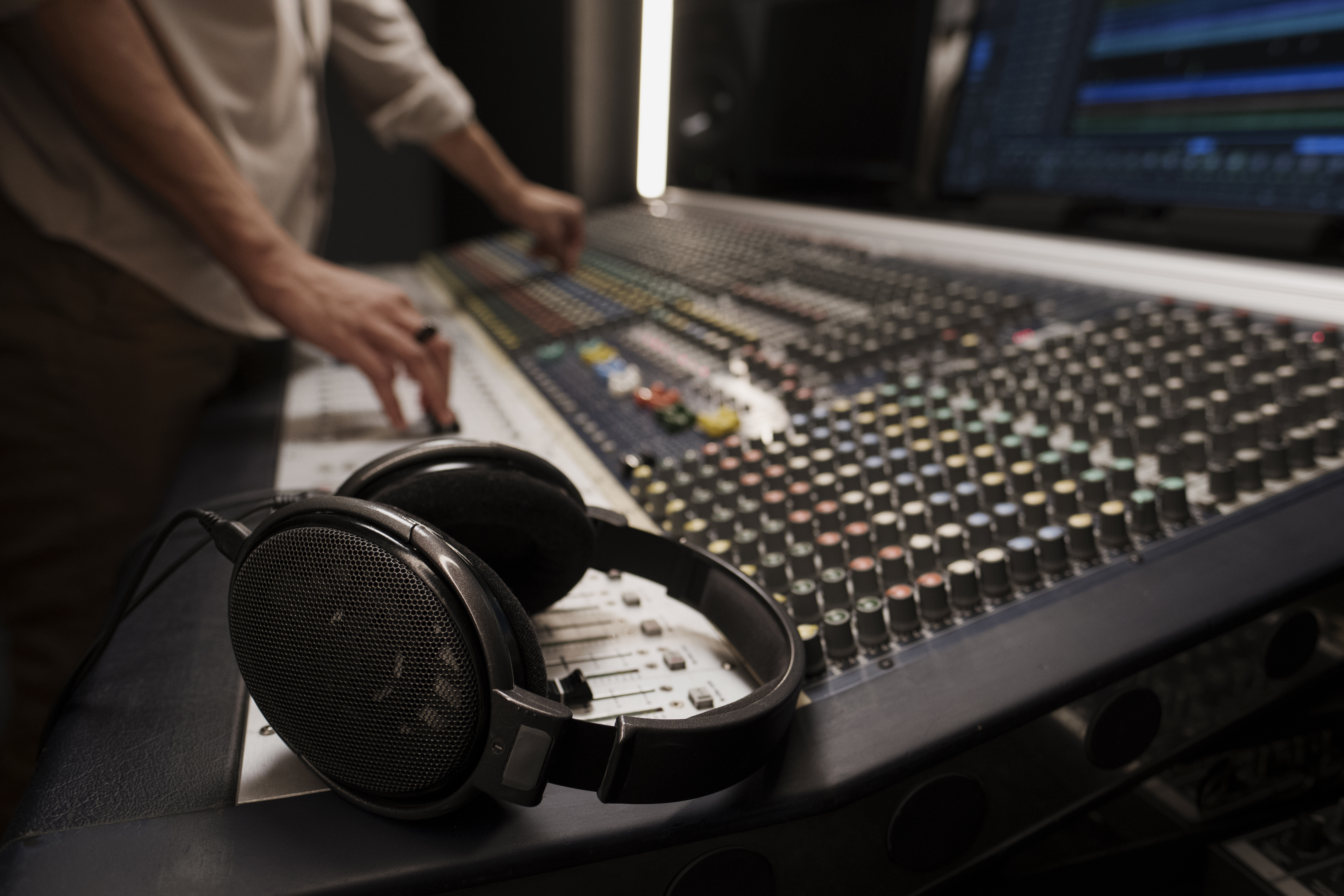
6. Don’t Sleep on Headphones
Open-back headphones like the Sennheiser HD600 or Beyerdynamic DT 990 Pro are a godsend in untreated rooms. Great for late-night mixing when monitors would wake the neighbors—or your dog. Trust your headphones after you trust your room.
7. Mic Placement Beats Mic Price
I’ve made charting vocals on a $100 SM58 just by finding the sweet spot in the room. Move the mic. Angle it. Experiment with proximity. A well-placed budget mic always beats a poorly placed expensive one.
8. Limit Your Plugin Obsession
You don’t need 50 EQs. You need one you understand. Learn stock plugins inside and out before chasing boutique ones. CLA didn’t become a legend because of his plugin folder—he became one because he knows how to use them.
9. Bounce Rough Mixes Constantly
Export your mixes often and listen to them away from your DAW—on your phone, in your car, at the grocery store. You’ll hear issues you didn’t notice when you were staring at waveforms for six hours straight. Distance = clarity.
10. Finish Songs, Not Settings
Tweak less, release more. Pros don’t get stuck perfecting reverb tails—they make decisions and move on. Don’t be afraid of committing. Perfection is the enemy of output. And no one ever streamed a plugin preset.
Bottom line? A home studio is only as pro as the person behind the DAW. Trust your ears, learn your space, and keep showing up. Because in the end, it’s not about gear—it’s about getting it done.