


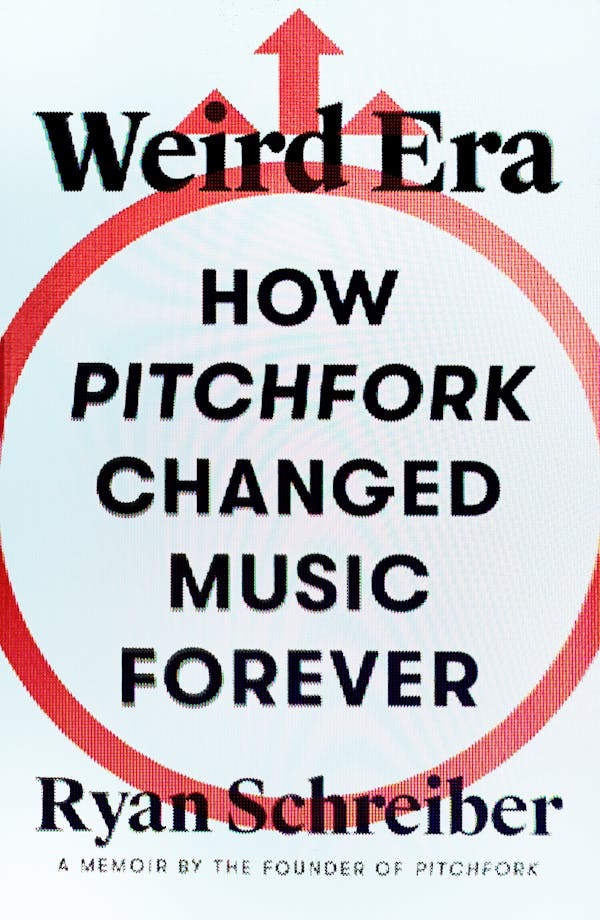
In 1996, a 19-year-old from Minneapolis named Ryan Schreiber launched a music zine from his family’s desktop computer and accidentally built one of the most consequential cultural forces in the history of recorded music. 30 years later, he’s telling the whole story. ‘Weird Era: How Pitchfork Changed Music Forever’ arrives December 1, 2026 via MCD, and it’s already one of the most anticipated music books in years.
Schreiber was present for all of it: the decimal rating system that made or broke careers overnight, the explosion of digital music media, the Pitchfork Music Festival he launched in Chicago in 2005, and the albums, artists, and meltdowns that defined an era. He writes about it with the kind of candor that only comes from someone who lived it without a roadmap, figuring things out in real time as the internet rewired everything around him.
The memoir covers Pitchfork’s evolution from bedroom blog to global tastemaker, and the tension Schreiber navigated as the site grew beyond anything he’d imagined. The name itself came from the assassin tattoo Tony Montana sports in Scarface. The decimal rating system, the one that turned a 6.8 into a cultural verdict, was just a gut decision from a teenager who thought a five-star scale wasn’t precise enough.
The arc of the book builds toward the site’s sale to Condé Nast in 2015, a moment Schreiber describes as shocking, and one that marked a clear turning point in the indie media landscape. What he built between 1996 and that sale shaped how an entire generation discovered, discussed, and argued about music. ‘Weird Era’ is the first full account of how that actually happened, told by the person who made every call.
For anyone who grew up refreshing Pitchfork on a Monday morning to find out what score their favourite album received, this memoir is essential reading.