


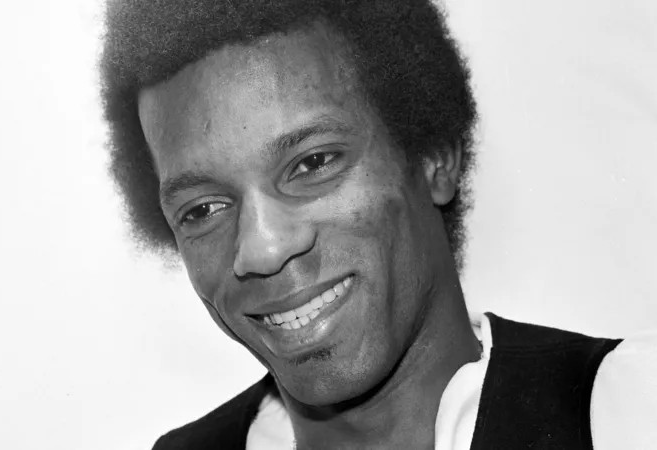
Tony Wilson, the Trinidadian bassist, vocalist, and songwriter who co-founded the British soul band Hot Chocolate and helped craft some of the most joyful, enduring pop songs of the 1970s, died on April 24, 2026, at his home in Trinidad. He was 89. No cause of death was given. His family confirmed the news on social media with a message that was as simple and powerful as any lyric he ever wrote: “Dad left us today. He left a lot of music behind… forever and ever.”
Wilson was born in Trinidad on October 8, 1936, and came to music early, cycling through a series of local bands — The Flames, The Souvenirs, The Corduroys — before making his way to London, where the city’s churning, competitive music scene would eventually deliver him to the doorstep that changed everything. His neighbor across the hall was a young man named Errol Brown. The two began writing together almost immediately, and Hot Chocolate was born.
Their first break arrived in characteristically audacious fashion. They recorded a reggae version of John Lennon’s “Give Peace a Chance” — without permission — and sent it directly to Lennon himself. Lennon not only approved it, he signed the band to Apple Records on the spot. It was a beginning that announced Hot Chocolate’s confidence and creativity in equal measure, and it set the template for everything that followed: bold ideas, executed with charm, landing exactly where they needed to land.
What followed was one of the most consistent commercial runs in British pop history. The band scored at least one hit every year for fifteen consecutive years from 1970 — a record at the time — and became the first predominantly Black British group to achieve major chart success in America. The songs Wilson co-wrote with Brown were deceptively sophisticated: “Love Is Life,” “Brother Louie,” “Emma,” and the track that would outlive every era and every decade it passed through, “You Sexy Thing.” Released in 1975, it reached number three on the Billboard Hot 100, found a second life in 1997 when it anchored the film The Full Monty, and has never really left the cultural conversation since. It is one of the most recognizable opening bars in the history of pop music.
Behind that success was a tension that would ultimately cost Wilson his place in the band he helped build. He had been Hot Chocolate’s original frontman, but producer Mickie Most gradually pushed Errol Brown forward as the lead voice, a shift that sat uneasily with Wilson even as his bandmates acknowledged he had the stronger singing voice. The breaking point came in an argument over royalties for “You Sexy Thing” — at the time just a B-side — and Wilson walked away in 1975. Brown later reflected with candor on what that departure meant financially: “That one argument must have cost him millions of pounds.”
Wilson’s solo career produced two albums, I Like Your Style (1976) and Catch One (1979), neither of which made a significant commercial impact. He released a final compilation in 1988 and then stepped back from the music industry, eventually returning to Trinidad. The songs, of course, kept going without him — through films, through television, through every generation of listeners who discovered “You Sexy Thing” as if for the first time and felt the same thing everyone always felt: pure, uncomplicated delight.
When Brown died in 2015, Wilson paid quiet tribute on social media. A bass guitar he had owned was lovingly restored on the BBC programme The Repair Shop in 2022, a small reminder that the instruments of a life in music outlast almost everything else.
His son Danny, reflecting on old diaries his mother had unearthed from 1970 and 1971, offered perhaps the most honest and moving summation of his father’s life: the staggering work, the knock-backs, the meticulous documentation of record sales, the sheer determination to make the world hear the songs he had written. “He meant so much to so many people,” Danny wrote. “Many posts make reference to how overlooked and underrated his music was — and although totally biased, I have to agree.”
Tony Wilson is survived by his children, including his son Danny and his daughter, whose words announced his passing to the world.