


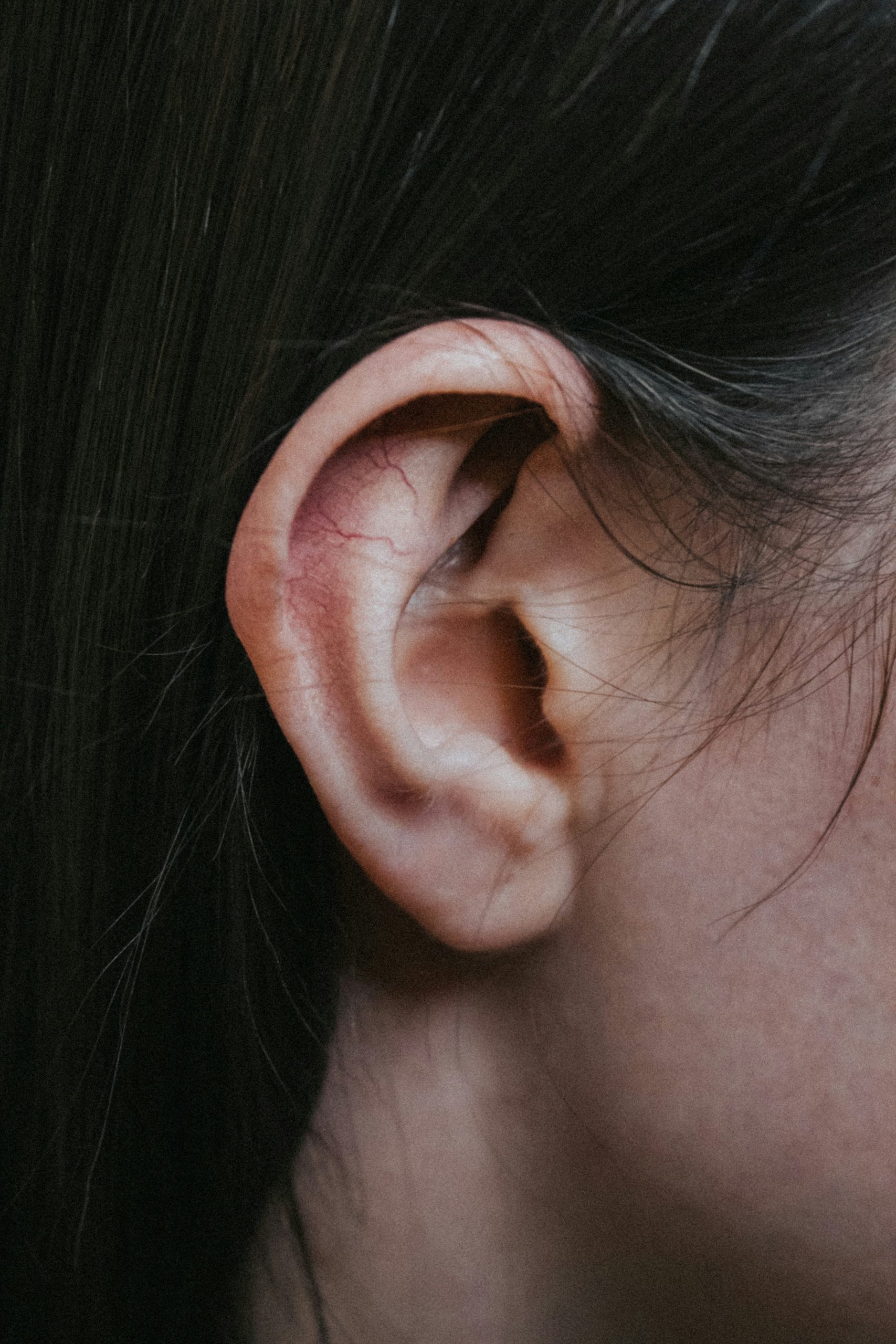
There is a cruel irony at the heart of loving live music. The very thing that moves you, that rush of sound hitting your chest at a concert, the wall of guitars, the kick drum you feel in your sternum, is also quietly doing damage that won’t announce itself until it’s too late. Hearing loss from music exposure doesn’t happen with a warning. It happens gradually, imperceptibly, until one day you notice a ringing that won’t quit, or a conversation that’s harder to follow than it used to be, or a high frequency in a song you love that you simply can’t hear anymore. By the time you notice, some of that damage is already permanent. This is not meant to frighten you. It’s meant to make sure you never have to find that out the hard way.
When Do You Actually Need Them
The honest answer is: more often than you think. The threshold for hearing damage begins at around 85 decibels with prolonged exposure, and a typical live concert sits comfortably between 100 and 110 decibels. A loud club or festival stage can push past 115. To put that in perspective, at 100 decibels, hearing damage can begin in under 15 minutes. You don’t need to be front row at a stadium show for this to matter. Rehearsal spaces, small clubs, even loud DJ sets in a bar are all environments where your ears are working harder than they should without protection. If you’re a musician, your exposure is multiplied many times over. Every practice, every soundcheck, every show. It adds up faster than anyone wants to admit.
Why Musicians and Fans Both Resist Them
This part is worth being honest about too. Earplugs have a reputation problem. The cheap foam ones you find at a pharmacy do work, in the sense that they reduce volume, but they also muffle sound in a way that makes music feel like you’re listening to it through a wall. That experience has put a lot of people off hearing protection entirely, which is understandable but unfortunate, because the technology has moved well past foam cylinders. The resistance is also partly cultural. There’s a long-standing mythology in music that loudness equals authenticity, that truly loving something means giving yourself to it completely, discomfort included. It’s a romantic idea. It’s also how a generation of musicians ended up with tinnitus and significant hearing loss before they turned 50.
What to Actually Buy
High-fidelity earplugs are the thing that changed everything for music lovers, and they are genuinely worth knowing about. Unlike foam earplugs, which dampen high frequencies far more than low ones and make music sound muffled, high-fidelity earplugs are designed to reduce volume evenly across the frequency spectrum. Music still sounds like music. You still hear the detail, the texture, the dynamics. You just hear it at a safer volume. Brands like Eargasm, Loop, Vibes, Etymotic, and Earpeace have made high-fidelity protection accessible and affordable, with most options sitting between $15 and $50. For musicians who need something more precise, custom-moulded earplugs made by an audiologist offer the best fit and the most accurate sound reproduction, typically in the $150 to $300 range. They last for years and are genuinely one of the best investments a working musician can make.
Where to Find Them
You don’t have to look hard. Loop and Eargasm are widely available on Amazon and in many music retailers. Etymotic and Earpeace can be found online and increasingly in guitar shops and music stores. If you want custom moulds, your first call is to an audiologist – many who work with musicians specifically will offer musician-grade attenuation filters rather than the industrial-grade ones designed for construction workers, so it’s worth asking for that specifically. Some music schools and conservatories offer hearing screening and referrals as part of their student services, which is a resource that goes criminally underused. And if you’re at a festival and realise you’ve forgotten yours, many venues and festivals now stock disposable high-fidelity options at the merch table or medical tent. It’s worth checking before you default to foam.
The Bigger Picture
Hearing is not replaceable. There is no surgery, no device, no workaround that gives you back what prolonged noise exposure takes away. Tinnitus – that persistent ringing or buzzing that many musicians live with – has no cure. What it has is prevention. The musicians who have spoken openly about their hearing loss, Pete Townshend, Neil Young, Chris Martin, Beethoven himself working through deafness to finish some of the most extraordinary music ever written, all carry the same quiet message: protect what you have while you have it. Earplugs are not a compromise. They are not an admission that you love music less. They are how you make sure you get to love it for the rest of your life. Bring them to the next show. Leave them in your jacket pocket, your bag, your guitar case. Make it a habit so automatic you don’t have to think about it. The music deserves a listener who can still hear it at 70.