


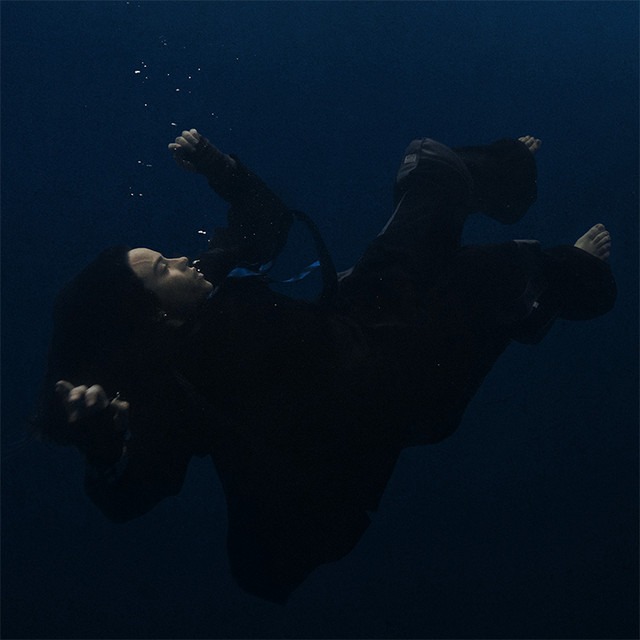
There is a before and after in modern pop music, and the dividing line is a teenager recording songs in her brother’s bedroom in Los Angeles. Before sold-out arenas and Oscar wins, Billie Eilish was just a teenager recording music in her childhood home with her brother Finneas. “Ocean Eyes” was uploaded to SoundCloud in 2015 almost casually. The internet did the rest. What happened next was not just a viral moment. It was the beginning of a genuine sonic revolution that reshuffled what mainstream pop was allowed to sound like — and the effects are still rippling out a decade later.
The most radical thing Eilish did was refuse to be loud. Her debut album ‘When We All Fall Asleep, Where Do We Go?’ in 2019 officially shifted the pop landscape. The production was minimalist but unsettling. Songs like “Bad Guy” and “Bury a Friend” leaned into eerie basslines and whispered vocals. Instead of trying to sound big, Billie made small feel massive. That style is defined by close-mic’d singing, intimate delivery, and the decision to leave in subtle human sounds like breaths and lip smacks — the raw texture of a voice left unpolished. At times it blurs the line between singing and spoken word, creating the closeness of someone whispering right into your ear. In a pop landscape built on belting and bombast, that was genuinely radical. And it worked in a way nobody in the industry quite predicted.
The production side of what Eilish and Finneas built together was equally genre-defining. Her tracks blend soft beats, electronic textures, and haunting vocal layers, creating a sound that feels both eerie and deeply human. Unlike the loud, hook-heavy pop of earlier eras, her music thrives on subtlety. She not only bridges underground sounds with mainstream appeal but proves that innovation and emotion can coexist harmoniously. The bedroom-produced aesthetic that once marked music as lo-fi or niche became, through her, a dominant commercial sound. Suddenly the intimacy was the point. The imperfection was the production choice, not the limitation.
The wave of artists who followed tells the real story of her influence. Gracie Abrams has said she used to sing quietly in her bedroom and would stop whenever someone walked past, and that it translated into her singing career. “It’s not like I wanted to be a whispery singer,” she said. That is precisely the point — Eilish did not create a trend so much as she gave permission for a whole generation of artists to trust the music they were already making quietly at home. Hundreds, if not thousands, of musicians and singers have been inspired to wear themselves on their sleeves as they create and release art. The authenticity was contagious, and the pop charts started to reflect it.
What Eilish has done for the broader pop landscape is significant and still unfolding. Artists like Olivia Rodrigo, Gracie Abrams, and a long list of others have spoken about her influence. She became a catalyst not just for streams and awards but for a cultural shift in what people expect pop music to offer them. Pop used to promise polish, perfection, and spectacle. Eilish replaced all three with something harder to manufacture and more durable in its appeal: the sound of a real person telling the truth. That is what changed. And it will not be changing back.