


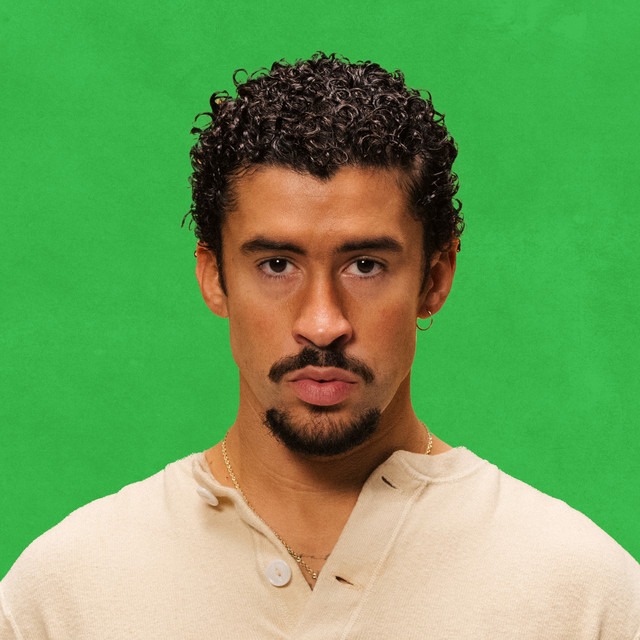
For decades, the conventional wisdom in the music industry was rigid: if a Latin artist wanted to conquer the global mainstream, they had to sing in English. That was the path Shakira and Ricky Martin walked during the “Latin explosion” of the late 1990s, crossing over with primarily English-language albums. Then came a tattooed kid from Puerto Rico who refused the bargain entirely. Bad Bunny became one of the biggest pop stars on the planet without compromising a single verse, recording almost exclusively in Spanish and forcing the rest of the world to come to him.
His rise was startlingly fast. In 2017, Puerto Rican rapper, songwriter and actor Bad Bunny was one of many up-and-coming artists in the hugely competitive field of urbano hitmaking, a newcomer looking for a break, and just a couple of years later he would become one of the world’s biggest pop stars. Born Benito Antonio Martínez Ocasio, he emerged from the digital noise of SoundCloud around 2016, and the breakthrough came through collaboration. It began with a few crucial collaborations: in May 2017 he released “Ahora Me Llama,” an atmospheric Latin trap single with future Colombian star Karol G, then weeks later dropped “Mayores,” a bouncy reggaetón smash with American pop sensation Becky G.
If any single project cemented his global dominance, it was 2022’s Un Verano Sin Ti. The record didn’t just sell, it rewrote the record books. It became the first album by a Latin artist to reach 10 billion streams on Spotify, spent 13 weeks atop the Billboard 200, was the first Spanish-language album to top the Billboard 200 Year-End Chart, and the first to receive a Grammy nomination for Album of the Year. Industry bodies took notice on a global scale: Un Verano Sin Ti won the IFPI Global Album Award, making Bad Bunny the first Latin artist ever to win an IFPI global award, while Apple Music named him its 2022 Artist of the Year, the first Latin artist to receive that honour, crowning the record its biggest Latin album of all time.
What set Bad Bunny apart was an artistic restlessness that mainstream pop logic would have discouraged. Un Verano Sin Ti was not a tidy radio play; it was sprawling and adventurous. From its childlike cover art to his unusual choice of collaborators, the 23-track record managed the near-impossible feat of sounding both intimate and recklessly experimental, veering from reggaetón danceathons into bossa nova chillout and idealized reggae, with a mega-hit like “Tití Me Preguntó” blending a bachata guitar line with dembow riddims before fading into psychedelia. He proved that global audiences would follow a Spanish-language artist into genuinely strange and beautiful musical territory.
Crucially, his success was never read as his alone; it became a referendum on Latin music’s place in the global mainstream. When Un Verano Sin Ti earned its Album of the Year nod, it landed as the first time in the six-plus-decade history of the Grammys that the most prestigious award could go to a project recorded entirely in Spanish, a milestone as much for the expansive genre as for the artist, arriving as reggaeton and Latin trap continued to dominate global pop despite being repeatedly snubbed by the industry’s biggest ceremonies. He was, in the words of one industry analysis, the cherry on top of an extraordinary year for the whole ecosystem, alongside artists like Karol G, Anitta, Rosalía, and regional Mexican acts, as Latin music, long seen as a niche field, continued to penetrate fresh markets with streaming platforms helping artists reach broad new audiences.
He has only widened the lead since. His album “DeBÍ TiRAR MáS FOToS” became the first fully Spanish-language album to win the Grammy Award for Album of the Year, a historic milestone for Latin music on the global stage, and that same year he headlined the Super Bowl halftime show, bringing Spanish-language music to one of the largest broadcast audiences in the world. From a record-breaking world tour to a landmark Puerto Rico residency, he has kept redefining what global superstardom looks like, proving that language, genre and geography are no limitations.
That, ultimately, is the legacy already taking shape. Bad Bunny took the unspoken rule that global success required English and tore it up, and in doing so he didn’t just win for himself. He kicked the door open for an entire generation of artists to reach the world on their own terms, in their own language. As one profile put it, he isn’t just shaping the present of music. He’s defining its future.