


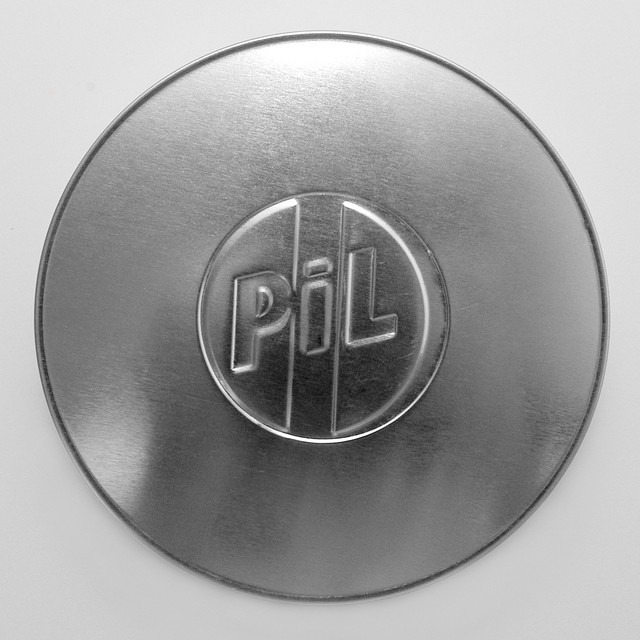
Released on 23 November 1979, ‘Metal Box’ is one of the strangest and most influential records of the post-punk era. Public Image Ltd took John Lydon’s cryptic vocals, Jah Wobble’s dub-soaked basslines, and Keith Levene’s icy metallic guitar and packaged it all in a way no band had tried before. It’s now widely regarded as a landmark of post-punk, but the stories behind its making are even wilder than its reputation suggests. Here are five facts worth knowing.
It Came Packaged In An Actual Metal Film Canister
The album takes its name from its original packaging, a metal case styled after a 16mm film canister and embossed with the band’s logo. Inside sat three 12-inch records spinning at 45 rpm, separated by paper sheets. The design was innovative and surprisingly cheap, though Virgin still asked for a third of the band’s advance back to cover the cost.
The Band Spent So Much On The Box They Had To Sneak Into Studios
According to John Lydon, much of the album was pure improvisation born out of necessity. The band had blown most of their money on the metal container, so they would sneak into studios after other bands had left for the night. What you hear are essentially rough monitor mixes with no real production behind them.
The Tin Was So Awkward It Was Almost Impossible To Use
The discs were packed so tightly inside the canister that they were difficult to pull out, and easily nicked and scratched in the process. Each side held only about ten minutes of music, forcing listeners to constantly flip records to hear the whole thing. After an initial run of 60,000 units, it was reissued in a normal gatefold as ‘Second Edition.’
“Death Disco” Was Written About Lydon’s Dying Mother
The track later retitled “Swan Lake” began as the single “Death Disco,” which Lydon wrote as his mother was dying of cancer. He watched her decline slowly over a year and channelled that grief into the music. He played the song for her shortly before she died, and said she was very happy to hear it.
They Almost Released It In Sandpaper Instead Of Metal
Before settling on the metal tin, the band considered packaging the album in sandpaper. The idea was that the abrasive sleeve would scratch and ruin the artwork of any record shelved next to it. PiL passed on it, but the Durutti Column later picked up the concept for their 1980 Factory Records debut.