


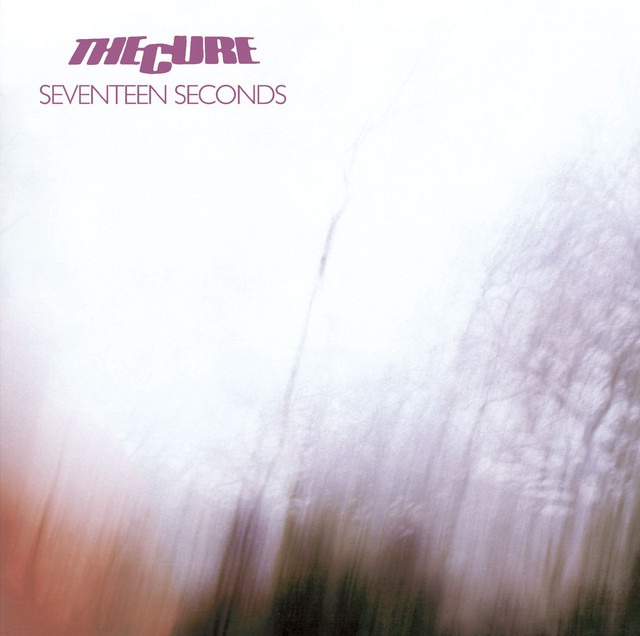
The Cure’s second album turned them from a scrappy post-punk trio into architects of a whole new mood. Released April 18, 1980 on Fiction Records, ‘Seventeen Seconds’ traded the jittery energy of their debut for spare, echoing atmosphere, and it gave them their first UK top 40 single in “A Forest.” Decades on, it’s considered an early blueprint for gothic rock. Here are five things you might not know about it.
The Whole Album Was Recorded In Seven Days
Money was short, so the band recorded and mixed ‘Seventeen Seconds’ between January 13 and 20, 1980, on a budget of between £2,000 and £3,000. That tight window meant working 16 or 17-hour days. The pressure shaped the record’s stripped, economical feel.
One Track Was Cut Short Because The Tape Ran Out
“The Final Sound” was planned to be much longer, but the tape ran out while the band was recording it. With no money to do it again, they were stuck with what they had. The result is a fragment that runs just 53 seconds.
Playing With Siouxsie And The Banshees Changed Robert Smith’s Direction
Smith spent two months playing guitar with the Banshees, learning their songs, and it opened up a new horizon for him. He came away wanting a band built around a bassline and a drum part with the vocals floating on top, the way Steven Severin and Budgie backed Siouxsie. He said he wanted the Cure to be “the Banshees part 2.”
A Clash Over Basslines Reshaped The Lineup
Original bassist Michael Dempsey hated the demos and wanted the band to be “XTC part 2,” so he left. Simon Gallup replaced him, which relieved Smith, who felt Dempsey’s basslines were too ornate. Keyboardist Matthieu Hartley joined too, though he’d later clash with Smith, since Hartley liked complex chords while Smith wanted single notes.
The Deluxe Reissue Featured Robert Smith’s Postman
The 2005 Deluxe Edition bonus disc included material by Cult Hero, a 1970s-style progressive rock project along the lines of Easy Cure. Its lead singer was Frank Bell, who happened to be Robert Smith’s postman. It’s an unexpected footnote to one of the band’s most influential records.