Home Blog

How Karol G Became a Global Superstar

0

Not long ago, the idea of a Spanish-language artist headlining stadiums across the world, topping the all-genre album charts, and closing Coachella would have been treated as a long shot. Karol G didn’t just clear that bar. She redrew it entirely. The Colombian singer’s climb from Medellín to the very top of global music is one of the great success stories of this era, and it’s worth celebrating how she got there.

She Built Her Foundation in Reggaeton, Then Refused to Stay Put

Karol G earned her stripes in a genre that didn’t always make room for women at the top, and she did it the hard way, with relentless output and an unmistakable voice. By the time her momentum was peaking, she had racked up milestones like surpassing 50 million Instagram followers and releasing 100 singles, each one proof of a devoted and growing fanbase. But the secret to her longevity is that she never let herself get boxed in. Her recent work shows an artist constantly stretching. Her 2025 album ‘Tropicoqueta,’ a 20-track project, blends reggaeton with classical Latin influences including vallenato, merengue, bachata, and Brazilian funk, showcasing real artistic maturity and a willingness to explore well beyond the sound that launched her.

She Shattered Records That Had Never Been Touched

Here’s where the scale of the achievement becomes impossible to ignore. Karol G hasn’t simply succeeded, she’s broken barriers that stood for decades. Her ‘Mañana Será Bonito’ era reshaped expectations entirely, with the album debuting at No. 1 on the Billboard 200, a first for a Spanish-language album by a female artist. The hits kept stacking up from there. Her 2025 album ‘Tropicoqueta’ became her fourth consecutive No. 1 on Billboard’s Top Latin Albums chart and delivered the largest U.S. streaming week ever for a Latin album by a woman. The cumulative numbers are staggering. She has amassed more than 128 billion career streams and over 310 RIAA Platinum certifications in the United States.

She Became a Touring Powerhouse

Plenty of artists chart well. Far fewer can fill stadiums around the planet, and this is where Karol G truly separated herself. The historic ‘Mañana Será Bonito’ World Tour was a multi-continent run that sold more than 2.3 million tickets across 62 shows and grossed over $300 million, closing with four sold-out nights at Madrid’s Estadio Santiago Bernabéu. That demand has only intensified. After announcing her latest world tour, the stadium trek sold more than 2 million tickets within four days, prompting organizers to expand it from 39 to 63 dates, with multiple cities adding second, third, and even fourth shows. Her next chapter breaks new ground yet again. The ‘Viajando Por El Mundo Tropitour’ will see her become the first Latina artist to headline stadiums across Europe as part of a global tour.

She Made History on the World’s Biggest Stages

The crowning moments of her rise have been the kind that shift the culture, not just the charts. Following two headline performances at Coachella, she made history as the first Latina to top the iconic festival’s bill, in a set widely praised as a celebration of Latin music, identity, and unity. The honors have followed accordingly. In May 2026 she received the International Artist Award of Excellence at the American Music Awards, recognizing her profound impact on global music culture, an honor previously given to the likes of Whitney Houston and Beyoncé. She also holds the industry’s top prize, having earned a Grammy for Best Música Urbana Album along the way.

What Her Rise Really Represents

The most beautiful part of the Karol G story is that her success has never been just about her. Throughout her climb, she has carried Latin music and culture with her onto every stage she’s conquered, turning personal milestones into collective ones. Her achievements have come to symbolize the continued global expansion of Latin music itself, marking defining milestones not only in her career but in the genre’s worldwide reach. She has consistently woven messages of female empowerment and cultural pride into her work, making her ascent feel like a win for an entire community.

The Takeaway

Karol G became a global superstar by mastering her genre, then fearlessly outgrowing it; by breaking records that had never had a Latina’s name on them; by building a live show the whole world wanted a ticket to; and by carrying her culture proudly every step of the way. Hers is a story of talent meeting tenacity, and of an artist who decided the ceiling everyone assumed existed simply didn’t apply to her. The best part? With new stages still to conquer, she’s nowhere near finished.
What Fleetwood Mac Can Teach You About Creating Great Work While Your Team Is Falling Apart

0

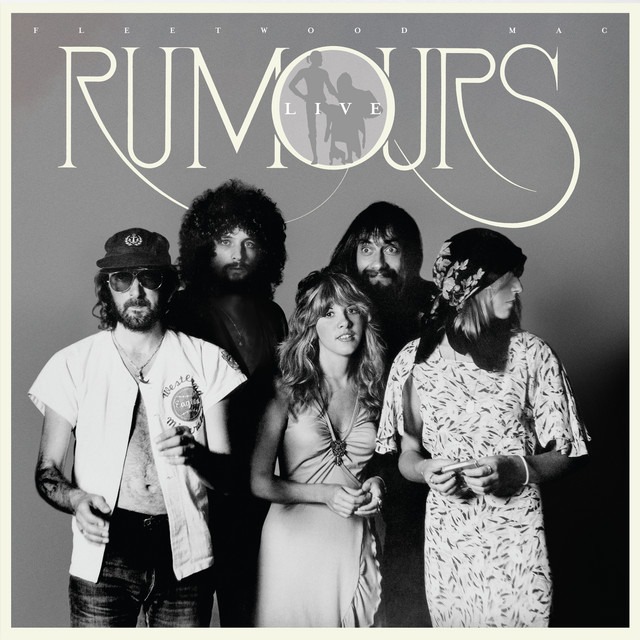
There’s a version of every workplace story we don’t like to admit happens: the one where the team is quietly coming undone, people aren’t speaking, trust has frayed, and somehow the deadline is still next week. Most teams in that situation produce something forgettable, or nothing at all. And then there’s Fleetwood Mac, who walked into a studio in the middle of total personal collapse and made one of the best-selling albums in history. The story of how they did it holds some genuinely useful lessons for anyone trying to do great work when the team around them is in pieces.

First, Understand Just How Bad It Was

To appreciate the achievement, you have to grasp the chaos. Over the year the band spent recording ‘Rumours,’ Stevie Nicks and Lindsey Buckingham were splitting up after eight years together and erupting into arguments whenever they shared a room, Christine and John McVie were going through a divorce, and Mick Fleetwood was dealing with the collapse of his own marriage. The studio itself became the battleground. Tensions ran so high that recording sessions sometimes had to stop entirely because of screaming matches and quarrels. If any team ever had an excuse to produce nothing, it was this one. Instead, they made a masterpiece. Here’s what we can learn from how.

Lesson 1: Pour the Tension Into the Work, Not Around It

The remarkable thing Fleetwood Mac did was refuse to let their conflict become wasted energy. They channeled it directly into the songs. Buckingham’s “Go Your Own Way” addressed his split with Nicks, Christine’s “You Make Loving Fun” celebrated a new romance away from John, and group recordings like “The Chain” became collective expressions of betrayal and stubborn loyalty. The members themselves understood this alchemy. Nicks has said the band made its best music when they were in the worst moods, while Buckingham felt the tension actually helped the process, making the whole more than the sum of the parts.

The business takeaway is a powerful one: friction is energy, and energy can be directed. A team in conflict has enormous emotional charge running through it. The question is whether that charge gets spent on hallway gossip and silent resentment, or aimed squarely at the work itself. The best creative leaders find a way to make the work the place where all that intensity lands.

Lesson 2: Let People Contribute Separately When Together Isn’t Working

Here’s a beautifully practical detail. The band didn’t force a fake harmony that wasn’t there. Musicians would sometimes record their parts alone to avoid awkward encounters, then overdub layered harmonies afterward so the final tracks sounded cohesive despite the personal fractures.

That’s a genuinely useful model for any manager. When two people can’t be in a room together productively, you don’t have to wait for them to reconcile before progress can happen. You can restructure the workflow so each person contributes their best individually, then assemble the pieces into something whole. Sometimes protecting the work means giving people space rather than forcing collaboration that isn’t ready. The harmony can be built in the edit.

Lesson 3: Honesty Is What Made It Resonate

The reason ‘Rumours’ connected with millions wasn’t its polish. It was its raw truthfulness. The high emotions resulted in hit songs with brutally honest lyrics, a confessional laid out on vinyl exposing the group’s innermost thoughts and feelings. That honesty became the album’s superpower. What keeps ‘Rumours’ appealing even now is its honesty about the human condition, capturing not just a couple splitting but everything that comes after, from the messiness and longing to the anger and, eventually, acceptance.

For teams, the lesson is that authenticity travels. Work made by people willing to be real, to put genuine feeling and truth into what they create, tends to land harder than work polished into something safe and hollow. Difficult circumstances, handled honestly, can produce work with a depth that comfortable circumstances rarely do.

Lesson 4: Finishing Is Its Own Form of Greatness

It’s worth sitting with the sheer improbability of completion. That ‘Rumours’ was ever finished, let alone topped the charts for 31 weeks, won the Grammy for Album of the Year, and became one of the biggest-selling albums of all time, is a testament to the artistry of the individuals involved and to the idea that great things can emerge through adversity. They did it through brutal hours and sheer will. In that studio, the band labored through eighteen-hour days, recording the sounds of separation alongside the very people they were separating from.

The lesson here is quiet but important: sometimes the win is simply that you finished at all. When a team is falling apart, just shipping the work, completing the thing you set out to make, is an act of enormous discipline and a victory in itself. Don’t underestimate the people who deliver under conditions that would have given anyone permission to quit.

The Honest Caveat

One thing worth naming, because the story isn’t a tidy fairy tale. The triumph came at real personal cost, and the success didn’t heal the wounds. The album’s success didn’t calm the storm; if anything it heightened it, as the band had to tour together, perform the breakup songs nightly, and pretend nothing was wrong. Great work born of turmoil is genuinely possible, but it’s worth caring for the people producing it, so that the masterpiece doesn’t quietly cost them everything.

The Takeaway

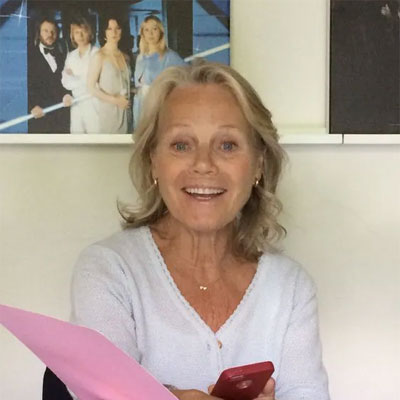
Görel Hanser, Longtime ABBA Manager and Confidante, Dies at 76

0

Görel Hanser, the Swedish music manager who spent decades at the heart of ABBA’s world, guiding the group’s affairs and becoming a trusted friend to all four members, has died at the age of 76. She passed away on June 13, 2026, her death announced jointly by Agnetha Fältskog, Björn Ulvaeus, Benny Andersson, and Anni-Frid Lyngstad.

Born Görel Kristina Johnsen on June 21, 1949, near Skövde in Sweden, she began what would become a lifelong career in the music business in September 1969, joining Stig Anderson’s publishing company Sweden Music and his record label Polar Music. She quickly proved indispensable, rising from Anderson’s secretary to become a key figure in the organization and, by the early 1970s, Vice President of Polar Music.

It was during ABBA’s meteoric rise that Hanser became central to the group’s story. She managed the group’s relationships with the many record labels releasing their music around the globe, served as their personal manager, handled the press, and accompanied them on tours and promotional trips across the world. In the process, she grew close to Agnetha, Björn, Benny, and Anni-Frid, becoming not just their manager but a genuine friend.

That affection was immortalized in one of the rarest treasures in all of ABBA lore. In 1979, the group, together with Stig Anderson, wrote and recorded “SÃ¥ng Till Görel” as a gift for her 30th birthday, a humorous, loving ode to how everyone in the office needed Görel. Pressed on blue vinyl in only a handful of copies and never permitted to be played on radio, the record has become one of the most sought-after ABBA collectibles in existence, fetching thousands of dollars at auction.

After ABBA’s breakup, Hanser continued working with Sweden Music and Polar before founding her own company, Music & Artist Service Görel Hanser, in 1987. From there she managed much of Benny Andersson’s work, including the celebrated Andersson and Ulvaeus musicals, and oversaw ABBA-related business on behalf of Andersson and Ulvaeus for years to come. She remained a beloved ambassador for the group, representing ABBA at fan club anniversaries, and in 2018 her lifetime of contributions to Swedish music was honored with a Grammis.

She is survived by her two children. Her husband, journalist and photographer Anders Hanser, whom she married in 1980 after meeting him while he covered ABBA, predeceased her.

Görel Hanser was 76.

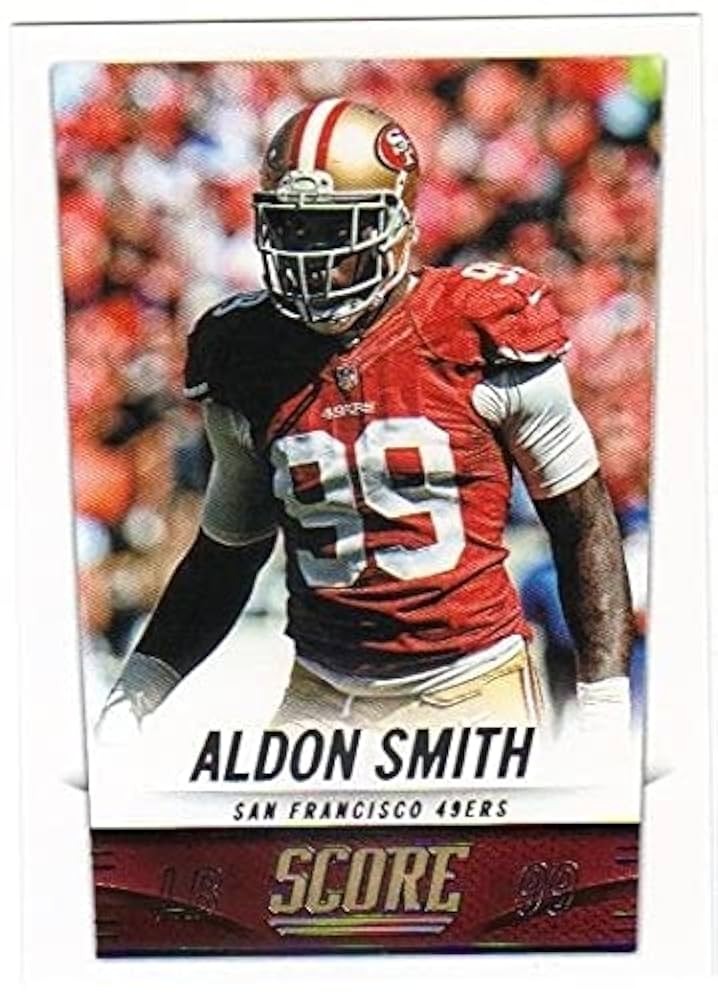
Aldon Smith, Former 49ers Pass-Rushing Star, Dies at 36

0

Aldon Smith, the explosive pass rusher who burst onto the NFL scene as one of the most dominant young defenders in football before his career was derailed by years of personal struggles, has died at the age of 36. He passed away on June 13, 2026, at Good Samaritan Hospital in San Jose, California.

Born Aldon Jacarus Smith in Kansas City, Missouri on September 25, 1989, he starred at Raytown High School before playing college football at the University of Missouri. With the Tigers, he made an immediate impact, earning Big 12 Defensive Freshman of the Year honors in 2009 and recording 11 sacks. After two seasons, he declared for the NFL draft, where the San Francisco 49ers selected him seventh overall in 2011.

What followed was one of the most electrifying starts to a defensive career the league had seen in years. As a rookie, Smith recorded 14 sacks despite not starting a single game, finishing half a sack shy of the all-time rookie record and earning Defensive Rookie of the Year honors from the Pro Football Writers of America. His second season was even better. In 2012, he piled up 19.5 sacks, breaking a 49ers single-season franchise record that had stood since 1971, and earned First-Team All-Pro and Pro Bowl recognition. Along the way he became the fastest player in NFL history to reach 30 career sacks, doing it in just 27 games, and set a record for the most sacks in a player’s first two seasons with 33.5. He helped lead San Francisco to Super Bowl XLVII and was voted the team’s MVP, ranking among the very best defensive players in the entire league.

The remainder of his career was shadowed by a long and public battle with addiction and repeated legal trouble, which led to suspensions and lengthy absences from the game. He made determined efforts to return, signing with the Oakland Raiders and later mounting a notable comeback with the Dallas Cowboys in 2020, when he posted five sacks and scored the first touchdown of his career on a 78-yard fumble return. He had a brief stint with the Seattle Seahawks before stepping away from football for good.

Across six NFL seasons, Smith recorded 52.5 sacks, 228 tackles, six forced fumbles, and a defensive touchdown, numbers that hint at the towering talent that, at its peak, placed him among the most feared pass rushers in the sport.

Aldon Smith was 36.

Dee Palmer, Jethro Tull Arranger and Composer, Dies at 88

0

Dee Palmer, the classically trained composer and arranger whose lush orchestrations helped define the sound of Jethro Tull across more than a decade of the band’s most celebrated work, has died at the age of 88. Her death at her home in Shropshire, after a period of illness, was announced on June 13, 2026.

Born in Hendon, London on July 2, 1937, Palmer trained at the highest level of British classical music, studying composition at the Royal Academy of Music under Richard Rodney Bennett. A gifted student, she won both the Eric Coates Prize and the Boosey and Hawkes Prize, and taught clarinet to other students during her studies. Decades later, in 1994, the Academy honored her as a Fellow.

Her path into rock came through session work. After arranging and conducting recording sessions and cutting her first album project, ‘Nicola,’ with folk guitarist Bert Jansch in 1967, she was introduced to the management of a young band recording their debut in Chelsea. On short notice, she crafted the horn and string arrangements for “Move on Alone” on Jethro Tull’s first album, ‘This Was.’ The work impressed the band, and so began one of progressive rock’s most enduring and fruitful collaborations.

For nearly a decade, Palmer served as Tull’s arranger, lending her orchestral touch to string, brass, and woodwind parts across a remarkable run of albums including ‘Stand Up,’ ‘Benefit,’ ‘Aqualung,’ ‘Thick as a Brick,’ and ‘Minstrel in the Gallery.’ In 1976 she formally joined the group as a full member, playing keyboards on ‘Songs from the Wood,’ ‘Heavy Horses,’ and ‘Stormwatch.’ Her tenure ended in 1980 when, after the album ‘A’ was released under the Tull name, nearly the entire lineup departed apart from Ian Anderson and guitarist Martin Barre. Palmer went on to form the group Tallis with former bandmate John Evan before returning to film scoring and session work.

From the 1980s onward, she carved out a distinctive niche producing symphonic arrangements of rock music, bringing orchestral grandeur to the catalogs of Jethro Tull, Pink Floyd, Genesis, Yes, Queen, and the Beatles, including an orchestral reimagining of ‘Sgt. Pepper’s Lonely Hearts Club Band.’ In 2018 she released her first solo album, ‘Through Darkened Glass,’ which featured a guest appearance by Martin Barre, and the following year the two performed together at Fairport’s Cropredy Convention.

In 1998, Palmer came out as transgender and intersex, taking the name Dee. She spoke openly in later years about her life and identity, including the loss of her wife, Maggie, in 1995. In doing so, she became a quietly trailblazing figure, a celebrated classical and rock musician living openly as her true self.

Dee Palmer was 88.

How to Use LinkedIn as a Musician (and Why It Might Be Your Most Underrated Tool)

When musicians think about where to build an audience, LinkedIn rarely makes the list. It feels like the place for résumés, corporate updates, and people humblebragging about promotions. But here’s a friendly reinvention worth considering: for a working musician, especially one interested in sync licensing, brand work, or session gigs, LinkedIn can quietly become one of the most valuable rooms you walk into. Let’s talk about how to use it well, without ever feeling like you’ve sold out or turned into a spreadsheet.

Start by Rethinking What LinkedIn Is For

The first shift is mental. Most of the people who actually pay for music live and work on LinkedIn. Music supervisors, brand managers, ad agency creatives, and licensing reps are active there, and LinkedIn is widely considered the best professional network for pitching music directly to supervisors. These are the folks deciding what song goes in the next streaming series, the next national ad, the next indie film. They generally aren’t scrolling Instagram hoping to discover you. They’re in a professional space, looking for professional collaborators. So showing up there isn’t about chasing fans. It’s about being visible to the people who hire.

Build a Profile That Speaks to Value, Not Just Job Titles

Your headline is prime real estate, and “musician” alone undersells you. Think instead about what you make and who it helps. Something like “I write cinematic, sync-ready music for film, TV, and brands” tells a supervisor in one glance exactly why they’d want to talk to you. The same goes for your About section: a short, warm story of what you create and who you create it for, two paragraphs at most. And do use a banner image that reflects your sound, a studio shot or something evocative of your world, rather than leaving it blank.

Connect With the Right People Before You Post Anything

Here’s a gentle truth about LinkedIn: your reach grows from your network first and the algorithm second. So it pays to build relationships before you start broadcasting. A good approach is to connect with a handful of music supervisors or sync reps with a simple, genuine note appreciating their recent work, no sales pitch attached. Roles worth searching for include music supervisor, sync licensing coordinator, brand partnerships manager, advertising creative director, and independent film producer. The aim is simply to be a friendly, familiar presence in the space, so that when you do share something, you’re talking to a room that already knows you.

Share Content That Only You Could Make

Once you’re connected, the question becomes what to post. The happiest answer is: things drawn from your real working life. A short note about a decision you made in a session, a reflection on the independent path, a milestone like a placement or a collaboration. Sharing updates, commenting thoughtfully on others’ posts, and consistently offering value is exactly how musicians turn LinkedIn connections into meaningful professional relationships. You don’t need to post daily. A single thoughtful post a week, rotating between how you work, what you think, and what you’ve accomplished, is plenty to stay credible and present.

Keep Posts Easy to Read

A small practical tip that makes a big difference: write for the scroll. Short sentences, generous white space, one idea at a time. Lead with a line that earns the click, expand briefly, then offer something useful, an observation, a lesson, a result. Close with a soft, human invitation to respond rather than a hard sell. People engage with warmth and curiosity far more than with pitches.

Play the Long, Relationship-First Game

The thing that makes LinkedIn work for musicians is the same thing that makes the whole sync world work: relationships, nurtured patiently. This industry runs on relationships, and when someone licenses your track, the smart move is to stay in touch, send them new music before it’s public, and build a genuine connection, because supervisors who love your sound will come back to you again and again. There’s a lovely international upside here too. Many independent artists were surprised in 2025 by how much of their income came from outside the US, with international royalties becoming more consistent and sometimes more meaningful than domestic ones. A global, professional network like LinkedIn is a natural place to nurture exactly those far-flung connections.

The Takeaway

LinkedIn won’t replace your streaming numbers or your live following, and it isn’t meant to. Think of it instead as the room where the buyers of music gather, a place where showing up consistently, generously, and as your professional self can open doors the other platforms simply can’t. Build a profile that speaks to your value, connect before you broadcast, share from your real creative life, and treat every connection as a relationship rather than a transaction. Do that, and you may find that the least “musical” platform out there becomes one of the most rewarding parts of your career.

Recording in Belfast: The Studios Worth Knowing

0

For a city of its size, Belfast packs an outsized musical punch, and a big part of that story happens behind studio glass. From the country and trad recordings of the 1970s to the post-hardcore, indie, and electronic acts filling rooms today, this is a place where records get made and careers get launched. And with Fleadh Cheoil na hÉireann coming home to Belfast this August, there’s never been a better moment to celebrate the rooms where the UNESCO City of Music actually makes its music. If you’re an artist thinking about where to track your next project, here are the studios worth knowing.

Start Together Studio

If Belfast has a flagship modern studio, this is it. Founded in 2007 as a collective of musicians and engineers who wanted to make great records without leaving their hometown, Start Together has grown over the years into three facilities with a huge collection of vintage and modern instruments and recording gear, hosting thousands of sessions for artists, writers, and labels from across the world. The client list speaks volumes about its reach. Co-founder and producer Rocky O’Reilly has worked with And So I Watch You From Afar, General Fiasco, TOUTS, ROE, Wheatus, and Nathan Connolly of Snow Patrol, among many others. Whether you’re cutting your debut EP or a full album, it caters to a range of budgets and needs.

Oh Yeah Music Centre

More than a studio, Oh Yeah is the beating heart of the Belfast scene, and it sits on genuinely historic ground. The building previously housed the Outlet Recording and Distribution Company, which in the 1970s helped nurture Ireland’s country and traditional music scene and was the birthplace of recordings by acts ranging from Hugo Duncan to Horslips, with the shell of that original studio still sitting in the middle floor. Its rebirth came from real pedigree. In 2005, former NME assistant editor Stuart Bailie, backed by local luminaries including Snow Patrol’s Gary Lightbody and Ash’s Tim Wheeler, set out to turn the building into a hub for Belfast’s growing musical community. Today it offers rehearsal and recording space alongside mentoring, a live venue, and a permanent music exhibition, making it the natural first stop for any artist plugging into the city.

Stoney Road Studios

If you want to disappear into your record without watching the clock, this is your spot. Stoney Road is the only residential studio in Belfast with full live tracking and drum rooms, a pro-level facility kitted out with Pro Tools, top-tier mic preamps, Neumann, AKG and Shure microphones, vintage Gibson and Fender guitars, a Bechstein upright piano, and a complete service package including engineer, all at a competitive price. Ideal for live band tracking where you want everyone in the room together.

AMPS Studio and Training Centre

Housed in the historic Conway Mill, AMPS is a great choice for artists who want to learn as they record. It offers sound recording, overdubbing, multi-track editing and mixing, analogue-to-digital transfer, rehearsal rooms and PA hire, alongside a training centre running courses in live sound, music production, mixing, and songwriting. A welcoming environment for newer artists finding their feet.

Redbox Studios

Tucked into the University Quarter, Redbox is the classic story of musicians building the room they wished they’d had. It was created when three local musicians decided to start their own studio, and now offers high-quality recording at affordable prices at 173 University Street. A solid, budget-friendly option right in the heart of student Belfast.

Belfast Underground / Cloud 9 Studios

For electronic, dance, hip hop, and pop producers, this is the room with the track record. Belfast Underground and Cloud 9 are among Ireland’s most successful studios, with more than 3,000 record-label-released productions to date, producing and remixing for major record companies and DJs while making production accessible to artists at every stage. If beats and toplines are your world, start here.

One More for the List: Blackstaff Mill

Worth knowing for the wider workflow too. Blackstaff Mill on Springfield Road is a constant hive of musical activity, home to Attic Studios and a great mix of independent rehearsal and recording spaces favoured by many of Belfast’s top artists. A good reminder that great records start long before the red light comes on.

Whether you’re chasing the polished sheen of a pop record, the live energy of a band in one room, or the raw honesty Belfast is famous for, the city has a studio to match. And if all this talk of Belfast music has you wanting to experience it in person, you couldn’t pick a better week.

Fleadh Cheoil na hÉireann (fleadhcheoil.ie), the world’s largest celebration of Irish traditional music, song, and dance, takes place in Belfast, August 2–9, 2026, the first time the festival has been hosted in Ireland’s only UNESCO City of Music. Expect a week of pub sessions, street performances, céilís, and concerts spilling out across the whole city. For more information visit fleadhcheoil.ie, visitbelfast.com, and discovernorthernireland.com.

My SiriusXM Show This Week

0

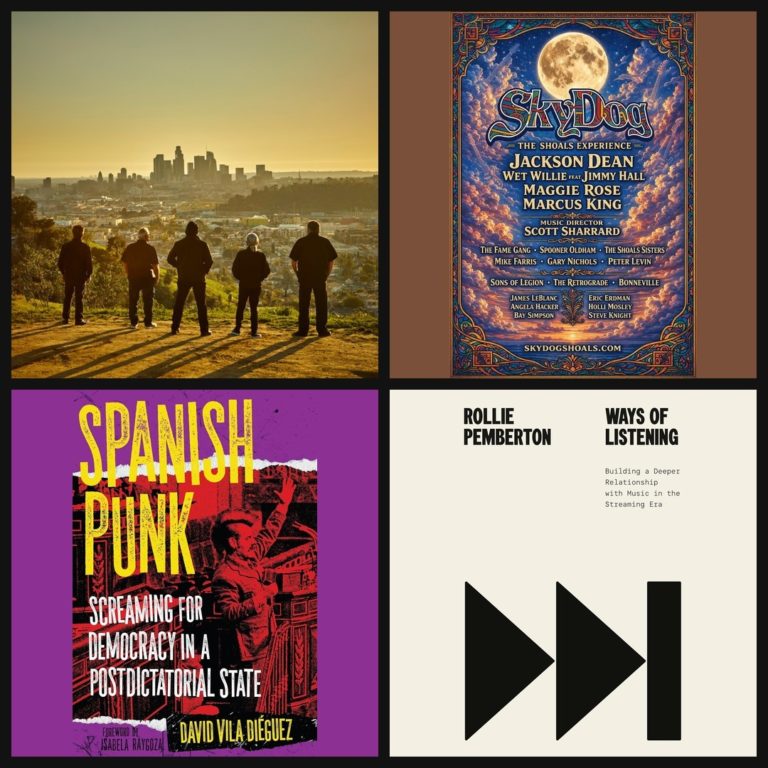
My SiriusXM show this week: Music legends Los Lobos; Rollie Pemberton aka Cadence Weapon, author, ‘Ways of Listening’; David Vila Diéguez, author of ‘Spanish Punk’; Jimmy Hall of Wet Willie on the SkyDog Music Festival. Sat 8am & 2pm, Sun 12pm & 8pm, Wed 6pm ET, Channel 167 + anytime on the SiriusXM app.

Metal-Pop Quartet Offspec Dare You To “Unwind” With Their Genre-Blending Sophomore Single

0

Offspec are pushing listeners to look deeper. The metal-pop quartet’s sophomore single “Unwind,” out now, challenges fans to explore sexuality and intimacy on a more meaningful level, telling the story of being trapped within a societal expectation that someone is only worthy for their body and outward appearance.

Vocalist Luisa unpacks the meaning behind it. “Looking deeper into Unwind, you’ll find that there is somebody trapped inside this illusion that they’ve created of themself and they’re pleading for a way out,” she says. The track dares to combine sultry pop melody with hard-hitting metalcore elements, following the band’s well-received debut “Let You Go.”

Already bolstered by a fanbase of 1.4 million followers across three social platforms, the band is captivating an audience worldwide. The quartet consists of Luisa Lyons on vocals, Eric Barrera on drums, Devyn Byrd on bass, and Micheal Luce on guitar. Drawing on Lyons’s Brazilian roots and Barrera’s Peruvian roots, the group weaves their individual musical experiences and cultural backgrounds into a sound built to connect with a diverse international audience and the Latin community.

There’s an artistic layer to everything they do. Lyons is a digital artist herself, hand-drawing each song’s artwork to represent its deeper meaning, and the band encourages fans to step into their world and connect through all forms of expression. With “Unwind,” Offspec signal there’s plenty more to come.

SoCal Indie Rockers Lavalove Bring Sun-Soaked Energy To New Single “Never Better”

0

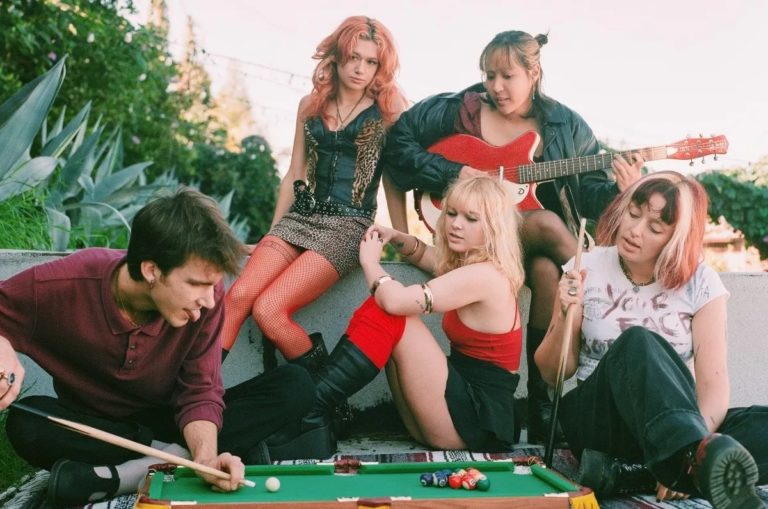
Lavalove are chasing the endless summer. The Southern California indie rock band have released a new song and music video for “Never Better,” taken from their new album ‘TAN LINES,’ out now via Pure Noise Records. It follows lead single “Sniffin’ Around.”

The track is hypnotic and built to be belted. “‘Never Better’ is hypnotic while trying to subconsciously convince your partner you’ll be their favorite ex,” says singer and guitarist Tealarose Coy. “It’s a song you could scream at the top of your lungs in your room for sure. The ending is so amazing as well, my favorite lyrics on the album.”

Lavalove have never been interested in asking for permission, and that spirit of escapism sits at the core of ‘TAN LINES,’ a record rooted in the belief that a brighter, freer life might be just one perfect night away. Produced by Anton DeLost, known for his work with State Champs and The Warning, the album channels the unfiltered thrill of an endless summer into a SoCal surf-meets-indie rock statement. Drawing from the simplicity of ’60s pop and surf and filtering it through modern indie, garage rock, and psych-pop textures, it bursts with effortless melodies, punchy rhythms, and sun-soaked energy.

It’s an album about getting out, of bad jobs, bad relationships, and bad moods, that burn off in late nights with friends and early mornings at the beach. Melding surf rock, garage grit, indie sheen, and psych-pop shimmer, it bridges eras and impulses, from the sunburned swagger of Coy’s all-time favorite band, Red Hot Chili Peppers, to the take-no-prisoners attitude of modern hitmakers like Chappell Roan and Sabrina Carpenter. Rather than whitewashing life’s heaviness, it meets it head-on, choosing joy, connection, and chosen family. The result is a fearless, forward-looking record built on confidence and community.