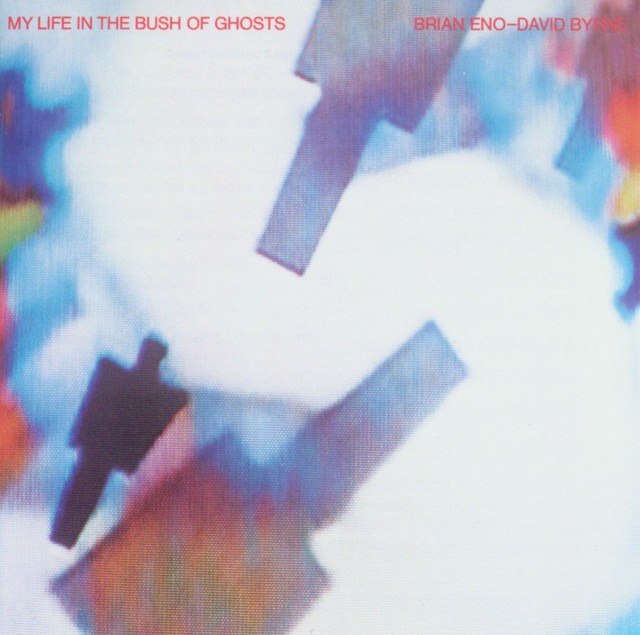
Few albums have rippled out as far as this one. Released February 25, 1981, ‘My Life in the Bush of Ghosts’ was the first collaboration between Brian Eno and David Byrne, and Byrne’s first record away from Talking Heads. Built from sampled vocals, found sounds, and African and Middle Eastern rhythms, it became a foundational text for sample-based music. Here are five things you might not know about it.
Neither Eno Nor Byrne Had Read The Book That Gave It Its Name
The album title comes from Nigerian writer Amos Tutuola’s 1954 novel ‘My Life in the Bush of Ghosts’. By Byrne’s own admission in the 2006 liner notes, neither he nor Eno had actually read the book. They simply felt the title seemed to encapsulate what the record was about.
It Was Recorded Before ‘Remain In Light’ But Held Up By Sample Clearances
The album was made mostly during a break between Talking Heads’ ‘Fear of Music’ and ‘Remain in Light’, both produced by Eno. Despite being recorded first, its release was delayed by several months while legal rights were sought for the large number of samples used across the record.
One Track Was Pulled After A Religious Objection
Soon after release, the Islamic Council of Great Britain objected to the use of Qur’anic recital samples on the track “Qu’ran,” considering it blasphemy. Byrne and Eno removed the track from later pressings, replacing it with “Very, Very Hungry.” Byrne later said they were “feeling very cautious about this whole thing.”
A Lebanese Singer Didn’t Know She Was On It Until 2017
Two tracks, “Regiment” and “The Carrier,” sample the voice of Lebanese singer Dunya Younes. Although the duo had cleared and paid for the samples, Younes was unaware her voice was on the album until 2017. The songs were briefly pulled before the matter was settled amicably, and Younes ultimately expressed flattery at the inclusion.
Its Influence Reached Hip-Hop’s Most Important Producers
The album’s sample-driven approach left a deep mark. Hank Shocklee of the Bomb Squad cited it as an influence on his production work for Public Enemy, while Kate Bush said it left “a very big mark on popular music” and Pink Floyd’s Richard Wright recalled it knocking him sideways.