There’s a specific kind of listening that only happens late at night. The phone is quiet, the city has settled into its low hum, and somewhere around 12:30 a.m. your relationship with music changes. The same record you played at noon through laptop speakers becomes something else entirely when the room is dark and there’s nothing between you and the sound. Certain albums were built for exactly that moment. Not all of them were made that way on purpose, but they found their way there anyway.
Here are ten records that reward the late hours more than any other time of day.
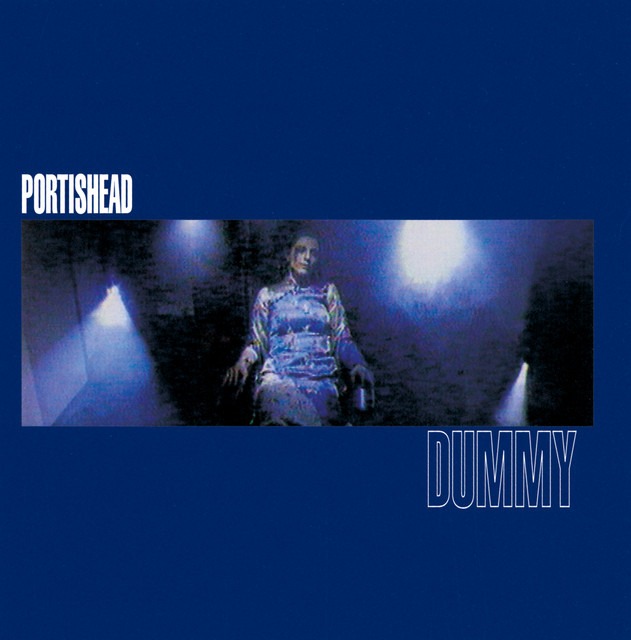
Portishead – ‘Dummy’ (1994)
The one that started a thousand late-night listening sessions. Beth Gibbons’ voice carries a grief that doesn’t fully register in daylight, but after midnight it lands somewhere between your chest and your throat and stays there. The record doesn’t ask anything of you except attention. The sample-flipped spy-film aesthetics, the turntable crackle, the weight of “Roads” and “Wandering Star” — these are sounds that exist in a different emotional register after the rest of the world has gone to sleep.
Massive Attack – ‘Mezzanine’ (1998)
If ‘Dummy’ is melancholy, ‘Mezzanine’ is dread. This record is claustrophobic in the best possible way, built from guitar distortion, electronic pressure, and voices that sound like they’re being transmitted from somewhere just out of reach. “Teardrop” is the obvious entry point, but the album earns its darkness across every track. It doesn’t open up as you listen. It closes in. That’s exactly what you want at 1 a.m.
Pink Floyd – ‘Wish You Were Here’ (1975)
Put this on in a dark room and don’t move for 44 minutes. The album’s opening stretch, “Shine On You Crazy Diamond” splitting into the two parts that bookend the record, is among the most generous pieces of music ever committed to vinyl. The title track itself is a song that sounds different every time you age another year, but it sounds best in the quiet hours when there’s enough stillness to actually hear what’s being said about loss and absence and the particular sadness of watching someone disappear.
Miles Davis – ‘Round About Midnight’ (1957)
The title is not a coincidence. This is the album Davis made the year he became himself, and it carries the particular intimacy of jazz performed for a room that’s nearly empty. His muted trumpet on the title track sounds like a conversation held at low volume specifically so the wrong people won’t overhear it. John Coltrane is here too, young and already unsettling. The whole record has the feeling of a city at 2 a.m., moving slowly, not quite asleep.
Cocteau Twins – ‘Heaven or Las Vegas’ (1990)
Elizabeth Fraser’s voice on this record is one of the genuine mysteries of recorded music. She’s not singing words so much as shapes, and the effect at full volume in a dark room is genuinely disorienting in the best sense. Robin Guthrie’s guitars shimmer and dissolve without ever fully landing. The album has no hard edges. Everything bleeds into everything else. It sounds like the moment just before sleep when your thoughts stop making linear sense and start moving in images instead.
Bohren & der Club of Gore – ‘Black Earth’ (2002)
This is the record for the deepest hours. A German quartet playing what they call doom-jazz, ‘Black Earth’ moves at roughly the speed of a very slow tide. Saxophone lines drift through bass and brushed drums like smoke through a room nobody has entered in years. There’s no urgency here, no resolution, no attempt to lift the mood. The album accepts the darkness as a condition and works entirely within it. It demands patience and rewards it completely.
DJ Shadow – ‘Endtroducing…..’ (1996)
The first album constructed entirely from samples, and still the most haunting one. Josh Davis built something genuinely cinematic from other people’s discarded recordings, and the result sounds like a memory you can’t quite locate. “Midnight in a Perfect World” has the most accurate song title in the history of electronic music. The whole record has a hazy, underwater quality, like a dream about a city you’ve never visited but somehow recognize.
Mazzy Star – ‘So Tonight That I Might See’ (1993)
Hope Sandoval sings like she’s telling you something important but doesn’t want anyone else in the room to hear it. Dave Roback’s guitar is warm and unhurried, and the record moves through its ten songs without ever raising its voice. “Fade Into You” is the centerpiece, and it earns that status. But the album’s real quality is its consistency of mood, a kind of wistful, slightly narcotic haze that belongs entirely to the late hours.
Yo La Tengo – ‘And Then Nothing Turned Itself Inside-Out’ (2000)
A record about marriage made to sound like the inside of a long, quiet night together. Ira Kaplan and Georgia Hubley whisper through most of it, and James McNew’s bass sits low in the mix like a slow heartbeat. The album’s most radical quality is its restraint. Nothing arrives too quickly. Nothing overstays. It’s one of the most genuinely intimate records in indie rock, and it sounds best when the circumstances match its mood.
Burial – ‘Untrue’ (2007)
The London producer William Bevan made this record in 2007 and it sounds like 3 a.m. on a night bus through a city that never quite makes eye contact with itself. The vocals are chopped and pitch-shifted into something barely human, the beats crackle like vinyl static, and the atmosphere is one of profound urban loneliness that somehow doesn’t feel bleak. It feels accurate. ‘Untrue’ captures a specific emotional frequency that most music doesn’t acknowledge exists, and it does it with enough beauty that sitting inside it for 50 minutes feels like a reasonable way to spend the deepest part of the night.