The artists who break through on social media aren’t usually the ones posting the most or shouting the loudest. They’re the ones who’ve figured out that a feed is a conversation, not a billboard. For emerging and indie musicians, that distinction is everything, because the tools that once belonged only to major labels are now sitting in everyone’s pocket. In 2026, musicians can build fanbases, promote new releases, connect directly with listeners, and grow globally without needing a major label. The catch is knowing how to use them well.
Here’s what the people who study this stuff, and the artists who get it right, are actually doing.
Lead with story, not sales
The single most repeated finding across every guide worth reading is the same. Authenticity beats polish every time. Fans scroll past content that feels like advertising. They stop when you feel real. That doesn’t mean never promoting a release. It means the promotional posts work better when they sit inside a stream of genuine moments.
One researcher framed it beautifully, suggesting that social media provides the context that helps people understand your music, much like a description next to a painting in a gallery. Your job is to be that description. Where a song came from, the late-night voice memo that became a chorus, the gear that shapes your sound, the city that raised you.
Show the process, because people are fascinated by it
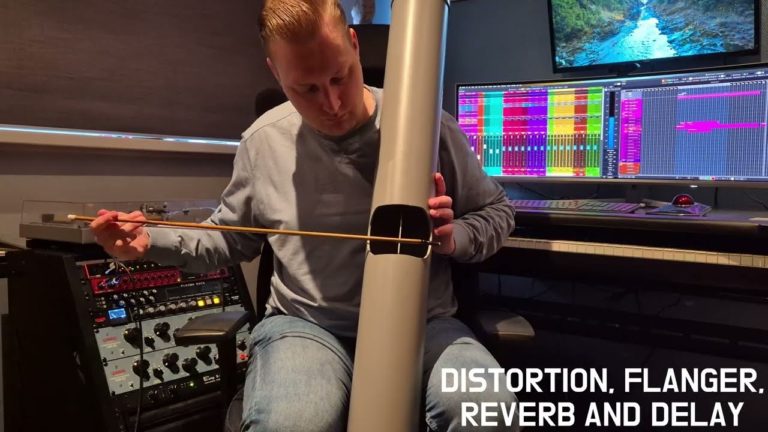
Behind-the-scenes content punches well above its weight. A 30-second clip of you laying down a vocal take, tweaking a mix, or writing a hook in a notebook performs surprisingly well. It humanizes you and builds real connection. The reassuring part for anyone on a tight budget is that none of this needs to be polished either. Phone footage and screen recordings from your DAW do the job.
Short-form video remains the fastest route to new ears, and lyric videos are quietly one of the most effective formats going. They’re cheap to produce, highly shareable, and they communicate what your song is about instantly. A viewer doesn’t even need sound on to get it.
Talk to people, not at them
The word “social” is doing a lot of work that most artists ignore. Replying to comments, running polls and genuinely engaging turns passive followers into a community. That extends to lifting up the people around you. Give a shoutout to a venue you’re performing at, bonus points for independent venues, and tag fellow musicians you’re gigging, touring or collaborating with. Supporting other artists, reposting work you love and building playlists that place your music alongside others are all quick ways to stay active and visible.
On community-driven platforms the rule is even stricter. Become a real member before you ever promote. Framing a share as part of a conversation, something like asking for thoughts on a jazz-and-trap experiment, lands far better than a flat “check out my new single.”
Pick your rooms and show up consistently
Trying to be everywhere is the fastest way to burn out and look thin. You do not need to master every platform at once. Focus on where your audience spends time. Two or three platforms done properly beat six done half-heartedly. TikTok reaches mostly 18-34-year-olds, while Facebook reaches older demographics who attend shows and buy merchandise, so let your actual listeners decide where you invest.
Then keep a steady visual identity across those profiles, the same photo, colours that match your music’s mood, so a stranger landing on any one of them instantly knows it’s you. Maintaining a sense of consistency makes your profiles look well put together, and cross-posting your big news gets it to the widest audience.
What to leave in the drafts folder
A few habits do more harm than good for an artist trying to grow:
Don’t post only announcements. Share studio clips, funny tour moments, and songs that inspire you instead of turning your feed into a stream of release dates and “out now” graphics.
Don’t chase trends that have nothing to do with you. Jumping on a format only works when you bend it to fit your identity rather than copying it wholesale, because the key is adapting trends to fit your identity as a musician instead of copying them generically.
Don’t promote and run on community platforms. Dropping a link and vanishing reads as spam. Engage first, share second.
Don’t try to market to everyone. Emerging artists often try to market their music to everyone, and the result is messaging that speaks to no one in particular.
The thread that ties it together
Strip away the platform-specific tactics and the same three words keep surfacing. The best social media strategies for musicians focus on consistency, authenticity, and connection. An emerging artist who treats every post as a chance to be real, to bring people into the work and to genuinely talk back will build something far more durable than one chasing a viral moment.
A practical closing note: pick the one platform where your fans already are, commit to it for ninety days, and keep a simple log of what landed and what didn’t. The artists who pay attention to their own data are the ones who stop guessing and start growing.